
The 'Vehicles may be parked wholly on the verge or footway' sign (code 668) indicates that parking, waiting, or loading is permitted on the verge or footway. However, it's crucial to read this sign in conjunction with any arrows, times, road markings, or bay limits, as these will specify the exact conditions. Always check the full sign assembly before you stop or leave your vehicle to avoid a contravention.
This sign indicates specific conditions under which vehicles can be parked entirely on the verge or footway. Deciphering this and associated markings is crucial for correct theory test revision and avoiding traffic rule infringements.
Parking and loading signs often contain several conditions in a small space. This sign may allow stopping for a specific purpose, prohibit waiting, restrict loading, reserve a bay, set a time limit, or mark the end of a controlled area. Learners should read the whole sign assembly before stopping because a vehicle can be in contravention even when it is stopped only briefly. It is listed in the catalogue as code 668.
"Vehicles may be parked wholly on the verge or footway" tells drivers how waiting, parking, loading, unloading, or bay use is controlled. The sign must be read with arrows, times, road markings, kerb marks, and bay limits.
Get clear, practical answers to the most common questions about the 668 - Vehicles may be parked wholly on the verge or footway road sign. Learn how the sign works, what rules it represents, and how it affects real driving situations. This FAQ strengthens your understanding and supports accurate decision making for the British driving theory exam in Great Britain.
This sign tells you that parking on the verge or footway is permitted. However, it's not a free-for-all. You must always check accompanying signs, arrows, times, and road markings for specific restrictions or permissions. If there are no other signs, it means parking on the verge or footway is allowed.
No, you don't have to. The sign indicates that it is permitted to park on the verge or footway if you choose to do so, subject to any other conditions shown. You can still park in a designated parking bay if one is available and unrestricted.
A common trap is assuming this sign means you can park anywhere on the verge or footway without checking other signs. Learners might miss specific time restrictions, directional arrows, or bay markings, leading to a misunderstanding of the allowed parking areas. Always read the complete sign assembly.
If there are yellow lines, kerb marks, or other road markings present with sign 668, they will usually provide additional restrictions or clarifications. For example, a single yellow line might still prohibit waiting at certain times, even though the verge parking is generally permitted by sign 668. Always prioritise the most restrictive rule or the specific instructions given by the full sign assembly.
The sign 'Vehicles may be parked wholly on the verge or footway' relates to waiting and parking, but loading and unloading are often covered by the same set of signs. You must check if the sign assembly includes any specific restrictions or permissions for loading and unloading. If the sign or associated plates do not prohibit it, and you are within any specified times or bay limits, loading or unloading may be permitted on the verge or footway.
A clear reference image of the 668 - Vehicles may be parked wholly on the verge or footway road sign used in Great Britain.
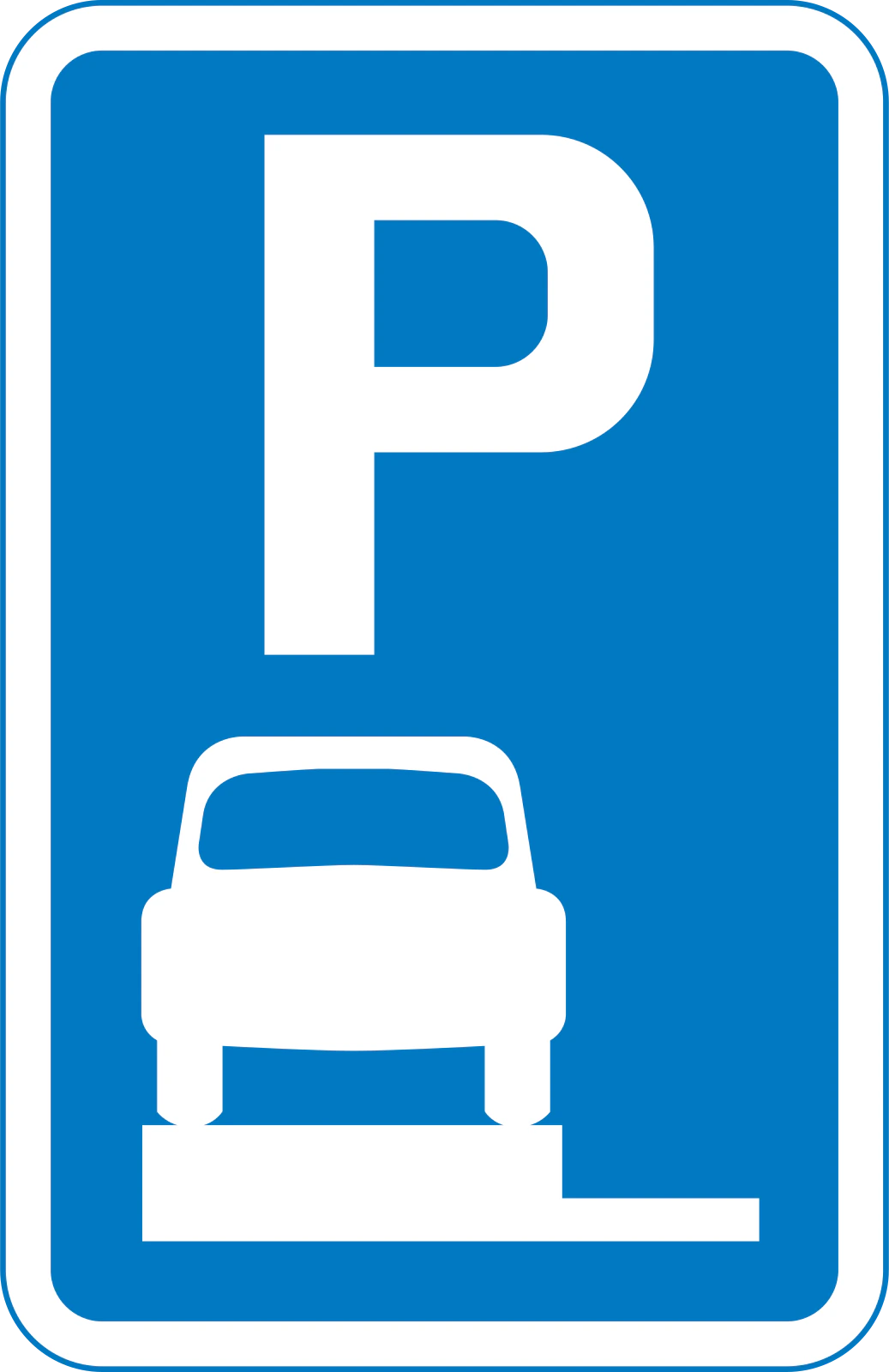
The 668 - Vehicles may be parked wholly on the verge or footway road sign may also be known by these alternative names or terms.
The 668 - Vehicles may be parked wholly on the verge or footway road sign is part of the Great Britain Parking and Loading Signs category, which groups together signs with similar rules and functions.
Mastering road signs for your theory test revision involves understanding subtle differences. Comparing similar traffic signs helps solidify your recognition and recall, reducing errors in your exam preparation.
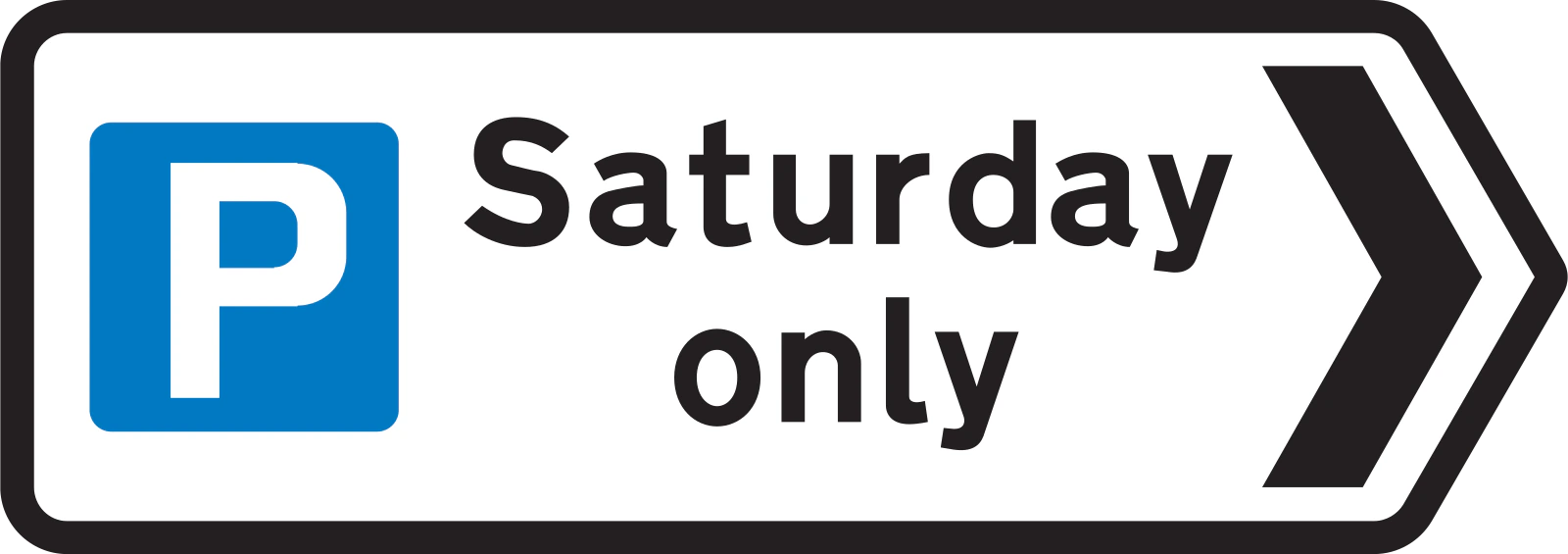
This sign directs you to a parking place available only on a specific day.
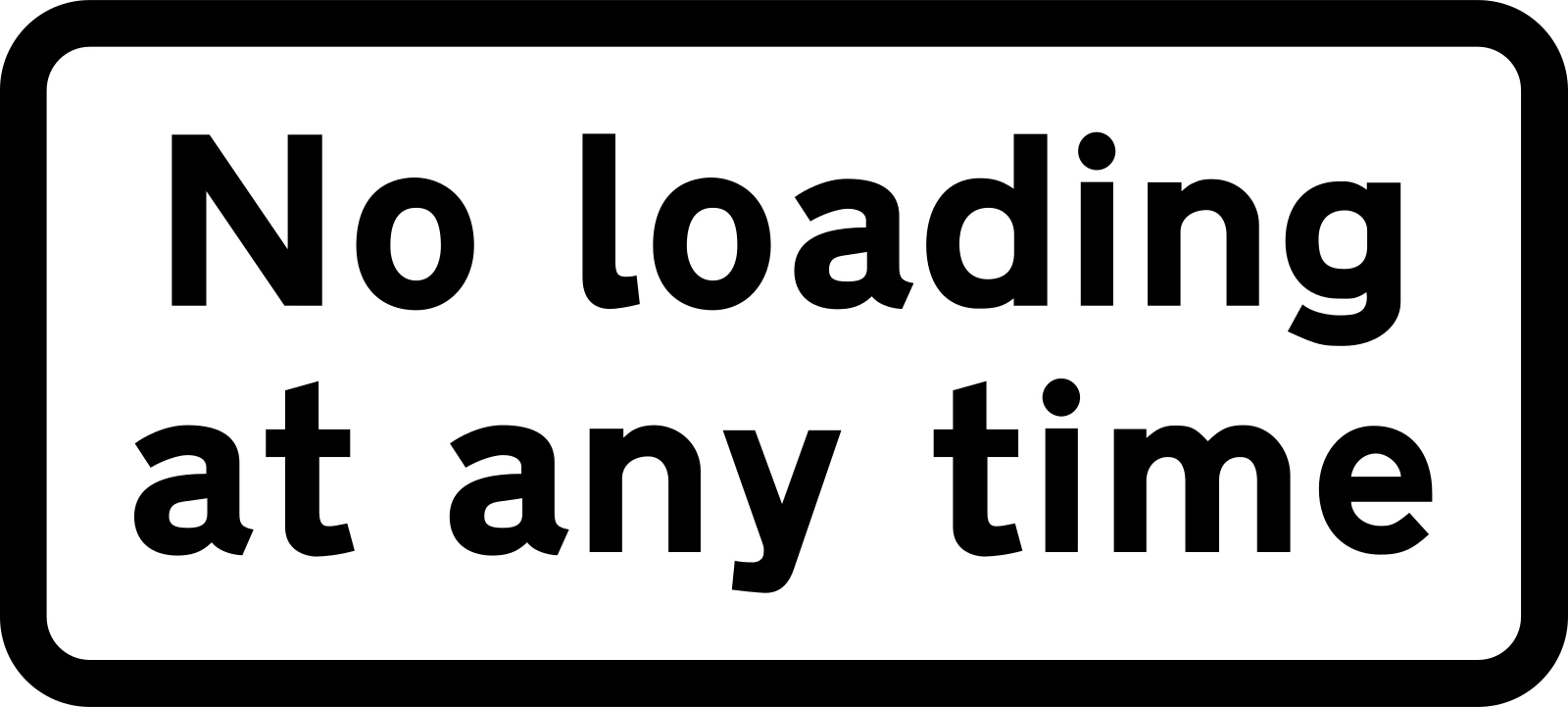
Understand the Sign 638: Continuous Prohibition on Loading and Unloading
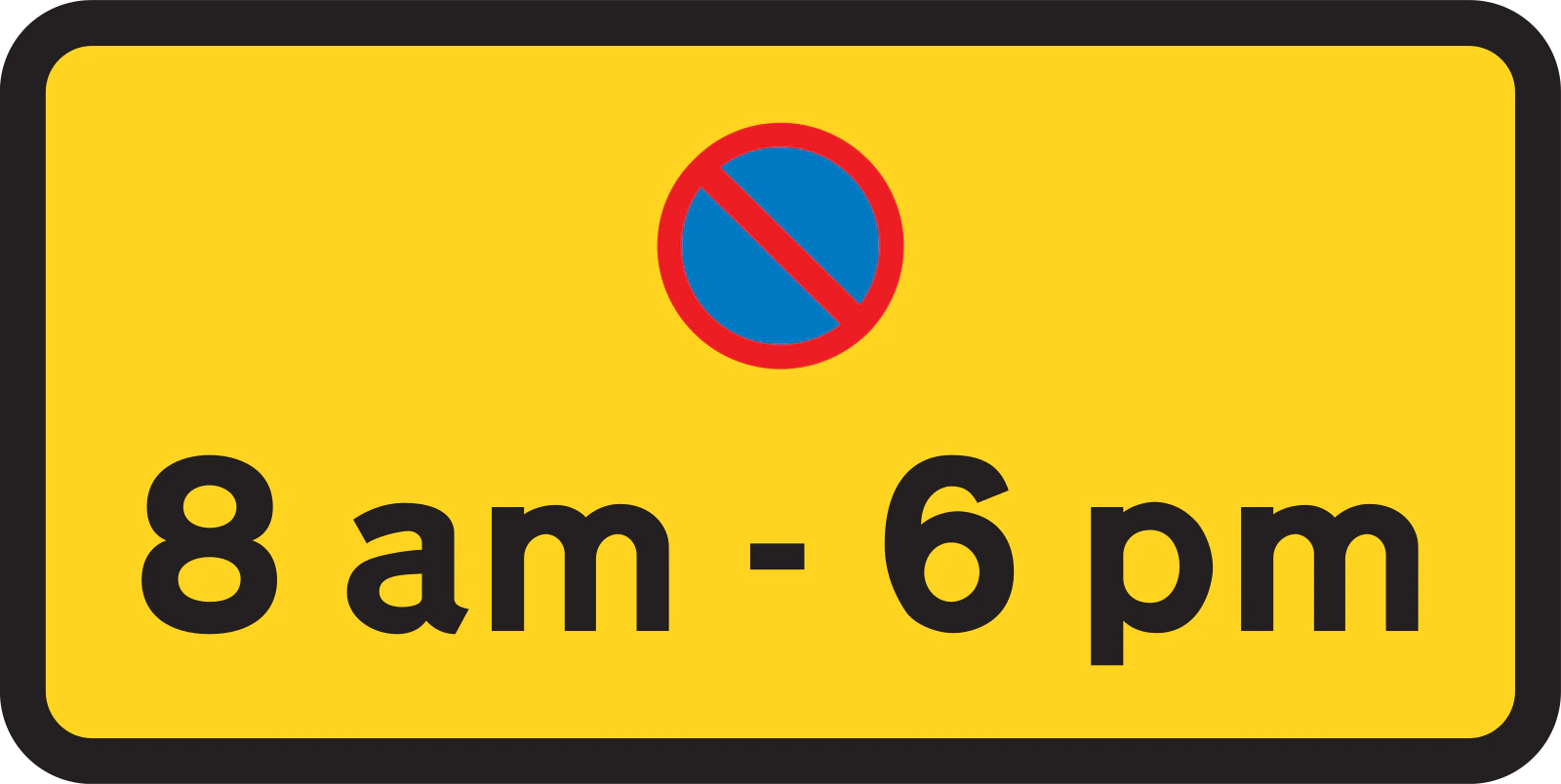
Understand the 'Waiting Prohibited Except for Loading During the Period Indicated' Sign
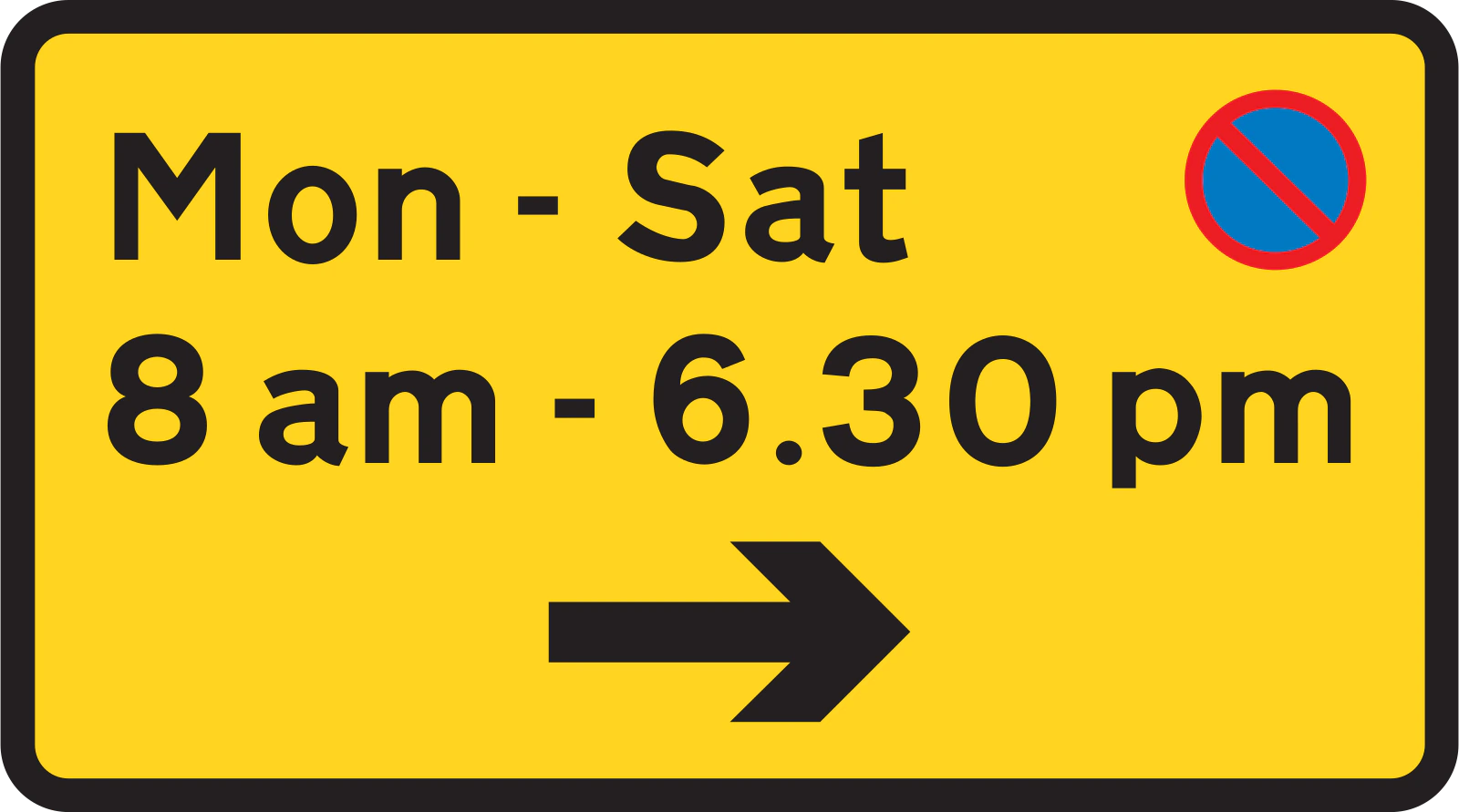
Decode the 'No Waiting Except Loading' Sign and Its Directional Arrows
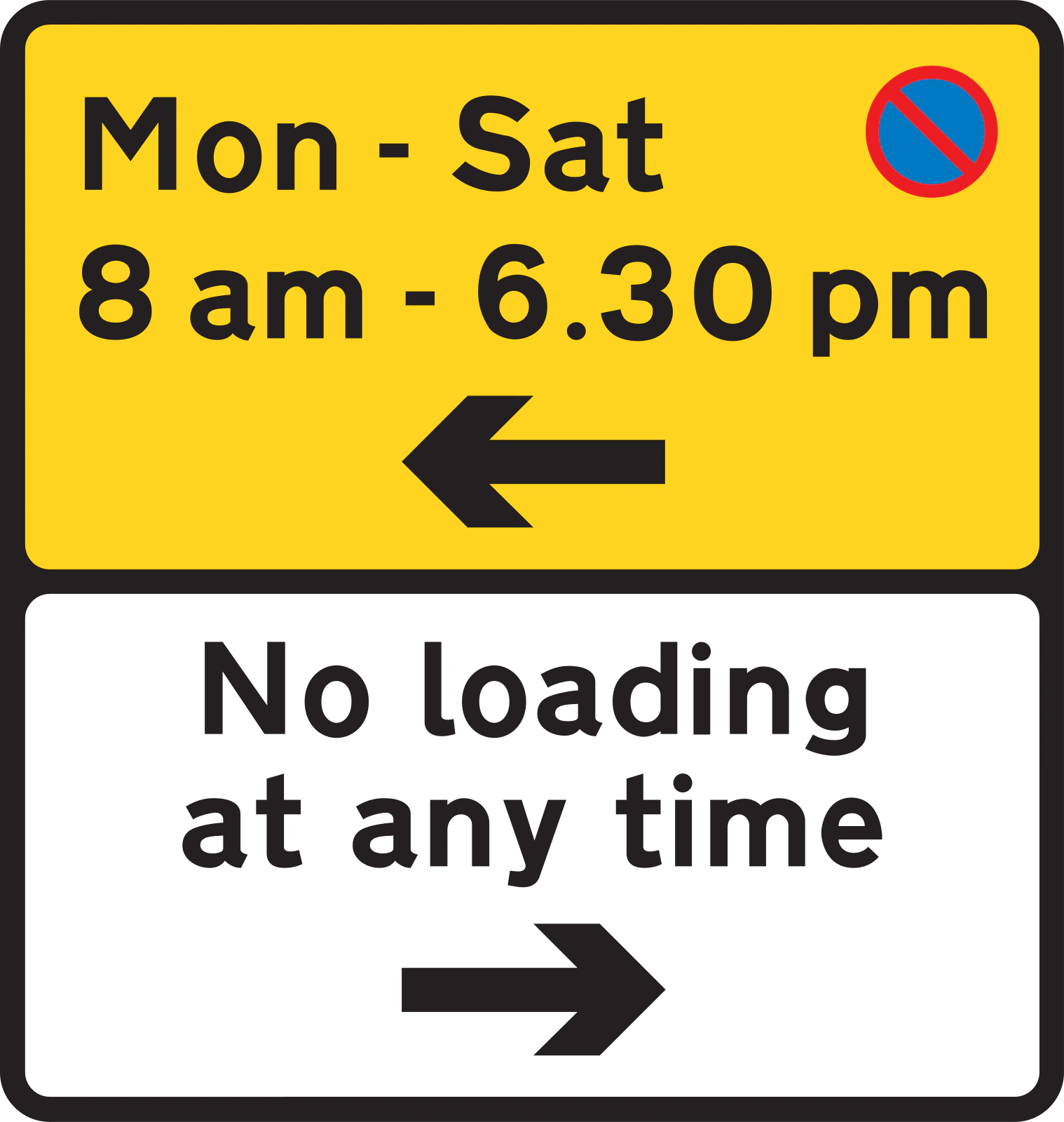
Understand the 'No Waiting and No Loading Direction Plate' Sign (640) in Great Britain
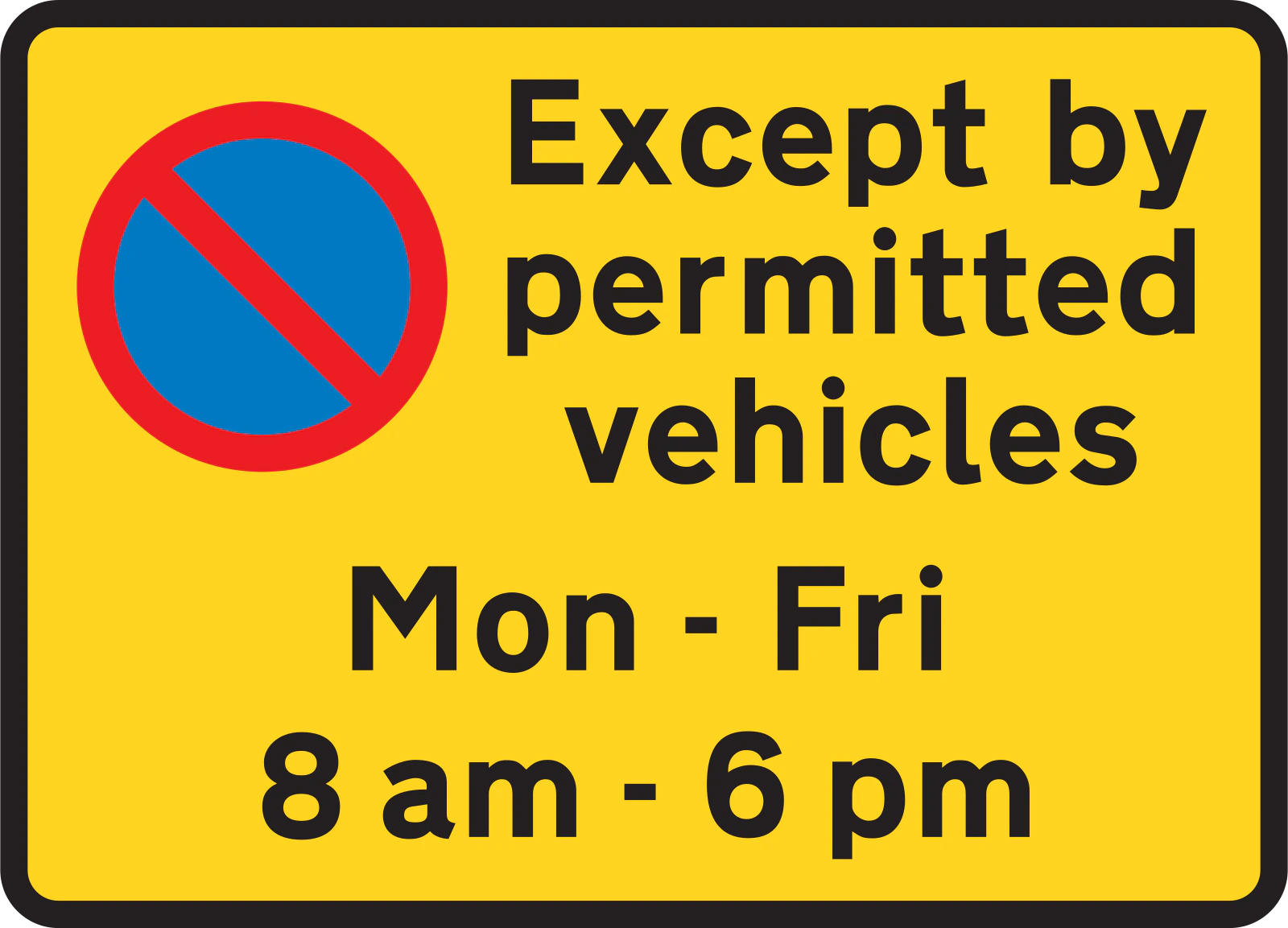
Understand the 'No Waiting in Off-Highway Loading Area' Sign
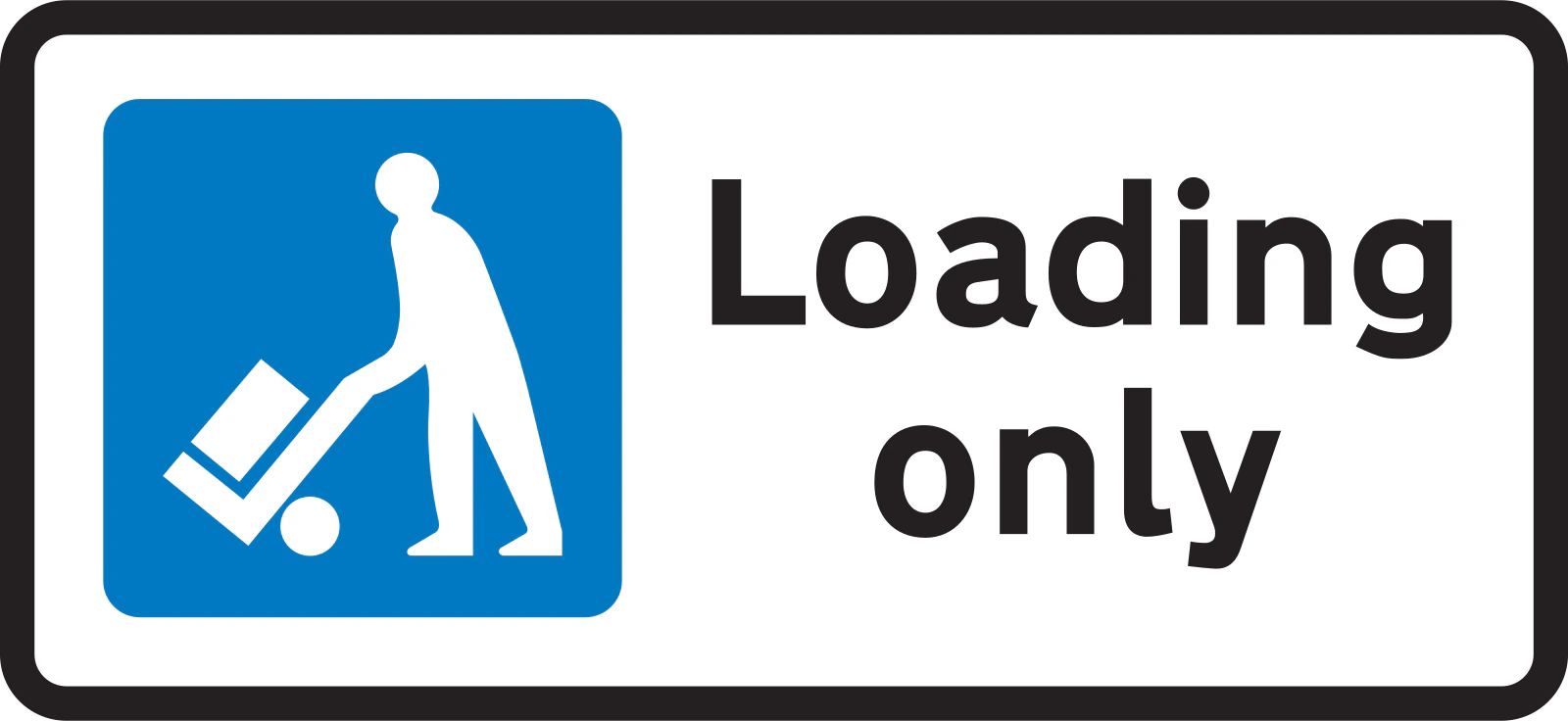
Learn the meaning of the 'Bay reserved for loading and unloading only' road sign (660.4)
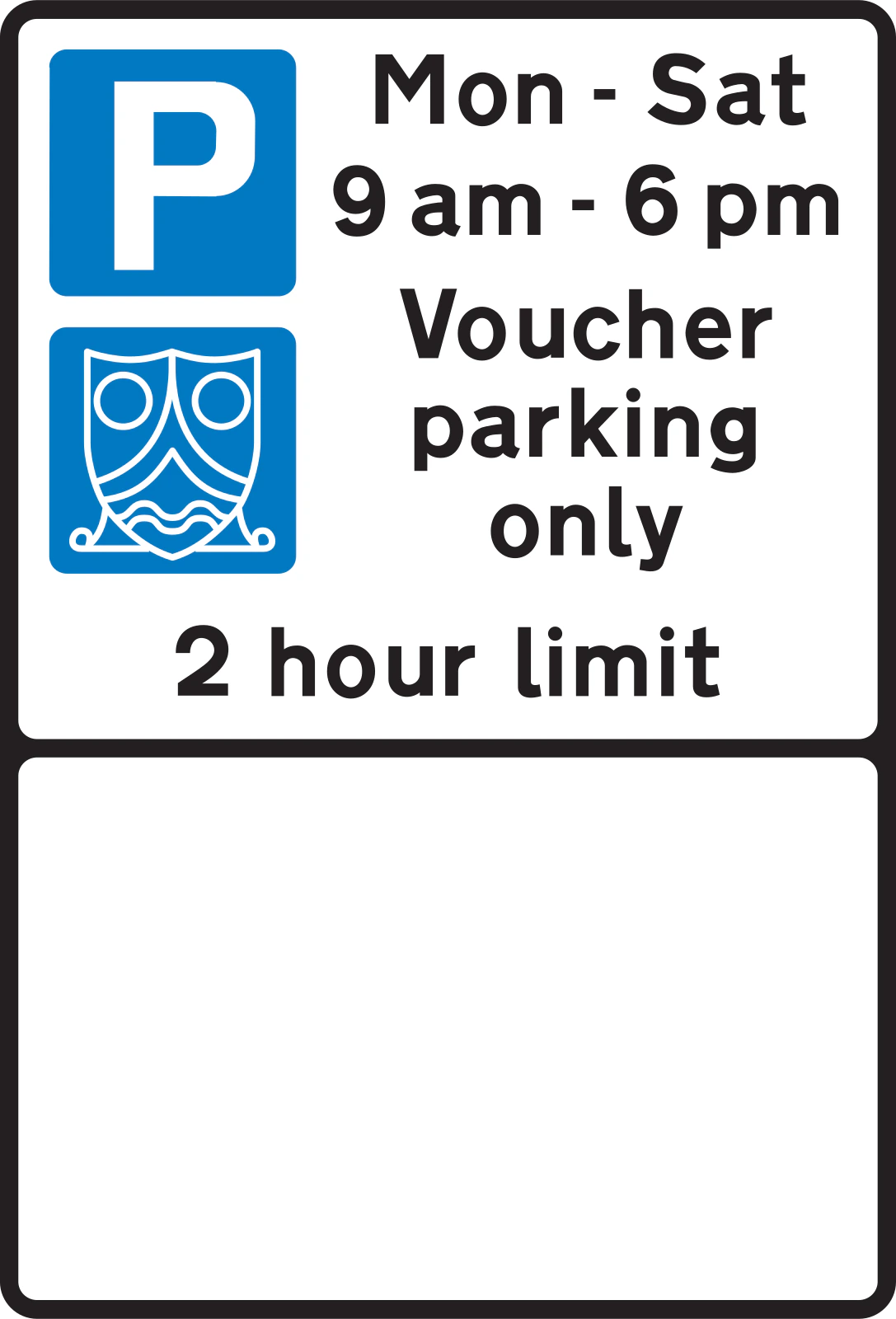
This sign means parking is reserved for voucher payment during specific times.
Explore curated explanations and practical examples to strengthen your visual recognition of essential Great Britain road signs. These supplementary materials provide the context needed to navigate junctions safely and pass your official DVSA theory test.
As a learner driver, you have a legal obligation to ensure you are medically fit to operate a vehicle before every journey. This guide clarifies how to determine if your health condition must be reported to the DVLA, explaining the importance of compliance for both road safety and your legal standing. Mastering these rules is an essential part of your theory test preparation and your future as a responsible driver.
Navigate complex urban junctions with confidence by understanding Great Britain's specific traffic light rules. This article clarifies the meaning of amber lights, the function of green filter arrows, and the crucial importance of advanced stop lines for cyclist safety, as governed by the Highway Code. Mastering these rules is essential for passing your theory test and ensuring road safety for all.
Understand your responsibility for a safe and legal vehicle on Great Britain's roads.
Master Critical Emergency Procedures and Avoid Test Traps on GB Roads.
Parking and loading signs often contain several conditions in a small space. This sign may allow stopping for a specific purpose, prohibit waiting, restrict loading, reserve a bay, set a time limit, or mark the end of a controlled area. Learners should read the whole sign assembly before stopping because a vehicle can be in contravention even when it is stopped only briefly. It is listed in the catalogue as code 640.4.
Parking and loading signs often contain several conditions in a small space. This sign may allow stopping for a specific purpose, prohibit waiting, restrict loading, reserve a bay, set a time limit, or mark the end of a controlled area. Learners should read the whole sign assembly before stopping because a vehicle can be in contravention even when it is stopped only briefly. It is listed in the catalogue as code 667.2.
After reviewing the full list of road signs, challenge yourself with practice questions focused specifically on sign recognition. Reinforce your learning and ensure you're fully prepared to identify and understand all traffic signs on the DVSA theory test.
Browse All GB Road Signs List