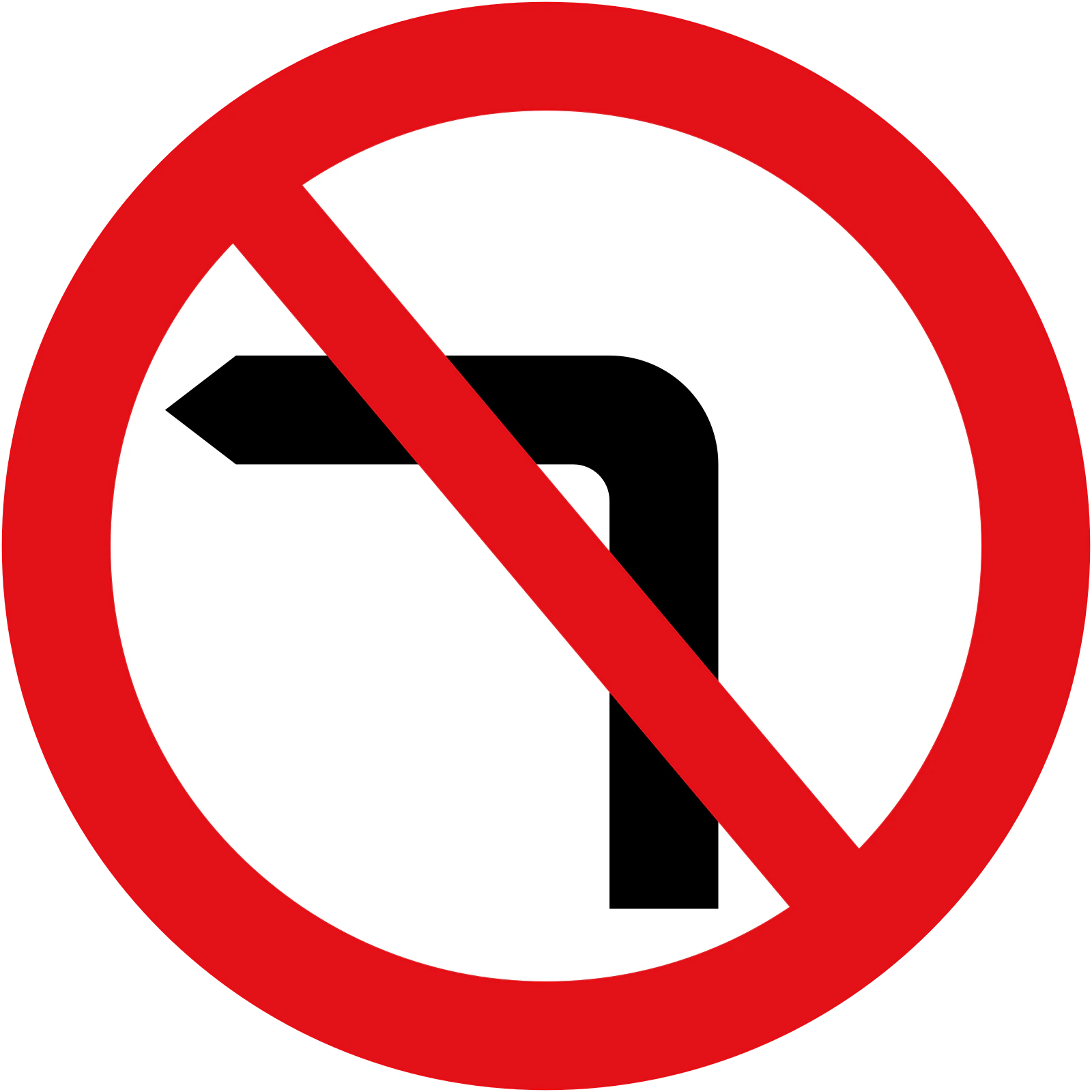
This regulatory road sign, code 613, legally prohibits all vehicular traffic from turning left at this point. It's a mandatory instruction designed to control traffic flow and prevent certain movements. Always obey this sign as it forms part of the legal control of the road, and check for any supplementary plates that might indicate exceptions.
Master the 'No Left Turn' road sign (613) to ensure compliance with Great Britain's traffic rules. This essential theory test revision focuses on interpreting regulatory signs for safe driving and understanding legal prohibitions.
This regulatory sign is part of the legal control of the road. It may require a driver to stop, give way, keep to a direction, avoid a movement, stay out of a restricted area, or respect a vehicle-specific rule. In practice, the sign should be read with the stop line, lane markings, road layout, and any supplementary plates so the instruction is obeyed before the controlled point. It is listed in the catalogue as code 613.
"No left turn for vehicular traffic" gives a binding instruction, restriction, or prohibition. The driver must understand who it applies to, where it starts, and whether any exception is shown before continuing.
Get clear, practical answers to the most common questions about the 613 - No left turn for vehicular traffic road sign. Learn how the sign works, what rules it represents, and how it affects real driving situations. This FAQ strengthens your understanding and supports accurate decision making for the British driving theory exam in Great Britain.
The 'No Left Turn for Vehicular Traffic' sign (613) is a prohibition sign. It means you must not turn left at the junction or road ahead. This is a binding instruction for all vehicular traffic, so you must find an alternative legal route if left is your intended direction.
The instruction applies from the point where you see the sign, or from the stop line or road markings associated with it. The prohibition is in effect continuously unless a supplementary plate indicates specific times or vehicle types for which an exception applies.
Yes, exceptions may be shown on supplementary plates attached to the sign. These could specify certain times of day, particular types of vehicles (like buses or emergency services), or specific purposes for which a left turn is permitted. Always read these supplementary plates carefully.
A common trap is assuming you can turn left if other drivers are doing so, or if there appears to be no immediate traffic. The sign is a legal prohibition, and 'local habits' or another driver ignoring the sign do not grant you permission to break the law. Another trap is not noticing or correctly interpreting supplementary plates, leading to an illegal manoeuvre.
If the sign prohibits a left turn and you intended to go left, you must choose a different legal route. Look for alternative roads ahead or around the area that allow you to reach your destination. Do not attempt the left turn, as this would be a contravention of traffic regulations.
A clear reference image of the 613 - No left turn for vehicular traffic road sign used in Great Britain.
The 613 - No left turn for vehicular traffic road sign may also be known by these alternative names or terms.
The 613 - No left turn for vehicular traffic road sign is part of the Great Britain Regulatory Signs category, which groups together signs with similar rules and functions.
Master similar road signs by comparing their meanings and uses, crucial for accurate recognition and theory test revision. Studying traffic sign comparison helps avoid common errors and strengthens your overall knowledge of Great Britain's road rules.
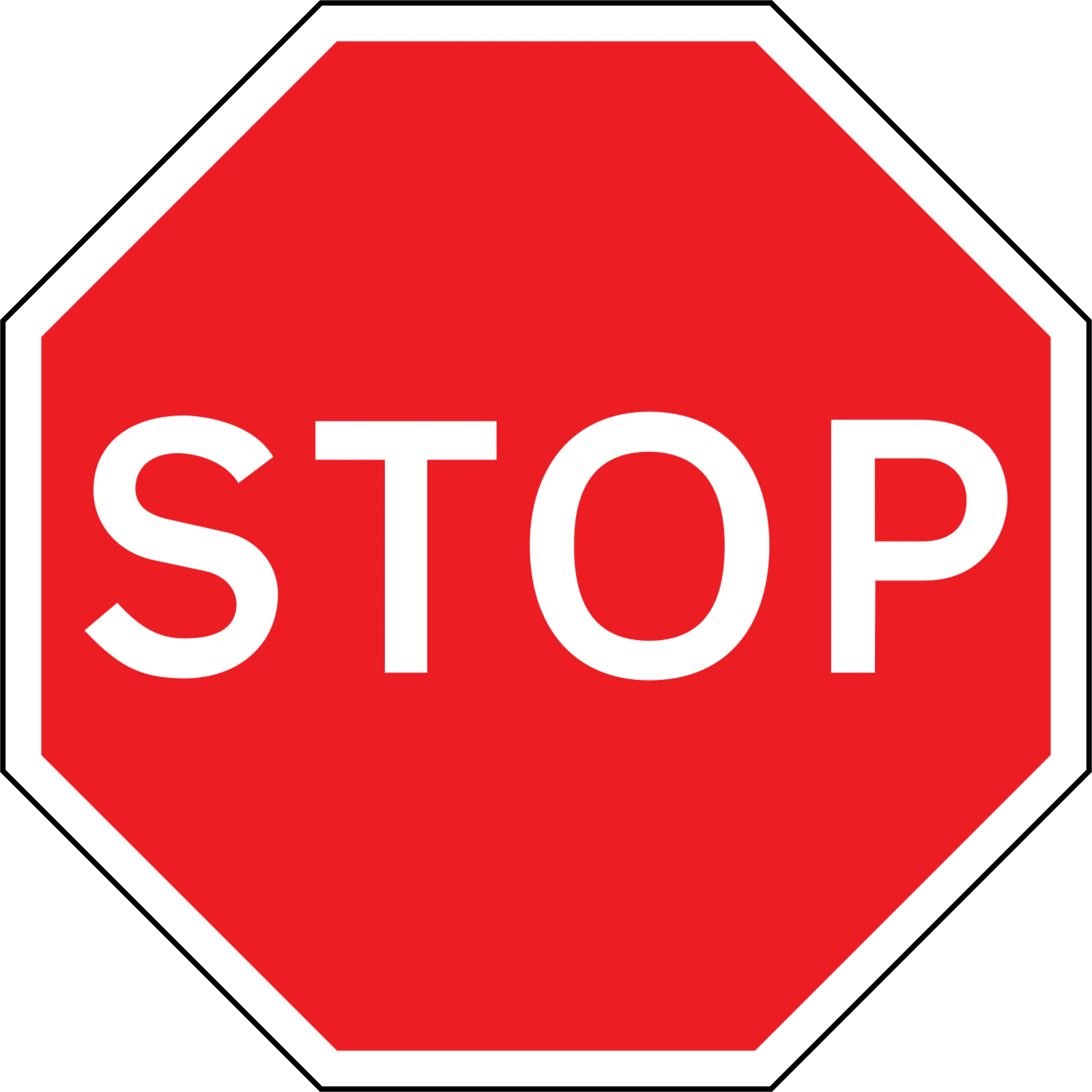
Understand the 'Stop at Major Road' sign (601.1) and know when to stop.
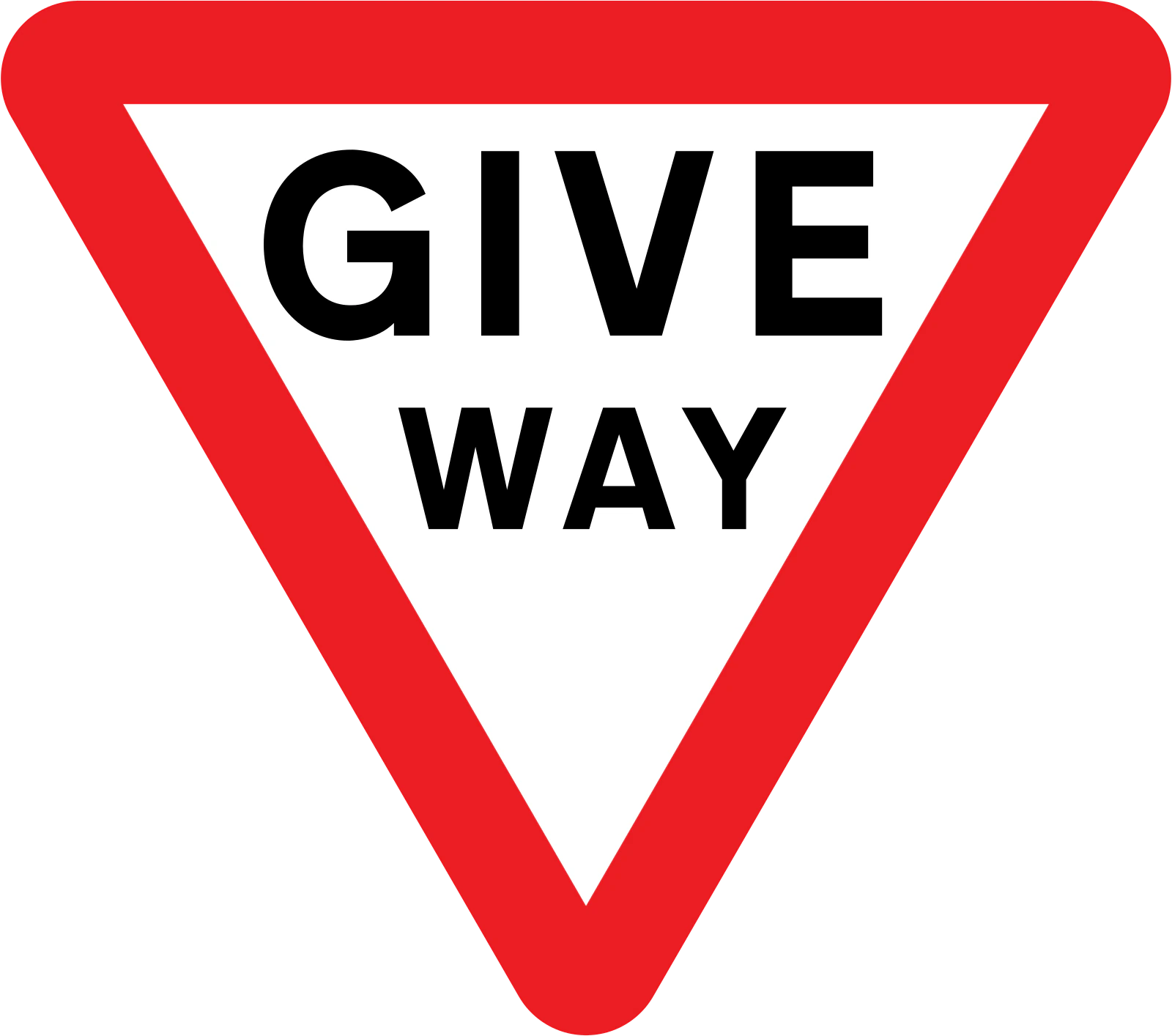
You must give way to traffic on the major road ahead.
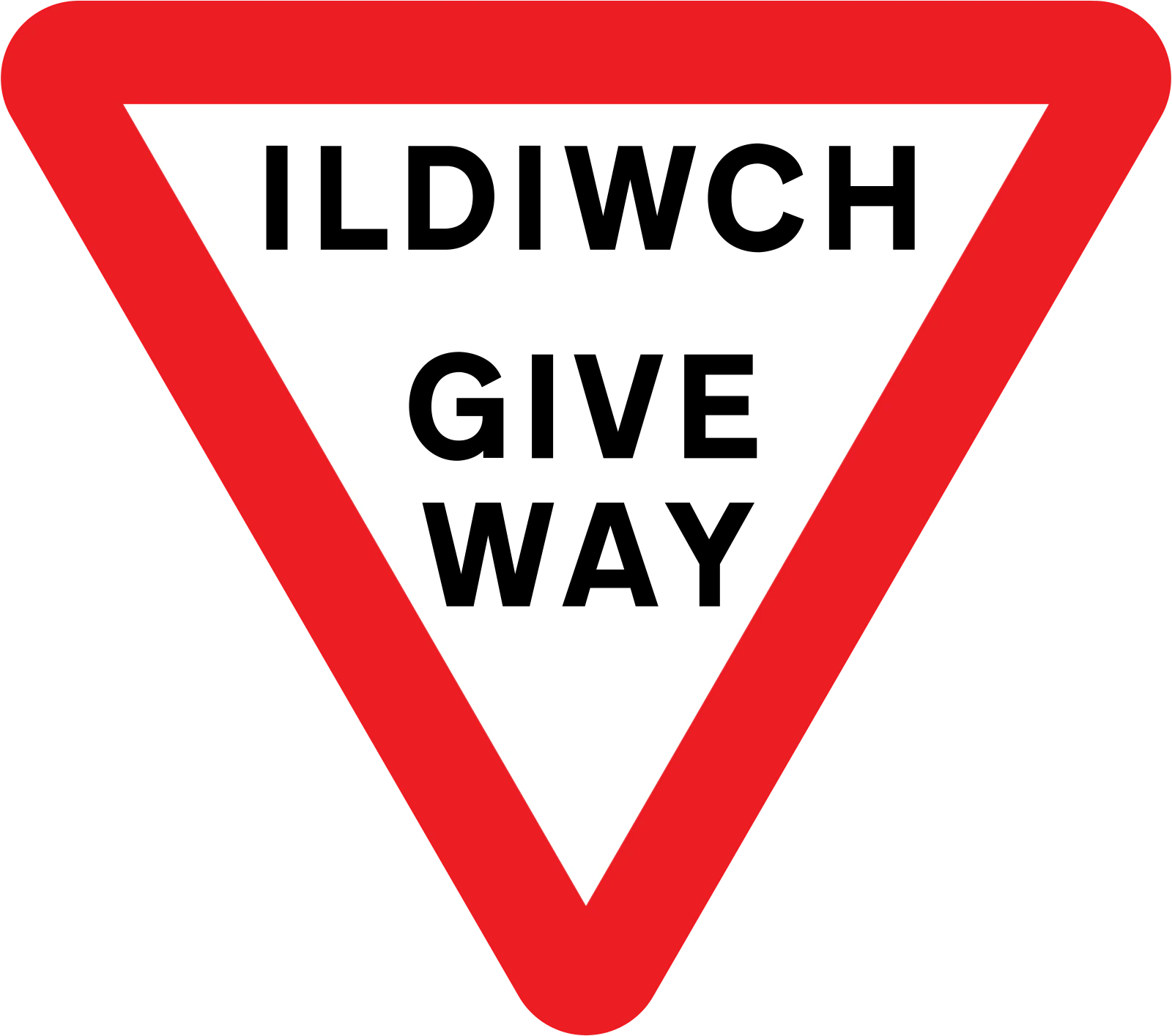
Understand the 'Give Way to Major Road Traffic' sign (602-WLS) and its rules in Great Britain.
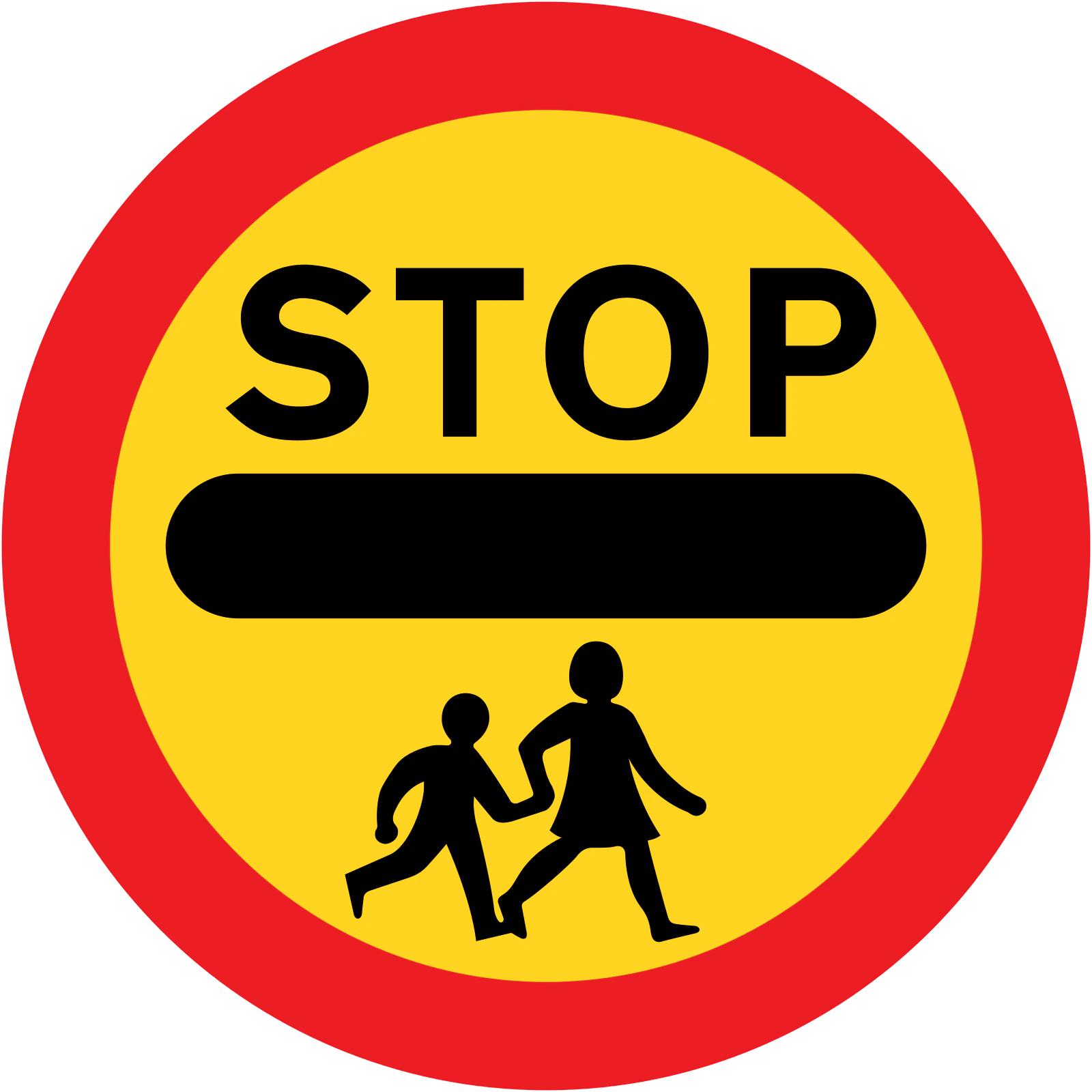
Understand the 'Stop, Children Crossing Ahead' Handheld Sign
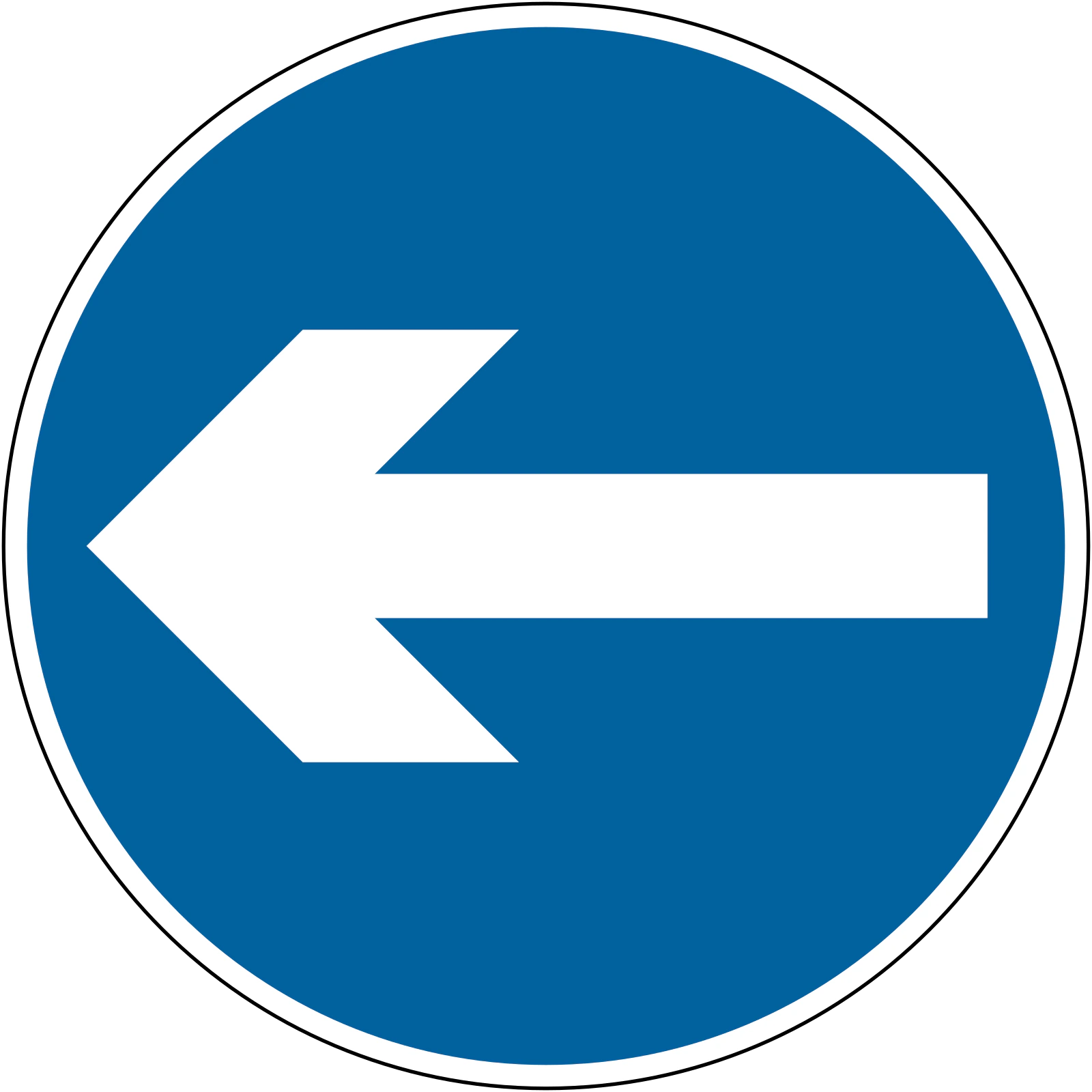
Mandatory Left Turn: Understand the 606 'Vehicular Traffic Must Turn Left' Sign
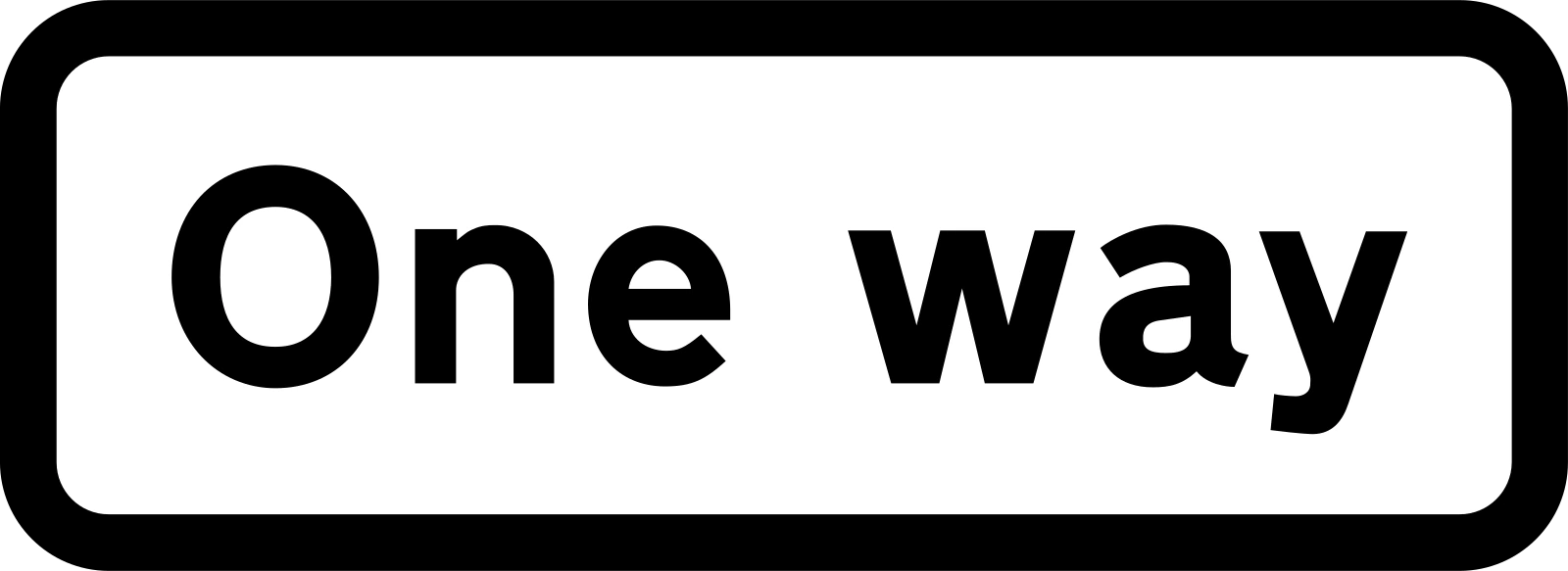
Understand the 607 One-Way Plate: A Binding Regulatory Traffic Sign
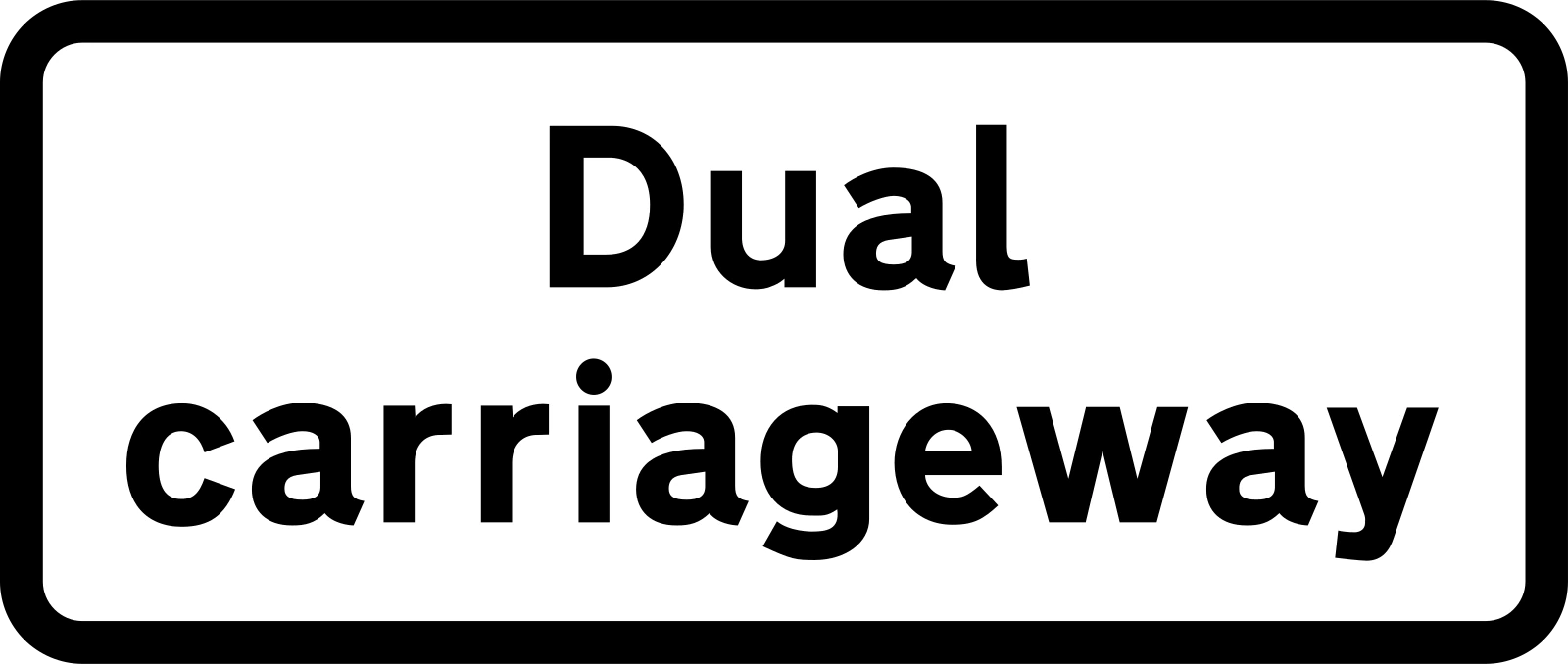
Master the Dual Carriageway Plate (608) Regulatory Sign
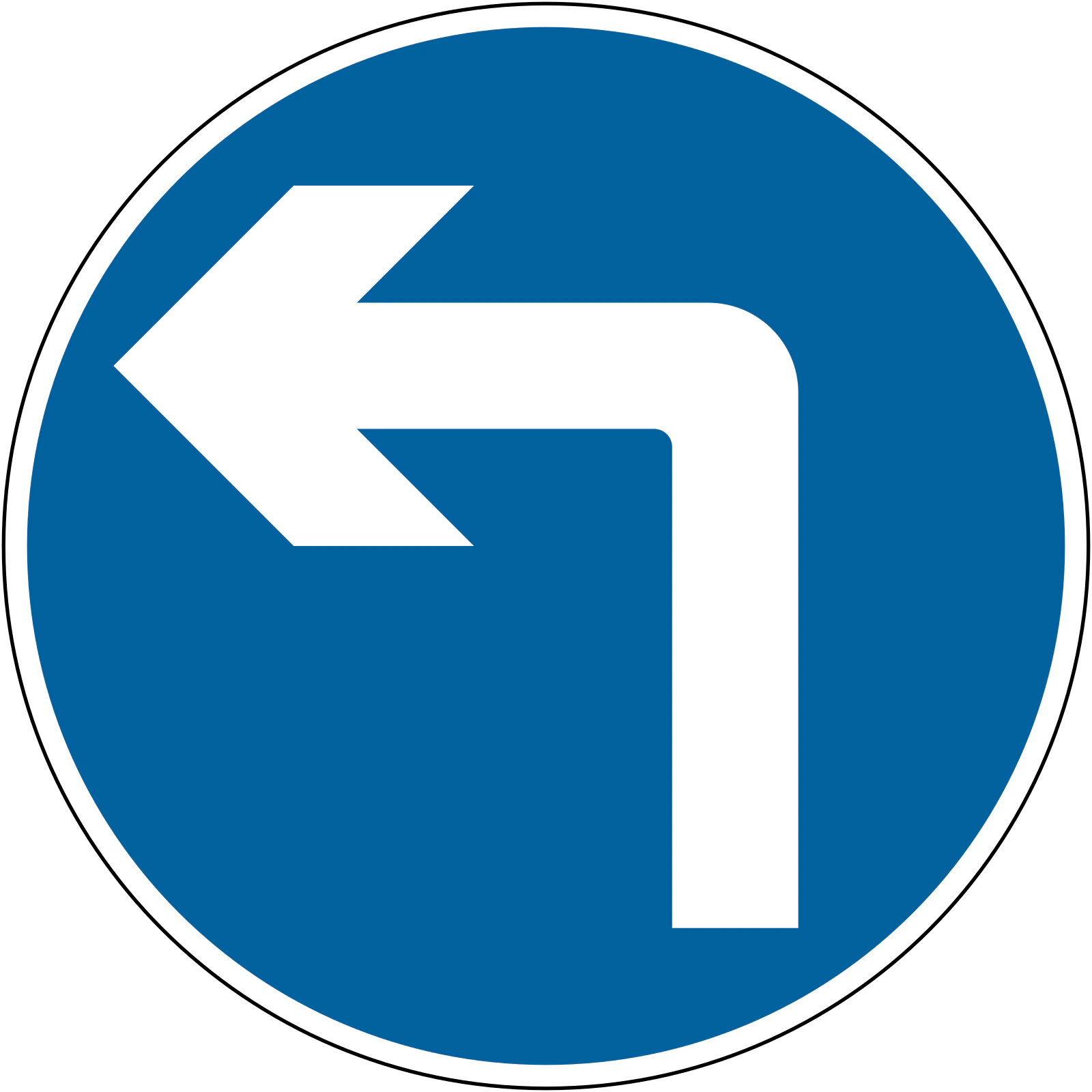
Mandatory Turn Ahead: You Must Follow the Arrow's Direction
Explore curated explanations and practical examples to strengthen your visual recognition of essential Great Britain road signs. These supplementary materials provide the context needed to navigate junctions safely and pass your official DVSA theory test.
Master Critical Emergency Procedures and Avoid Test Traps on GB Roads.
When you get behind the wheel of another person's car, the law holds you strictly accountable for ensuring the vehicle is safe, taxed, and properly insured. This guide explains the checks you must perform to remain compliant with UK traffic laws and avoid common pitfalls often tested in the DVSA theory exam. Mastery of these rules ensures you are prepared to act as a responsible and legal road user.
Master safe decision-making and avoid serious risks on Great Britain roads.
Gain a clear understanding of the faults you might make during your practical driving test in Great Britain, including issues with vehicle control, navigating junctions, and hazard perception. This article explains the categories of driving faults, serious faults, and dangerous faults, helping you to recognise and avoid common mistakes that can lead to failing your test.
This regulatory sign is part of the legal control of the road. It may require a driver to stop, give way, keep to a direction, avoid a movement, stay out of a restricted area, or respect a vehicle-specific rule. In practice, the sign should be read with the stop line, lane markings, road layout, and any supplementary plates so the instruction is obeyed before the controlled point. It is listed in the catalogue as code 615.
This regulatory sign is part of the legal control of the road. It may require a driver to stop, give way, keep to a direction, avoid a movement, stay out of a restricted area, or respect a vehicle-specific rule. In practice, the sign should be read with the stop line, lane markings, road layout, and any supplementary plates so the instruction is obeyed before the controlled point. It is listed in the catalogue as code 651.
After reviewing the full list of road signs, challenge yourself with practice questions focused specifically on sign recognition. Reinforce your learning and ensure you're fully prepared to identify and understand all traffic signs on the DVSA theory test.
Browse All GB Road Signs List