
Roadworks and temporary signs are a vital part of your driving theory knowledge, as they signal changes to the normal road layout. Understanding these signs is essential for navigating safely through construction zones, accident sites, or any area where temporary traffic management is in place. This section will equip you to interpret these crucial instructions and ensure you pass your theory test with confidence.
An explanation of how Great Britain Roadworks and Temporary Signs road signs apply in real traffic situations in Great Britain. Learn where these signs are typically placed, what drivers are expected to do when they appear, and how correct reactions help you stay safe, avoid fines, and succeed in your British driving theory exam.
You will encounter roadworks and temporary signs in various real-world driving situations. These signs are deployed wherever the usual road conditions are altered, such as during road construction, maintenance, utility work, or after traffic incidents. Expect to see 'Road works' signs and associated warnings like 'Loose chippings' on motorways, A-roads, and even residential streets. 'Lanes bend ahead' signs will appear before curves that might be unexpected due to temporary lane realignments. Signs indicating vehicle width restrictions or mandatory lane usage (like 'HGV use left lane') are common where space is limited or safety demands specific vehicle positioning. Diversion signs ('Diversion for motorists travelling to destination') are used to guide you around the affected area, often for significant distances. Temporary advisory speed limits, displayed in miles per hour, are used to enforce slower speeds through hazardous or complex temporary layouts. Finally, signs like 'Police accident' indicate immediate hazards and the need for extreme caution and potentially following specific instructions.
An overview of the key learning outcomes when studying the Great Britain Roadworks and Temporary Signs road sign category. Understand the main concepts, sign meanings, and traffic situations covered here so you can recognise patterns, answer theory questions more confidently, and build a solid foundation for safe driving in Great Britain.
Study this collection of Great Britain roadworks and temporary signs to master essential traffic management. Understanding these signs helps you navigate roadworks safely, recognise temporary changes to road layouts, and prepare effectively for your theory test. Learn how these temporary signs override permanent ones and ensure your driving knowledge is current.
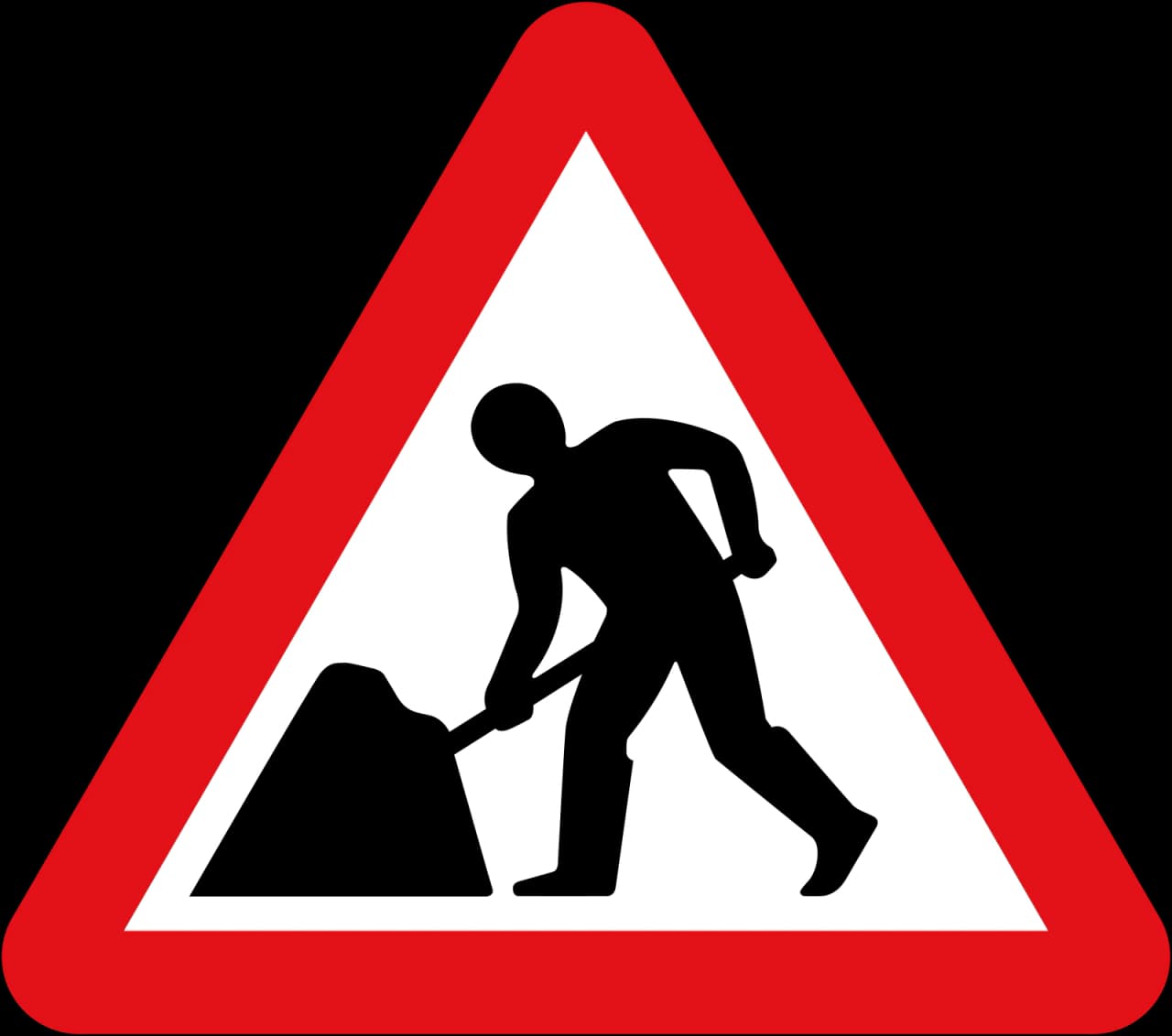
Understand and react correctly to the 'Road Works' traffic sign.
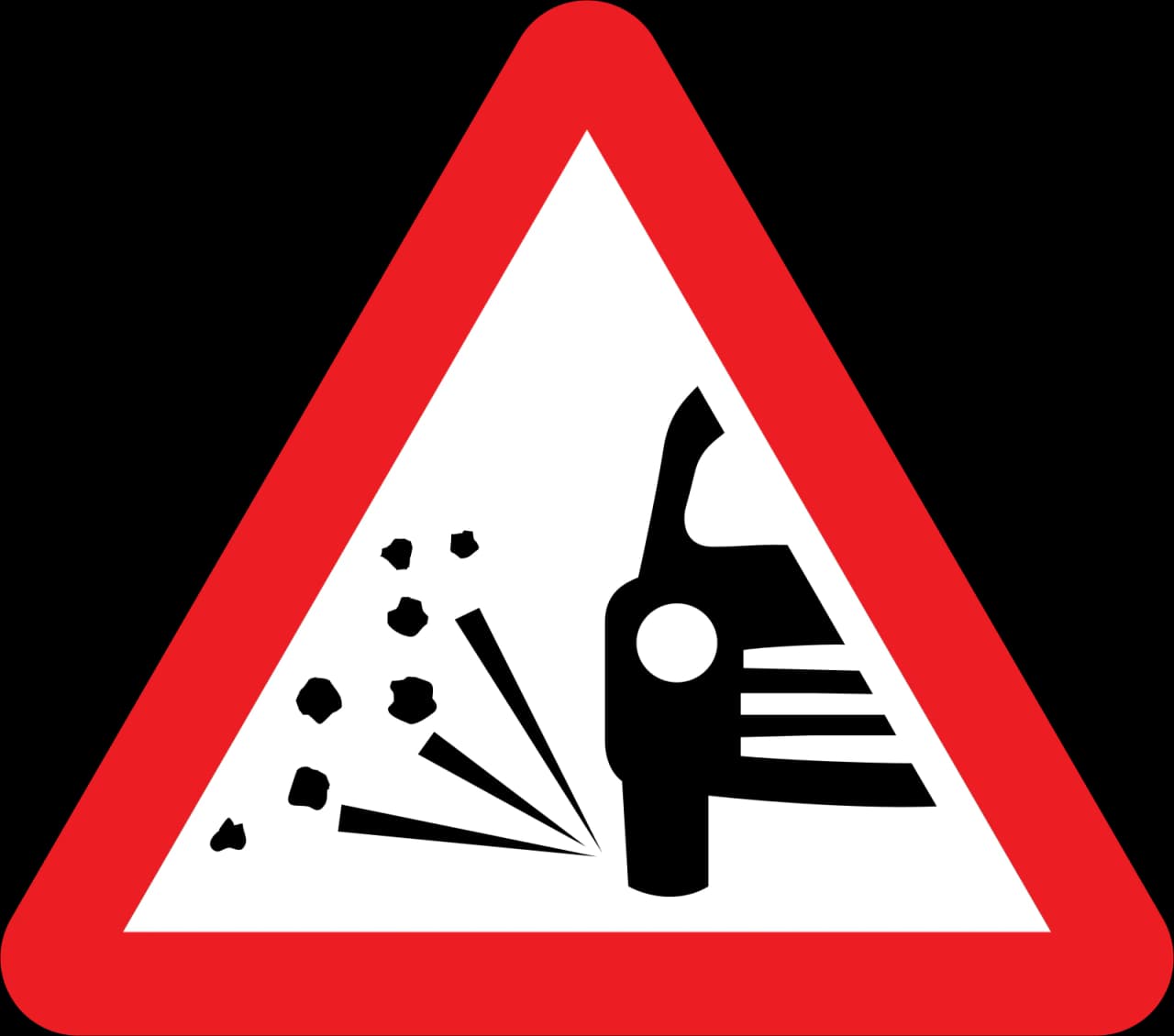
Slow down for loose chippings during roadworks.
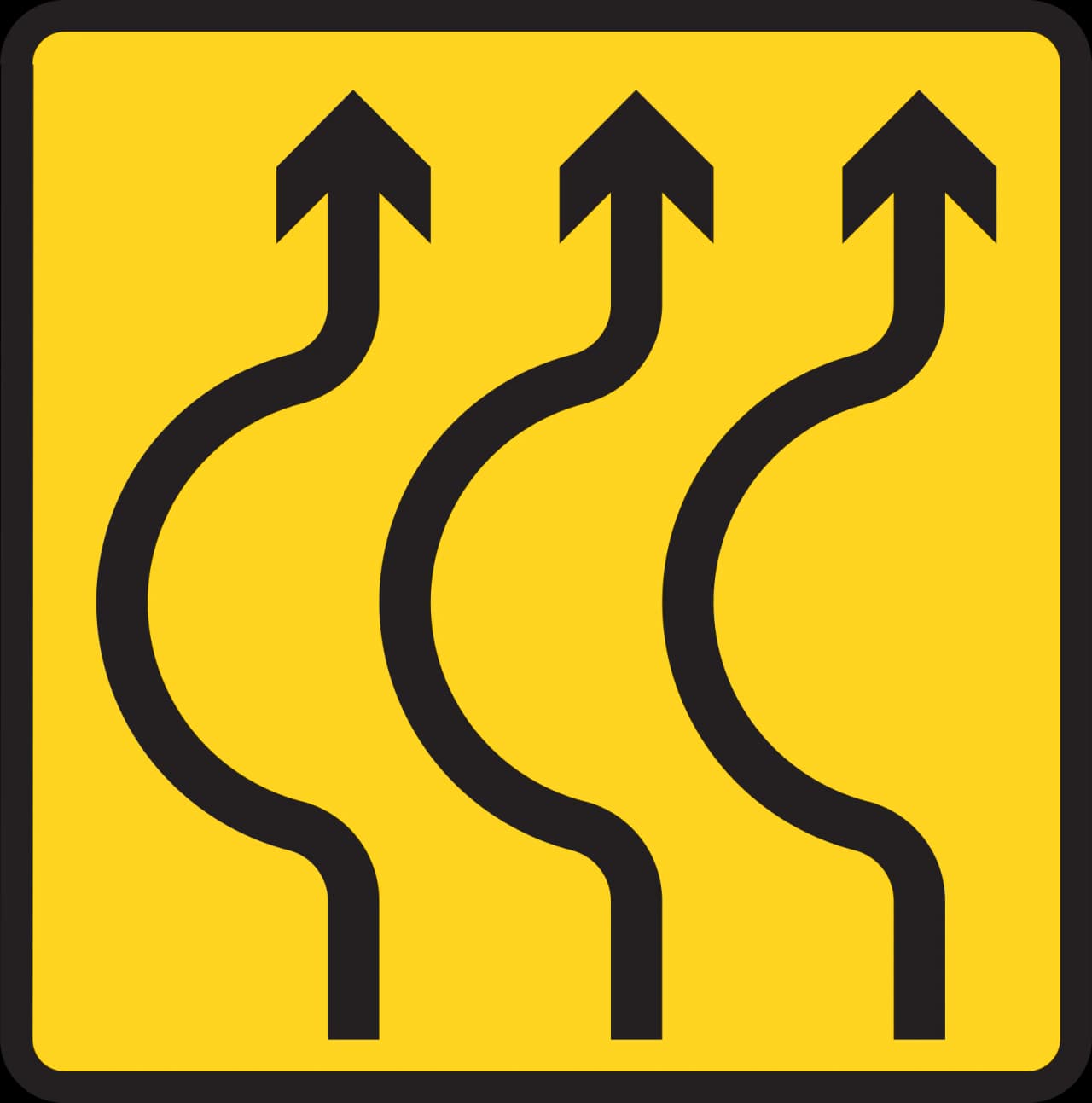
Understand the 'Lanes bend ahead' temporary roadworks sign (7221)
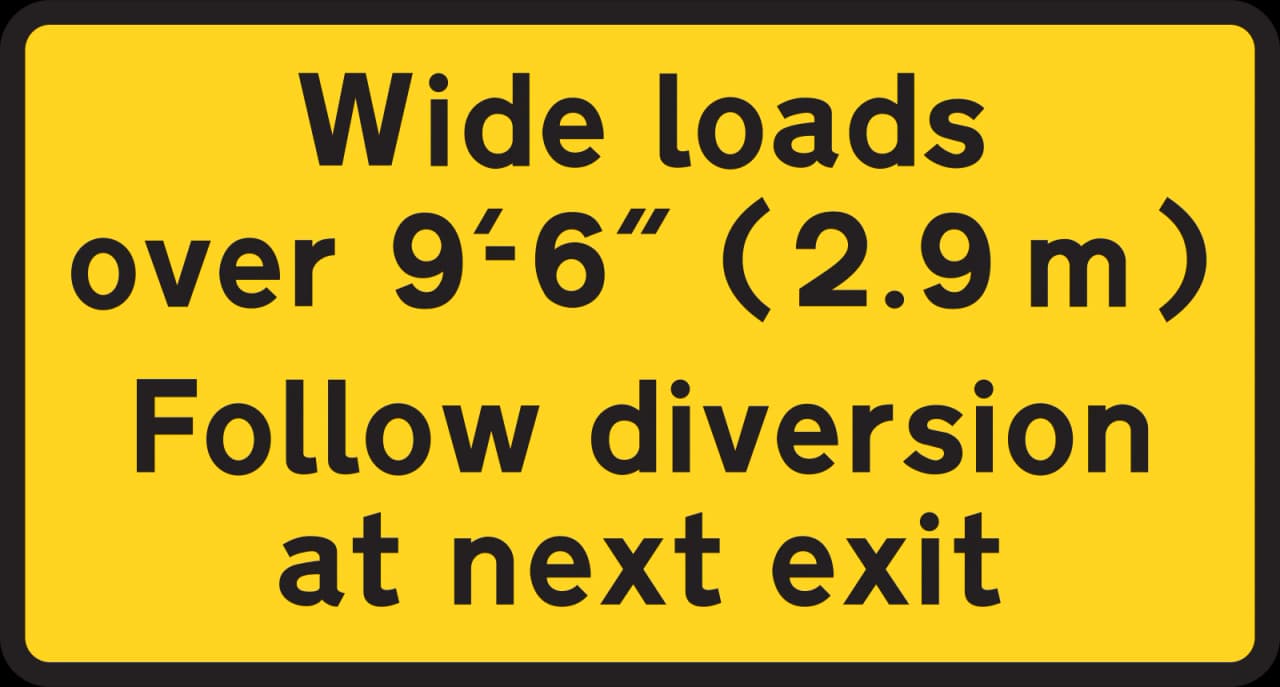
Understand the 'Restrictions Apply' Road Sign for Vehicle Width

Follow the Diversion: Navigating Temporary Traffic Management Signs

Understand the Temporary Advisory Speed Limit road sign for roadworks.

Follow the 'Get in Lane' sign for temporary roadworks, directing HGVs left and others right.
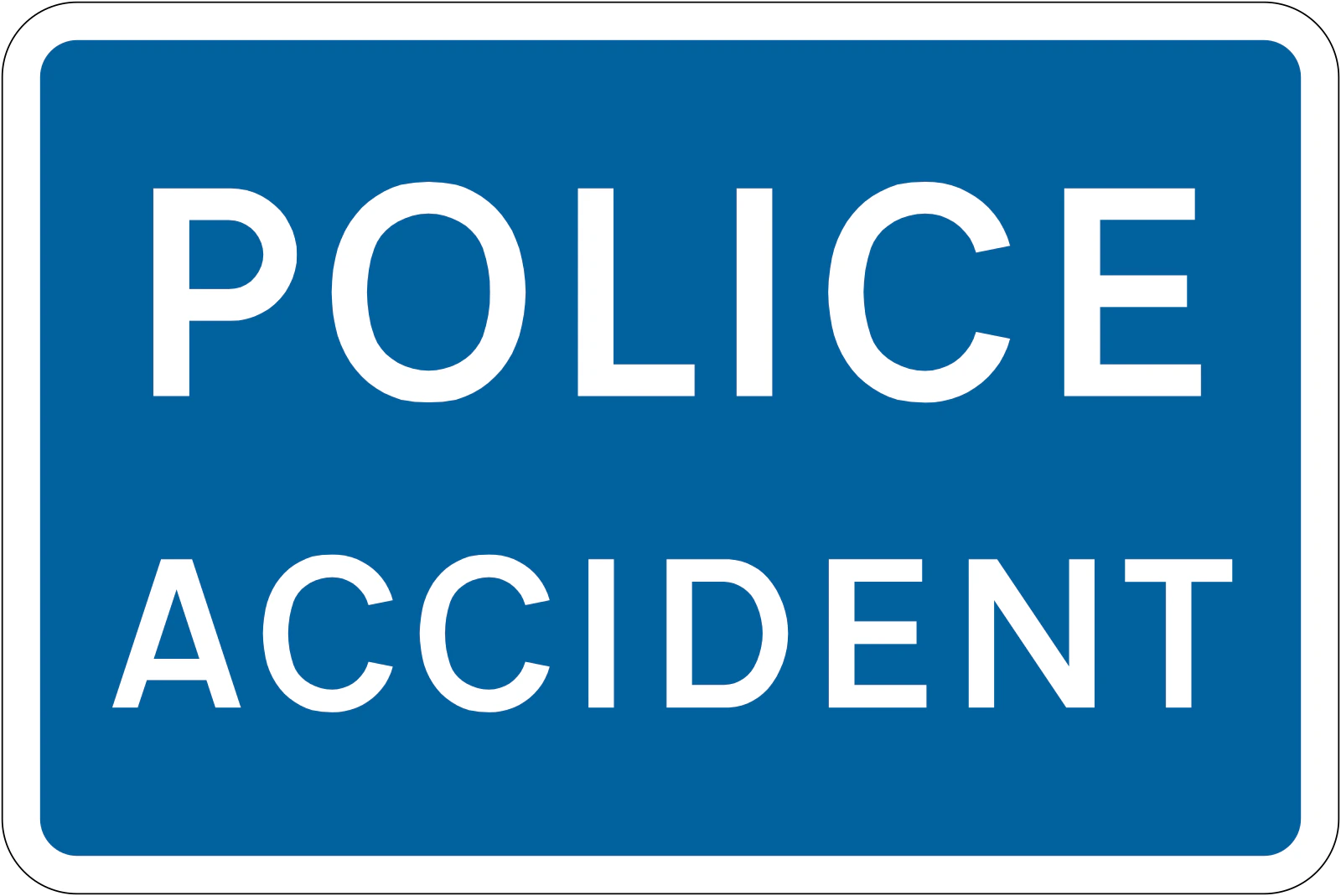
Understand the 'Police Accident' temporary roadworks sign (829.2)
Clear answers to common questions about the Great Britain Roadworks and Temporary Signs road sign category. Use this FAQ to review tricky rules, understand how these signs appear in exam scenarios, and remove confusion that often leads to mistakes in the British driving theory exam in Great Britain.
Permanent signs are fixed and indicate long-term rules or hazards, such as permanent speed limits or junction layouts. Temporary signs, on the other hand, are used to manage traffic during short-term situations like roadworks, accidents, or special events. They can override or supplement permanent signs, and it's crucial to pay close attention to them as they indicate immediate and potentially changing conditions.
Yes, absolutely. Temporary advisory speed limits, often displayed with 'temporary speed limit' signs or on electronic displays, are put in place for your safety and the safety of road workers. They are usually set lower than the permanent limit because the road layout, surface, or presence of hazards requires a reduced speed. Failing to adhere to these temporary limits can be dangerous and may result in penalties.
When you see a 'Road works' sign, you should prepare to adjust your driving. This typically means slowing down well in advance of the works area, increasing your following distance from the vehicle ahead, and being prepared for potential changes in the road layout, such as lane closures or narrowed lanes. Always be vigilant for other temporary signs that might provide further instructions or warnings.
Diversion signs for motorists travelling to a destination are usually advisory, meaning they are a recommended route to help you avoid the main disruption. However, they are put in place to guide you efficiently around the problem area, so it's generally best to follow them. If there are mandatory closure signs or specific instructions from traffic officers, those must be obeyed above all else.
A 'Loose chippings' sign warns you that the road surface ahead may be covered in gravel, stones, or tar chippings, often left behind after resurfacing work. Drivers should slow down significantly and avoid sudden braking or acceleration. It’s also advisable to increase the distance between your vehicle and the one in front, as your tyres can easily kick up these chippings, potentially damaging other vehicles or causing a skid.
Ready to master Great Britain road signs? Explore organized categories and groups for structured learning. Understanding signs by type improves recall and comprehension, ensuring thorough preparation for your DVSA theory test.
Great Britain Road Sign Groups