
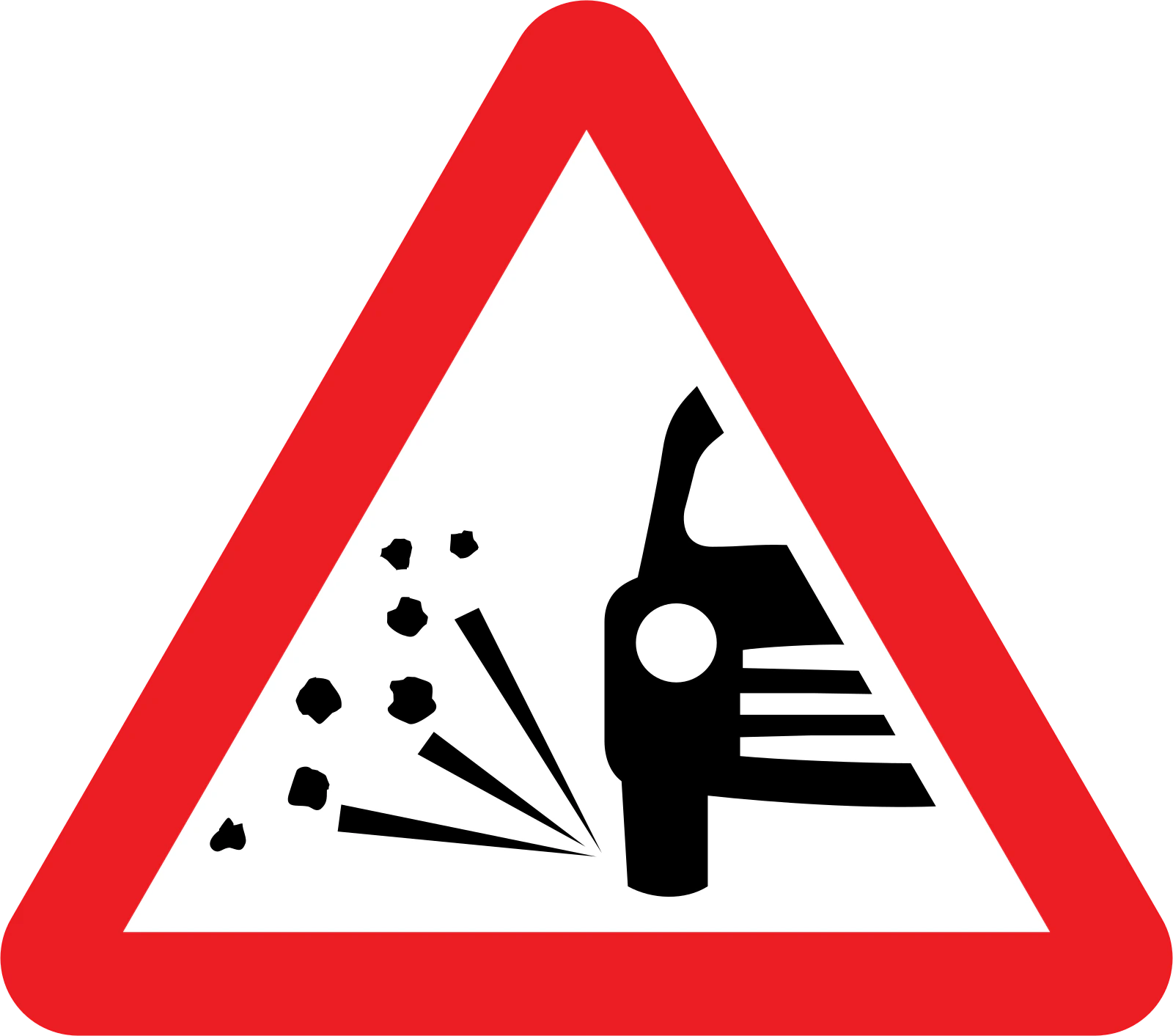
This 'Loose Chippings' sign (7009) is a temporary traffic management sign used in Great Britain. It warns you that the road surface ahead may be uneven or unstable due to roadworks, potentially causing your vehicle to skid or lose grip. You must reduce your speed early and drive with extra caution through the affected area, paying close attention to any other temporary signs or instructions.
This sign is vital for understanding temporary roadworks and their hazards, helping you navigate safely and avoid issues. Master its meaning for effective theory test revision and safer driving.
Roadworks signs are temporary, but their instructions are essential for safety and traffic flow. This sign may warn about works, temporary lanes, loose chippings, convoy systems, workers, equipment, closures, or altered priorities. Drivers should reduce speed early, keep extra distance, and keep following temporary signs until the normal road layout clearly resumes. It is listed in the catalogue as code 7009.
"Loose chippings" warns or instructs drivers in a temporary traffic-management situation. It signals that the normal layout, surface, lane use, or priority may be changed.
Get clear, practical answers to the most common questions about the 7009 - Loose chippings road sign. Learn how the sign works, what rules it represents, and how it affects real driving situations. This FAQ strengthens your understanding and supports accurate decision making for the British driving theory exam in Great Britain.
The Loose Chippings sign (code 7009) is a temporary roadworks sign. It warns drivers that the road surface ahead contains loose chippings, which can make the road slippery and affect vehicle handling. You should slow down well in advance.
When you see the Loose Chippings sign (7009), you must slow down early and maintain a safe distance from other vehicles. Be prepared for reduced grip and potential instability, and follow any further temporary signs or instructions given by traffic management personnel.
The Loose Chippings sign is important for your theory test because it assesses your understanding of temporary roadworks situations. Failing to react appropriately, such as by not slowing down, could lead to a hazard perception fail or a driving error in a practical test, and it's a common topic for questions about road safety.
Yes, loose chippings can significantly reduce tyre grip, making it harder to steer, brake, and accelerate safely. This is particularly dangerous on bends or when encountering unexpected obstacles. Always slow down and increase your following distance.
Even if you know the road, you must always obey temporary traffic signs like the Loose Chippings sign (7009). Roadworks can change the road surface, lane layout, and traffic flow unpredictably. Never assume the permanent road layout is still in effect.
A clear reference image of the 7009 - Loose chippings road sign used in Great Britain.
The 7009 - Loose chippings road sign may also be known by these alternative names or terms.
The 7009 - Loose chippings road sign is part of the Great Britain Roadworks and Temporary Signs category, which groups together signs with similar rules and functions.
Comparing 'Loose chippings' signs with other temporary traffic signs helps solidify your recognition and memory, reducing potential confusion during your theory test revision. Practising traffic sign comparison is key to accurate hazard perception and passing your driving theory exam.
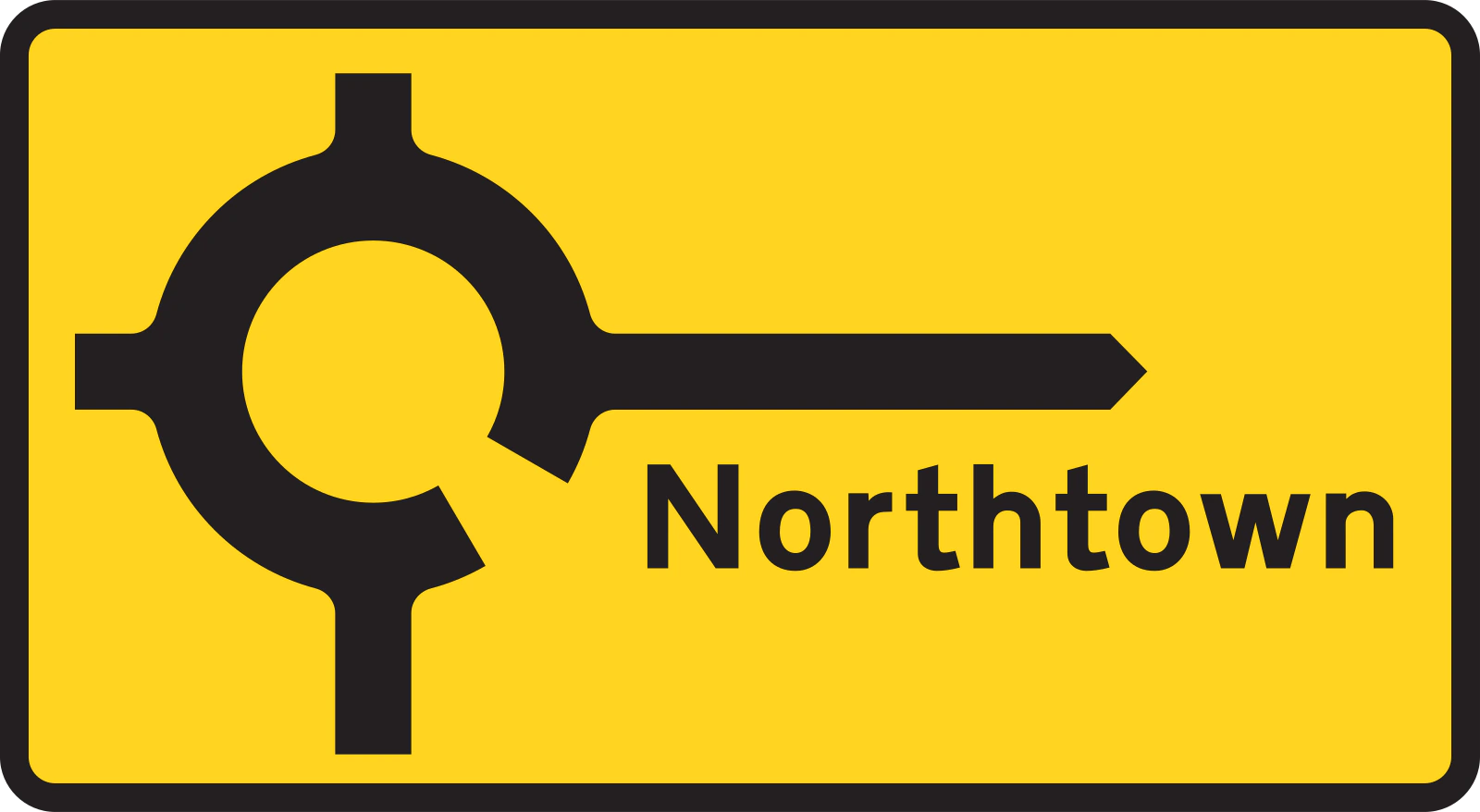
Follow the Diversion: Navigating Temporary Traffic Management Signs
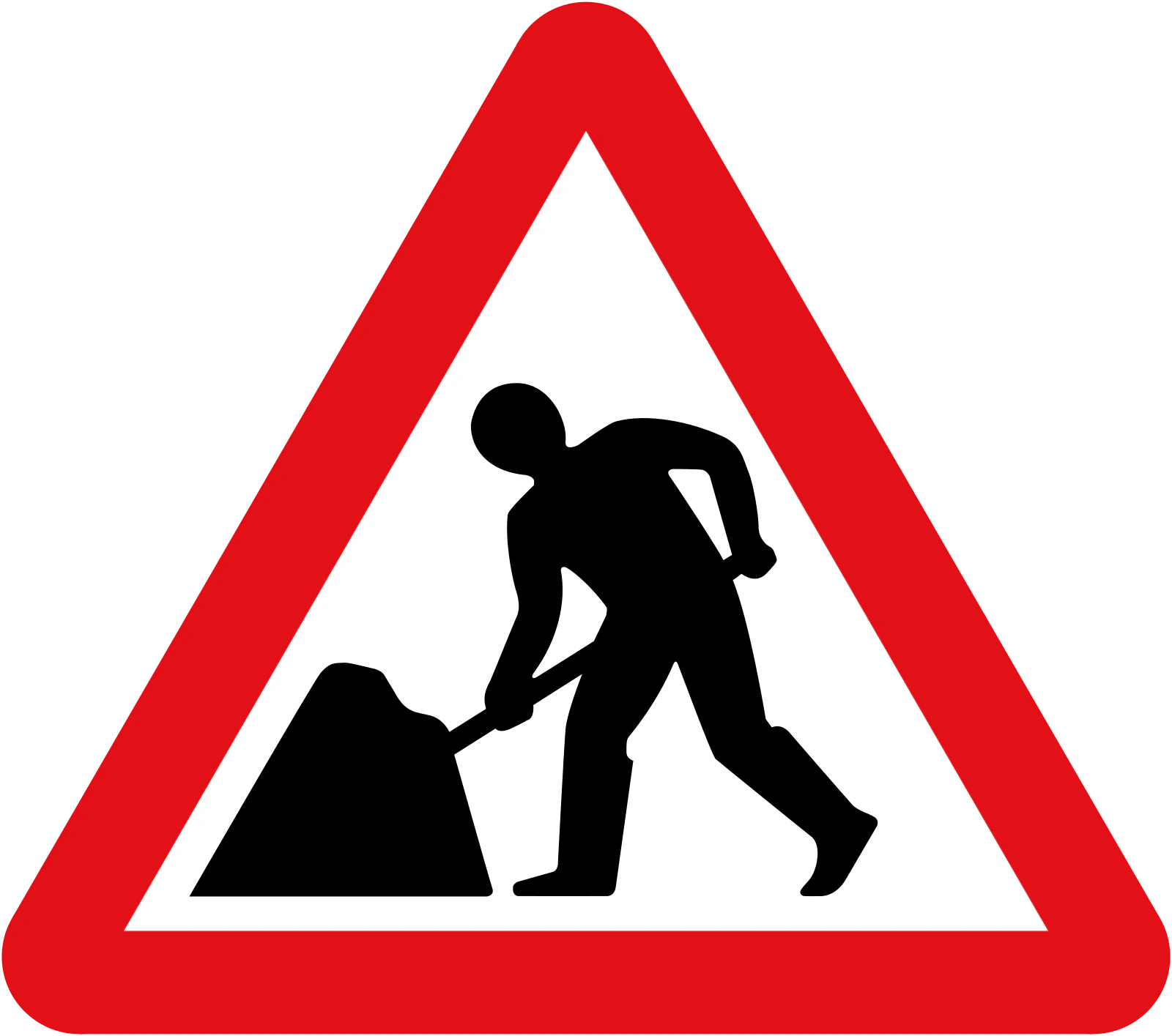
Understand and react correctly to the 'Road Works' traffic sign.
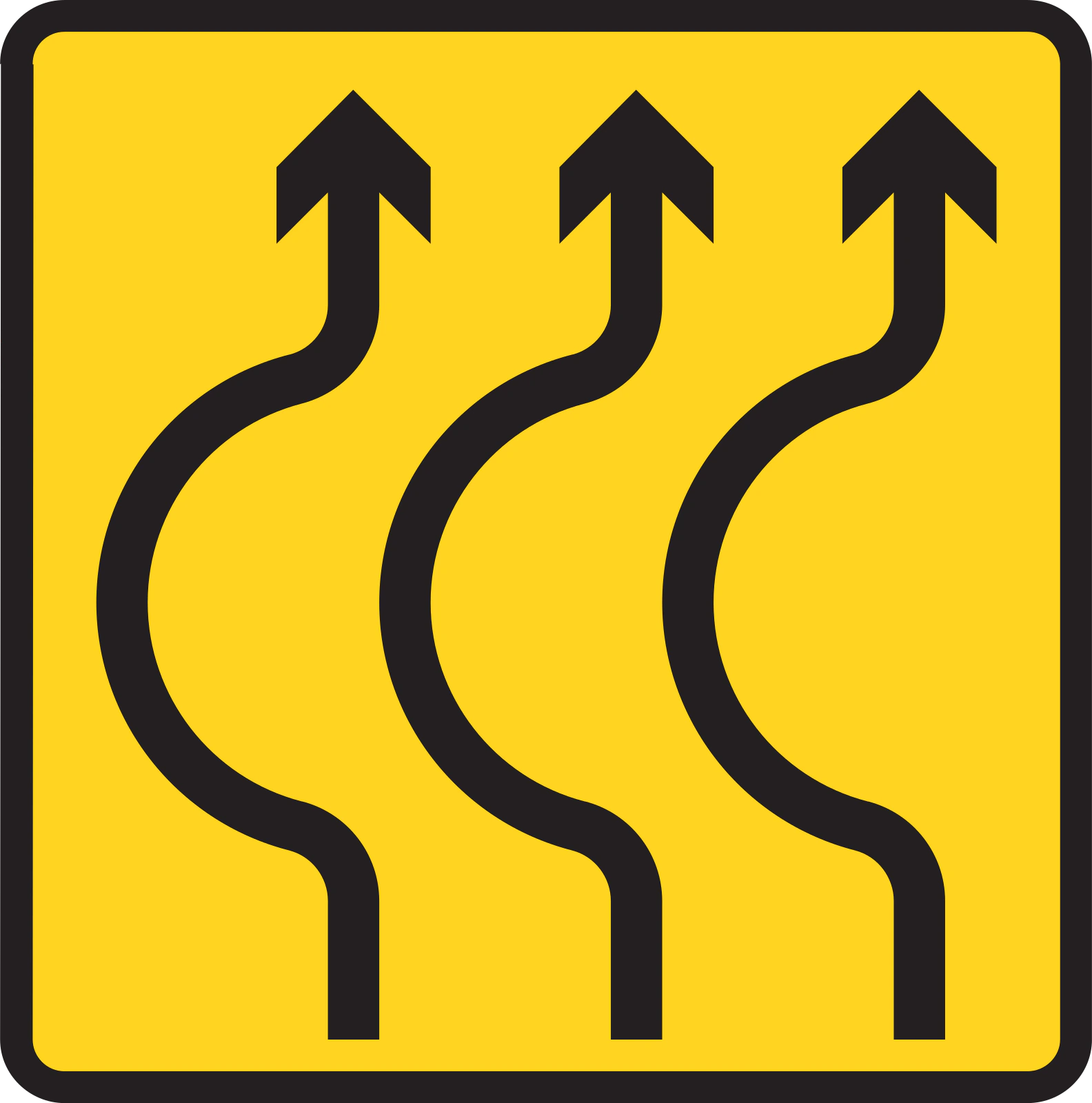
Understand the 'Lanes bend ahead' temporary roadworks sign (7221)
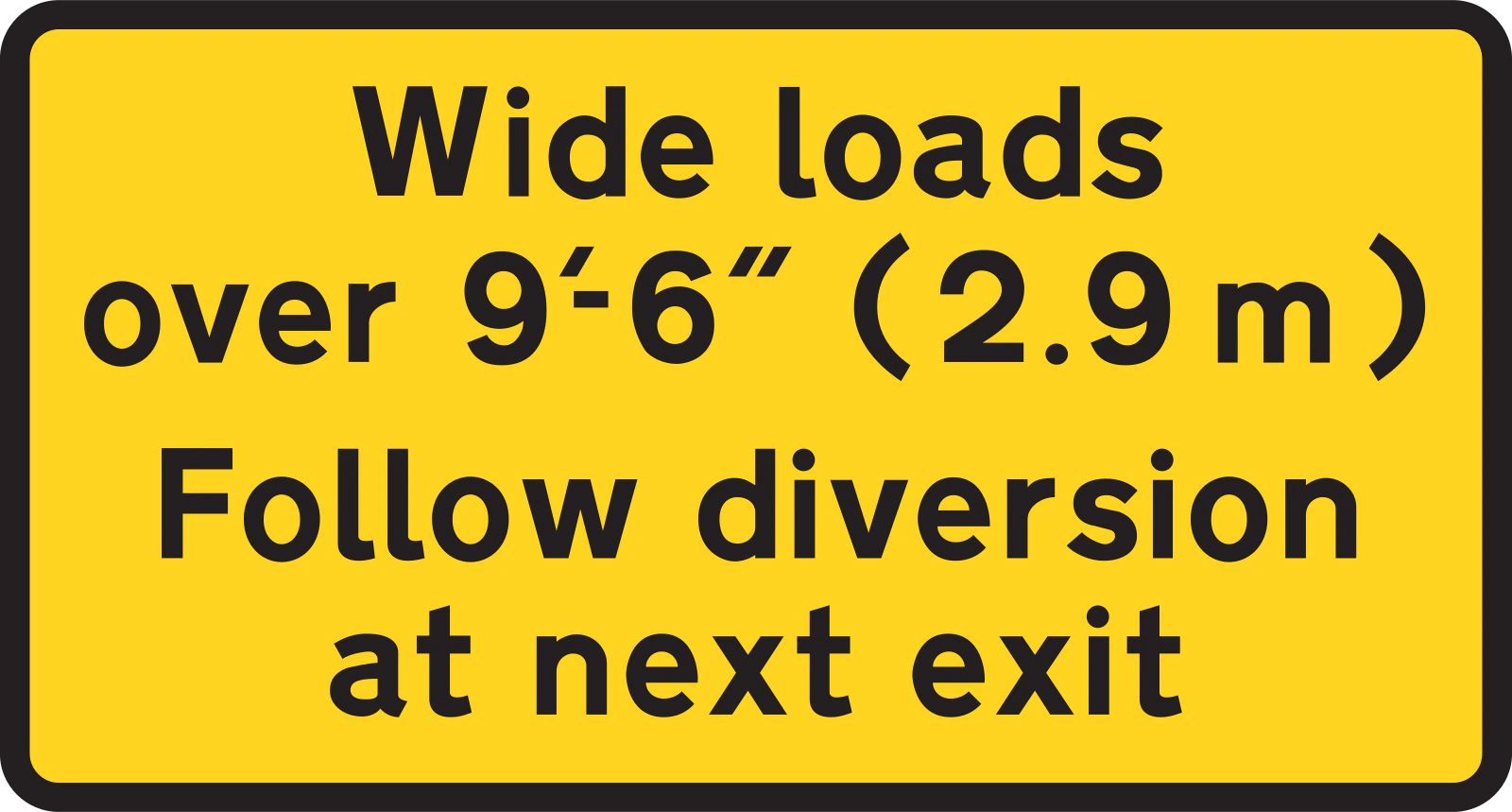
Understand the 'Restrictions Apply' Road Sign for Vehicle Width
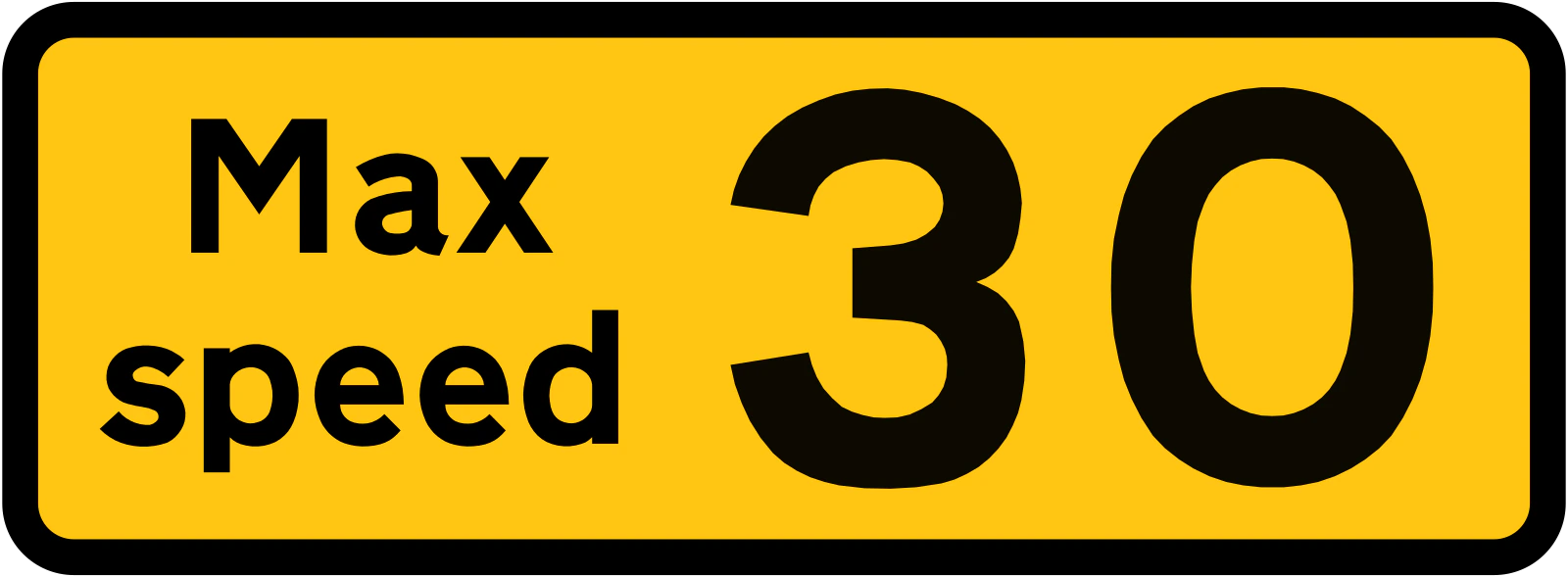
Understand the Temporary Advisory Speed Limit road sign for roadworks.
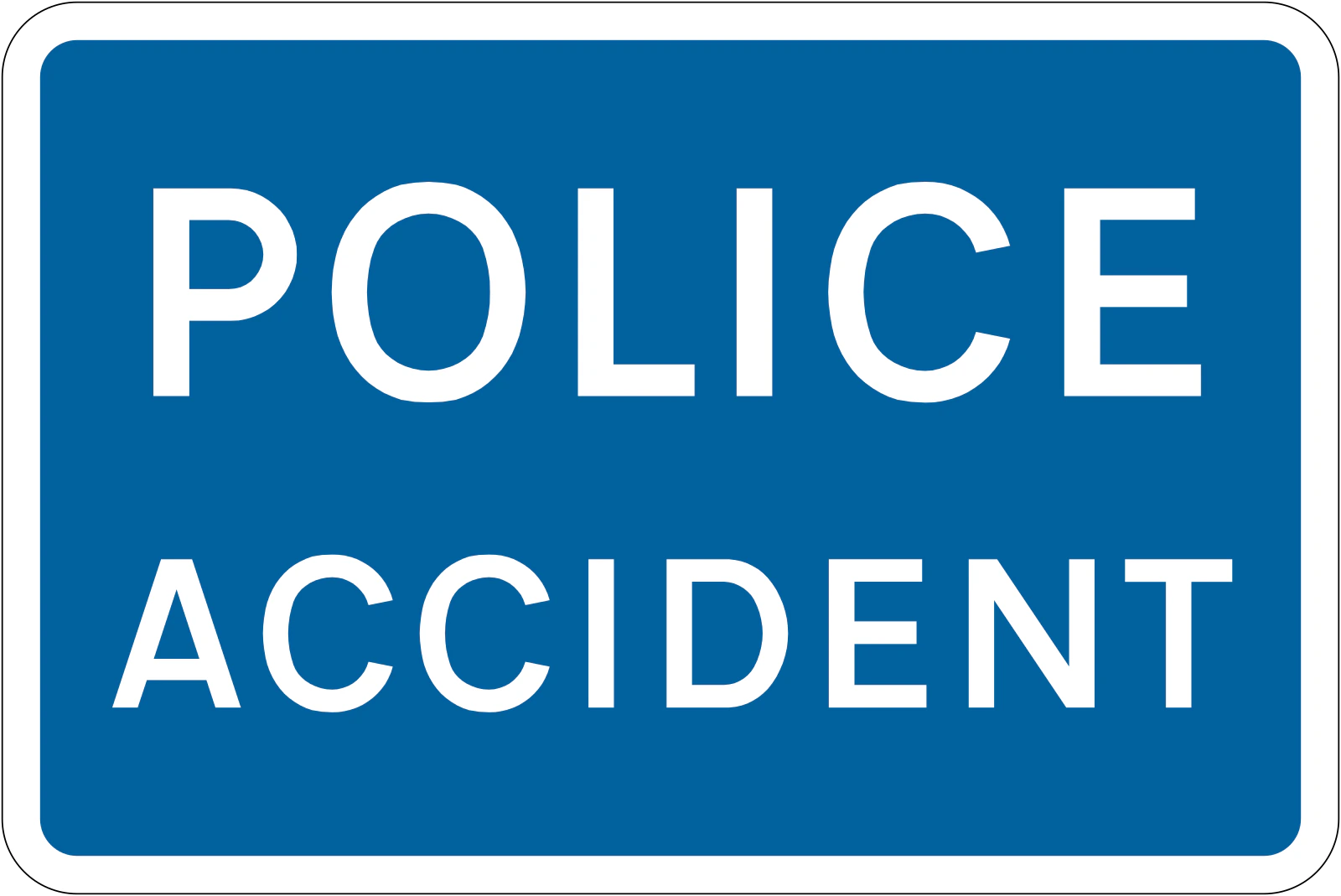
Understand the 'Police Accident' temporary roadworks sign (829.2)
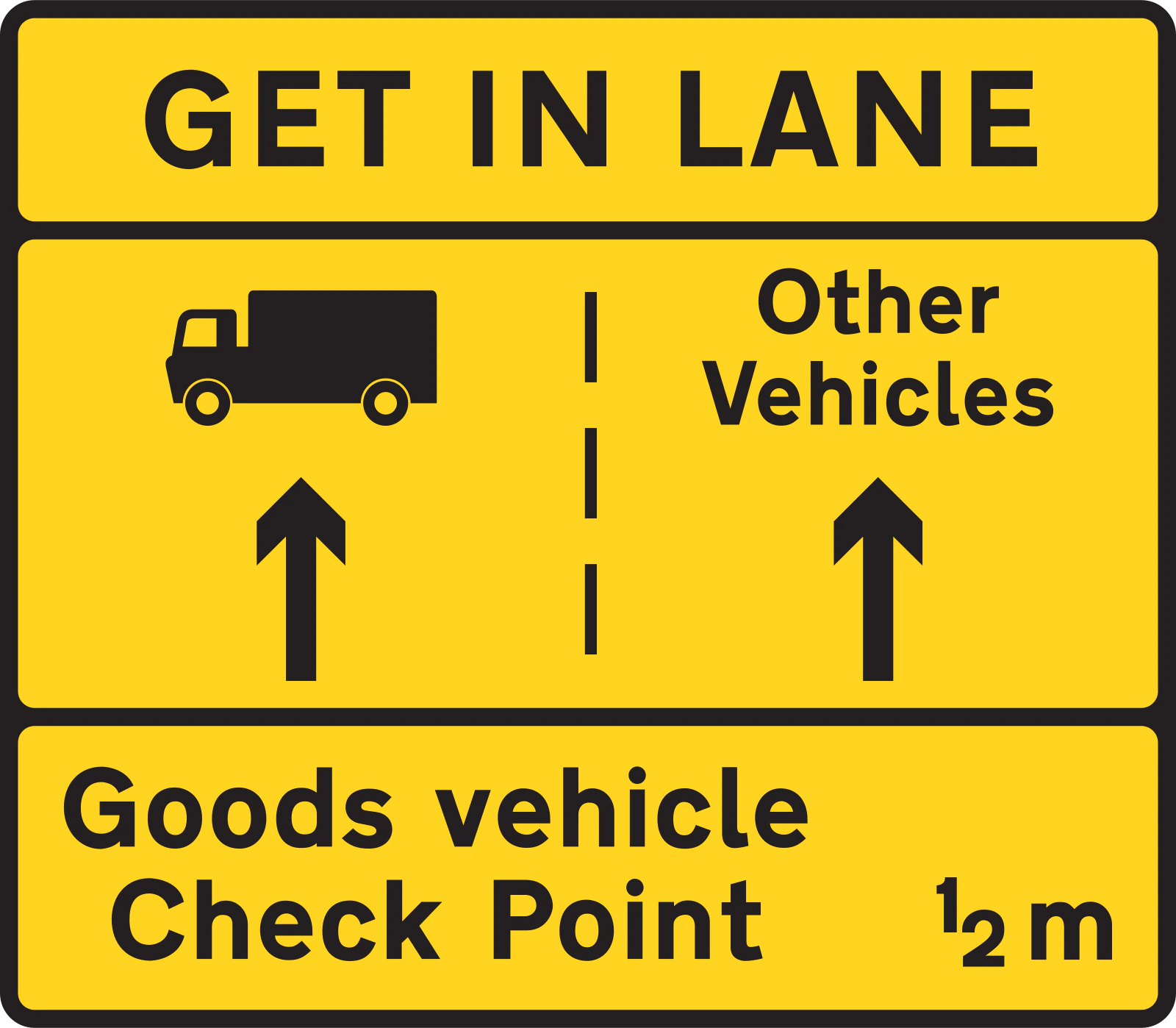
Follow the 'Get in Lane' sign for temporary roadworks, directing HGVs left and others right.
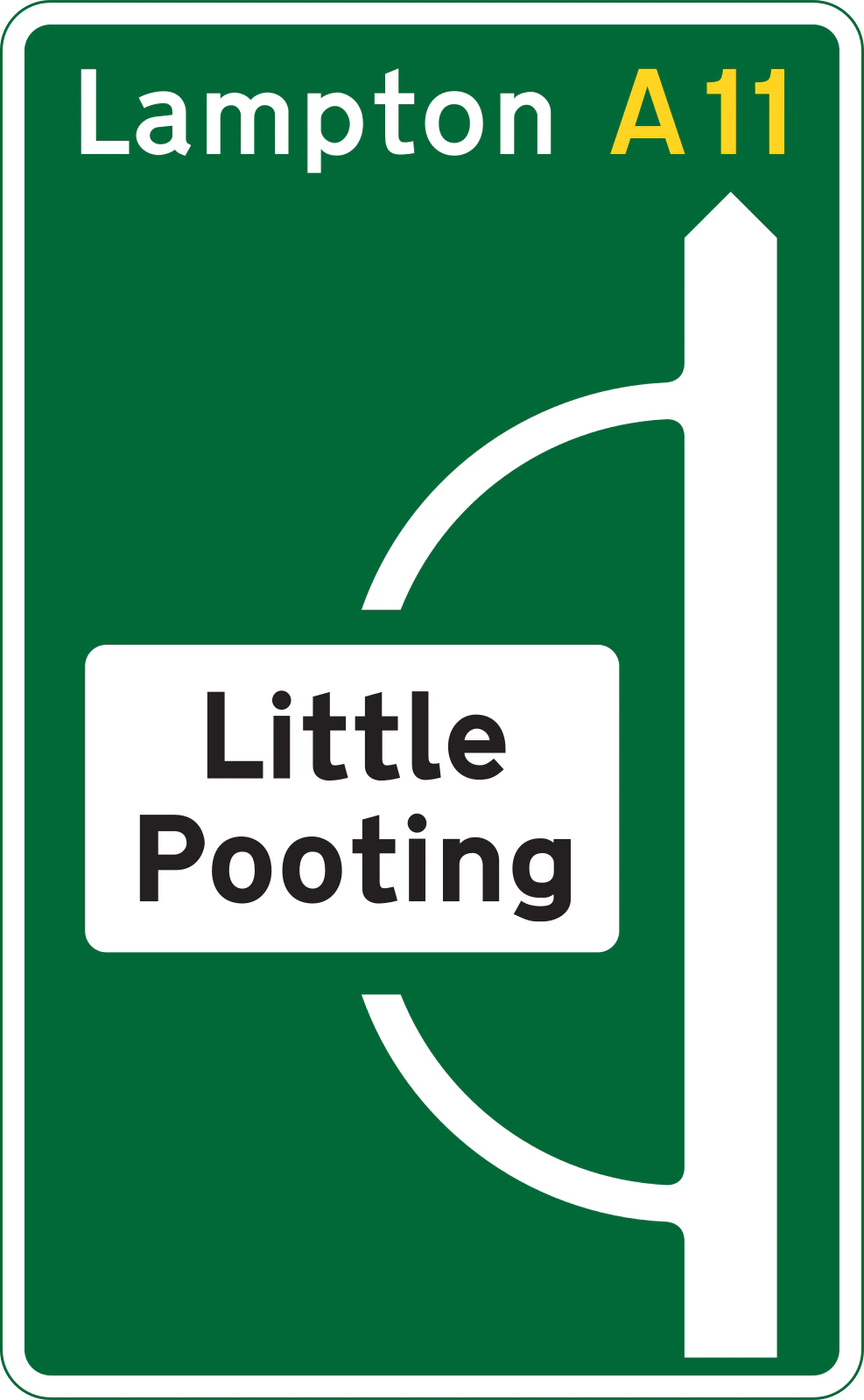
Navigate junctions near bypassed towns with the Primary Route Junction sign.
Explore curated explanations and practical examples to strengthen your visual recognition of essential Great Britain road signs. These supplementary materials provide the context needed to navigate junctions safely and pass your official DVSA theory test.
When you get behind the wheel of another person's car, the law holds you strictly accountable for ensuring the vehicle is safe, taxed, and properly insured. This guide explains the checks you must perform to remain compliant with UK traffic laws and avoid common pitfalls often tested in the DVSA theory exam. Mastery of these rules ensures you are prepared to act as a responsible and legal road user.
Understand your responsibility for a safe and legal vehicle on Great Britain's roads.
As a learner driver in Great Britain, you must understand the fundamental legal obligations concerning your vehicle, including car tax, MOT certification, and insurance. This article details these requirements, referencing official GOV.UK and DVLA information to ensure you are fully compliant. Grasping these essentials is vital for responsible driving and passing your theory test.
Master the rules on driver health and accountability to secure your GB licence.
Roadworks signs are temporary, but their instructions are essential for safety and traffic flow. This sign may warn about works, temporary lanes, loose chippings, convoy systems, workers, equipment, closures, or altered priorities. Drivers should reduce speed early, keep extra distance, and keep following temporary signs until the normal road layout clearly resumes. It is listed in the catalogue as code 2706.
Roadworks signs are temporary, but their instructions are essential for safety and traffic flow. This sign may warn about works, temporary lanes, loose chippings, convoy systems, workers, equipment, closures, or altered priorities. Drivers should reduce speed early, keep extra distance, and keep following temporary signs until the normal road layout clearly resumes. It is listed in the catalogue as code 7001.
After reviewing the full list of road signs, challenge yourself with practice questions focused specifically on sign recognition. Reinforce your learning and ensure you're fully prepared to identify and understand all traffic signs on the DVSA theory test.
Browse All GB Road Signs List