
Speed limit signs are crucial for maintaining road safety and adhering to legal requirements. This section will help you identify and understand various speed limit signs, from maximum and minimum speed restrictions to national speed limits and enforcement zones. Mastering these signs is essential for both passing your driving theory test and ensuring you drive at an appropriate and safe speed in all conditions.
An explanation of how Great Britain Speed Limit Signs road signs apply in real traffic situations in Great Britain. Learn where these signs are typically placed, what drivers are expected to do when they appear, and how correct reactions help you stay safe, avoid fines, and succeed in your British driving theory exam.
Speed limit signs are ubiquitous on roads across the country. You'll encounter maximum speed limit signs (like 20 mph, 30 mph, 40 mph, etc.) in various zones, most commonly in urban areas, near schools, and in roadworks. The national speed limit sign usually appears on roads where a default limit applies, often in rural areas. Minimum speed limits are less common but might be found on specific stretches of road, such as motorways or dual carriageways, to ensure traffic flow. Signs indicating the end of a speed limit zone are vital for knowing when the restriction is lifted. Enforcement signs, such as those warning of speed cameras or average speed checks, are placed to encourage compliance and remind drivers of the importance of adhering to the posted limits. It’s crucial to remember that the signed number is the absolute maximum allowed speed, and you must always adapt your speed to suit visibility, weather, road conditions, and traffic.
An overview of the key learning outcomes when studying the Great Britain Speed Limit Signs road sign category. Understand the main concepts, sign meanings, and traffic situations covered here so you can recognise patterns, answer theory questions more confidently, and build a solid foundation for safe driving in Great Britain.
Master Great Britain's speed limit signs to understand maximum and minimum legal speeds, identify zone changes, and recognise enforcement areas. Studying these critical traffic signs together helps learners connect posted limits with real-world conditions, crucial for passing their theory test and driving safely.

The National Speed Limit Applies Sign (671) Explained

Understand the 30 mph Minimum Speed Limit Sign (Code 672)

You've reached the end of the 30 mph minimum speed limit.

Prepare for the 20 mph speed limit zone ahead with this essential traffic sign.

The 'End of 20 mph Zone' sign means you can now drive faster.

This sign indicates an area where cameras enforce speed limits.
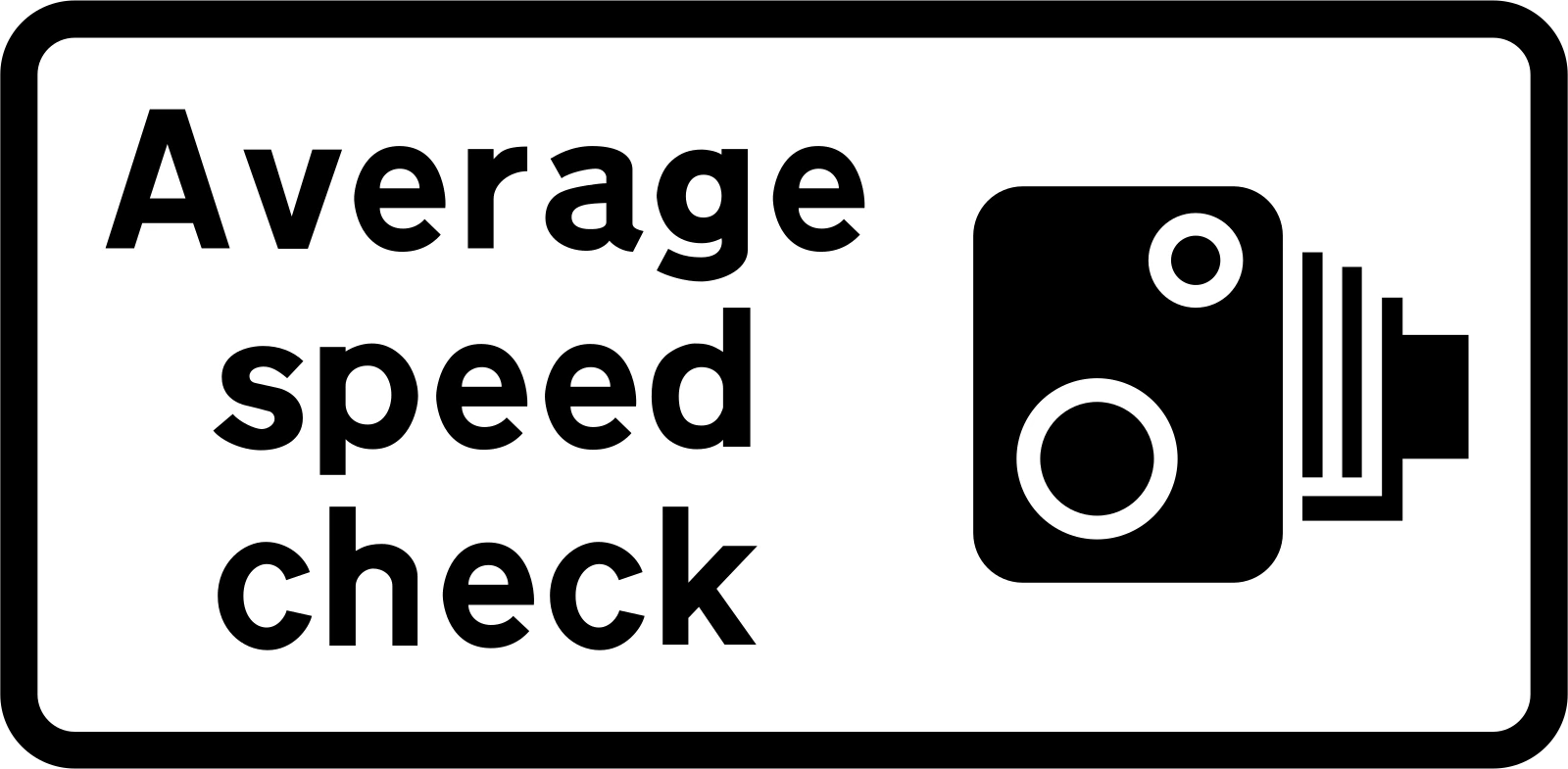
Average Speed Check signs tell you when to maintain a specific speed for enforcement.
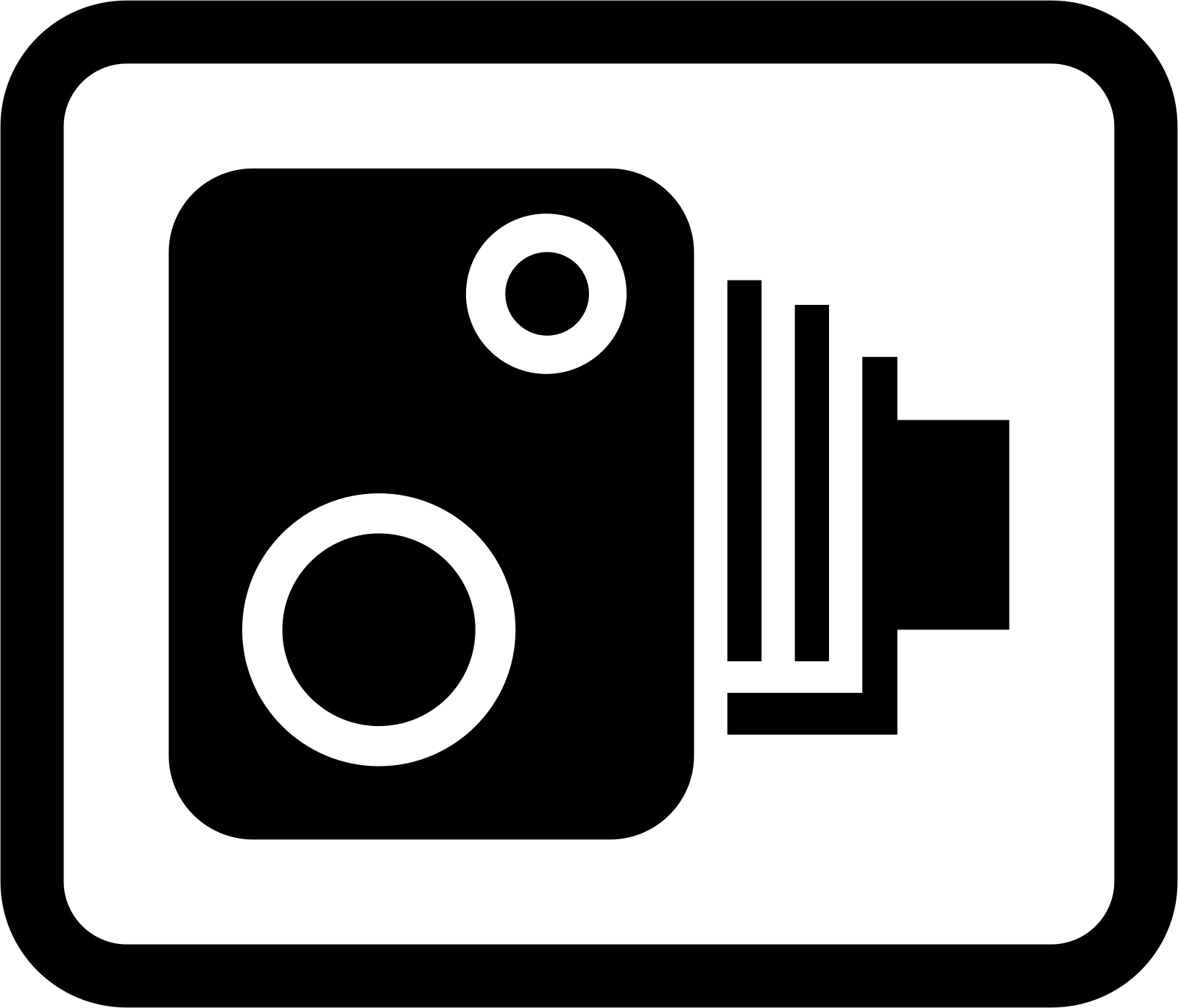
The Speed Camera sign means a speed restriction is in force.
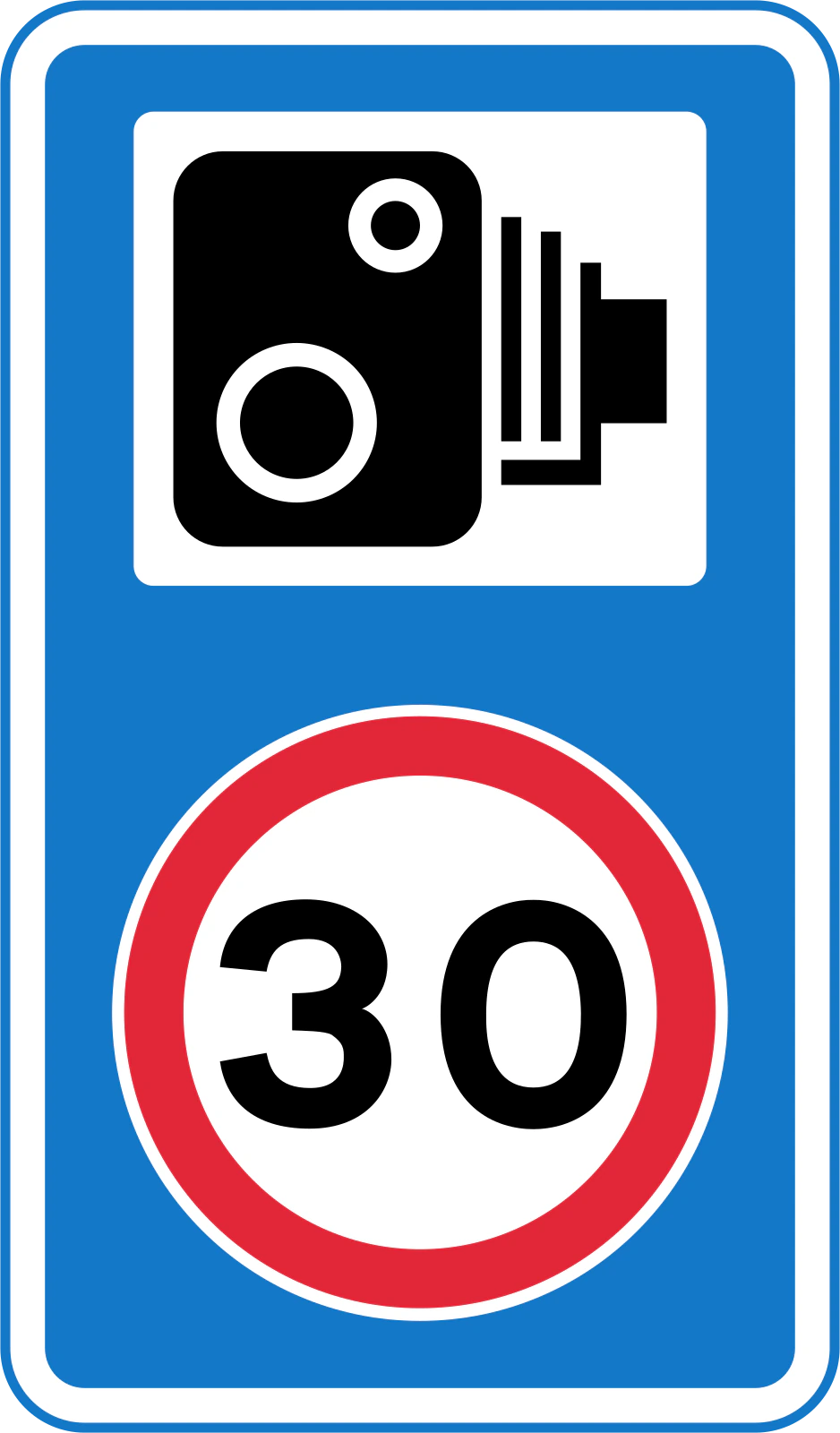
Speed Camera Ahead with a 30 mph Reminder: Know the Rules!
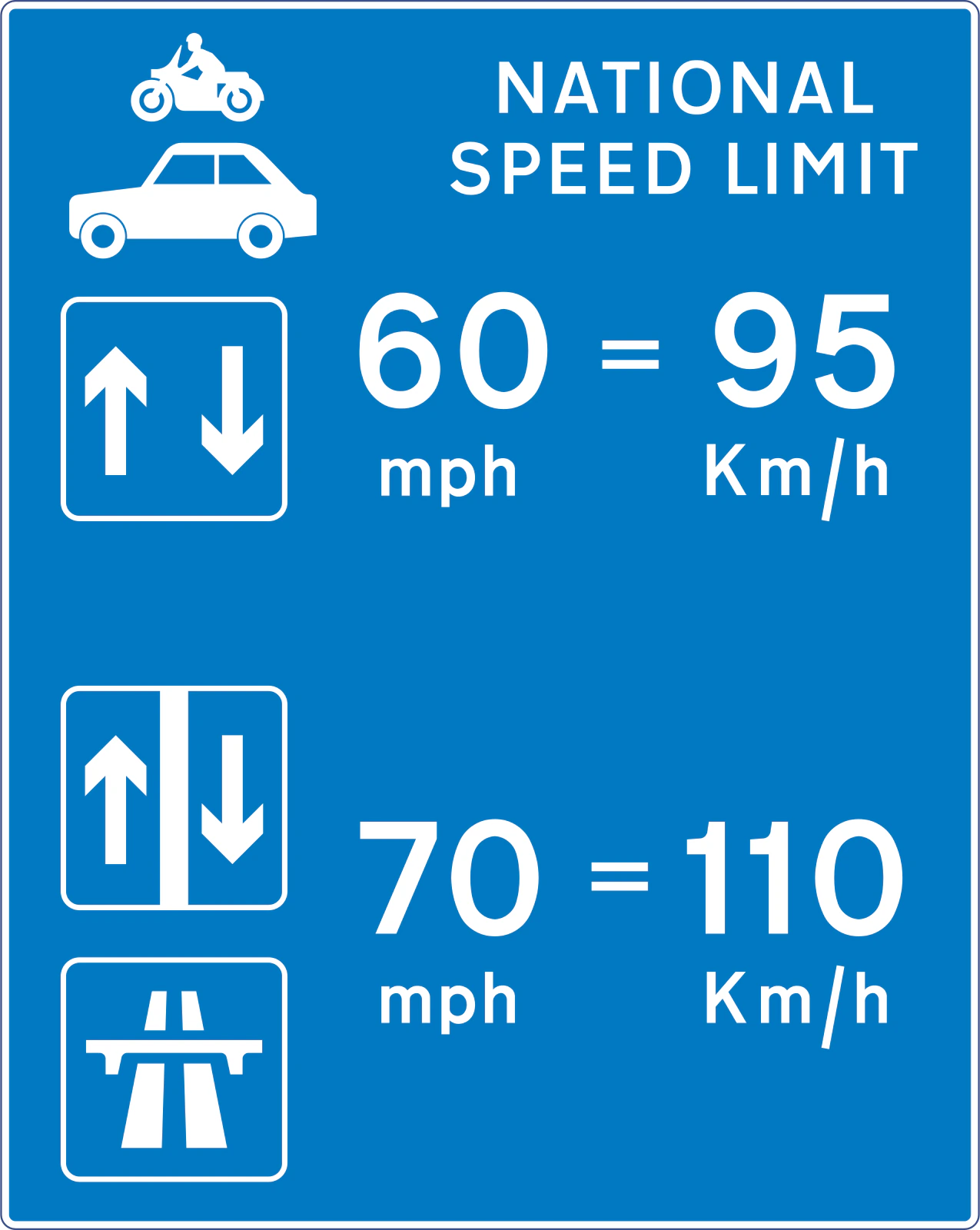
National Speed Limits: Know the Rules and Drive Safely

Understand Speed Limits in Miles Per Hour for Northern Ireland with the NI-SPEED-LIMITS Sign

Understand the 20 mph Maximum Speed Limit Road Sign

Obey the Maximum Speed 30 mph Traffic Sign

Maximum Speed 40 mph Means Exactly That – Don't Exceed It!

Maximum Speed 50 mph (80 km/h) Traffic Sign Explained

Maximum Speed 60 MPH (97 km/h) Road Sign Explained
Clear answers to common questions about the Great Britain Speed Limit Signs road sign category. Use this FAQ to review tricky rules, understand how these signs appear in exam scenarios, and remove confusion that often leads to mistakes in the British driving theory exam in Great Britain.
A maximum speed limit sign, usually a red circle with a number inside, tells you the highest speed you are legally allowed to drive. A minimum speed limit sign, which can look different but often has a blue background with a speed number, indicates the lowest speed you must maintain. Driving slower than the minimum limit can also be an offence, typically if it causes an obstruction.
A speed limit zone begins when you see the sign indicating the new maximum or minimum speed (e.g., a 30 mph zone entry sign or a maximum 40 mph sign). The restriction ends when you see the sign that signifies the end of that specific zone (e.g., an end of 30 mph zone sign, or often the national speed limit applies sign).
The 'National speed limit applies' sign (often a diagonal black and white bar) signifies that the general speed limits for that type of road apply, as opposed to a specific, lower limit set by a zone sign. These national limits are typically 70 mph on motorways, 70 mph on dual carriageways, 60 mph on single carriageways, and 30 mph in built-up areas, unless other signs indicate otherwise.
Signs warning of speed cameras or average speed checks indicate that enforcement is in operation in that area. While not every camera might be active at all times, you should always assume that enforcement is possible and drive within the legal speed limit. Treat these signs as a strong reminder to check your speed and ensure you are compliant.
No, the speed limit is the maximum legal speed. You must always drive at a speed appropriate for the conditions. This includes factors like fog, rain, ice, heavy traffic, poor visibility, and the condition of your vehicle. Driving too fast for the conditions, even if under the legal limit, can be a dangerous driving offence.
Ready to master Great Britain road signs? Explore organized categories and groups for structured learning. Understanding signs by type improves recall and comprehension, ensuring thorough preparation for your DVSA theory test.
Great Britain Road Sign Groups