
The Average Speed Check sign (code 878.1) is a crucial traffic sign in Great Britain that indicates an area where your average speed is being monitored. These signs are used to enforce speed limits over a section of road, not just at a single point. It's vital to understand that you must maintain the correct average speed between the entry and exit points of the monitored zone, adapting your speed appropriately for the conditions. Always remember that the posted speed is a maximum, and you must reduce your speed if traffic, weather, or road conditions require it.
This sign indicates an average speed check zone, crucial for your theory test revision and legal driving. Understanding its meaning helps you maintain correct speeds and avoid penalties when driving in Great Britain.
Speed signs shape both legal compliance and safe driving technique. The number or symbol on the sign must be understood before the vehicle reaches the point where the rule begins, and the driver still has to adapt to weather, traffic, visibility, road surface, and stopping distance. A strong theory response is to slow progressively, keep good spacing, and avoid treating the posted value as a target. It is listed in the catalogue as code 878.1.
"Average speed check" controls or explains a speed requirement. It tells the driver when a speed limit, speed zone, minimum speed, reminder, or enforcement-related condition applies.
Get clear, practical answers to the most common questions about the 878.1 - Average speed check road sign. Learn how the sign works, what rules it represents, and how it affects real driving situations. This FAQ strengthens your understanding and supports accurate decision making for the British driving theory exam in Great Britain.
The Average Speed Check sign (878.1) indicates that your average speed is being monitored over a specific stretch of road. This is different from standard speed limit signs, as cameras at the beginning and end of the zone calculate your average speed. You must comply with the indicated speed limit throughout the entire monitored section.
When you see an Average Speed Check sign (878.1), you must ensure your average speed between the start and end points of the monitored zone does not exceed the stated limit. This means you cannot speed up and then slow down; your overall journey through the zone is measured. Always drive at a speed appropriate for the conditions, which may be lower than the posted limit.
A common mistake in the theory test is confusing average speed checks with spot speed checks. Learners might think they can briefly exceed the limit between signs, assuming they can 'catch up' later. The reality is that average speed checks measure your speed over distance, so maintaining a consistent, legal speed is essential throughout the entire monitored zone.
No, the indicated speed on an Average Speed Check sign (878.1) is the maximum average speed permitted. You are allowed to drive at a speed lower than this, and indeed, you must do so if conditions like poor visibility, bad weather, heavy traffic, or a slippery road surface make it unsafe to travel at the maximum indicated speed.
Yes, typically there will be a sign indicating the end of the speed restriction or zone. However, it's always good practice to be aware of your surroundings. If you are unsure, it's safer to continue driving at a cautious, legal speed until you are certain the restriction no longer applies, paying attention to any other signs that might alter the speed limit.
A clear reference image of the 878.1 - Average speed check road sign used in Great Britain.
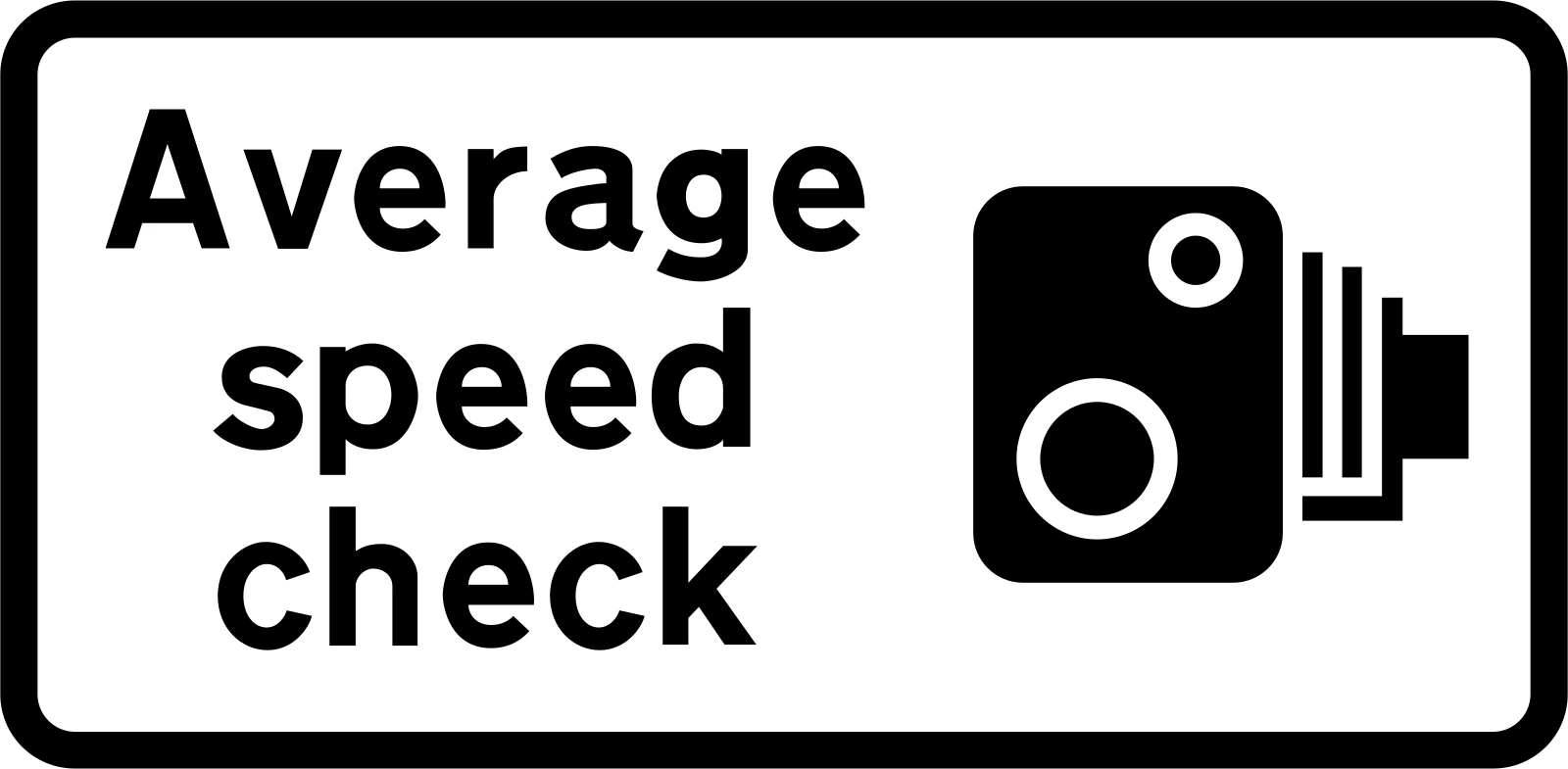
The 878.1 - Average speed check road sign may also be known by these alternative names or terms.
The 878.1 - Average speed check road sign is part of the Great Britain Speed Limit Signs category, which groups together signs with similar rules and functions.
Mastering traffic sign recognition is key to passing your theory test. Comparing signs like the Average Speed Check with others in its group helps reinforce learning and prevent mistakes during your exam preparation.
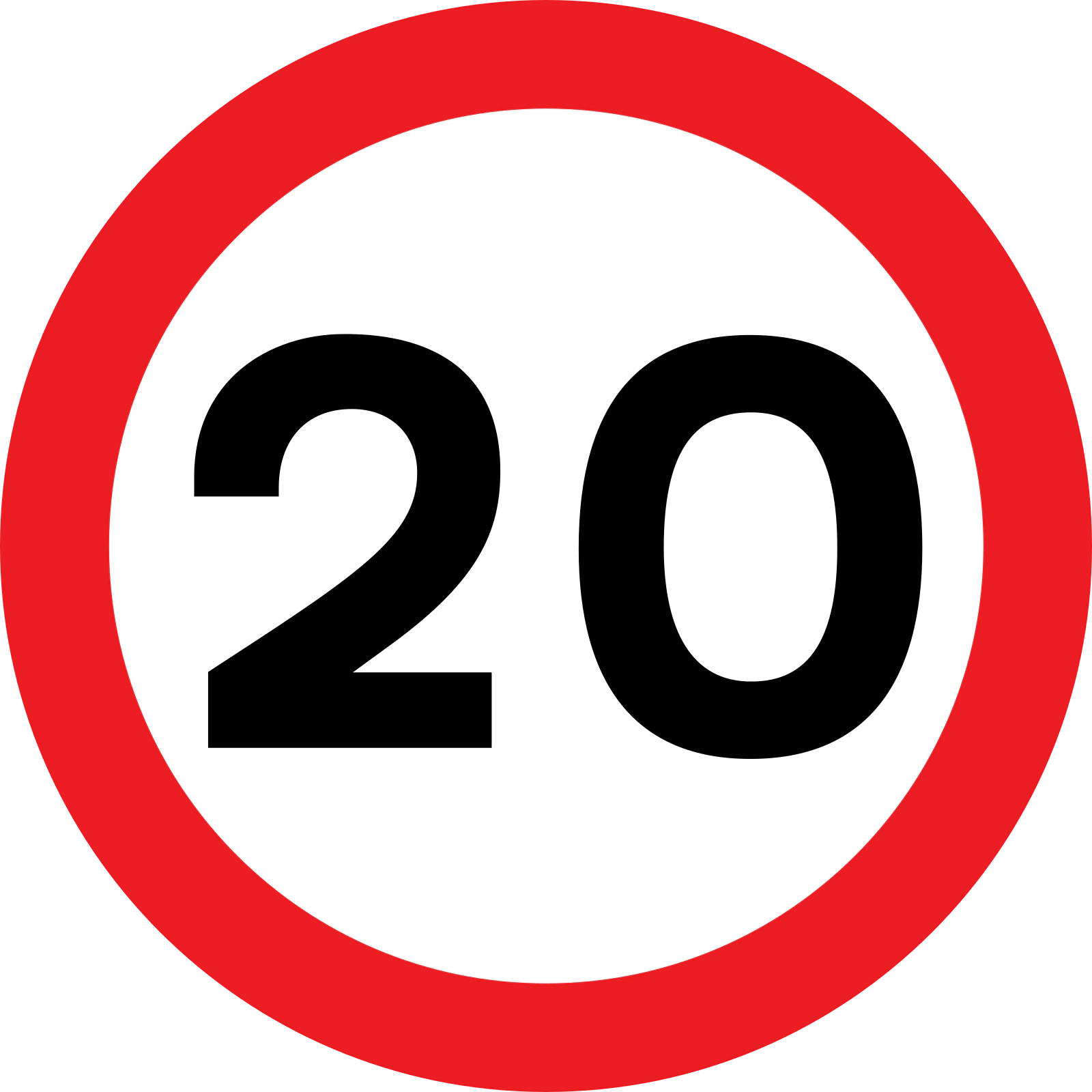
Understand the 20 mph Maximum Speed Limit Road Sign
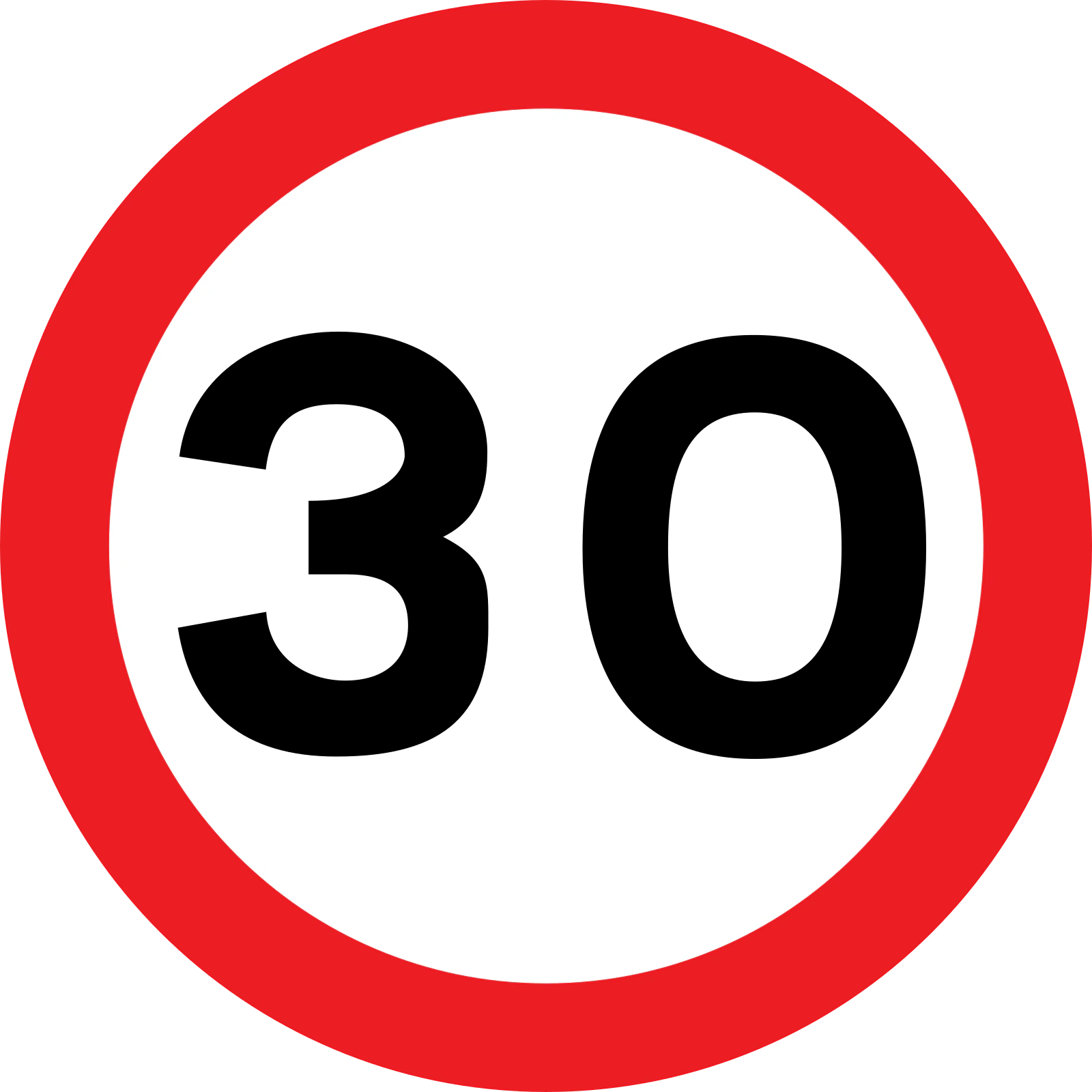
Obey the Maximum Speed 30 mph Traffic Sign
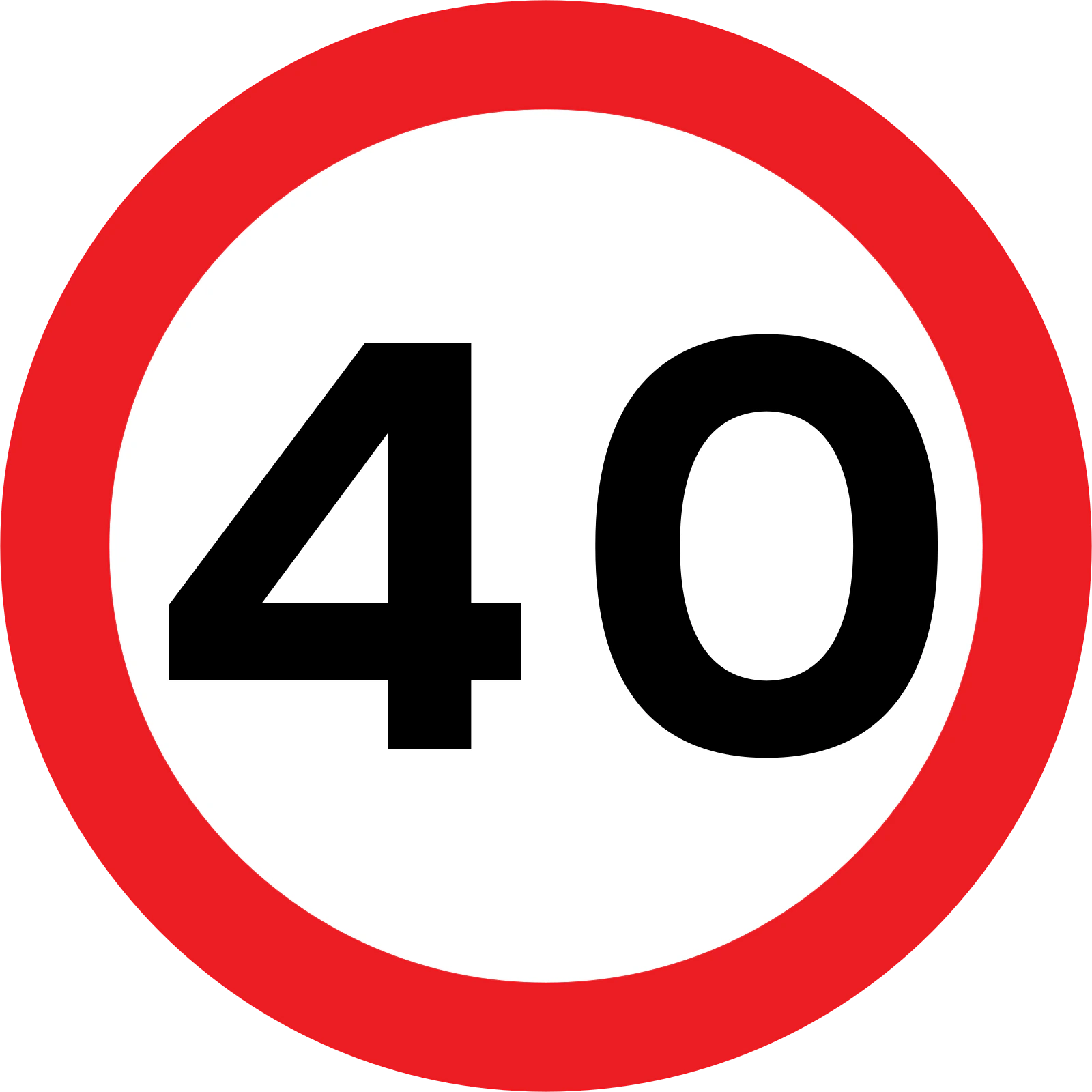
Maximum Speed 40 mph Means Exactly That – Don't Exceed It!
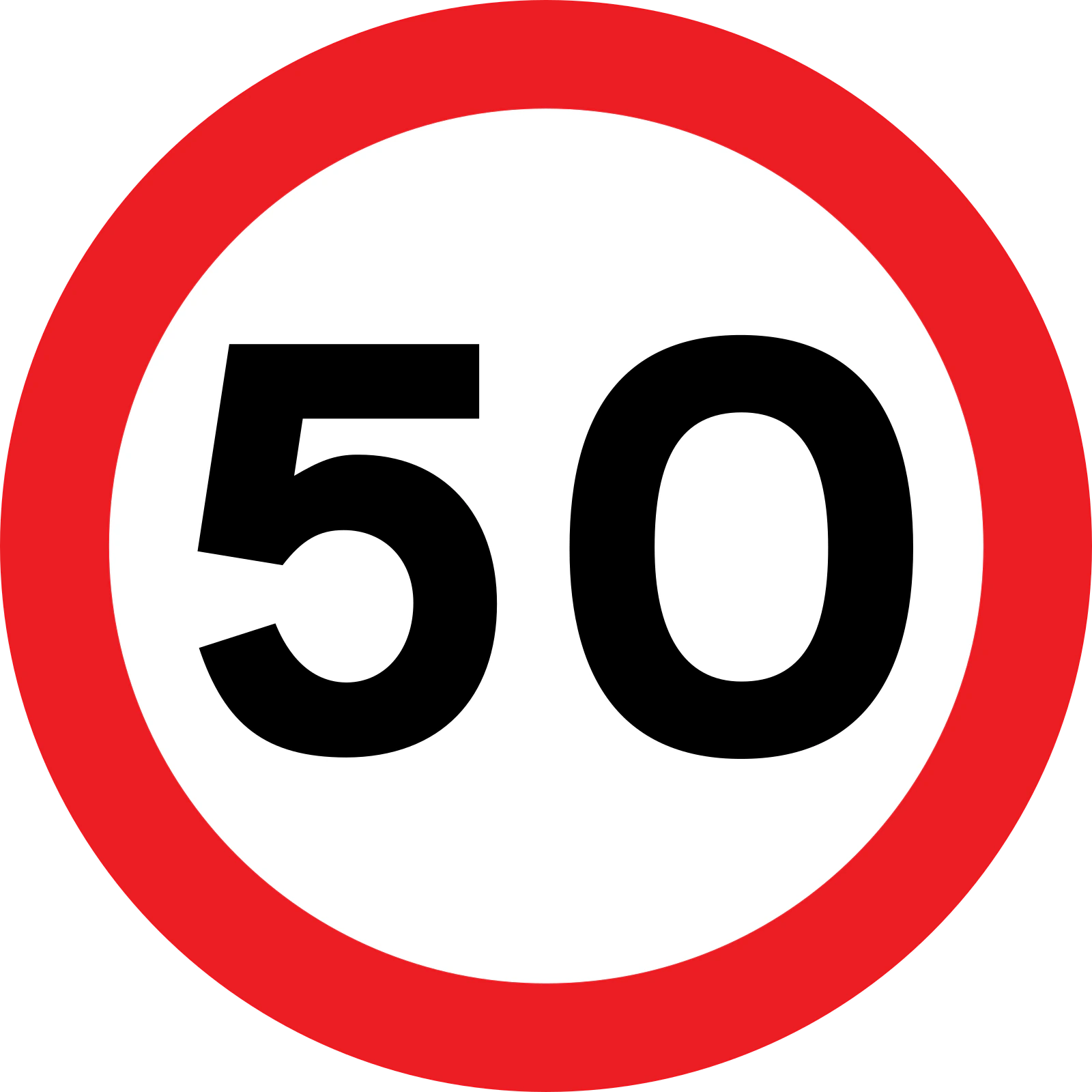
Maximum Speed 50 mph (80 km/h) Traffic Sign Explained
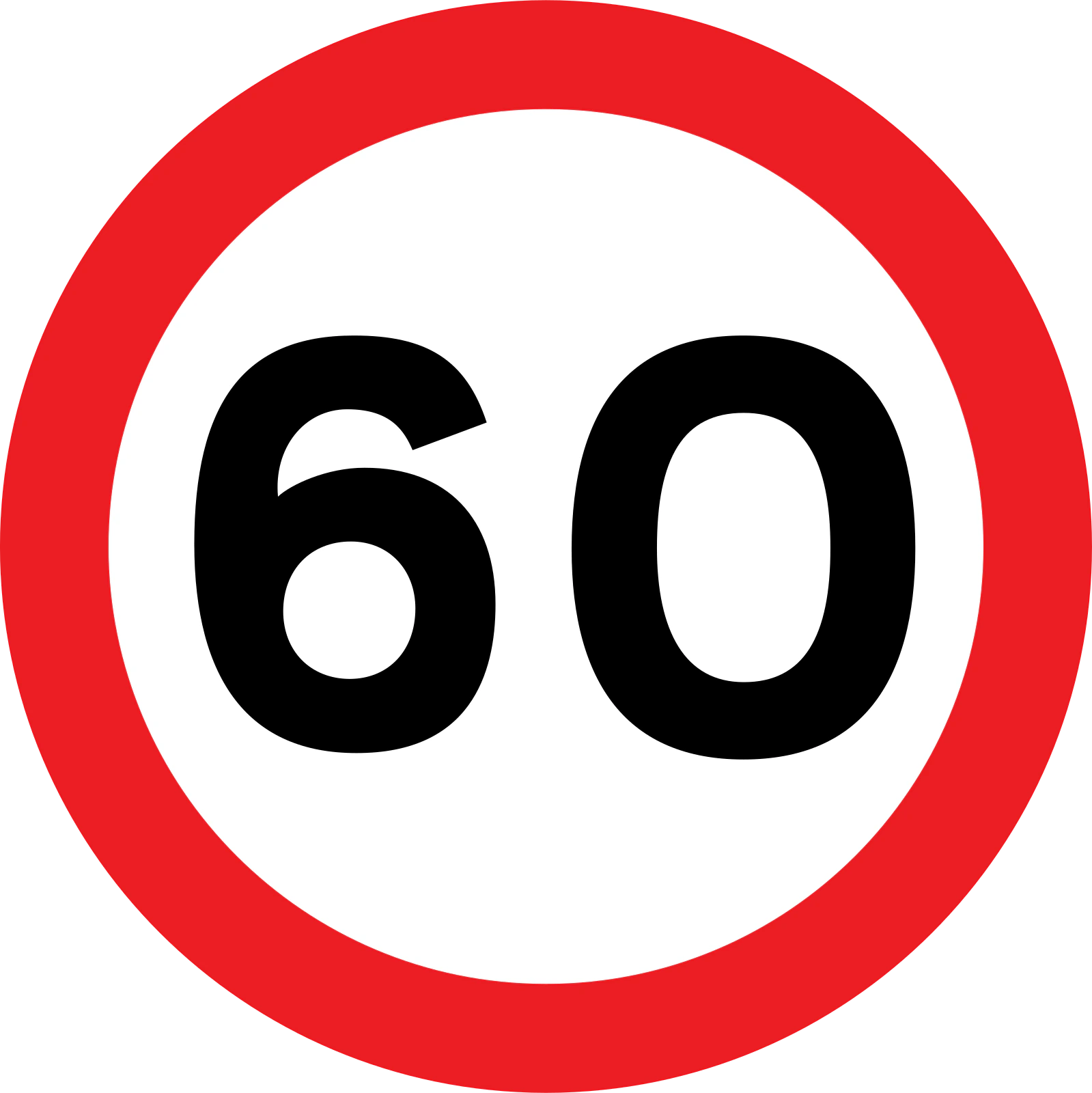
Maximum Speed 60 MPH (97 km/h) Road Sign Explained

The National Speed Limit Applies Sign (671) Explained
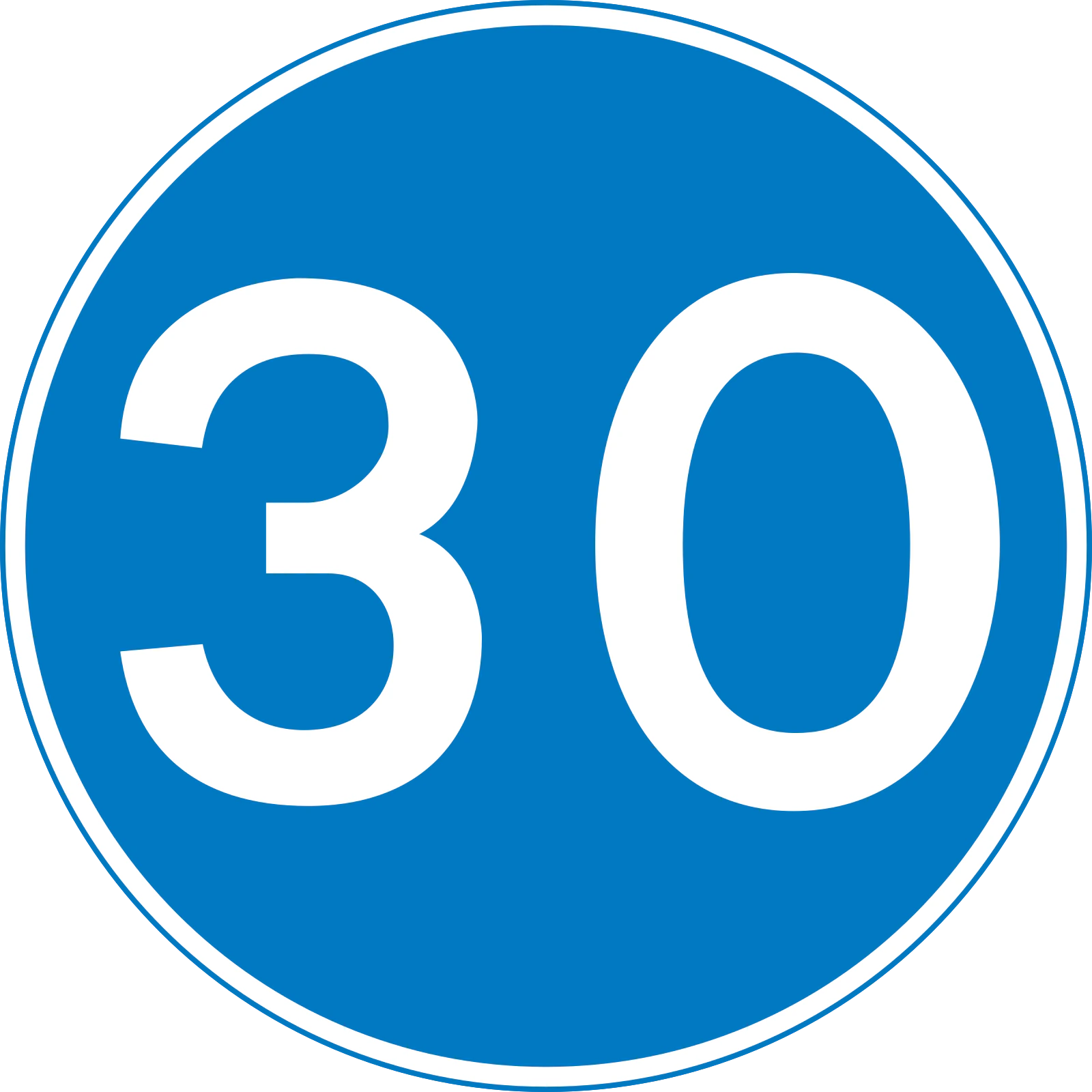
Understand the 30 mph Minimum Speed Limit Sign (Code 672)
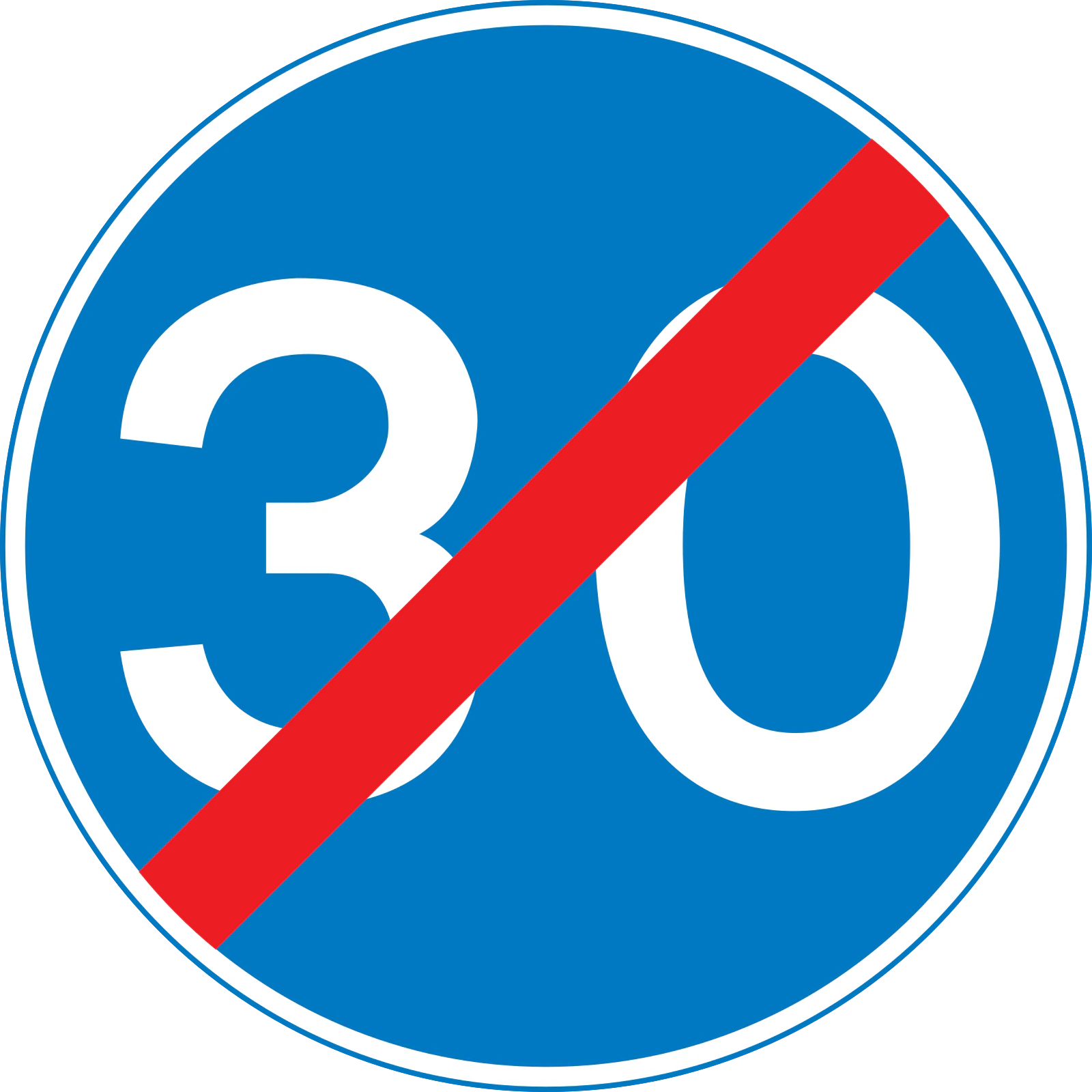
You've reached the end of the 30 mph minimum speed limit.
Explore curated explanations and practical examples to strengthen your visual recognition of essential Great Britain road signs. These supplementary materials provide the context needed to navigate junctions safely and pass your official DVSA theory test.
As a learner driver, you have a legal obligation to ensure you are medically fit to operate a vehicle before every journey. This guide clarifies how to determine if your health condition must be reported to the DVLA, explaining the importance of compliance for both road safety and your legal standing. Mastering these rules is an essential part of your theory test preparation and your future as a responsible driver.
Master Critical Emergency Procedures and Avoid Test Traps on GB Roads.
When you get behind the wheel of another person's car, the law holds you strictly accountable for ensuring the vehicle is safe, taxed, and properly insured. This guide explains the checks you must perform to remain compliant with UK traffic laws and avoid common pitfalls often tested in the DVSA theory exam. Mastery of these rules ensures you are prepared to act as a responsible and legal road user.
Master the Complex Rules of Sharing the Road with Motorcyclists and Avoid Common Test Traps.
Speed signs shape both legal compliance and safe driving technique. The number or symbol on the sign must be understood before the vehicle reaches the point where the rule begins, and the driver still has to adapt to weather, traffic, visibility, road surface, and stopping distance. A strong theory response is to slow progressively, keep good spacing, and avoid treating the posted value as a target. It is listed in the catalogue as code 671.
Speed signs shape both legal compliance and safe driving technique. The number or symbol on the sign must be understood before the vehicle reaches the point where the rule begins, and the driver still has to adapt to weather, traffic, visibility, road surface, and stopping distance. A strong theory response is to slow progressively, keep good spacing, and avoid treating the posted value as a target. It is listed in the catalogue as code 674.
After reviewing the full list of road signs, challenge yourself with practice questions focused specifically on sign recognition. Reinforce your learning and ensure you're fully prepared to identify and understand all traffic signs on the DVSA theory test.
Browse All GB Road Signs List