
The hollow diamond emergency diversion route sign is used to guide you along a temporary alternative route when the usual road ahead is closed or unsuitable, often due to roadworks or incidents. You must follow the direction indicated by this sign, which may be accompanied by arrows or destination names, until you see signs indicating the diversion has ended. Pay close attention to each marker in sequence, slow down as needed, and maintain regular observation and signalling at junctions.
This hollow diamond sign indicates an emergency diversion route, crucial for navigating road closures safely and legally. Master its meaning and response for your theory test revision and real-world driving.
Diversion signs are used when the normal route is closed, unsuitable, or temporarily changed by works or an incident. This sign helps drivers stay on a planned alternative route rather than making unsafe improvised turns. The practical response is to slow where needed, follow each marker in sequence, and keep normal observation and signalling at every junction. It is listed in the catalogue as code Hollow-Diamond.
"Hollow diamond emergency diversion route" marks or explains a temporary or emergency diversion route. Drivers should follow the indicated route symbol, arrow, or destination until later signs change or end the diversion.
Get clear, practical answers to the most common questions about the Hollow-Diamond - Hollow diamond emergency diversion route road sign. Learn how the sign works, what rules it represents, and how it affects real driving situations. This FAQ strengthens your understanding and supports accurate decision making for the British driving theory exam in Great Britain.
The hollow diamond sign indicates an emergency diversion route. It means the normal road ahead is closed or impassable, and you need to follow the marked diversion to get back to your intended route or a major road.
When you see a hollow diamond sign, you must follow the direction indicated by the sign, arrow, or destination panel. Continue following these markers until you see signs that end the diversion. Avoid improvising or trying to find your own way.
Yes, diversion routes can sometimes be longer than the normal route. They are planned to keep traffic moving safely, even if it means a longer journey. Patience is key, and it's important to stay on the marked route.
If you miss a turn on a diversion route, do not reverse or make an unsafe U-turn, especially in unfamiliar or busy areas. Continue to the next diversion sign and follow its instructions, or find a safe place to re-orient yourself if necessary.
Yes, the main rule is to follow the diversion route as indicated. You should also expect unfamiliar junctions, leave extra space for other vehicles, use your signals correctly at every turn, and never drive past closure signs into a restricted area.
Diversion routes are designed to be followed by most vehicles, but they may not always be suitable for larger or slower vehicles. Always ensure the route is appropriate for your vehicle and drive with extra caution.
A clear reference image of the Hollow-Diamond - Hollow diamond emergency diversion route road sign used in Great Britain.

The Hollow-Diamond - Hollow diamond emergency diversion route road sign may also be known by these alternative names or terms.
The Hollow-Diamond - Hollow diamond emergency diversion route road sign is part of the Great Britain Diversion Signs category, which groups together signs with similar rules and functions.
Mastering road signs involves understanding their subtle differences. Comparing similar signs helps build pattern recognition, making recall faster and reducing errors during your theory test revision and exam preparation.

Follow this Diversion sign when road works start to your left on minor roads.
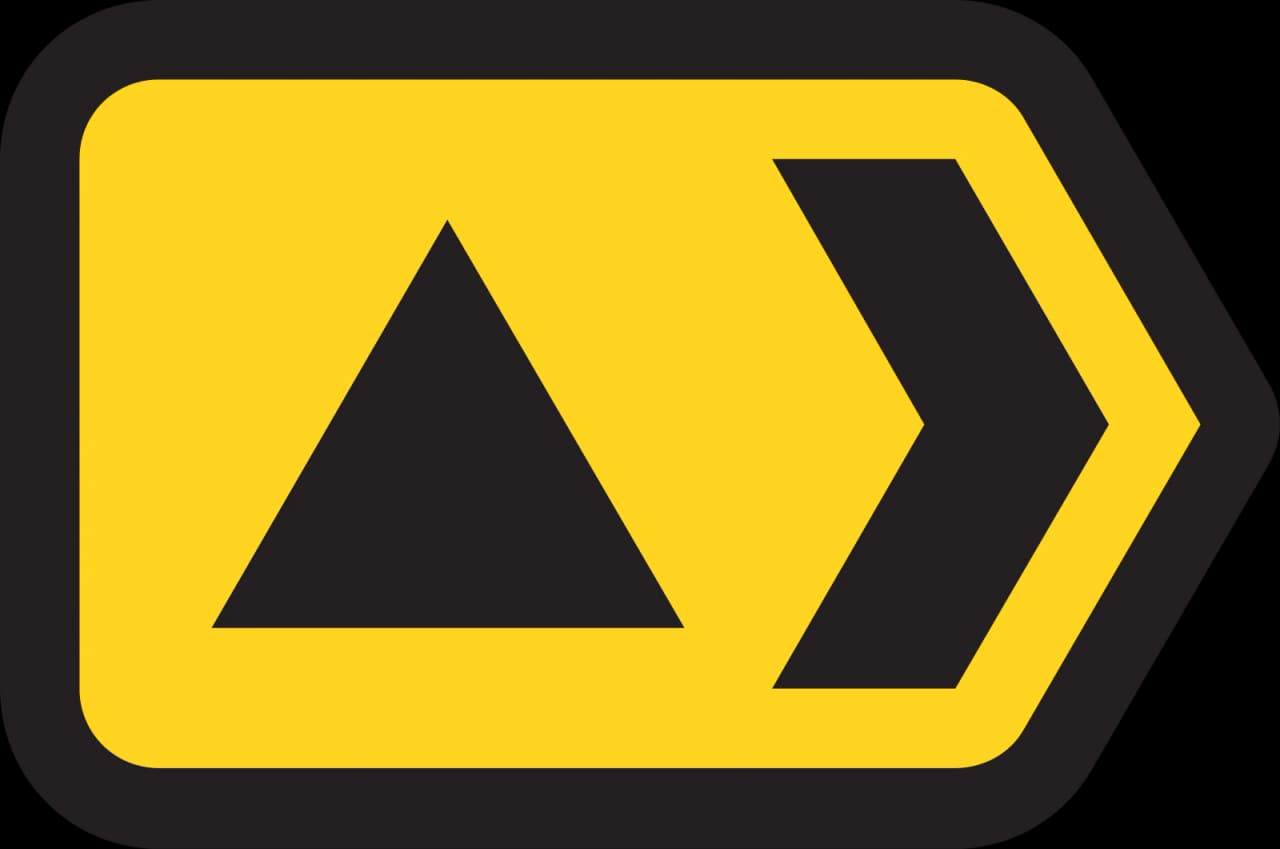
Follow the diversion route when this sign directs you to turn right.
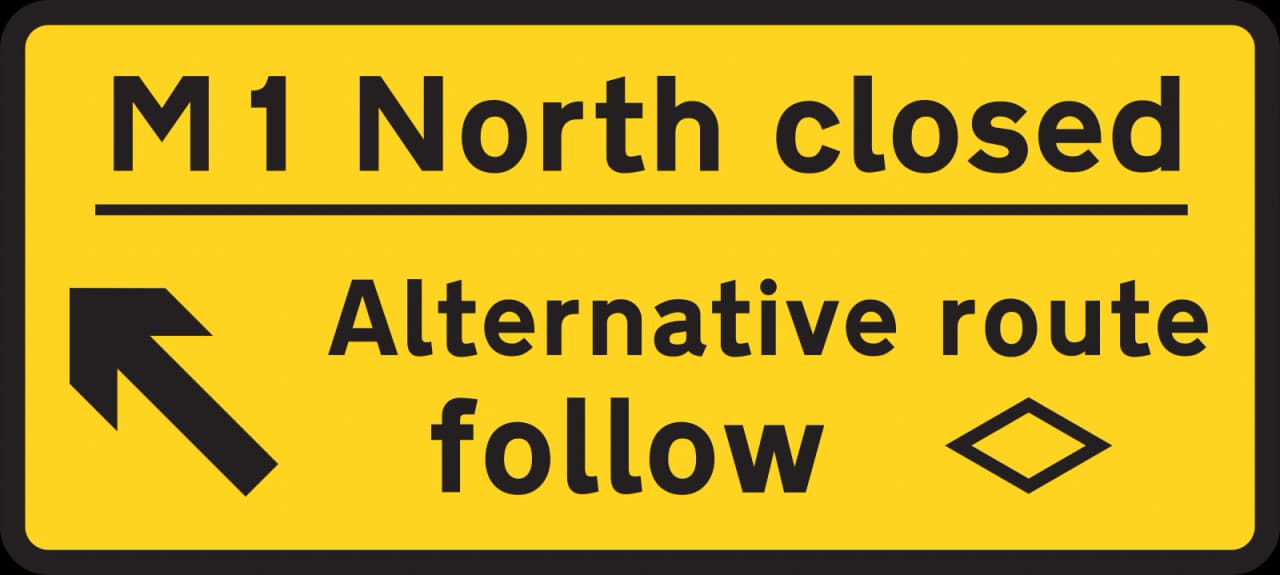
Follow the Diversion: Sign 2716 Explains Temporary Route Changes

Follow the Hollow Square for emergency diversion routes on UK roads.

Follow the Solid Circle emergency diversion route sign to stay on track.

Follow the Solid Triangle diversion route when your usual way is blocked.

Navigate junctions near bypassed towns with the Primary Route Junction sign.

Know the 'Steam Railway Tourist Attraction 300 yd Ahead' Sign
After reviewing the full list of road signs, challenge yourself with practice questions focused specifically on sign recognition. Reinforce your learning and ensure you're fully prepared to identify and understand all traffic signs on the DVSA theory test.
Browse All GB Road Signs List