The 'No Waiting' road sign, code 636, is a mandatory regulatory sign that clearly prohibits stopping or waiting. You must understand its precise meaning and location, as well as any exceptions shown on supplementary plates, to ensure compliance with traffic law. Always obey these signs, as local habits or other drivers' behaviour do not override their legal instruction.
Master the 'No Waiting' regulatory sign (Code 636) to avoid illegal parking and demonstrate your driving knowledge. Accurate road sign interpretation is crucial for passing your theory test and driving safely in Great Britain.
This regulatory sign is part of the legal control of the road. It may require a driver to stop, give way, keep to a direction, avoid a movement, stay out of a restricted area, or respect a vehicle-specific rule. In practice, the sign should be read with the stop line, lane markings, road layout, and any supplementary plates so the instruction is obeyed before the controlled point. It is listed in the catalogue as code 636.
"No waiting" gives a binding instruction, restriction, or prohibition. The driver must understand who it applies to, where it starts, and whether any exception is shown before continuing.
Get clear, practical answers to the most common questions about the 636 - No waiting road sign. Learn how the sign works, what rules it represents, and how it affects real driving situations. This FAQ strengthens your understanding and supports accurate decision making for the British driving theory exam in Great Britain.
The 'No Waiting' sign (636) is a regulatory sign that strictly prohibits you from stopping or waiting your vehicle. This applies from the point where the sign is displayed or indicated by road markings and stop lines. You must not stop your vehicle if this sign is present, unless specifically exempted.
Yes, exceptions may be indicated on supplementary plates attached to the sign. These plates can specify times of day, days of the week, or particular types of vehicles for which waiting might be permitted. Always check for these plates and ensure your situation clearly falls within any stated exemption before stopping.
A common trap is assuming you can wait if other drivers are doing so, or if you only intend to stop briefly. The 'No Waiting' sign is a strict prohibition, not an advisory. Another mistake is not checking supplementary plates, leading to an incorrect assumption that you are exempt when you are not.
If the 'No Waiting' sign prevents you from stopping where you intended, you must find a legal alternative. This might mean continuing to a different location where waiting is permitted, or choosing an alternative route if your planned stop is within the restricted area. Never treat a mandatory instruction as advisory.
Yes, the 'No Waiting' sign specifically prohibits any form of waiting, which includes stopping even for a short period. This is distinct from 'No Stopping' signs, but the practical effect is similar for most drivers who would consider stopping. You must not stop your vehicle in the area indicated by the sign and its associated markings or plates.
The 'No Waiting' sign is a general prohibition. It might be supplemented by signs indicating 'No Stopping' (a more severe restriction), or by signs with time restrictions (e.g., 'No Waiting 8am-6pm Mon-Fri'). Always pay attention to the specific sign and any accompanying plates to understand the exact restriction in place.
A clear reference image of the 636 - No waiting road sign used in Great Britain.
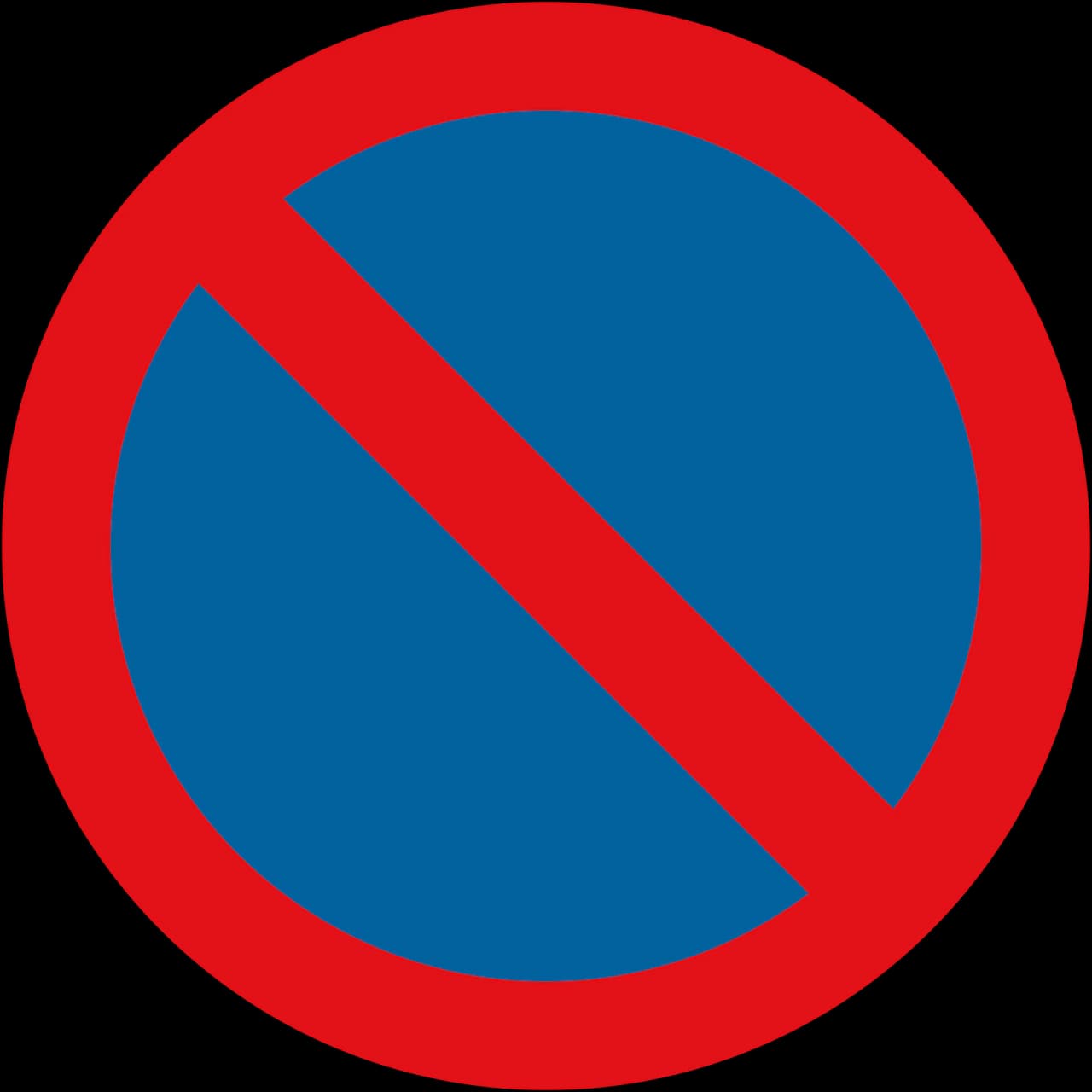
The 636 - No waiting road sign may also be known by these alternative names or terms.
The 636 - No waiting road sign is part of the Great Britain Regulatory Signs category, which groups together signs with similar rules and functions.
Comparing closely related road signs, like this 'No Waiting' sign with others, strengthens your recognition and recall for the theory test. Understanding subtle differences is key for accurate sign identification and avoiding errors during your revision.

Understand the 'Stop at Major Road' sign (601.1) and know when to stop.

You must give way to traffic on the major road ahead.
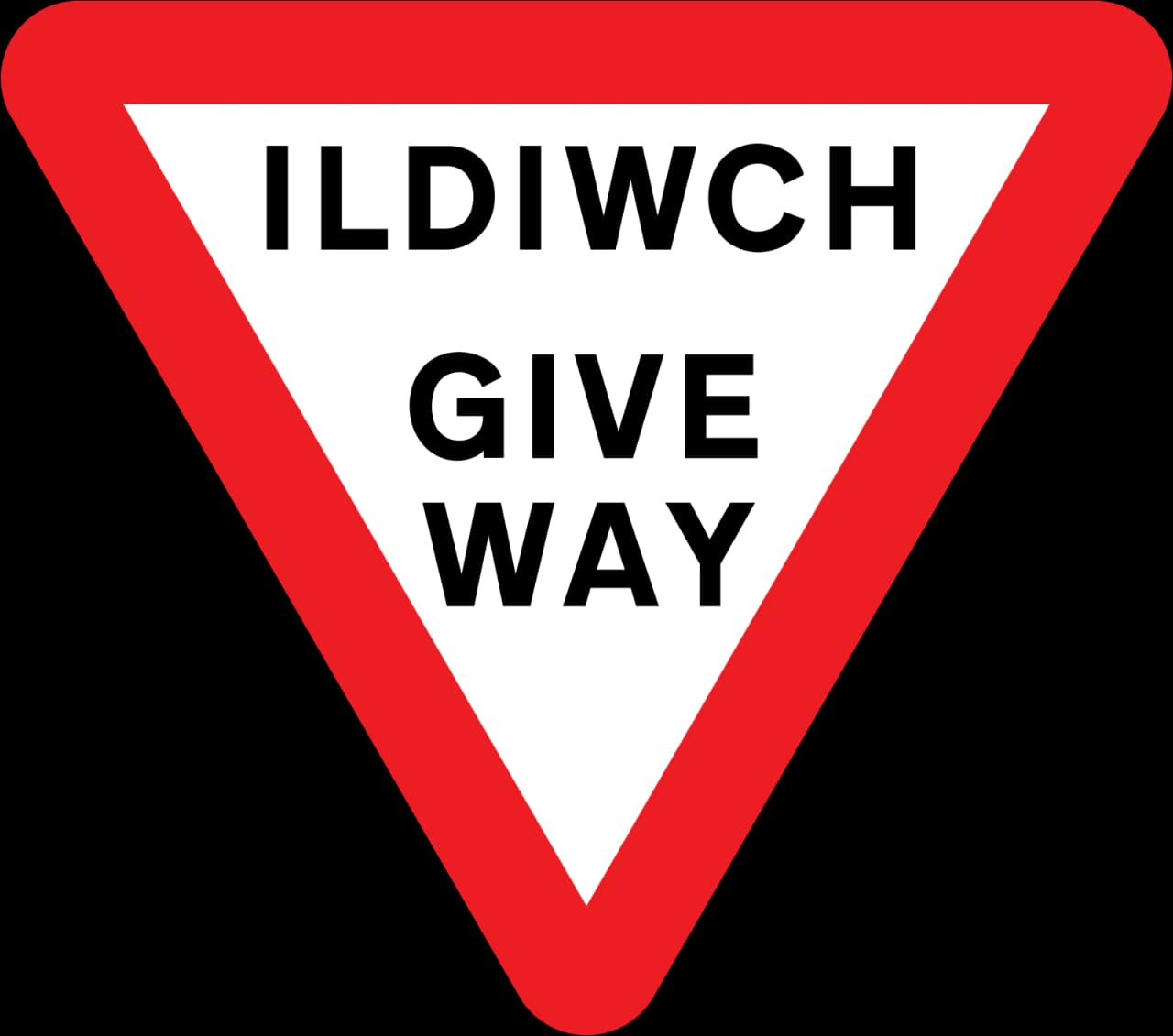
Understand the 'Give Way to Major Road Traffic' sign (602-WLS) and its rules in Great Britain.

Understand the 'Stop, Children Crossing Ahead' Handheld Sign

Mandatory Left Turn: Understand the 606 'Vehicular Traffic Must Turn Left' Sign
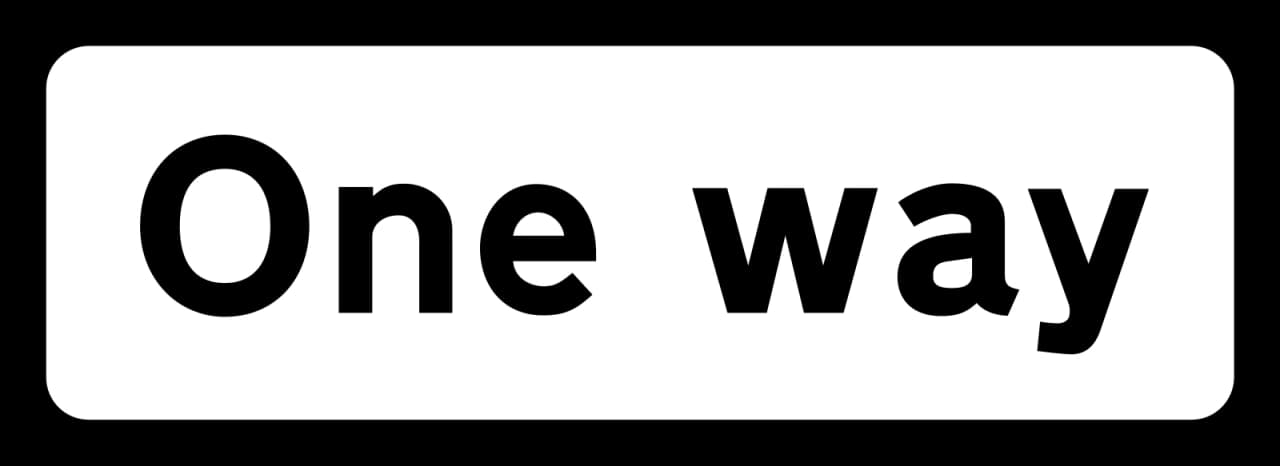
Understand the 607 One-Way Plate: A Binding Regulatory Traffic Sign
Master the Dual Carriageway Plate (608) Regulatory Sign

Mandatory Turn Ahead: You Must Follow the Arrow's Direction
After reviewing the full list of road signs, challenge yourself with practice questions focused specifically on sign recognition. Reinforce your learning and ensure you're fully prepared to identify and understand all traffic signs on the DVSA theory test.
Browse All GB Road Signs List