
The 530A Maximum Headroom Warning sign is a vital alert for drivers, especially those in high-sided vehicles like lorries, buses, or those carrying roof loads. It warns you of a height restriction ahead, like a low bridge or tunnel, and crucially, it states the maximum height permitted. You must compare this clearance with your vehicle's exact height, including any loads or equipment, before proceeding. If there's any doubt about fitting, it's essential to find an alternative route to avoid a dangerous situation or bridge strike.
This sign (530A) is crucial for drivers of high vehicles, warning of upcoming low bridges. Understanding its meaning is essential for safe navigation and avoiding costly damage, making it a key topic for your driving theory test revision.
This low-bridge sign is intended to prevent bridge strikes and unsafe last-second manoeuvres. It is especially relevant to lorries, buses, vans, motorhomes, caravans, trailers, and vehicles with roof loads or raised equipment. The driver should identify the restriction early, choose a suitable lane or diversion if one is signed, and avoid continuing where clearance is uncertain. It is listed in the catalogue as code 530A.
"Maximum headroom warning" warns that vehicle height matters at the road feature ahead. Drivers of high vehicles must compare the signed clearance with the actual vehicle height before committing to the route.
Get clear, practical answers to the most common questions about the 530A - Maximum headroom warning road sign. Learn how the sign works, what rules it represents, and how it affects real driving situations. This FAQ strengthens your understanding and supports accurate decision making for the British driving theory exam in Great Britain.
The 530A sign warns you that there is a height restriction ahead, such as a low bridge or tunnel. It displays the maximum headroom in metres (e.g., 4.5m) that your vehicle can safely pass under. You must ensure your vehicle, including any roof loads or trailers, is shorter than this stated height.
You must check your vehicle's exact height against the measurement shown on the sign. If your vehicle, including loads, roof racks, or trailers, is close to or exceeds this height, you must not proceed. Look for alternative routes or diversions that are clearly signed for high vehicles.
A common trap is not accurately knowing your vehicle's height, especially with roof boxes, trailers, or suspension differences. Another mistake is attempting to guess if you will fit or changing lanes suddenly at the last moment. Always err on the side of caution; if in doubt, stop safely before the restriction and find another route.
You don't necessarily need to stop, but you must stop if your vehicle's height is too great to pass safely. The primary action is to check your height and, if necessary, find a safe alternative route. Stopping is only permitted under the bridge if it's to avoid immediate danger.
This sign is particularly important for drivers of taller vehicles such as lorries, buses, motorhomes, campervans, and vans carrying roof racks or equipment. It also applies to vehicles towing caravans or trailers, as the combined height must be considered.
A clear reference image of the 530A - Maximum headroom warning road sign used in Great Britain.

The 530A - Maximum headroom warning road sign may also be known by these alternative names or terms.
The 530A - Maximum headroom warning road sign is part of the Great Britain Low Bridge Signs category, which groups together signs with similar rules and functions.
Reviewing similar road signs helps solidify your understanding and improve recall for the driving theory test. Comparing signs like the maximum headroom warning with other traffic sign variations aids recognition and reduces common errors during exam preparation.

This supplementary plate warns of an overhanging building affecting your vehicle's height.
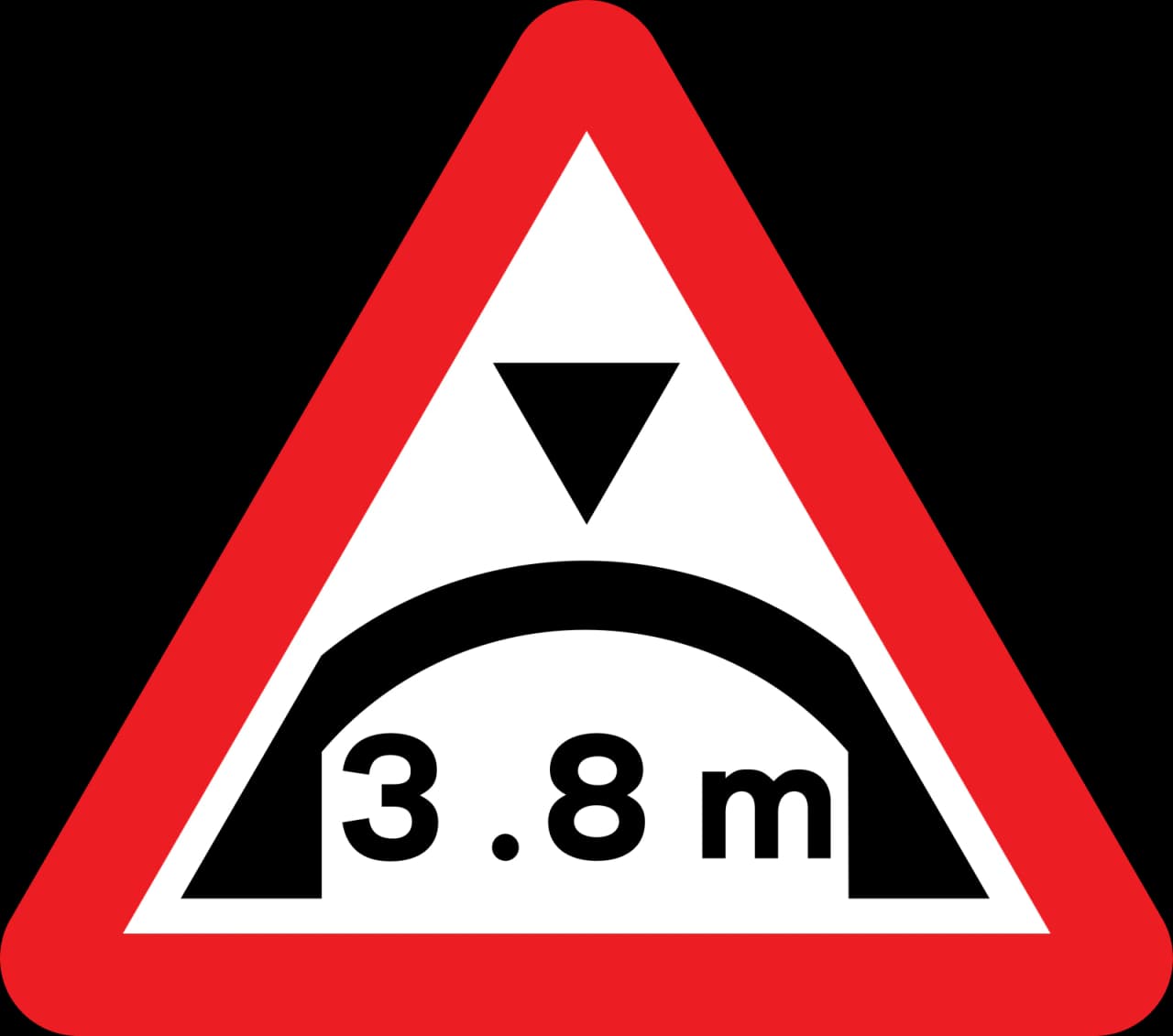
Heed the Maximum Headroom Directly Ahead sign to avoid height collisions.

Watch out for low bridges with the 'Maximum Headroom Directly Ahead' imperial sign!

Understand Height Restrictions with Arch Bridge Warning Signs

Navigate junctions near bypassed towns with the Primary Route Junction sign.

Know the 'Steam Railway Tourist Attraction 300 yd Ahead' Sign
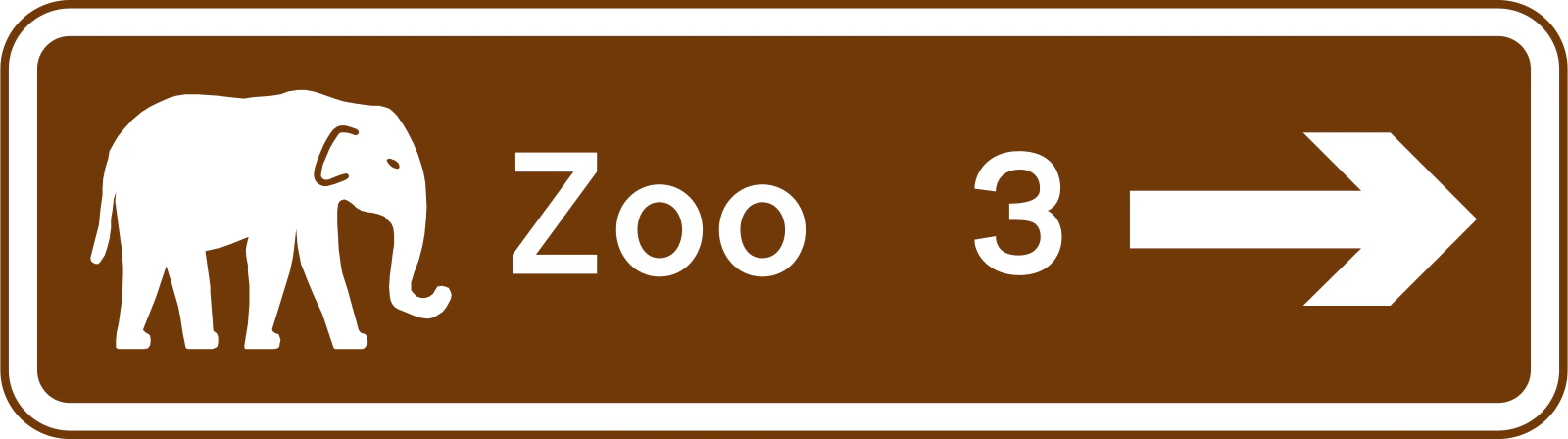
This sign indicates a junction leading to a tourist attraction ahead.

This brown sign indicates the direction and distance to tourist information points.
After reviewing the full list of road signs, challenge yourself with practice questions focused specifically on sign recognition. Reinforce your learning and ensure you're fully prepared to identify and understand all traffic signs on the DVSA theory test.
Browse All GB Road Signs List