
The 'Cyclist and Pedestrian Crossing' sign (catalogue code 2c-cyclist-pedestrian-crossing) is an Austrian informational sign used to designate specific facilities or routes for cyclists and pedestrians. While it informs you about the presence of such a crossing, it's crucial to remember that this sign itself doesn't alter priority rules or override other traffic regulations. Always pay attention to separate regulatory signs, traffic lights, and road markings for actual driving commands.
This Austrian informational sign, catalogue code 2c-cyclist-pedestrian-crossing, highlights designated areas for cyclists and pedestrians. Mastering its meaning is crucial for your theory test revision and safe driving, aiding in route planning and hazard awareness.
This Austrian informational sign helps drivers plan route, lane choice, service use, road type, stopping, parking, zone behaviour, or facility access. It does not override separate prohibitions, priority signs, traffic lights, speed limits, or road markings. For learning, explain both what the sign identifies and what driving choice it helps prepare. Official catalogue code: 2c-cyclist-pedestrian-crossing.
The "Cyclist and pedestrian crossing" sign provides official road information about cyclist and pedestrian crossing, a facility, road type, route, zone, lane arrangement, or destination. Use it for planning without ignoring separate rules. Catalogue code 2c-cyclist-pedestrian-crossing.
Get clear, practical answers to the most common questions about the 2c-cyclist-pedestrian-crossing - Cyclist and pedestrian crossing road sign. Learn how the sign works, what rules it represents, and how it affects real driving situations. This FAQ strengthens your understanding and supports accurate decision making for the Austrian driving theory exam in Austria.
The 2c-cyclist-pedestrian-crossing sign is an informational traffic sign in Austria. Its primary purpose is to alert drivers to the existence of a designated crossing area for cyclists and pedestrians, helping them to plan their route and anticipate potential shared use of the road.
No, the 'Cyclist and Pedestrian Crossing' sign (2c-cyclist-pedestrian-crossing) does not automatically grant priority to cyclists or pedestrians. It is an informational sign. You must still adhere to existing priority rules, traffic signals, and road markings, which will indicate who has right of way at the crossing.
When you see the 2c-cyclist-pedestrian-crossing sign, you should be aware that cyclists and pedestrians might be crossing or about to cross. Use this information for route and lane planning, but remain vigilant and ready to react to other traffic control devices or the presence of vulnerable road users. Do not make sudden manoeuvres; anticipate possible cross traffic.
A common trap in the Austrian theory test is assuming that seeing an informational sign like the 'Cyclist and Pedestrian Crossing' sign (2c-cyclist-pedestrian-crossing) implies permission to ignore other rules or that you automatically have priority over pedestrians or cyclists. Remember, these signs inform, but do not override, other traffic regulations.
No, you should not ignore the 2c-cyclist-pedestrian-crossing sign. Even if no cyclists or pedestrians are immediately visible, the sign indicates a designated crossing area. You must remain aware of this possibility and continue to observe other traffic control measures. The sign is for planning and awareness, not just immediate reaction.
A clear reference image of the 2c-cyclist-pedestrian-crossing - Cyclist and pedestrian crossing road sign used in Austria.
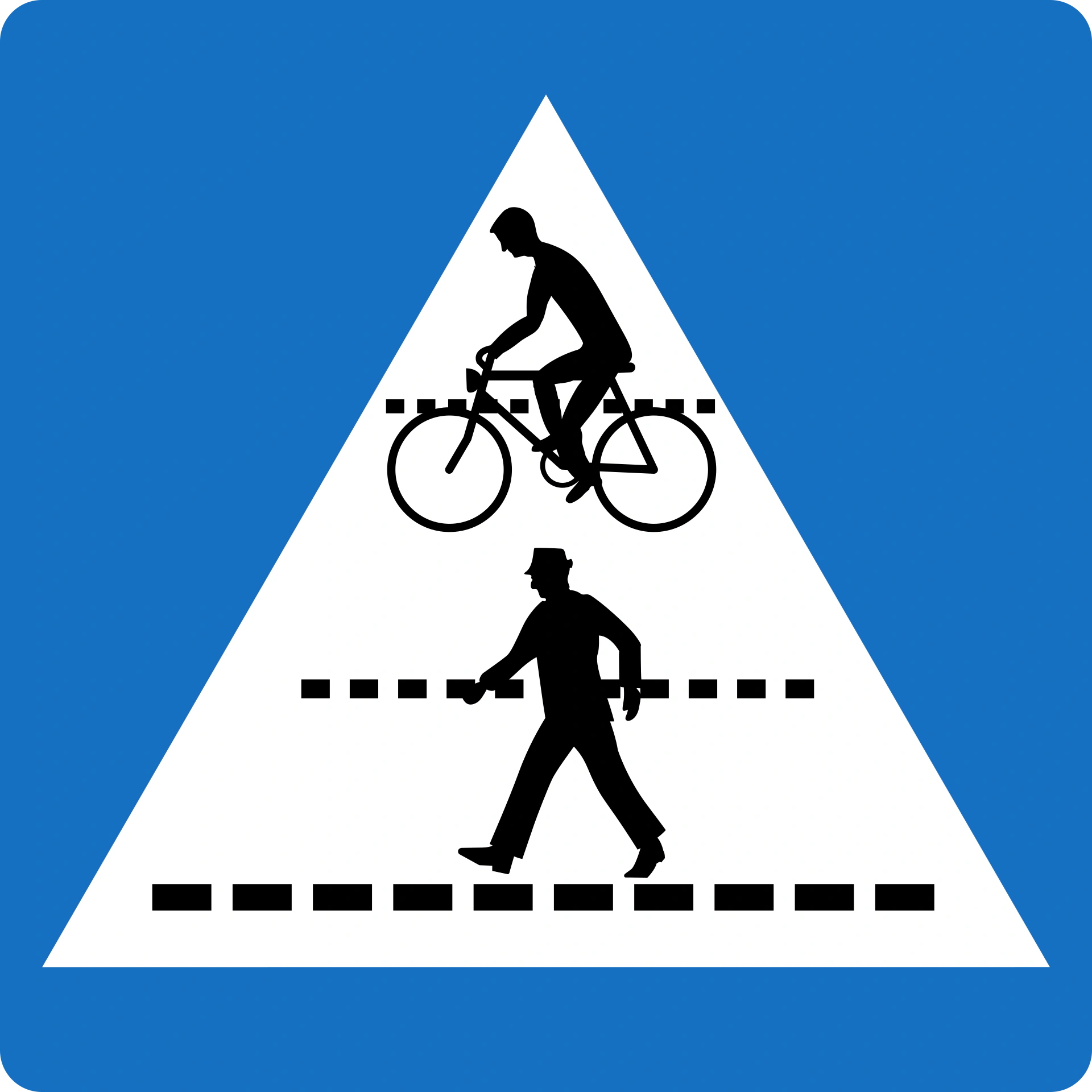
The 2c-cyclist-pedestrian-crossing - Cyclist and pedestrian crossing road sign may also be known by these alternative names or terms.
The 2c-cyclist-pedestrian-crossing - Cyclist and pedestrian crossing road sign is part of the Austrian Informational Signs category, which groups together signs with similar rules and functions.
Mastering Austrian road signs involves understanding subtle differences. Reviewing similar signs like the 'Cyclist and pedestrian crossing' alongside others helps solidify your recall, reducing confusion and errors during your theory test revision. This focused comparison sharpens your traffic sign recognition skills.

Understand the 'One-Way Traffic (Left)' Informational Sign in Austria
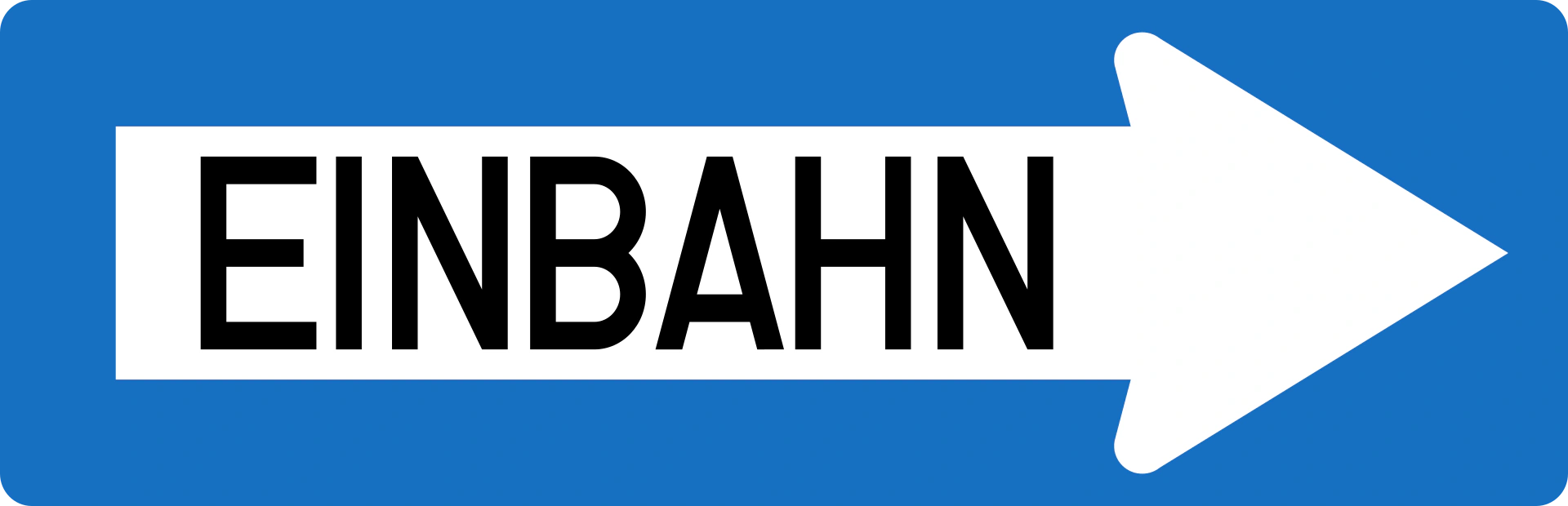
Understand the 'One-way Traffic (Right)' Informational Sign

This sign indicates tram turning movements on red or yellow traffic lights.

The 'No Through Road' (Dead End) sign: Plan your route ahead!

Understand the Austrian 'Street Lights Not On Whole Night' Informational Sign
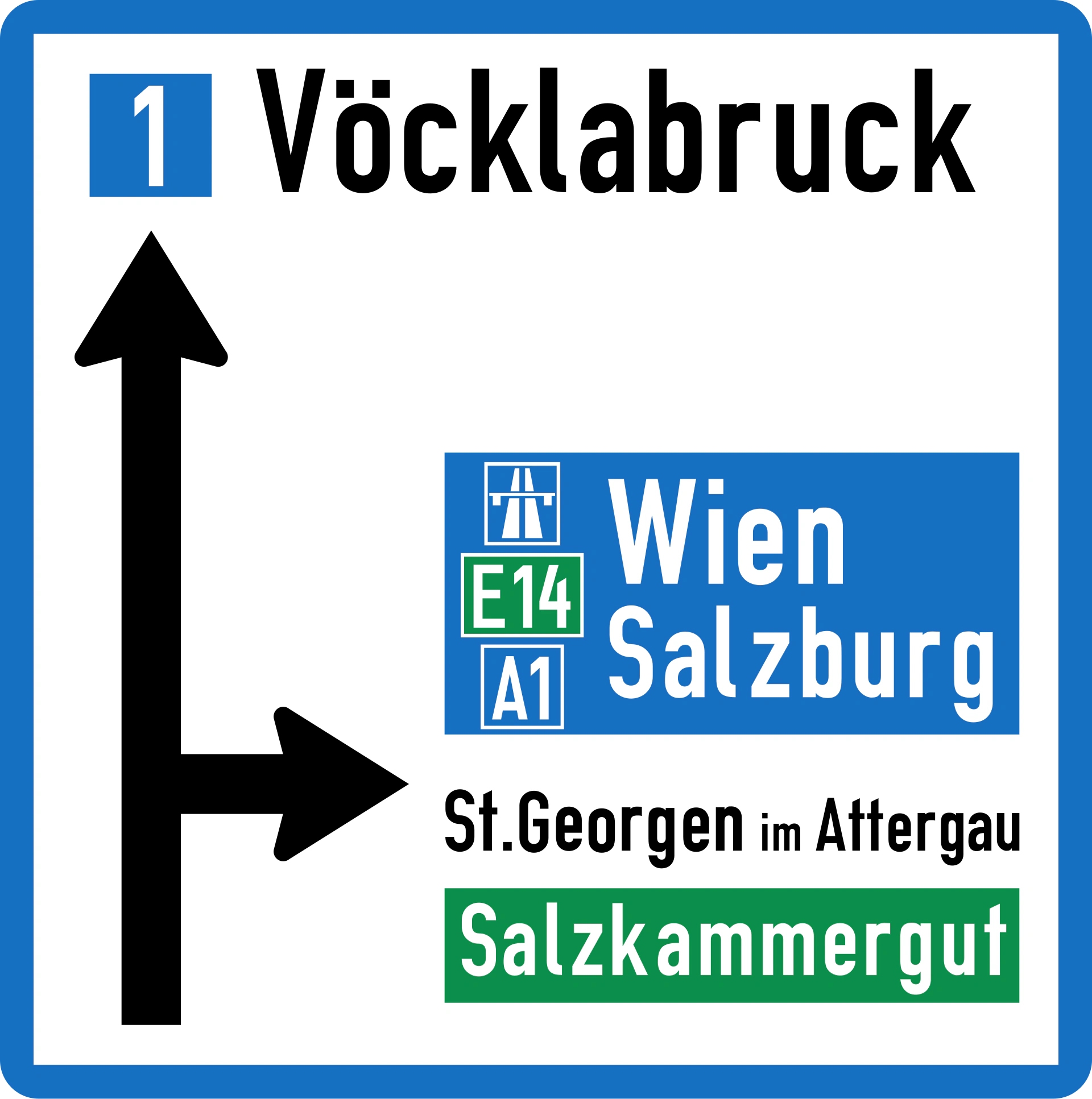
The 13a Direction Sign: Your Guide to Route and Facility Planning
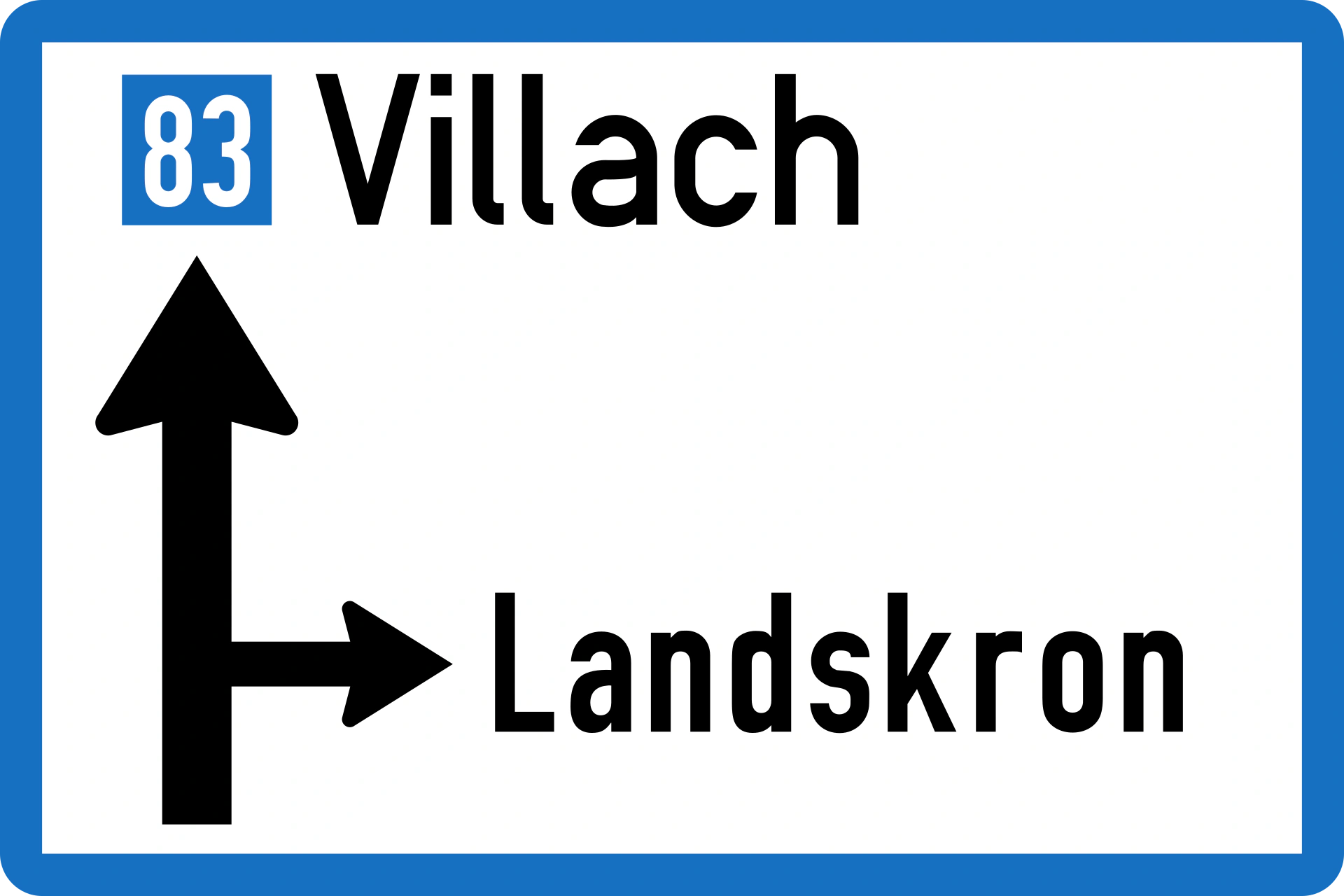
Plan your route ahead with the 13a Direction Sign for Austrian roads.
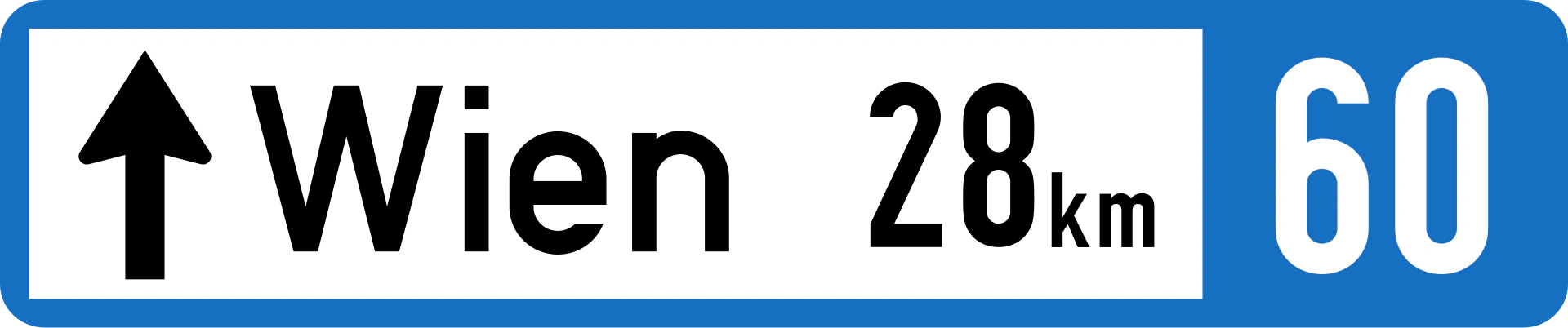
The 13b-direction sign provides essential information for route and lane planning.
Deepen your knowledge by connecting visual sign recognition with official Austrian traffic rules and local road procedures. Review these related practice sets and legal definitions to ensure you are fully prepared for your theory test.
Navigate Austrian roads safely by mastering pedestrian rights as outlined in §76 and §76a of the Straßenverkehrsordnung (StVO). This guide clarifies your duties as a driver, especially concerning pedestrians on roads without pavements and within pedestrian zones. Understanding these rules is essential for both safe driving practices and excelling in your Austrian driving theory test.
Master Austrian Pedestrian Crossing Duties for Your Exam
Learn the essential Austrian traffic regulations for cyclists as defined by §68 StVO, covering mandatory cycle path usage, road rights, and specific conditions for riding two abreast. This knowledge is vital for both passing your Austrian driving theory test and cycling legally and safely on Austrian roads.
Mastering Interactions for Safer Austrian Roads and a Confident Exam Pass
This Austrian informational sign helps drivers plan route, lane choice, service use, road type, stopping, parking, zone behaviour, or facility access. It does not override separate prohibitions, priority signs, traffic lights, speed limits, or road markings. For learning, explain both what the sign identifies and what driving choice it helps prepare. Official catalogue code: 2c-pedestrian-cyclist-crossing.
This Austrian informational sign helps drivers plan route, lane choice, service use, road type, stopping, parking, zone behaviour, or facility access. It does not override separate prohibitions, priority signs, traffic lights, speed limits, or road markings. For learning, explain both what the sign identifies and what driving choice it helps prepare. Official catalogue code: 2a-pedestrian-crossing-2.
After reviewing the full list of Austrian road signs, test your recognition skills with targeted practice questions. Explore signs by category to reinforce specific areas of knowledge, ensuring you're fully prepared for the driving theory exam and confident in recognizing any sign on the road.
All Austrian Road Signs List