
The 'Low-flying helicopters or sudden helicopter noise' sign (558.1) is a warning sign in Great Britain that alerts you to a potential hazard ahead. It advises drivers to look further ahead, manage their speed proactively, and be ready for unexpected changes in the road environment, such as altered visibility or the need to yield. Treat this as an early cue to adjust your driving smoothly and safely.
This sign warns of potential low-flying helicopters or sudden noise, requiring drivers to adapt their observation and speed early. Understanding this specific road sign meaning is crucial for hazard perception and theory test revision.
This warning sign is used before a hazard or road feature that may require an earlier response than the driver would otherwise make. Its purpose is to give enough time to reduce speed smoothly, increase observation, and avoid sudden braking or steering. The correct practical response depends on the exact location, traffic level, visibility, road surface, and whether pedestrians, cyclists, animals, or crossing traffic may be present. It is listed in the catalogue as code 558.1.
"Low-flying helicopters or sudden helicopter noise" gives advance warning of low-flying helicopters or sudden helicopter noise. It tells the driver to look further ahead, manage speed early, and prepare for a possible change in priority, road position, visibility, or stopping distance.
Get clear, practical answers to the most common questions about the 558.1 - Low-flying helicopters or sudden helicopter noise road sign. Learn how the sign works, what rules it represents, and how it affects real driving situations. This FAQ strengthens your understanding and supports accurate decision making for the British driving theory exam in Great Britain.
The 558.1 sign, warning of low-flying helicopters or sudden noise, serves as an advance warning of a potential hazard. Its purpose is to give you enough time to reduce your speed smoothly, increase your observations, and prepare for any necessary changes in your driving, such as altering your position or braking gently.
When you see this sign, you should anticipate a potential disturbance or hazard. Ease off the accelerator early and adjust your speed before the hazard becomes immediate. Increase your following distance to allow for smooth braking or steering, and check your mirrors and road position. Be prepared to yield, stop, or change your position if the situation, road layout, or other traffic requires it.
A common mistake is dismissing the warning as mere background information or waiting until the hazard is directly ahead before reacting. Learners might also forget to scan beyond the immediate sign and continue to focus only on the road directly in front, neglecting mirrors and side areas. It's crucial to act early and smoothly.
Not necessarily. The sign is an early warning that there *might* be low-flying helicopters or sudden noise, which could affect your driving. Your reaction, whether it's to slow down, change position, or potentially stop, depends on the specific circumstances, including visibility, road width, traffic conditions, and the proximity of other road users or junctions.
Yes, supplementary plates can provide additional information that modifies the hazard's impact. They might indicate the distance to the hazard, the specific nature of the noise, or the duration of the warning. Always pay attention to any plates accompanying the main sign, as they can help you gauge the timing and seriousness of the situation.
A clear reference image of the 558.1 - Low-flying helicopters or sudden helicopter noise road sign used in Great Britain.
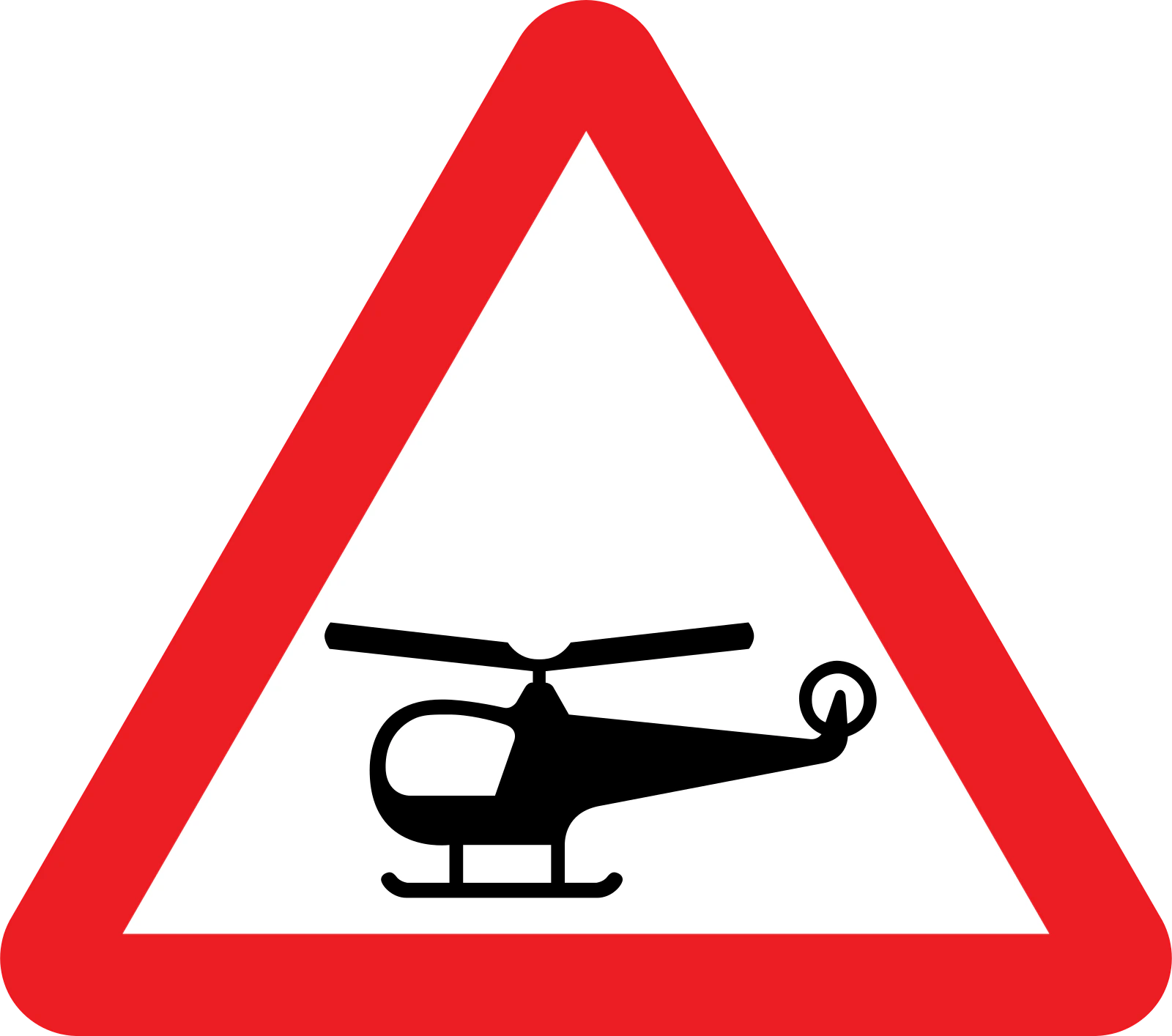
The 558.1 - Low-flying helicopters or sudden helicopter noise road sign may also be known by these alternative names or terms.
The 558.1 - Low-flying helicopters or sudden helicopter noise road sign is part of the Great Britain Warning Signs category, which groups together signs with similar rules and functions.
Reviewing similar road signs side-by-side sharpens your recognition skills, reducing confusion during your theory test revision. This traffic sign comparison helps cement your understanding of critical differences for accurate hazard perception and safer driving.
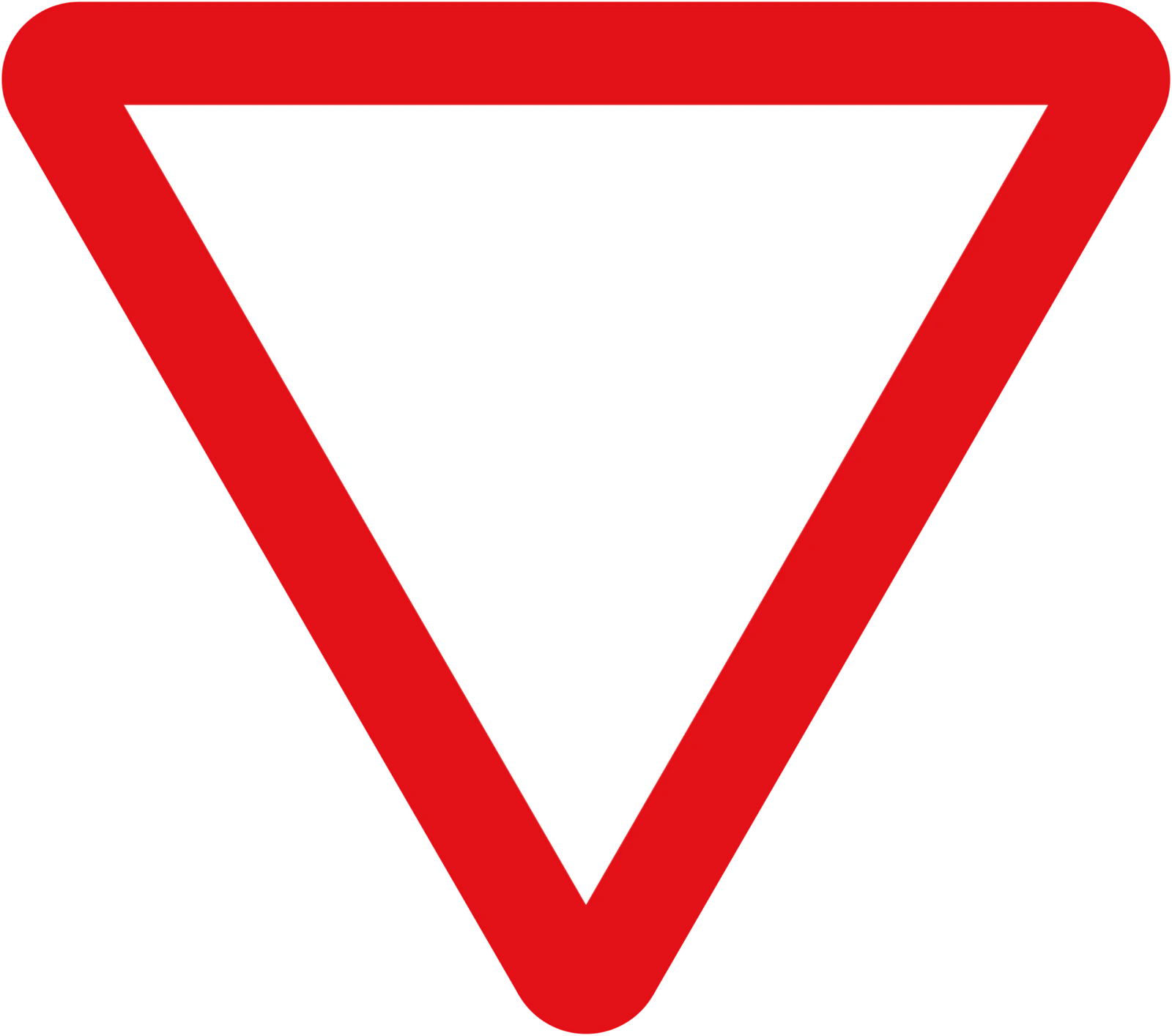
Prepare for a STOP or GIVE WAY sign ahead with this crucial advance warning.
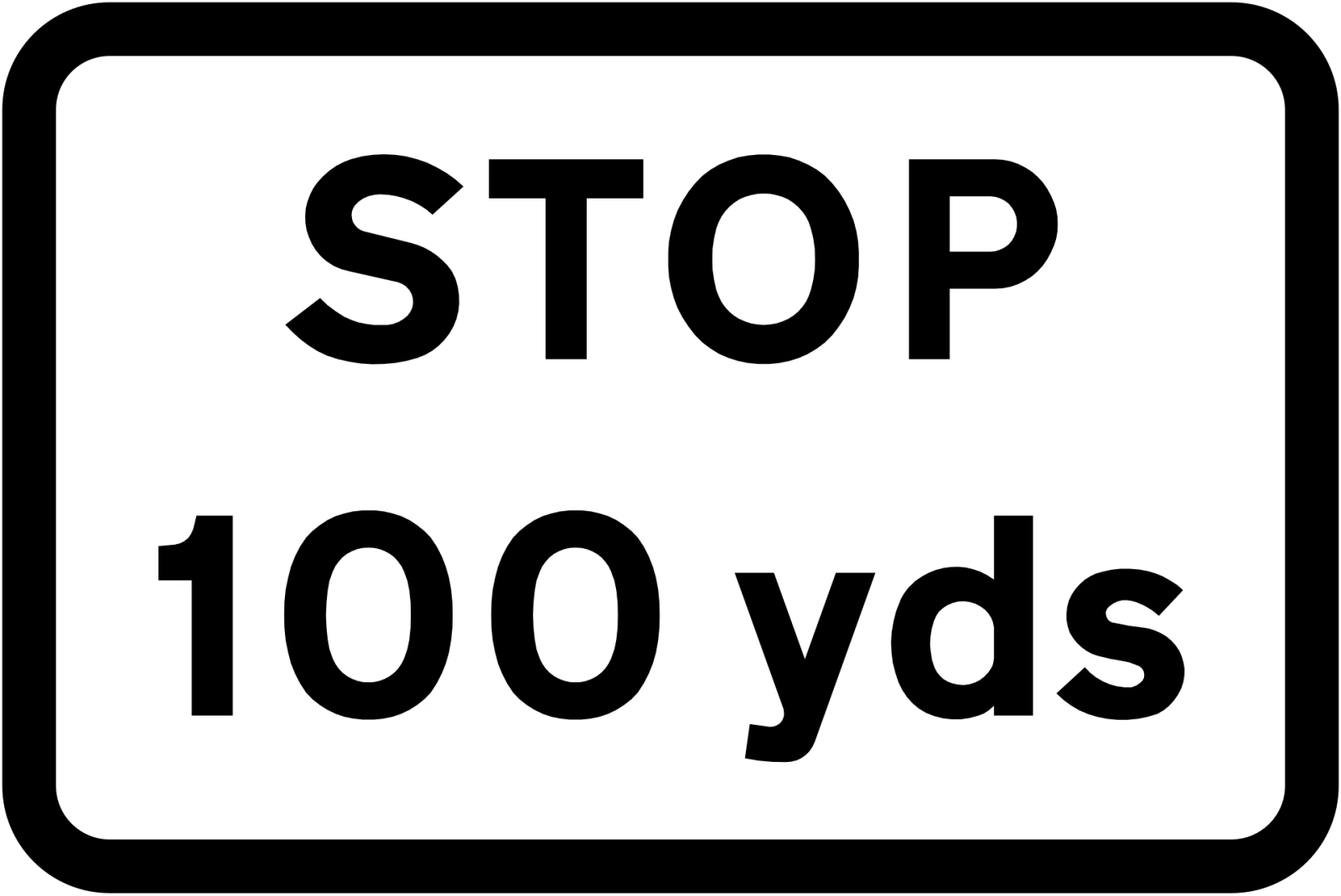
The 502 'Distance to STOP line' plate adds vital information to warning signs.
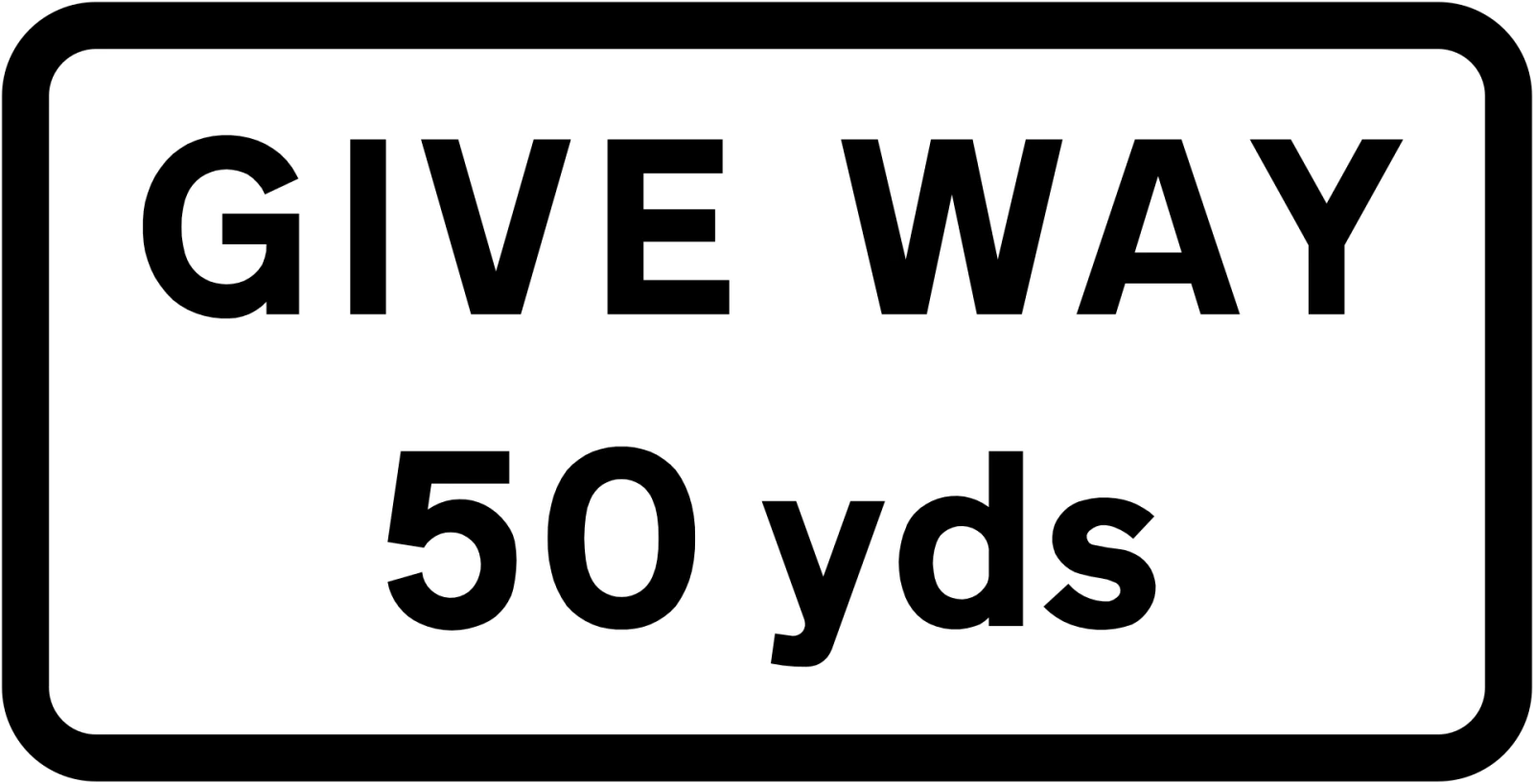
What does the 'Distance to GIVE WAY Line' warning plate mean?
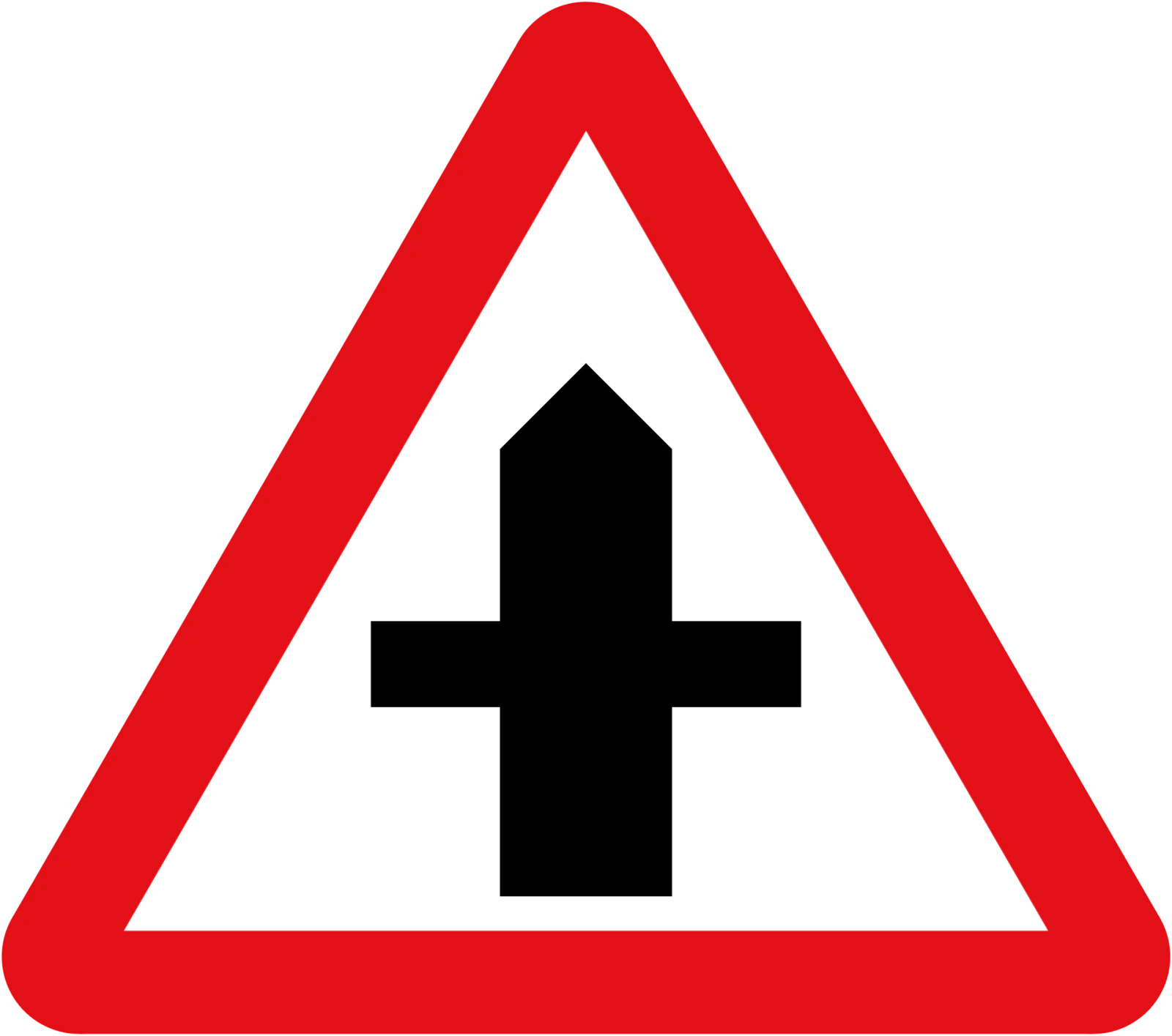
Prepare for Crossroads with the 504.1 Advance Warning Sign
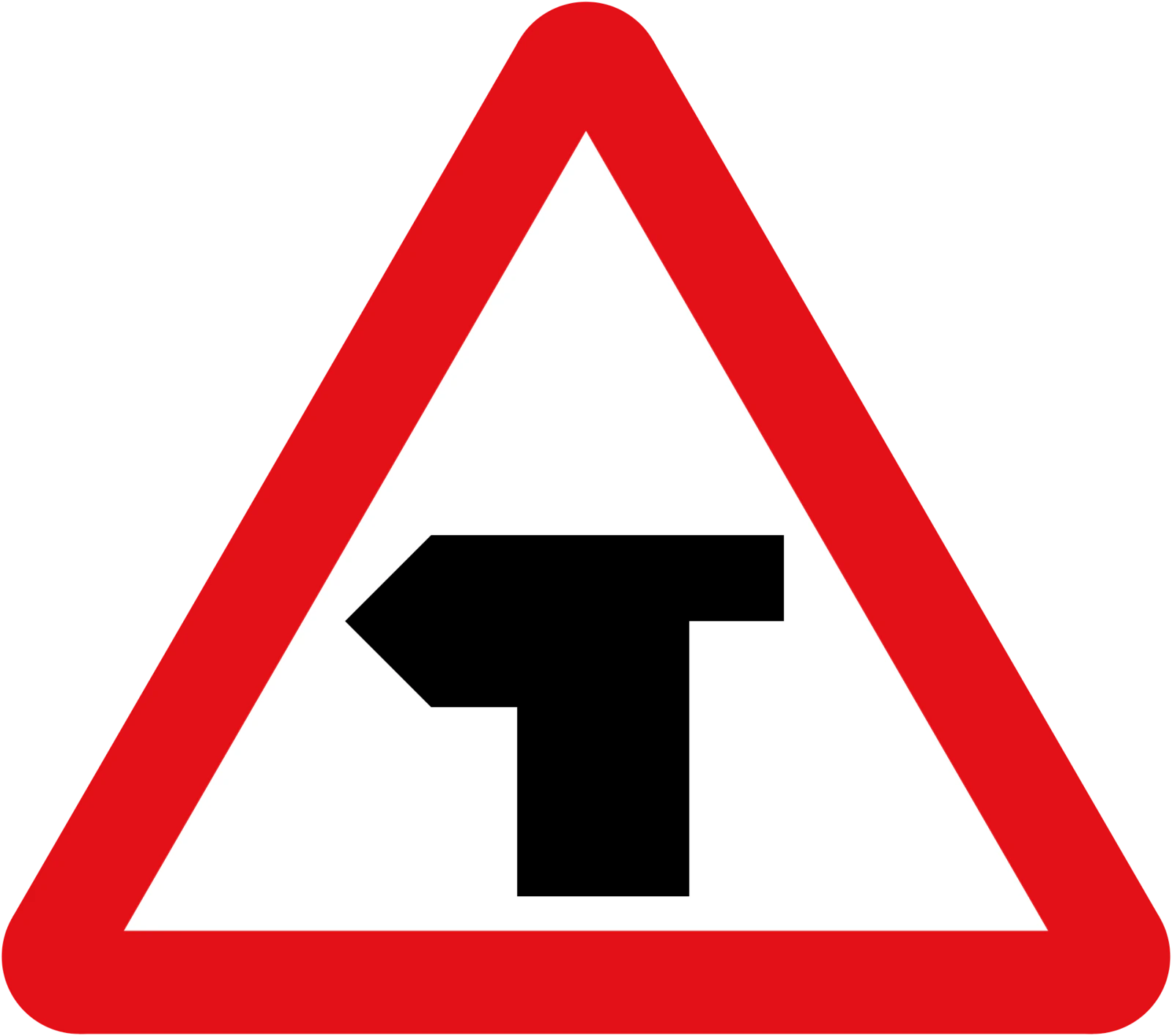
Prepare for a T-junction ahead with this advance warning road sign.
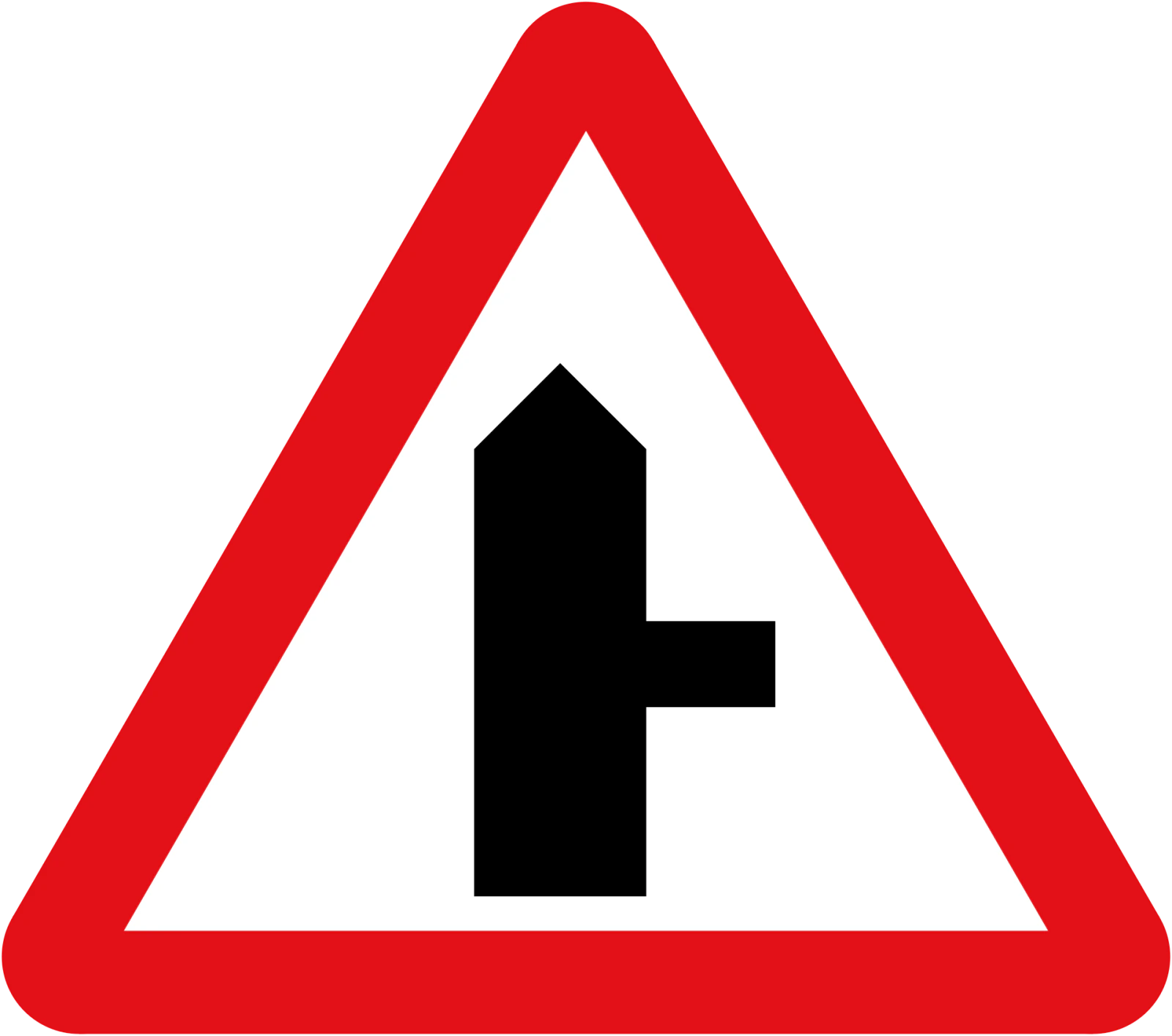
Prepare for a side road joining from the right with this advance warning sign.
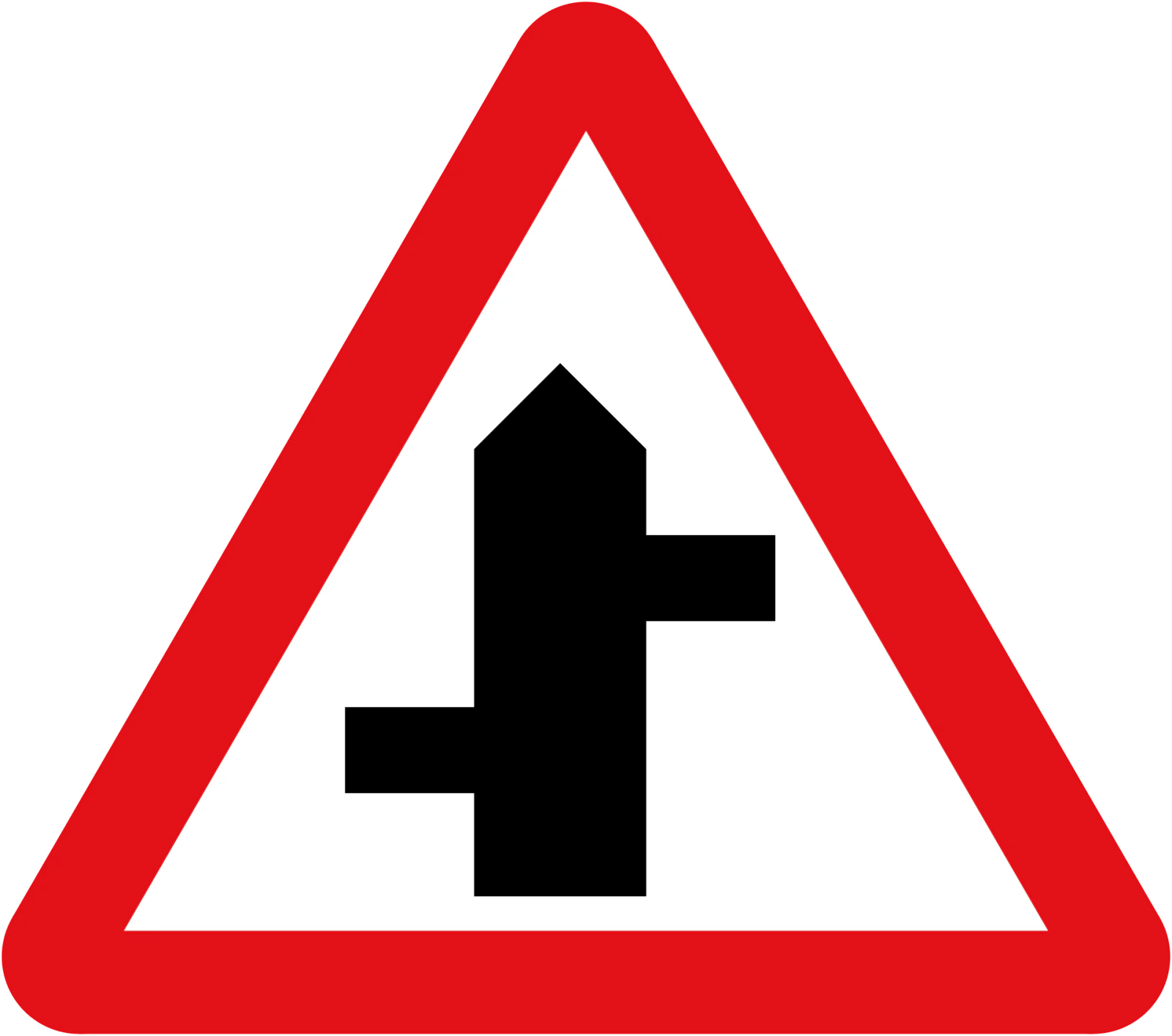
Prepare for a staggered junction ahead with this advance warning sign.
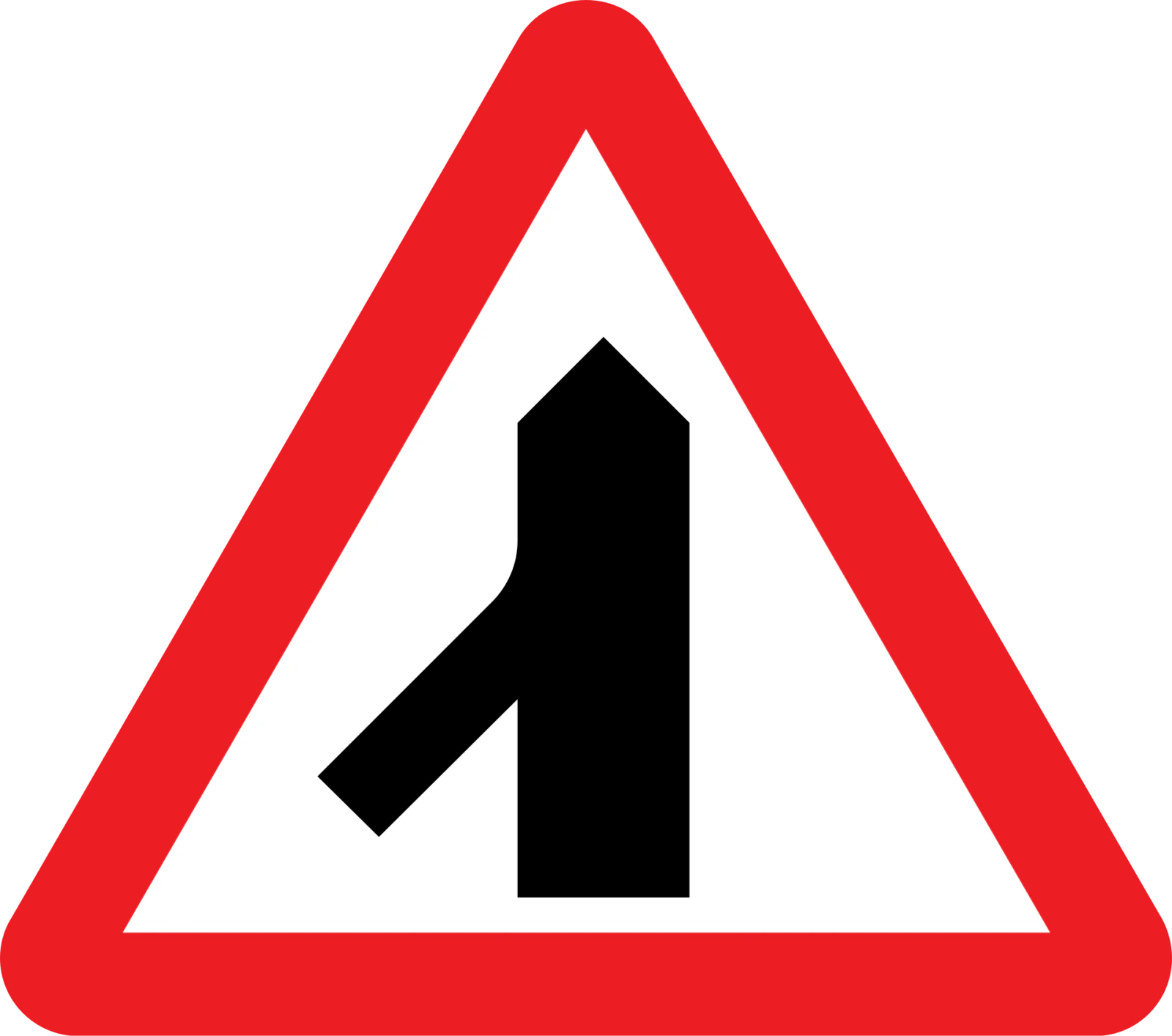
Prepare for traffic merging from the left with this advanced warning sign.
Explore curated explanations and practical examples to strengthen your visual recognition of essential Great Britain road signs. These supplementary materials provide the context needed to navigate junctions safely and pass your official DVSA theory test.
As a learner driver, you have a legal obligation to ensure you are medically fit to operate a vehicle before every journey. This guide clarifies how to determine if your health condition must be reported to the DVLA, explaining the importance of compliance for both road safety and your legal standing. Mastering these rules is an essential part of your theory test preparation and your future as a responsible driver.
Master Critical Emergency Procedures and Avoid Test Traps on GB Roads.
When you get behind the wheel of another person's car, the law holds you strictly accountable for ensuring the vehicle is safe, taxed, and properly insured. This guide explains the checks you must perform to remain compliant with UK traffic laws and avoid common pitfalls often tested in the DVSA theory exam. Mastery of these rules ensures you are prepared to act as a responsible and legal road user.
Master the Complex Rules of Sharing the Road with Motorcyclists and Avoid Common Test Traps.
This warning sign is used before a hazard or road feature that may require an earlier response than the driver would otherwise make. Its purpose is to give enough time to reduce speed smoothly, increase observation, and avoid sudden braking or steering. The correct practical response depends on the exact location, traffic level, visibility, road surface, and whether pedestrians, cyclists, animals, or crossing traffic may be present. It is listed in the catalogue as code 551.3.
This warning sign is used before a hazard or road feature that may require an earlier response than the driver would otherwise make. Its purpose is to give enough time to reduce speed smoothly, increase observation, and avoid sudden braking or steering. The correct practical response depends on the exact location, traffic level, visibility, road surface, and whether pedestrians, cyclists, animals, or crossing traffic may be present. It is listed in the catalogue as code 554.1.
After reviewing the full list of road signs, challenge yourself with practice questions focused specifically on sign recognition. Reinforce your learning and ensure you're fully prepared to identify and understand all traffic signs on the DVSA theory test.
Browse All GB Road Signs List