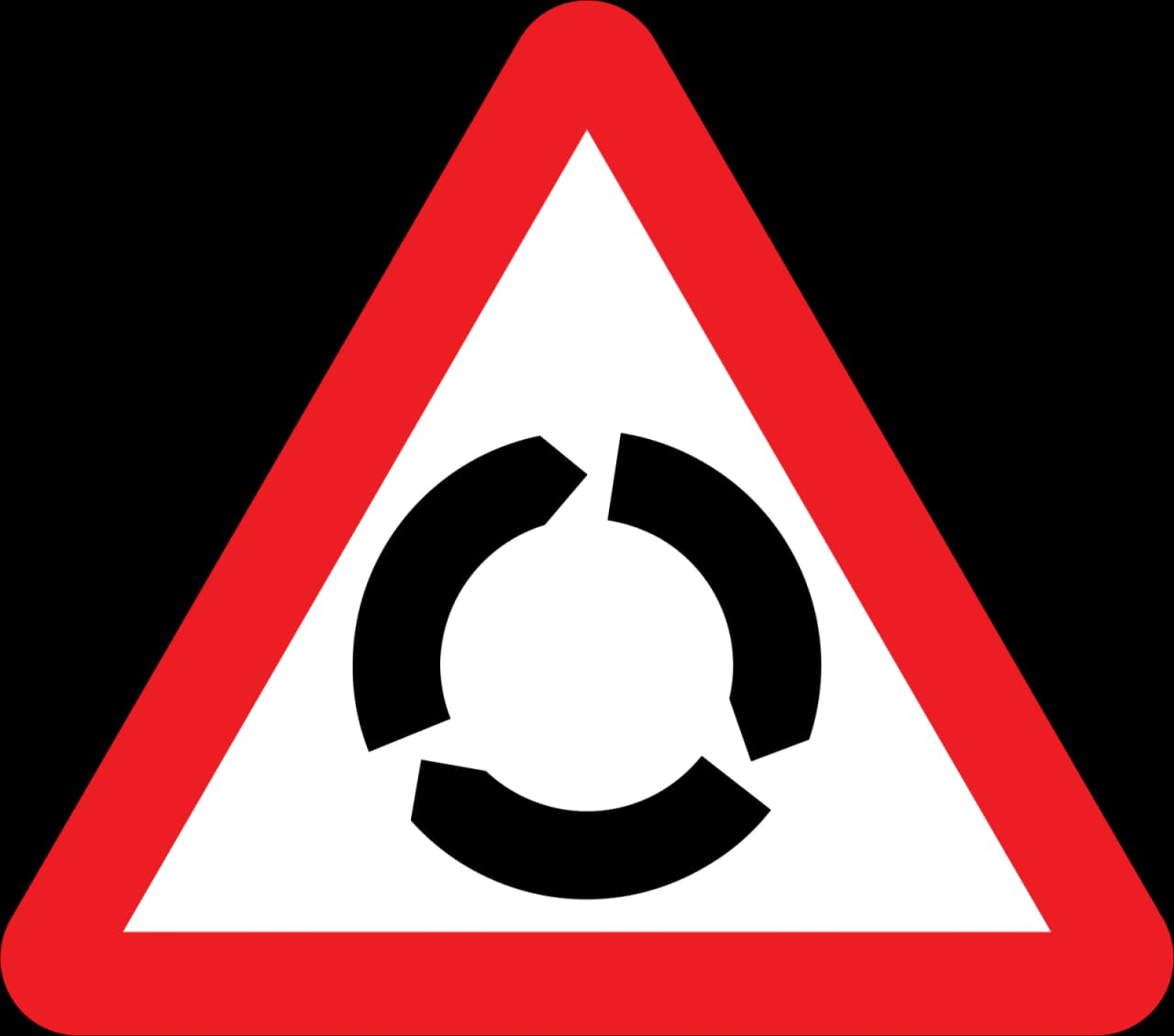
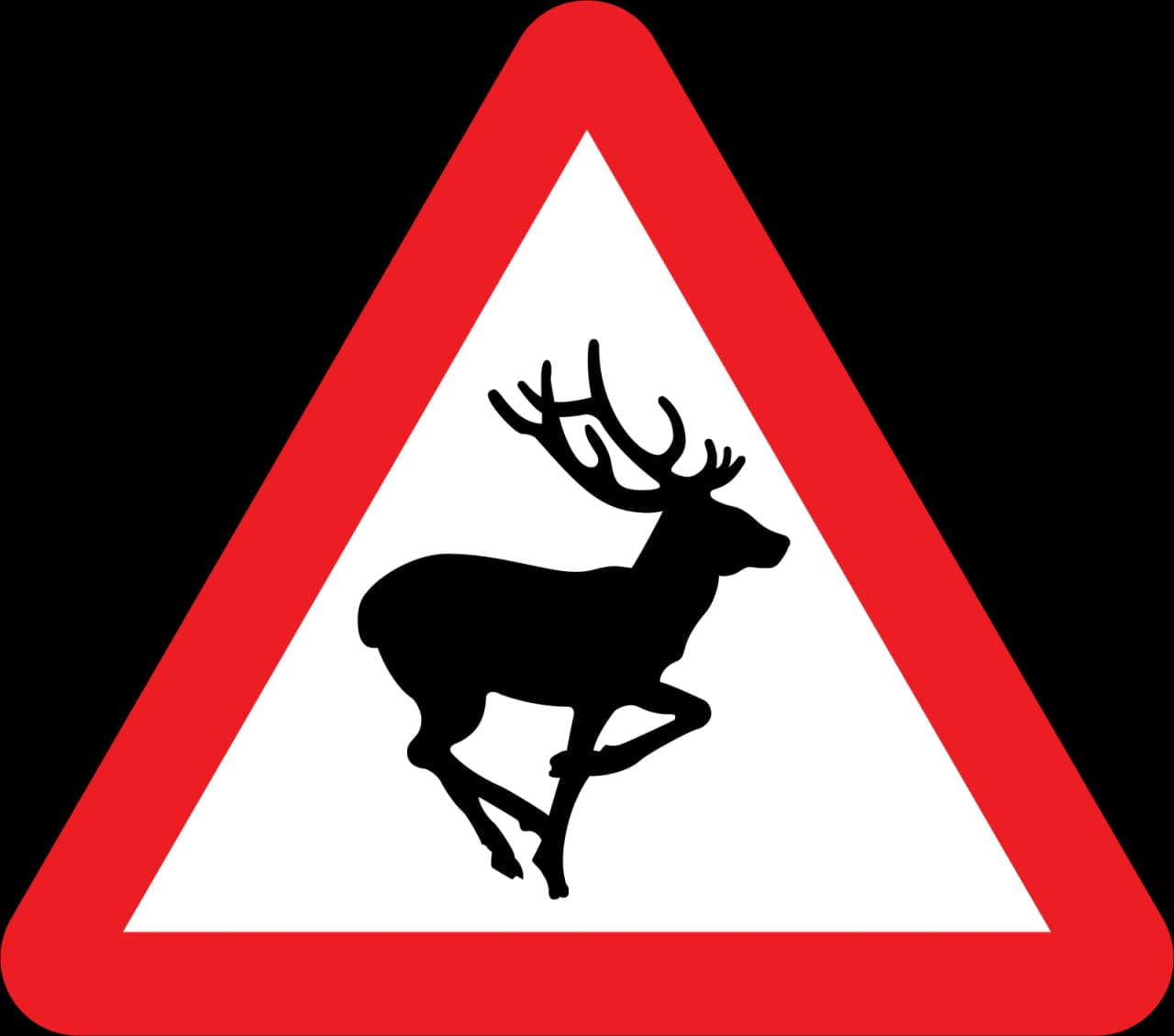
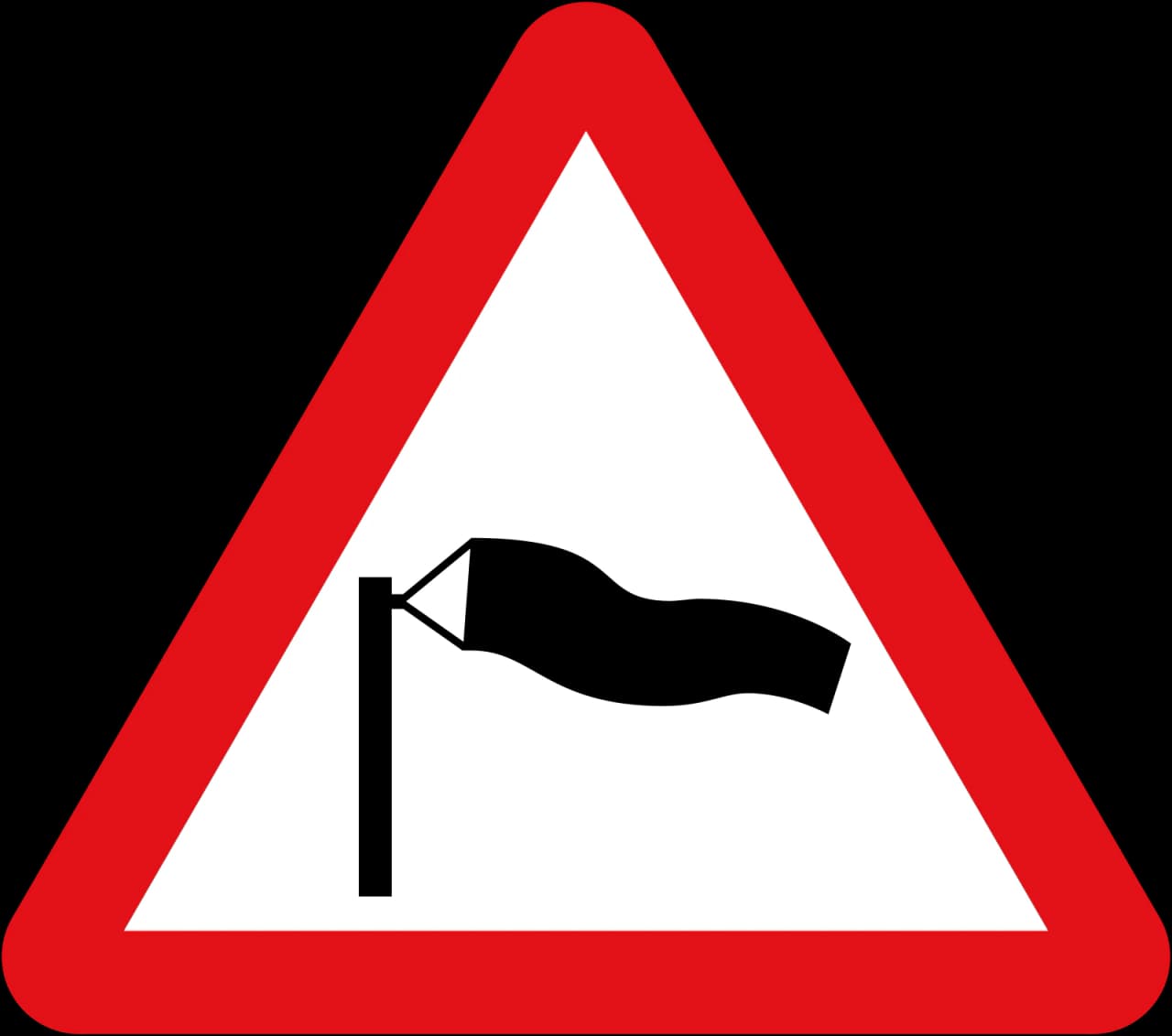
This section covers a comprehensive range of warning signs found across Great Britain, designed to alert you to potential hazards well in advance. By understanding these signs, you can prepare for changes in the road ahead, adjust your speed, and maintain situational awareness. Mastering these essential warnings is crucial for both passing your theory test and ensuring your safety and the safety of others on the road.
An explanation of how Great Britain Warning Signs road signs apply in real traffic situations in Great Britain. Learn where these signs are typically placed, what drivers are expected to do when they appear, and how correct reactions help you stay safe, avoid fines, and succeed in your British driving theory exam.
Warning signs are ubiquitous on Great Britain's roads, appearing wherever a potential hazard or change in road layout requires drivers to be alert. You'll encounter them on motorways, A-roads, and country lanes, often placed in advance of the actual danger. For instance, signs for junctions (like T-junctions or crossroads), bends, and roundabouts will appear before you reach them, giving you time to position your vehicle and adjust speed. Signs warning of pedestrians, children, or animals are common near schools, residential areas, rural roads, or known crossing points. Road condition warnings, such as slippery surfaces, uneven roads, or steep hills, help you anticipate changes in grip or braking requirements. Encountering signs like 'traffic queues likely' or 'opening bridge' prompts you to reduce speed and increase observation. Understanding the distance indicated by supplementary plates is also vital for timely preparation.
An overview of the key learning outcomes when studying the Great Britain Warning Signs road sign category. Understand the main concepts, sign meanings, and traffic situations covered here so you can recognise patterns, answer theory questions more confidently, and build a solid foundation for safe driving in Great Britain.
Study Great Britain's warning road signs together to understand hazard prompts and plan your response. These signs prepare you for upcoming bends, junctions, road narrowing, and potential dangers like pedestrians or animals, aiding your theory test revision. Familiarise yourself with their meanings to navigate safely and confidently.

Prepare for a steep climb with the Steep Hill Upwards warning sign (524.1).

Prepare for a STOP or GIVE WAY sign ahead with this crucial advance warning.

The 502 'Distance to STOP line' plate adds vital information to warning signs.

What does the 'Distance to GIVE WAY Line' warning plate mean?
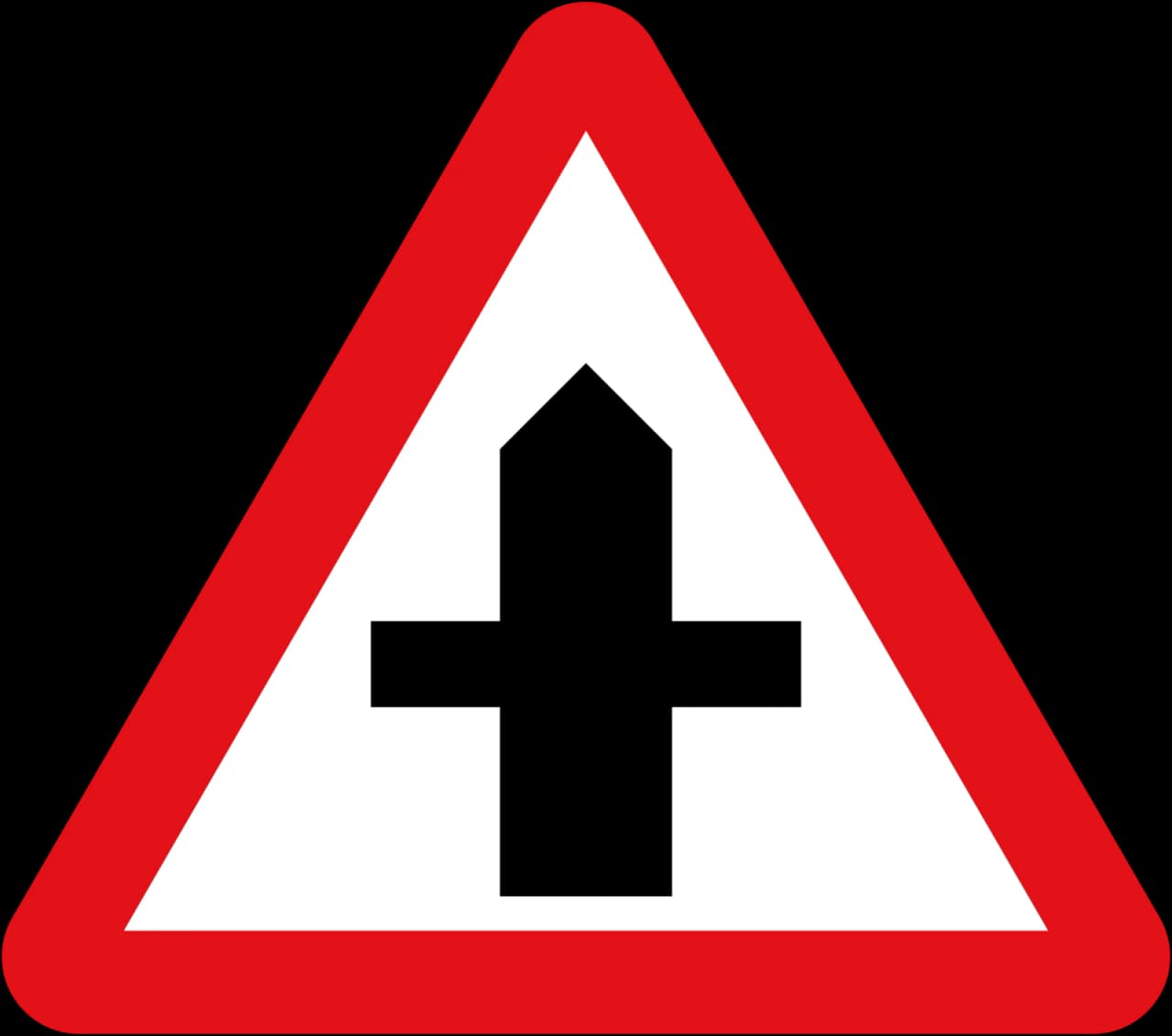
Prepare for Crossroads with the 504.1 Advance Warning Sign
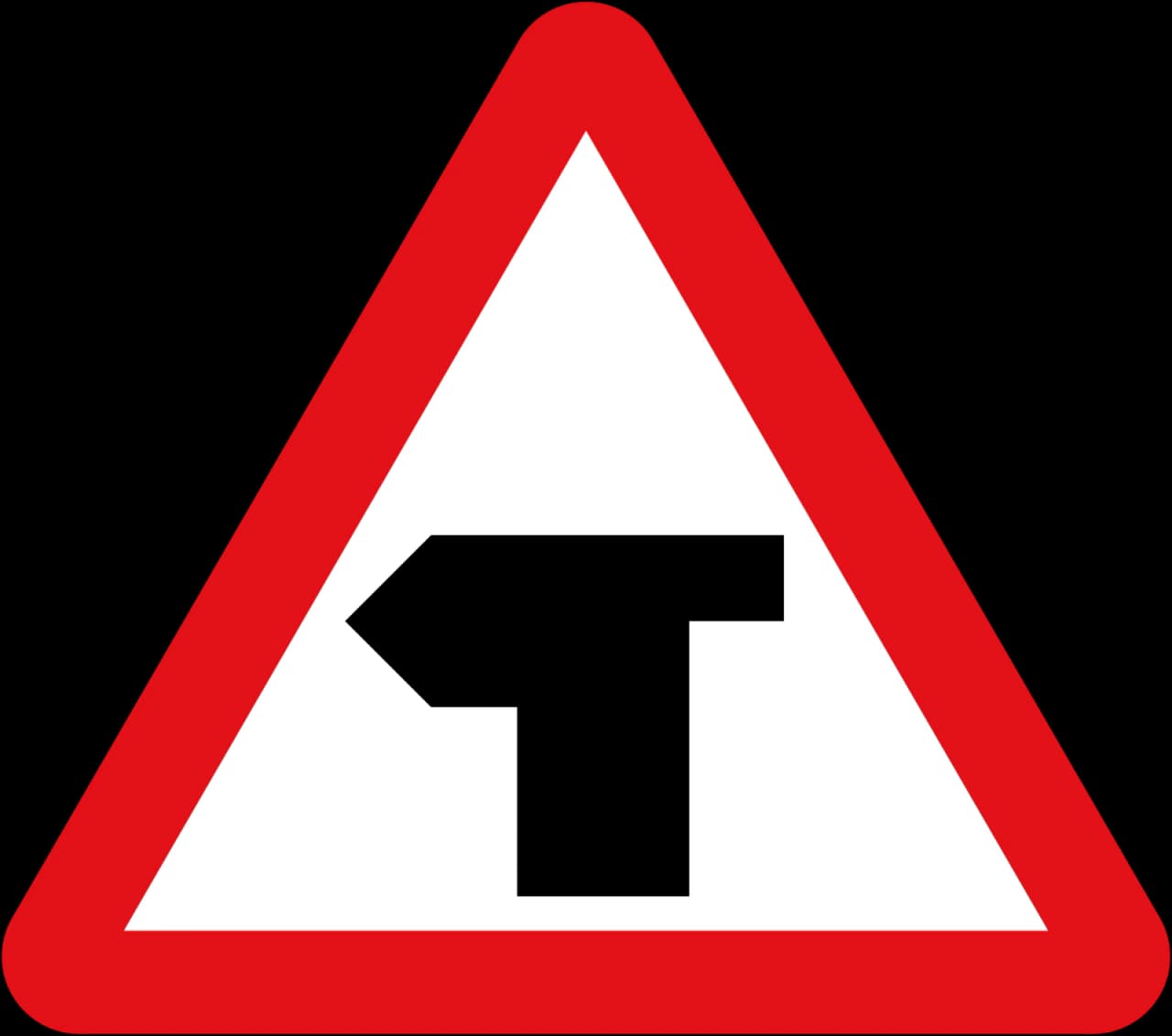
Prepare for a T-junction ahead with this advance warning road sign.
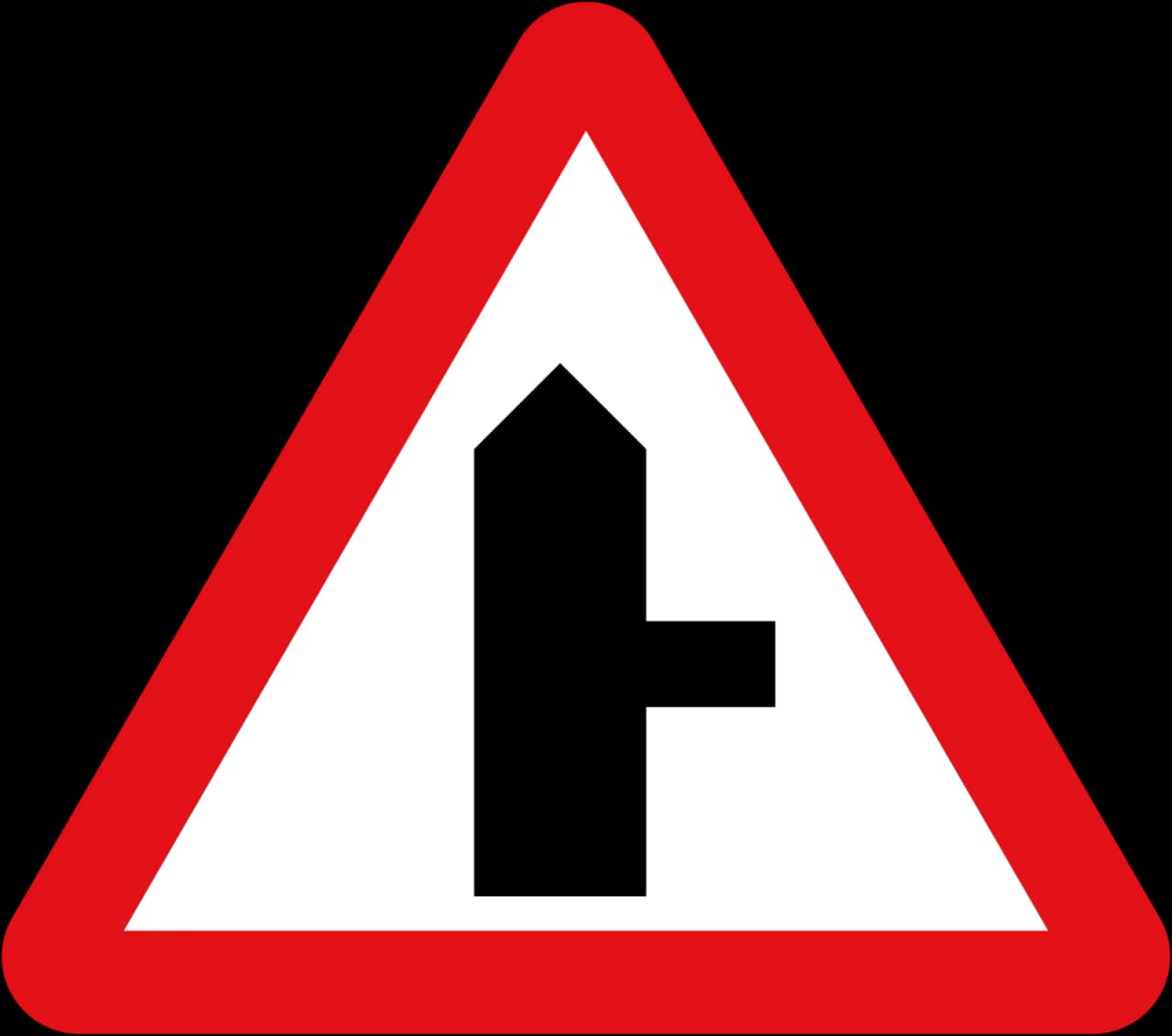
Prepare for a side road joining from the right with this advance warning sign.

Prepare for a staggered junction ahead with this advance warning sign.
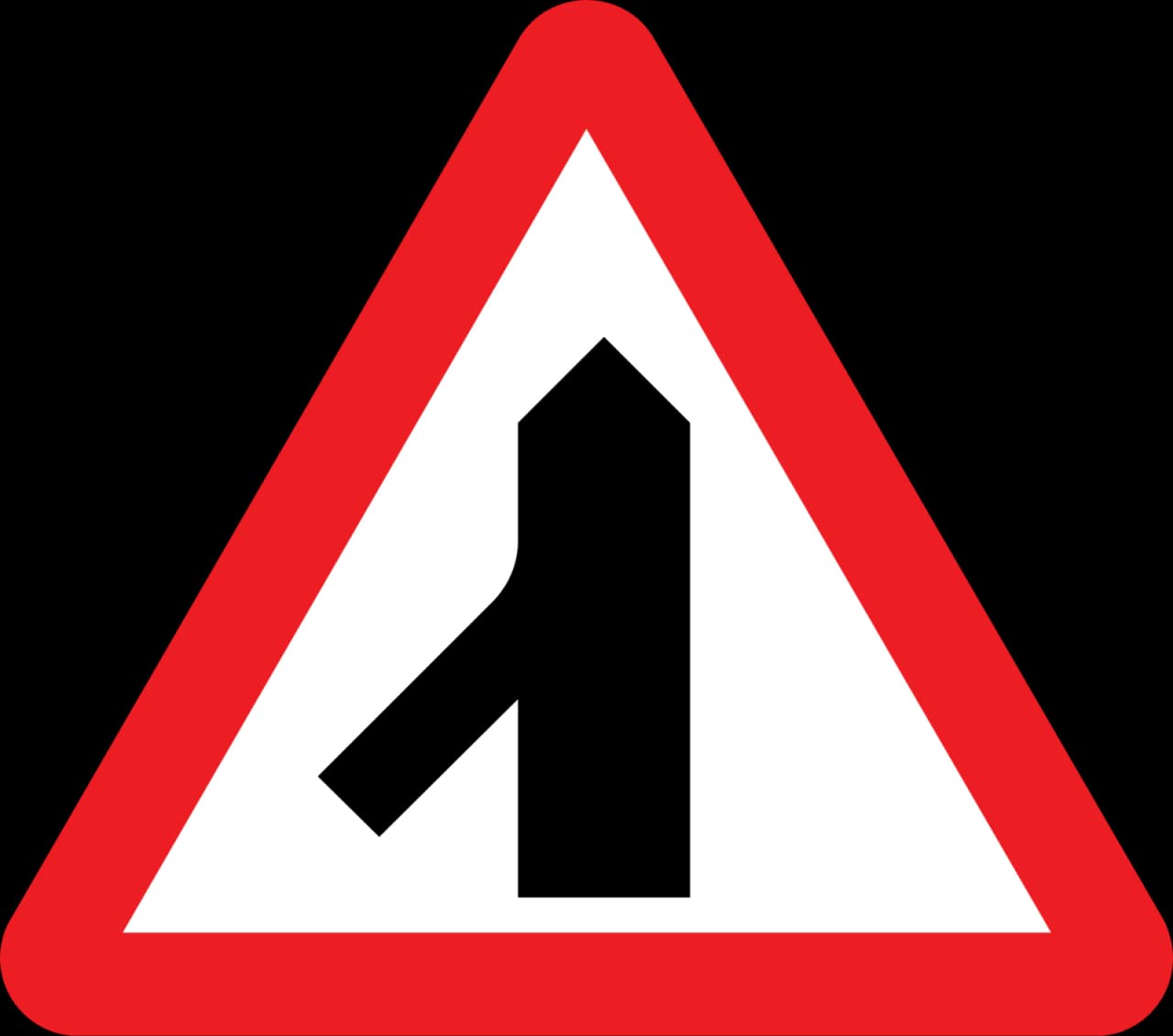
Prepare for traffic merging from the left with this advanced warning sign.

Warning: Traffic Merging Onto The Main Road From Your Left

Understand the 511-V Speed Reduction Warning Plate to safely adjust your speed.
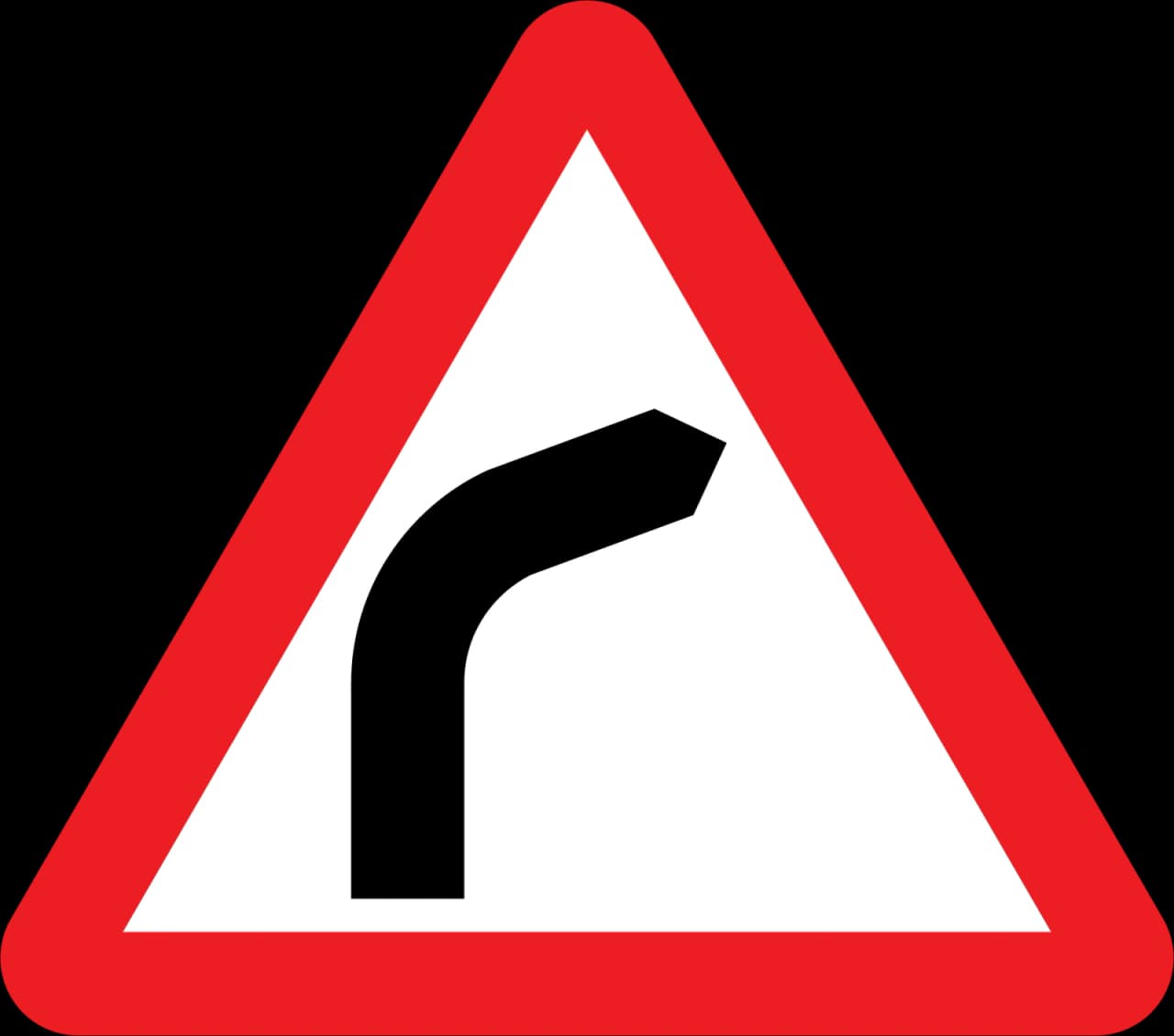
Warning: Prepare for a bend to the right ahead.
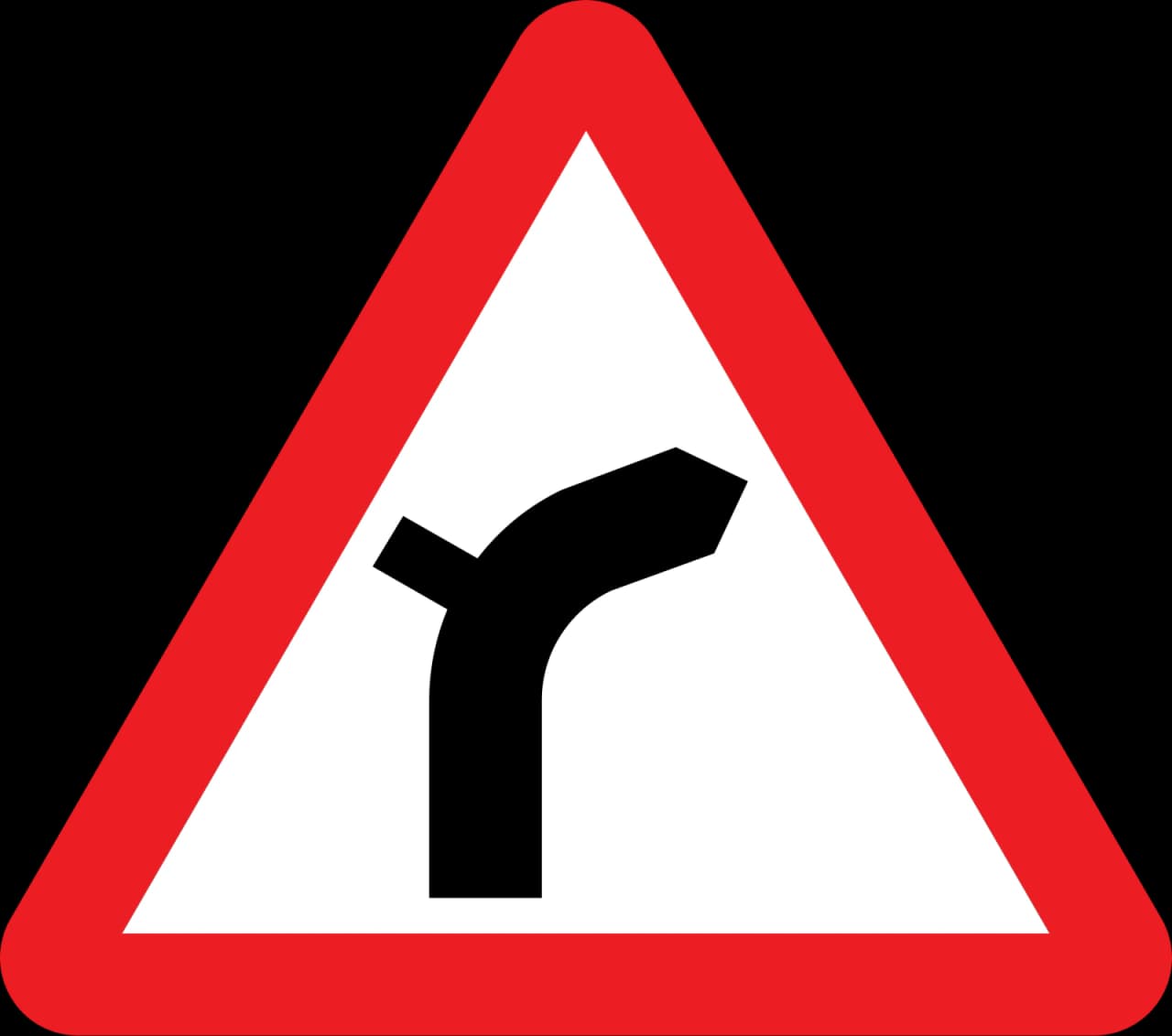
Understand the Junction on a Bend Warning Sign (512.1)

Watch out for junctions on bends with this advance warning sign!
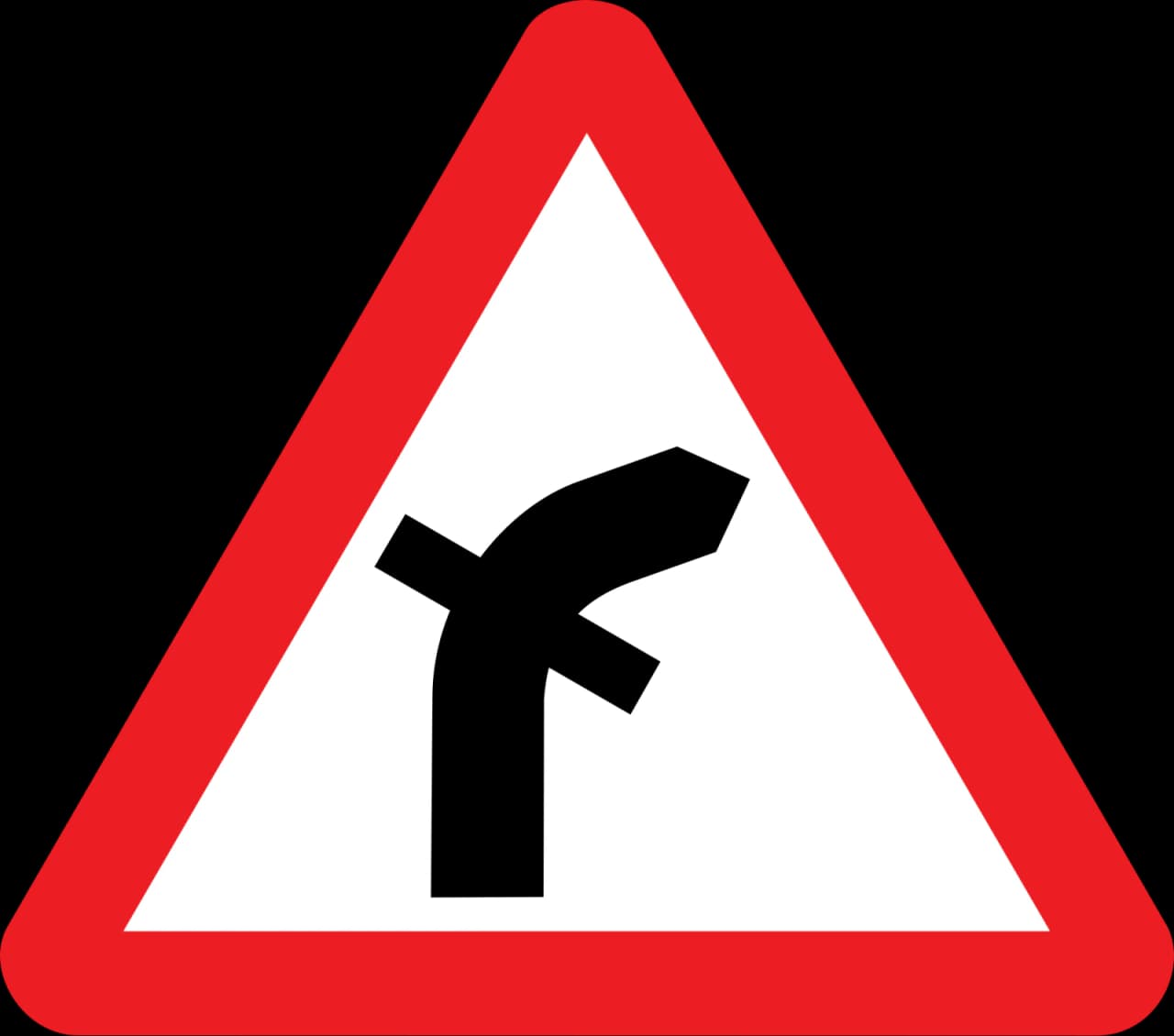
Prepare for a crossroads junction located on a bend with this advance warning sign.

Prepare for a double bend ahead with the 'first to the left' warning sign.
Decode the Roundabout or Bend Warning Plate (513.1) on Great Britain Roads

Understand the Advisory Speed Limit sign (513.2-V) for safer driving in Great Britain.

Understand the Sharp Deviation of Route to the Left Warning Sign (515)
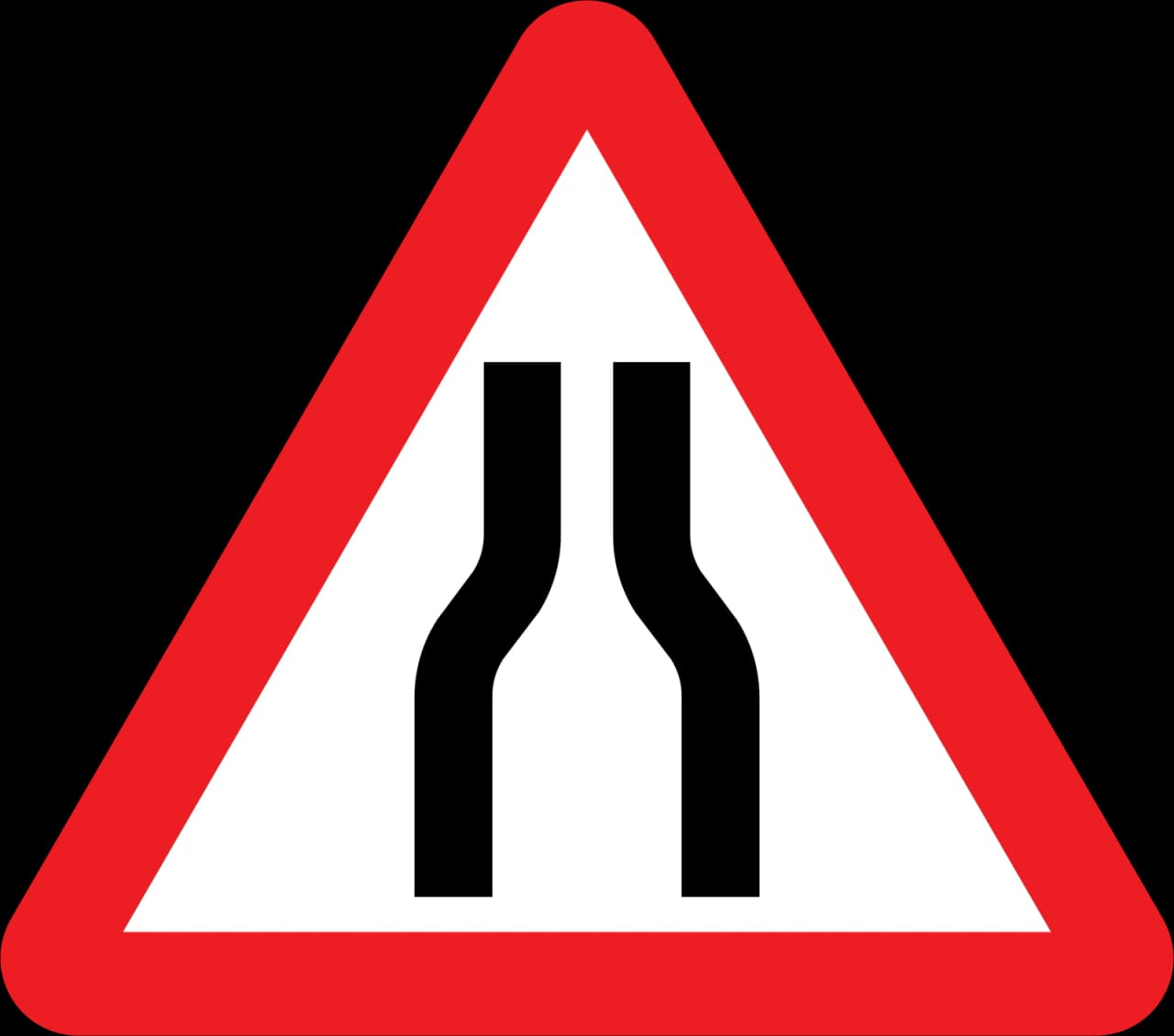
Prepare for roads that narrow on both sides with this advance warning sign.
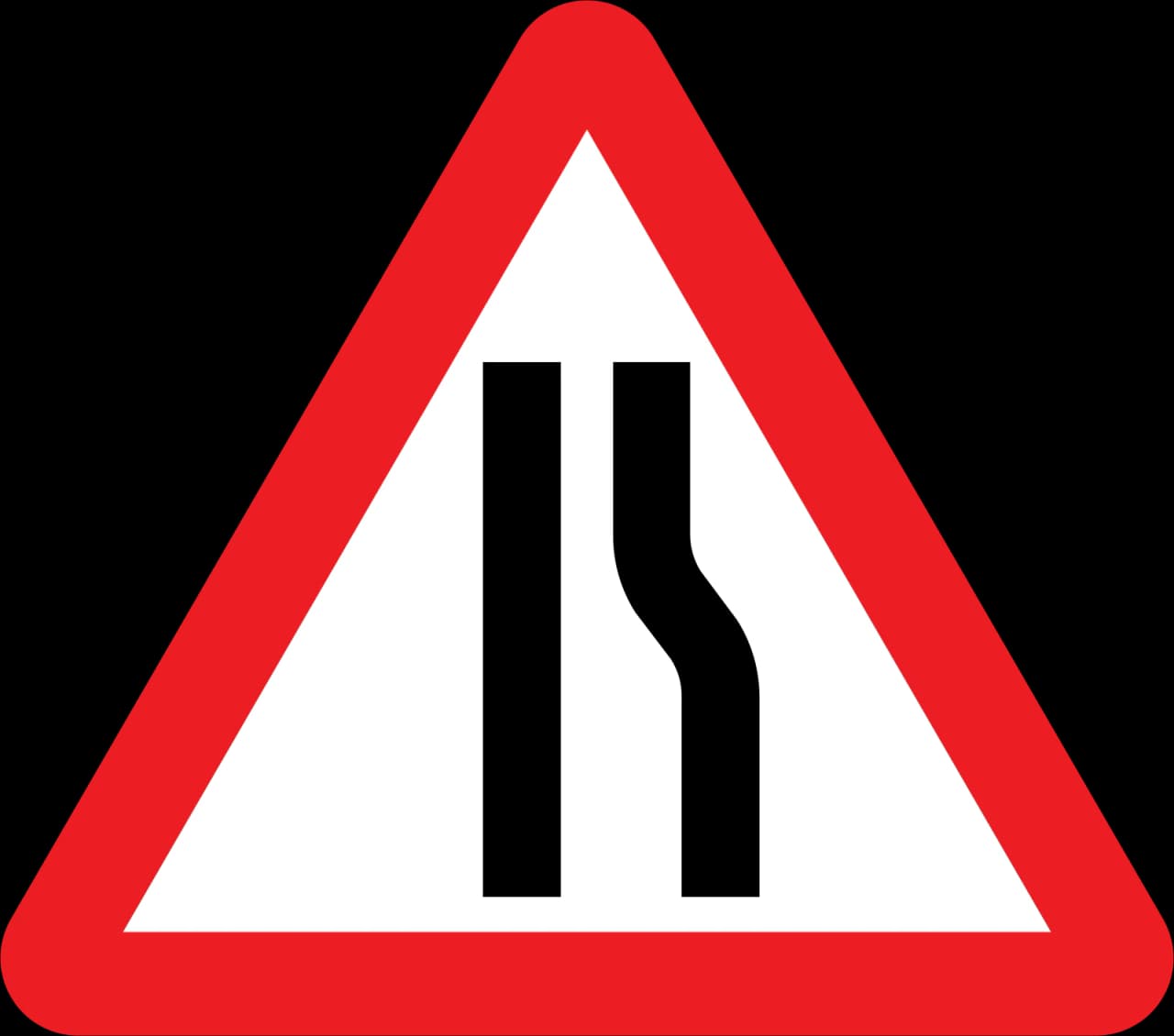
Prepare for a Road Narrows on the Right warning sign

Advance Warning of Single File Traffic in Each Direction

Warning: Road Ahead is Narrow, Only One Vehicle at a Time
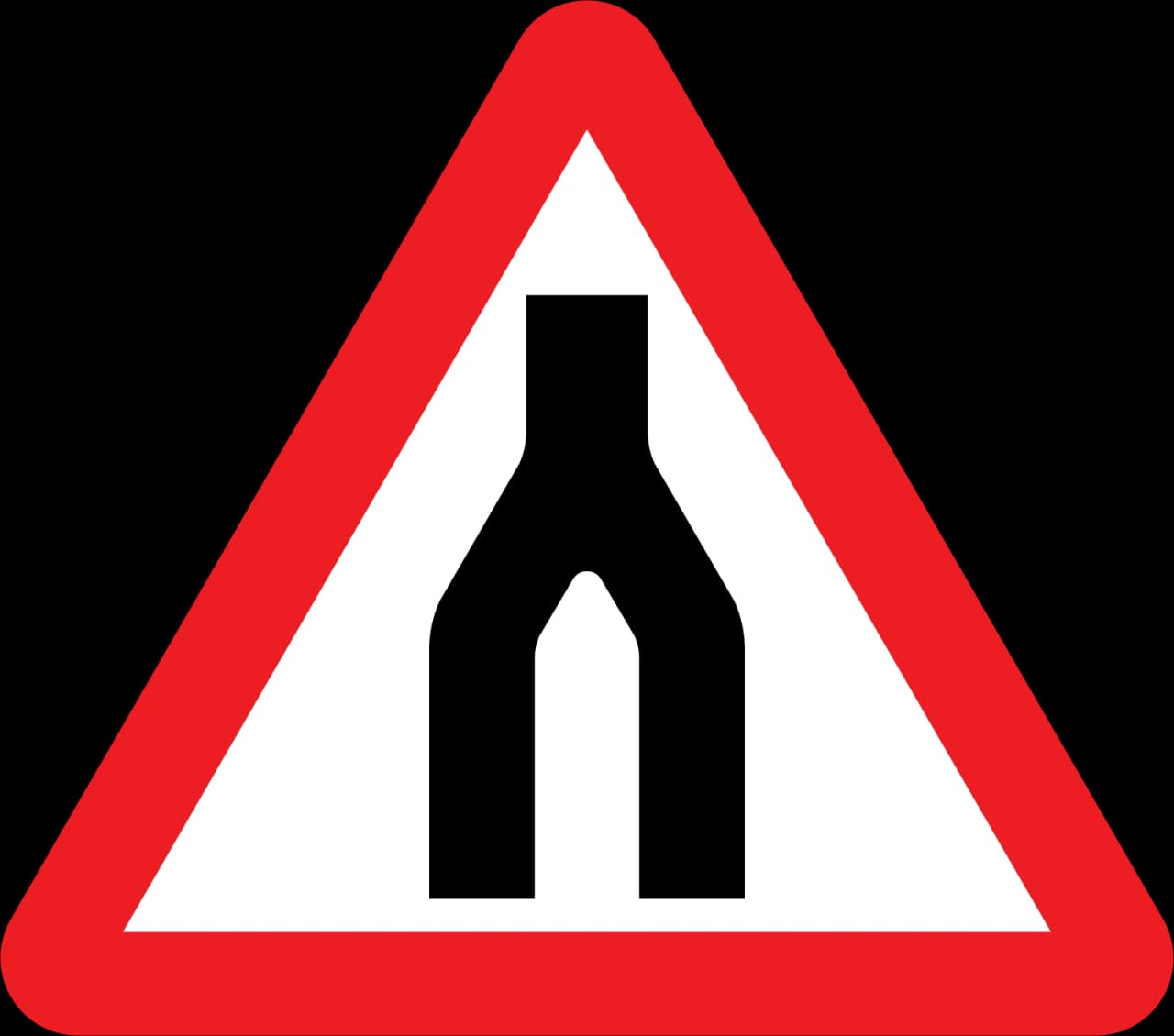
Prepare for the End of the Dual Carriageway with Sign 520
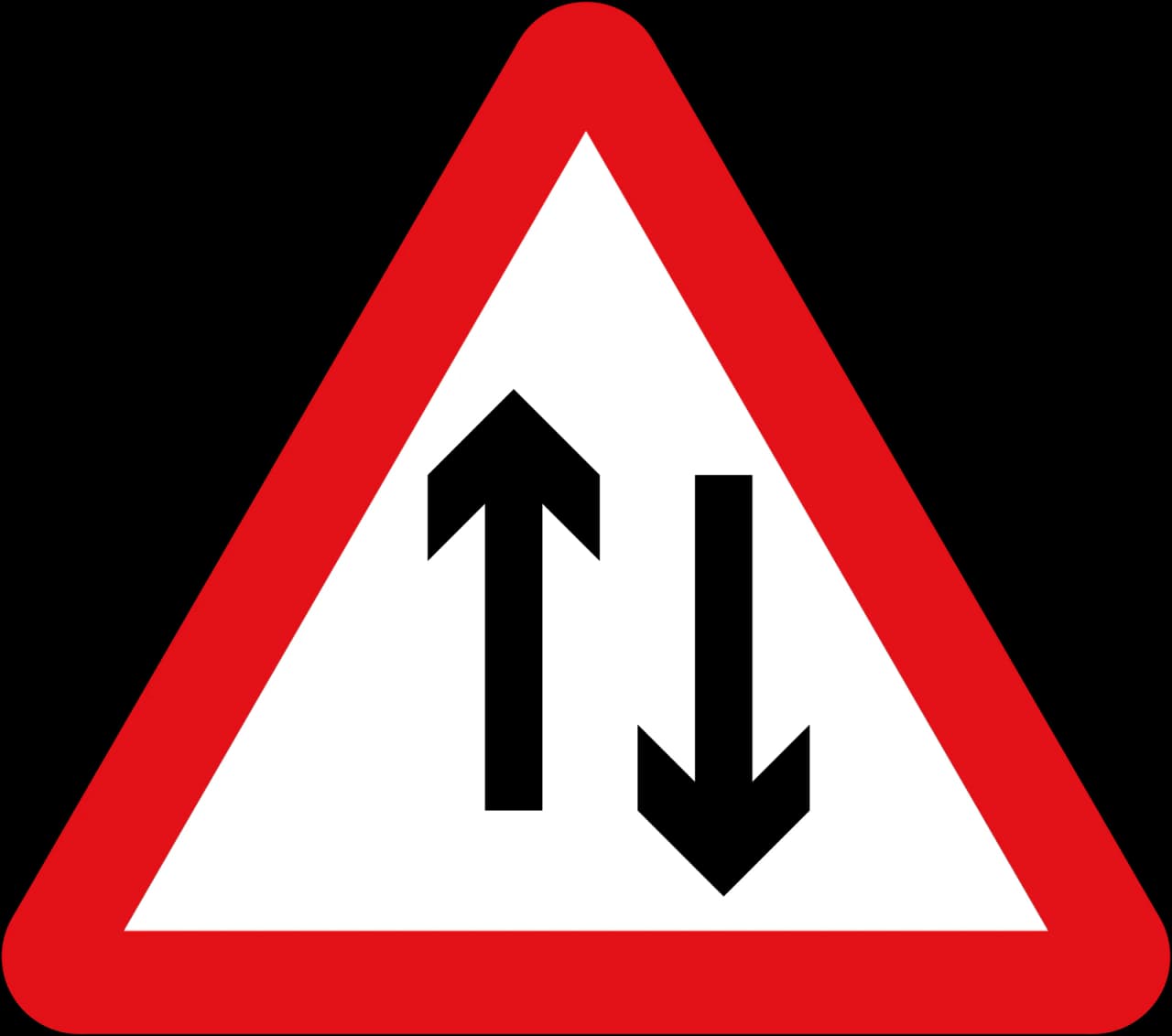
Advance Warning of Two-Way Traffic Sign (521): Prepare for Changing Road Conditions
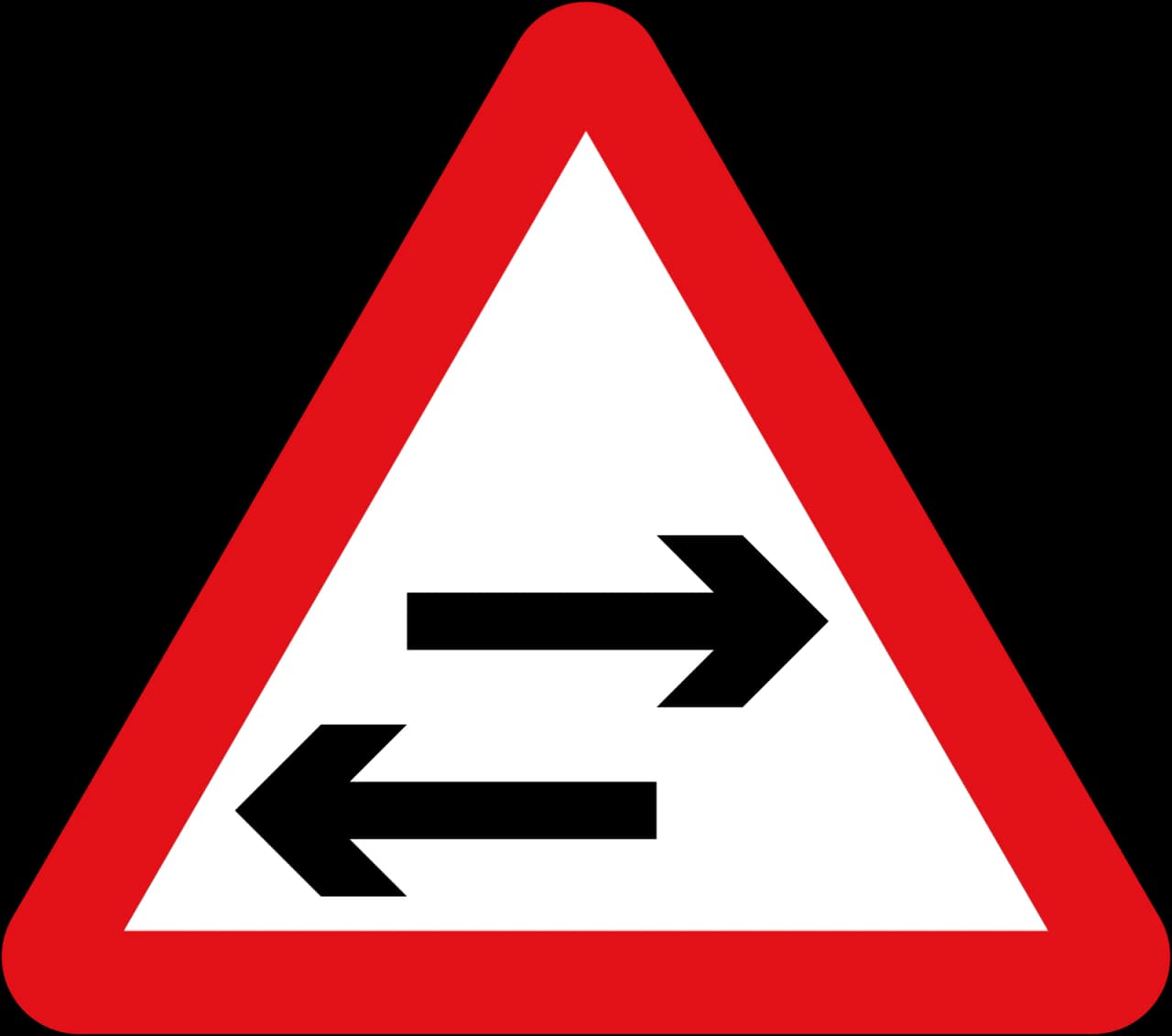
Prepare for two-way traffic on a route crossing ahead with this warning sign.

Prepare for a steep hill downwards with this warning sign!

Understand the 'Plates Used With Steep Hill Signs' warning traffic sign.

What do 'Plates Used with Steep Hill Signs' mean on the road?

Advance Warning for Steep Hill Plates: Sign 527
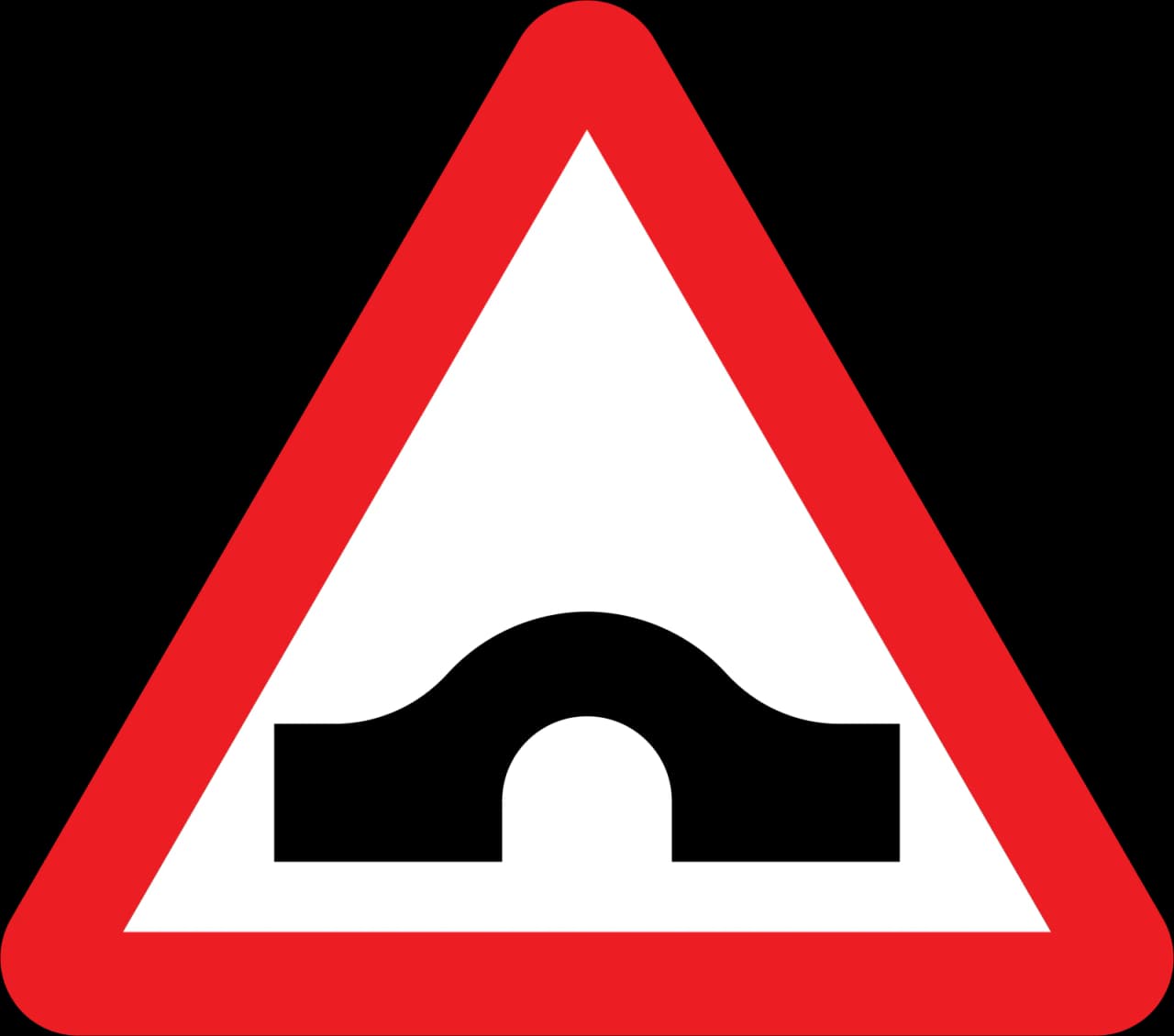
Prepare for the hump bridge ahead with this advance warning sign.
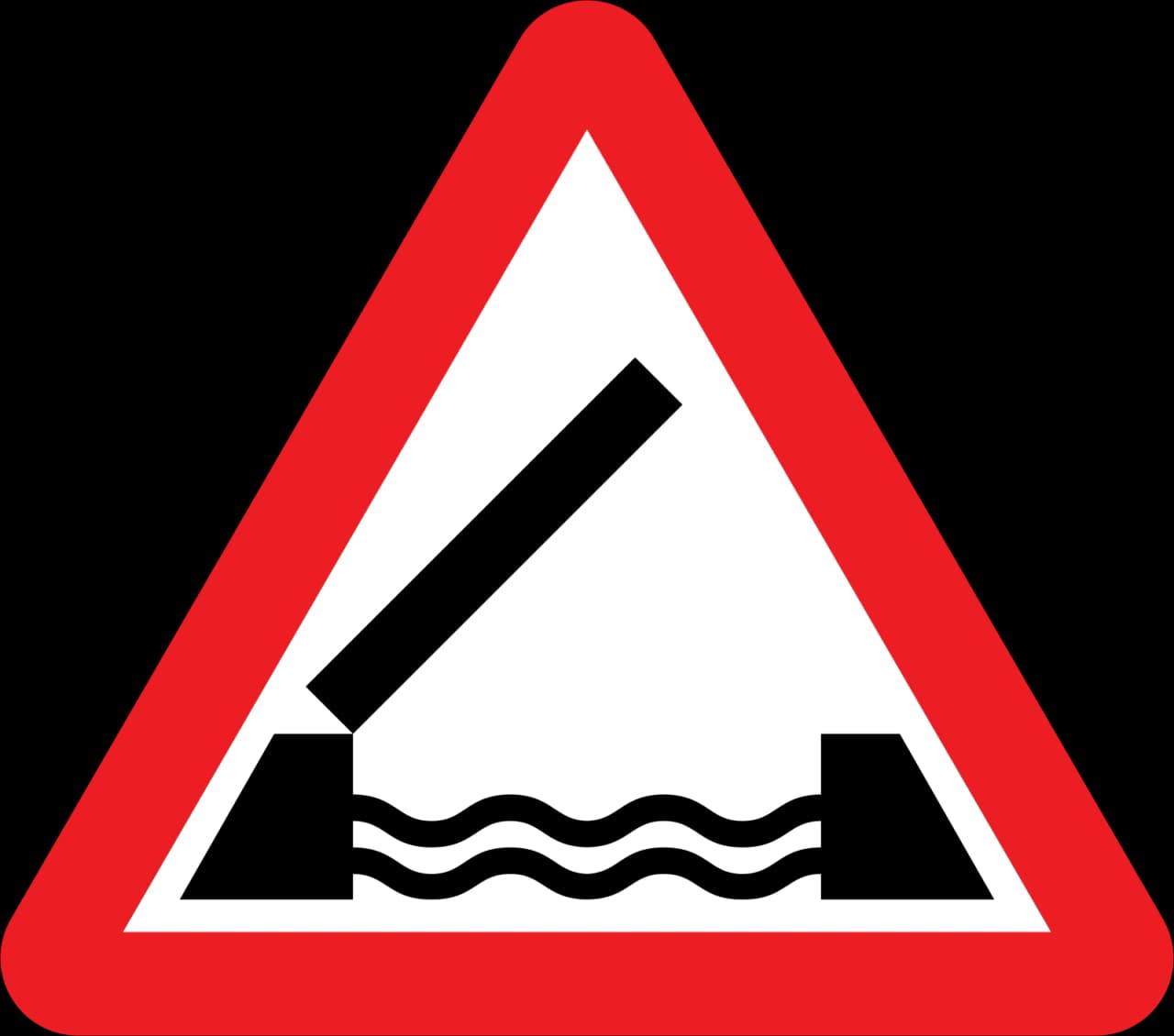
Understand the Opening or Swing Bridge warning sign
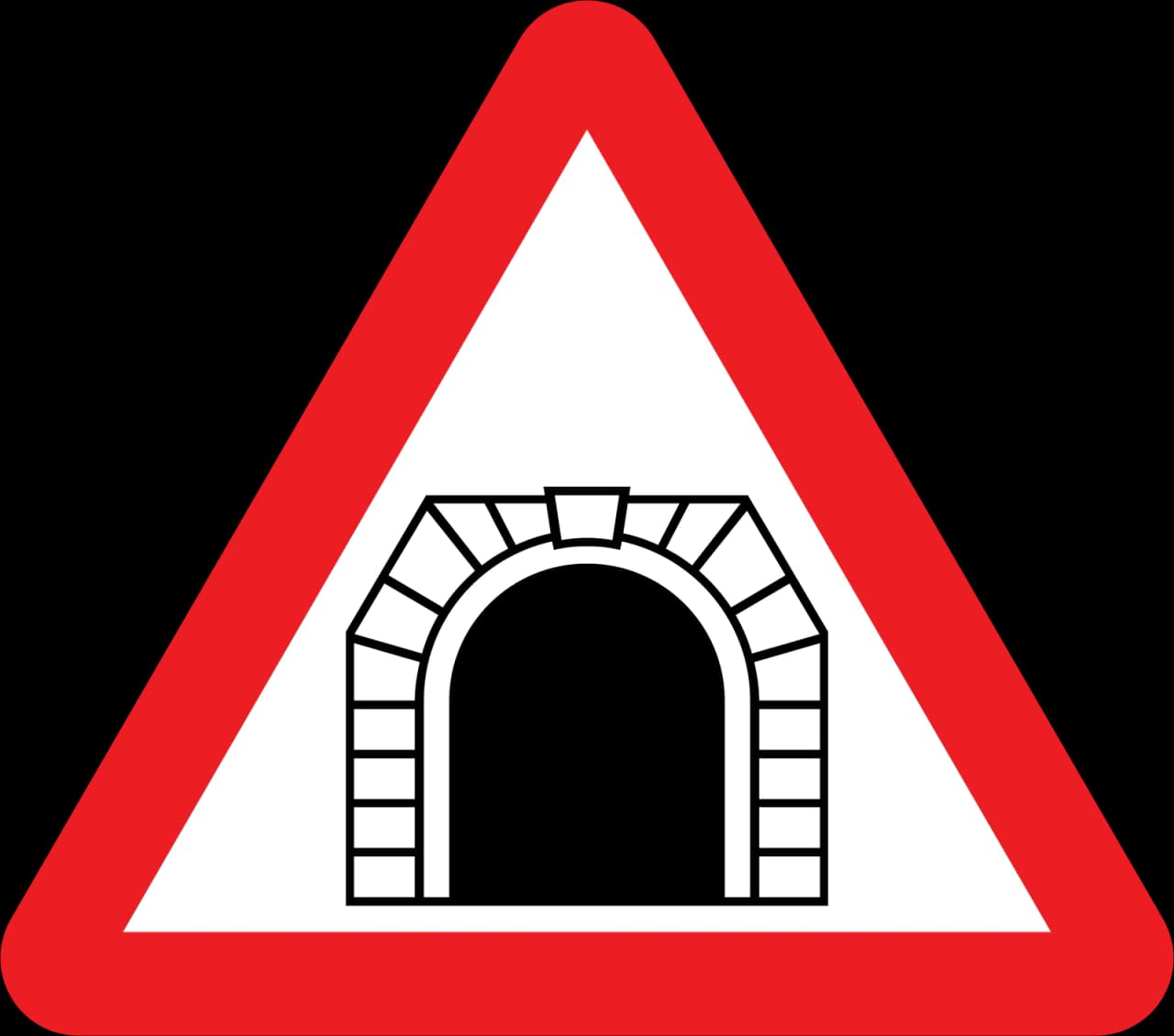
Prepare for Tunnels with the "Tunnel" Warning Sign (529.1)
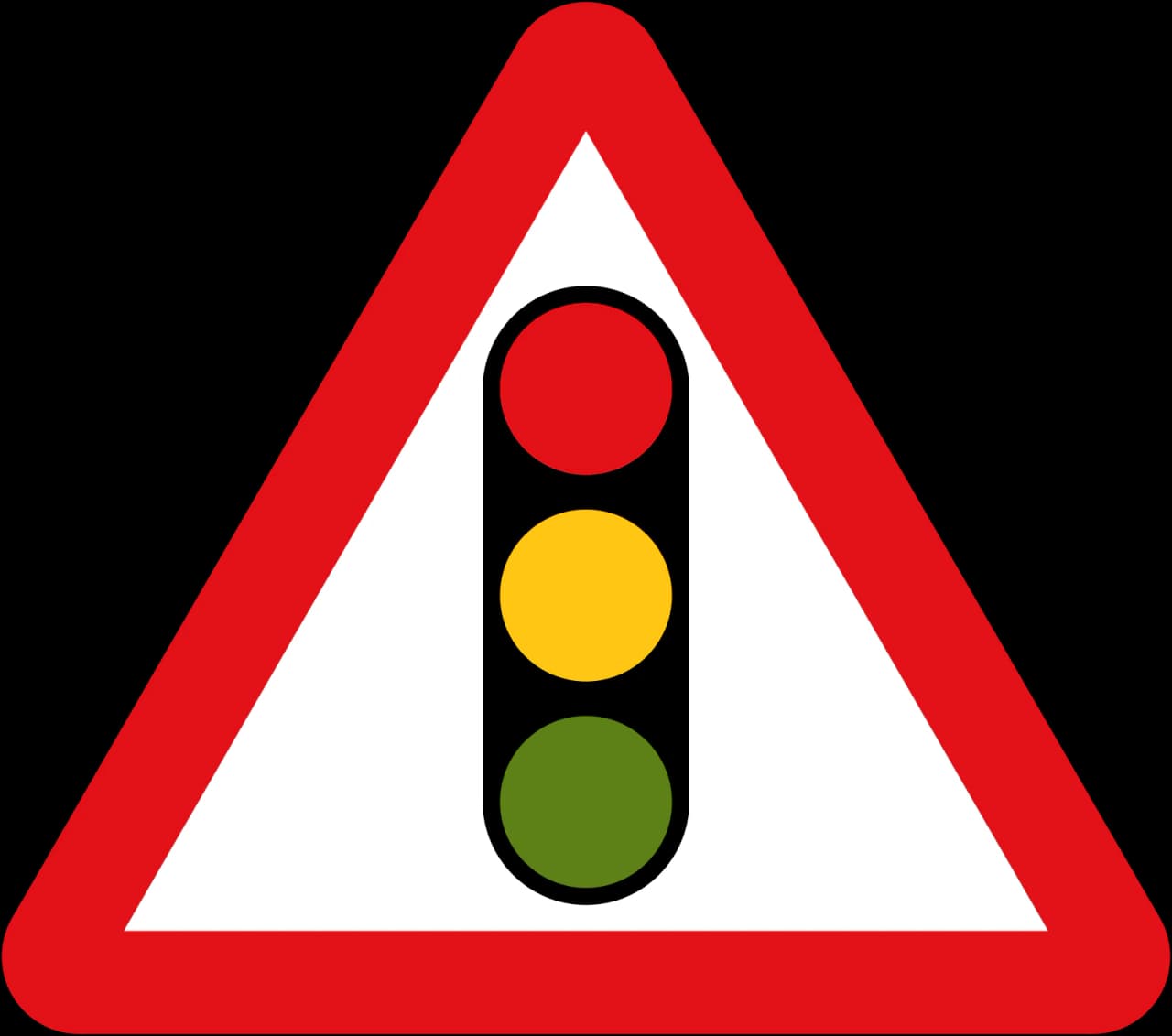
Prepare for traffic signals ahead with this advance warning sign.

This plate tells you about part-time traffic signals ahead.

Prepare for Part-Time Traffic Signals Ahead with Warning Sign 543
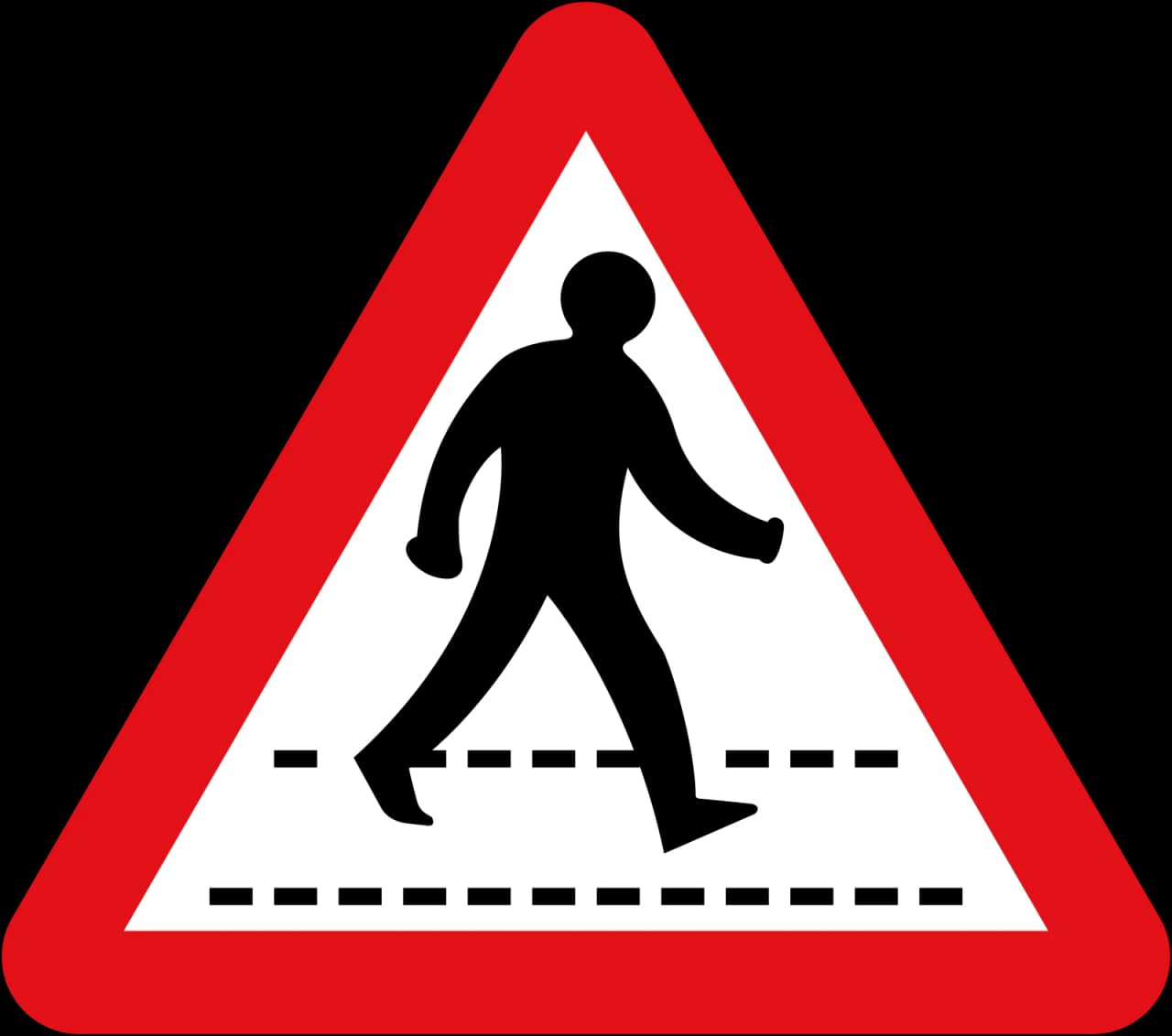
Advance Warning of Zebra Crossing Traffic Sign (544)
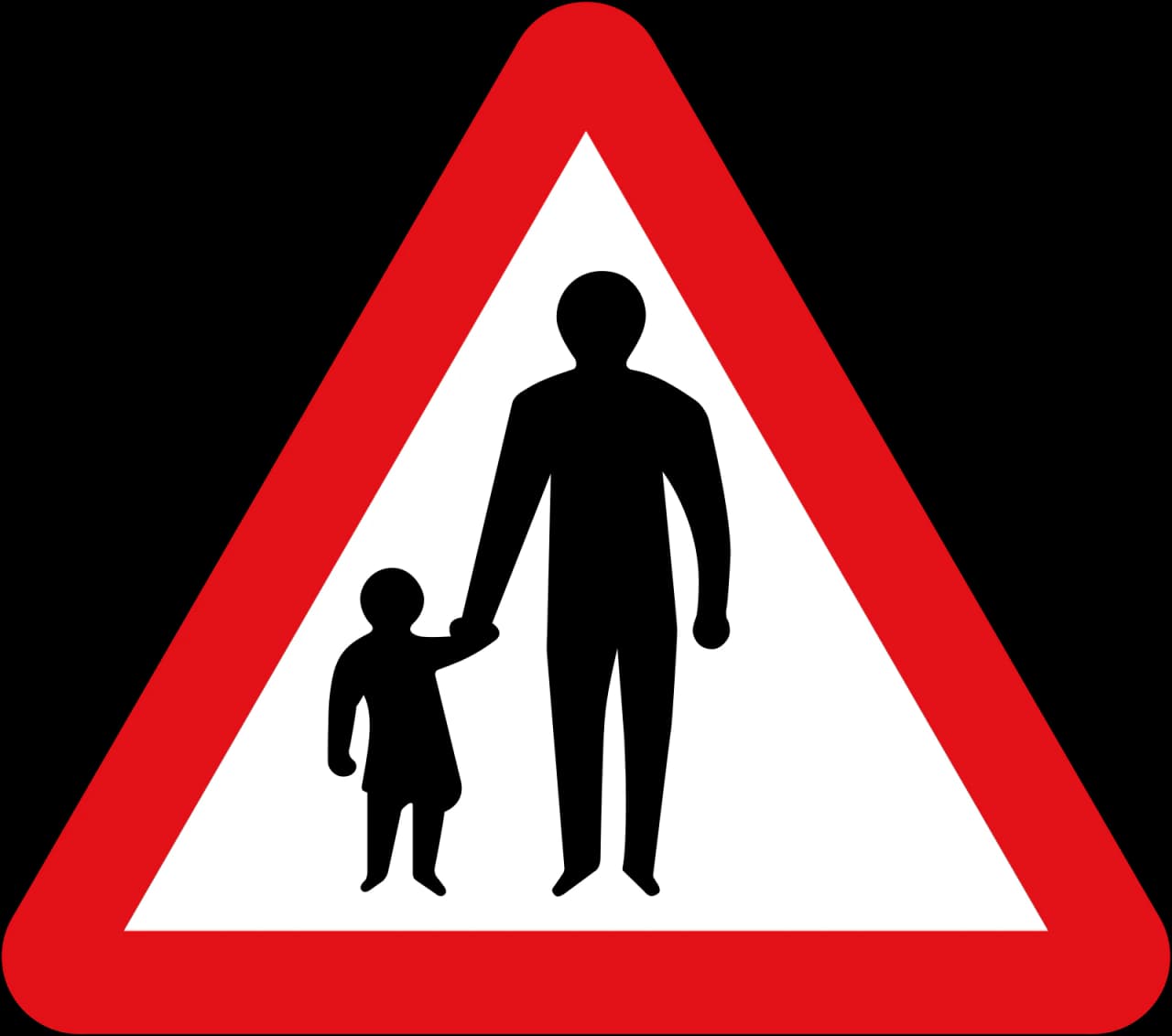
Watch out for pedestrians ahead with this warning sign!
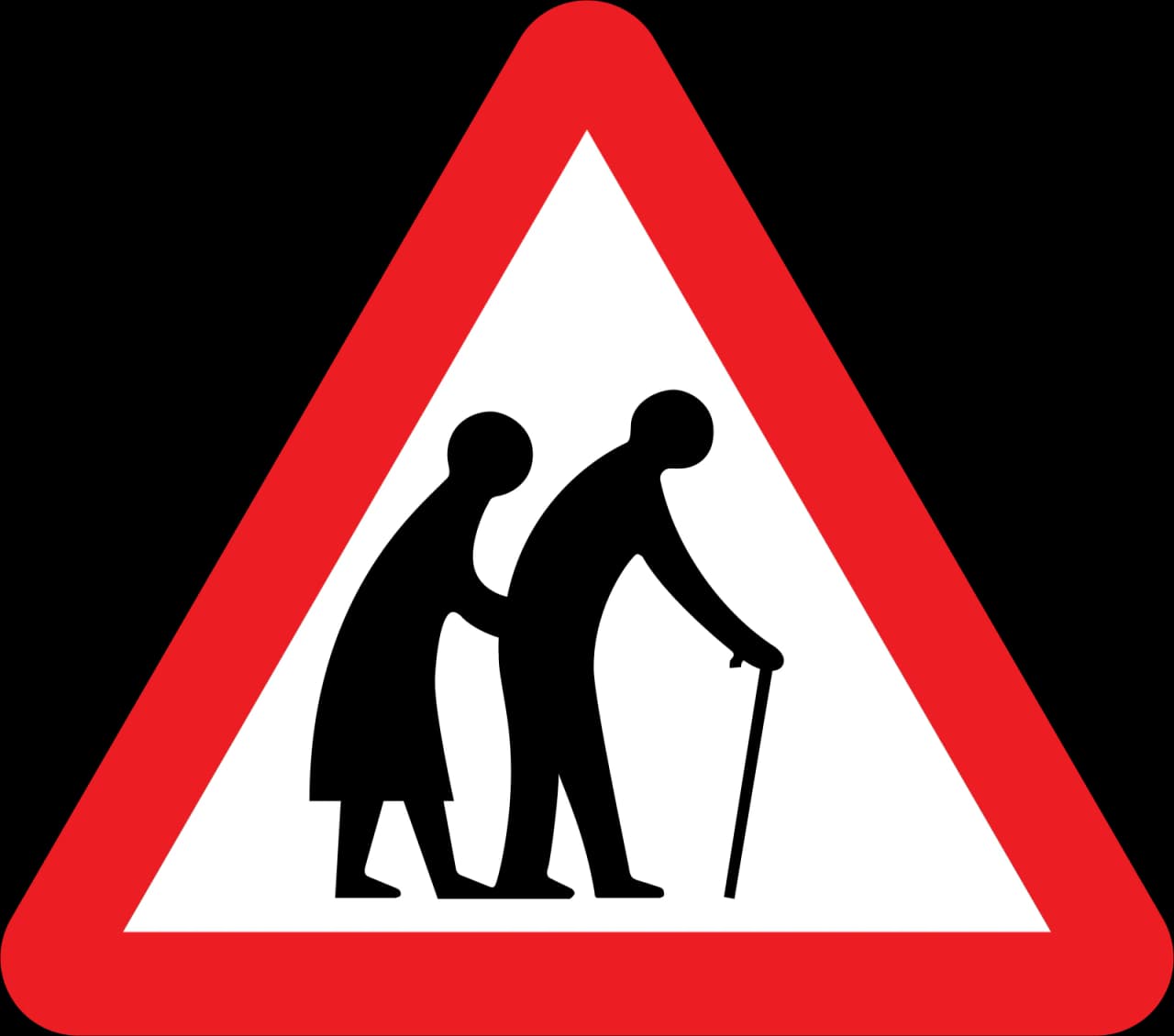
Watch out for frail pedestrians likely to cross with this warning sign (544.2).
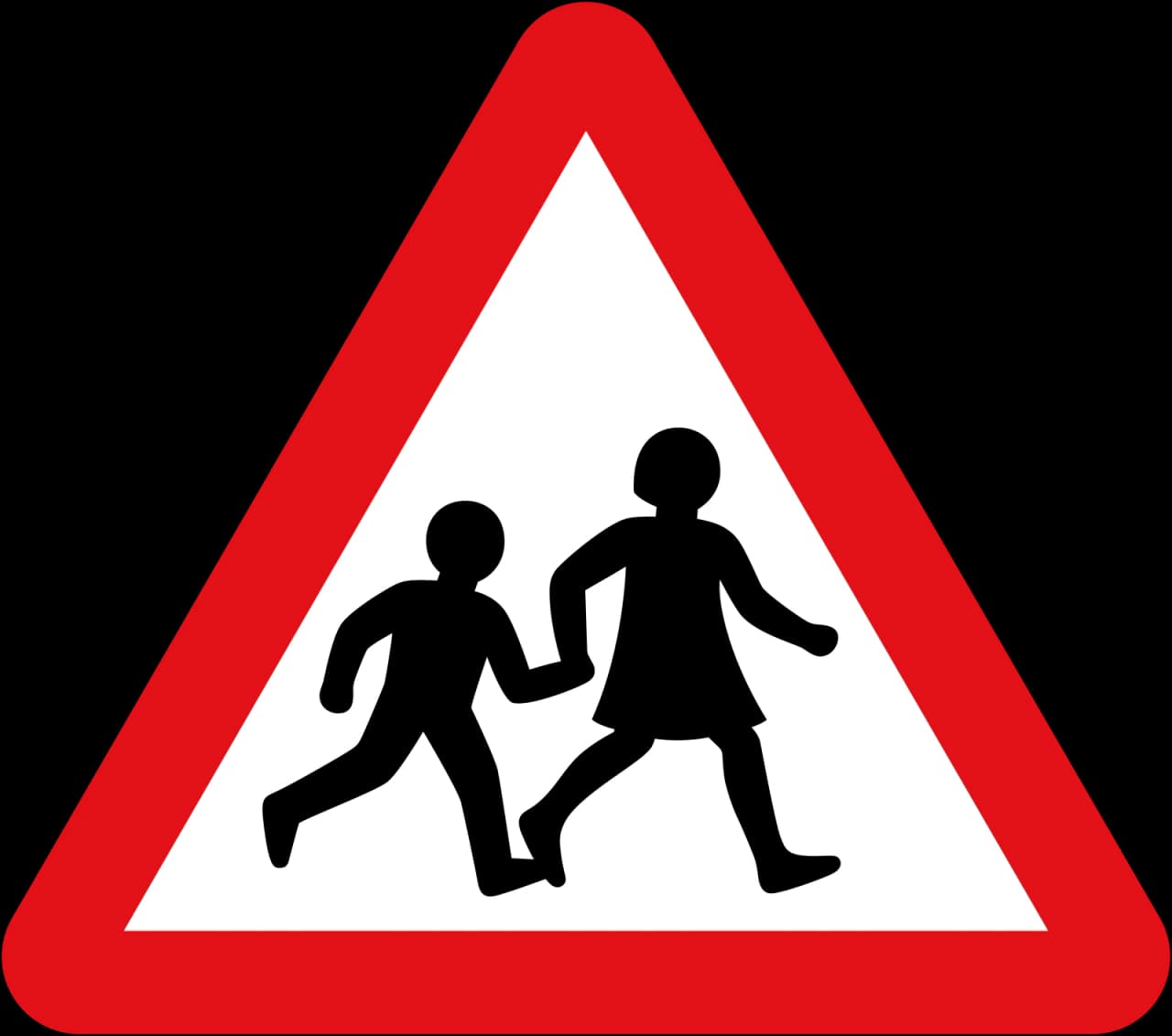
Slow down and be alert for children with the 545 warning road sign.
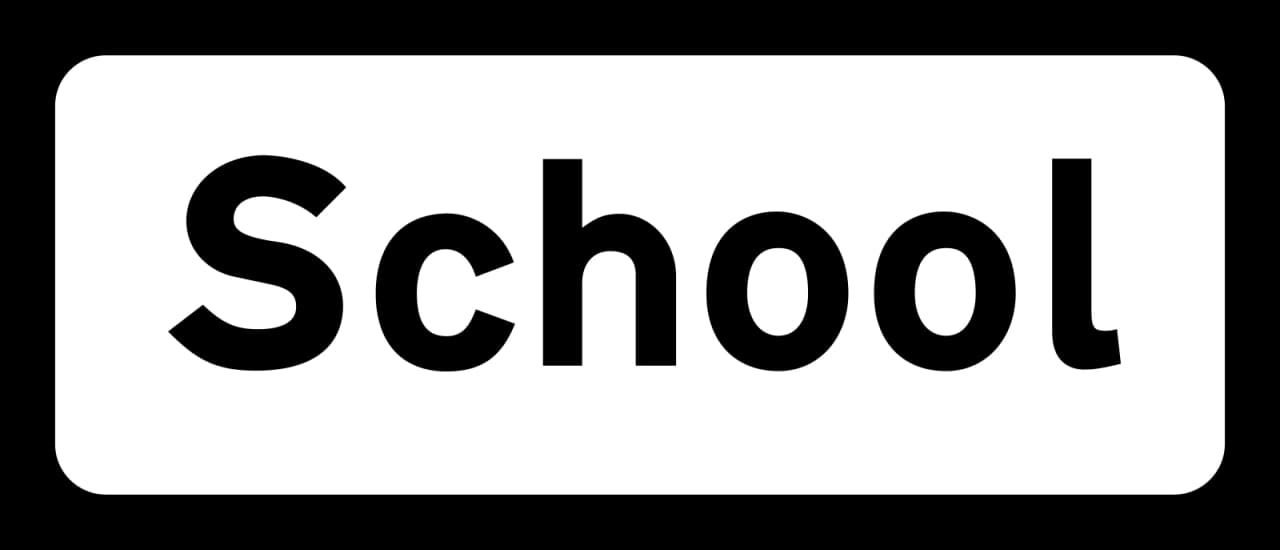
The 546 School Plate: Understanding Extra Detail for Children Signs
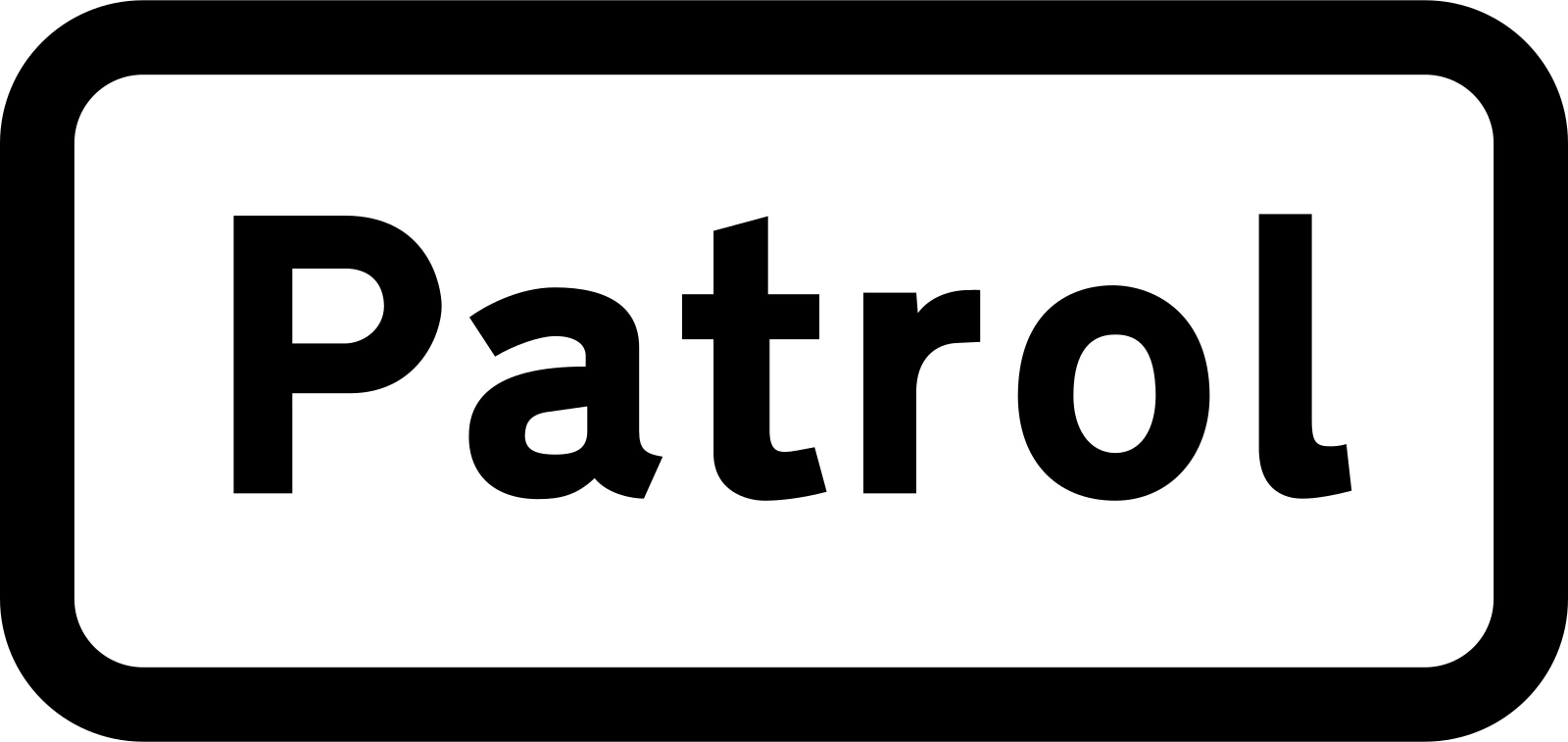
This supplementary plate adds crucial detail to the children crossing warning sign.

This plate adds vital context to the Children Sign.
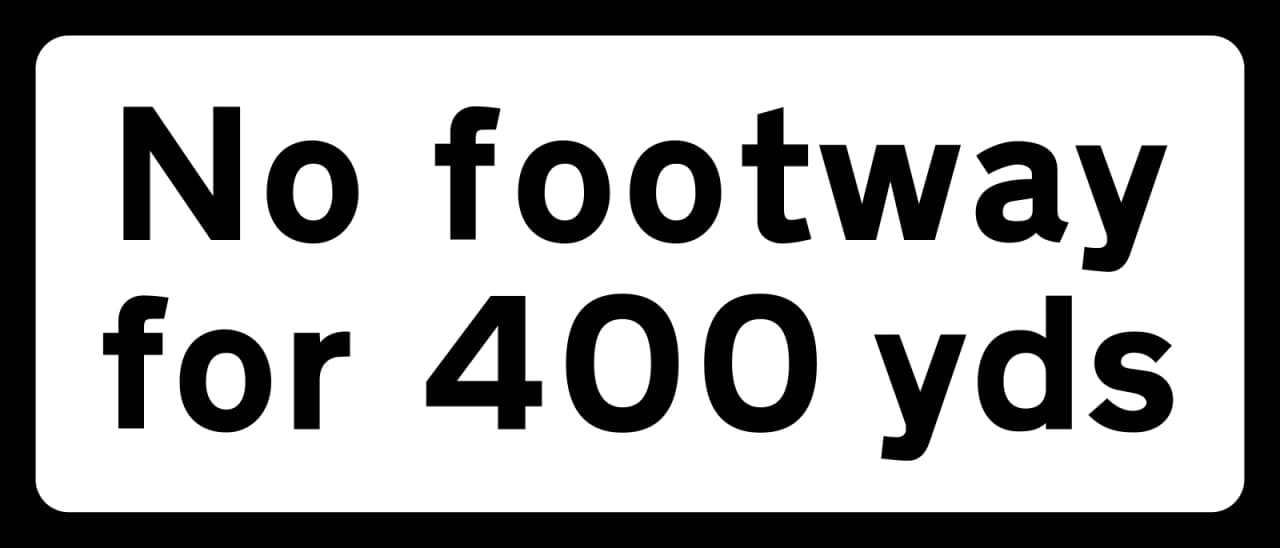
Advance Warning: Pedestrians May Be In The Road Ahead
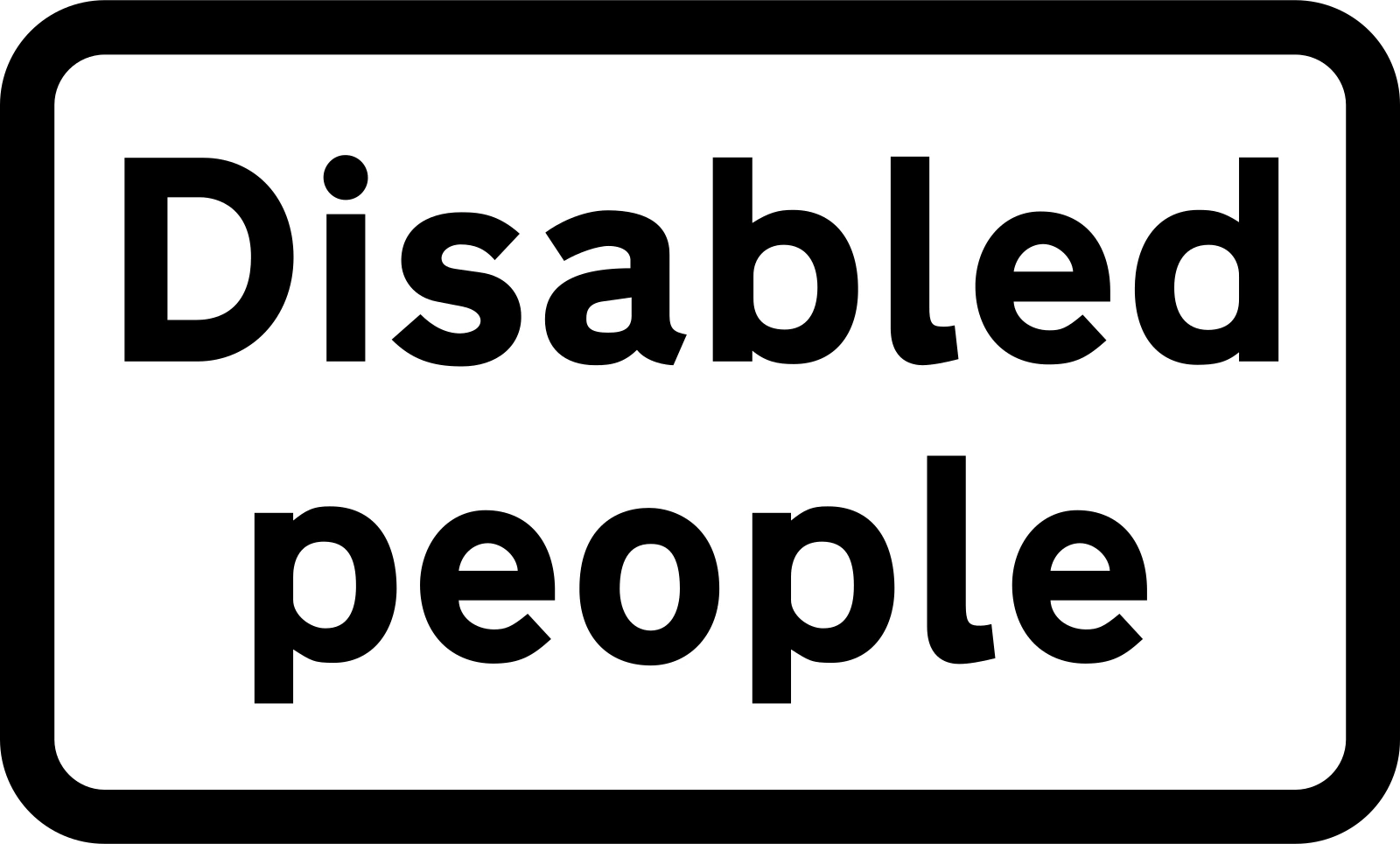
Watch out for disabled pedestrians with this advance warning sign.
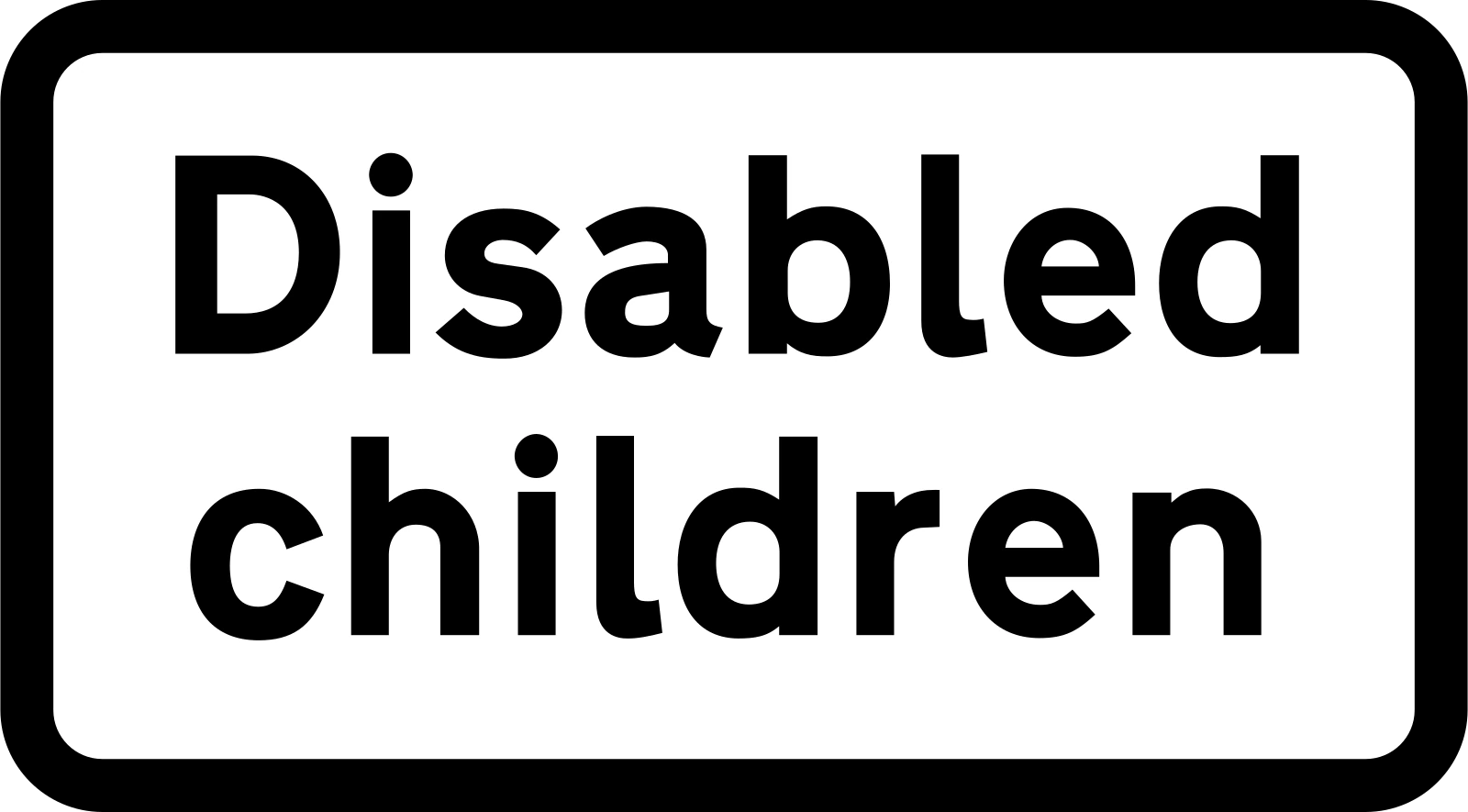
Understand the Disabled Children plate that accompanies the Children Sign
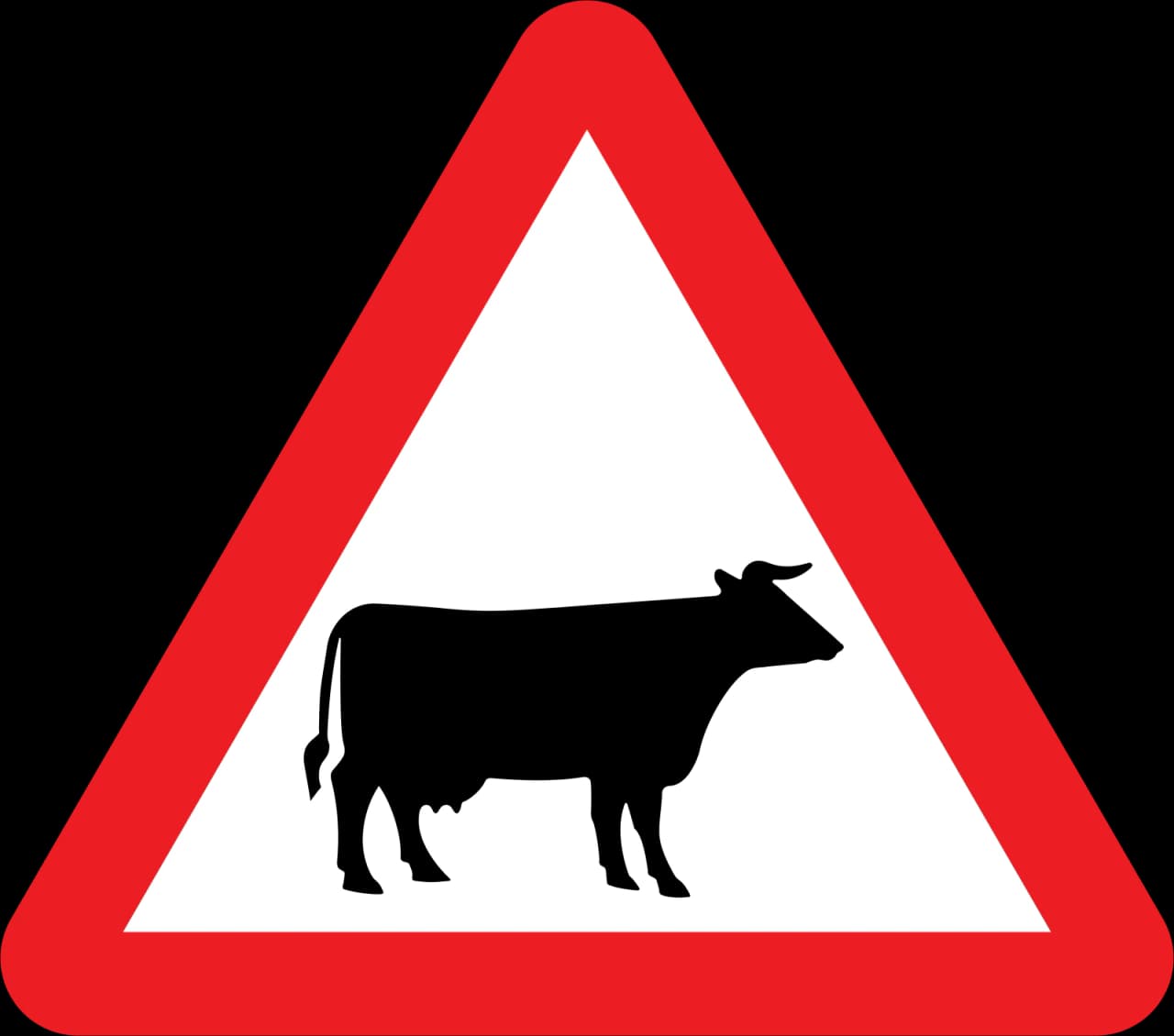
Watch out for cattle on the road with this warning sign!

Understand the Supervised Cattle Crossing Plate (548.1)
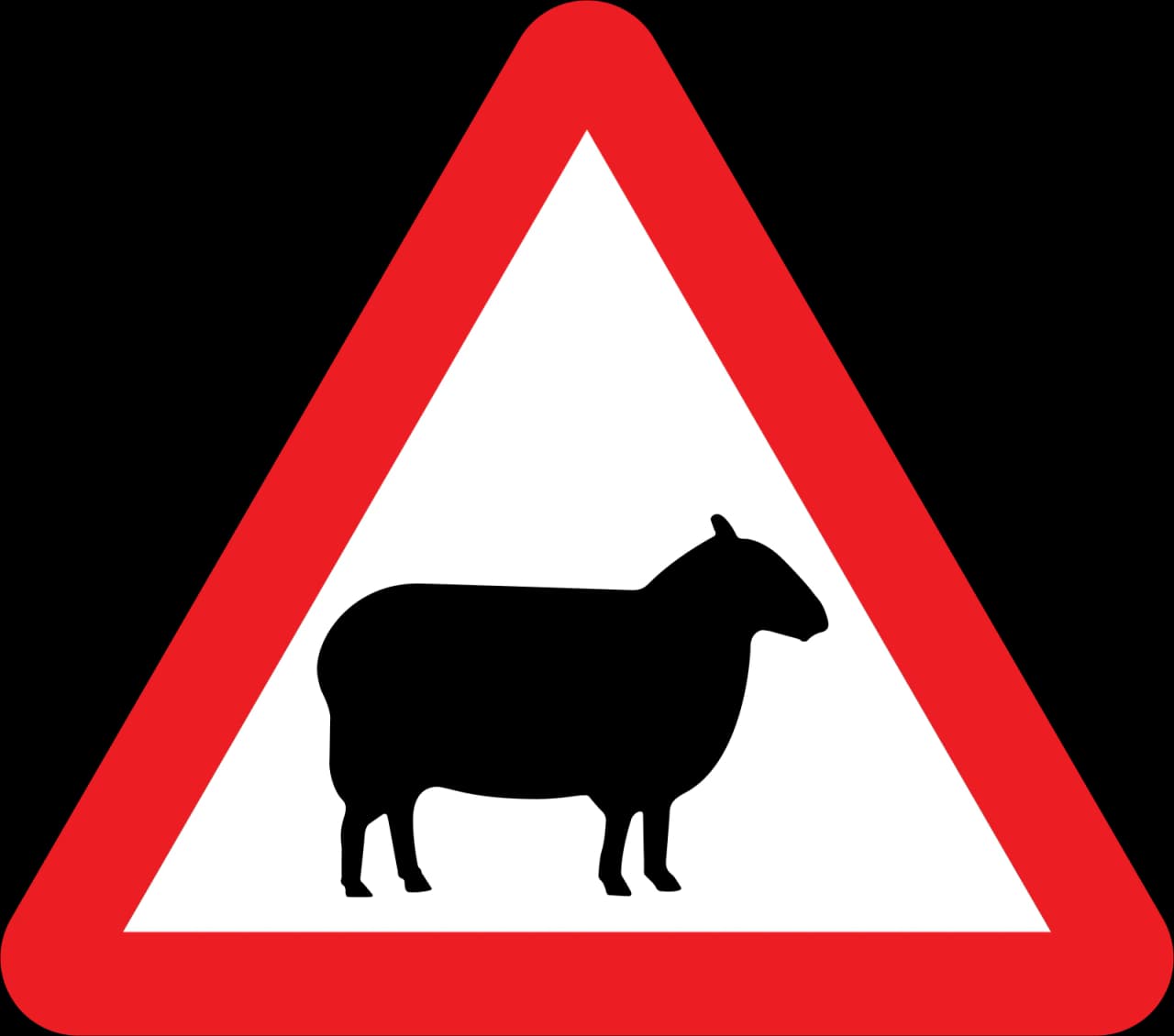
Watch out for sheep on the road with this advance warning sign!
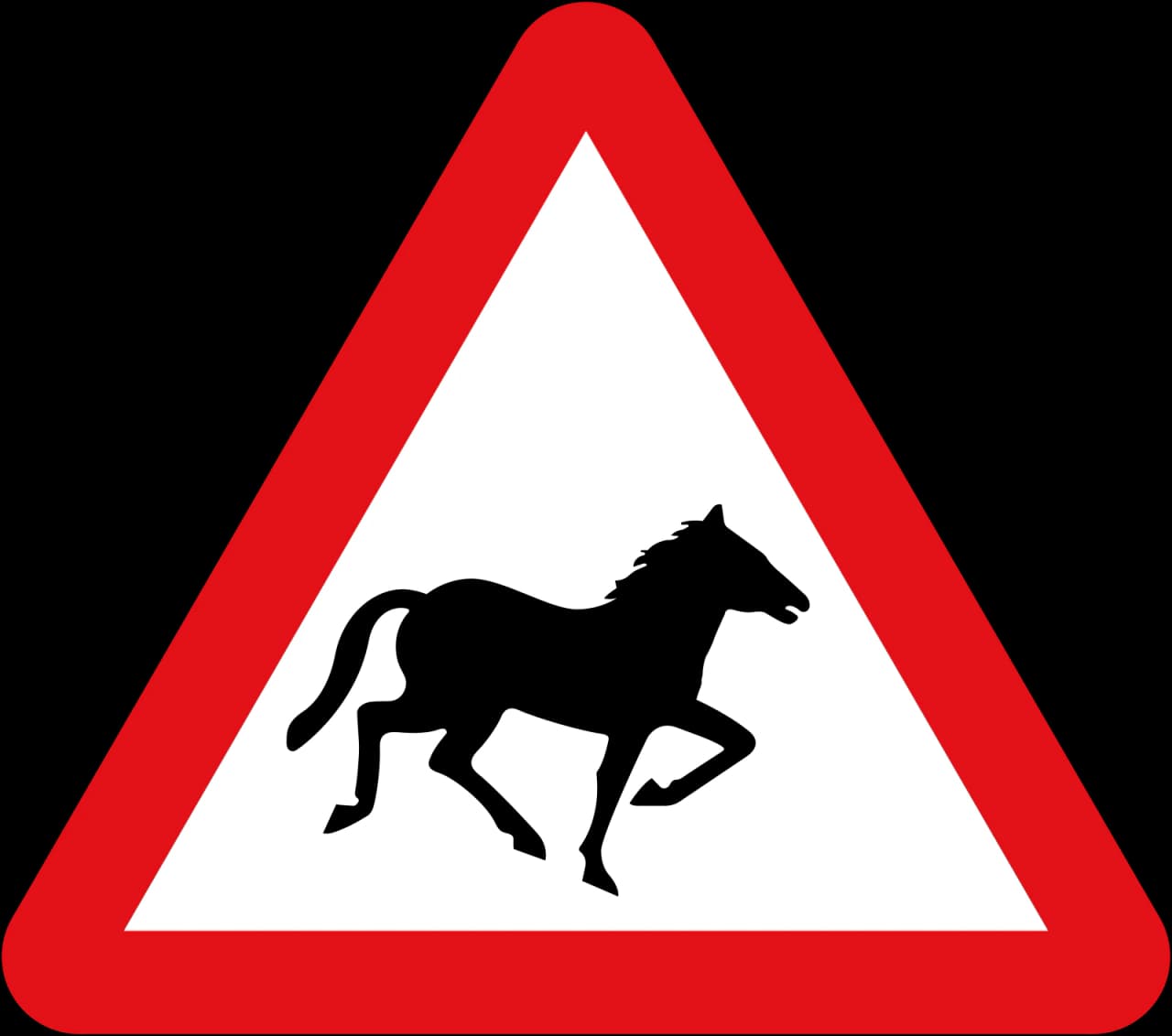
Watch out for wild horses or ponies ahead with this warning sign!

Watch out for accompanied horses and ponies near the road!
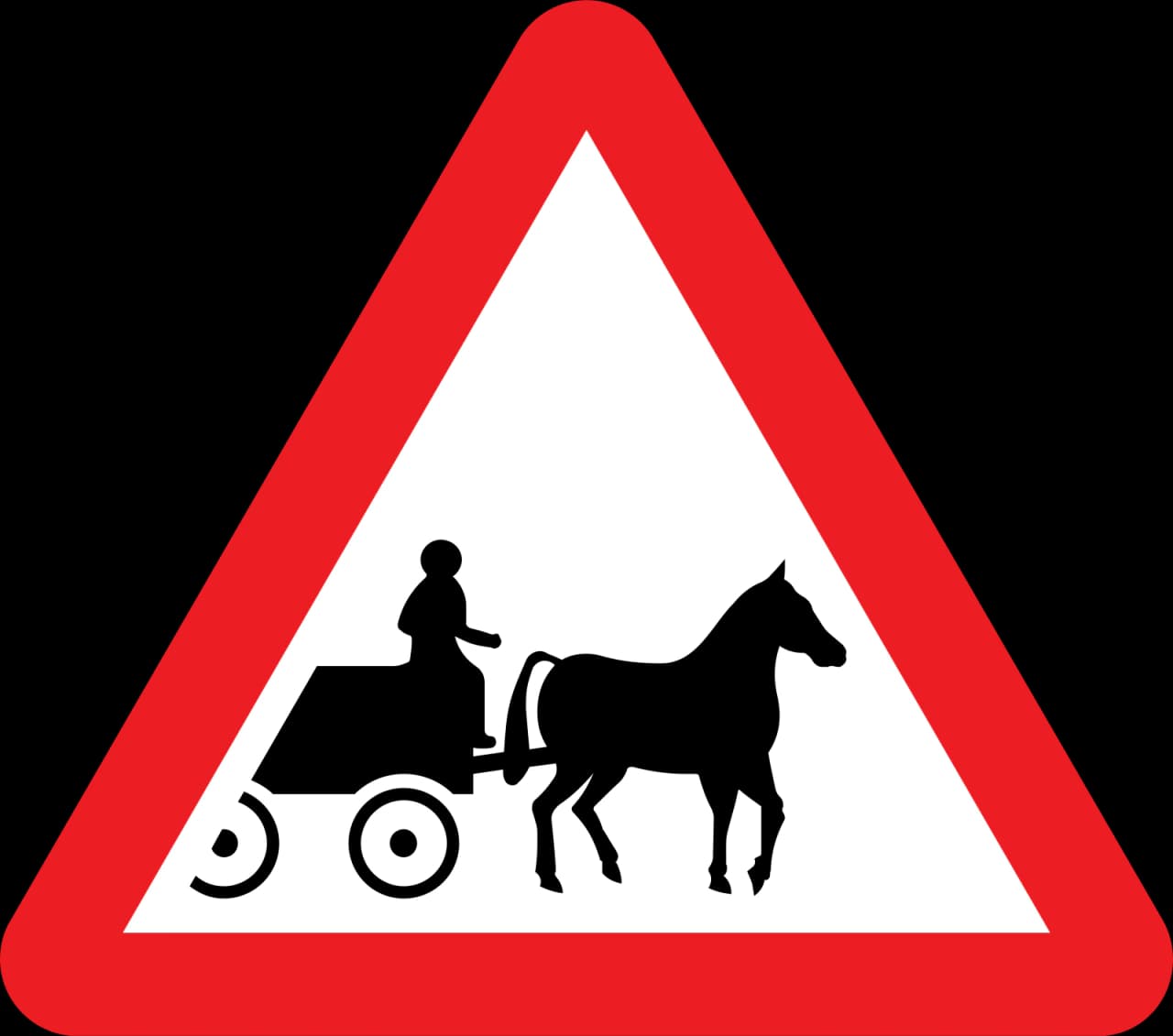
Advance Warning: Horse-Drawn Vehicles Likely in the Road
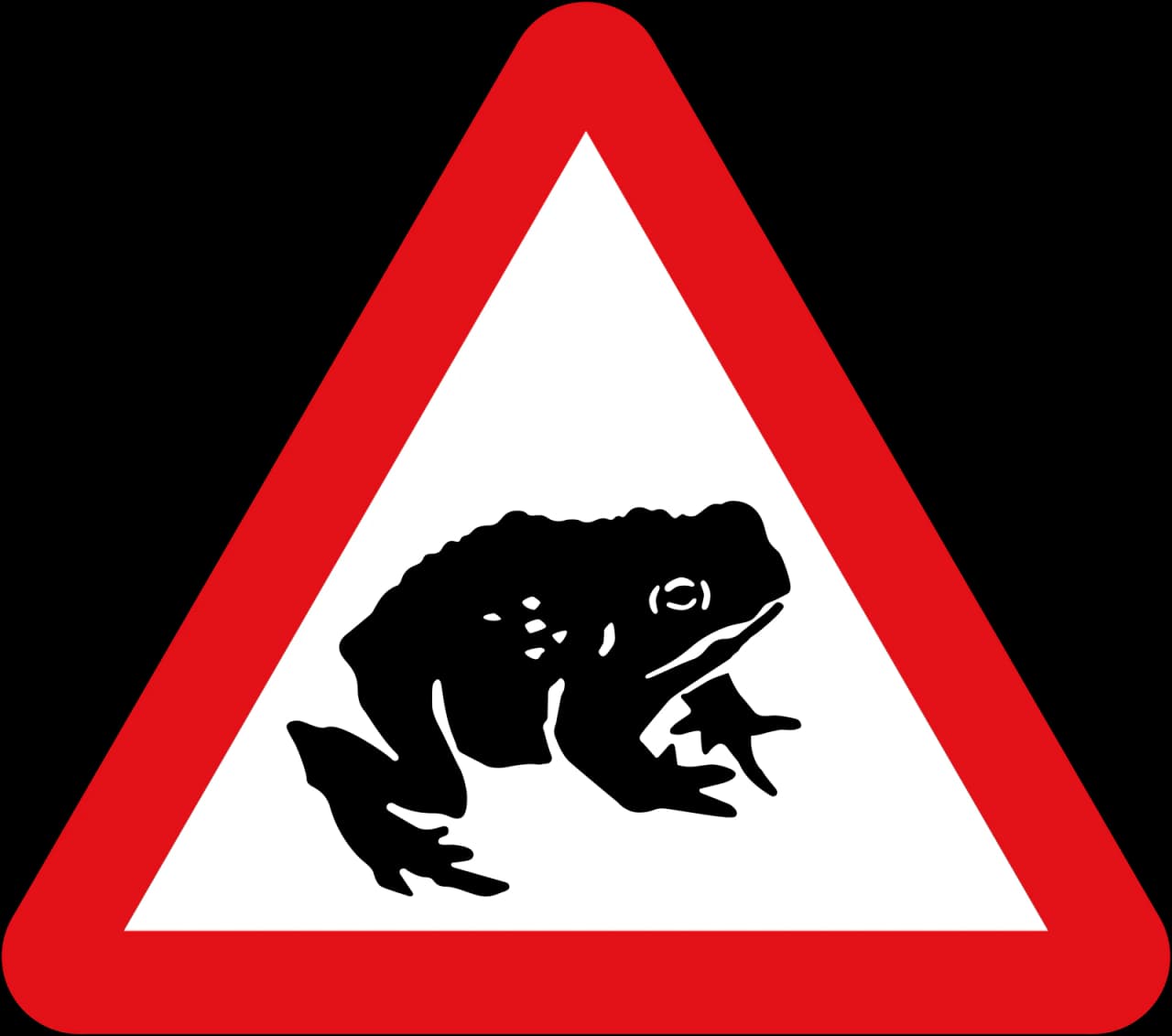
Be Prepared for Migratory Toad Crossings with This Advance Warning Sign
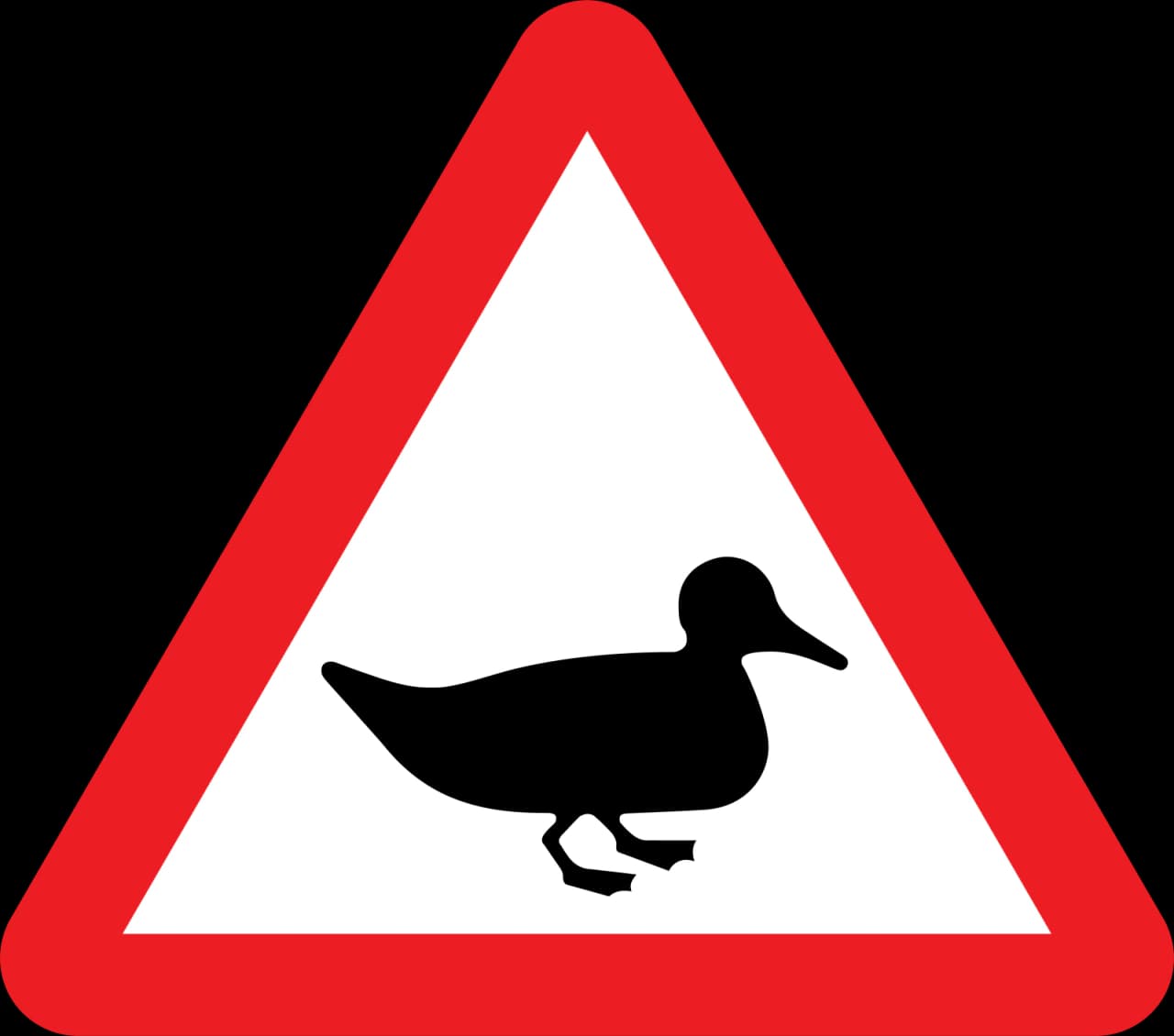
Watch out for wildfowl crossing the road with this warning sign (551.2).

Be prepared for small wild animals crossing the road with this warning sign.
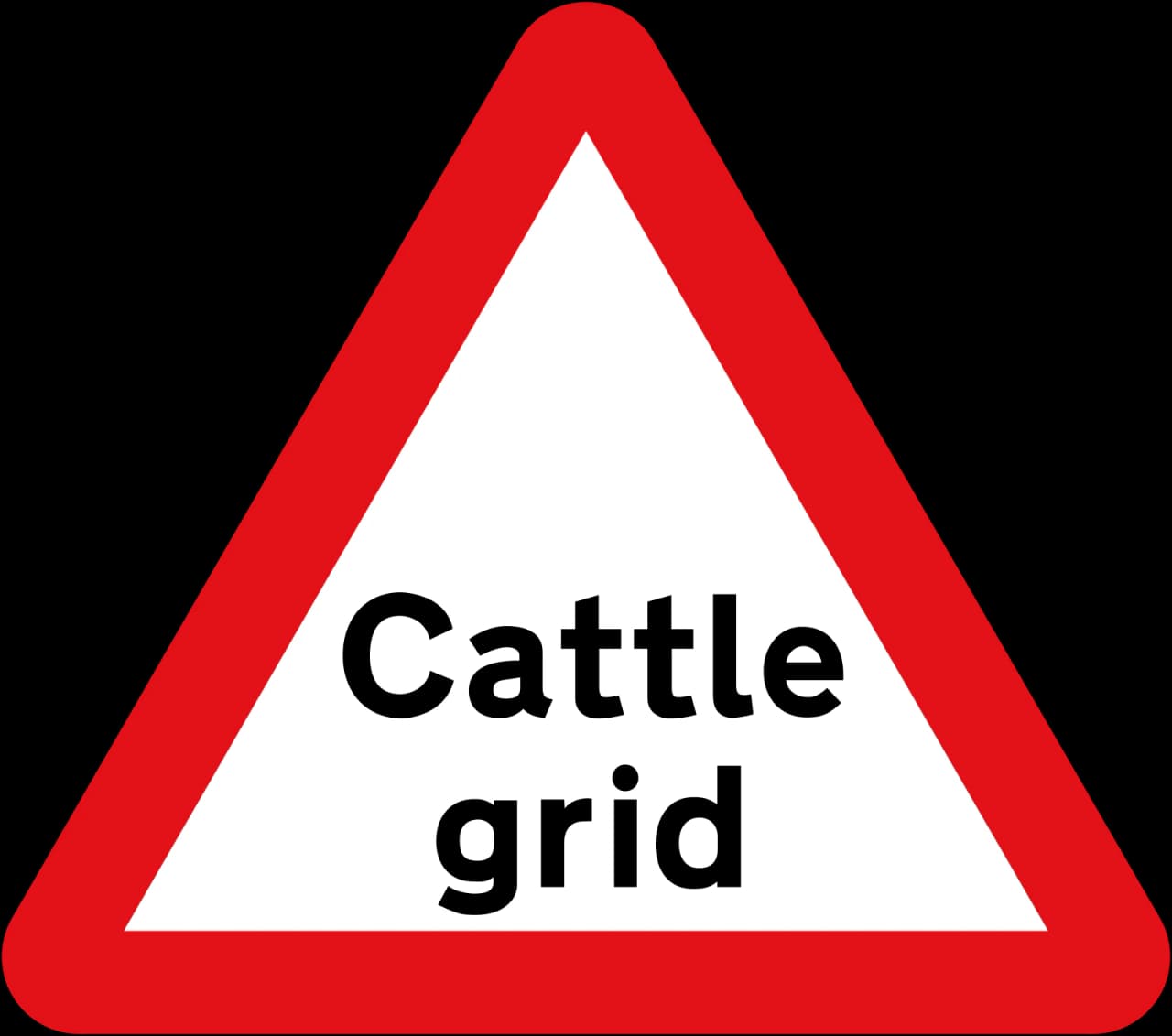
Prepare for a Cattle Grid with this advance warning road sign.

Understand the Cattle Grid Bypass Plate supplementary warning sign.
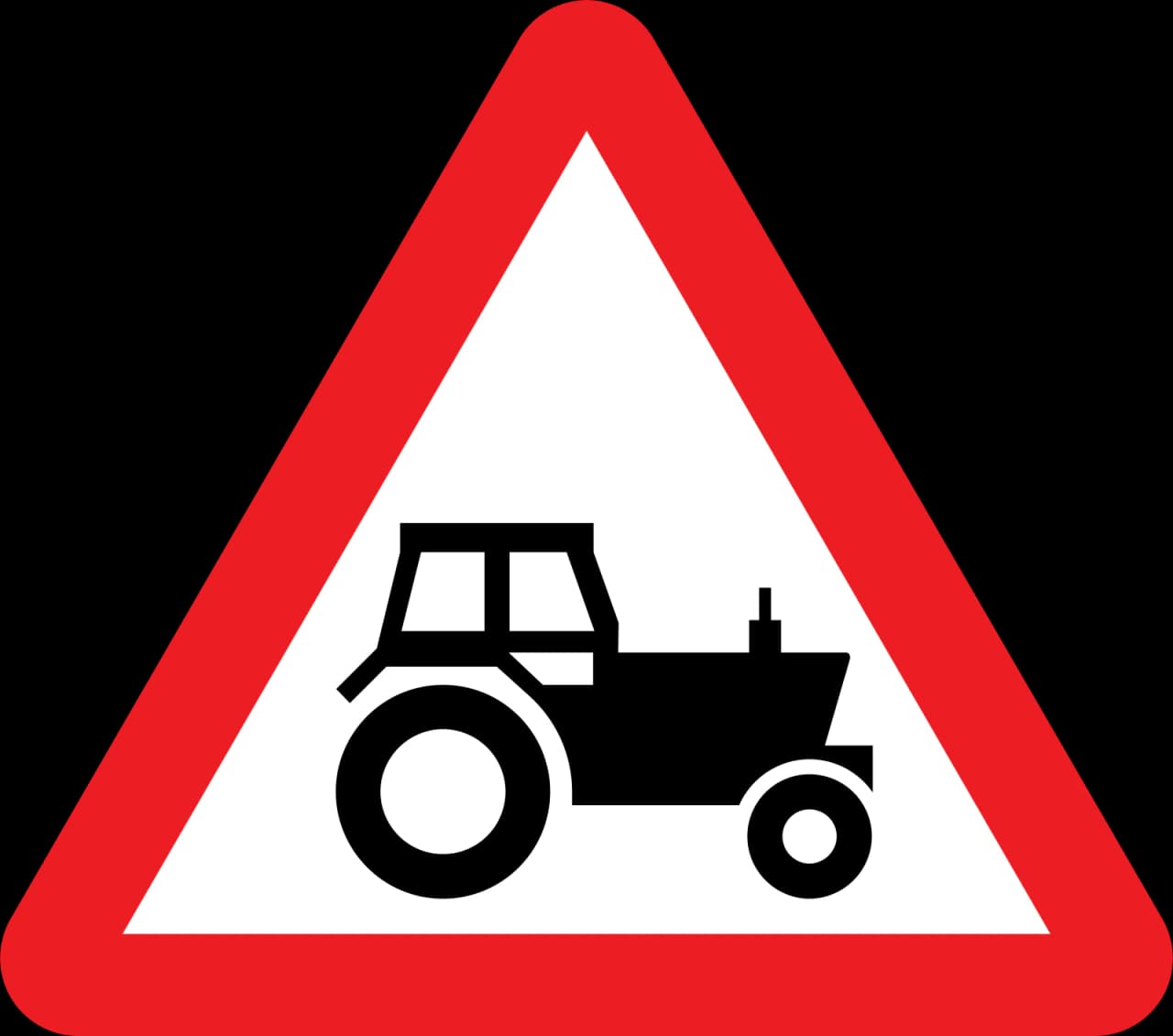
Prepare for Agricultural Vehicles Ahead with This Warning Sign
The Farm Traffic Plate (553.2) provides essential context to main warning signs.
The 'Worded Warning' sign (554) means anticipate a hazard ahead.
Prepare to check your brakes with this advance warning sign.
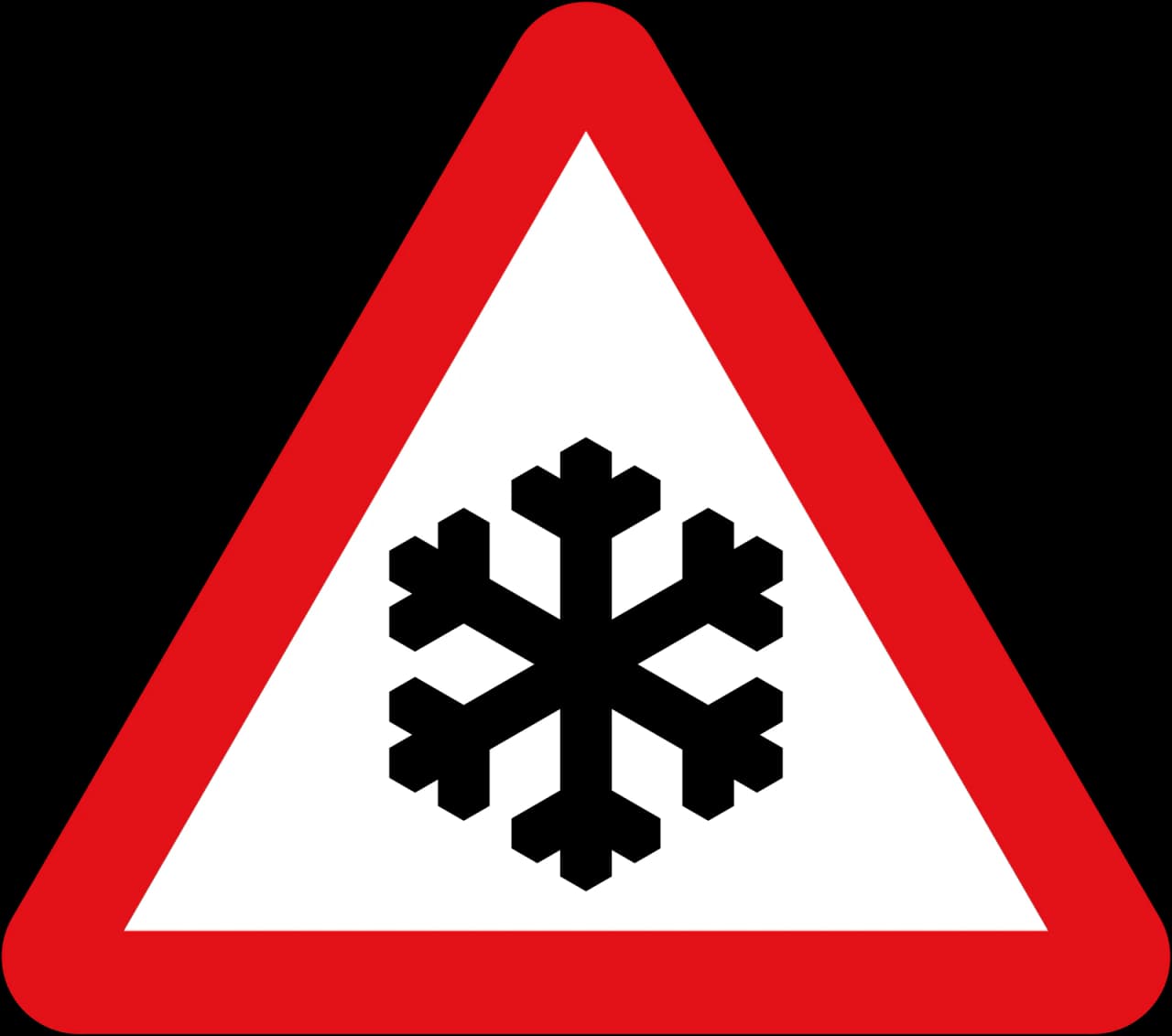
Prepare for ice and snowdrifts with this advance warning road sign.
The 554.3 Ice Warning Plate clarifies hazardous conditions ahead.
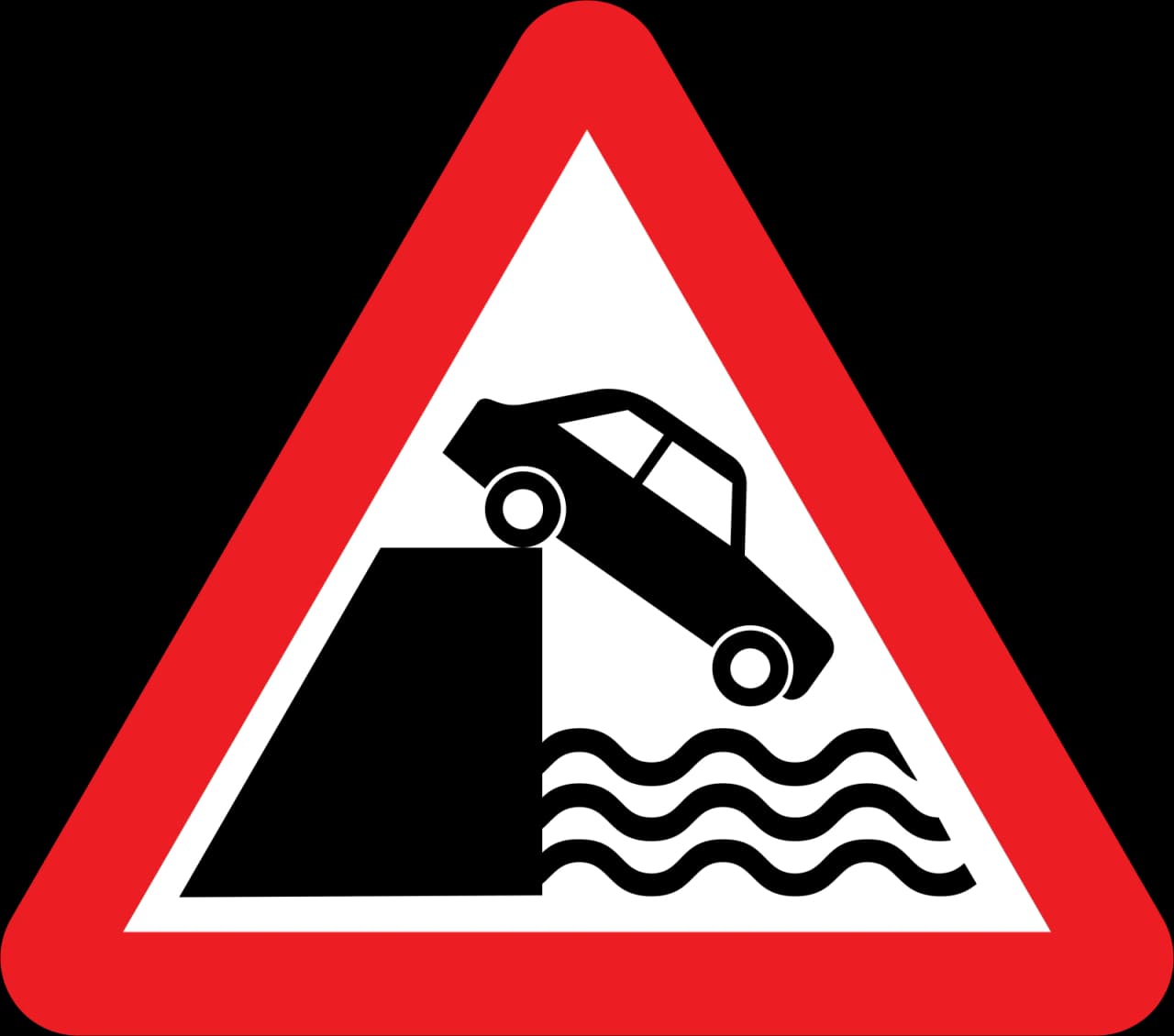
Prepare for quayside or river bank hazards with this advance warning sign.
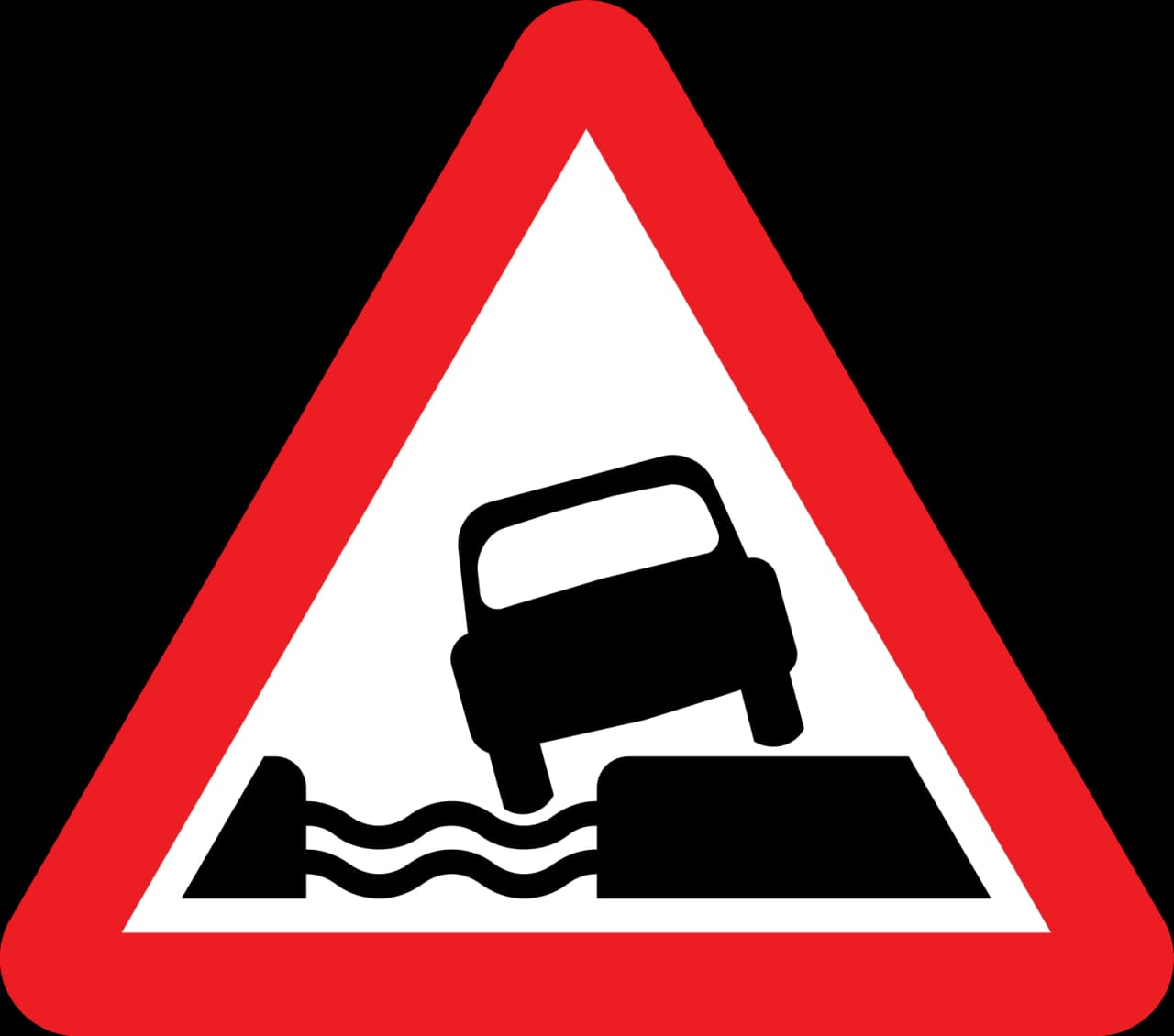
Understand the 'Water Course Alongside Road' Warning Sign (555.1)
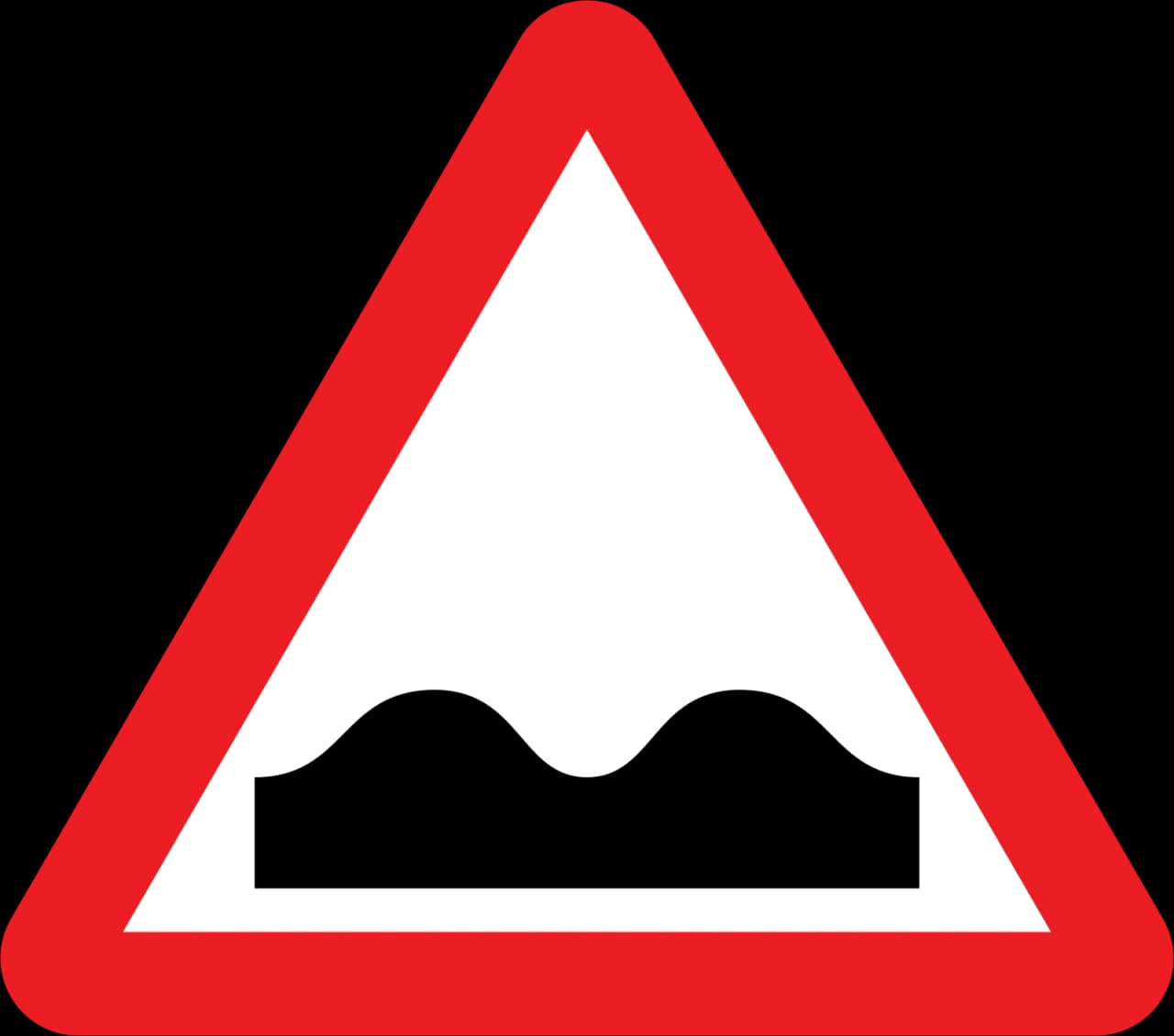
Prepare for a bumpy ride with the Uneven Road warning sign.
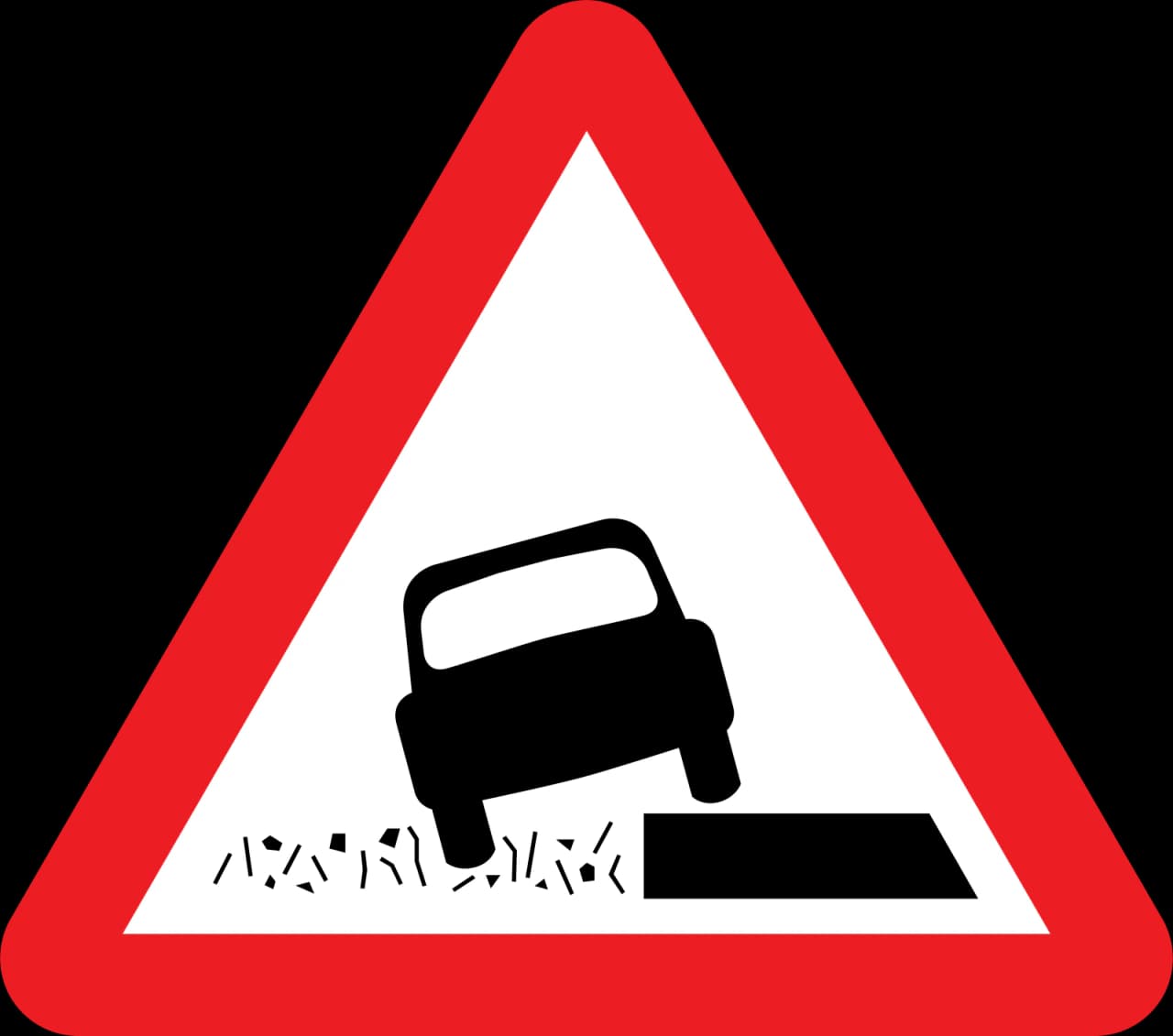
Soft Verges warning sign means prepare for softer ground ahead

Understand the Soft Verges Distance Plate (556.2) and how it modifies warnings.
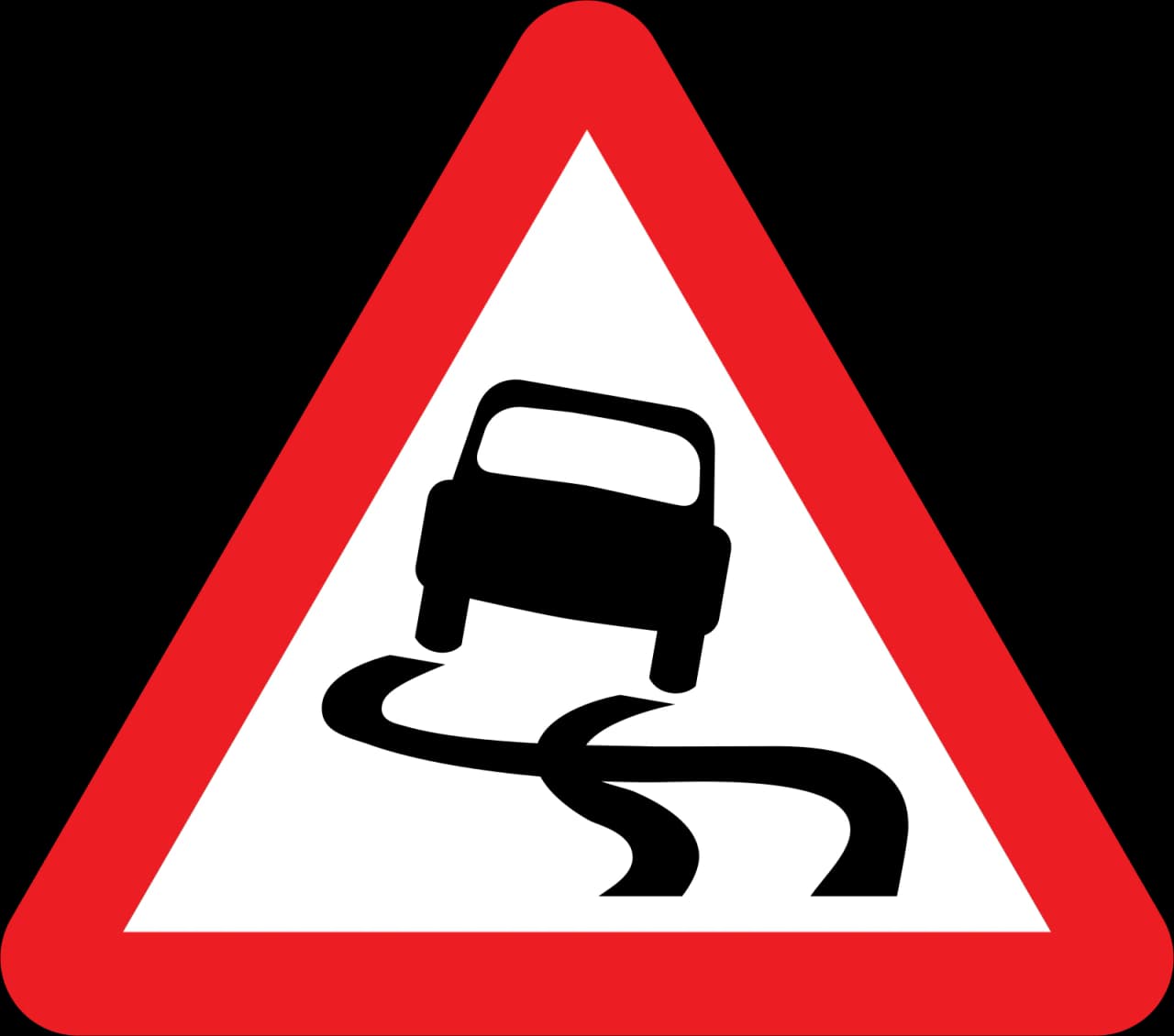
Prepare for slippery road conditions ahead with this advance warning sign.
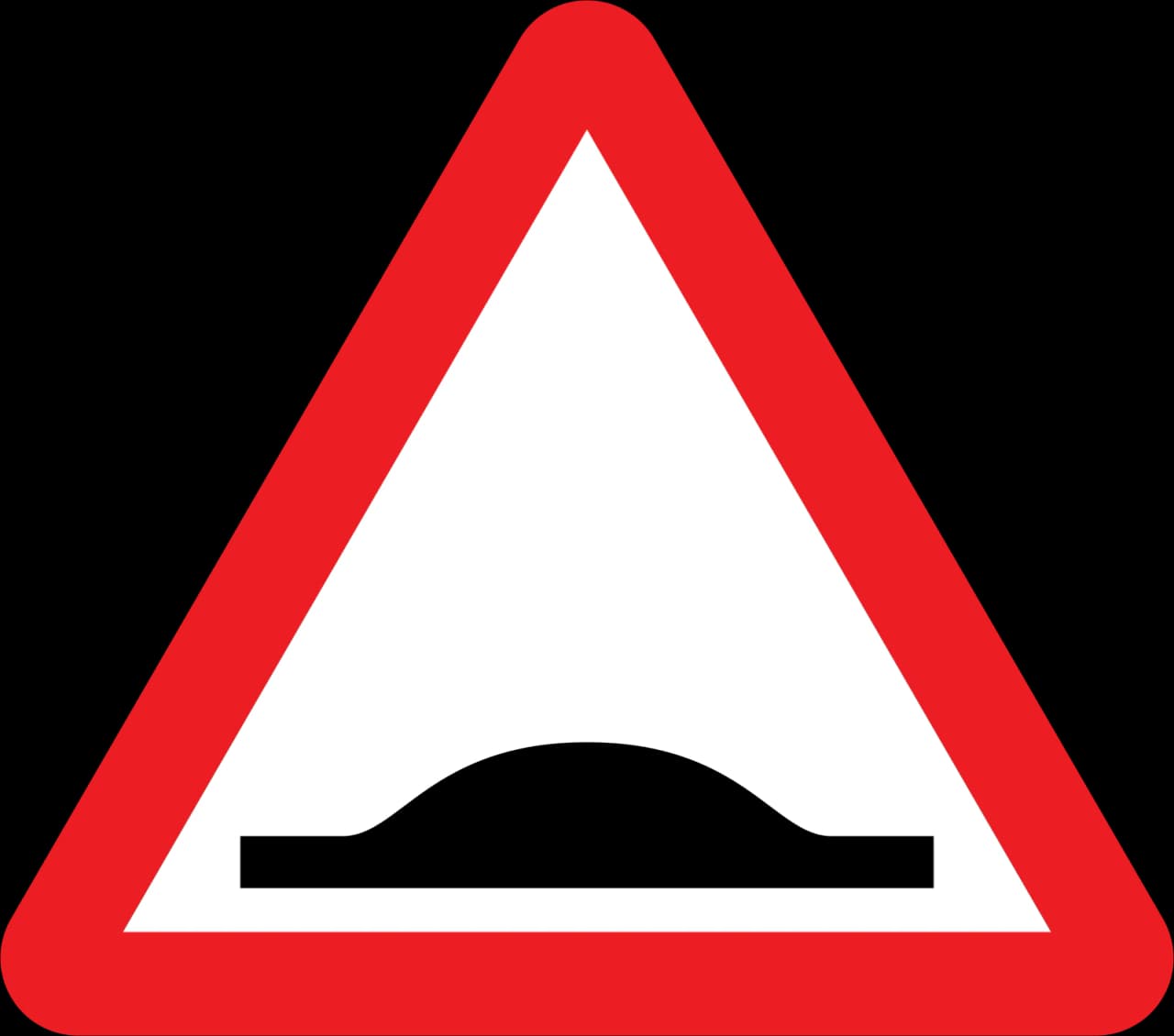
Prepare for Humps Ahead with the 557.1 Warning Sign
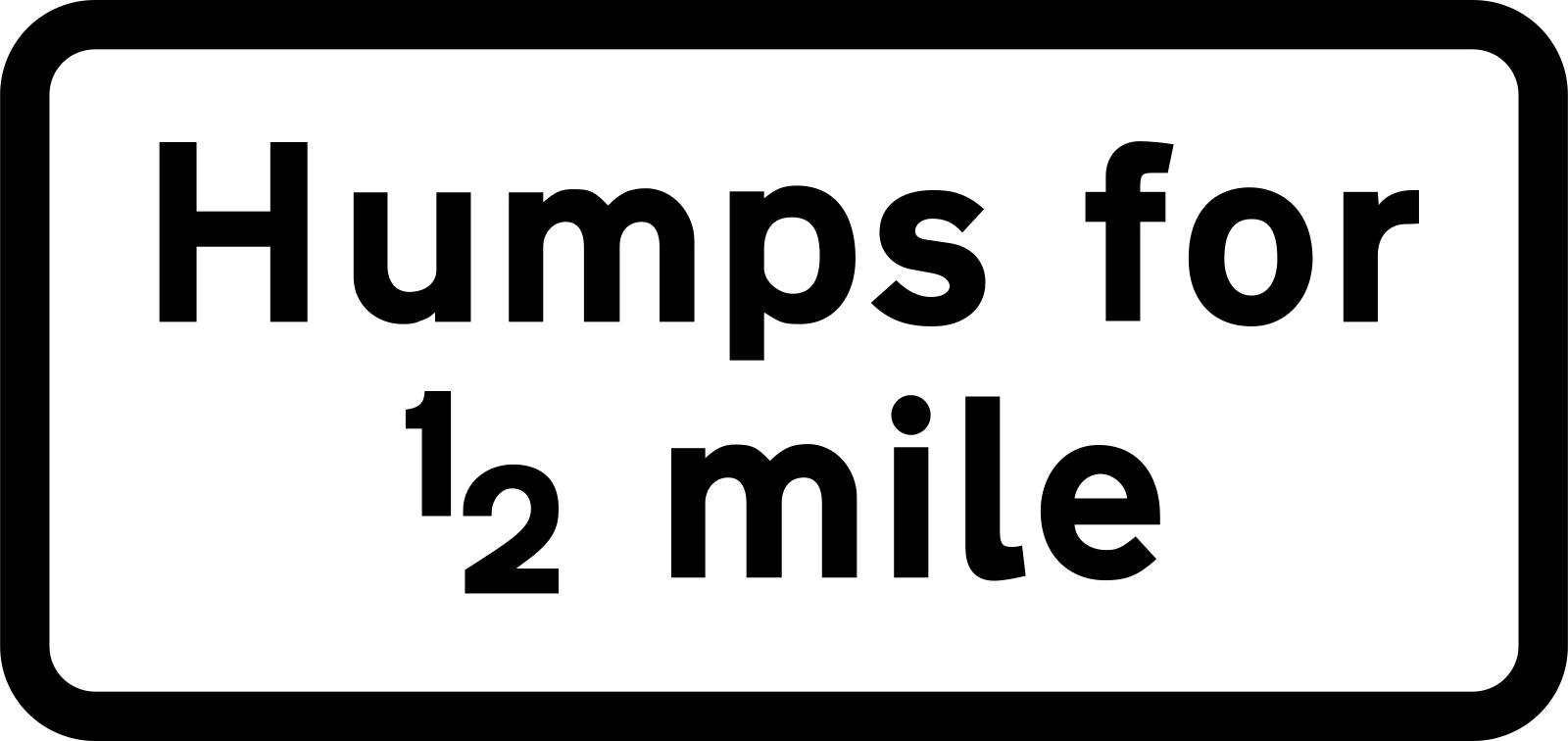
Prepare for humps ahead with the 'Distance for which humps extend' sign.

Prepare for upcoming road humps with the 'Direction to and distance for which humps extend' sign.

Advance Warning of a Hump Ahead with Direction and Distance

Prepare for low-flying aircraft or sudden noise with this warning sign.

Prepare for low-flying helicopters or sudden noise with this warning sign.

Prepare for gliders ahead with the 'Gliders Likely' warning sign.

Prepare for falling or fallen rocks with this important warning sign.
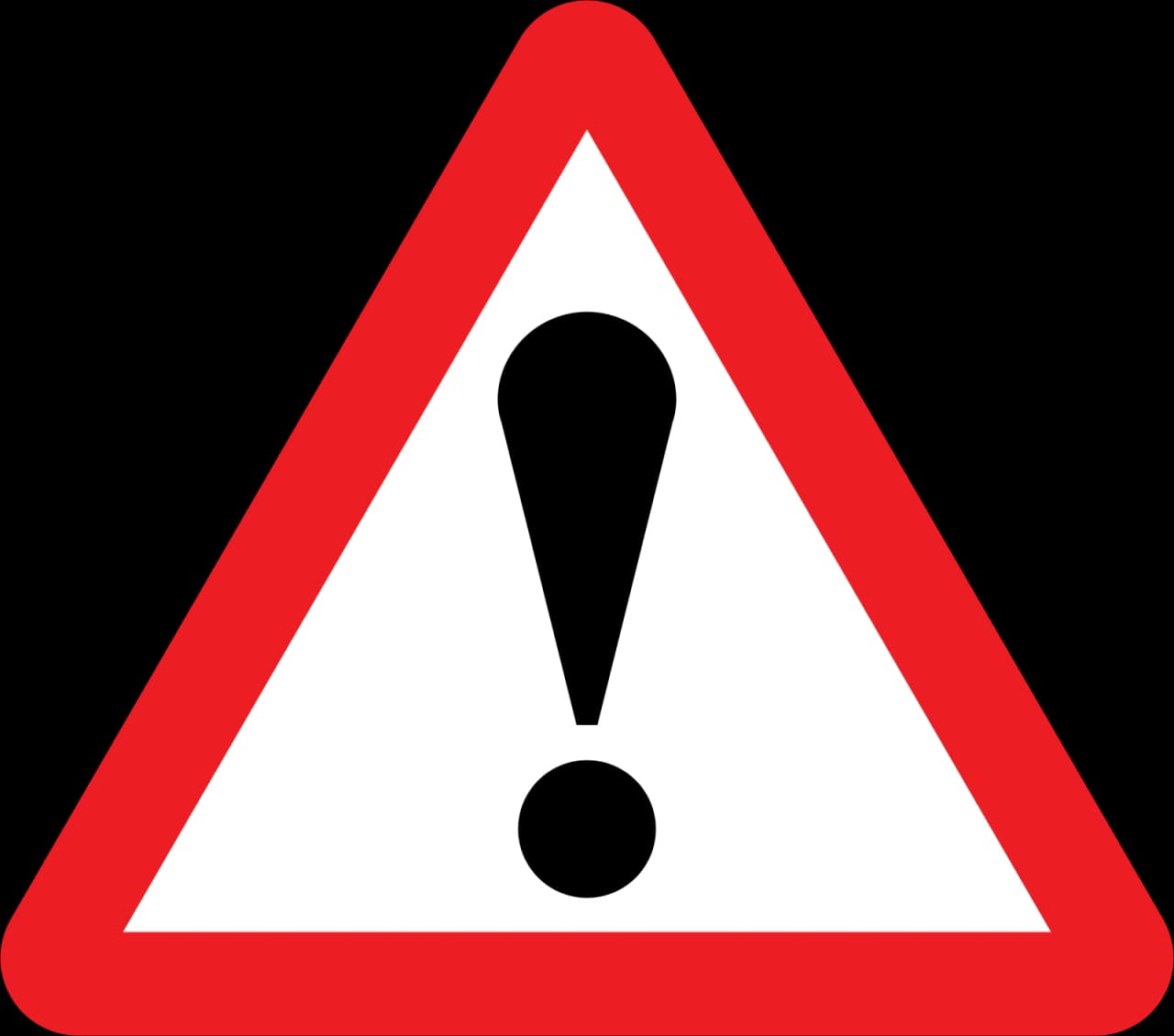
Prepare for 'Other Danger Ahead' with this crucial warning road sign.

Prepare to stop: Fire station ahead warning sign means lights will control traffic.
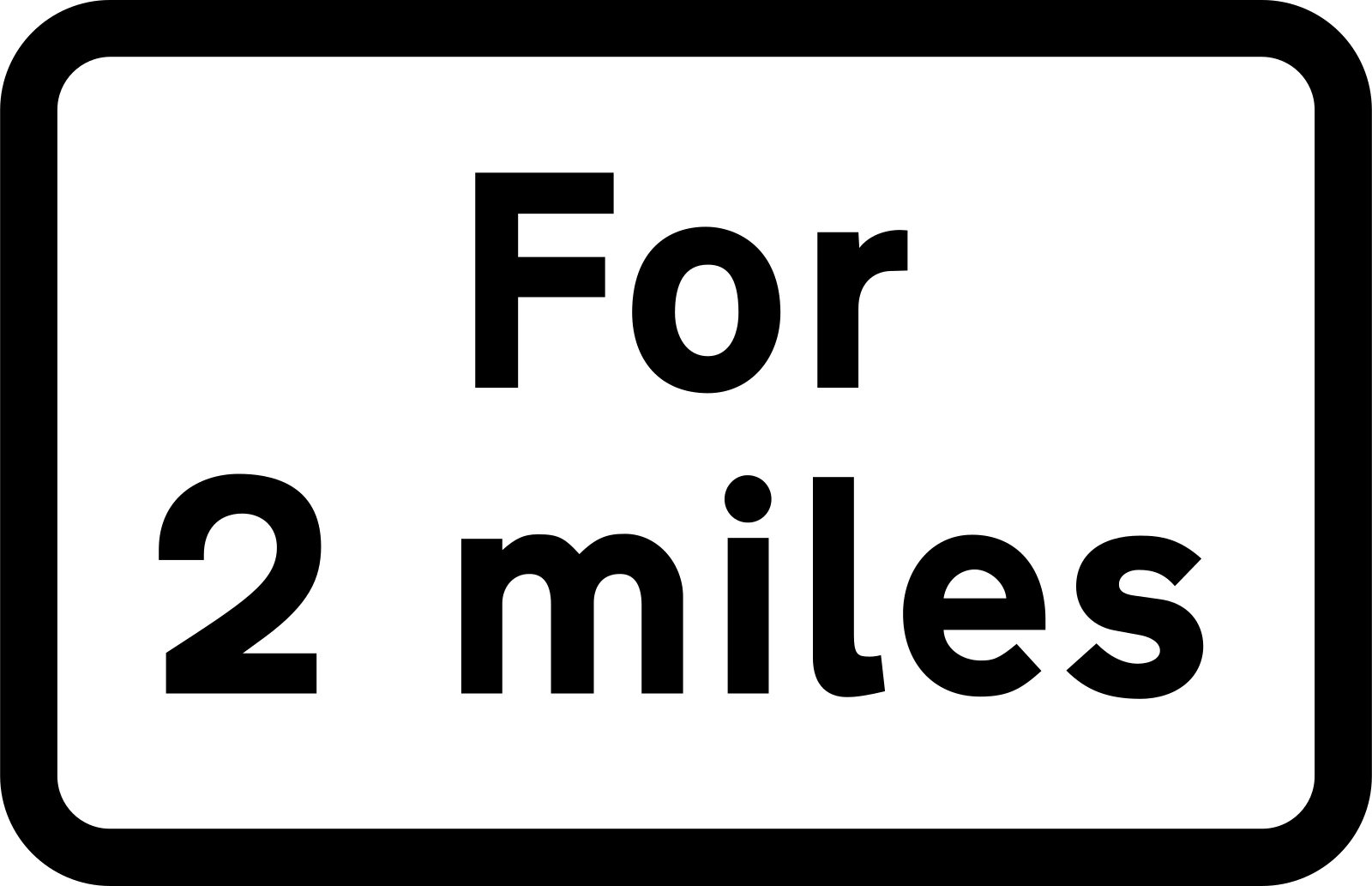
Prepare for hazards further ahead with the 'Distance Over Which Hazard Extends' sign.
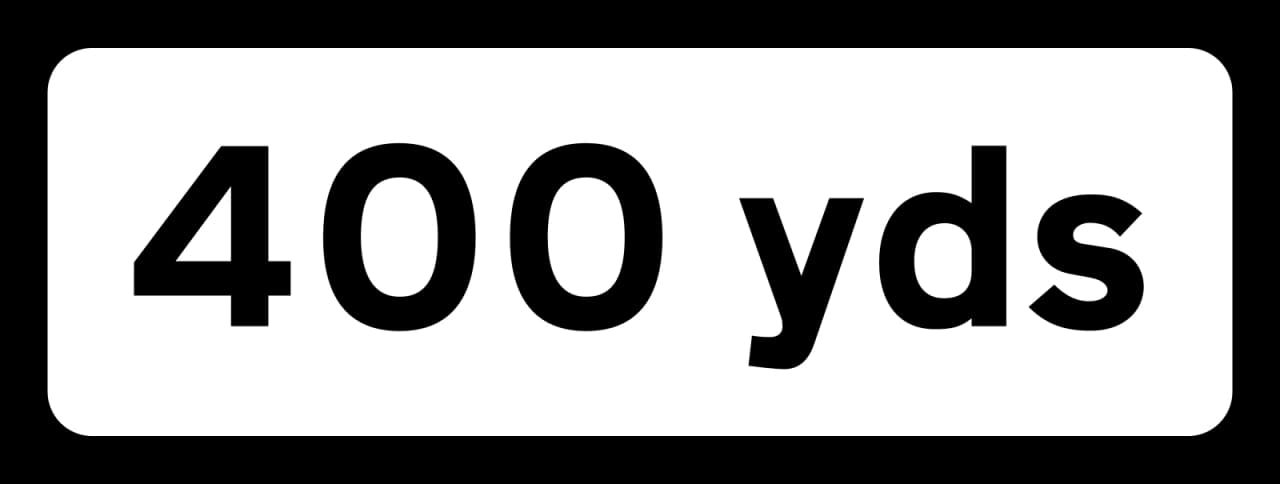
Understand the 'Distance to Hazard' warning sign and how to use the information it provides.
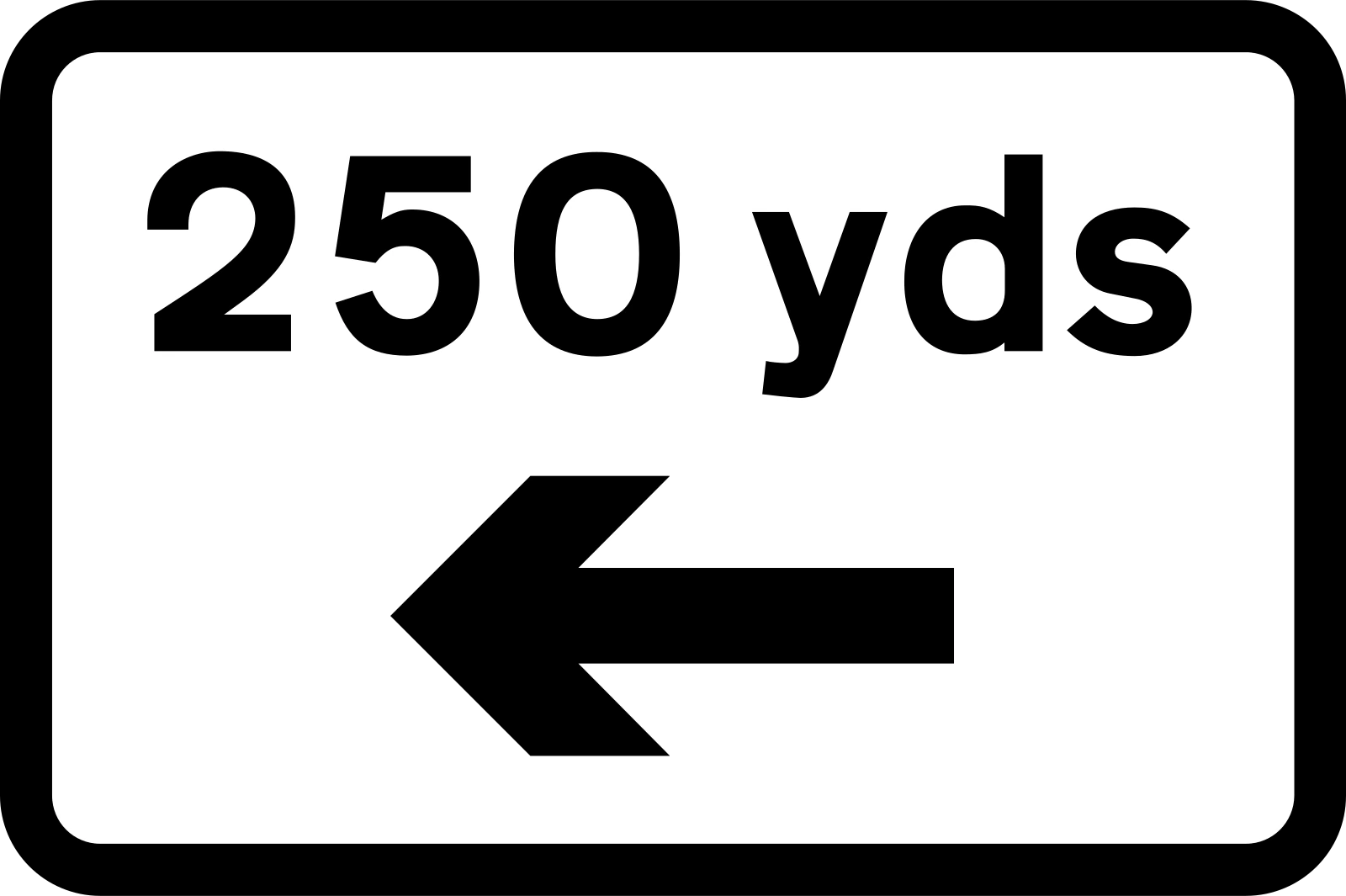
Prepare for upcoming hazards with the Distance and Direction to Hazard warning sign.
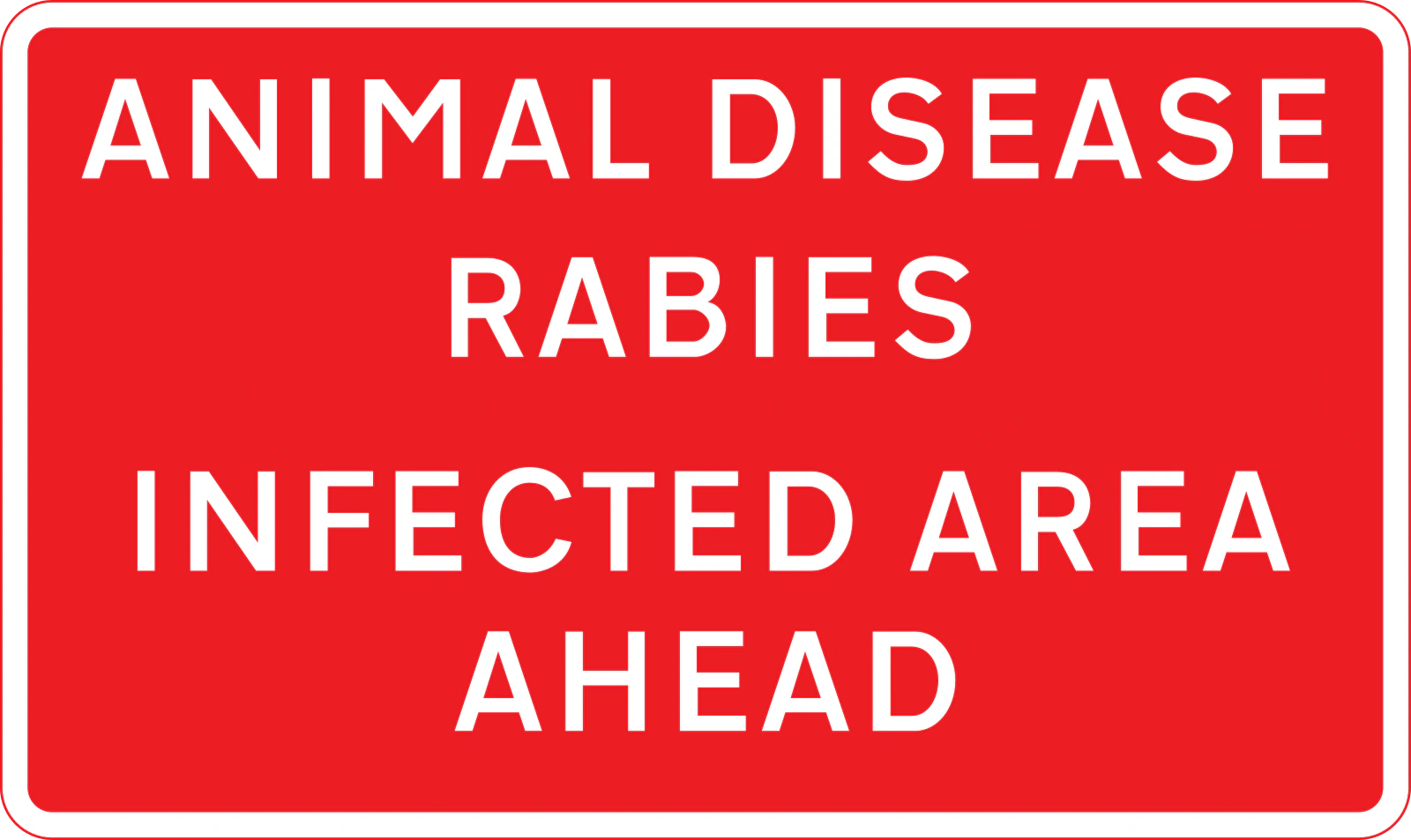
Prepare for potential animal presence with the 'Area infected by animal disease' warning sign.
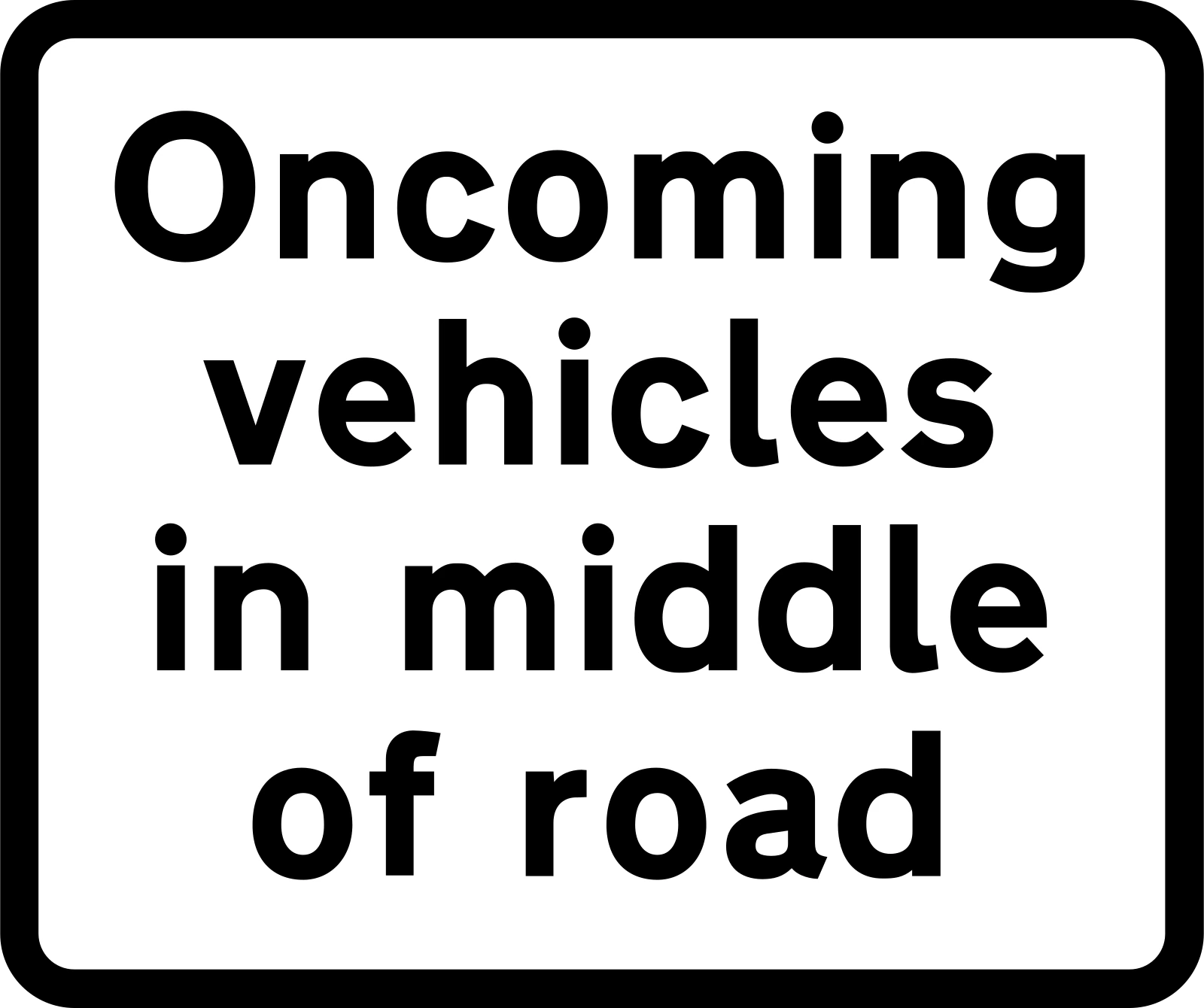
Understand the 'Oncoming Traffic in the Middle' Warning Sign (575)
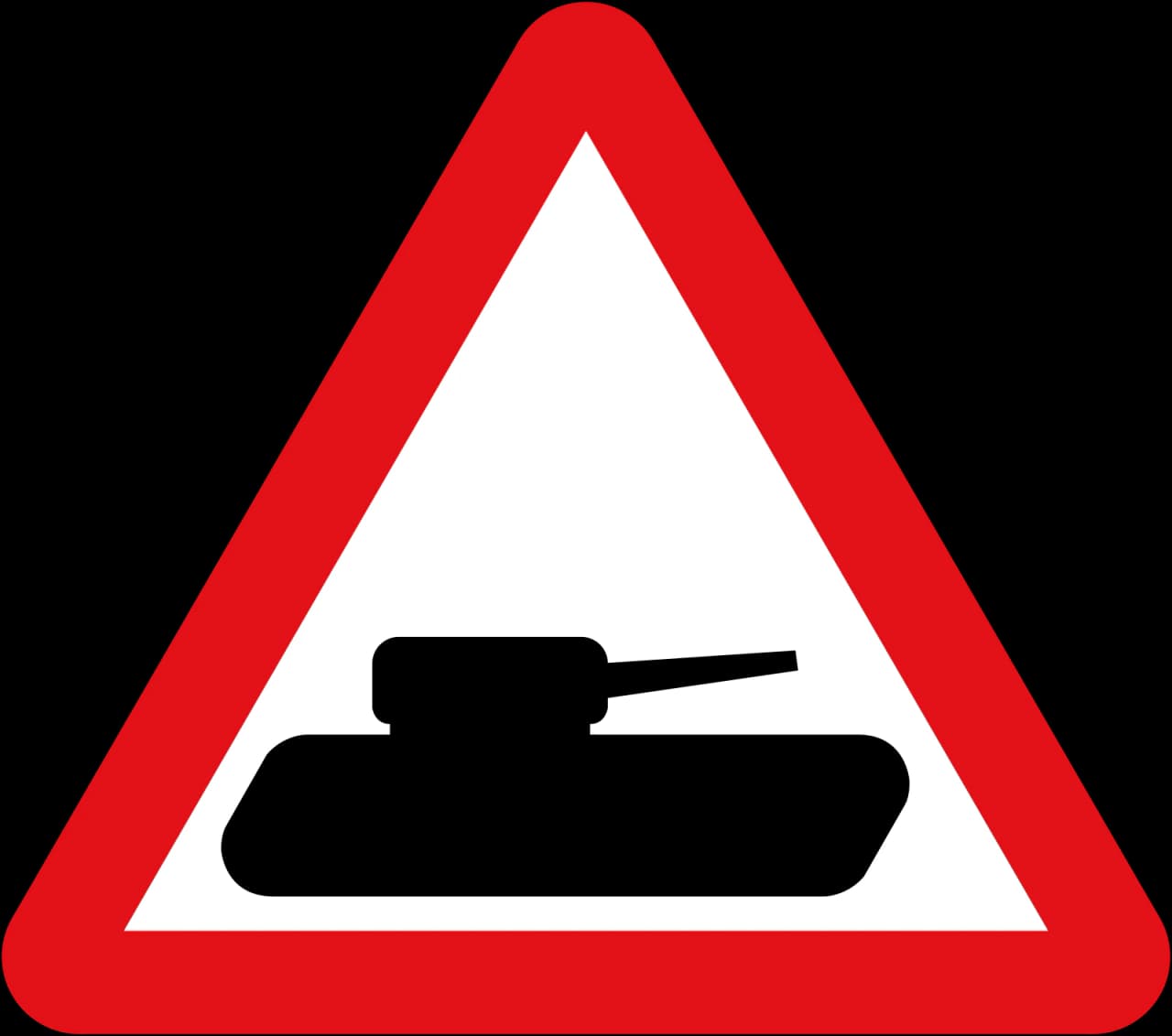
Prepare for Slow-Moving Military Vehicles with Sign 582

Prepare for slow-moving vehicles ahead with this advance warning traffic sign.

Understand the 583.1 supplementary plate for slow-moving vehicle distance warnings.
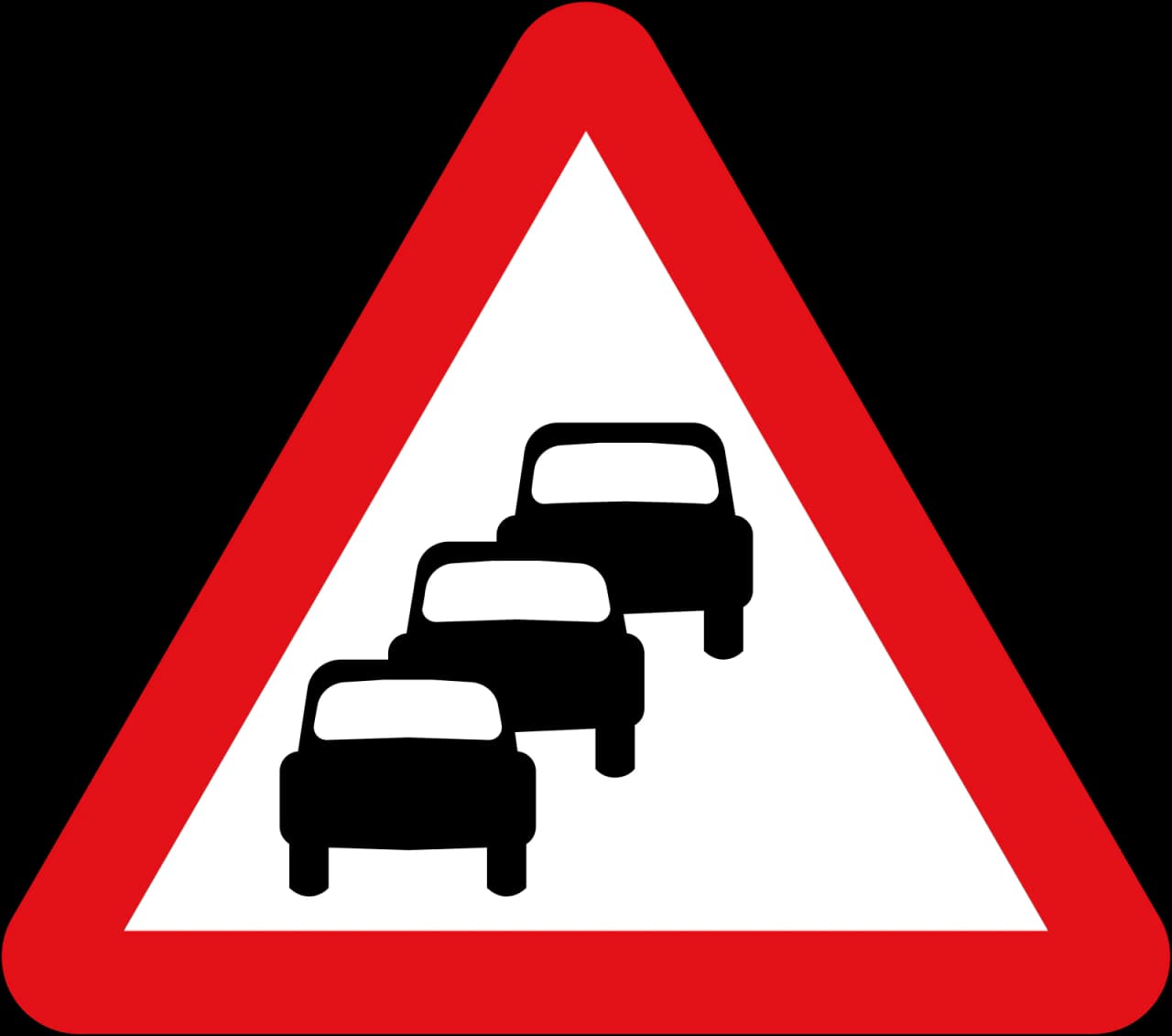
Prepare for traffic queues ahead with this warning sign.
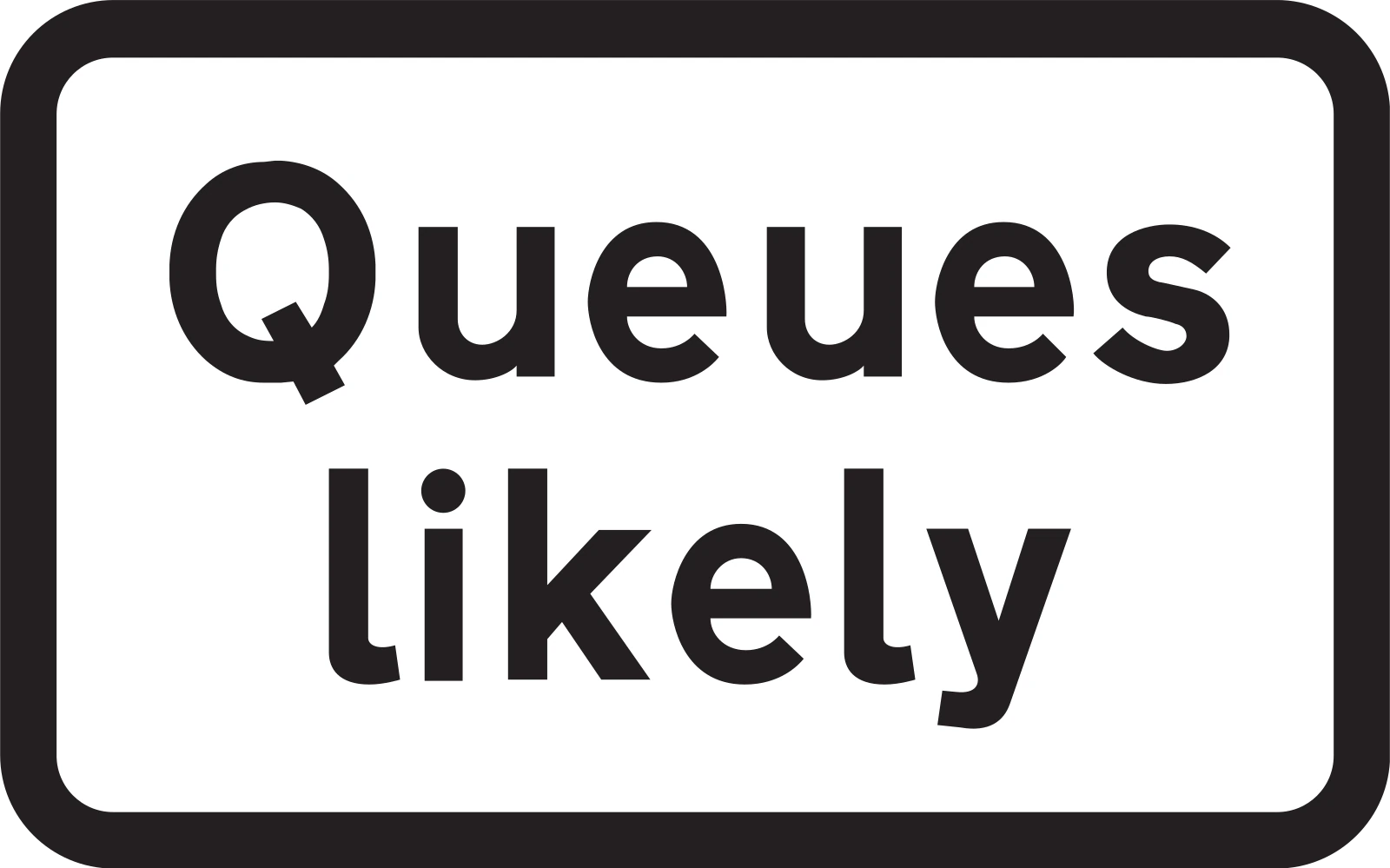
Understand the 'Queues Likely' Supplementary Warning Plate (584.1)
Clear answers to common questions about the Great Britain Warning Signs road sign category. Use this FAQ to review tricky rules, understand how these signs appear in exam scenarios, and remove confusion that often leads to mistakes in the British driving theory exam in Great Britain.
A 'bend to right' sign (512) simply warns you that the road curves to the right. A 'junction on a bend' sign (512.1, 512.2) indicates that there is a junction located on that bend. You need to be extra vigilant for traffic joining or leaving the road at this point, especially on a curve where visibility might be reduced.
Many warning signs are accompanied by supplementary plates. Signs like 'Distance to hazard' (572), 'Distance over which hazard extends' (570), or 'Distance and direction to hazard' (573) will tell you exactly how far away the danger is, or for how long it lasts. Always pay attention to these plates as they provide crucial context for how to react.
Signs depicting animals such as cattle (548), sheep (549), or horses (550, 550.1, 550.2) warn you that these animals may be in the road or crossing it. You should immediately reduce your speed, be prepared to stop, and scan the roadside for any animals. Be particularly cautious on rural roads or near farms. If you see a cattle grid sign (552), be aware of the grid itself and the possibility of animals nearby or using the bypass.
Yes, there are signs for steep hills upwards (524.1) and downwards (523.1), often with percentage gradients indicated. These are crucial warnings. For steep descents, be prepared to select a lower gear to control your speed without excessive braking. For steep ascents, be aware that other vehicles may struggle for power, and you might need to be patient. Supplementary plates (525, 526, 527) might provide more context, such as the length of the hill or specific instructions like 'Try brakes after crossing a ford or before descending a steep hill' (554.1).
The 'Traffic queues likely ahead' sign (584) is a vital early warning. It means you should anticipate a sudden reduction in speed or a complete stop further down the road, perhaps due to congestion, an accident, or road works. As soon as you see this sign, you should check your mirrors for traffic behind you, ease off the accelerator, and prepare to brake gently. This helps avoid a rear-end collision and allows you to merge smoothly if lanes are merging.
Ready to master Great Britain road signs? Explore organized categories and groups for structured learning. Understanding signs by type improves recall and comprehension, ensuring thorough preparation for your DVSA theory test.
Great Britain Road Sign Groups