
The 503 'Distance to GIVE WAY Line' is a supplementary warning plate used in Great Britain. It clarifies how far away you are from a GIVE WAY line when used with another warning sign. This helps you judge when to start slowing down and preparing to yield, ensuring you have adequate space and time to react safely to the upcoming junction or hazard. Always combine its message with the main warning sign and your overall assessment of the road conditions.
This supplementary plate refines the meaning of primary warning signs, indicating the distance to the GIVE WAY line and preparing you for upcoming traffic rules. Mastering road sign meaning is essential for theory test revision and safe driving.
This warning plate refines the meaning of the main warning sign by adding wording, distance, direction, or context. It is not a stand-alone decoration; it changes how the driver should prepare for the hazard. In a theory-test setting, the safe response is to combine the plate with the main symbol, check mirrors, manage speed early, and leave enough room for the condition described. It is listed in the catalogue as code 503.
"Distance to GIVE WAY line plate" is a supplementary warning plate that adds practical detail to the main hazard sign. It helps the driver understand the distance to the GIVE WAY line, judge where the warning applies, and prepare before reaching the affected part of the road.
Get clear, practical answers to the most common questions about the 503 - Distance to GIVE WAY line plate road sign. Learn how the sign works, what rules it represents, and how it affects real driving situations. This FAQ strengthens your understanding and supports accurate decision making for the British driving theory exam in Great Britain.
The 503 plate is not a standalone sign; it's an addition to another warning sign. Its purpose is to tell you the distance to the upcoming GIVE WAY line. This helps you anticipate the hazard sooner and prepare your vehicle for the change in road conditions or priority.
When you see the 503 plate, immediately combine its information with the primary warning sign. Start to assess your speed, check your mirrors for traffic behind you, and begin to adjust your speed smoothly. Don't wait until you're right on top of the GIVE WAY line to react; begin your preparation based on the distance indicated and the nature of the main warning.
Yes, you must avoid several actions. Do not ignore the warning or dismiss it as unimportant. Don't delay reducing your speed; start preparing well in advance. Avoid overtaking, sudden acceleration, or abrupt lane changes, as these actions reduce your safety margin when approaching a hazard.
A common mistake is treating the 503 sign as the main hazard itself, rather than as additional information for an existing hazard. Learners might also fail to start slowing down early enough, or they might focus solely on the sign and neglect to check their mirrors or surroundings. Remember, it modifies how you should prepare for the hazard indicated by the primary sign.
No, the 503 sign itself does not mean you must stop. It indicates the distance to a GIVE WAY line. Your requirement to stop or yield will depend on the main warning sign it accompanies and the traffic conditions at the GIVE WAY line. You must be prepared to stop if necessary, but the sign's primary function is to inform about proximity to a yield point.
A clear reference image of the 503 - Distance to GIVE WAY line plate road sign used in Great Britain.
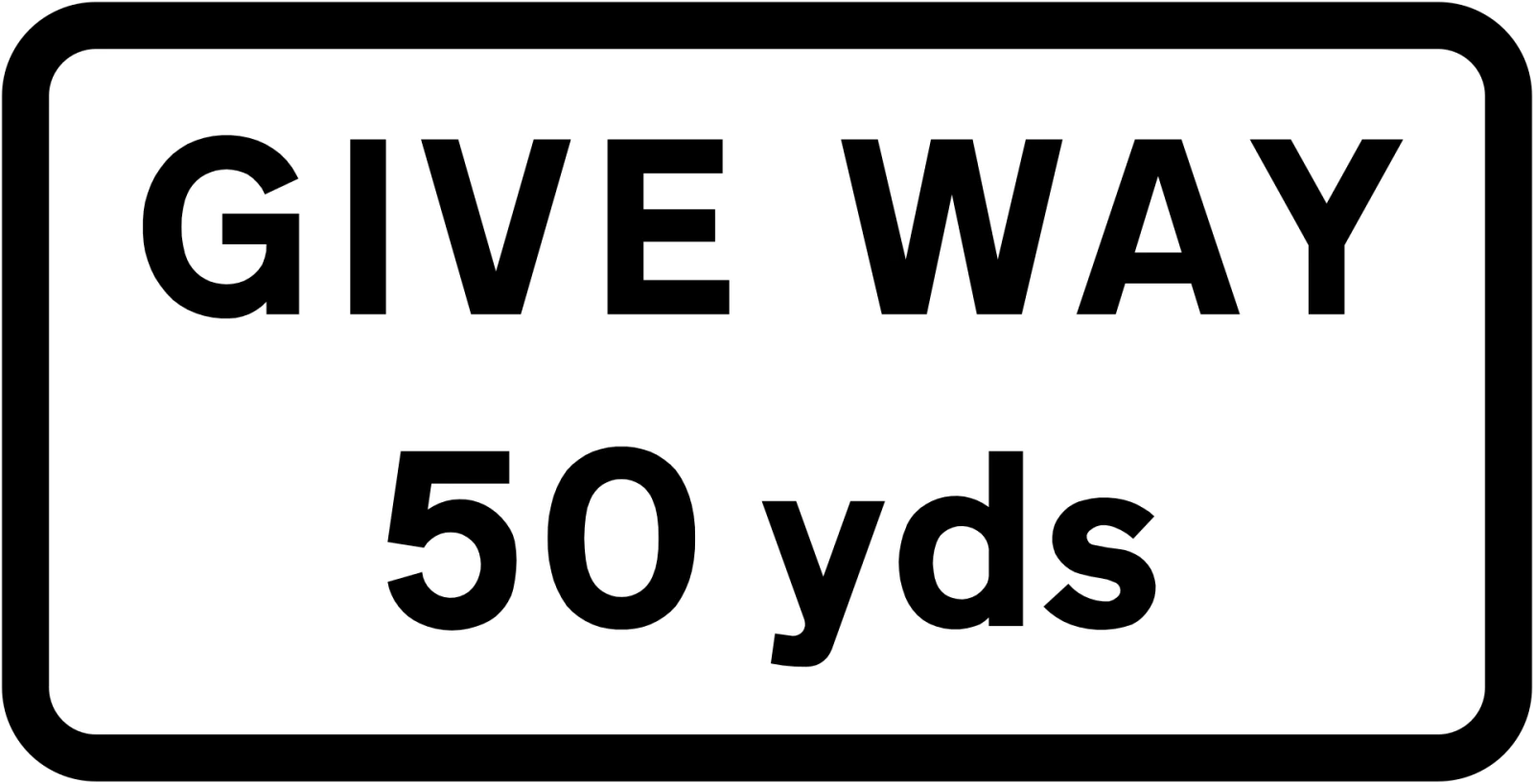
The 503 - Distance to GIVE WAY line plate road sign may also be known by these alternative names or terms.
The 503 - Distance to GIVE WAY line plate road sign is part of the Great Britain Warning Signs category, which groups together signs with similar rules and functions.
Mastering traffic sign comparison is key for theory test revision. Studying similar road signs side-by-side boosts sign recognition and reduces errors on your Great Britain driving licence theory exam.
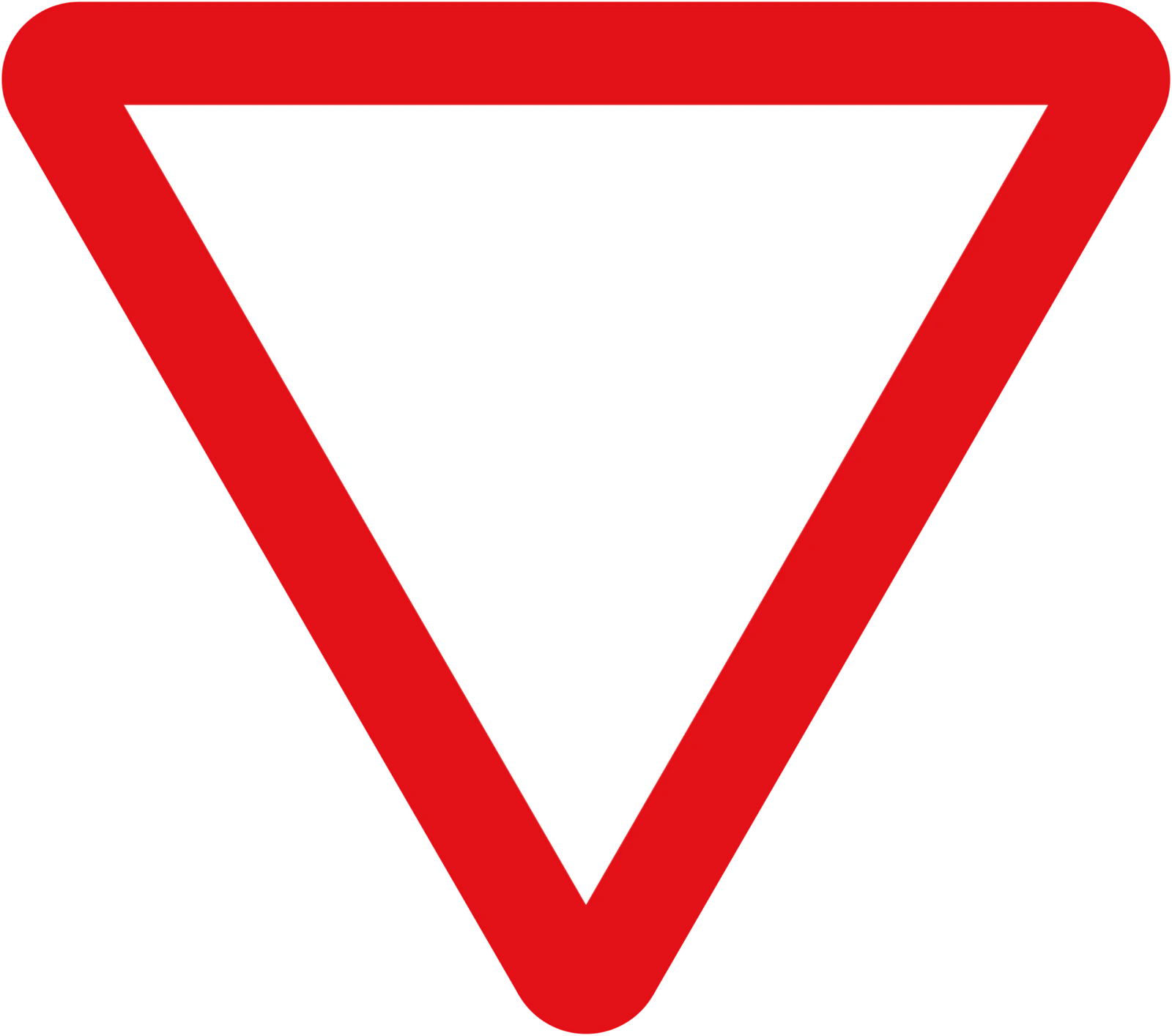
Prepare for a STOP or GIVE WAY sign ahead with this crucial advance warning.
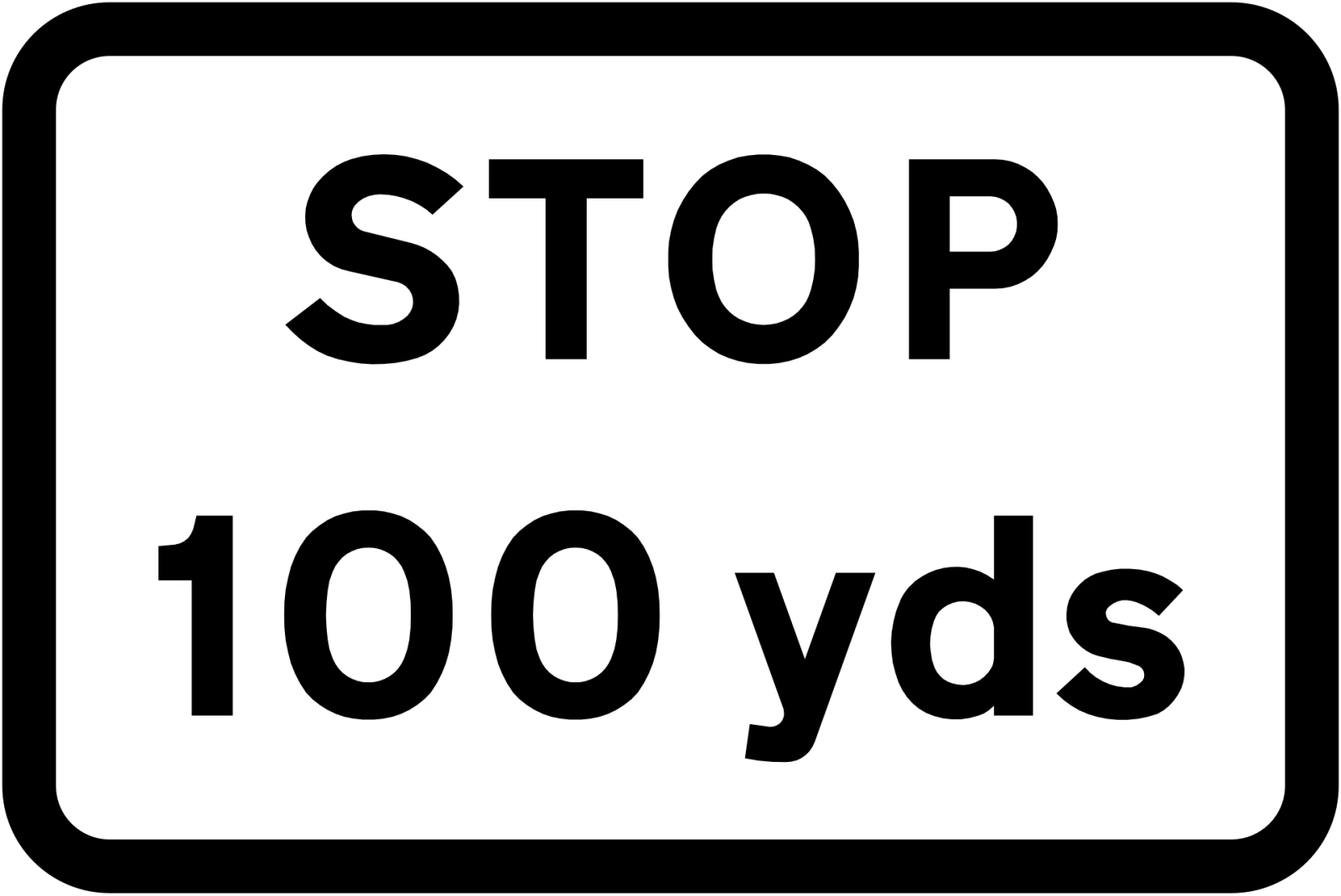
The 502 'Distance to STOP line' plate adds vital information to warning signs.
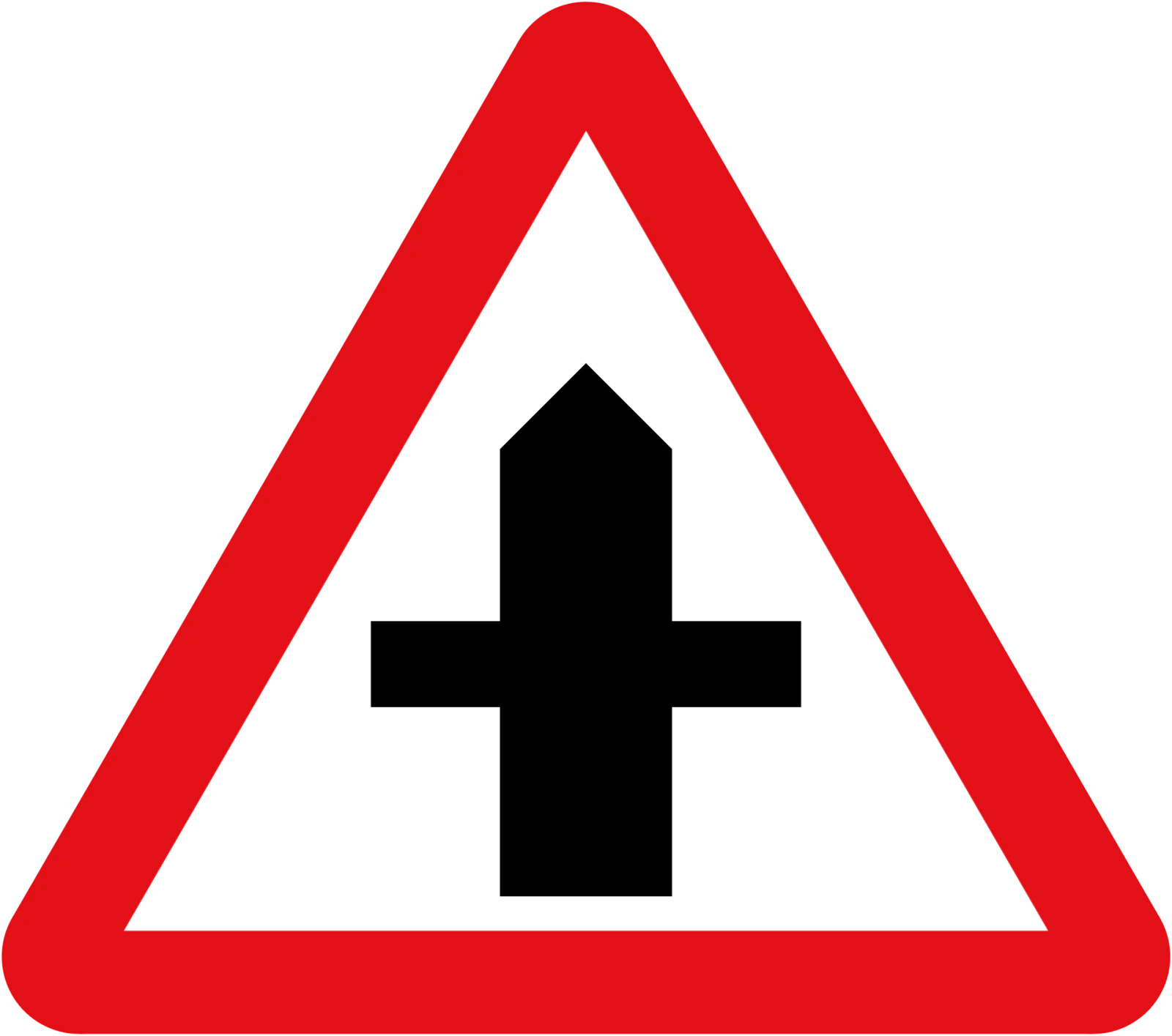
Prepare for Crossroads with the 504.1 Advance Warning Sign
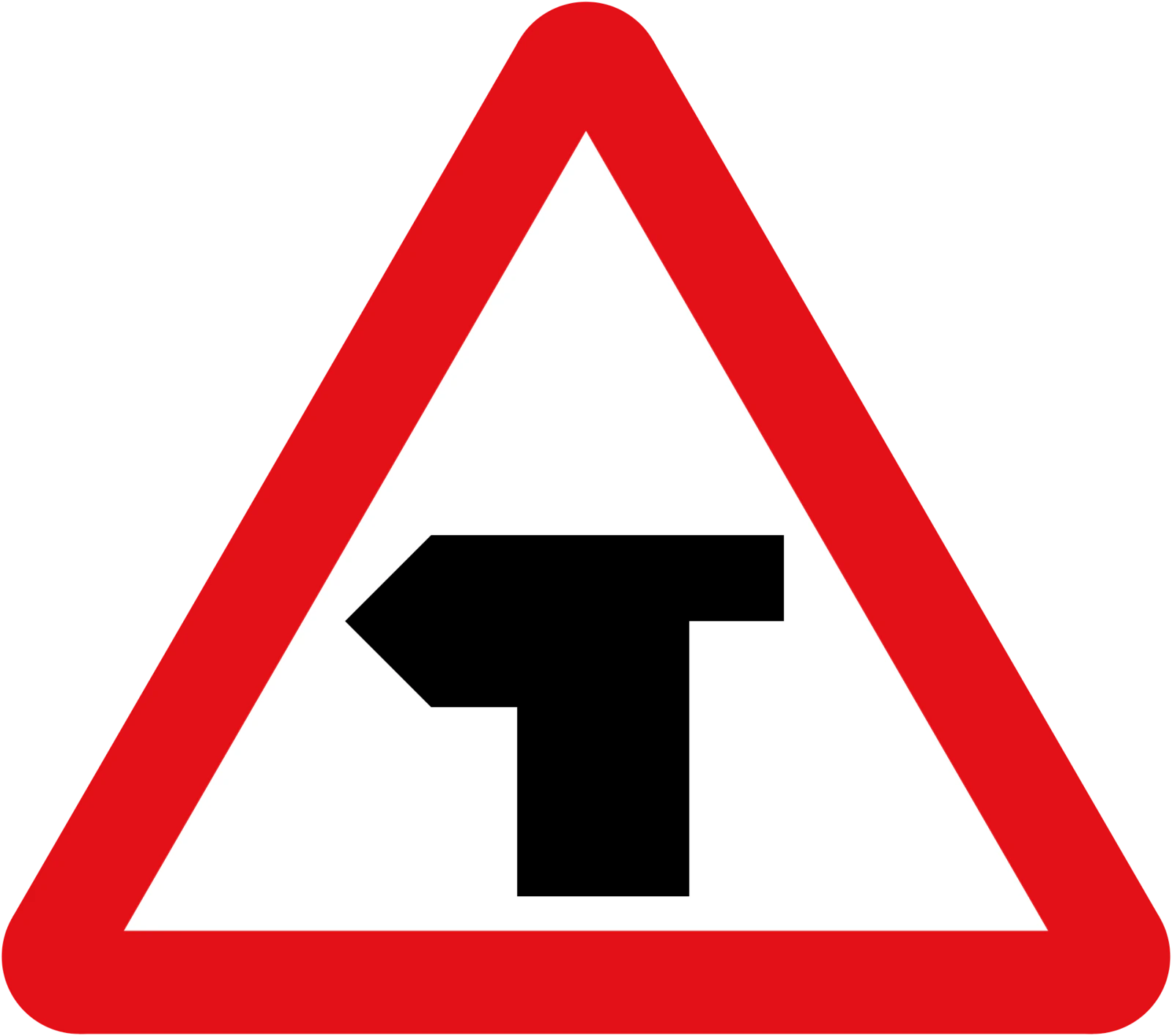
Prepare for a T-junction ahead with this advance warning road sign.
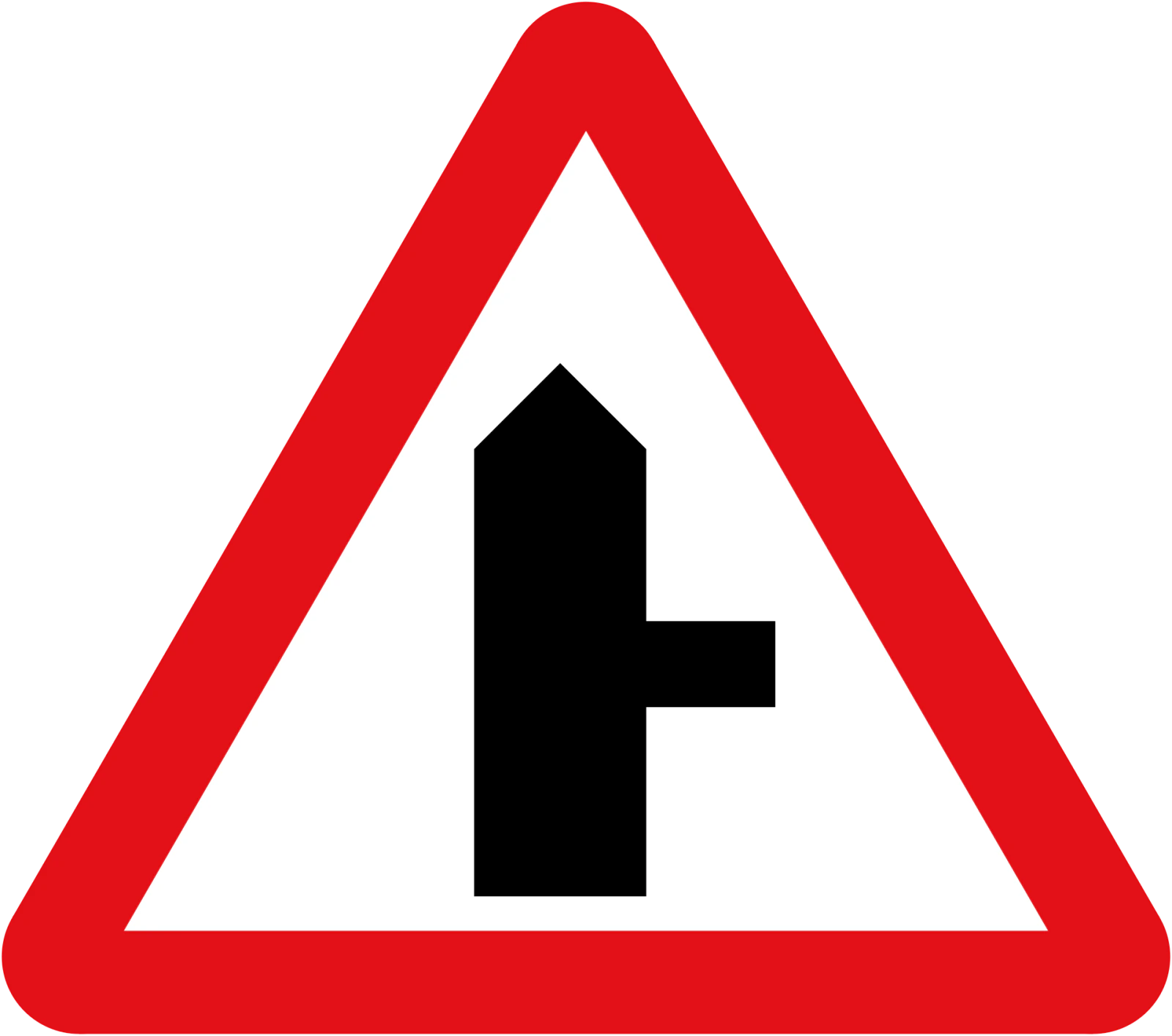
Prepare for a side road joining from the right with this advance warning sign.
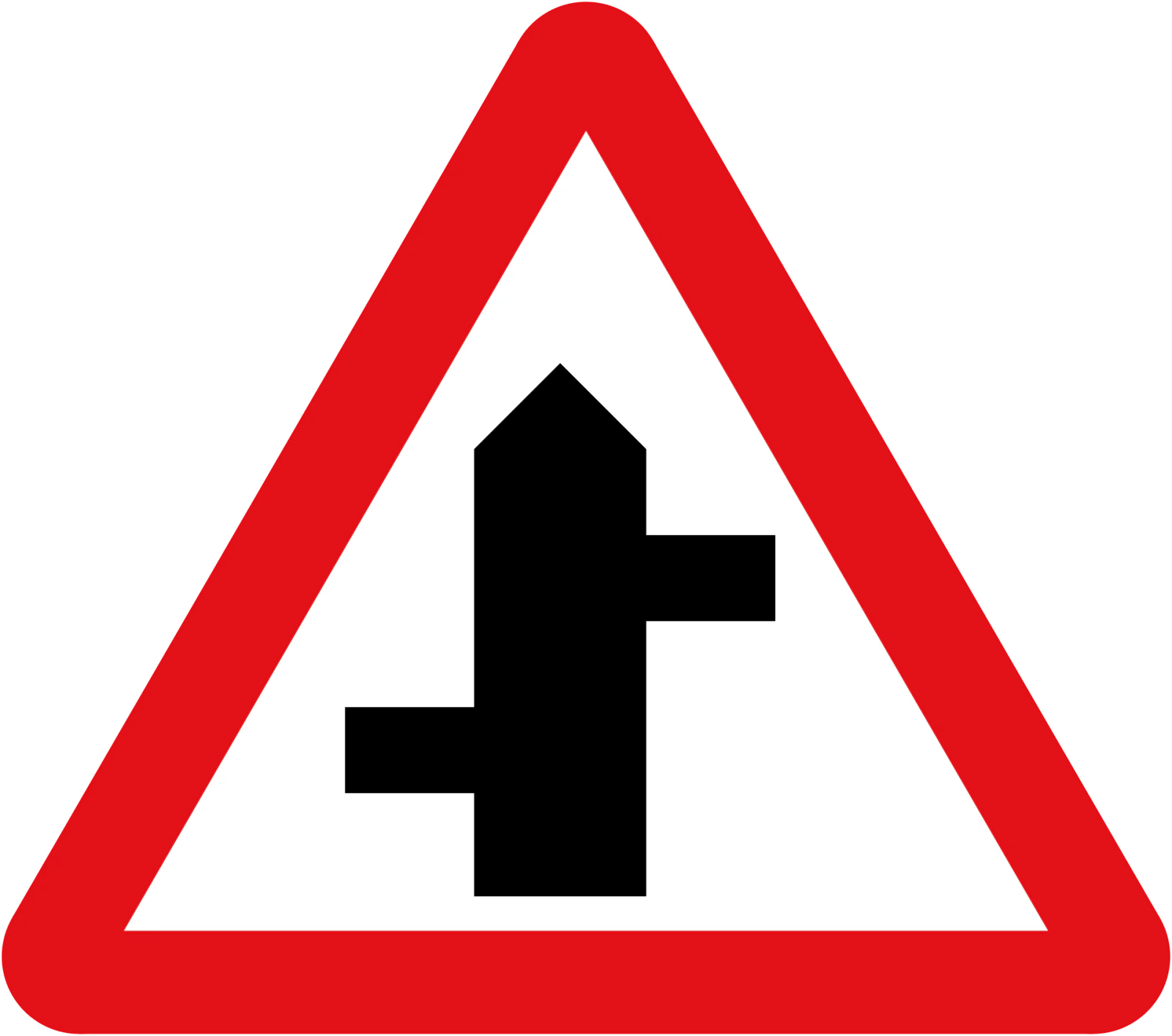
Prepare for a staggered junction ahead with this advance warning sign.
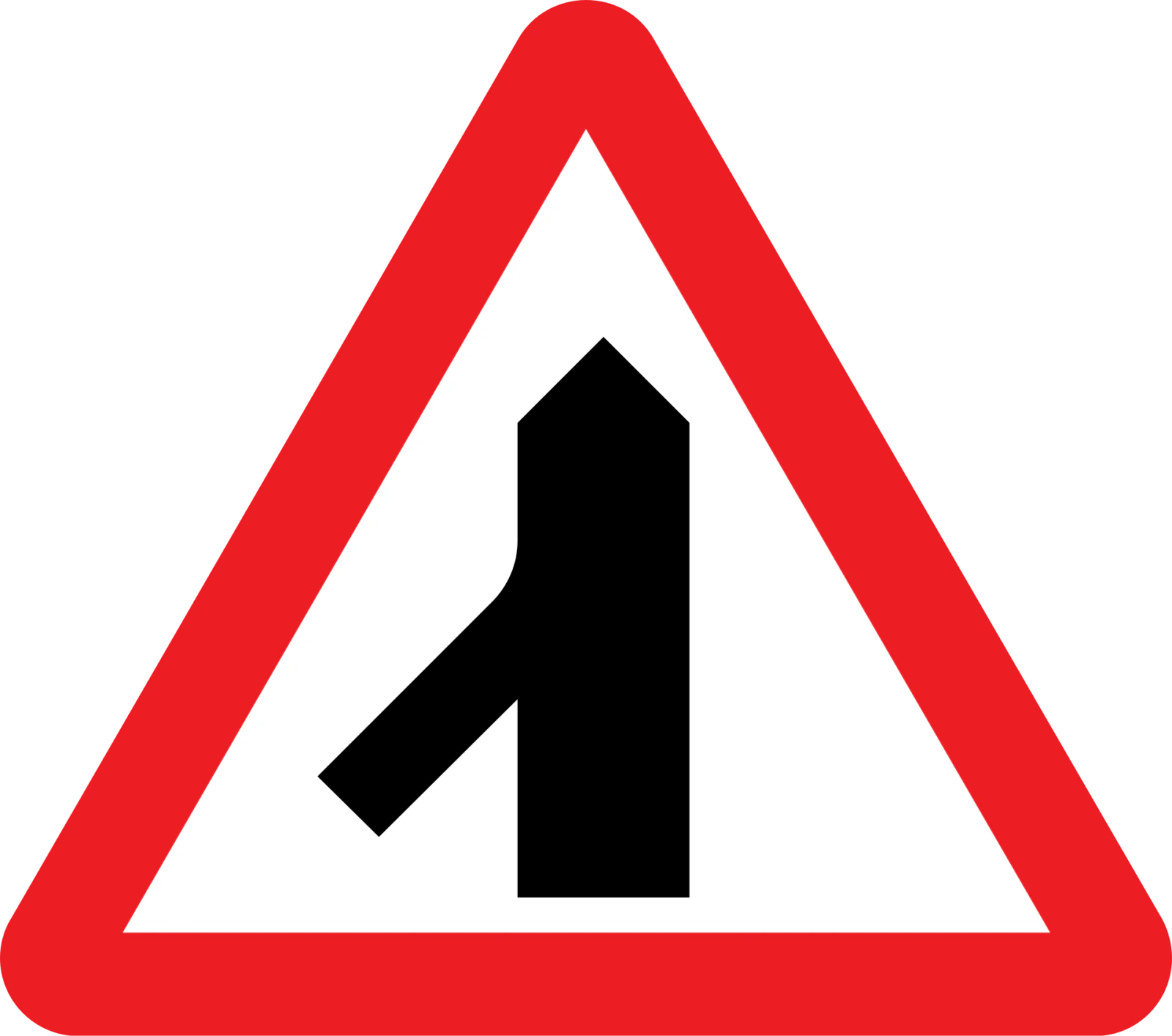
Prepare for traffic merging from the left with this advanced warning sign.
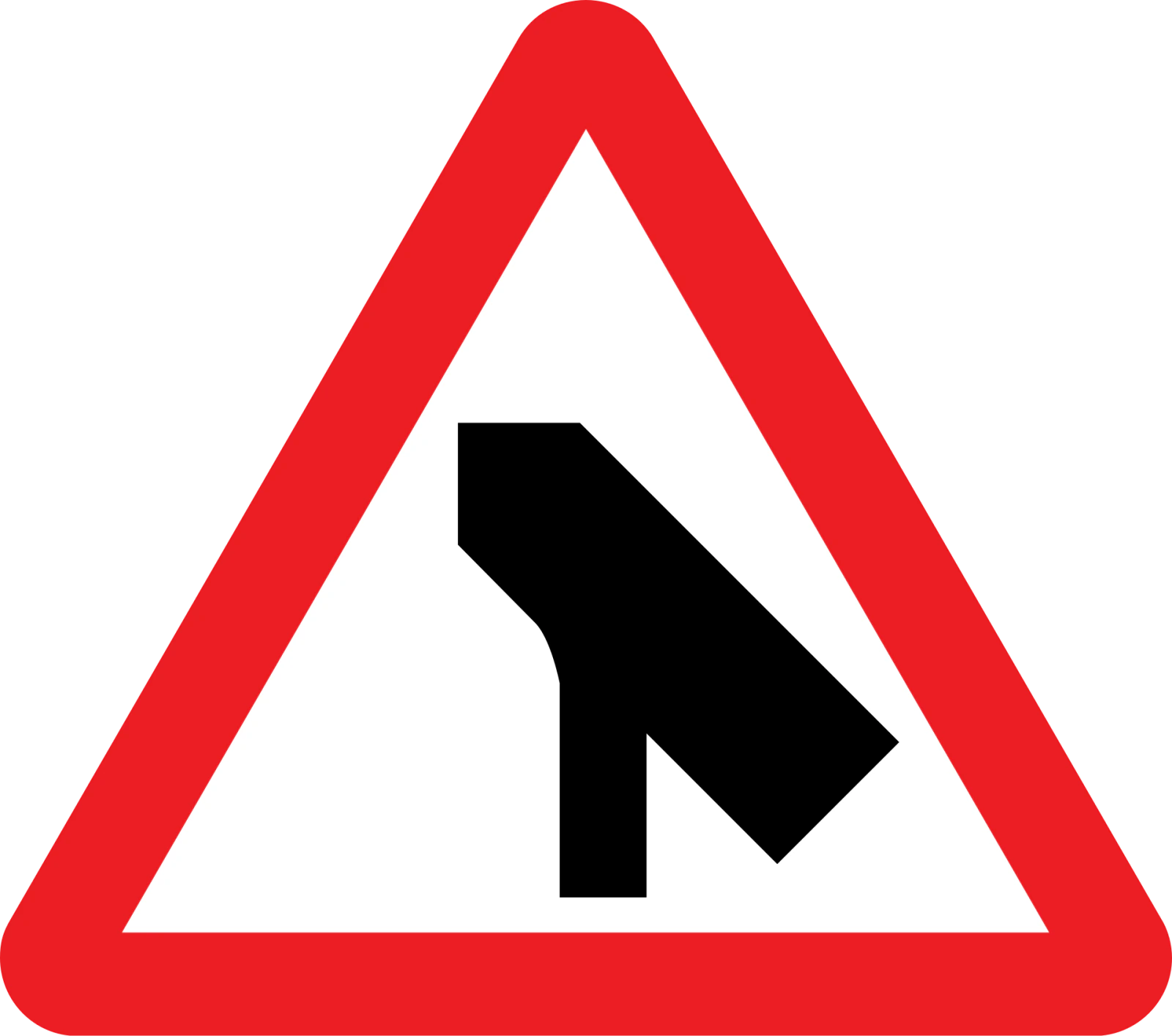
Warning: Traffic Merging Onto The Main Road From Your Left
Explore curated explanations and practical examples to strengthen your visual recognition of essential Great Britain road signs. These supplementary materials provide the context needed to navigate junctions safely and pass your official DVSA theory test.
Mastering the shapes and colours of Great Britain's road signs is a key component of passing your driving theory test. This guide breaks down the essential visual language of traffic signs, from urgent warning triangles to commanding circular signs and directional rectangular indicators, empowering you to drive more safely and confidently on UK roads.
Understand your responsibility for a safe and legal vehicle on Great Britain's roads.
Learn how the Highway Code's Hierarchy of Road Users shapes priority on UK roads, focusing on interactions with pedestrians, cyclists, and horse riders. This essential knowledge is vital for learner drivers to navigate junctions and crossings correctly, ensuring they meet DVSA theory test requirements and drive with greater confidence and safety.
Master Safe Stopping Distances and Tackle Tricky Wet Weather Conditions.
This warning plate refines the meaning of the main warning sign by adding wording, distance, direction, or context. It is not a stand-alone decoration; it changes how the driver should prepare for the hazard. In a theory-test setting, the safe response is to combine the plate with the main symbol, check mirrors, manage speed early, and leave enough room for the condition described. It is listed in the catalogue as code 502.
This warning plate refines the meaning of the main warning sign by adding wording, distance, direction, or context. It is not a stand-alone decoration; it changes how the driver should prepare for the hazard. In a theory-test setting, the safe response is to combine the plate with the main symbol, check mirrors, manage speed early, and leave enough room for the condition described. It is listed in the catalogue as code 511-V.
After reviewing the full list of road signs, challenge yourself with practice questions focused specifically on sign recognition. Reinforce your learning and ensure you're fully prepared to identify and understand all traffic signs on the DVSA theory test.
Browse All GB Road Signs List