
Navigating French motorways requires knowing what to do if your vehicle breaks down or you encounter an emergency. This guide covers essential safety protocols, legal duties, and the correct use of emergency equipment on French autoroutes, directly relevant to the French driving licence theory test.
Article content overview
Navigating the French autoroute network can be a swift and efficient experience, but it’s crucial to be prepared for the unexpected. Experiencing a breakdown or encountering an emergency on these high-speed roads requires immediate, correct, and safe actions to protect yourself and other road users. Understanding these procedures is not only vital for your personal safety but also a key component of the French driving licence theory test, known as the ETG (Épreuve Théorique Générale). This article will guide you through the essential steps, legal obligations under the French Code de la route, and the correct use of safety equipment when a vehicle failure occurs on a French motorway.
If your vehicle suddenly stops functioning on an autoroute, your first priority is to ensure the safety of yourself and your passengers. The high speeds on these roads mean that any stopped vehicle poses a significant hazard. It is imperative to try and move the vehicle off the active traffic lanes if at all possible, even if it means continuing on a flat tyre for a short distance to reach the hard shoulder, known as the bande d'arrêt d'urgence. Once stationary, turn on your hazard warning lights immediately to alert other drivers to your situation.
After moving to the hard shoulder, the next critical step is to make your vehicle as visible as possible and to get yourself and any passengers to a safe location away from the carriageway. Put on your high-visibility vest, or gilet de haute visibilité, before exiting the vehicle, and ensure all passengers do the same. This vest is a legal requirement in France for all occupants exiting a vehicle that has stopped outside of designated areas on the roadside, especially on motorways. Always exit the vehicle on the side furthest from the traffic, typically the passenger side, to avoid direct exposure to passing vehicles.
The reflective warning triangle, or triangle de présignalisation, must then be placed at a sufficient distance behind your vehicle to warn approaching traffic. The recommended distance is approximately 100 to 150 metres on an autoroute, or further if visibility is poor, such as in fog, heavy rain, or at night. This placement is crucial for preventing secondary accidents. Remember, the goal is to alert drivers from a safe distance, giving them ample time to react and slow down.
French autoroutes are equipped with emergency call boxes, or bornes d'appel, at regular intervals, typically every 2 kilometres. These are vital for contacting the motorway’s traffic management authority and emergency services directly and efficiently. Do not attempt to use your mobile phone to call for assistance initially, unless you are in immediate danger and cannot reach a call box. The emergency call boxes are specifically designed for this environment, ensuring immediate connection to the correct responders who can identify your precise location.
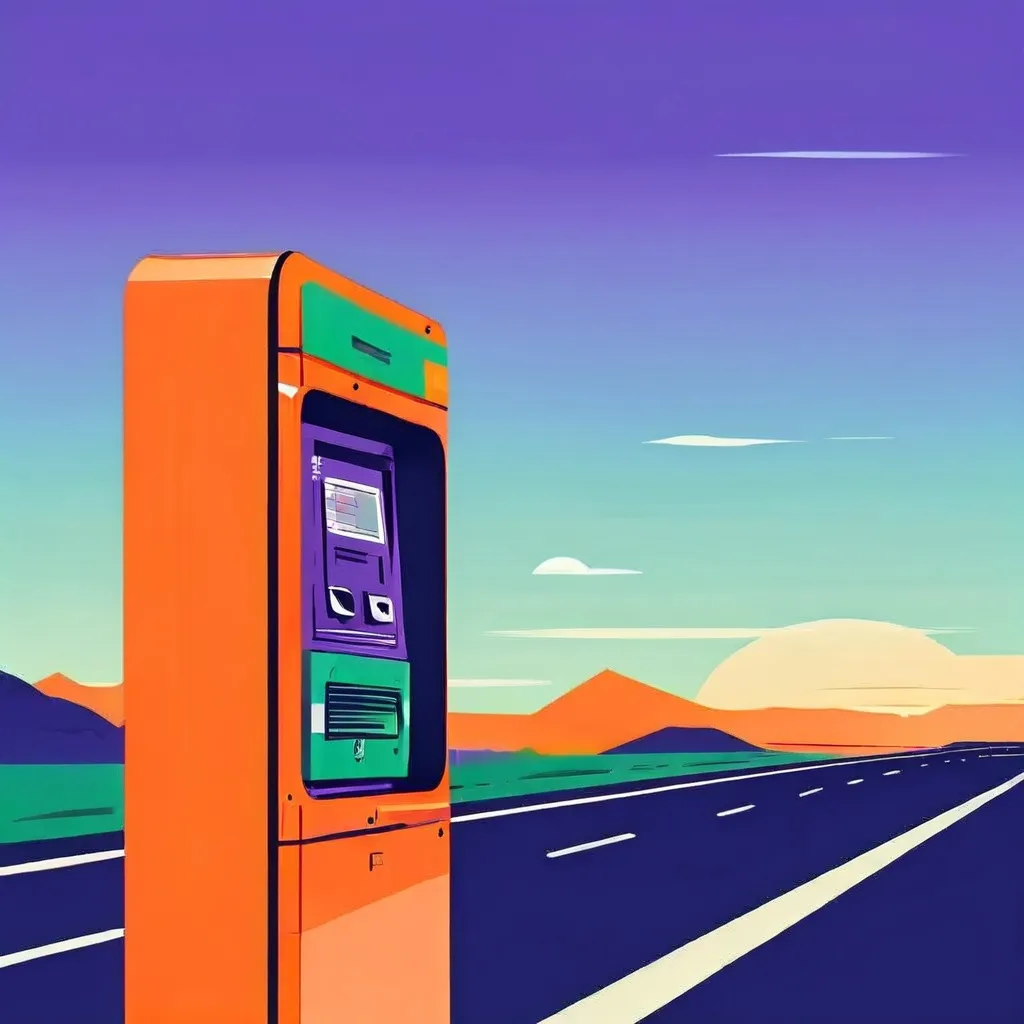
When you reach an emergency call box, follow the instructions on the panel. Usually, this involves lifting the handset and speaking to an operator who will dispatch assistance. These operators are trained to gather the necessary information quickly and accurately to send help. The call boxes are typically orange and are clearly marked along the motorway.
It is crucial to understand that the hard shoulder is not a safe place for people to stand or wait. Its primary purpose is for vehicle breakdowns and emergencies, and it remains a very dangerous area due to the proximity of high-speed traffic. Passengers and the driver should always seek refuge behind the safety barrier, if one is present, or as far away from the moving traffic as possible. Never attempt to make repairs yourself on the hard shoulder unless it is a very minor task that can be completed in seconds with extreme caution.
Children and pets should be kept under strict supervision and well away from the edge of the carriageway. Re-entering your vehicle should only be done when instructed by emergency services or breakdown assistance, and with extreme caution. The French Code de la route is very clear on these safety requirements, and failure to adhere to them can result in significant fines and penalties, as well as endangering lives.
Never attempt to walk along the hard shoulder or across lanes of traffic. Always wait for assistance behind the safety barrier, if available, or in the safest possible position away from moving vehicles.
When you call for assistance, whether through the emergency call box or a private breakdown service, provide all necessary details. If you have a breakdown policy, have your membership number ready. The motorway authorities will coordinate with breakdown services to clear the vehicle and ensure the safety of the area is restored. It's important to understand that on autoroutes, the breakdown services are often managed by specific contracted companies working with the motorway operator, and they will be dispatched to your location.
For those preparing for the permis de conduire, understanding these protocols is essential. Exam questions will often test your knowledge of what to do in such a situation, focusing on the sequence of actions, the use of safety equipment, and the importance of personal safety. Knowing the correct terminology, such as bande d'arrêt d'urgence, gilet de haute visibilité, and triangle de présignalisation, is also beneficial.
While this article focuses on general breakdowns, it's worth noting that tunnels and specific autoroute sections may have additional, specialised emergency procedures. For instance, in tunnels, you might be instructed to switch off your engine and keep your doors locked, or in some cases, to evacuate the vehicle and follow designated escape routes. Always pay attention to any specific signage or public address announcements related to these unique environments. The principle of immediate safety and alerting authorities remains paramount across all situations.
Familiarise yourself with the location and operation of emergency call boxes in your area before you need them. Understanding the layout of the autoroutes you frequently use can provide peace of mind and preparedness.
To help you prepare for the ETG and understand these procedures fully, here are some key terms and their definitions:
Mastering these concepts is crucial for both passing your French driving theory test and driving safely in France. Always prioritize safety, follow legal requirements, and know how to seek assistance when needed on the autoroute.
This article covers the critical safety procedures for handling breakdowns and emergencies on French autoroutes as mandated by the Code de la route. The correct sequence involves moving to the hard shoulder, activating hazard lights, wearing high-visibility vests before exiting, and placing a warning triangle 100 to 150 metres behind the vehicle. Emergency call boxes (bornes d'appel) are the primary method for contacting assistance, providing direct connection to motorway operators who can pinpoint your exact location. Learners must understand that the hard shoulder is not a safe waiting area; occupants should always seek refuge behind safety barriers. This procedural knowledge, along with key terminology like bande d'arrêt d'urgence, gilet de haute visibilité, and triangle de présignalisation, is essential for passing the ETG and driving safely on French motorways.
A short set of high-value points that capture the most important ideas from this article.
On a French autoroute, immediately activate hazard lights and attempt to reach the hard shoulder if your vehicle breaks down
Always put on your high-visibility vest before exiting the vehicle, and ensure all passengers do the same
Place the reflective warning triangle approximately 100 to 150 metres behind your vehicle on the autoroute
Use the orange emergency call boxes (bornes d'appel) rather than a mobile phone to contact assistance directly
Stay behind the safety barrier or as far from traffic as possible; never stand or walk on the hard shoulder
The gilet de haute visibilité (high-visibility vest) is a legal requirement in France when exiting a vehicle on the roadside
Emergency call boxes (bornes d'appel) are typically orange, marked with a phone symbol, and located every 2 kilometres
The triangle de présignalisation must be placed far enough back to give approaching drivers ample reaction time
Children and pets must be kept under strict supervision well away from the carriageway edge
Re-entering the vehicle should only happen when instructed by emergency services or breakdown assistance
Exiting the vehicle without wearing the high-visibility vest first, which is a legal requirement
Placing the warning triangle too close to the vehicle instead of the recommended 100 to 150 metres
Attempting to use a mobile phone instead of the emergency call box when one is reachable
Standing or waiting on the hard shoulder instead of seeking refuge behind the safety barrier
Attempting to make vehicle repairs on the hard shoulder, which is extremely dangerous
Article content overview
A short set of high-value points that capture the most important ideas from this article.
On a French autoroute, immediately activate hazard lights and attempt to reach the hard shoulder if your vehicle breaks down
Always put on your high-visibility vest before exiting the vehicle, and ensure all passengers do the same
Place the reflective warning triangle approximately 100 to 150 metres behind your vehicle on the autoroute
Use the orange emergency call boxes (bornes d'appel) rather than a mobile phone to contact assistance directly
Stay behind the safety barrier or as far from traffic as possible; never stand or walk on the hard shoulder
The gilet de haute visibilité (high-visibility vest) is a legal requirement in France when exiting a vehicle on the roadside
Emergency call boxes (bornes d'appel) are typically orange, marked with a phone symbol, and located every 2 kilometres
The triangle de présignalisation must be placed far enough back to give approaching drivers ample reaction time
Children and pets must be kept under strict supervision well away from the carriageway edge
Re-entering the vehicle should only happen when instructed by emergency services or breakdown assistance
Exiting the vehicle without wearing the high-visibility vest first, which is a legal requirement
Placing the warning triangle too close to the vehicle instead of the recommended 100 to 150 metres
Attempting to use a mobile phone instead of the emergency call box when one is reachable
Standing or waiting on the hard shoulder instead of seeking refuge behind the safety barrier
Attempting to make vehicle repairs on the hard shoulder, which is extremely dangerous
Explore related topics, search based questions, and concepts that learners often look up when studying Autoroute Breakdown & Emergency Safety. These themes reflect real search intent and help you understand how this topic connects to wider driving theory knowledge in France.
Find clear and practical answers to common questions learners often have about Autoroute Breakdown & Emergency Safety. This section helps explain difficult points, remove confusion, and reinforce the key driving theory concepts that matter for learners in France.
The first priority is to get yourself and your passengers out of the vehicle and to safety, ideally behind a safety barrier or on the right side of the hard shoulder, away from traffic. Then, use an emergency call box (borne d'appel) to alert authorities.
Locate the nearest emergency call box (usually orange or yellow). Press the button to connect directly with the autoroute traffic management centre. Follow their instructions; do not attempt to call emergency services directly unless instructed, as the call boxes are specifically designed for autoroute incidents.
No, it is extremely dangerous to remain in your vehicle on the hard shoulder of a French autoroute. You must exit the vehicle on the side furthest from traffic (usually the passenger side) and stand behind a safety barrier or well clear of the carriageway.
In France, you must have a high-visibility vest (gilet de haute visibilité) readily accessible inside the passenger compartment and a warning triangle (triangle de pré-signalisation) to place behind your vehicle if safe to do so. Wearing the vest before exiting the vehicle is mandatory.
You are legally obligated to wear your high-visibility vest before exiting the vehicle, to alert other drivers using your warning triangle (if safe), and to use the emergency call box to report the incident to the autoroute operator.
Continue your preparation for the French permis de conduire exam. Dive deeper into specific Code de la route sections, practice scenarios, or review official procedures. Use our comprehensive article collection to master every aspect of driving theory.