
This lesson explores the critical risks associated with operating a moped while impaired by alcohol, drugs, or distractions. As you progress through your Category AM training, understanding these hazards is essential for ensuring both your personal safety and your success on the Irish Driver Theory Test.
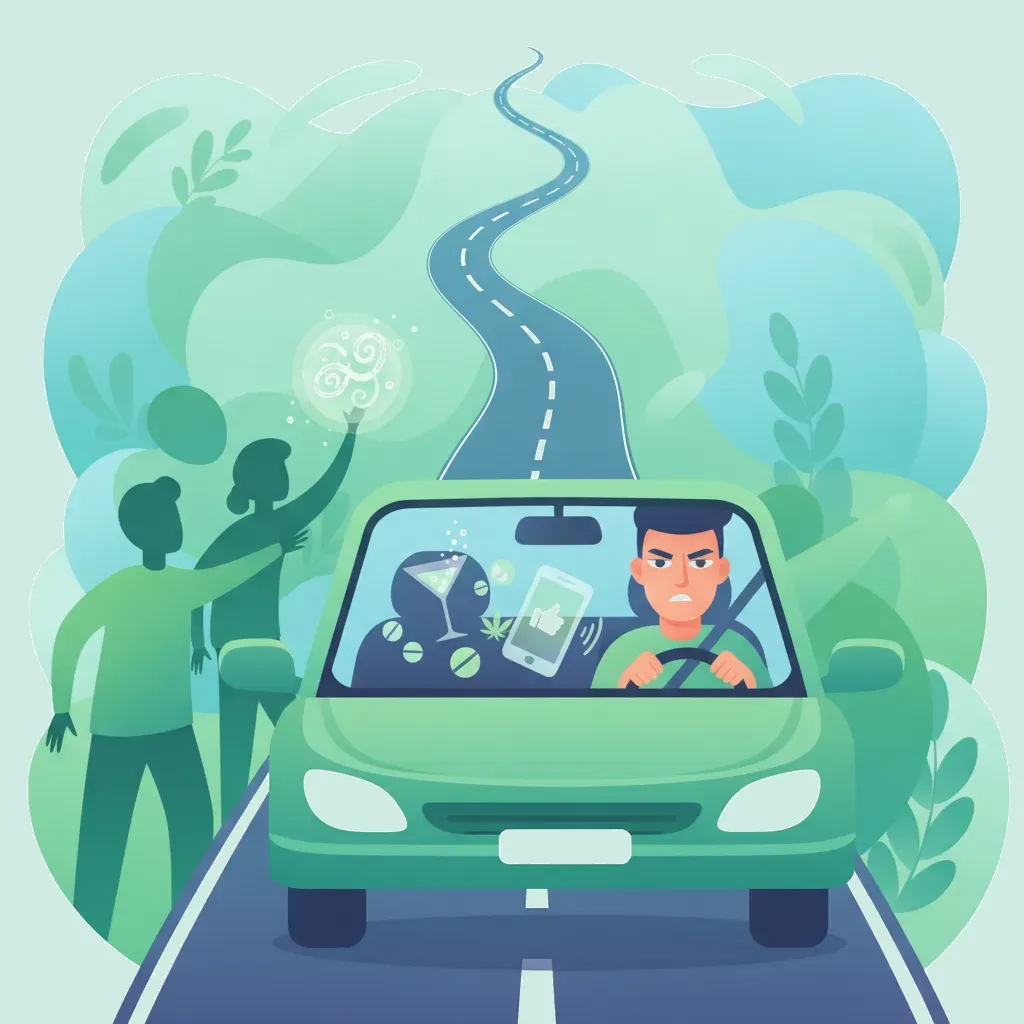
Lesson content overview
Operating a Category AM vehicle on Irish roads requires your absolute focus, physical coordination, and rapid decision-making. Whether you are riding a moped, a light scooter, or a light quadricycle, you lack the protective steel cage of a car, making you highly vulnerable to catastrophic injuries in the event of an accident.
This lesson explores the psychological, physical, and legal realities of riding under the influence of alcohol, drugs, fatigue, and cognitive distractions. By understanding how these factors degrade your riding performance and studying the statutory frameworks enforced in Ireland, you will be equipped to make conscious, life-saving choices every time you prepare to ride.
Impairment refers to any temporary or permanent reduction in your physical or cognitive capabilities. For moped riders, even minor impairment can lead to immediate loss of control, poor cornering, and an inability to maintain balance. Because Category AM vehicles rely on the active physical input of the rider to stay upright and navigate road hazards, any compromise to your motor skills or perception can be fatal.
To safely operate a moped, your brain must continuously perform a loop of perceiving hazards, processing options, deciding on an action, and physically executing it (e.g., squeezing the brake lever or steering around an obstacle). Impairment breaks this loop:
Under Irish road traffic legislation, Category AM riders are subject to strict legal limits. Because mopeds and light motorcycles are highly sensitive to rider input, any level of alcohol in your system introduces unacceptable risks.
Zero Alcohol Tolerance: Ireland enforces a zero-tolerance policy for specified drivers, which includes learner permit holders and riders of Category AM vehicles. Your target blood alcohol concentration (BAC) must always be 0.0‰ when operating your vehicle on public roads.
The law categorizes alcohol concentrations to determine the severity of impairment and the corresponding legal sanctions:
Many novice riders mistakenly believe that a small drink (such as a single glass of beer or cider) will not affect their ability to ride. This is a highly dangerous assumption.
Factors such as body weight, metabolism, hydration, and whether you have eaten all affect how quickly alcohol enters your bloodstream and how long it remains there. There is no reliable way to calculate your own BAC or predict how a single drink will affect your coordination. The only safe and legal approach is to completely abstain from alcohol before riding.
Drug driving is just as dangerous and illegal as drink driving. In Ireland, the Medical Bureau of Road Safety and An Garda Síochána enforce strict roadside testing regimes to detect both illicit substances and prescription medications that impair driving performance.
Different drugs impact your nervous system in distinct ways, all of which are highly incompatible with safe riding:
Fatigue is a physiological state of reduced mental and physical alertness. It is often underestimated by novice riders, yet its cognitive impact can be identical to moderate alcohol consumption.
A temporary episode of sleep or drowsiness which may last a fraction of a second or up to 30 seconds. During a microsleep, a rider is completely unconscious of their surroundings, leading to a total loss of vehicle control.
When you are tired or sleep-deprived, your brain struggles to process sensory information. The symptoms of rider fatigue include:
Moped riders must be exceptionally vigilant about fatigue. Because riding requires active physical effort to balance and lean, a sudden microsleep or lapse in muscle tone can cause an immediate fall or drift into oncoming traffic.
Taking caffeine or energy drinks is not a solution; they only mask fatigue temporarily and can lead to a sudden, severe crash in alertness once the effects wear off. The only cure for fatigue is adequate sleep and rest.
Distraction occurs when a rider’s attention is diverted away from the primary task of operating the vehicle safely. Because Category AM vehicles require both hands on the handlebars for stable steering, braking, and throttle control, any physical or visual distraction is exceptionally dangerous.
Using a handheld mobile phone while riding a moped is strictly prohibited under Irish law. This includes texting, reading notifications, taking calls, or adjusting navigation apps while stationary at red lights or in traffic queues.
As a Category AM rider, you may often ride with friends or as part of a group. While social riding can be enjoyable, it frequently introduces peer pressure—the conscious or subconscious drive to alter your behavior to fit in with a group.
Peer pressure can manifest in several dangerous ways on the road:
To ensure your safety, you must establish firm personal boundaries before you start your engine:
The risks associated with alcohol, drugs, fatigue, and distraction do not exist in a vacuum; they are heavily amplified by environmental conditions.
       [IMPAIRMENT / DISTRACTION]
                   +
      [ENVIRONMENTAL HAZARDS]
                   =
 [EXPONENTIALLY INCREASED RISK OF CRASH]
In wet, foggy, or icy conditions, your moped’s tire grip is significantly reduced, and stopping distances increase dramatically. If your reaction time is already slowed by mild alcohol consumption or fatigue, your ability to execute a delicate, progressive braking maneuver without locking up your wheels and falling is severely compromised.
Riding in the dark demands maximum visual acuity. Fatigue naturally peaks during nighttime hours due to your body's circadian rhythm. Furthermore, alcohol and drugs impair your night vision and increase your sensitivity to headlight glare from oncoming vehicles.
On high-speed roads, the consequences of a delayed reaction are magnified because of the forces involved in a high-velocity impact. In urban areas, the density of vulnerable road users—such as pedestrians, children, and cyclists—requires constant scanning. A split-second distraction from a mobile phone in a busy city center can result in an immediate collision with a pedestrian.
Ireland's legal framework imposes severe penalties on those who compromise road safety through impairment or distraction. These penalties are designed to act as a powerful deterrent.
If you are detected riding a moped under the influence of alcohol or drugs, the consequences can be life-altering:
Using a mobile phone while riding will result in:
Category AM riders face heightened vulnerability on Irish roads because mopeds lack the protective structure of a car, making impairment from alcohol, drugs, fatigue, or distraction especially catastrophic. Ireland applies a strict zero-tolerance alcohol policy to all Category AM learner permit holders, with BAC thresholds categorised as mild (0-20mg/100ml), moderate (20-50mg/100ml), and severe (50mg/100ml+). Beyond alcohol, drug driving laws cover stimulants, depressants, cannabinoids, opiates, and even over-the-counter medications, all of which degrade the critical brain-to-hand response loop required for safe moped control. Legal penalties are severe: mandatory disqualification for drink or drug driving, fixed charges and penalty points for mobile phone use, and automatic disqualification at 7 penalty points for novice drivers. The lesson also highlights that fatigue mimics moderate intoxication, peer pressure can push riders toward dangerous behaviour, and environmental factors like night riding or wet conditions exponentially increase crash risk when combined with any form of impairment.
A short set of high-value points that capture the most important learning from this lesson.
Ireland enforces zero-tolerance alcohol policy for Category AM riders — your BAC must always be 0.0‰ when riding on public roads
Impairment breaks the hazard-perception loop: perception delays, tunnel vision, and slowed motor coordination make safe riding impossible
Fatigue produces identical cognitive impairment to moderate alcohol consumption and cannot be cured by caffeine or energy drinks
Using a handheld mobile phone while riding is illegal and dangerous — even two seconds of visual distraction at 45 km/h means traveling 25 metres blind
Accumulating 7 penalty points as a novice driver results in automatic six-month disqualification from driving
Explore all units and lessons included in this driving theory course.
There is no reliable way to calculate your own BAC — body weight, metabolism, and food intake all affect absorption unpredictably
Many legal over-the-counter medications (antihistamines, cough syrups) carry warnings against operating machinery — always check labels before riding
Microsleeps (involuntary sleep episodes lasting fractions of a second to 30 seconds) cause total unconsciousness and immediate loss of vehicle control
Maintain minimum two-second gap in dry conditions, four seconds in wet — this applies regardless of how closely your group is riding
Environmental hazards (rain, darkness, high-speed roads) amplify impairment effects exponentially — the same BAC becomes far more dangerous in adverse conditions
Believing a single drink won't affect riding ability — even mild impairment (20-50mg/100ml BAC) noticeably slows reaction times and degrades spatial judgment
Assuming prescription medications are safe to ride with — benzodiazepines, sedatives, and strong painkillers are specifically listed as dangerous depressants
Using caffeine or energy drinks to combat fatigue — these only temporarily mask tiredness and can cause sudden crashes in alertness
Checking a phone at red lights or in traffic queues — handheld phone use is prohibited at any time while on a public road, even when stationary
Conforming to group speed or riding style to fit in — peer pressure to match aggressive riders frequently leads to speeding, tailgating, and stunt behavior
Lesson content overview
A short set of high-value points that capture the most important learning from this lesson.
Ireland enforces zero-tolerance alcohol policy for Category AM riders — your BAC must always be 0.0‰ when riding on public roads
Impairment breaks the hazard-perception loop: perception delays, tunnel vision, and slowed motor coordination make safe riding impossible
Fatigue produces identical cognitive impairment to moderate alcohol consumption and cannot be cured by caffeine or energy drinks
Using a handheld mobile phone while riding is illegal and dangerous — even two seconds of visual distraction at 45 km/h means traveling 25 metres blind
Accumulating 7 penalty points as a novice driver results in automatic six-month disqualification from driving
Explore all units and lessons included in this driving theory course.
There is no reliable way to calculate your own BAC — body weight, metabolism, and food intake all affect absorption unpredictably
Many legal over-the-counter medications (antihistamines, cough syrups) carry warnings against operating machinery — always check labels before riding
Microsleeps (involuntary sleep episodes lasting fractions of a second to 30 seconds) cause total unconsciousness and immediate loss of vehicle control
Maintain minimum two-second gap in dry conditions, four seconds in wet — this applies regardless of how closely your group is riding
Environmental hazards (rain, darkness, high-speed roads) amplify impairment effects exponentially — the same BAC becomes far more dangerous in adverse conditions
Believing a single drink won't affect riding ability — even mild impairment (20-50mg/100ml BAC) noticeably slows reaction times and degrades spatial judgment
Assuming prescription medications are safe to ride with — benzodiazepines, sedatives, and strong painkillers are specifically listed as dangerous depressants
Using caffeine or energy drinks to combat fatigue — these only temporarily mask tiredness and can cause sudden crashes in alertness
Checking a phone at red lights or in traffic queues — handheld phone use is prohibited at any time while on a public road, even when stationary
Conforming to group speed or riding style to fit in — peer pressure to match aggressive riders frequently leads to speeding, tailgating, and stunt behavior
Explore search topics learners often look for when studying Risks of Alcohol, Drugs, Distraction and Peer Pressure. These topics reflect common questions about road rules, driving situations, safety guidance, and lesson level theory preparation for learners in Ireland.
Browse additional driving theory lessons that cover connected traffic rules, road signs, and common driving situations related to this topic. Improve your understanding of how different rules interact across everyday traffic scenarios.
Understand the statutory framework for drink and drug driving offenses in Ireland. This lesson explains mandatory disqualification periods, penalty points, and how convictions for impairment under the influence of alcohol or illicit substances affect your learner permit and future driving licence status according to Irish road traffic legislation.
Driving under the influence of illegal drugs or impairing prescription medication is a major contributor to road traffic accidents in Ireland. This lesson details how officers conduct roadside oral fluid tests for substances like cannabis and cocaine, and the legal penalties for driving while impaired. You will learn to read warnings on over-the-counter medicine labels and assess your fitness to drive before taking medication.
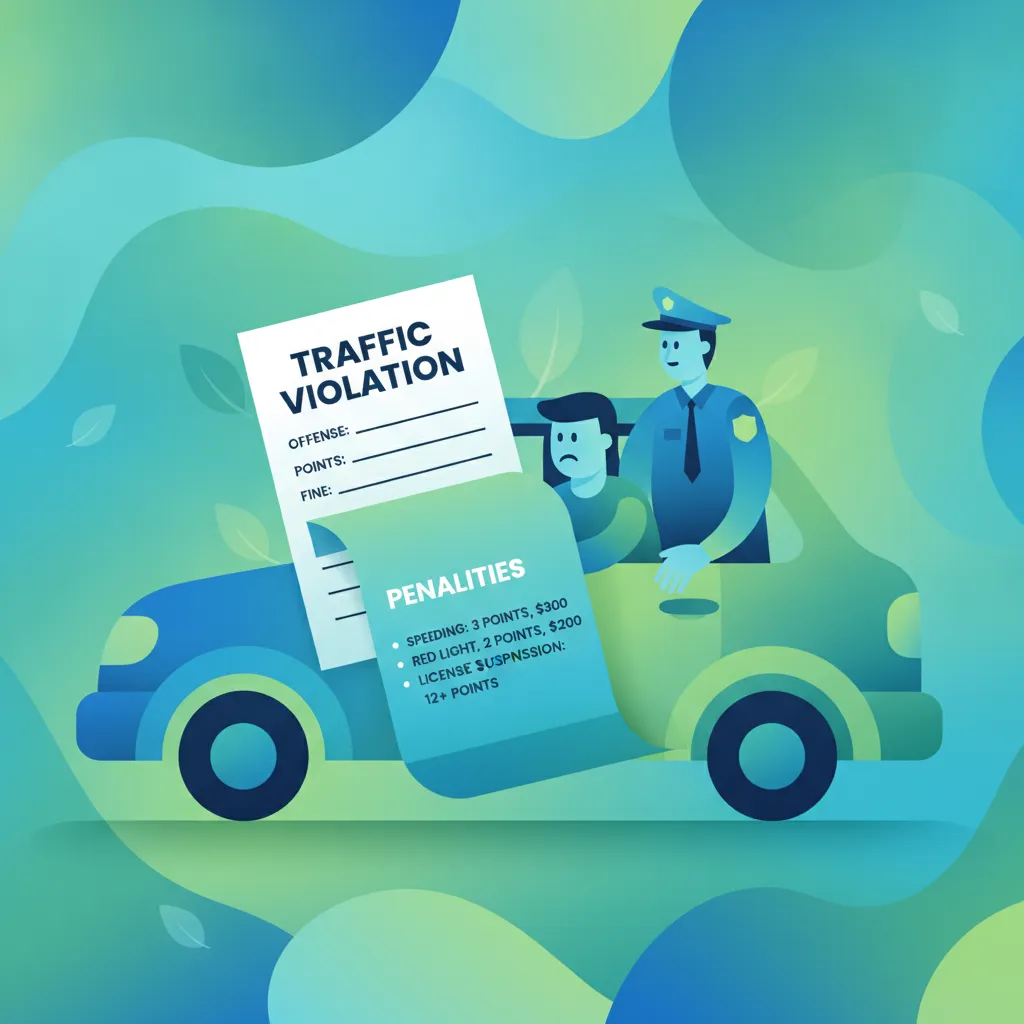
This lesson details the legal consequences of failing to adhere to the Irish Rules of the Road as a Category AM rider. It explains the structure of financial fines, penalty points, and situations that trigger immediate license suspension or disqualification. Understanding these severe penalties emphasizes the importance of consistent compliance and safe road use.
Ireland enforces strict blood alcohol concentration (BAC) limits, with a near zero-tolerance policy of 20 milligrams for learner and novice drivers. This lesson explains how alcohol impairs your cognitive functions, slows your reaction times, and distorts your depth perception. You will learn about mandatory Garda breathalyser checkpoints, the severe penalties for refusal, and the safety rule that only time eliminates alcohol.
This lesson details the statutory blood alcohol concentration limits in Ireland and the severe penalties for operating a motorcycle under the influence. It explains the physiological effects of alcohol, illicit drugs, and everyday prescription medication on vision, reaction speed, and overall coordination. Motorcyclists will understand how chemical impairment fundamentally alters risk assessment and vehicle control.
Violating passenger transport laws can lead to severe operator penalties, heavy fines, and the immediate suspension of driving privileges. This lesson examines common operational infractions, including tachograph violations, overloading offences, and driving with defective tires. Drivers will understand their personal legal liabilities under Irish legislation, supporting long-term safety compliance.
This lesson details the legal consequences of non-compliance with Irish road traffic laws, focusing on fixed charge notices, fines, and court prosecutions. It explains how persistent traffic violations can lead to mandatory licence disqualification, vehicle seizure, and soaring insurance premiums. Motorcyclists will learn about the serious long-term impact that a criminal driving record has on employment.
Violating Irish traffic laws triggers a structured enforcement process, starting with fixed charge notices and ending in severe court-ordered bans. This lesson details the roles of the Garda Síochána and the National Car Testing Service in enforcing safety regulations on roads. You will learn how fines are paid, how penalty points are formally added to your NDLS record, and the legal consequences of driving while disqualified.
Learn to identify early signs of physical and mental fatigue while riding on Irish roads. This guide covers how to maintain situational awareness, avoid cognitive distractions like mobile phone use, and adopt proactive safety strategies to manage risks such as microsleeps and reduced reaction times during Category AM vehicle operation.
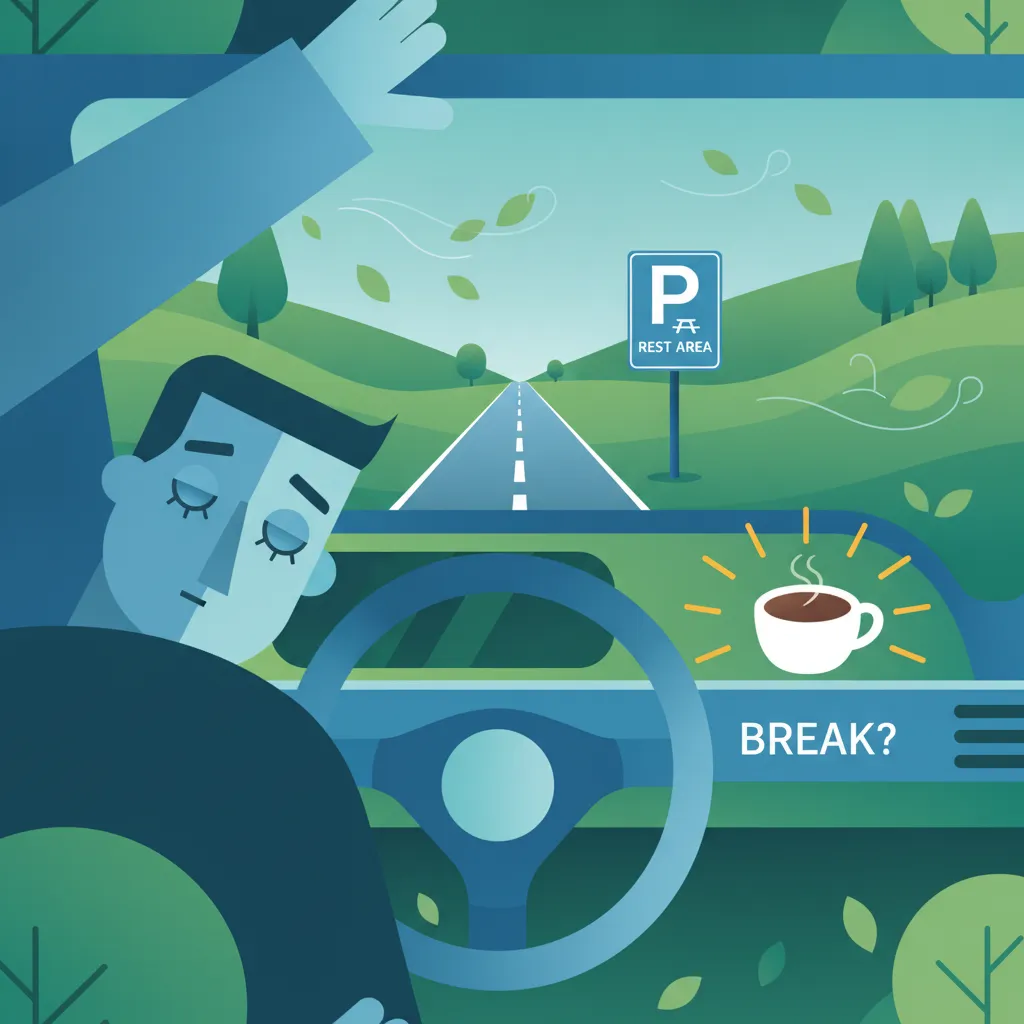
Driver fatigue is a silent killer on the roads, often causing drivers to drift out of lanes or experience catastrophic micro-sleeps. This lesson outlines the early warning signs of sleepiness, such as frequent yawning, heavy eyelids, and difficulty remembering the last few kilometres driven. You will learn effective prevention strategies, including planning regular rest stops, taking caffeine breaks, and never driving tired.
Driver fatigue and visual distractions are major contributors to commercial passenger vehicle accidents on national transport networks. This lesson explores the physiological indicators of drowsiness, the benefits of healthy sleep habits, and strategies for avoiding digital distractions. It emphasizes strict compliance with professional driver hours to maintain alertness and safe operations.
This lesson examines the physiology of sleep deprivation and the absolute safety risks associated with commercial driver fatigue. It outlines the specific European Union and Irish tachograph regulations governing daily driving limits, mandatory break times, and weekly rest periods. Drivers will learn to properly record work and rest logs, spot warning signs of cognitive tiredness, and apply healthy sleep hygiene.

This lesson explains how physical health, stamina, and fatigue management directly affect a rider's hazard perception and machine control. It provides practical methods for recognizing the early warning signs of extreme exhaustion and physical strain during long trips. Motorcyclists will learn optimal strategies for planning rest stops and maintaining core concentration throughout a journey.
Driving at night presents severe challenges due to reduced visibility, driver fatigue, and headlight glare from oncoming vehicles. This lesson teaches you how to manage your headlights, use road edge markers to steer through dark curves, and look away from oncoming bright lights. You will learn to drive within the range of your headlights and remain highly alert for pedestrians or cyclists not wearing reflective gear.
Driving under the influence of illegal drugs or impairing prescription medication is a major contributor to road traffic accidents in Ireland. This lesson details how officers conduct roadside oral fluid tests for substances like cannabis and cocaine, and the legal penalties for driving while impaired. You will learn to read warnings on over-the-counter medicine labels and assess your fitness to drive before taking medication.

This lesson identifies prevalent risky behaviours among motorcyclists, including speeding, tailgating, and reckless riding under the influence of alcohol or drugs. Learners will understand the associated penalties, legal implications, and the impact of fatigue and peer pressure on decision-making, following RSA and Irish legal frameworks.
Find clear answers to common questions learners have about Risks of Alcohol, Drugs, Distraction and Peer Pressure. Learn how the lesson is structured, which driving theory objectives it supports, and how it fits into the overall learning path of units and curriculum progression in Ireland. These explanations help you understand key concepts, lesson flow, and exam focused study goals.
In Ireland, there is a lower legal limit for learner permit holders. It is critical to understand that even small amounts can impair your balance and reaction time, which is vital when operating a moped.
The test includes scenarios focusing on your responsibility to ensure you are fit to drive. This includes understanding the labels on prescription medication that warn against operating machinery or vehicles.
Moped riders are vulnerable road users. Using a mobile phone or being distracted by peer pressure prevents you from seeing hazards like potholes, gravel, or changing traffic light signals in time to react.
Yes, both carry severe penalties in Ireland including fines, penalty points, and potential disqualification from holding your learner permit or future driving licence.
Use the practice question search tool to pinpoint specific topics, road signs, or rules you need to master for your official Driver Theory Test. Refine your study strategy and ensure comprehensive preparation for all aspects of the Irish driving exam. Start your focused revision now and build confidence for your learner permit test.