
This lesson explores the legal and safety implications of operating a motorcycle while under the influence of alcohol or drugs. It is a critical component of your Category A, A1, or A2 theory preparation, ensuring you understand the strict RSA regulations and the physical risks to your decision-making and control.
Lesson content overview
Operating a motorcycle requires a significantly higher level of physical coordination, balance, and split-second cognitive processing than driving a multi-track vehicle like a car. On a motorcycle, you are not protected by a metal crumple zone, and your stability depends entirely on your continuous active input. Because of this dynamic, any degree of chemical impairment—whether from alcohol, illicit drugs, or everyday prescription medication—has immediate and potentially catastrophic consequences.
This lesson explores the statutory blood alcohol concentration (BAC) limits in Ireland, the physiological impacts of various substances on your riding ability, and the legal penalties you face under the Road Traffic Acts if you choose to ride while impaired.
In Ireland, blood alcohol concentration (BAC) is the standard metric used to determine legal impairment. It measures the mass of alcohol present in a given volume of blood, typically expressed in grams per litre (g/l) or milligrams per 100 millilitres (mg/100ml). The Road Safety Authority (RSA) and Irish road traffic legislation enforce strict limits to protect all road users.
In Ireland, the legal limits are highly dependent on your licence status. The law maintains a near-zero tolerance policy for inexperienced or commercial riders to reflect their statistically higher vulnerability on the road.
A common misunderstanding among learner riders is that these legal thresholds represent a "safe" amount of alcohol that can be consumed prior to riding. In reality, physical and cognitive impairment begins with the very first sip of alcohol.
Factors such as your body mass, metabolic rate, fatigue levels, hydration, and whether you have eaten recently all dictate how rapidly alcohol enters your bloodstream and affects your brain. Consequently, there is no reliable way to self-calculate your BAC based on "units" of alcohol consumed.
To safely navigate Irish roads, you must constantly perform a complex sequence of tasks: scanning the environment, assessing hazards, choosing a line through corners, maintaining balance, and modulating the clutch, throttle, and front and rear brakes. Alcohol, as a central nervous system (CNS) depressant, systematically degrades every single one of these capabilities.
Your eyes are your primary source of information. Alcohol severely impacts your ocular motor systems:
When a hazard presents itself—such as a car pulling out unexpectedly or a patch of loose gravel on a bend—your brain must perceive the danger, decide on an action (e.g., swerving or braking), and execute it.
Even a minor BAC level of 0.5 g/l can double your perception-reaction time. At a standard speed of 100 km/h, a delay of just half a second in applying your brakes adds approximately 14 metres to your total stopping distance—often the difference between a close call and a fatal collision.
Maintaining control of a single-track vehicle requires continuous, subtle weight shifts and precise motor control.
One of the most insidious effects of alcohol is the loss of critical self-assessment. As your actual physical capabilities decline, your subjective confidence increases. Impaired riders are more prone to speed, take corners too fast (exceeding the available tyre grip), fail to wear protective gear properly, and execute risky overtaking manoeuvres they would normally avoid.
Irish drug driving legislation makes it a serious offence to ride or drive under the influence of any drug that impairs your ability to control the vehicle. Unlike alcohol, where statutory limits allow a minor margin for full licence holders, Ireland enforces a zero-tolerance policy for the presence of common illicit substances.
The legal principle stating that any detectable quantity of certain scheduled drugs (such as cannabis, cocaine, or heroin) in your system while operating a vehicle constitutes an automatic offence, regardless of whether visual impairment is demonstrated.
An Garda Síochána (the Irish police force) utilizes specialized oral fluid (saliva) testing devices at mandatory intoxicant testing checkpoints. These devices can detect the presence of:
If you test positive on a roadside saliva test, or if the Gardaí suspect you are impaired despite a negative test, you will be arrested and taken to a Garda station for a comprehensive blood test.
Different classifications of drugs alter your riding performance in unique and dangerous ways:
| Drug Category | Common Examples | Specific Effects on Riding |
|---|---|---|
| Depressants | Cannabis, Heroin | Slowed reaction times, distorted perception of time and space, general drowsiness, inability to maintain a constant lane position. |
| Stimulants | Cocaine, Amphetamines | Severe overconfidence, aggressive riding style, hyper-focus on single elements while ignoring peripheral hazards, followed by sudden fatigue as the drug wears off. |
| Hallucinogens | LSD, Ketamine, Psilocybin | Severely distorted sensory perceptions, visual hallucinations, panic attacks, complete loss of motor coordination and spatial awareness. |
A significant portion of medicine-related impairment comes not from illegal drugs, but from legal, everyday medicines. Many riders do not realise that riding under the influence of prescription or over-the-counter (OTC) drugs is just as illegal under Irish law if it impairs your ability to ride safely.
The law does not excuse impairment simply because the substance was legally prescribed by a doctor or purchased over the counter at a pharmacy. You bear the ultimate responsibility to ensure you are fit to ride.
Inspect the Packaging: Look for warning symbols, such as a red warning triangle, or explicit text warning against operating heavy machinery or driving.
Read the Patient Information Leaflet: Review the list of side effects specifically looking for "drowsiness," "dizziness," "blurred vision," or "impaired concentration."
Consult a Professional: Ask your doctor or pharmacist directly: "Is this medication safe to take if I am operating a motorcycle?"
Perform a Self-Assessment: If you feel even slightly lethargic, lightheaded, or unfocused after taking medication, do not ride.
The penalties for drink or drug driving in Ireland are severe, reflecting the extreme risk an impaired rider poses to the public. Enforced primarily under the Road Traffic Act 1994 (as amended), these penalties are designed to act as a powerful deterrent.
The exact penalty depends on the level of alcohol detected in your system or the nature of the drug impairment.
Some riders mistakenly believe they can avoid penalty by refusing to provide a sample. Under Irish law, refusing to provide a breath, saliva, or blood sample to a member of An Garda Síochána is a serious offence in its own right.
Refusal carries an automatic licence disqualification (often up to 4 years for a first offence) and penalties equivalent to or exceeding those for the highest tier of intoxication.
The physiological consequences of impairment do not exist in a vacuum; they are compounded by external factors unique to motorcycle riding.
Riding in Ireland often involves navigating wet asphalt, wind, fog, and grease-laden surfaces. Negotiating these surfaces requires high traction awareness and micro-adjustments. If your reaction time is slowed by alcohol or drugs, you will fail to detect patches of standing water (leading to aquaplaning) or diesel spills, which require immediate, gentle corrective action that an impaired mind cannot orchestrate.
A significant number of drink-driving arrests occur the morning after a night of drinking. Alcohol is processed by the liver at an average rate of approximately one unit (or about 0.1 g/l) per hour. Sleeping, drinking black coffee, or taking cold showers do not speed up this metabolic process. You can easily wake up, feel subjectively sober, and still be well over the legal 0.2 g/l or 0.5 g/l BAC limit during your morning commute.
A sober motorcyclist must constantly scan for pedestrians, cyclists, and animals (particularly on rural Irish roads). Because impairment severely compromises your peripheral vision and scanning discipline, your ability to spot and safely navigate around these vulnerable road users is drastically diminished, converting a minor riding error into a fatal event.
Your understanding of this lesson directly supports, and is supported by, several other sections of the Category A, A1, and A2 curriculum:
This lesson covers Ireland's strict approach to substance-impaired motorcycle riding, distinguishing between the 0.5 g/l BAC limit for full licence holders and the 0.2 g/l limit for learner and novice riders. It explains how alcohol systematically degrades the core skills motorcyclists depend on—vision, reaction time, balance, and self-assessment—while describing the zero-tolerance drug driving law and An Garda Síochána's roadside testing procedures. The content also highlights the frequently underestimated danger of prescription and over-the-counter medications, provides a step-by-step medication safety check, and details the severe penalties including fines up to €5,000, disqualification periods ranging from 3 months to 10 years, and imprisonment for repeat offences. Understanding these legal and physiological realities is essential for both passing the Category A, A1, or A2 theory test and developing the safety mindset required for responsible riding in Ireland.
A short set of high-value points that capture the most important learning from this lesson.
Irish law applies a 0.5 g/l BAC limit for fully licensed motorcyclists, but a stricter 0.2 g/l limit for learner permit holders and novice riders in their first two years.
Alcohol begins impairing your riding ability from the very first drink, affecting vision, reaction time, balance, and risk assessment simultaneously.
Ireland enforces a zero-tolerance policy for specified illicit drugs—any detectable presence while riding constitutes an automatic offence.
Prescription and over-the-counter medications can impair your riding just as severely as alcohol, yet many riders are unaware of this risk.
The morning-after effect means you can still be over the legal limit hours after drinking, despite feeling fully sober.
Explore all units and lessons included in this driving theory course.
Learner/novice BAC limit is 0.2 g/l; full licence limit is 0.5 g/l—never confuse the two.
Alcohol is a central nervous system depressant that reduces peripheral vision, slows reaction time by up to double, and disrupts inner-ear balance.
Zero tolerance for illicit drugs means any detectable trace of cannabis, cocaine, opiates, or benzodiazepines is an offence regardless of apparent impairment.
Check medication packaging for warning triangles and ask a pharmacist whether a drug affects your ability to ride.
Refusing a roadside breath, saliva, or blood test carries automatic licence disqualification separate from any intoxication penalty.
Assuming the legal BAC limit is a 'safe' threshold—there is no safe amount of alcohol before riding.
Believing that sleeping, drinking coffee, or showering will reduce BAC; only time metabolises alcohol.
Overlooking that common hay fever tablets, cold remedies, and painkillers can legally impair your riding ability.
Thinking a negative roadside saliva test means no arrest is possible; Gardaí can still arrest based on observed impairment.
Assuming lower-speed urban riding makes impairment less dangerous—impaired riders fail to spot vulnerable road users regardless of speed.
Lesson content overview
A short set of high-value points that capture the most important learning from this lesson.
Irish law applies a 0.5 g/l BAC limit for fully licensed motorcyclists, but a stricter 0.2 g/l limit for learner permit holders and novice riders in their first two years.
Alcohol begins impairing your riding ability from the very first drink, affecting vision, reaction time, balance, and risk assessment simultaneously.
Ireland enforces a zero-tolerance policy for specified illicit drugs—any detectable presence while riding constitutes an automatic offence.
Prescription and over-the-counter medications can impair your riding just as severely as alcohol, yet many riders are unaware of this risk.
The morning-after effect means you can still be over the legal limit hours after drinking, despite feeling fully sober.
Explore all units and lessons included in this driving theory course.
Learner/novice BAC limit is 0.2 g/l; full licence limit is 0.5 g/l—never confuse the two.
Alcohol is a central nervous system depressant that reduces peripheral vision, slows reaction time by up to double, and disrupts inner-ear balance.
Zero tolerance for illicit drugs means any detectable trace of cannabis, cocaine, opiates, or benzodiazepines is an offence regardless of apparent impairment.
Check medication packaging for warning triangles and ask a pharmacist whether a drug affects your ability to ride.
Refusing a roadside breath, saliva, or blood test carries automatic licence disqualification separate from any intoxication penalty.
Assuming the legal BAC limit is a 'safe' threshold—there is no safe amount of alcohol before riding.
Believing that sleeping, drinking coffee, or showering will reduce BAC; only time metabolises alcohol.
Overlooking that common hay fever tablets, cold remedies, and painkillers can legally impair your riding ability.
Thinking a negative roadside saliva test means no arrest is possible; Gardaí can still arrest based on observed impairment.
Assuming lower-speed urban riding makes impairment less dangerous—impaired riders fail to spot vulnerable road users regardless of speed.
Explore search topics learners often look for when studying Impact of Alcohol and Drugs on Riding. These topics reflect common questions about road rules, driving situations, safety guidance, and lesson level theory preparation for learners in Ireland.
Browse additional driving theory lessons that cover connected traffic rules, road signs, and common driving situations related to this topic. Improve your understanding of how different rules interact across everyday traffic scenarios.
Understand the physiological impact of rider fatigue and physical condition on reaction times and hazard perception. This lesson explores how tiredness compromises your ability to maintain balance and control on Irish roads, mirroring the cognitive decline seen in chemical impairment to ensure safe defensive riding habits.

This lesson explains how physical health, stamina, and fatigue management directly affect a rider's hazard perception and machine control. It provides practical methods for recognizing the early warning signs of extreme exhaustion and physical strain during long trips. Motorcyclists will learn optimal strategies for planning rest stops and maintaining core concentration throughout a journey.
Driver fatigue is a silent killer on the roads, often causing drivers to drift out of lanes or experience catastrophic micro-sleeps. This lesson outlines the early warning signs of sleepiness, such as frequent yawning, heavy eyelids, and difficulty remembering the last few kilometres driven. You will learn effective prevention strategies, including planning regular rest stops, taking caffeine breaks, and never driving tired.
This lesson focuses on the critical techniques required to ride safely during severe rain or heavy fog in Ireland. It teaches riders how to handle aquaplaning risks, use headlights correctly, and significantly increase their following distances. Adapting speed to visibility ensures that riders can brake safely when road conditions deteriorate.
This lesson analyzes the crucial role of rider attitude, mental focus, and psychological factors in preventing motorcycle collisions on Irish roads. It addresses how overconfidence, fatigue, and peer pressure can negatively impact a rider's decision-making process and elevate risk levels. Motorcyclists will explore strategies to maintain a defensive mindset, exercise patience, and practice active situational awareness under all traffic conditions.
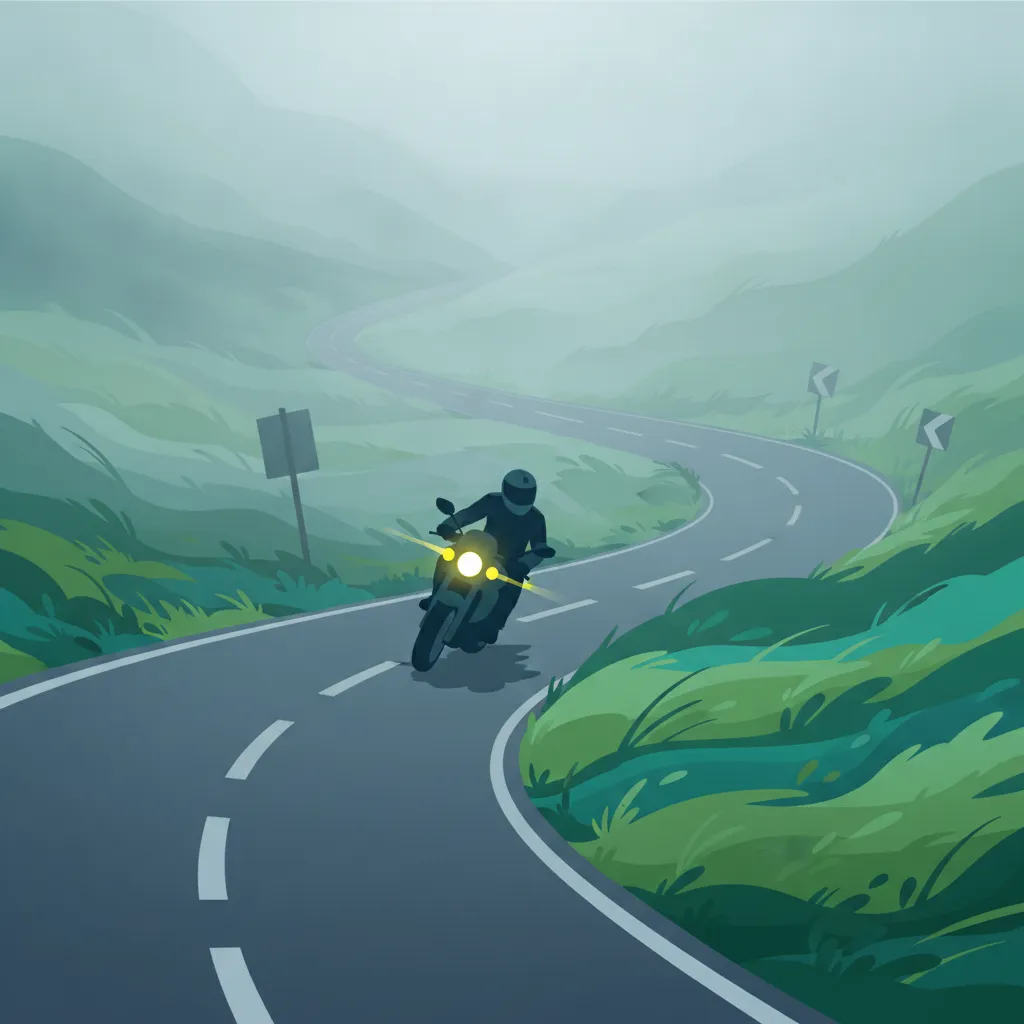
This lesson teaches riders how to manage extreme weather conditions such as high crosswinds, thick fog, and low sun glare. It details how wind forces can push a motorcycle off course and how to use minor body adjustments and lane placement to maintain stability. Riders will learn how to manage visibility limits in dense fog, utilizing specialized riding gear and reducing speeds safely.

This lesson examines the physiology of sleep deprivation and the absolute safety risks associated with commercial driver fatigue. It outlines the specific European Union and Irish tachograph regulations governing daily driving limits, mandatory break times, and weekly rest periods. Drivers will learn to properly record work and rest logs, spot warning signs of cognitive tiredness, and apply healthy sleep hygiene.
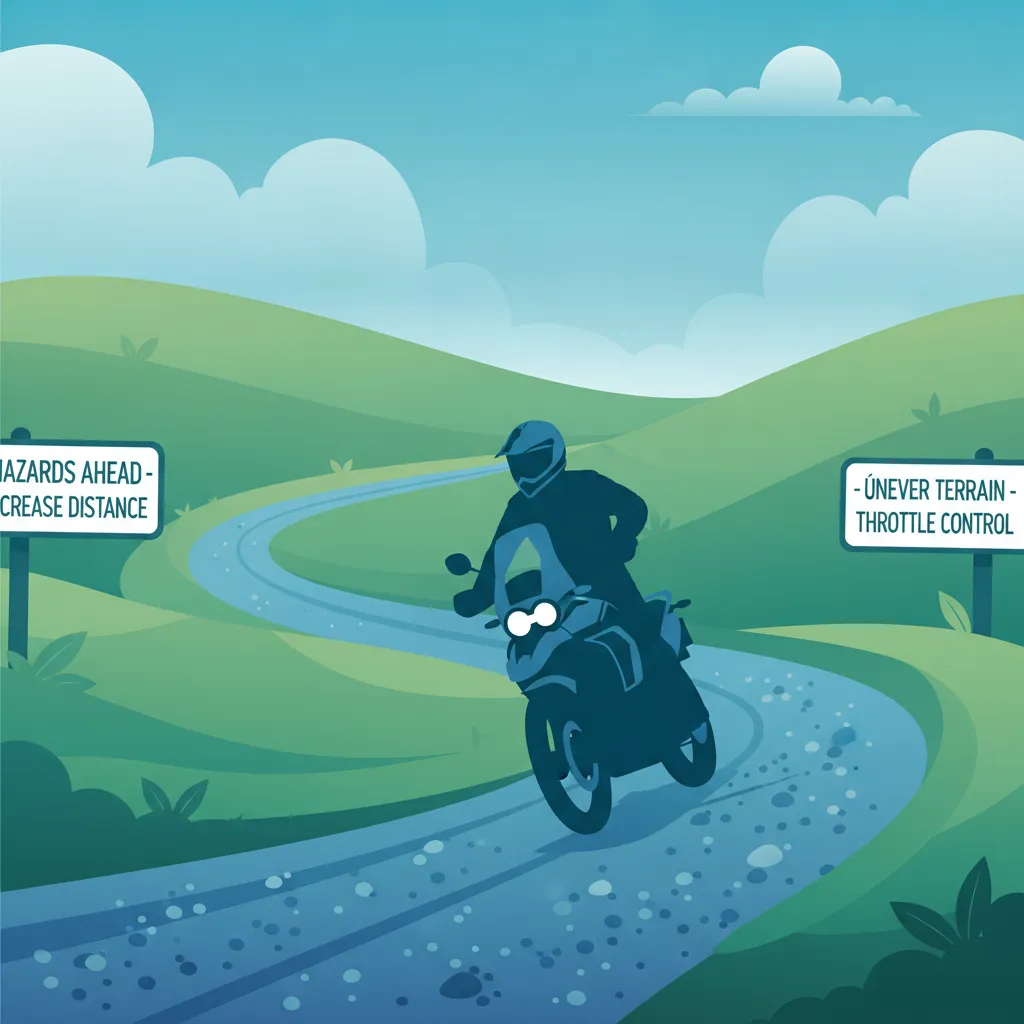
This lesson focuses on riding techniques suited for gravel, loose surfaces, and rural roads. Learners will understand how to maintain stability, adjust braking and cornering approaches, and anticipate hazards such as potholes and farm vehicles, following RSA guidance for safe riding in the Irish countryside.

This lesson highlights the catastrophic dangers of operating a Category AM vehicle while impaired by alcohol, drugs, or fatigue. It explains the legal limits enforced in Ireland, the impact of distractions like mobile phones, and the influence of peer pressure. Riders will learn strategies to resist unsafe behavior and prioritize conscious safety decisions.
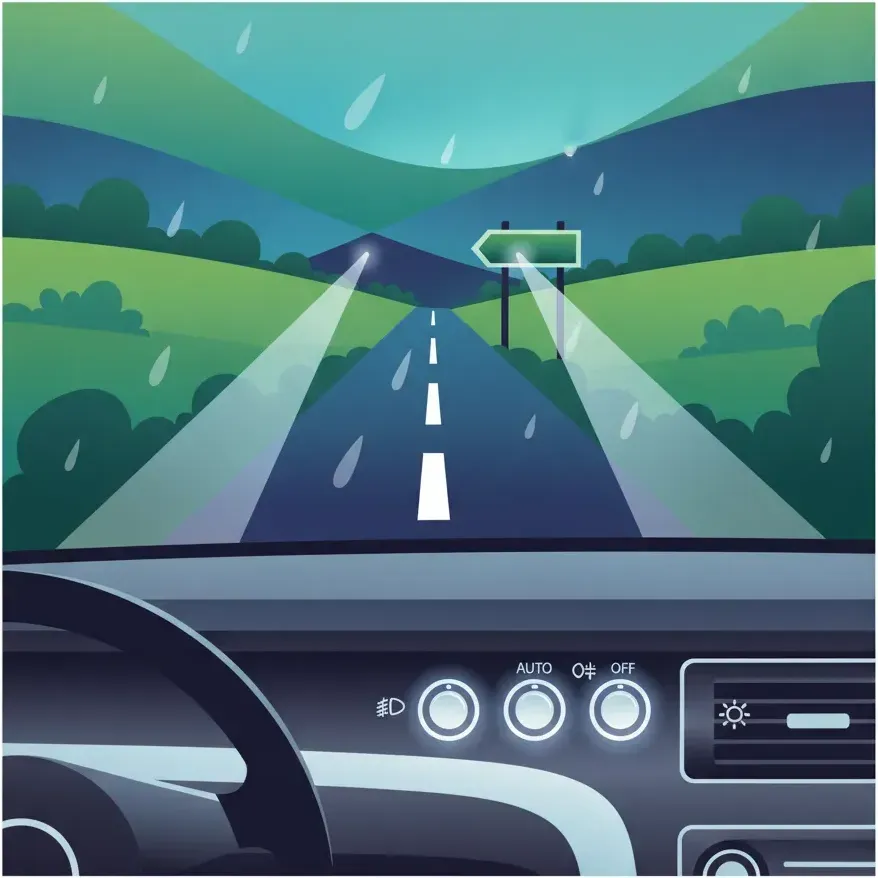
This lesson focuses on practical strategies for maximizing a motorcyclist's visibility to other road users in day and night scenarios. It details the effective placement of retro-reflective materials, high-visibility jackets, and the constant use of dipped headlights. Riders will examine how road positioning within their lane dramatically reduces the likelihood of being obscured by other vehicles.
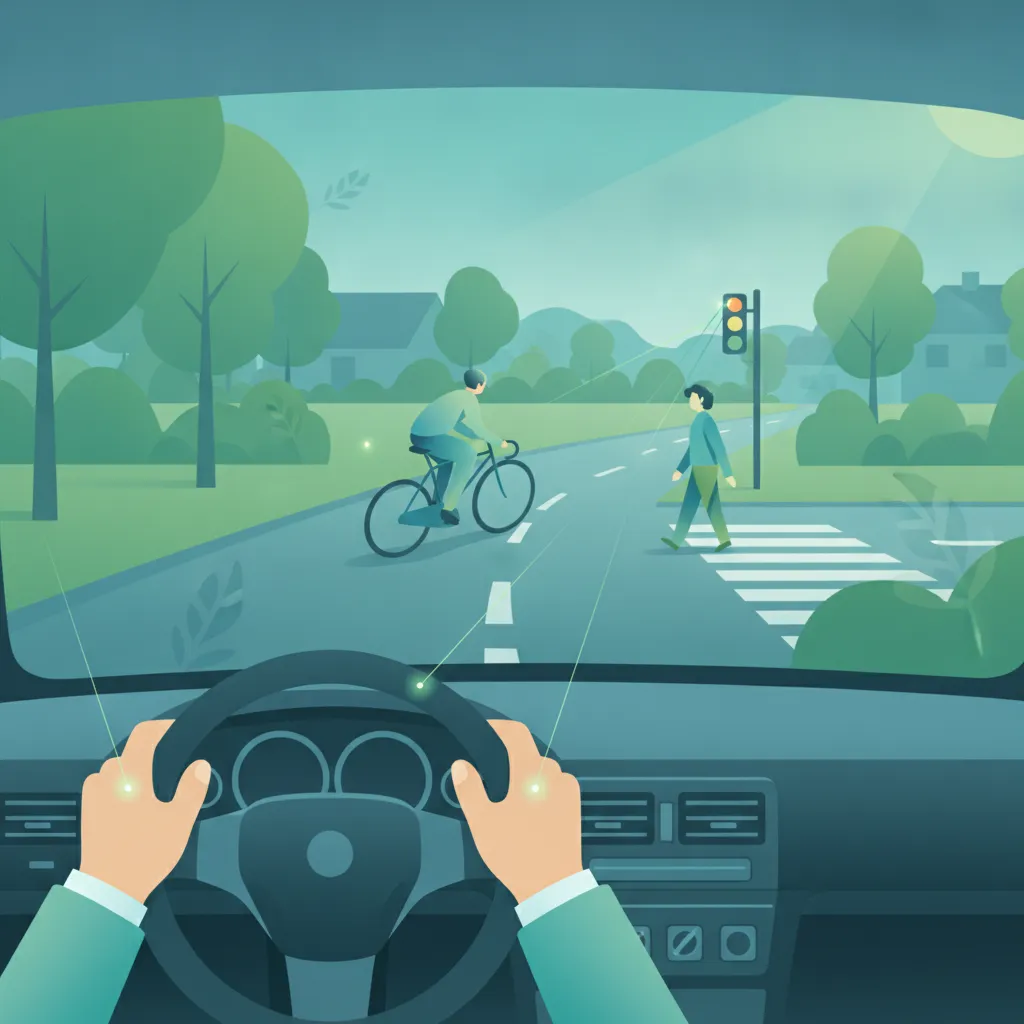
This lesson covers the strategic aspects of journey management, emphasizing the safety benefits of proactive route planning and weather checks. It teaches riders how to select safer roads, avoid high-congestion zones during rush hour, and schedule regular rest intervals. Motorcyclists will learn to pack essential tools, emergency contacts, and spare safety gear to remain prepared for any roadside situation.
Learn the core principles of defensive riding and hazard anticipation required for your theory education. This guide explains how to proactively identify road risks, maintain optimal situational awareness, and plan safe routes, helping you make informed decisions that avoid the dangers associated with impaired or distracted riding.

This lesson teaches how to cultivate a proactive defensive riding mindset, focusing on situational awareness and constant hazard scanning. It describes the system of motorcycle control, encouraging riders to anticipate potential mistakes from other drivers, pedestrians, and cyclists. Motorcyclists will learn to position themselves defensively, leaving clear escape routes in all driving environments.
This lesson covers the strategic aspects of journey management, emphasizing the safety benefits of proactive route planning and weather checks. It teaches riders how to select safer roads, avoid high-congestion zones during rush hour, and schedule regular rest intervals. Motorcyclists will learn to pack essential tools, emergency contacts, and spare safety gear to remain prepared for any roadside situation.

This lesson identifies prevalent risky behaviours among motorcyclists, including speeding, tailgating, and reckless riding under the influence of alcohol or drugs. Learners will understand the associated penalties, legal implications, and the impact of fatigue and peer pressure on decision-making, following RSA and Irish legal frameworks.
This lesson highlights the importance of smooth throttle adjustments for maintaining traction and stability on a moped. It teaches riders how to anticipate potential road hazards early, reducing the need for sudden emergency braking. Developing strong observation habits allows riders to adjust their speed smoothly and respond safely to traffic changes.

This lesson teaches riders how to actively identify and eliminate blind spots through proper mirror adjustment and physical shoulder checks. It explains the concept of a safety cushion, which represents the defensive space maintained around the moped at all times. Managing these zones ensures adequate reaction time and mitigates the impact of sudden braking.
This lesson analyzes the crucial role of rider attitude, mental focus, and psychological factors in preventing motorcycle collisions on Irish roads. It addresses how overconfidence, fatigue, and peer pressure can negatively impact a rider's decision-making process and elevate risk levels. Motorcyclists will explore strategies to maintain a defensive mindset, exercise patience, and practice active situational awareness under all traffic conditions.
This lesson teaches riders how to create and preserve a protective safety envelope around their motorcycle under various traffic densities. It explains the two-second rule for dry conditions and how to expand this buffer zone in adverse weather or heavy traffic. Motorcyclists will learn to manage tailgaters by gradually increasing their following distance from the vehicle ahead to prevent sudden braking.
This lesson analyzes traffic flow characteristics in dense municipal areas and teaches safe riding methods for congested gridlock situations. It covers the maintenance of adequate safety cushions, scanning for opening car doors, and monitoring pedestrians stepping from between parked cars. Riders will learn to manage frequent stopping, constant clutch wear, and the stress of urban commuting.
This lesson details the location of blind spots on passenger cars, commercial trucks, and buses, explaining how to avoid staying in these danger zones. It teaches the vital importance of the lifesaver glance or physical shoulder check before executing any lateral lane change or turn. Motorcyclists will learn how to monitor other drivers' mirrors to verify if their motorcycle is visible.
This lesson explains how to modify riding techniques when navigating wet tarmac, focusing on the heightened risk of hydroplaning and reduced tire grip. It details the necessity of increasing following distances, avoiding painted road markings, and executing smoother control inputs. Riders will understand how surface water accumulates in ruts, presenting severe hazards during heavy rainstorms.
Find clear answers to common questions learners have about Impact of Alcohol and Drugs on Riding. Learn how the lesson is structured, which driving theory objectives it supports, and how it fits into the overall learning path of units and curriculum progression in Ireland. These explanations help you understand key concepts, lesson flow, and exam focused study goals.
Learner motorcyclists in Ireland are subject to strict lower alcohol limits compared to some other drivers, as it is crucial for safety during your training. Always aim for a zero-tolerance approach to ensure full compliance and maximum safety on your motorcycle.
You must check the label or consult your doctor, as many prescription medicines can cause drowsiness or impair your reaction times. If a medicine affects your ability to control the bike, it is illegal and dangerous to ride.
In Ireland, drug driving is treated with the same severity as drink driving, carrying heavy fines, potential disqualification, and mandatory penalty points. The law uses roadside testing to detect common illicit substances.
Motorcycling requires superior balance, fine motor skills, and constant concentration. Even small amounts of alcohol can significantly degrade these abilities, making a crash much more likely.
Use the practice question search tool to pinpoint specific topics, road signs, or rules you need to master for your official Driver Theory Test. Refine your study strategy and ensure comprehensive preparation for all aspects of the Irish driving exam. Start your focused revision now and build confidence for your learner permit test.