
This lesson provides essential training for driving safely during the hours of darkness, a critical skill for any Category B learner in Ireland. You will learn to manage visibility challenges, use your vehicle's lighting systems effectively, and adapt your driving style to meet the safety standards required by the Road Safety Authority. Understanding these techniques is vital for both your practical driving safety and passing the hazard awareness sections of your theory test.
Lesson content overview
Driving at night presents some of the most demanding challenges you will face as a motorist. In Ireland, statistics consistently show that a disproportionate number of serious and fatal collisions occur during the hours of darkness. This is primarily due to a drastic reduction in visual range, the physiological effects of glare, and the onset of driver fatigue.
To pass the Irish Driver Theory Test for Category B (passenger cars) and to drive safely on Irish roads, you must develop a thorough understanding of vehicle lighting laws, learn how to manage oncoming headlight glare, interpret reflective road markings, and adjust your speed to remain within the physical limits of your headlights. This lesson provides the deep technical knowledge and practical techniques required to safely navigate Ireland's roads at night.
Operating a vehicle safely at night requires an understanding of how your eyes adjust to darkness and how light behaves on the road. When daylight fades, the human eye undergoes several physiological changes that significantly impair driving performance.
In daylight, the human eye relies on "cone" cells in the retina to perceive sharp details and vibrant colours. At night, vision transitions to "rod" cells, which are highly sensitive to low light but cannot perceive colour or fine details.
The physiological process by which the human eye adjusts from high illumination to low illumination, taking up to 30 minutes to reach maximum sensitivity.
At night, your ability to distinguish an object from its background (contrast sensitivity) drops by up to 90%. For example, a pedestrian wearing dark clothing on an unlit rural road may blend completely into the background, making them invisible until they are mere metres away from your bumper.
When your eyes are adjusted to the dark, a sudden burst of bright light—such as the high beams of an oncoming vehicle—causes immediate visual impairment. This is known as glare.
During exposure to glare, your pupils constrict rapidly to limit the incoming light. Once the source of glare passes, it takes several seconds (or even minutes for older drivers) for your pupils to dilate again and recover full night vision. This interval is known as glare recovery time. During these critical seconds, you are driving virtually blind.
Using your vehicle's lighting system correctly is both a critical safety practice and a strict legal requirement under Irish road traffic regulations. Your headlights have two primary settings, each designed for specific driving environments.
Dipped headlights project a wide, downward-angled beam of light. They are designed to illuminate the road ahead for approximately 30 to 50 metres without dazzling other road users.
You must use dipped headlights in the following situations:
Main beam headlights project a bright, horizontal beam of light that extends your visual range to 100 metres or more. They should only be used on dark, unlit rural roads when there is no other traffic ahead of you.
Oncoming traffic: Switch to dipped beams as soon as you see the headlights or glow of an oncoming vehicle, typically at a distance of at least 200 metres.
Following another vehicle: Switch to dipped beams when you are behind another vehicle to avoid dazzling them through their mirrors.
In lit areas: Always switch to dipped beams when entering an area with continuous street lighting.
When overtaking: Keep your lights dipped until you have completely passed the other vehicle and are well ahead.
One of the most common hazards of night driving is encountering oncoming drivers who fail to dip their high beams. Knowing how to handle this situation is vital to maintaining control of your vehicle.
If an oncoming vehicle is dazzling you with their high beams, do not retaliate by turning on your own high beams. This only results in two blinded drivers heading toward each other at high speeds. Instead, follow these defensive driving steps:
Never stare directly into oncoming headlights. Staring at the light source locks your focus, delays your glare recovery time, and increases the risk of veering toward the centre of the road.
Vehicles following you can also cause glare via your mirrors. To manage this:
Unlit rural roads (often designated as R-roads or L-roads in Ireland) feature sharp bends, narrow lanes, and irregular surfaces. Navigating these safely at night requires active observation of reflective road markers, colloquially known as "cat's eyes" or retroreflective road studs.
Reflective road studs are highly effective visual aids that help you anticipate the layout of the road ahead. Their colours are standardized to convey specific information:
| Stud Colour | Meaning and Location on the Roadway |
|---|---|
| White | Placed between traffic lanes to mark the division of lanes going in the same or opposite directions. |
| Red | Placed along the left-hand edge of the road (hard shoulder or verge) to warn you of the road boundary. |
| Amber | Placed along the right-hand edge of the road (such as on the central reservation/median of a dual carriageway or motorway). |
| Green | Placed across the road at junctions, slip roads, lay-bys, and deceleration lanes to indicate an opening or exit. |
Using these markers systematically allows you to read the geometry of a bend long before your headlights directly illuminate the road surface.
When approaching a bend in the dark, follow this procedure:
At night, the road is shared with vulnerable road users (VRUs) who may not be easily visible. This category includes pedestrians, runners, cyclists, and horse riders.
In Ireland, many rural roads lack footpaths and street lighting. Pedestrians are legally advised to walk on the right-hand side of the road facing oncoming traffic, but they may not always wear high-visibility or reflective clothing.
If you are driving at 80 km/h, your vehicle travels approximately 22 metres per second. If you only spot a pedestrian in dark clothing at 20 metres, your reaction time alone (typically 1 to 1.5 seconds) means you will strike them before your foot even reaches the brake pedal.
"Outdriving your headlights" is a critical safety failure where your stopping distance exceeds your visual range.
The dangerous practice of traveling at a speed where your total stopping distance is greater than the distance illuminated by your vehicle's headlights.
To prevent this hazard, you must adjust your speed based on your lighting setting:
Night driving is naturally physically exhausting. Your internal biological clock (circadian rhythm) naturally signals your body to sleep during hours of darkness, which can lead to micro-sleeps and delayed reaction times.
Be alert to the warning signs of driver fatigue:
If you experience these symptoms, pull over in a safe, well-lit parking area or motorway service station. Drink a caffeinated beverage and take a short 15-to-20-minute nap. Do not rely on temporary measures like opening the window or turning up the radio; these do not cure sleep deprivation.
Environmental factors compound the difficulties of night driving:
Night driving requires understanding the physics of dark adaptation and glare recovery, as visibility can drop by up to 90%. Always use dipped headlights in built-up areas and when meeting traffic, reserving main beams for unlit rural roads only. The Irish cat's eyes system (red left edge, amber right edge, white lane divider, green junctions) helps navigate dark bends safely. Critical safety rules include never outdriving your headlights, anticipating vulnerable road users who may only be visible within 30 metres, and managing fatigue which is intensified by natural circadian rhythms during darkness hours.
A short set of high-value points that capture the most important learning from this lesson.
Use dipped headlights in built-up areas, when meeting oncoming traffic, when following other vehicles, and in poor weather conditions.
Main beam headlights should only be used on unlit rural roads with no other traffic present; switch to dipped within 200 metres of oncoming vehicles.
When dazzled by oncoming headlights, look down and to the left toward the road edge line rather than directly at the lights.
Memorise the cat's eyes colour system: Red marks the left edge, Amber marks the right edge on dual carriageways, White separates lanes, and Green indicates junctions or exits.
Never outdrive your headlights—ensure you can stop completely within the distance illuminated by your dipped beams, typically requiring speeds around 50 km/h or less.
Explore all units and lessons included in this driving theory course.
Dipped beams illuminate approximately 30 to 50 metres ahead; main beams extend visibility to 100 metres or more.
A pedestrian in dark clothing may only be visible from 20 to 30 metres under dipped headlights, while reflective gear can be seen from up to 150 metres away.
Dark adaptation of the eyes can take up to 30 minutes to reach full sensitivity after transitioning from light to darkness.
Glare recovery time—after exposure to bright lights, your eyes take several seconds or longer to re-adjust to darkness.
Dirty or misaligned headlight lenses can reduce light output by up to 50%, severely compromising night visibility.
Relying on high beams in urban or lit areas, which dazzles other road users and is illegal.
Staring directly at oncoming headlights when dazzled, which locks focus and delays glare recovery.
Driving at speeds where the stopping distance exceeds the illuminated range of the headlights.
Failing to use the anti-glare function on the rear-view mirror when vehicles behind are causing reflective glare.
Not adjusting headlight level when carrying heavy loads, which angles beams upward and reduces road illumination while dazzling oncoming drivers.
Lesson content overview
A short set of high-value points that capture the most important learning from this lesson.
Use dipped headlights in built-up areas, when meeting oncoming traffic, when following other vehicles, and in poor weather conditions.
Main beam headlights should only be used on unlit rural roads with no other traffic present; switch to dipped within 200 metres of oncoming vehicles.
When dazzled by oncoming headlights, look down and to the left toward the road edge line rather than directly at the lights.
Memorise the cat's eyes colour system: Red marks the left edge, Amber marks the right edge on dual carriageways, White separates lanes, and Green indicates junctions or exits.
Never outdrive your headlights—ensure you can stop completely within the distance illuminated by your dipped beams, typically requiring speeds around 50 km/h or less.
Explore all units and lessons included in this driving theory course.
Dipped beams illuminate approximately 30 to 50 metres ahead; main beams extend visibility to 100 metres or more.
A pedestrian in dark clothing may only be visible from 20 to 30 metres under dipped headlights, while reflective gear can be seen from up to 150 metres away.
Dark adaptation of the eyes can take up to 30 minutes to reach full sensitivity after transitioning from light to darkness.
Glare recovery time—after exposure to bright lights, your eyes take several seconds or longer to re-adjust to darkness.
Dirty or misaligned headlight lenses can reduce light output by up to 50%, severely compromising night visibility.
Relying on high beams in urban or lit areas, which dazzles other road users and is illegal.
Staring directly at oncoming headlights when dazzled, which locks focus and delays glare recovery.
Driving at speeds where the stopping distance exceeds the illuminated range of the headlights.
Failing to use the anti-glare function on the rear-view mirror when vehicles behind are causing reflective glare.
Not adjusting headlight level when carrying heavy loads, which angles beams upward and reduces road illumination while dazzling oncoming drivers.
Explore search topics learners often look for when studying Night Driving Techniques and Visibility Management. These topics reflect common questions about road rules, driving situations, safety guidance, and lesson level theory preparation for learners in Ireland.
Browse additional driving theory lessons that cover connected traffic rules, road signs, and common driving situations related to this topic. Improve your understanding of how different rules interact across everyday traffic scenarios.
Learn how to actively scan for and anticipate potential traffic hazards, such as vulnerable road users, hidden junctions, and changing road conditions. This theory guide provides techniques for maintaining driver alertness and responding effectively to emerging road dangers while driving in diverse Irish environments.
Proactive hazard perception involves constantly scanning the road ahead to identify potential dangers before they turn into actual emergencies. This lesson covers active scanning techniques, helping you look far ahead, check mirrors regularly, and identify subtle risk clues such as exhaust smoke from parked cars or children playing near kerbs. Anticipating these developments gives you the time to adjust speed and position safely.
Heavy vehicles require continuous visual scanning to identify small or slow-moving road users who may enter the path of travel. This lesson explores the typical behaviors of young children, elderly pedestrians, and visually impaired road users. Drivers will build strong hazard perception skills to anticipate sudden movements, ensuring they can brake safely and avoid serious accidents.
Warning signs in Ireland are typically diamond-shaped with yellow backgrounds and black symbols, indicating potential dangers on the road ahead. This lesson details signs for upcoming sharp bends, narrow roads, steep hills, pedestrian activity, and animal hazards. Learning to spot these warning indicators early allows you to reduce speed safely and adjust your vehicle positioning before encountering the hazard itself.
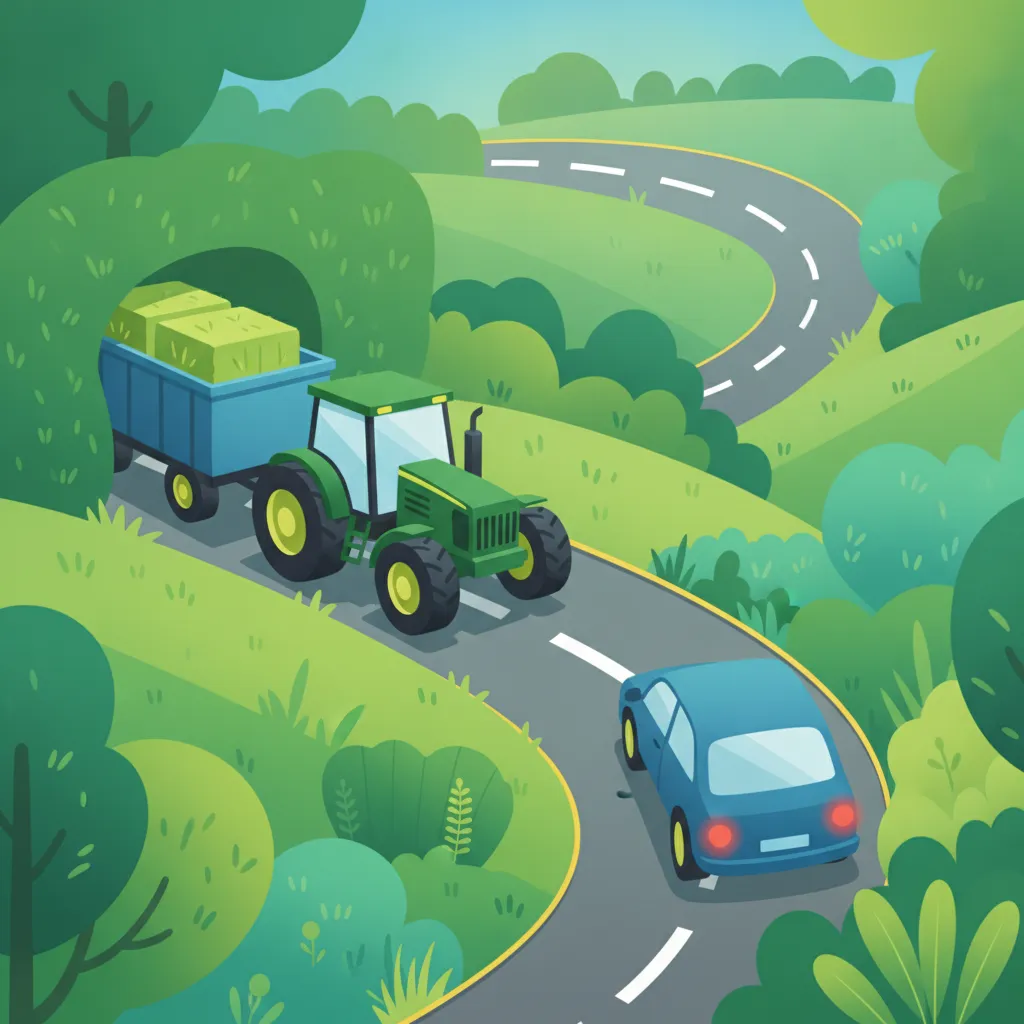
Irish rural roads are often narrow, winding, and bordered by high hedges, presenting unique hazards compared to urban streets. This lesson focuses on scanning for hidden hazards such as slow-moving farm machinery, mud on the road surface, and loose livestock. You will learn how to adjust your speed before entering blind bends, sound your horn at blind crests, and safely share the road with local agricultural traffic.
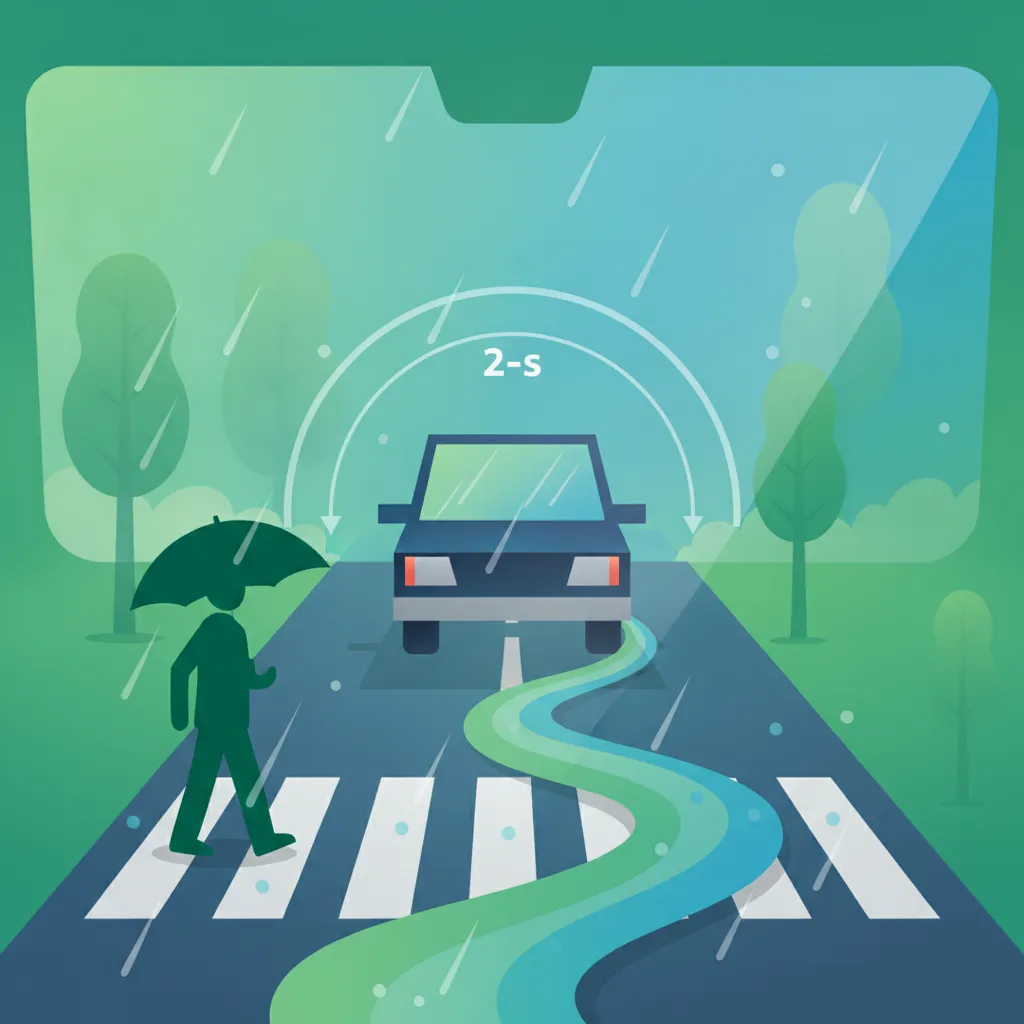
Maintaining an extensive buffer zone ahead of a large passenger vehicle is critical to ensuring enough space for emergency maneuvers. This lesson teaches the time-gap method, detailing how following distances must double on wet roads or increase with full passenger loads. It builds hazard anticipation skills, teaching drivers to read distant traffic cues and react early to hazards.
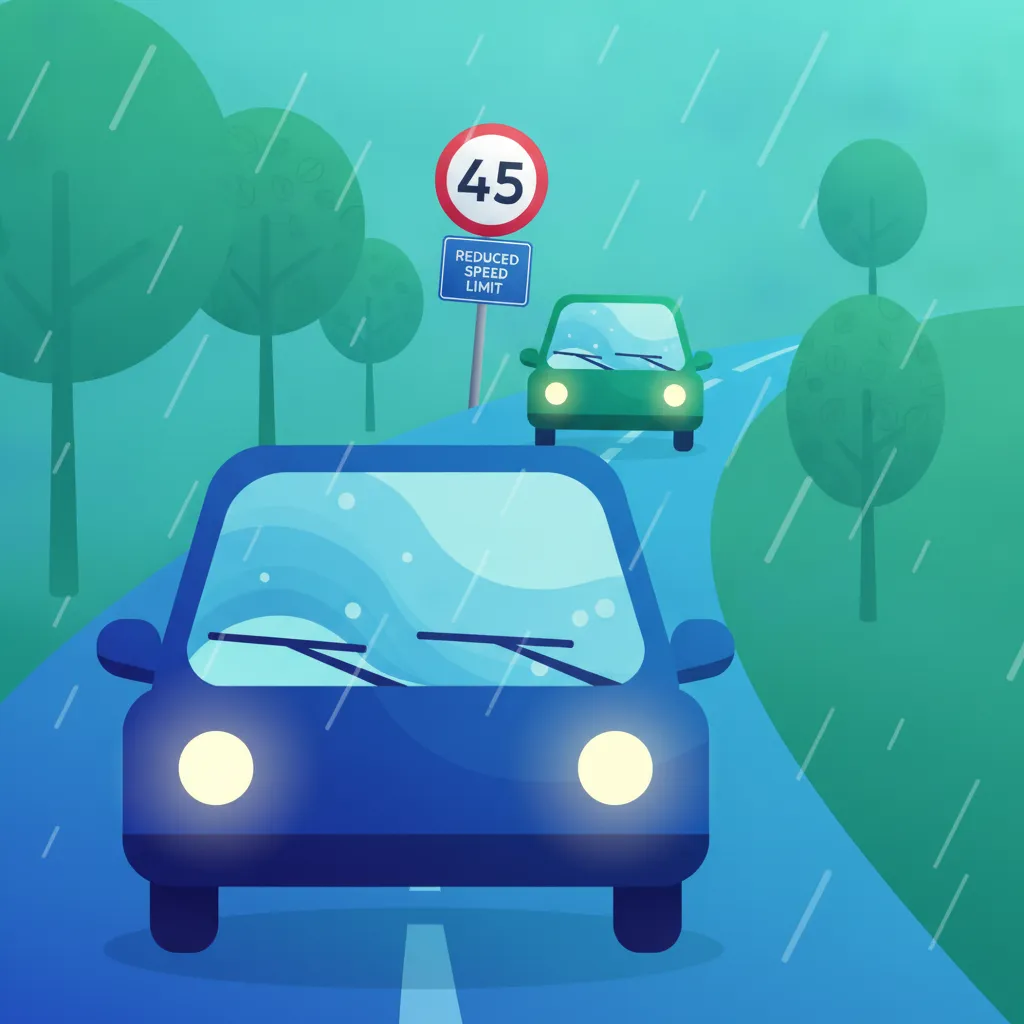
Adverse weather severely compromises tyre traction and forward visibility, demanding immediate speed reductions and extra space. This lesson focuses on the physics of aquaplaning in heavy rain, driving safely on black ice, and navigating thick fog using designated fog lamps. You will learn how to manage your windshield defoggers, adjust wipers, and handle high crosswinds that can destabilise your vehicle.
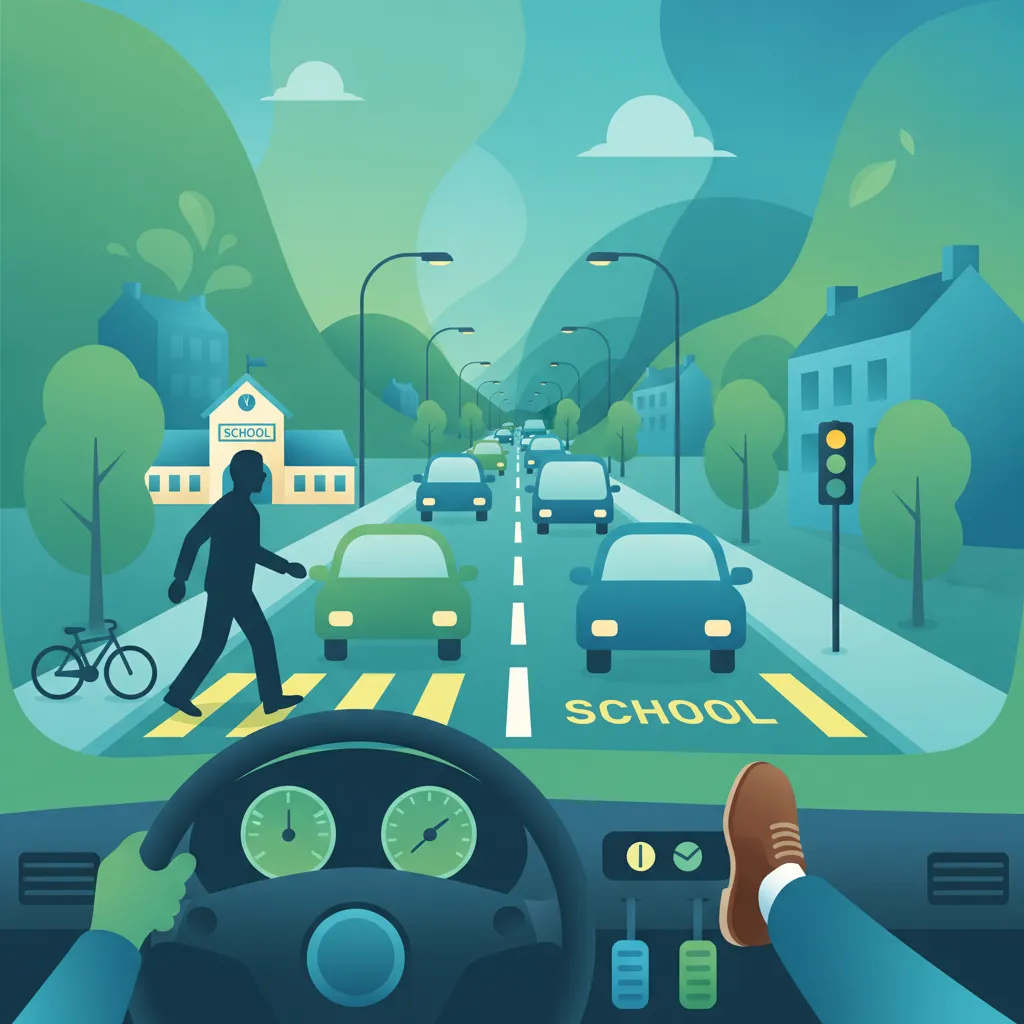
This lesson highlights the importance of smooth throttle adjustments for maintaining traction and stability on a moped. It teaches riders how to anticipate potential road hazards early, reducing the need for sudden emergency braking. Developing strong observation habits allows riders to adjust their speed smoothly and respond safely to traffic changes.
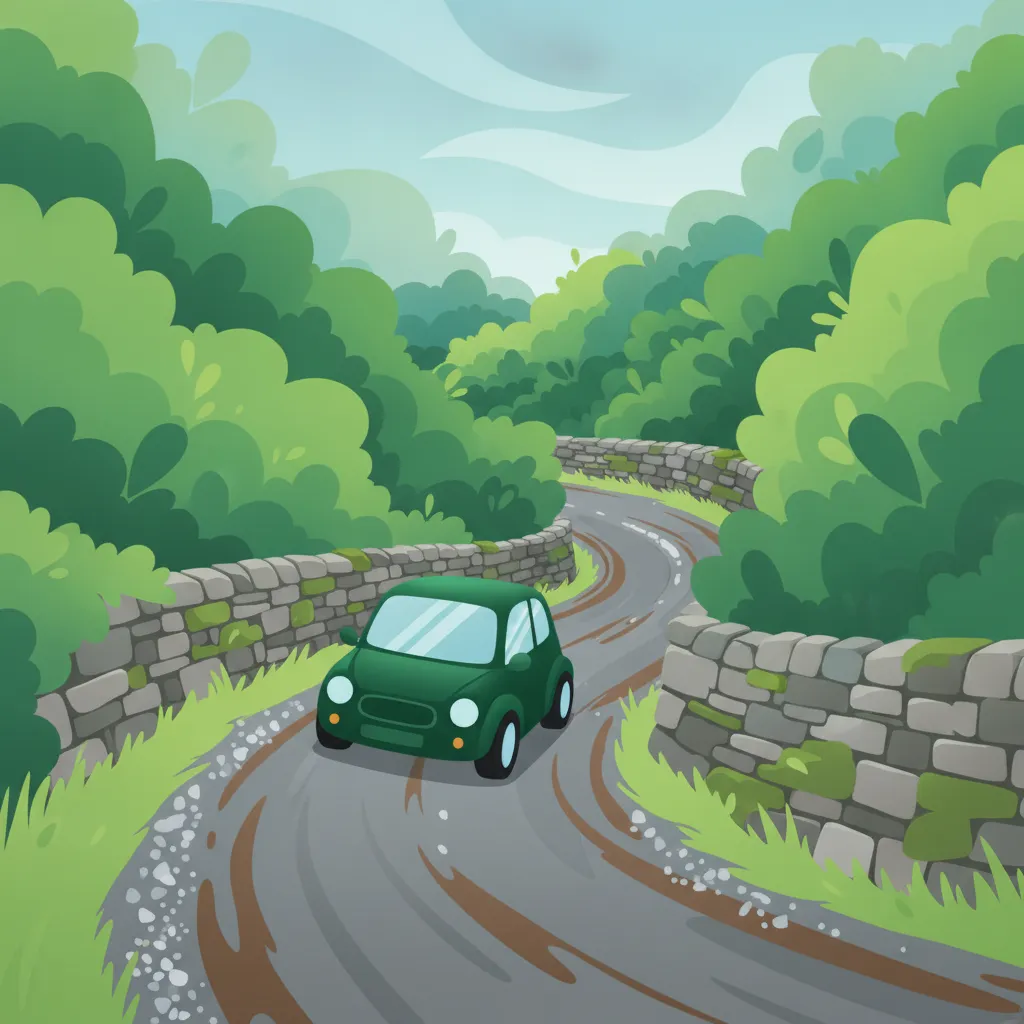
Irish rural routes are often narrow, lacking central markings, and bordered by tall hedges that restrict forward visibility on sharp bends. This lesson teaches drivers how to negotiate blind curves, anticipate slow-moving agricultural machinery, and respond to wandering farm animals. Drivers will learn to regulate vehicle speed proactively, maintaining a safe stopping margin in rural areas.

This lesson teaches how to cultivate a proactive defensive riding mindset, focusing on situational awareness and constant hazard scanning. It describes the system of motorcycle control, encouraging riders to anticipate potential mistakes from other drivers, pedestrians, and cyclists. Motorcyclists will learn to position themselves defensively, leaving clear escape routes in all driving environments.
Defensive driving prepares you to react safely when facing unexpected mechanical failures or immediate road hazards. This lesson explains how to execute an emergency stop using Anti-lock Braking Systems (ABS) and how to recover from front and rear-wheel skids on slippery roads. You will learn the importance of remaining calm, avoiding panic-steering, and applying controlled evasive actions to prevent collisions.
Understand the specific risks associated with navigating narrow rural roads, sharp bends, and farm vehicle interactions. This lesson details essential theory concepts for handling road conditions, visibility management, and safe positioning when driving on non-urban roads under various Irish weather and light conditions.
Irish rural routes are often narrow, lacking central markings, and bordered by tall hedges that restrict forward visibility on sharp bends. This lesson teaches drivers how to negotiate blind curves, anticipate slow-moving agricultural machinery, and respond to wandering farm animals. Drivers will learn to regulate vehicle speed proactively, maintaining a safe stopping margin in rural areas.
Irish rural roads are often narrow, winding, and bordered by high hedges, presenting unique hazards compared to urban streets. This lesson focuses on scanning for hidden hazards such as slow-moving farm machinery, mud on the road surface, and loose livestock. You will learn how to adjust your speed before entering blind bends, sound your horn at blind crests, and safely share the road with local agricultural traffic.
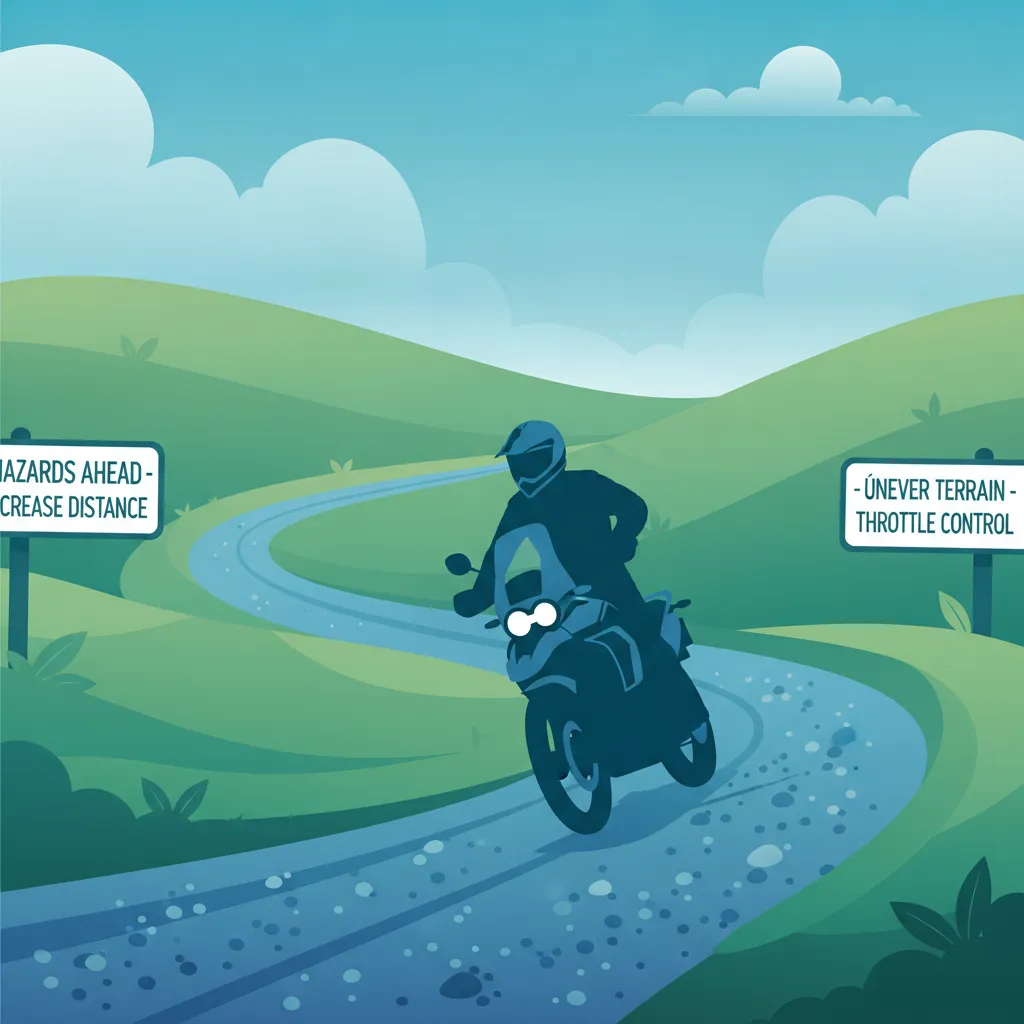
This lesson focuses on riding techniques suited for gravel, loose surfaces, and rural roads. Learners will understand how to maintain stability, adjust braking and cornering approaches, and anticipate hazards such as potholes and farm vehicles, following RSA guidance for safe riding in the Irish countryside.
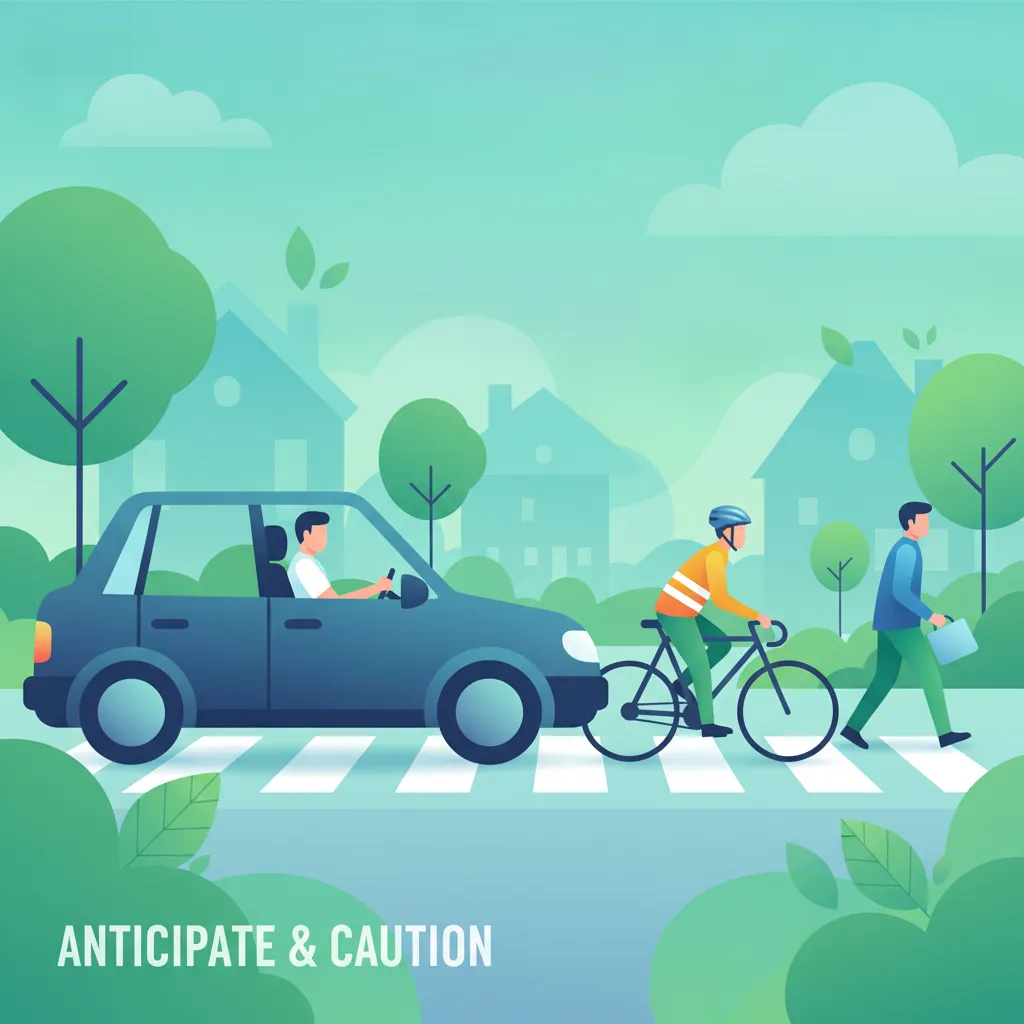
Safeguarding vulnerable road users requires more than simple obedience to traffic signs; it demands a defensive driving mindset. This lesson summarizes safe practices, including scanning far ahead in urban areas, keeping massive safety margins in wet weather, and executing thorough blind spot checks before reversing. By anticipating the unpredictable movements of others, you can prevent accidents and support a safe road culture.
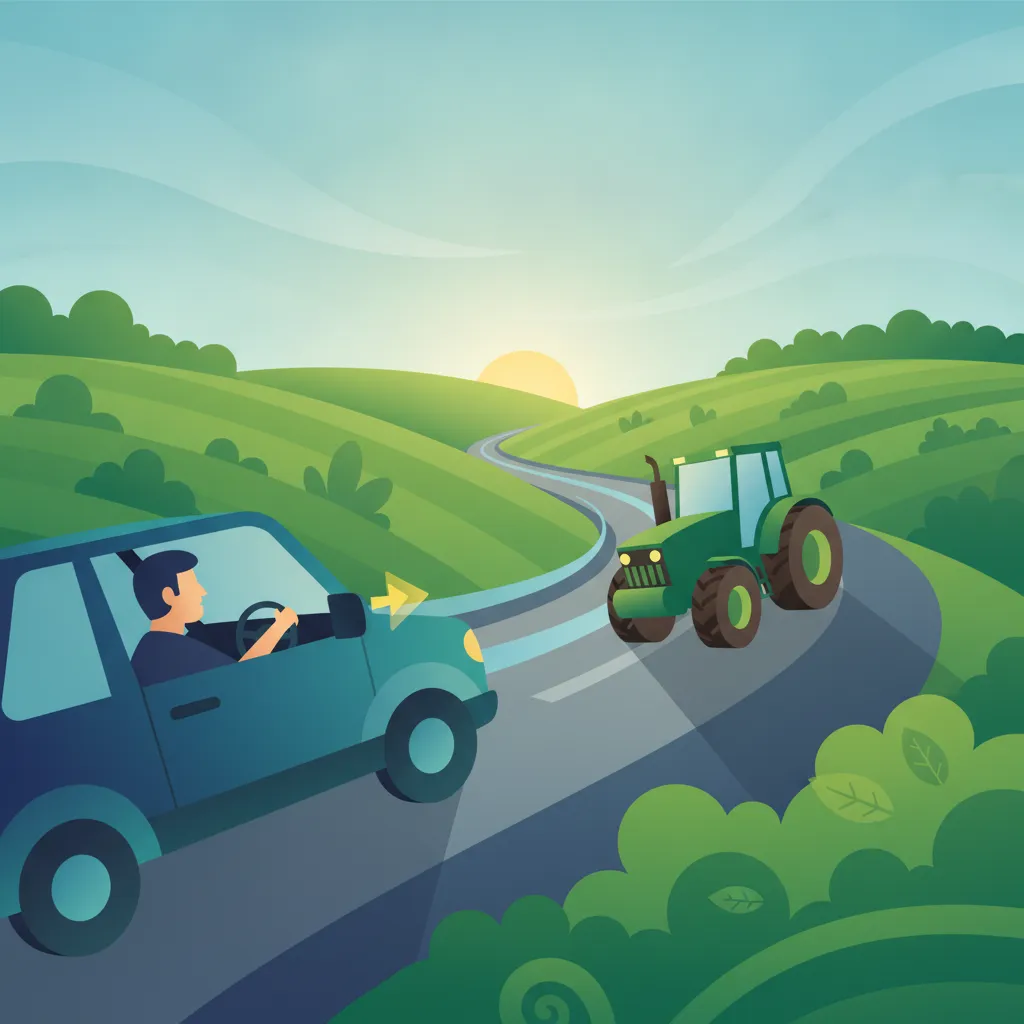
This lesson explains the sequential steps for executing safe overtaking manoeuvres on single and dual-carriageway roads in Ireland. It focuses on assessing speed differentials, establishing clear lines of sight, and evaluating oncoming traffic before committing. Riders will learn the correct signaling routine, safe abort procedures, and how to return smoothly to their lane without cutting in.

This lesson outlines the rules and procedures for riding safely on dual carriageways and motorways in Ireland. It covers merging from slip roads, maintaining lane discipline, and executing high-speed overtaking manoeuvres in accordance with RSA standards. Motorcyclists will learn to anticipate turbulence from large commercial trucks and recognize the safety signs used on high-speed routes.

Irish driving theory demands that drivers keep to the left-hand side of the road unless overtaking or turning right. This lesson explains how to maintain consistent lane discipline on multi-lane roads, how to perform safe lane changes, and the dangers of drifting. You will learn the safety sequence of checking mirrors, checking blind spots, signalling, and smoothly executing a lane change without disrupting trailing traffic.
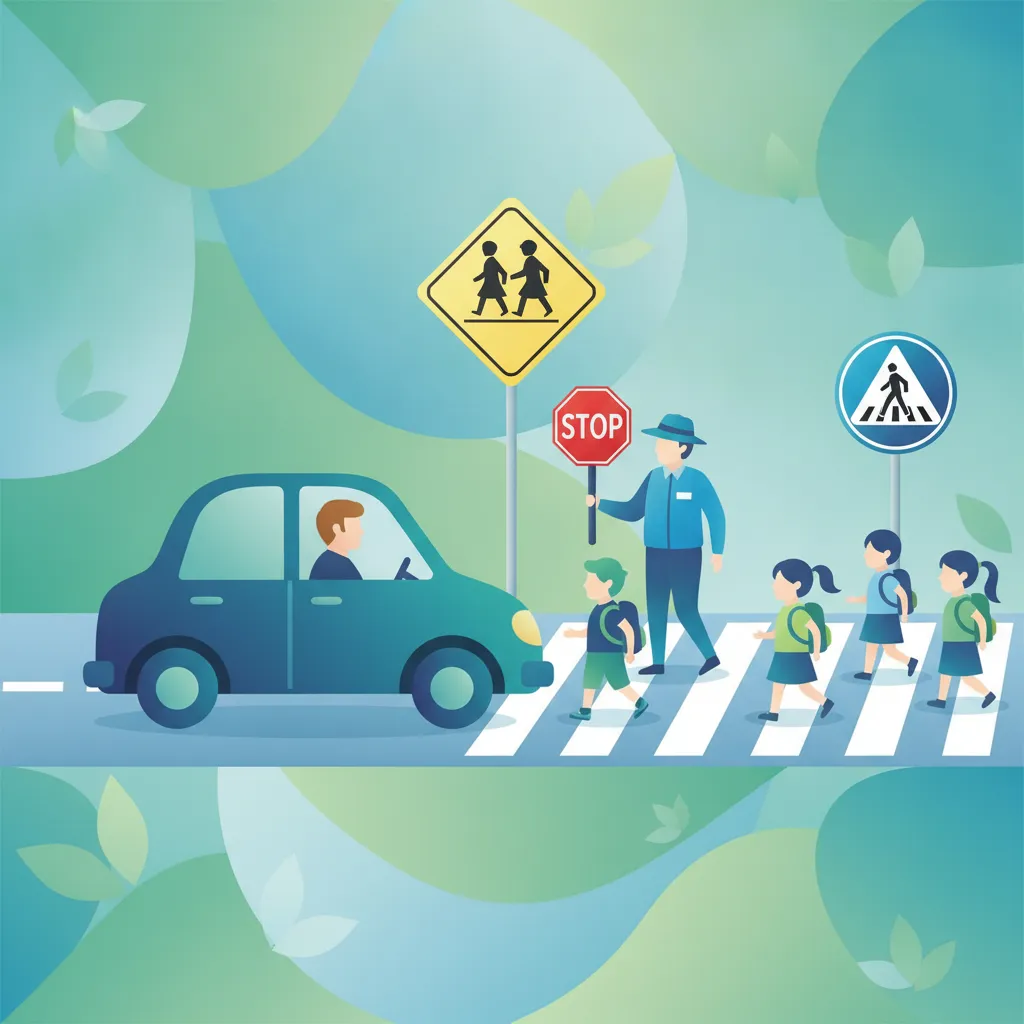
School zones and pedestrian crossings require high driver alertness and strict compliance with local speed limits in Ireland. This lesson details the legal rules of zebra and pelican crossings, explaining driver requirements when amber warning beacons are flashing. Drivers will study safety procedures for dropping off or picking up children, preventing common blind-spot accidents near schools.
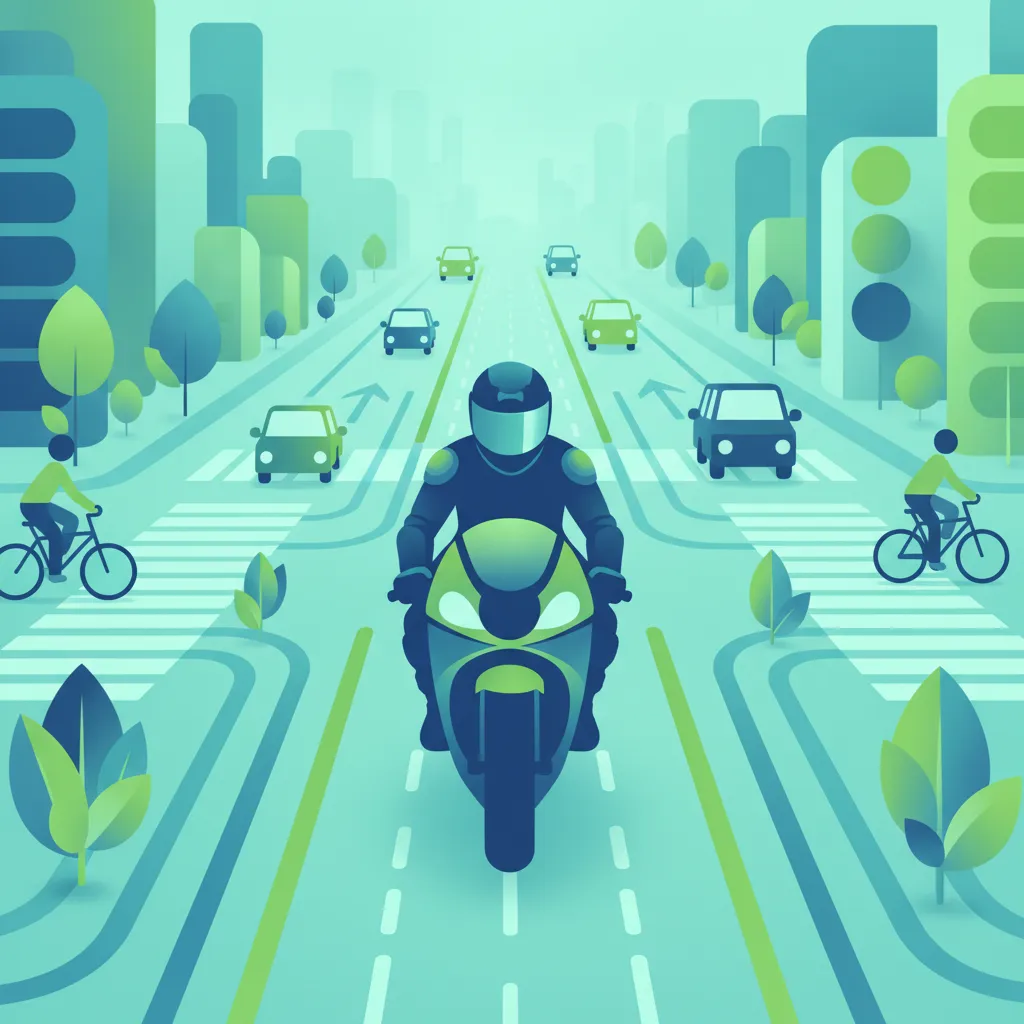
This lesson analyzes traffic flow characteristics in dense municipal areas and teaches safe riding methods for congested gridlock situations. It covers the maintenance of adequate safety cushions, scanning for opening car doors, and monitoring pedestrians stepping from between parked cars. Riders will learn to manage frequent stopping, constant clutch wear, and the stress of urban commuting.
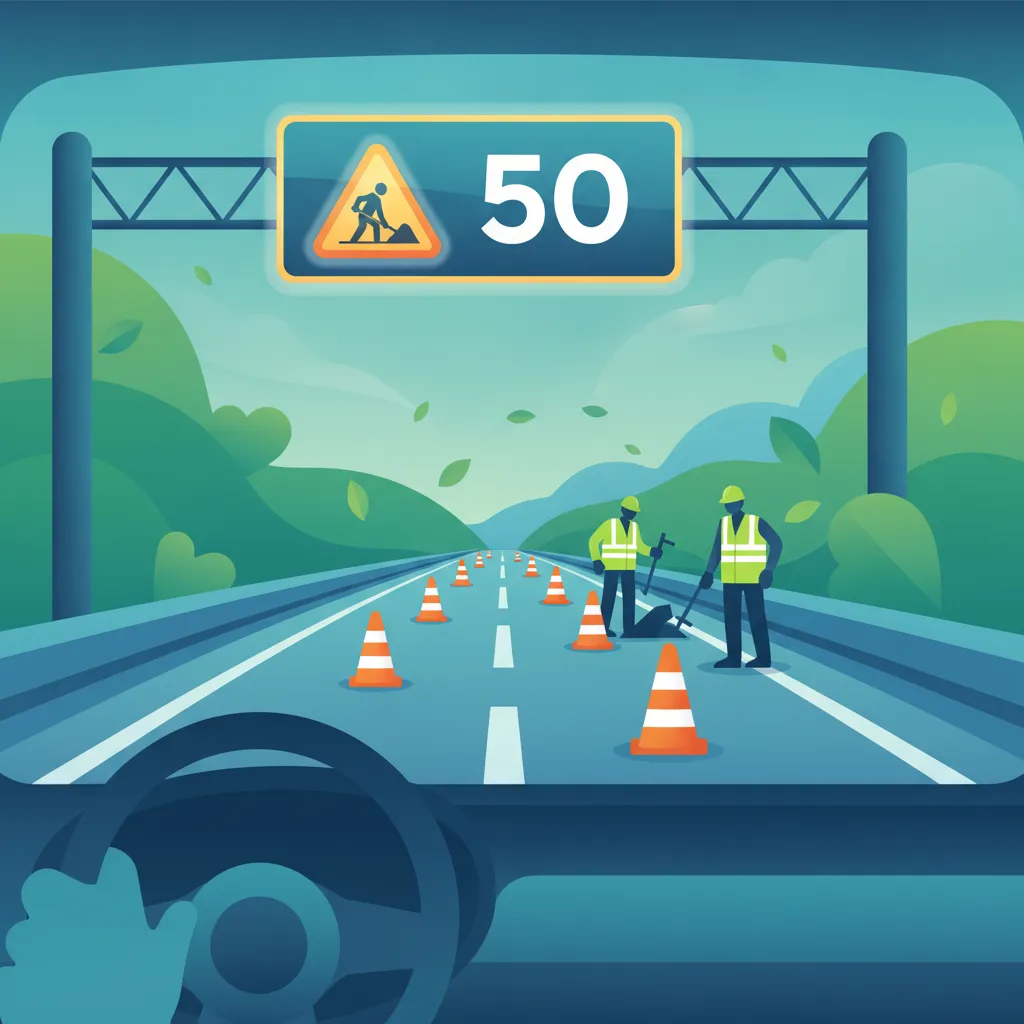
Variable Message Signs and roadwork indicators communicate temporary safety conditions, such as lane closures, heavy delays, or dynamic speed restrictions. This lesson teaches you how to interpret digital overhead gantries, temporary hazard cones, and specific detour layouts often encountered on Irish motorways and regional routes. Adhering to these real-time instructions protects both you and the vulnerable road crews working ahead.
Find clear answers to common questions learners have about Night Driving Techniques and Visibility Management. Learn how the lesson is structured, which driving theory objectives it supports, and how it fits into the overall learning path of units and curriculum progression in Ireland. These explanations help you understand key concepts, lesson flow, and exam focused study goals.
You must switch to dipped headlights when following another vehicle closely, when meeting oncoming traffic, in well-lit built-up areas, or during heavy rain or fog to avoid dazzling other road users.
To avoid glare, look towards the left-hand edge of the road and slow down. Focus on the white line or road markings to maintain your position while preventing the oncoming lights from temporarily blinding you.
Yes, rural roads lack street lighting and often have tighter bends. You must use your main beam whenever it is safe to do so to increase visibility, but remain extra alert for pedestrians, cyclists, or farm animals that may not be wearing reflective clothing.
The two-second rule is the minimum safe following distance. At night, or in poor visibility, you should increase this distance to four seconds or more to allow yourself extra reaction time should the vehicle in front brake suddenly.
Use the practice question search tool to pinpoint specific topics, road signs, or rules you need to master for your official Driver Theory Test. Refine your study strategy and ensure comprehensive preparation for all aspects of the Irish driving exam. Start your focused revision now and build confidence for your learner permit test.