
This lesson explores the essential techniques for operating large passenger vehicles safely during challenging Irish weather conditions. You will learn how to adjust your driving for heavy rain, fog, and strong winds to ensure passenger safety and satisfy the requirements of the Category D theory test.
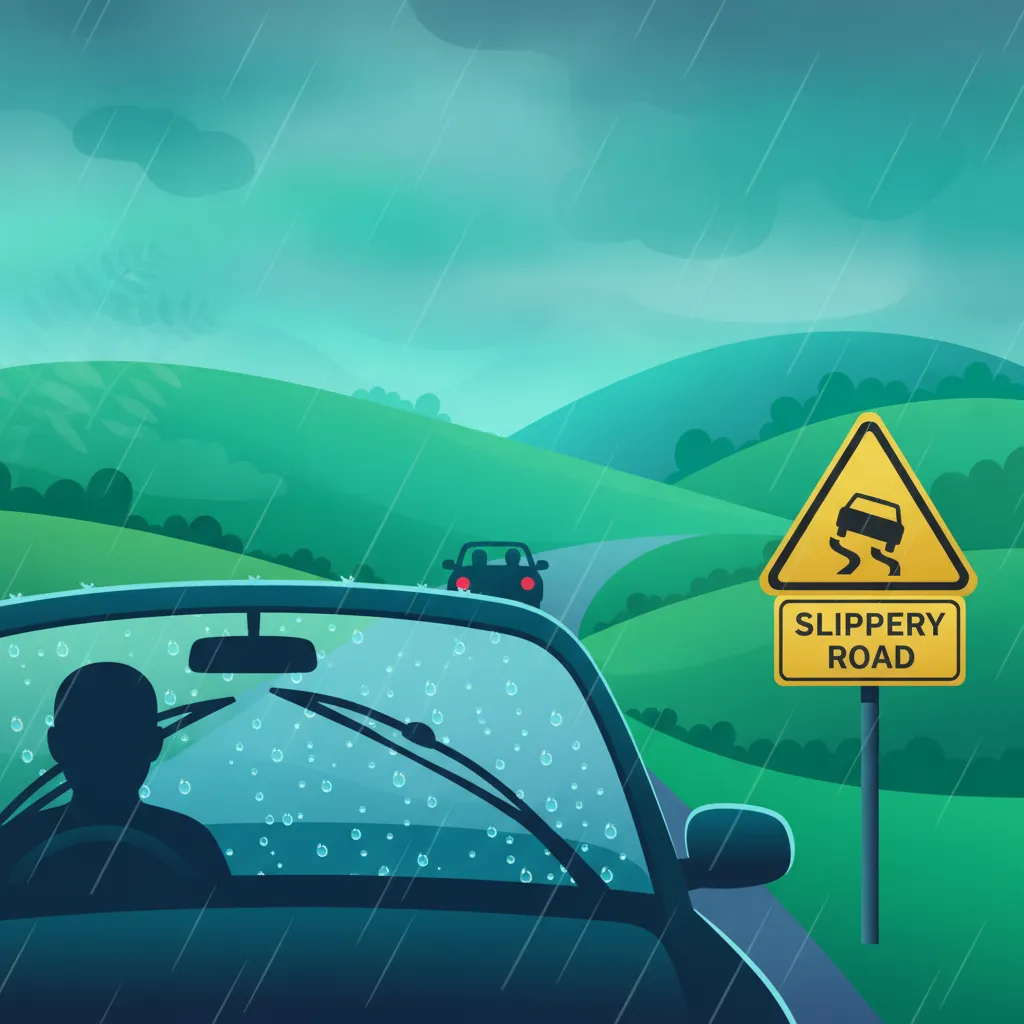
Lesson content overview
Operating a large, high-sided passenger vehicle, such as a coach or a double-decker bus, requires a superior level of driving skill and anticipation compared to standard passenger cars. In Ireland, where the Atlantic climate regularly brings sudden downpours, dense winter fog, and severe coastal gales, mastering adverse weather driving is a core requirement for any professional driver.
As a Category D or D1 licence candidate, you must understand how weather affects your vehicle's physical stability, braking capability, and visibility. This lesson delivers the theoretical foundation and practical applications required to navigate these hazards safely, keeping your passengers, yourself, and other road users out of harm's way.
Rain is the most frequent adverse weather condition encountered on Irish roads. For a heavy passenger vehicle, wet roads dramatically alter the relationship between the tyres and the tarmac.
Traction is the frictional grip between your vehicle's tyres and the road surface. It is the force that allows you to accelerate, steer, and bring your vehicle to a safe, controlled stop. On a dry road, high-quality asphalt provides excellent friction. However, when rain falls, a mixture of water, oil deposits, rubber dust, and dirt forms a highly slippery film on the road surface.
This film reduces the coefficient of friction, meaning your tyres have significantly less grip. For a heavy coach carrying up to 50 or more passengers, this loss of traction is amplified by the vehicle’s high momentum.
The grip or friction between a vehicle's tyres and the road surface, which is essential for steering, accelerating, and braking.
Aquaplaning (also known as hydroplaning) occurs when a layer of water builds up between your vehicle's tyres and the road surface. When the tyre tread cannot disperse the water quickly enough, the tyre loses direct contact with the road, effectively "floating" on a thin cushion of water.
When aquaplaning occurs, all steering and braking control is lost because there is no friction between the rubber and the road.
Release the Accelerator: Immediately take your foot off the accelerator pedal. This allows the vehicle to slow down naturally. Do not slam on the brakes, as this will lock the wheels and worsen the skid.
Declutch: If driving a manual vehicle, depress the clutch pedal to isolate the engine forces from the wheels. If driving an automatic, keep the transmission engaged but do not accelerate.
Hold the Steering Wheel Steady: Keep the steering wheel pointed in the direction you want to go. Avoid making sudden or sharp steering corrections, as this can cause the vehicle to spin or overturn once the tyres regain grip.
Wait for Grip to Return: As the vehicle slows down, the weight of the passenger vehicle will eventually force the tyres back through the water film to make contact with the road surface.
Because braking efficiency is severely compromised on wet roads, you must proactively adjust your position relative to the vehicle ahead.
Under normal, dry road conditions, professional bus drivers must maintain a minimum following distance of two seconds behind the vehicle in front. This is calculated by choosing a fixed object (such as a signpost or a bridge) and counting the seconds after the leading vehicle passes it.
On wet roads, this distance must be at least doubled to a minimum of four seconds.
Fog is one of the most hazardous weather conditions for Category D drivers in Ireland, particularly during the autumn and winter months on rural routes and inland motorways.
Under Irish road traffic regulations, fog lights are high-intensity lights designed specifically to improve visibility in dense fog, heavy falling snow, or thick mist. However, they must be used strictly in accordance with the law to avoid endangering other drivers.
The 50-Metre Rule: Under Irish law and RSA guidelines, you must only turn on your front and rear fog lights when visibility is reduced to less than 50 metres. Using them in clear conditions or light rain is illegal and highly dangerous, as it causes severe glare and can dazzle oncoming or following drivers.
A large passenger vehicle has extensive glass surfaces that are highly prone to misting up in cold, damp weather.
High-sided vehicles, such as double-decker buses, luxury coaches, and regional passenger buses, present a very large surface area to the wind. This makes them highly susceptible to lateral (side) winds, which can push the vehicle out of its lane or, in extreme cases, cause it to overturn.
Lateral wind gusts are particularly hazardous on exposed stretches of road, such as coastal routes, high-elevation motorways, and long bridges (e.g., the Foyle Bridge in Derry or elevated sections of the M50 around Dublin).
When driving past large trucks (HGVs) or coming out from behind wind barriers (such as motorway sound walls, dense forests, or deep road cuttings), you will experience a sudden change in wind pressure.
Reduce Speed: Slowing down reduces the aerodynamic lift forces acting on your vehicle and increases your tyres' mechanical grip on the road, making the vehicle much easier to stabilize.
Keep Both Hands on the Wheel: Maintain a firm, double-handed grip on the steering wheel at the 9 and 3 o'clock positions. This ensures you can respond instantly to sudden, unexpected gusts.
Steer Gently into the Wind: When a gust pushes your vehicle sideways, make small, controlled steering inputs into the direction of the wind to counter the drift. Avoid rapid, jerky movements that could upset the vehicle's balance.
Increase Lateral Following Distance: Give vulnerable road users, such as cyclists, motorcyclists, and high-sided light goods vehicles, extra space. They can easily be blown off course by the same gusts.
Under the Irish Rules of the Road, legal speed limits represent the absolute maximum speed permitted on a road under ideal, dry conditions. They are not targets.
When weather conditions deteriorate, you are legally obligated to reduce your speed to a level that allows you to stop safely within your clear distance ahead.
Failing to adapt your speed to adverse weather, even if you are driving below the posted legal speed limit, can result in prosecution for careless or dangerous driving.
To help contextualize these principles, let's explore three practical driving scenarios that highlight correct decision-making versus common driver errors.
This lesson covers the essential techniques for driving large passenger vehicles safely in Ireland's challenging weather. Wet roads dramatically reduce tyre grip, doubling braking distances and requiring a minimum 4-second following gap under the two-second rule. Aquaplaning occurs when tyres lose road contact on standing water; the correct recovery is to ease off the accelerator and hold the wheel straight. Fog lights are governed by law—front and rear fog lights must only be activated when visibility falls below 50 metres, and high beams must never be used in fog. High-sided buses face serious stability risks from lateral winds on exposed roads, making speed reduction and a firm two-handed grip essential. These principles are tested in the Category D theory exam and underpin safe professional driving practice.
A short set of high-value points that capture the most important learning from this lesson.
Wet roads halve tyre traction and can double braking distance, requiring a minimum 4-second following gap behind the vehicle ahead
Aquaplaning removes all steering and braking control; recover by easing off the accelerator, declutching, and holding the wheel steady until tyres regain grip
Fog lights must only be used when visibility drops below 50 metres—using them in clear conditions is illegal and dangerous
High-sided buses are highly vulnerable to lateral winds on exposed bridges and coastal routes; reduce speed and keep both hands on the wheel
Speed limits are maximums under ideal conditions—legal speed can still constitute careless driving in adverse weather
Explore all units and lessons included in this driving theory course.
Legal tread depth minimum is 1.6 mm, but professional operators replace heavy vehicle tyres well before reaching this limit
When passing large HGVs, expect a sudden wind-shadow transition as you clear the vehicle's front
Rear fog lights are so bright they can obscure your brake lights—switch them off as soon as visibility improves
Use dipped (low-beam) headlights in fog; high beams reflect back and create blinding glare
Hazard warning lights indicate a stationary hazard or breakdown, not continuous use in heavy rain
Keeping rear fog lights on after the fog clears, dazzling drivers behind and hiding your brake lights
Using high-beam headlights in fog, which reflects light directly back and worsens visibility
Slamming on the brakes during aquaplaning, which locks the wheels and extends the loss of control
Maintaining normal motorway speed in heavy rain without adjusting for reduced traction
Failing to anticipate sudden wind gusts when passing HGVs or emerging from behind wind barriers
Lesson content overview
A short set of high-value points that capture the most important learning from this lesson.
Wet roads halve tyre traction and can double braking distance, requiring a minimum 4-second following gap behind the vehicle ahead
Aquaplaning removes all steering and braking control; recover by easing off the accelerator, declutching, and holding the wheel steady until tyres regain grip
Fog lights must only be used when visibility drops below 50 metres—using them in clear conditions is illegal and dangerous
High-sided buses are highly vulnerable to lateral winds on exposed bridges and coastal routes; reduce speed and keep both hands on the wheel
Speed limits are maximums under ideal conditions—legal speed can still constitute careless driving in adverse weather
Explore all units and lessons included in this driving theory course.
Legal tread depth minimum is 1.6 mm, but professional operators replace heavy vehicle tyres well before reaching this limit
When passing large HGVs, expect a sudden wind-shadow transition as you clear the vehicle's front
Rear fog lights are so bright they can obscure your brake lights—switch them off as soon as visibility improves
Use dipped (low-beam) headlights in fog; high beams reflect back and create blinding glare
Hazard warning lights indicate a stationary hazard or breakdown, not continuous use in heavy rain
Keeping rear fog lights on after the fog clears, dazzling drivers behind and hiding your brake lights
Using high-beam headlights in fog, which reflects light directly back and worsens visibility
Slamming on the brakes during aquaplaning, which locks the wheels and extends the loss of control
Maintaining normal motorway speed in heavy rain without adjusting for reduced traction
Failing to anticipate sudden wind gusts when passing HGVs or emerging from behind wind barriers
Explore search topics learners often look for when studying Adapting to Adverse Weather Conditions. These topics reflect common questions about road rules, driving situations, safety guidance, and lesson level theory preparation for learners in Ireland.
Browse additional driving theory lessons that cover connected traffic rules, road signs, and common driving situations related to this topic. Improve your understanding of how different rules interact across everyday traffic scenarios.
Learn the specific speed limits, lane discipline requirements, and overtaking regulations for Category D vehicles on Irish motorways. This guide explains how to safely manage large passenger vehicles in high-speed traffic flows and complex interchange scenarios to ensure professional standards and passenger safety.
Motorway transport requires consistent forward planning, strict speed restriction compliance, and clear mirror checks before exiting lanes. This lesson details the rules of joining and leaving motorways, navigating toll plazas safely, and managing breakdowns on the hard shoulder. Drivers will learn to balance high-speed travel with passenger stability, ensuring a comfortable, secure ride.
This lesson describes the legal regulations and driving conventions for operating heavy commercial vehicles on motorways and high-speed dual carriageways. It explains specific Irish motorway rules, including bans on heavy goods vehicles occupying the outer overtaking lanes. Drivers will learn to manage high-speed slip-road merging, maintain safe spacing buffers, and anticipate long-range changes in overall traffic flow.

The regulatory framework in Ireland imposes strict standards of operation, dimension limits, and speed boundaries on heavy passenger fleets. This lesson reviews vehicle registration tax context, commercial operator licensing laws, and mandatory annual vehicle roadworthiness testing. By understanding these statutory regulations, drivers avoid severe legal infractions and maintain their professional driving credentials.
Operating large passenger vehicles requires instant, accurate interpretation of general and specialized Irish road signage to prevent regulatory violations. This lesson covers the precise meanings of clearway signs, bus corridor indicators, low bridge warnings, and weight restriction zones. Drivers will examine how school zone beacons and specific roundabout indicators apply to large vehicle dimensions.
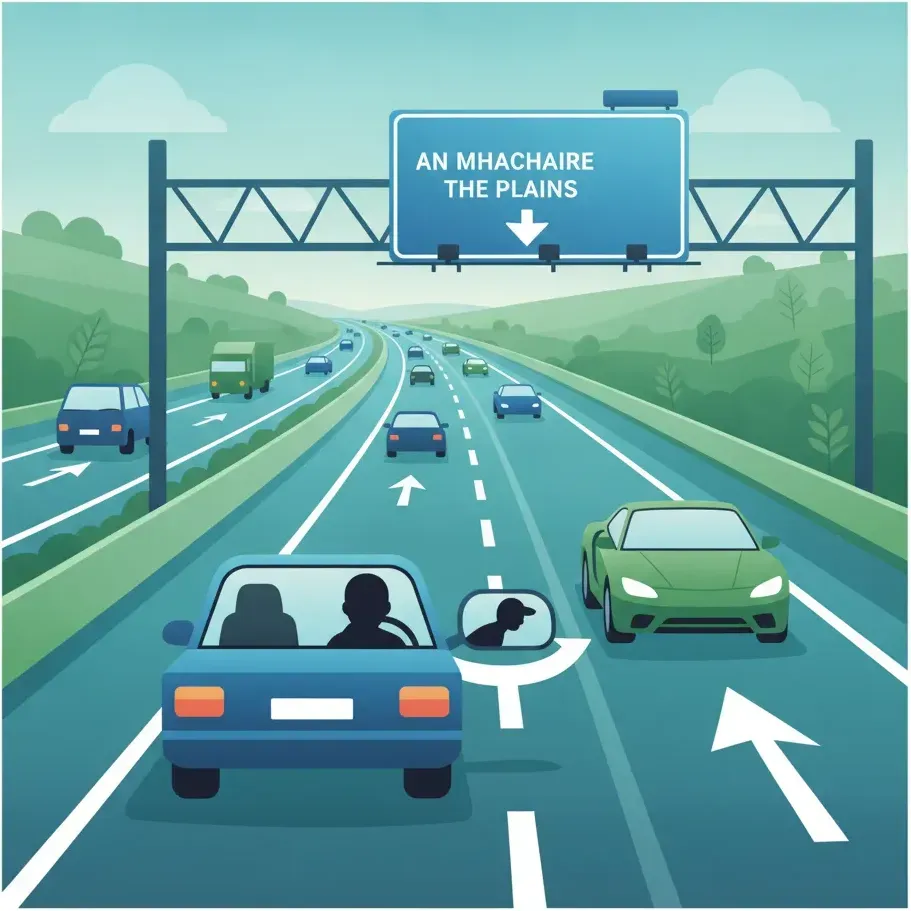
Merging a long, heavy passenger vehicle onto high-speed motorways requires matching the traffic speed within the limited length of slip lanes. This lesson covers signal timing, safe lane-merging gaps, and maintaining control during overtaking maneuvers on national routes. Drivers will learn to prioritize passenger comfort and vehicle stability, preventing sudden weight shifts during lane entries.
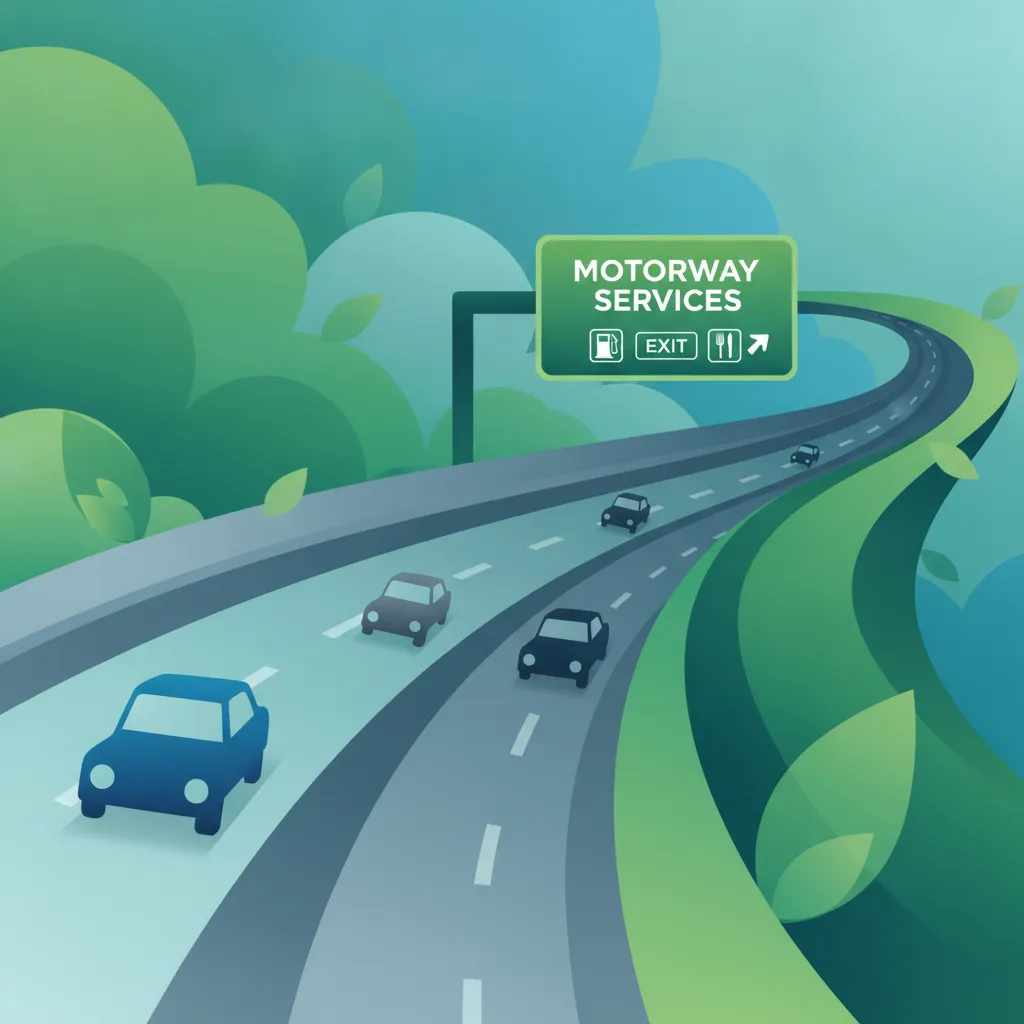
Motorways are designed for safe, high-speed travel, but require strict adherence to lane discipline and specific regulations. This lesson explains that the left lane is for normal driving, while middle and right lanes are strictly for overtaking slower traffic. You will learn how to identify motorway exits, use the hard shoulder during absolute emergencies, and understand the legal restrictions placed on learner permit holders.
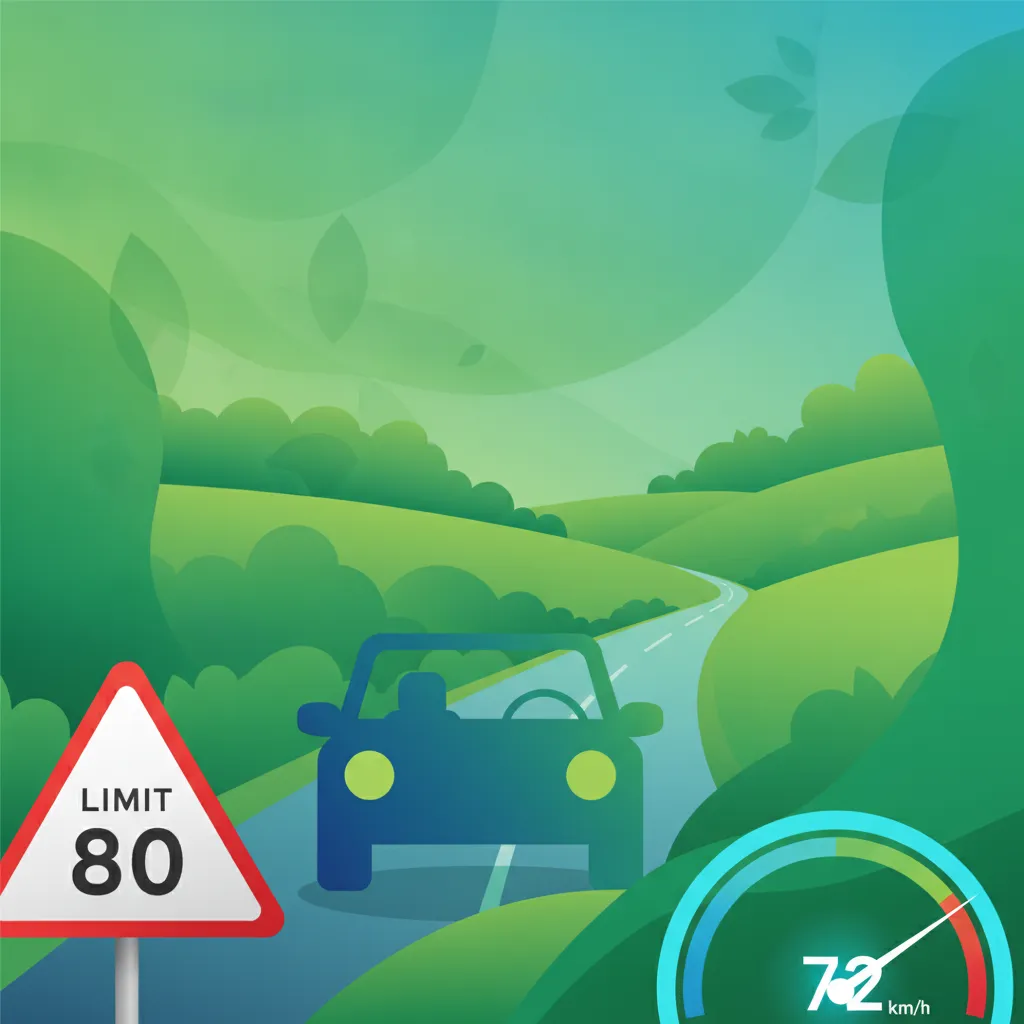
Speed management requires adjusting vehicle velocity to suit current weather, passenger load, and the specific limits of Irish roads. This lesson details speed restrictions for buses and minibuses on motorways, national routes, and built-up areas throughout Ireland. It highlights the driver obligation to prioritize passenger safety over schedule delays by maintaining appropriate speeds.
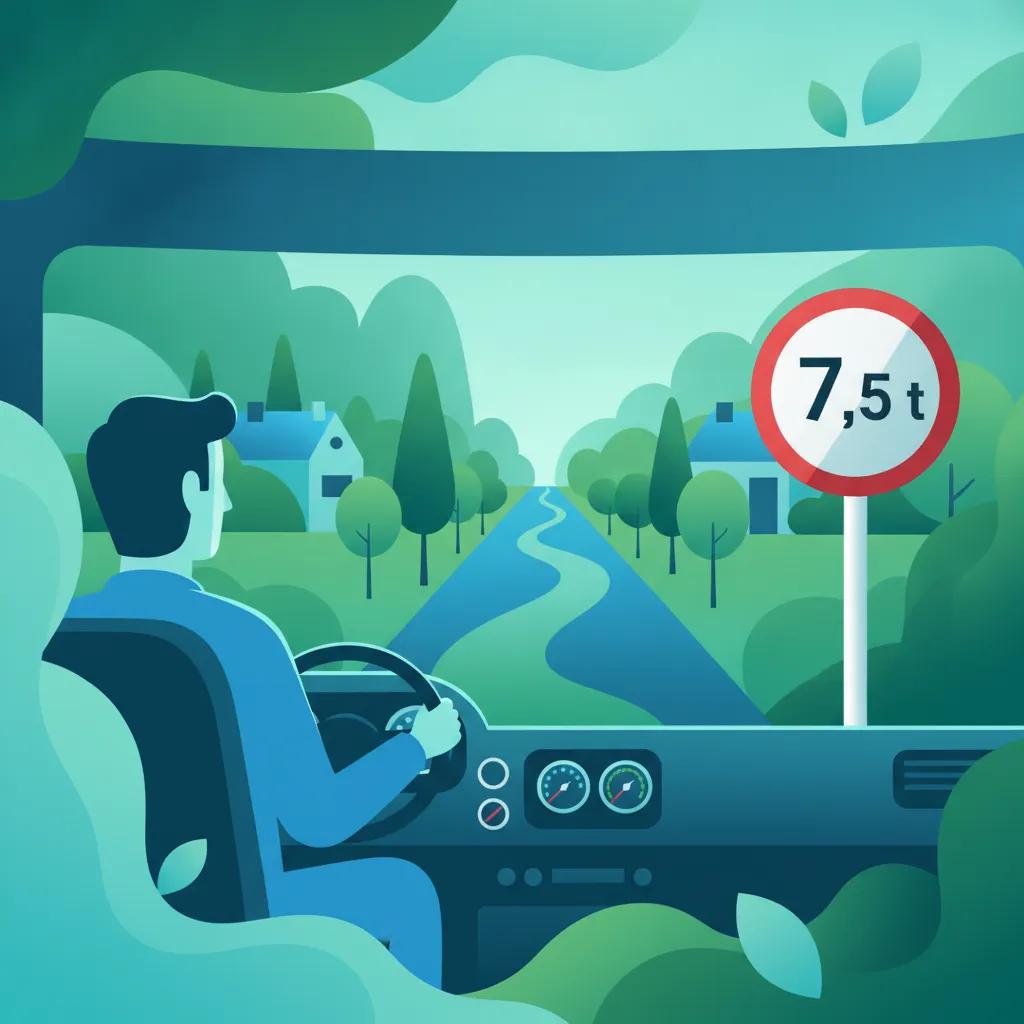
This lesson explores the legal frameworks and structural limitations that govern maximum vehicle weights on specific bridges and underground routes. It explains local authority by-laws, city-centre heavy vehicle exclusion zones, and environmental restrictions across major urban centres in Ireland. Drivers will learn to identify safe alternative bypass routes when encountering weight-restrictive public structures.
Large passenger vehicles must maintain consistent lane positioning to prevent side-swipe incidents and sustain smooth urban traffic patterns. This lesson covers standard lane selection rules, safe overtaking procedures, and how to use designated public transit corridors correctly. Drivers will learn the importance of checking mirrors continuously and planning lane changes well in advance.

As passenger numbers change throughout a service shift, a heavy vehicle suspension, center of gravity, and steering responsiveness adapt dynamically. This lesson covers load balancing, the physical risks of overloading, and how uneven weight distribution compromises stability during turns. Drivers will learn to perform regular axle weight assessments to comply with Irish transport safety rules.
Understand how to proactively identify and respond to potential dangers on Irish roads including vulnerable road users and sudden changes in traffic density. This lesson provides a theoretical framework for situational awareness and defensive driving techniques required for operating coaches and buses in challenging urban and rural environments.
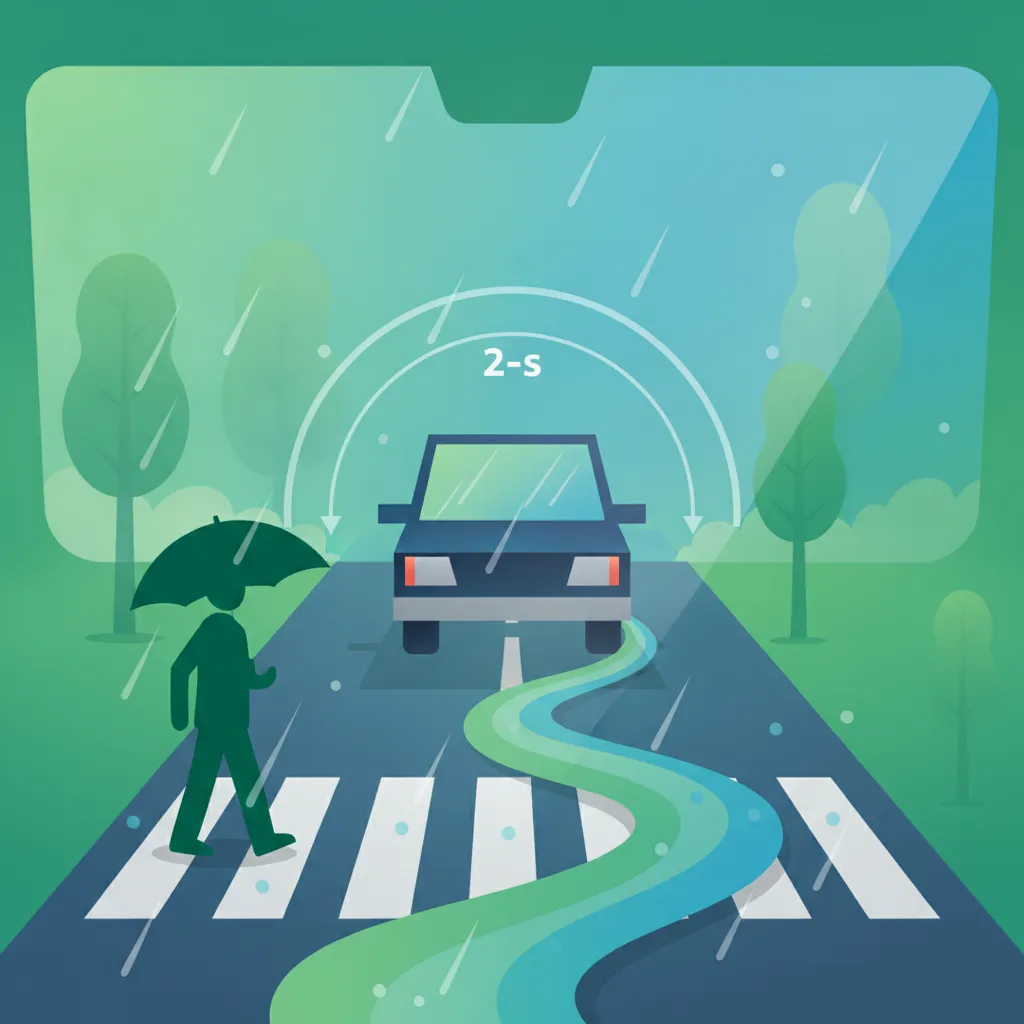
Maintaining an extensive buffer zone ahead of a large passenger vehicle is critical to ensuring enough space for emergency maneuvers. This lesson teaches the time-gap method, detailing how following distances must double on wet roads or increase with full passenger loads. It builds hazard anticipation skills, teaching drivers to read distant traffic cues and react early to hazards.

Heavy vehicles require continuous visual scanning to identify small or slow-moving road users who may enter the path of travel. This lesson explores the typical behaviors of young children, elderly pedestrians, and visually impaired road users. Drivers will build strong hazard perception skills to anticipate sudden movements, ensuring they can brake safely and avoid serious accidents.

Proactive hazard perception involves constantly scanning the road ahead to identify potential dangers before they turn into actual emergencies. This lesson covers active scanning techniques, helping you look far ahead, check mirrors regularly, and identify subtle risk clues such as exhaust smoke from parked cars or children playing near kerbs. Anticipating these developments gives you the time to adjust speed and position safely.

Children often struggle to judge heavy vehicle speeds accurately, while elderly pedestrians may possess limited mobility or hearing impairments. This lesson addresses these unique risks, explaining how to adjust driving patterns in residential neighborhoods and near shopping districts. Drivers will learn to maintain a high safety margin, ensuring they can yield quickly to vulnerable road users.

This lesson explains the extensive blind spots of heavy goods vehicles, buses, and other large trucks on Irish roads. It teaches Category AM riders how to maintain safe following distances and position themselves where truck drivers can see them. Proper space cushion management is emphasized to protect riders from the wind turbulence of passing trucks.

Motorcycles and bicycles are often hidden from view in the large blind spots of passenger buses and coaches during turns. This lesson covers safe lateral clearances when overtaking cyclists, recognizing advanced stop lines, and sharing narrow lanes. Drivers will understand how to signal clearly, giving riders enough room to navigate safely near busy public transit corridors.

This lesson explores the safe operation of heavy transport vehicles during severe meteorological hazards typical of the Irish climate. It teaches techniques for adjusting speed and doubling following distances to prevent loss of steering traction and control on waterlogged or icy roadways. Drivers will understand how to manage lateral aerodynamic forces from crosswinds on high-sided goods vehicles.

Irish rural routes are often narrow, lacking central markings, and bordered by tall hedges that restrict forward visibility on sharp bends. This lesson teaches drivers how to negotiate blind curves, anticipate slow-moving agricultural machinery, and respond to wandering farm animals. Drivers will learn to regulate vehicle speed proactively, maintaining a safe stopping margin in rural areas.
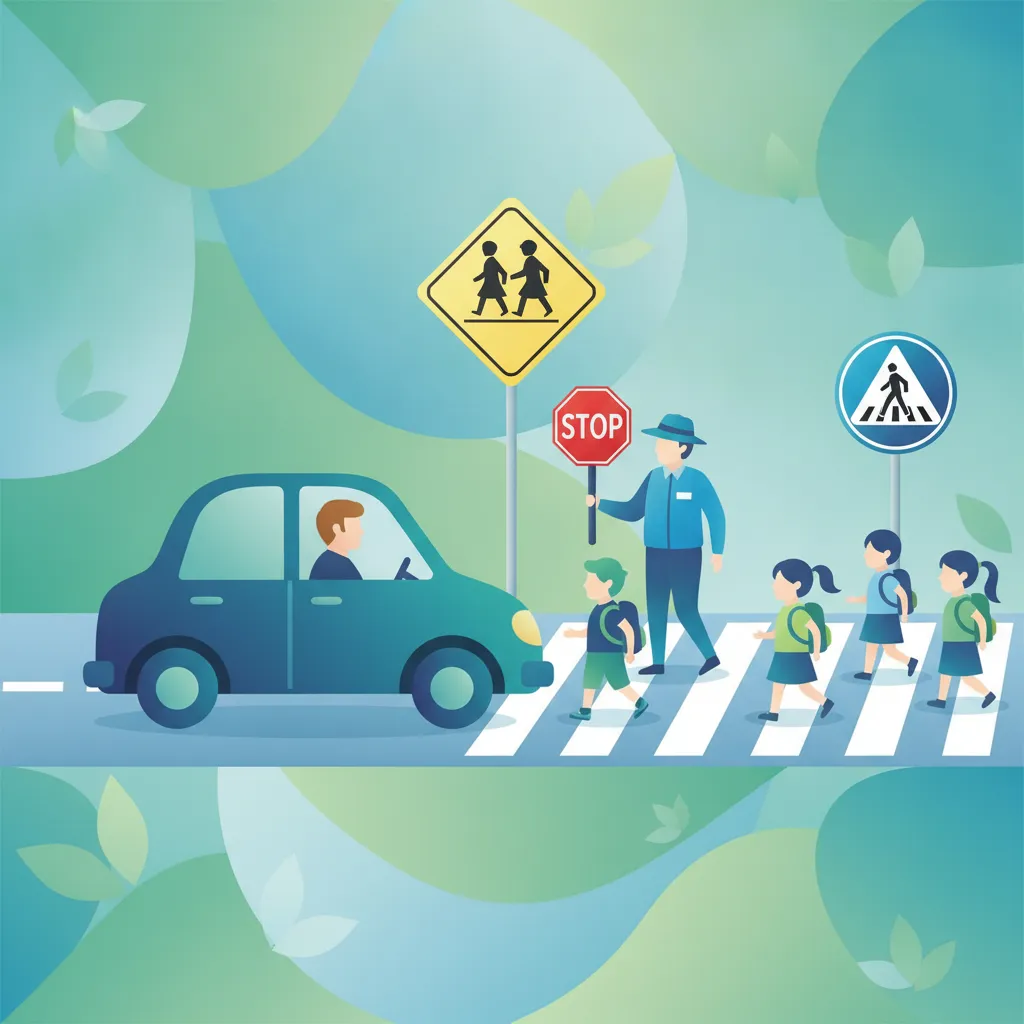
School zones and pedestrian crossings require high driver alertness and strict compliance with local speed limits in Ireland. This lesson details the legal rules of zebra and pelican crossings, explaining driver requirements when amber warning beacons are flashing. Drivers will study safety procedures for dropping off or picking up children, preventing common blind-spot accidents near schools.

This lesson focuses on managing the interactions between commercial goods vehicles and non-motorized or lightweight commuters. It outlines defensive driving techniques to utilize when overtaking cyclists, navigating pedestrian crossings, or negotiating shared junctions in Irish cities. Drivers will examine common cyclist behaviors at roundabouts and understand how to maintain massive safety margins to protect lives.
Find clear answers to common questions learners have about Adapting to Adverse Weather Conditions. Learn how the lesson is structured, which driving theory objectives it supports, and how it fits into the overall learning path of units and curriculum progression in Ireland. These explanations help you understand key concepts, lesson flow, and exam focused study goals.
Passenger vehicles have significantly greater mass and higher centers of gravity. This requires a much longer stopping distance, especially on slippery surfaces, to prevent skidding or passenger injury from harsh braking.
You should only use rear fog lights when visibility is seriously reduced, generally to less than 100 meters. They must be switched off immediately when visibility improves to avoid dazzling drivers behind you.
Be prepared for the bus to be pushed laterally. Maintain a firm grip on the steering wheel, reduce your speed before the exposed section, and keep extra distance from other vehicles or lane edges.
Aquaplaning occurs when a layer of water builds up between your tires and the road, causing a total loss of steering control. You prevent it by slowing down significantly in heavy rain and ensuring your tires are properly inflated and have adequate tread depth.
Use the practice question search tool to pinpoint specific topics, road signs, or rules you need to master for your official Driver Theory Test. Refine your study strategy and ensure comprehensive preparation for all aspects of the Irish driving exam. Start your focused revision now and build confidence for your learner permit test.