Master the essential rules and defensive driving techniques needed to safely share Turkish roads with pedestrians, motorcyclists, cyclists, and other vulnerable users. This section covers priority rules, safe distances, and hazard awareness critical for your ehliyet theory exam and real-world driving.
This category covers critical priority rules and hazard awareness techniques necessary for passing your MTSK e-sınav and driving safely on Turkish roads. Learn how to maintain proper distance and safely interact with pedestrians, motorcyclists, cyclists, and e-scooter users in urban environments.
Navigating school zones requires heightened vigilance and strict adherence to traffic laws designed to protect vulnerable road users. This guide explains the behavioral expectations for Turkish drivers, including how to handle school buses and speed restrictions, ensuring you are prepared for both the e-sınav and the practical driving test.
Drivers in Turkey must adhere to strict legal obligations when approaching pedestrian crossings, especially in high-risk zones like school areas. This guide explains the nuances of yielding to vulnerable road users and identifies the behavioral expectations tested in the e-sınav to help you avoid common mistakes.
Drivers in Türkiye must remain acutely aware of the dangers posed by pedestrians emerging from between parked cars in crowded urban and residential environments. This guide explains how to apply defensive driving principles to minimize risks and ensure compliance with Turkish traffic regulations. You will learn the necessary speed management techniques and proactive observation skills required to handle these unpredictable road situations safely.
Master the rules for safely sharing Turkish roads with pedestrians, motorcyclists, and cyclists, covering priority, safe distances, and hazard awareness crucial for your ehliyet theory exam and safe driving. Learn about specific traffic regulations and best practices to protect vulnerable road users and enhance your overall driving knowledge.
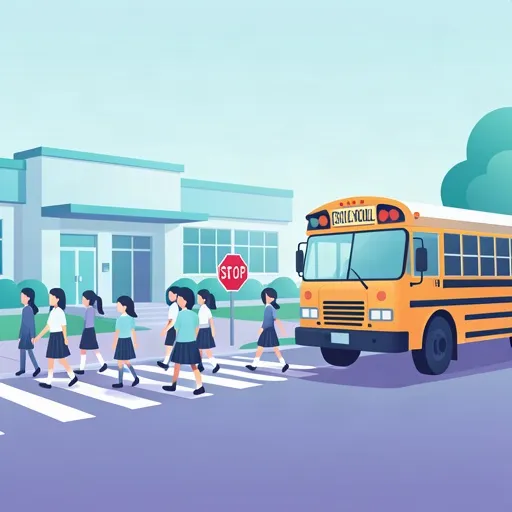
Navigating school zones requires heightened vigilance and strict adherence to traffic laws designed to protect vulnerable road users. This guide explains the behavioral expectations for Turkish drivers, including how to handle school buses and speed restrictions, ensuring you are prepared for both the e-sınav and the practical driving test.
Updated on Nov 17, 2026
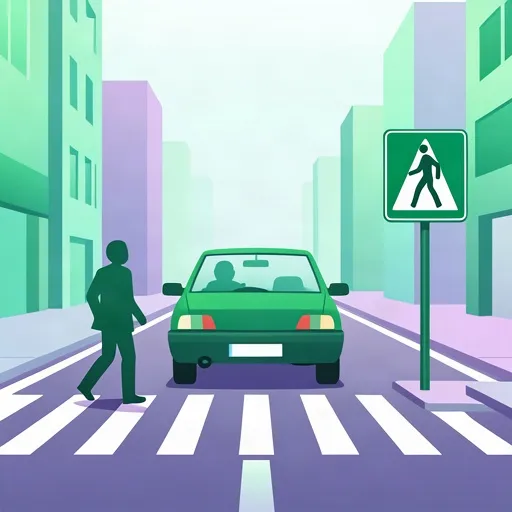
Drivers in Turkey must adhere to strict legal obligations when approaching pedestrian crossings, especially in high-risk zones like school areas. This guide explains the nuances of yielding to vulnerable road users and identifies the behavioral expectations tested in the e-sınav to help you avoid common mistakes.
Updated on Nov 17, 2026
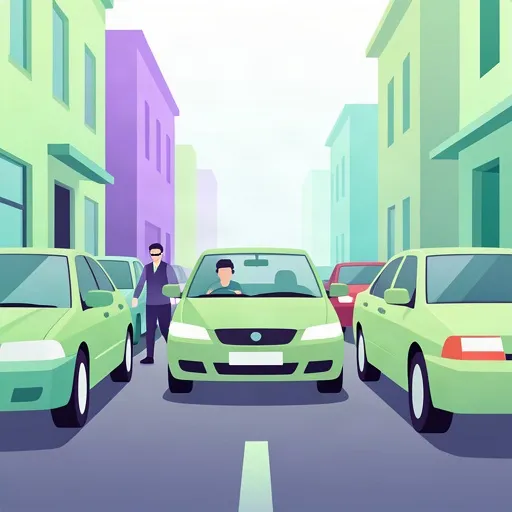
Drivers in Türkiye must remain acutely aware of the dangers posed by pedestrians emerging from between parked cars in crowded urban and residential environments. This guide explains how to apply defensive driving principles to minimize risks and ensure compliance with Turkish traffic regulations. You will learn the necessary speed management techniques and proactive observation skills required to handle these unpredictable road situations safely.
Updated on Nov 4, 2026
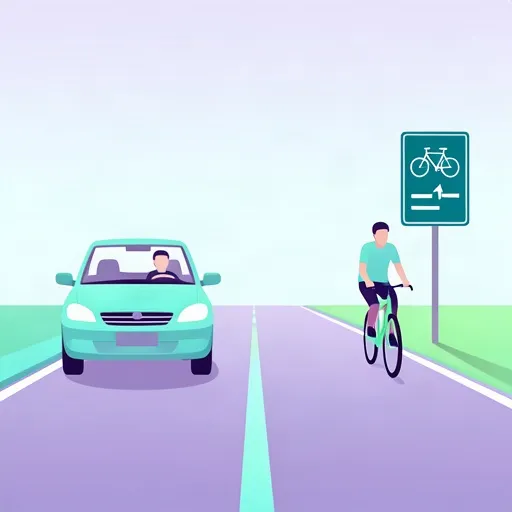
Understanding how to safely navigate around cyclists, pedestrians, and animals is a critical component of defensive driving and the Turkish driving theory exam. This guide clarifies the behavioral expectations mandated by the Karayolları Trafik Kanunu and explains why speed adjustment is just as important as lateral distance. You will learn the principles of risk management that help you avoid common hazards in real-world traffic.
Updated on Oct 30, 2026
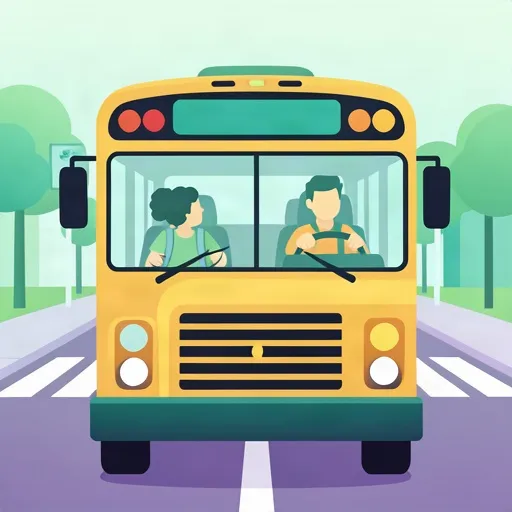
Understanding the high level of vigilance required around school buses and school zones is essential for passing the Turkish MTSK theory exam. This guide clarifies the professional responsibilities of drivers regarding speed control, observation, and passenger safety when boarding or alighting at bus stops. Learn how to identify and mitigate hazards posed by unpredictable pedestrian behavior and complex urban traffic environments.
Updated on Oct 22, 2026
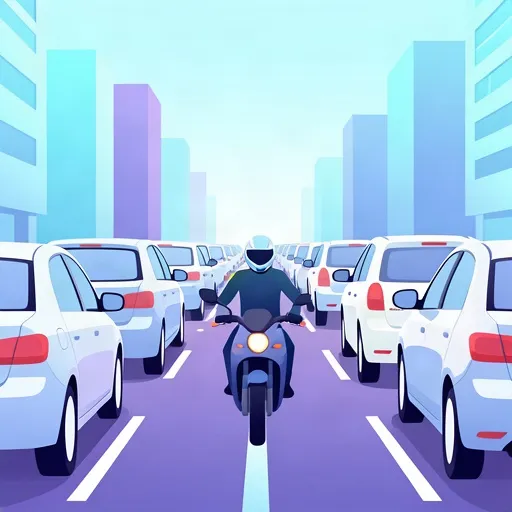
Understanding the hazards of lane filtering is a core component of defensive driving as assessed in the Turkish MTSK theory exam. This article explains how to manage blind spots and navigate through traffic queues while adhering to safe driving principles. Readers will learn the essential safety measures required to anticipate the movements of other road users and avoid high-risk collisions.
Updated on Oct 15, 2026
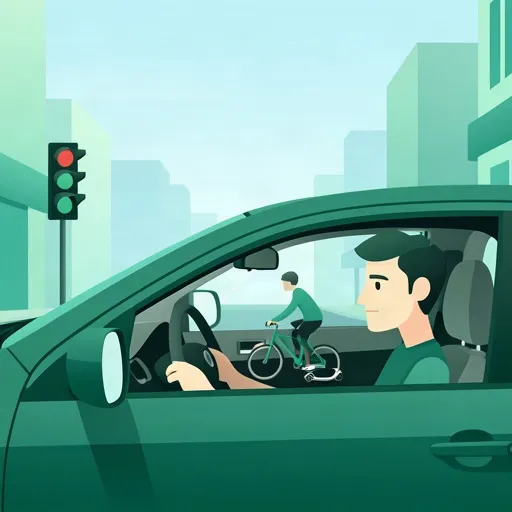
Understanding how to interact safely with vulnerable road users is a core requirement for any professional or private driver in Turkey. This guide breaks down the essential traffic etiquette and legal mandates for maneuvering near cyclists and e-scooter riders to help you prepare for the MTSK theory exam and real-world driving scenarios.
Updated on Aug 28, 2026
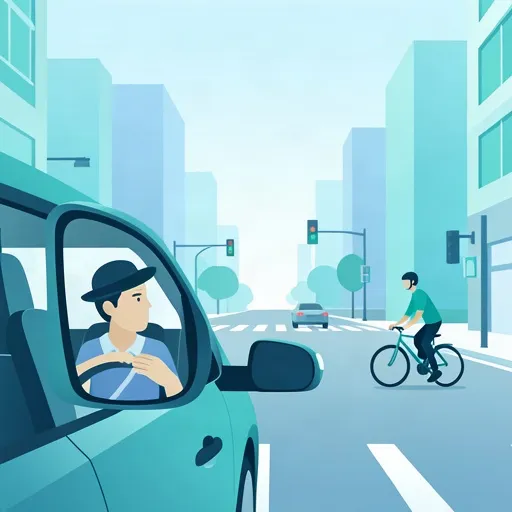
Drivers in Türkiye must remain hyper-vigilant towards cyclists, pedestrians, and e-scooter users who share the urban road network. This article explains your legal obligations and the defensive maneuvers required to keep these road users safe, helping you identify and avoid common exam traps that appear in the MTSK e-sınav.
Updated on Aug 28, 2026

Riding a motorcycle in Türkiye presents unique challenges, and understanding blind spots is paramount for learner riders. This article delves into why being invisible to other road users is a significant danger and provides practical advice on how to mitigate these risks. Learning to position yourself and use your environment to your advantage is key to both passing your ehliyet sınavı and staying safe.
Updated on Jul 8, 2026

Opening a car door without checking for approaching motorcycles or cyclists can lead to severe accidents and legal penalties in Turkey. This guide explains the specific risks, the 'three-second rule' for checking mirrors, and the proper 'Dutch Reach' technique to ensure you check blind spots effectively. Mastering these practices is essential for safe urban driving and for succeeding in your ehliyet exam.
Updated on Jul 8, 2026

Driving through residential streets requires a heightened sense of awareness due to the frequent presence of vulnerable pedestrians like children and the elderly. This article will guide you through the specific risks associated with these areas and outline the essential precautions, including adherence to speed limits and maintaining vigilance, all crucial for your Turkish driving theory exam success.
Updated on Jul 8, 2026
Discover other categories connected to Vulnerable Users & Motorcyclists in Turkey. These sections help you explore additional topics, expand your understanding of driving theory in Turkish, and build a more complete picture of the rules and situations tested during the exam.
Find answers to common questions learners ask about Vulnerable Users & Motorcyclists in Turkey. This section helps clarify difficult concepts, highlight critical exam information, and support your preparation for the Turkish driving theory exam in Turkey.
Vulnerable road users in Turkey include pedestrians, motorcyclists, cyclists, users of e-scooters and other personal mobility devices, children, the elderly, and passengers of public transport.
Drivers in Turkey must always yield to pedestrians at marked pedestrian crossings. This includes slowing down and stopping if necessary to allow pedestrians to cross safely. Speed control and anticipation are key.
Give motorcyclists ample space, as they are more vulnerable than car drivers. Be aware of their ability to maneuver and the potential for them to ride between lanes (lane splitting), especially in congested urban areas.
The Turkish driving theory exam (MTSK e-sınav) assesses your ability to anticipate potential hazards. Demonstrating awareness of how vulnerable users might behave unpredictably is crucial for safe driving and passing the exam.
When opening your car door, especially in urban areas or alongside bike lanes, always check your mirrors and blind spots to ensure you do not endanger passing cyclists, motorcyclists, or pedestrians. This is often referred to as 'the Dutch Reach' concept, emphasizing caution.
Ready to prepare for your ehliyet sınavı? Explore our organized article categories. Select a topic to delve into detailed explanations on traffic rules, road signs, first aid, or vehicle safety, building a strong foundation for your Turkish driving theory exam.
Browse Article Categories