Prepare yourself for the road by familiarising yourself with Turkey's warning signs. These triangular signs with red borders alert you to potential hazards ahead, giving you crucial time to adjust your speed and driving strategy. Understanding their meaning is vital for both passing your theory test and ensuring your safety on diverse Turkish roadways.
An explanation of how Turkey Warning Signs road signs apply in real traffic situations in Turkey. Learn where these signs are typically placed, what drivers are expected to do when they appear, and how correct reactions help you stay safe, avoid fines, and succeed in your Turkish driving theory exam.
Warning signs are commonly encountered on Turkish roads, especially before encountering hazards that require early driver attention. You'll see them on rural roads before sharp bends (T-1A, T-1B), steep descents or ascents (T-3A, T-3B), or areas with potential for falling rocks (T-10). In urban areas and on main routes, they warn of pedestrian crossings (T-11), children (T-12), cyclists (T-13), or trams (T-39). Signs indicating roadworks (T-15), queues (T-38), or traffic signals ahead (T-16) prepare you for changes in traffic flow or road conditions. Approaching railway crossings (T-25, T-26) is indicated by these signs, often accompanied by striped markers (T-28A to T-30A) indicating the exact distance to the crossing. When you see a warning sign, your primary response should be to reduce speed, increase your observation, and be prepared to react to the specific hazard ahead.
An overview of the key learning outcomes when studying the Turkey Warning Signs road sign category. Understand the main concepts, sign meanings, and traffic situations covered here so you can recognise patterns, answer theory questions more confidently, and build a solid foundation for safe driving in Turkey.
Master Turkey's essential warning signs, crucial for anticipating hazards like sharp bends, pedestrian crossings, and railway approaches. Understanding these traffic signs helps you prepare early, adjust speed, and ensure a safe distance, which is vital for your ehliyet sınavı preparation and overall road awareness.
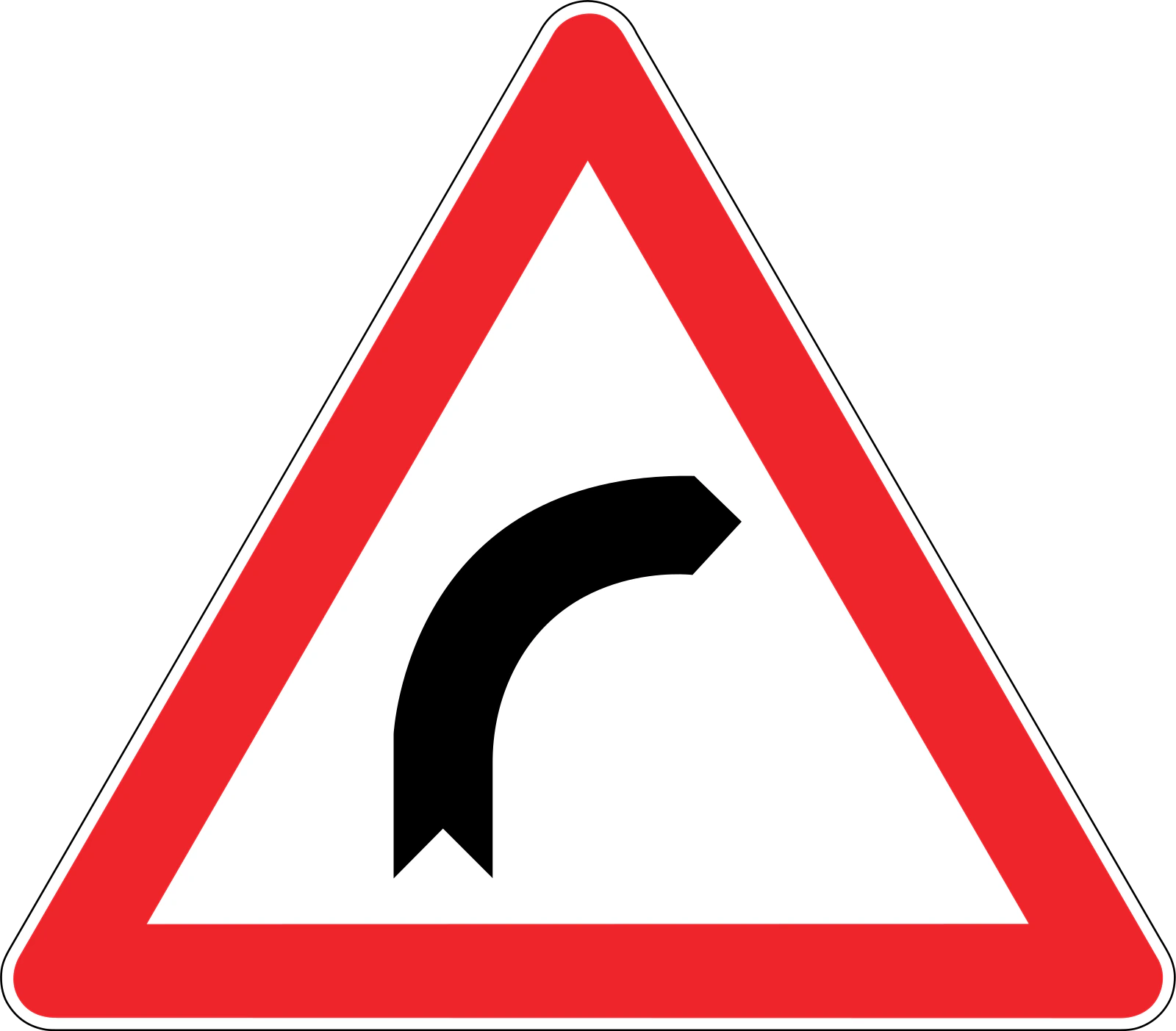
Prepare for the upcoming curve to the right with the T-1A warning sign.
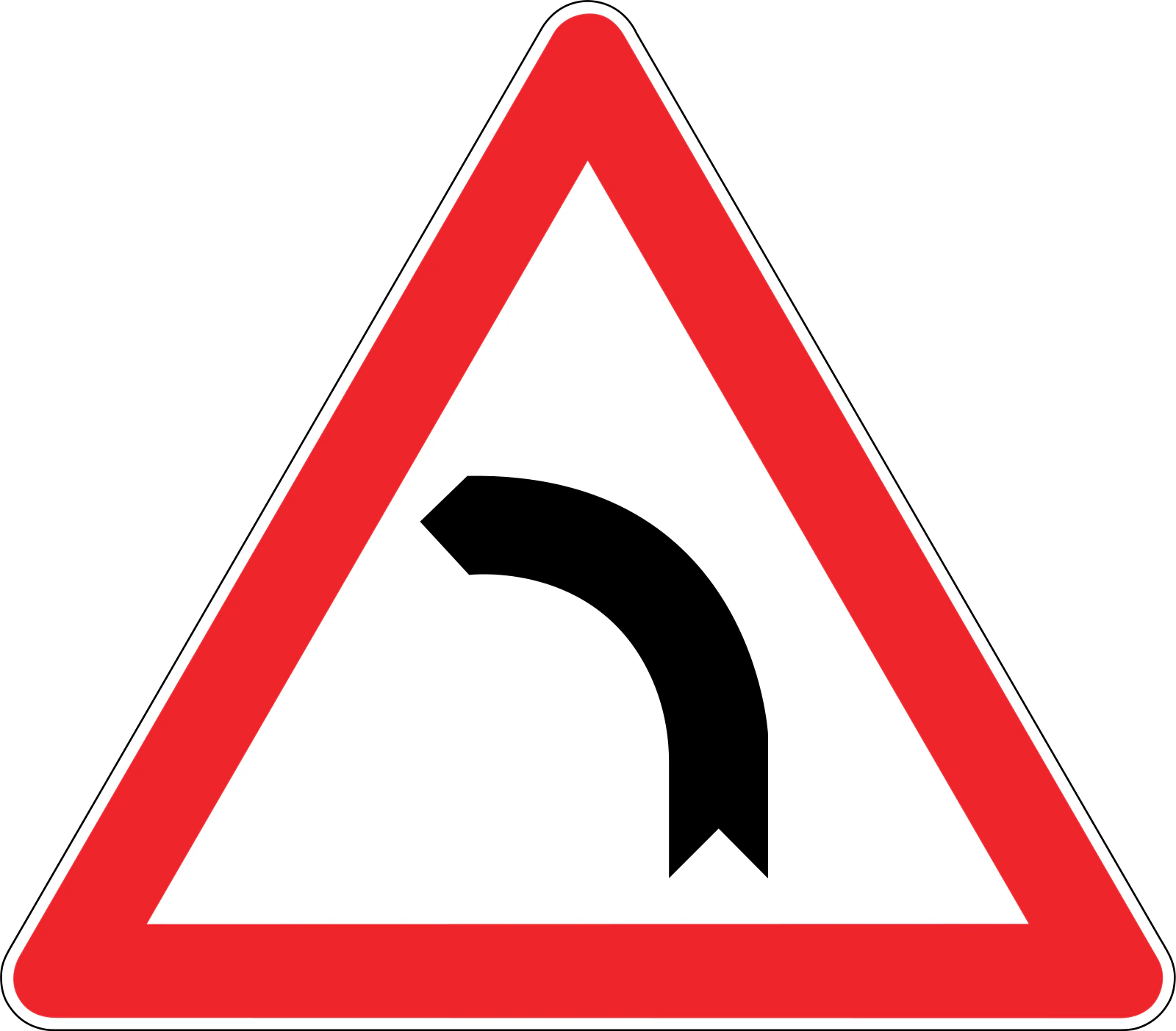
Prepare for a Left Curve Ahead with the T-1B Warning Sign
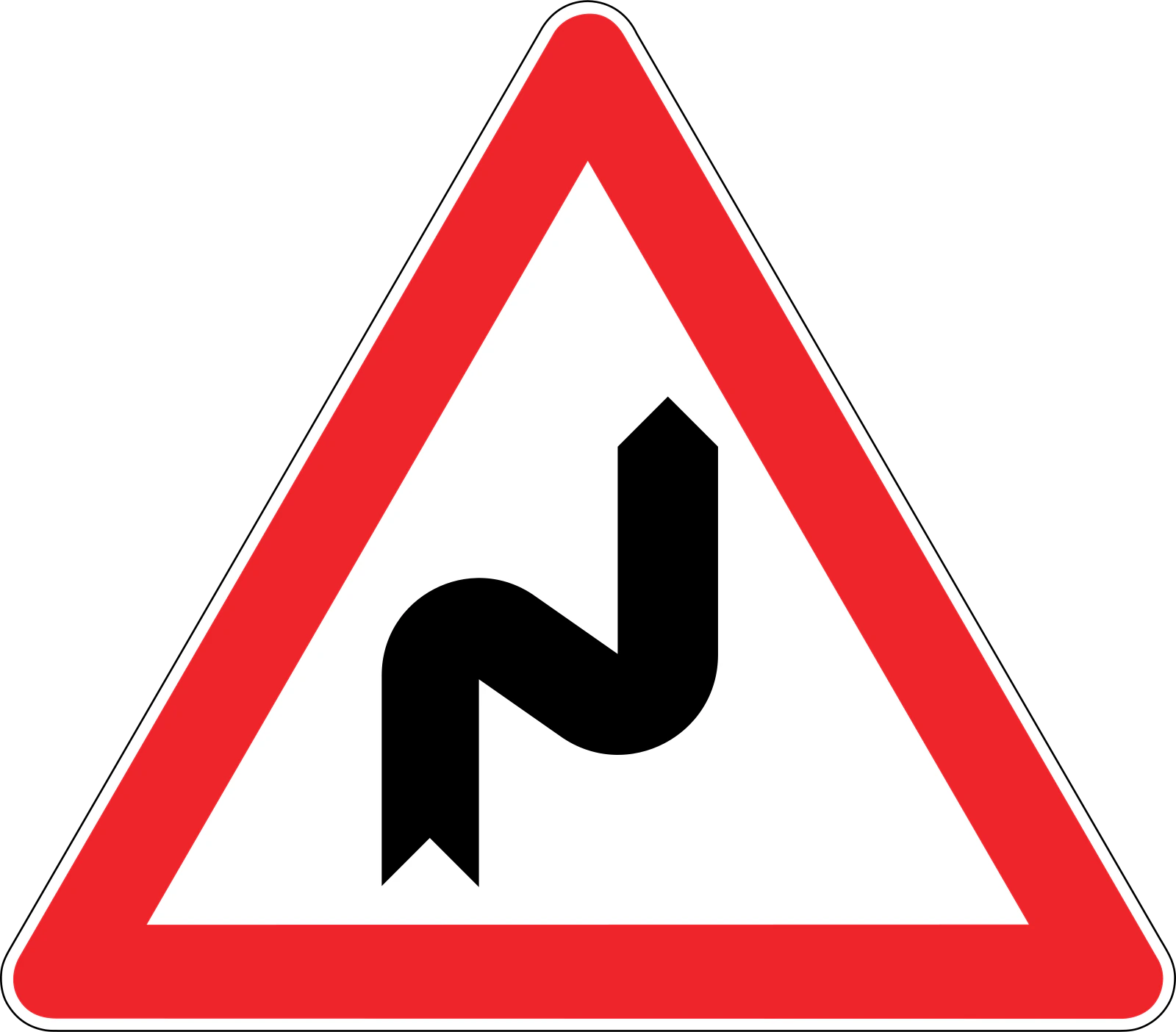
Prepare for a Double Curve: The T-2A Sign Warns of the First Bend to the Right
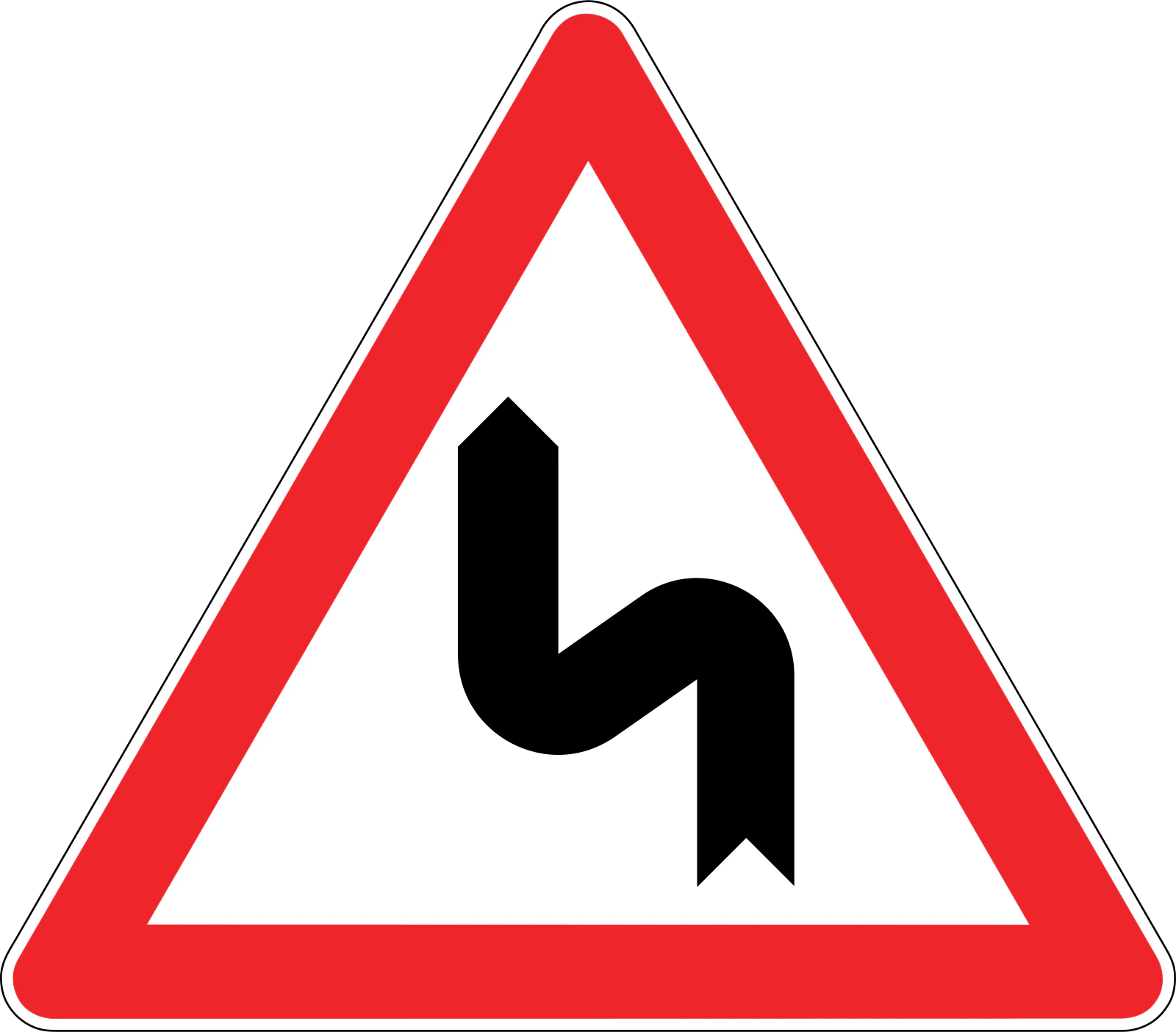
Navigate safely with the Double Curve, First to the Left warning sign (T-2B)
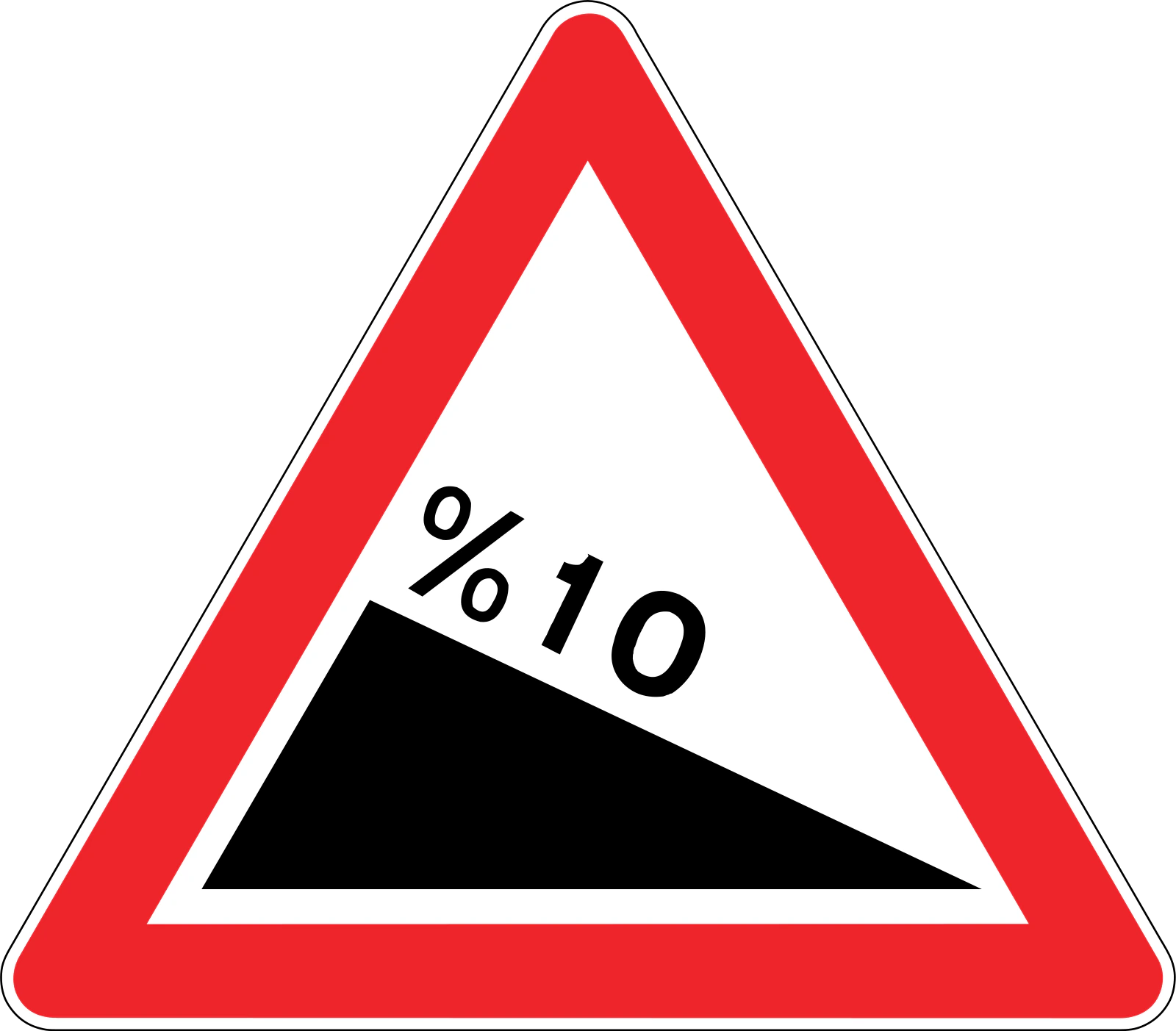
Prepare for Steep Descents with the T-3A Warning Sign
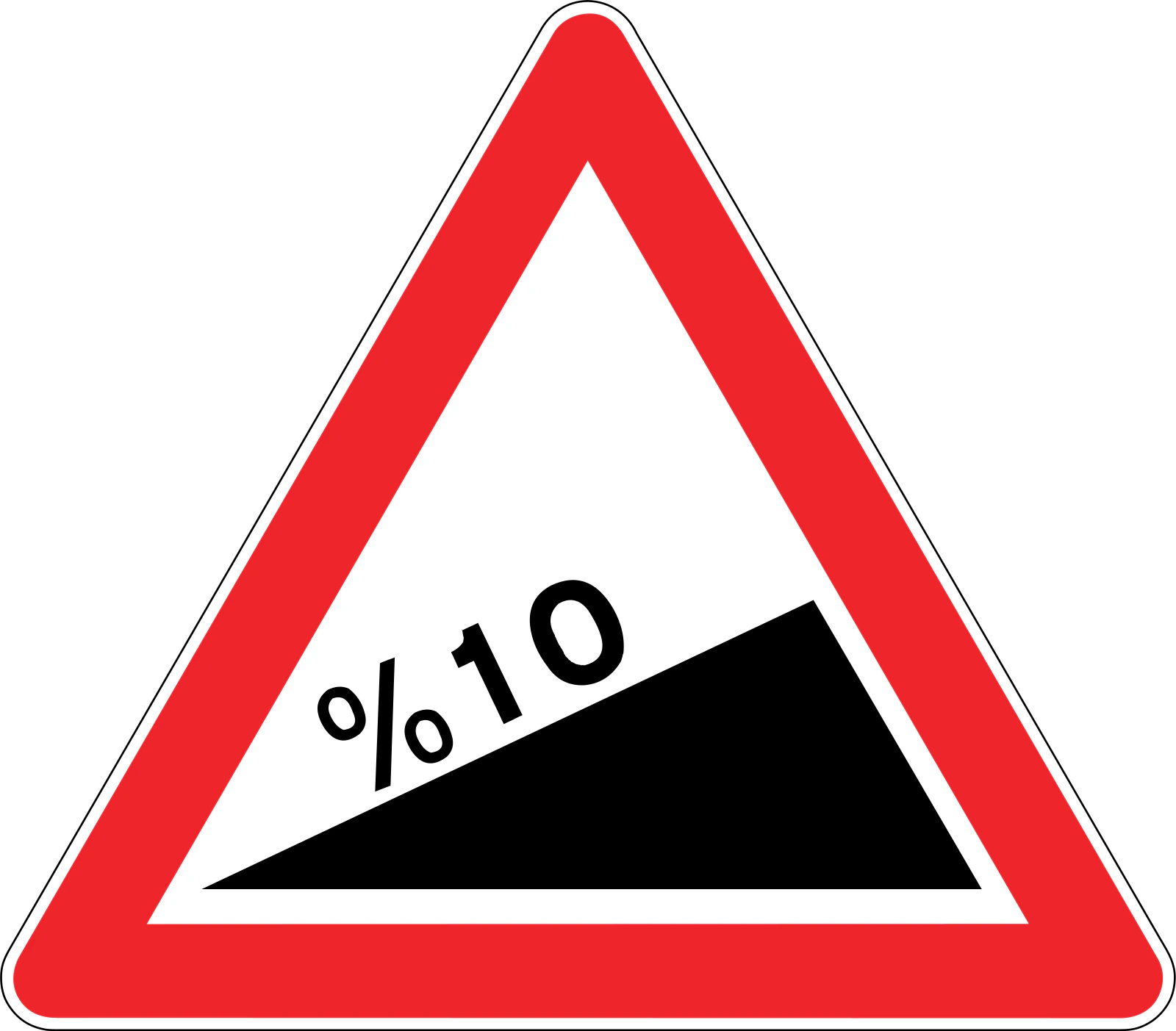
Prepare for a steep ascent ahead with the T-3B warning road sign.
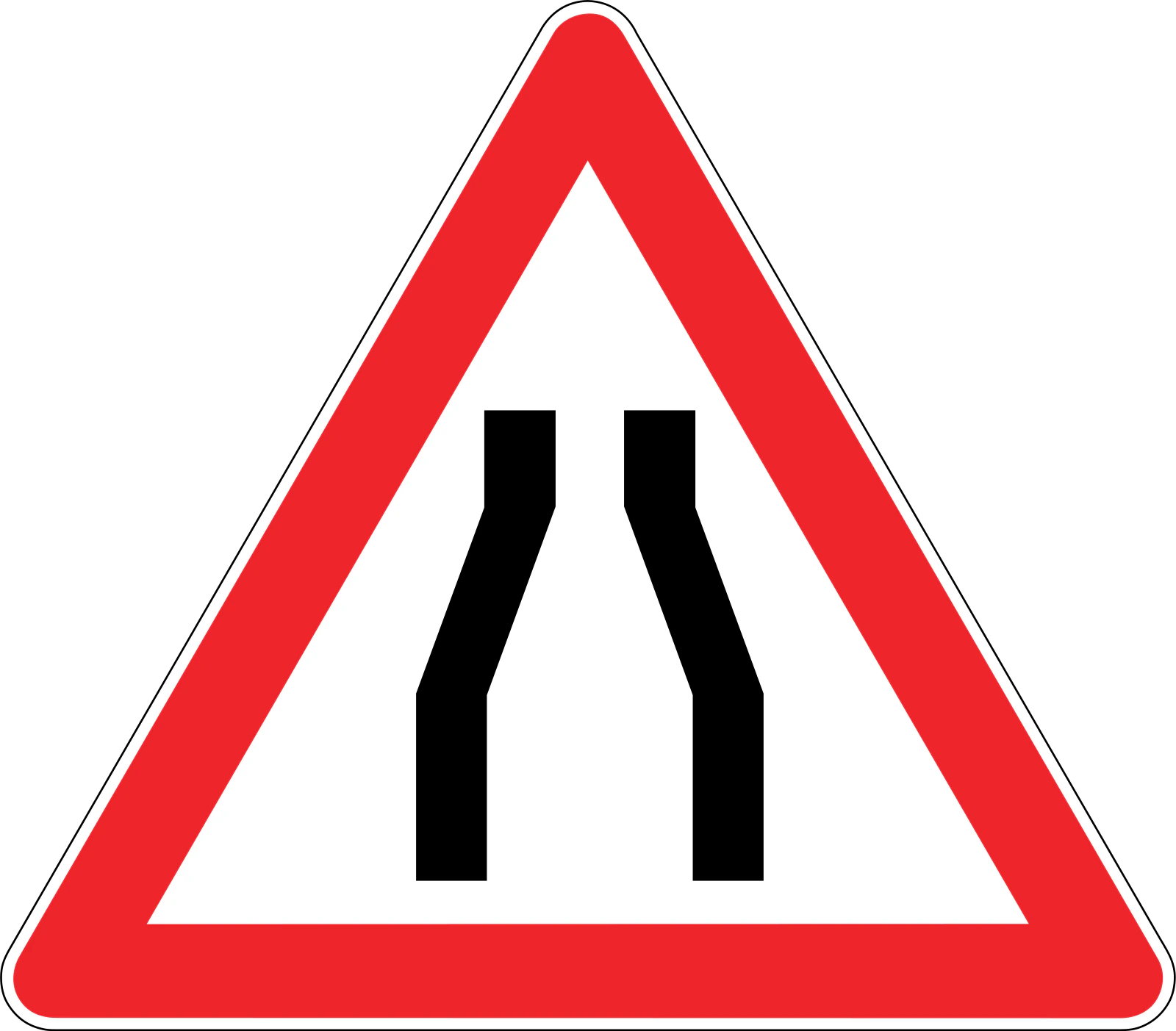
Prepare for the 'Road Narrows on Both Sides' T-4A warning sign in Turkey
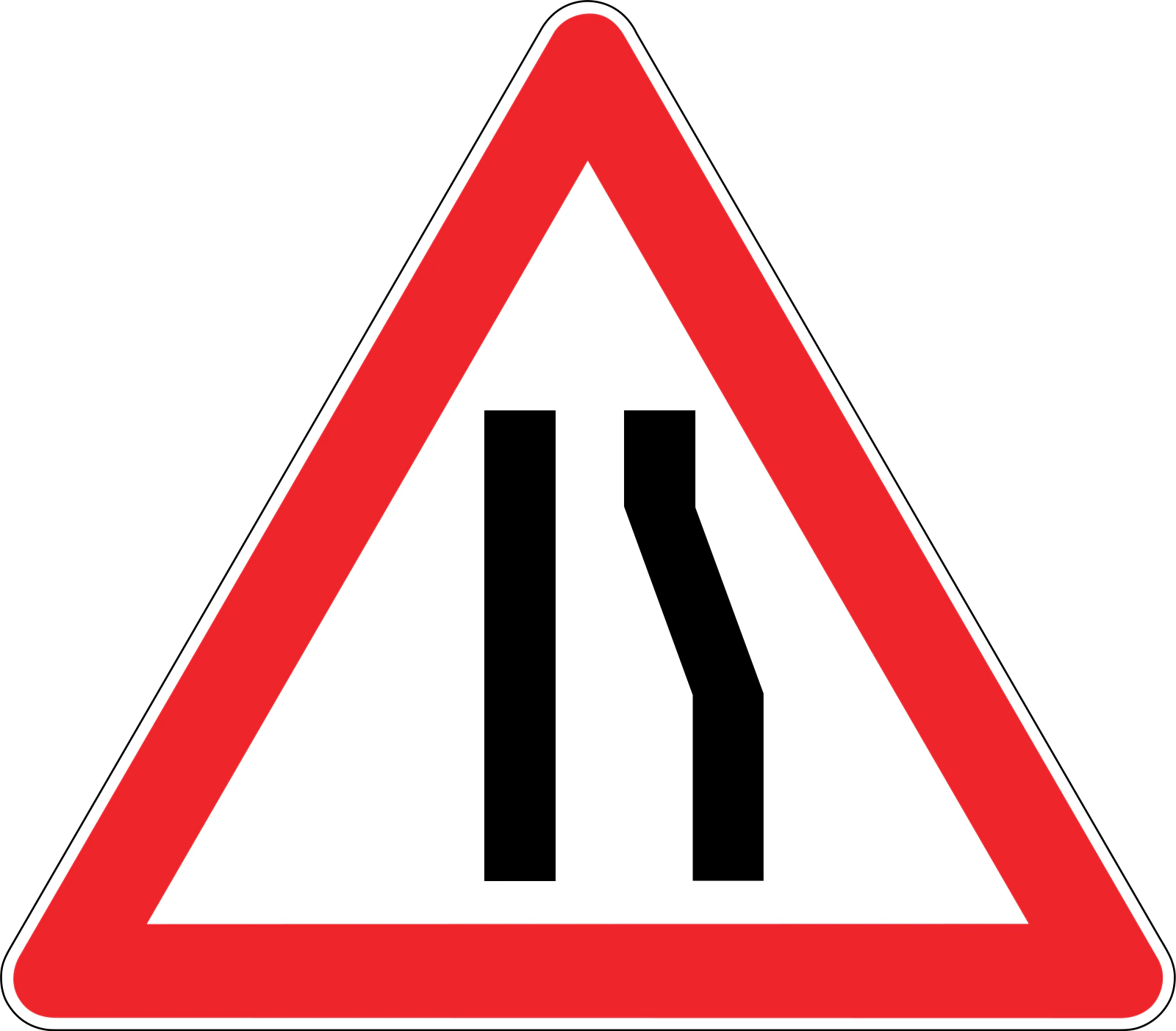
Prepare for a narrowing road on the right with the T-4B warning sign.
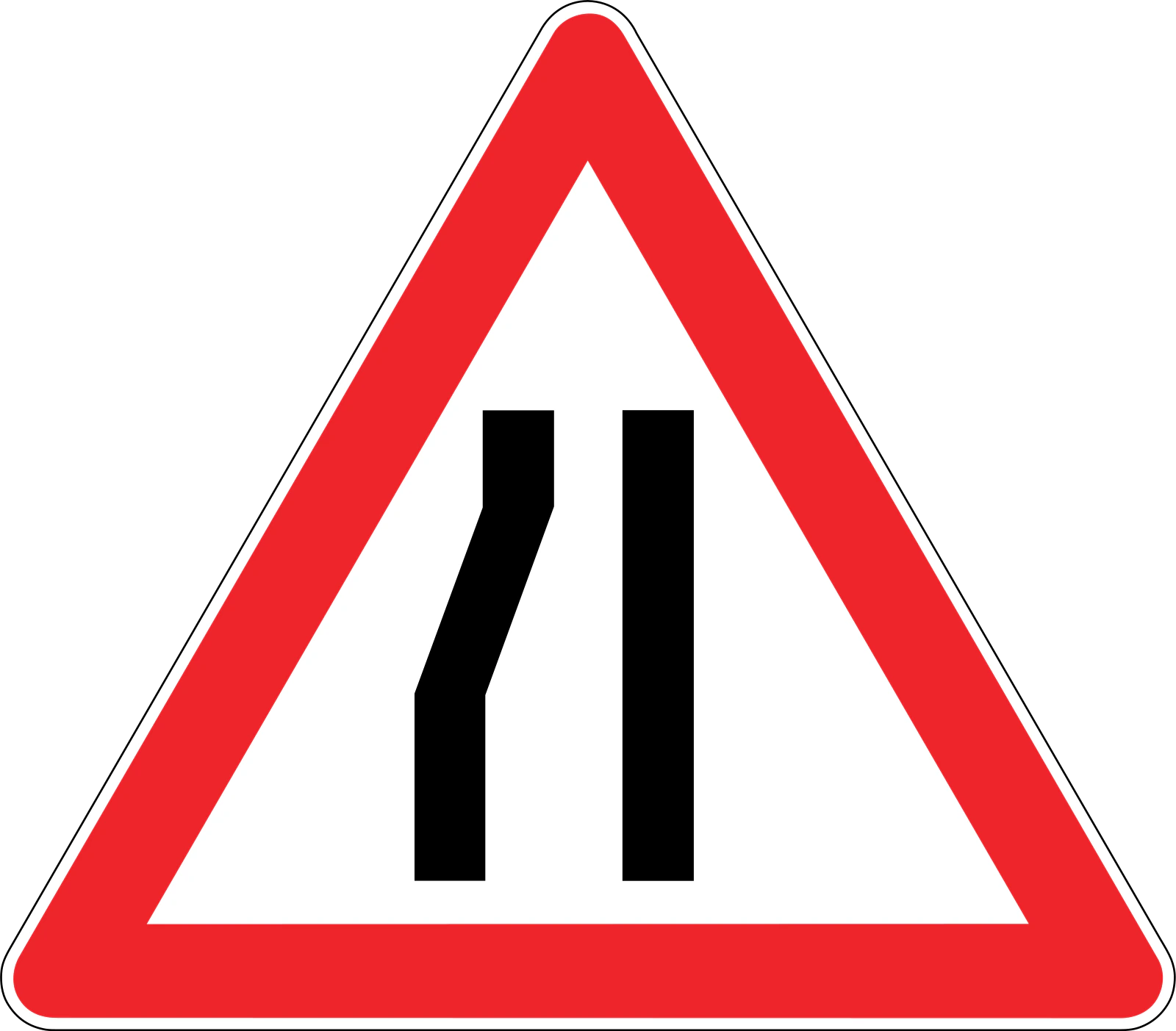
Prepare for the road narrowing on the left with this warning sign.
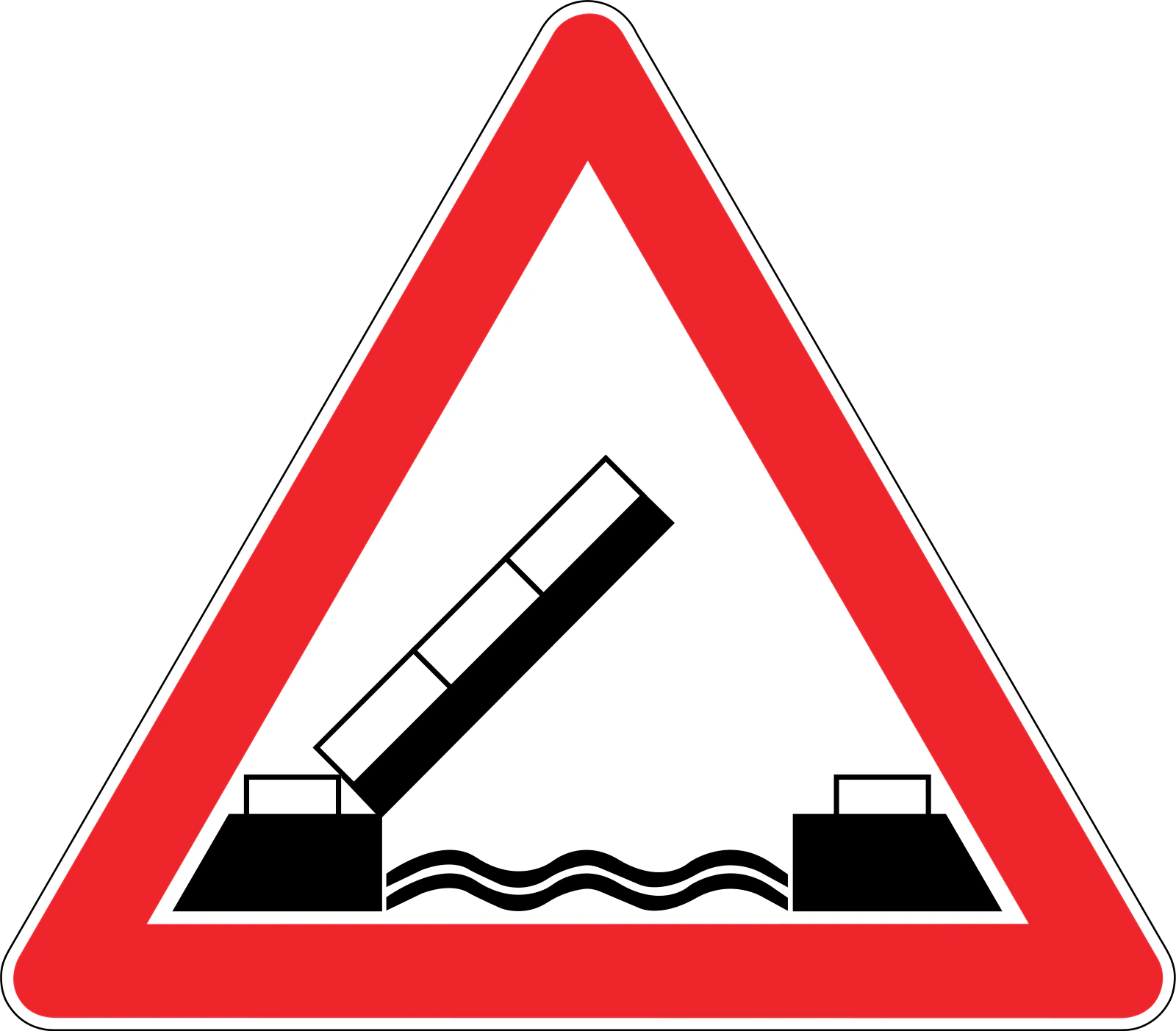
Prepare for Drawbridge ahead with the T-5 warning sign.
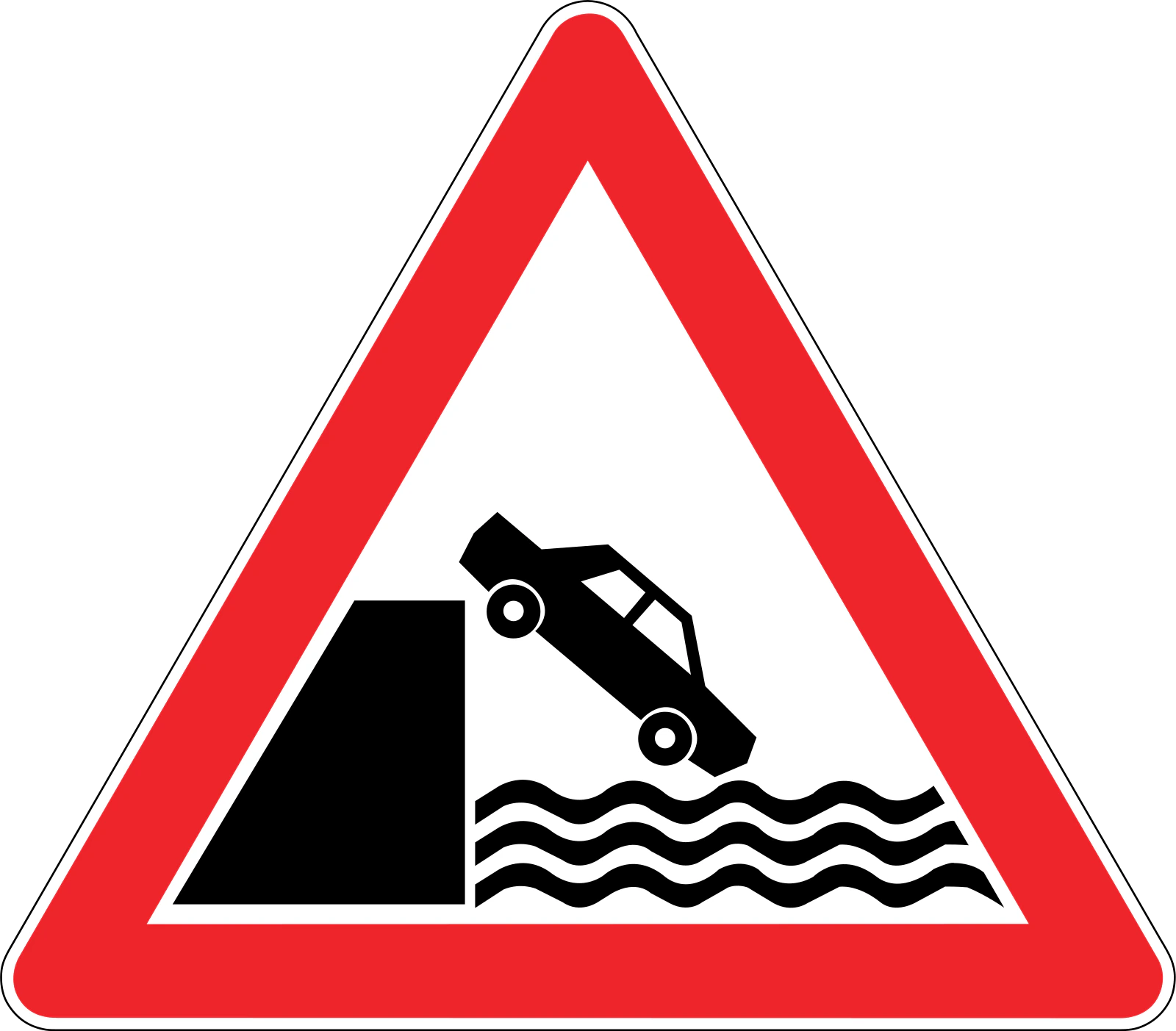
Warning: Approaching a Quayside or River Bank Ahead
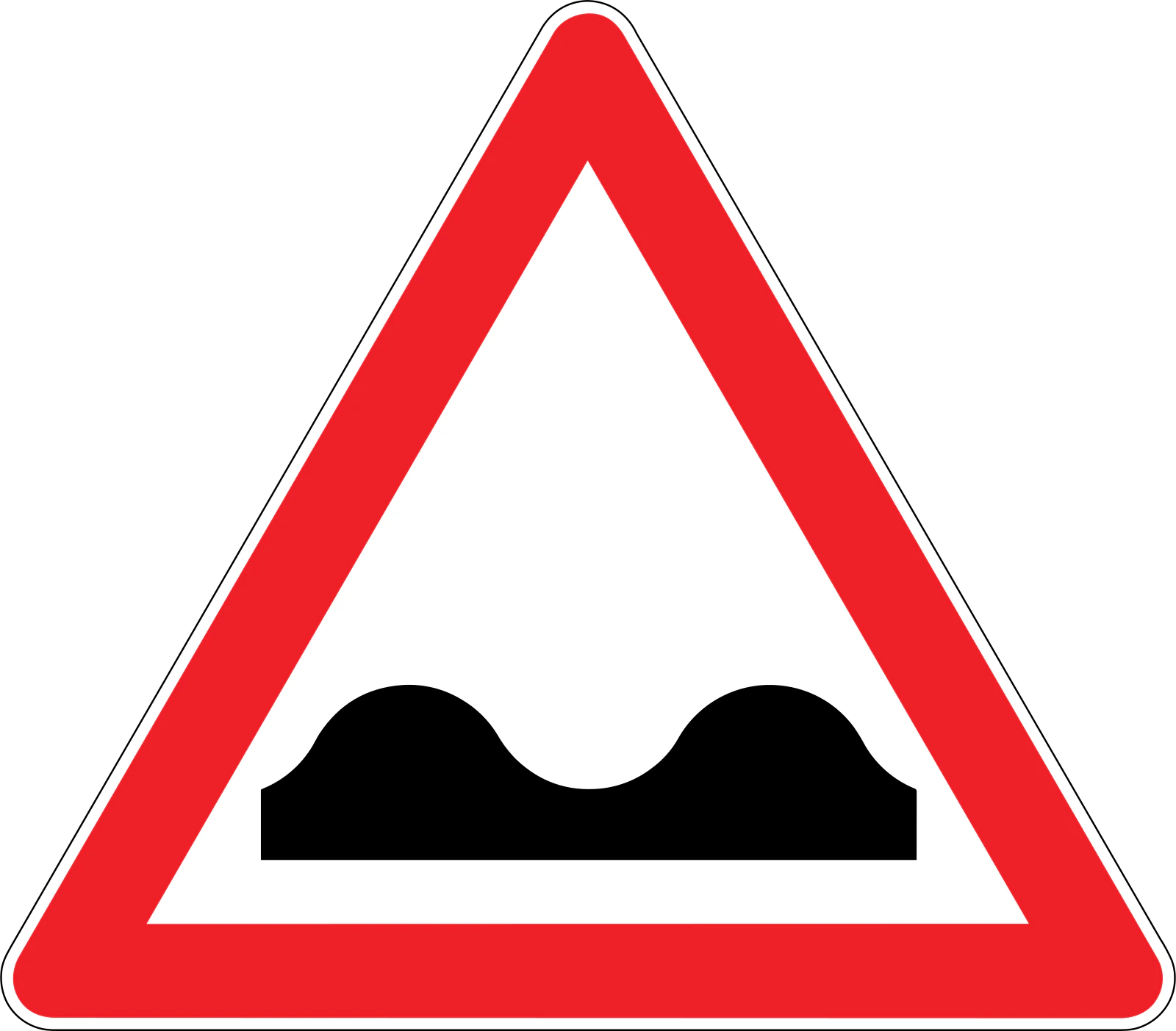
Prepare for an uneven road surface ahead with this warning sign.
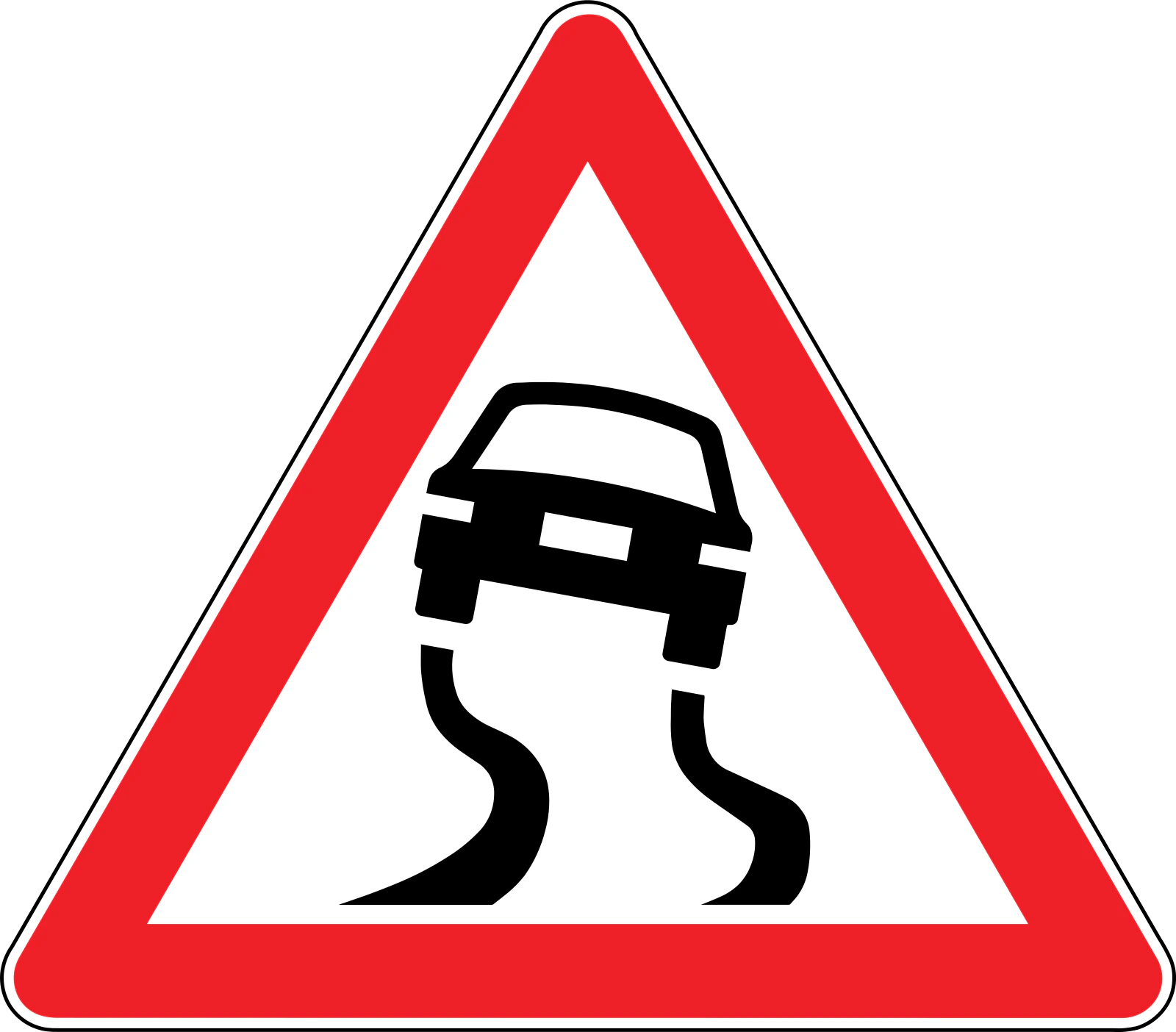
Prepare for reduced grip with the Slippery Road warning sign (T-8).
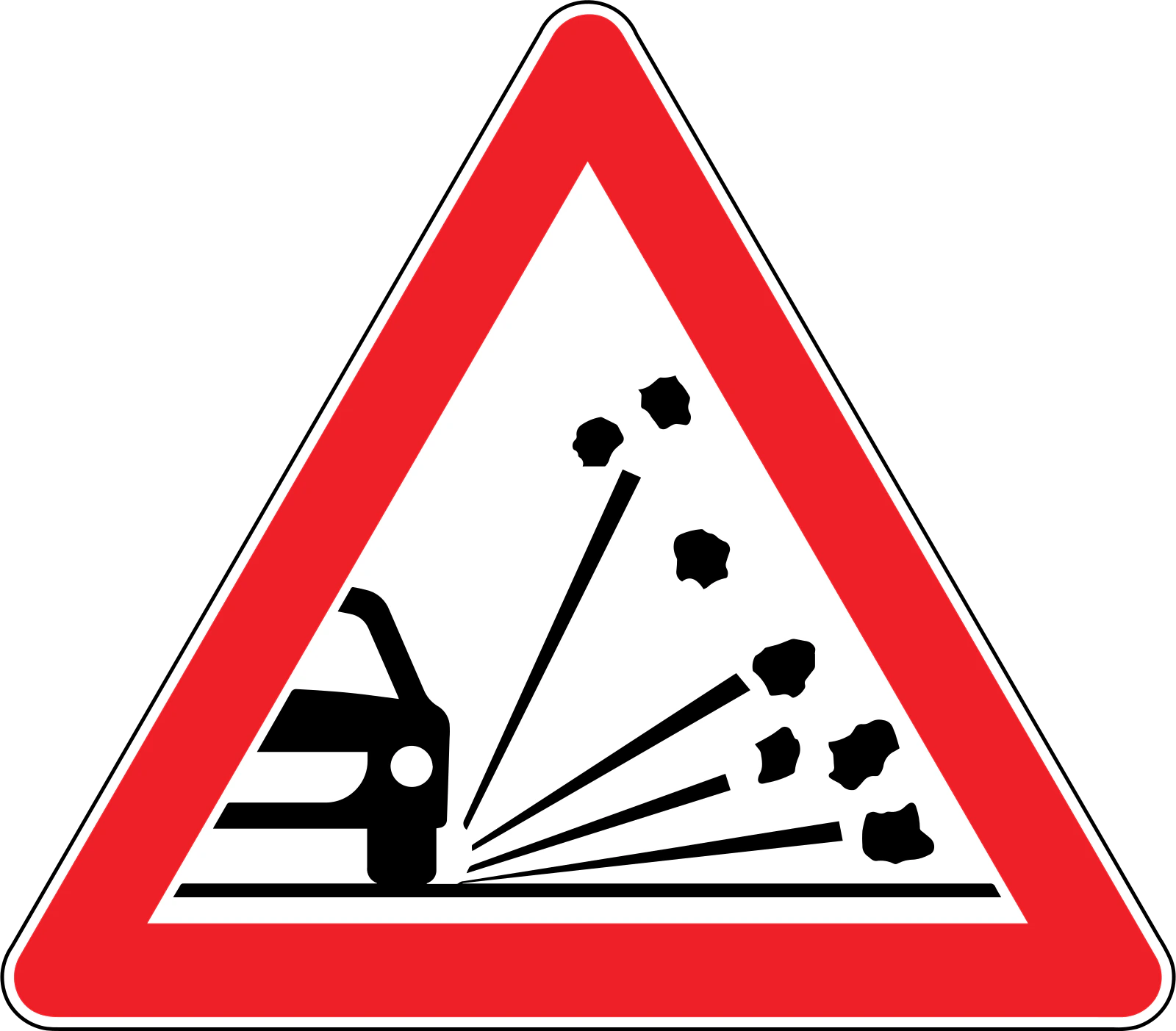
Heed the T-9 Loose Gravel warning sign to ensure safe passage.
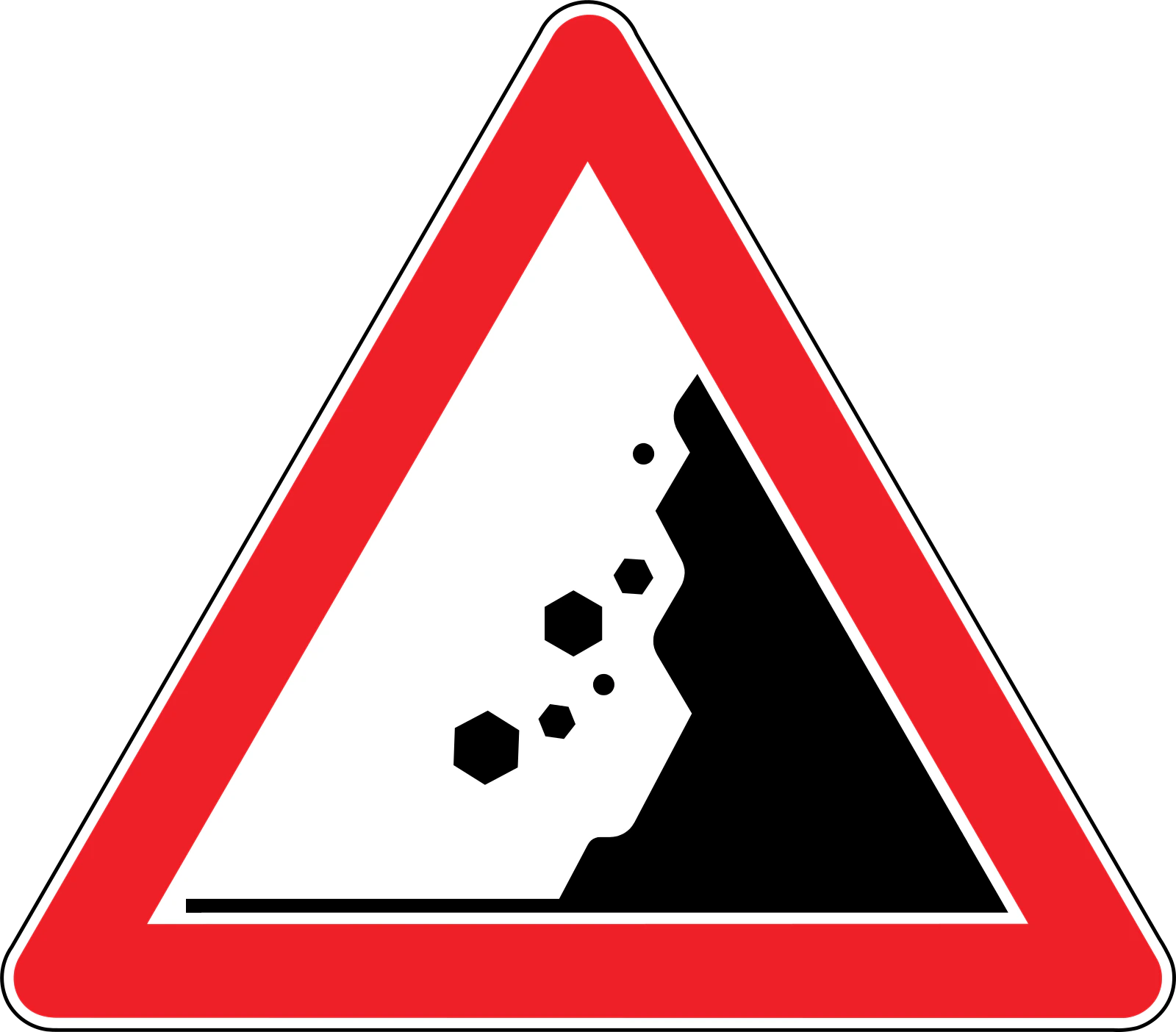
Prepare for Falling or Fallen Rocks with the T-10 Warning Sign
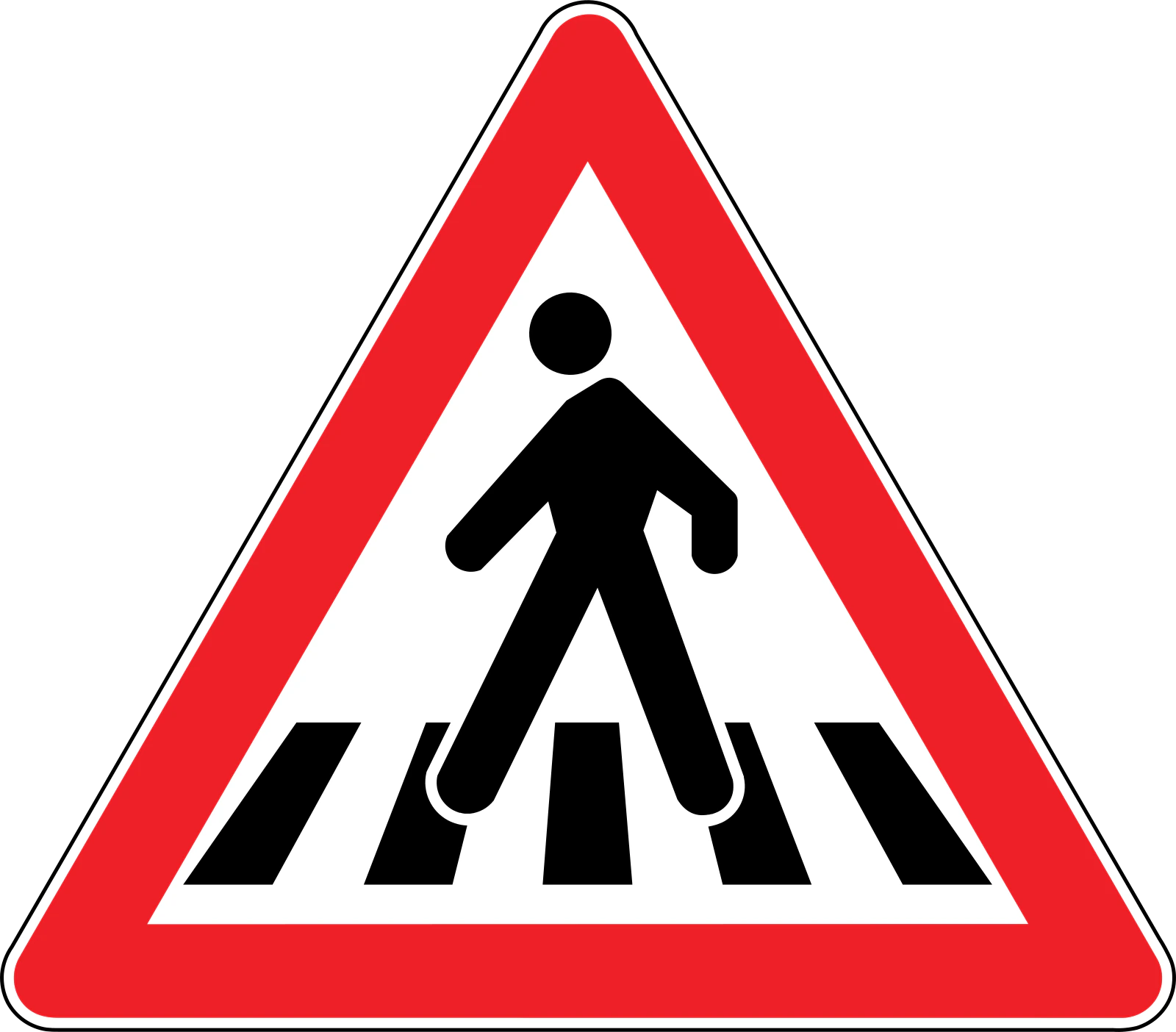
T-11 Pedestrian Crossing: Warning Drivers to Anticipate Pedestrian Activity
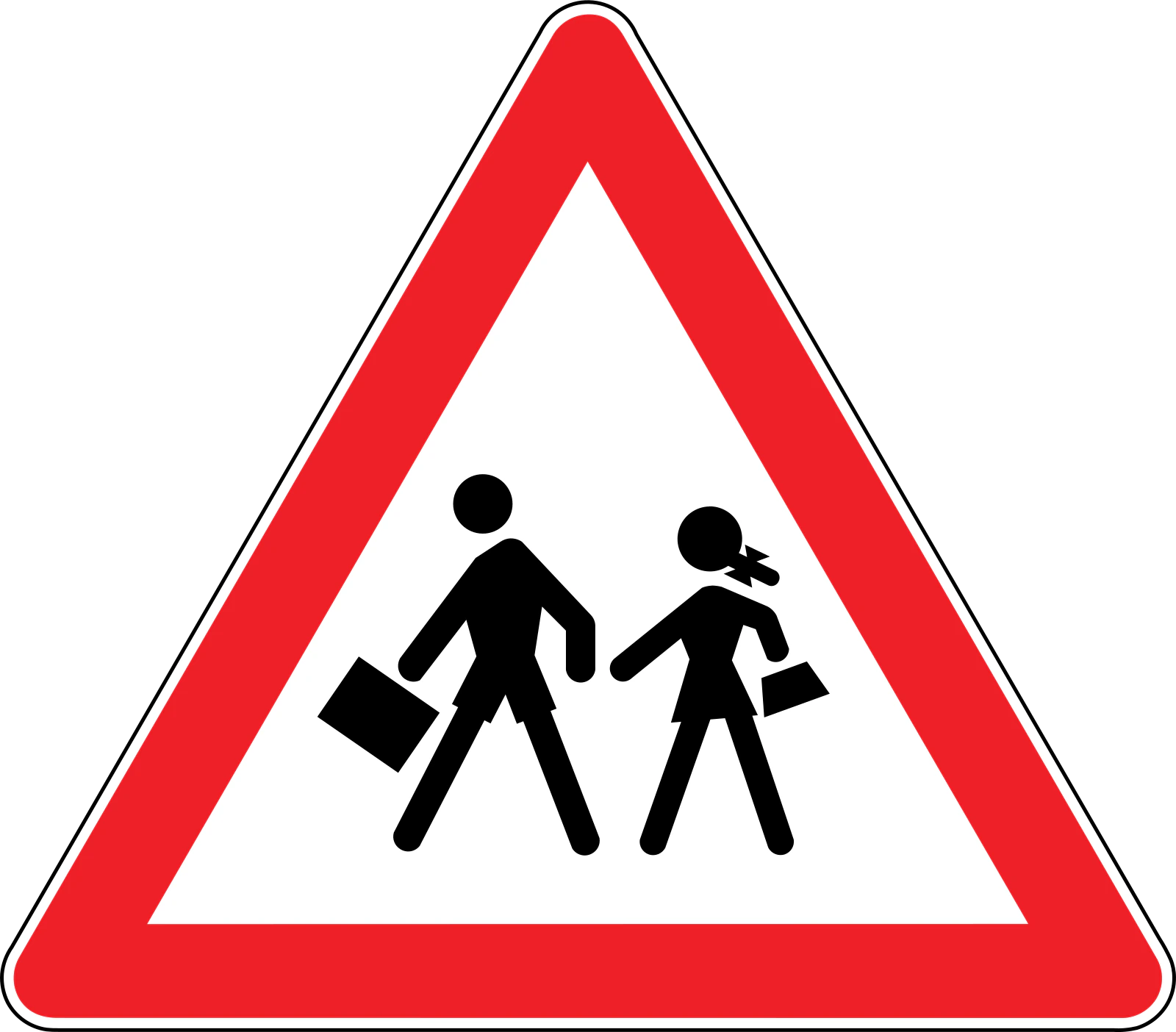
Slow down! The T-12 sign warns of children crossing ahead.
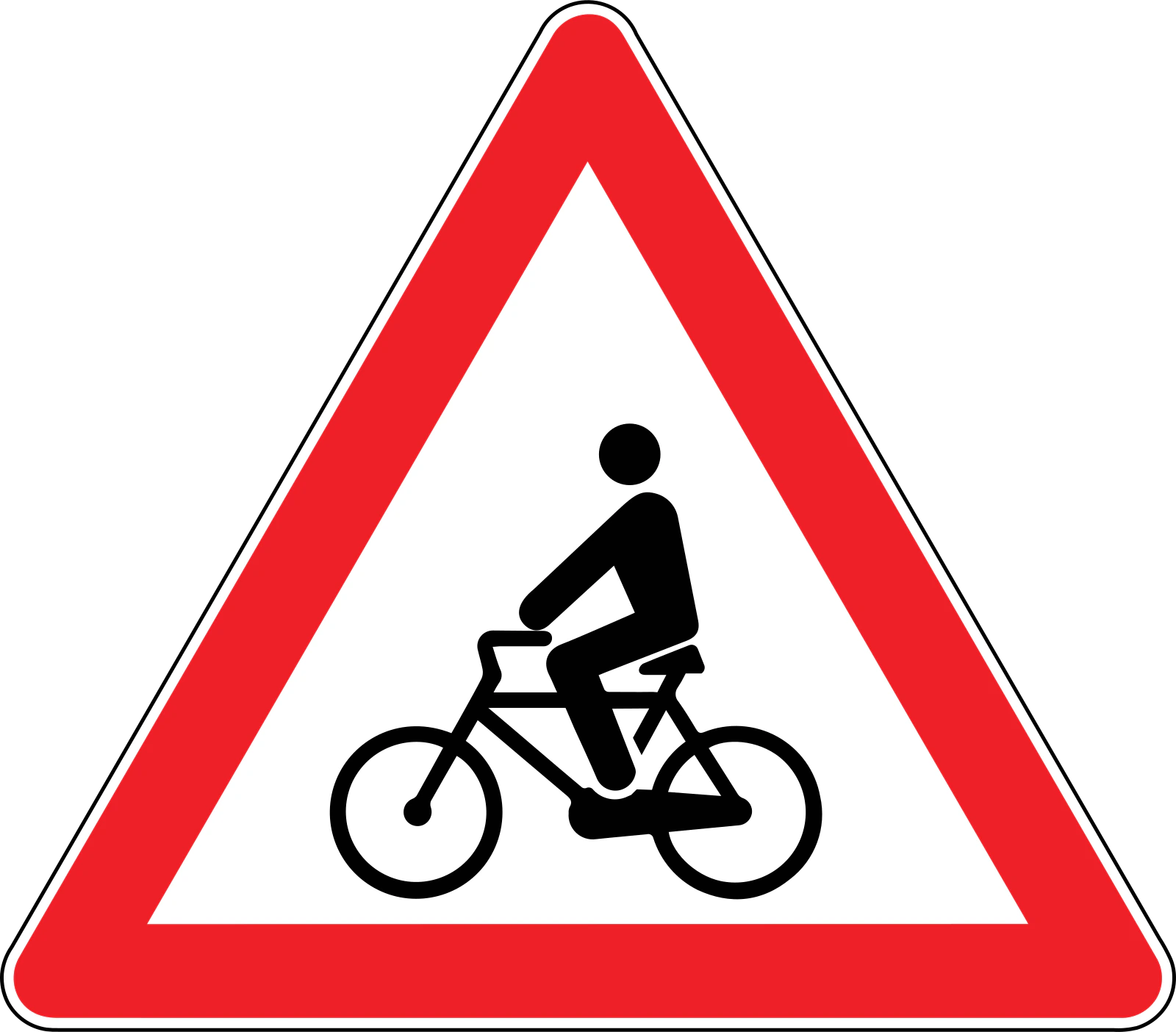
Beware of cyclists crossing ahead with the T-13 warning sign.
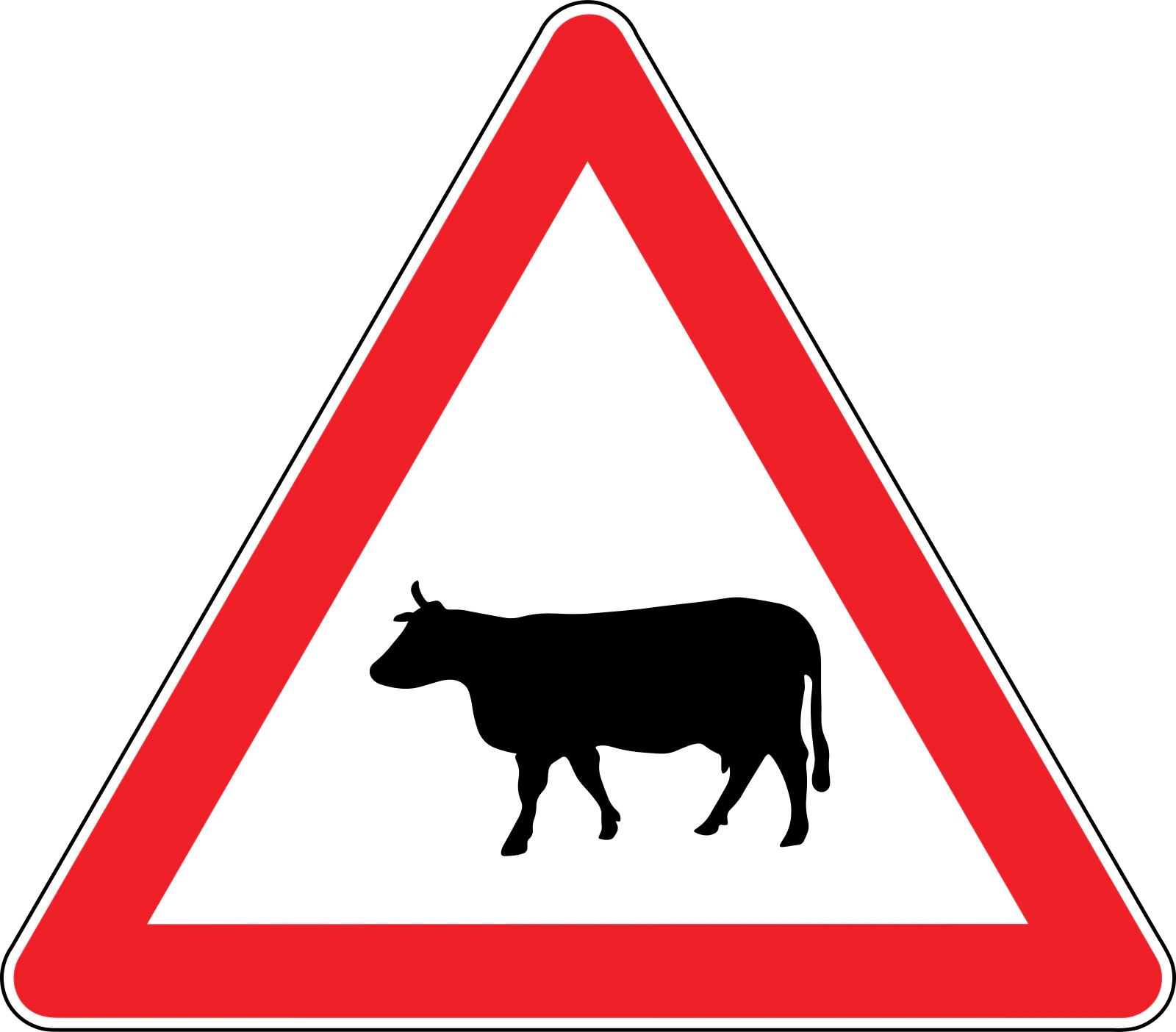
Beware of Cattle Crossing: Understand the T-14A Warning Sign
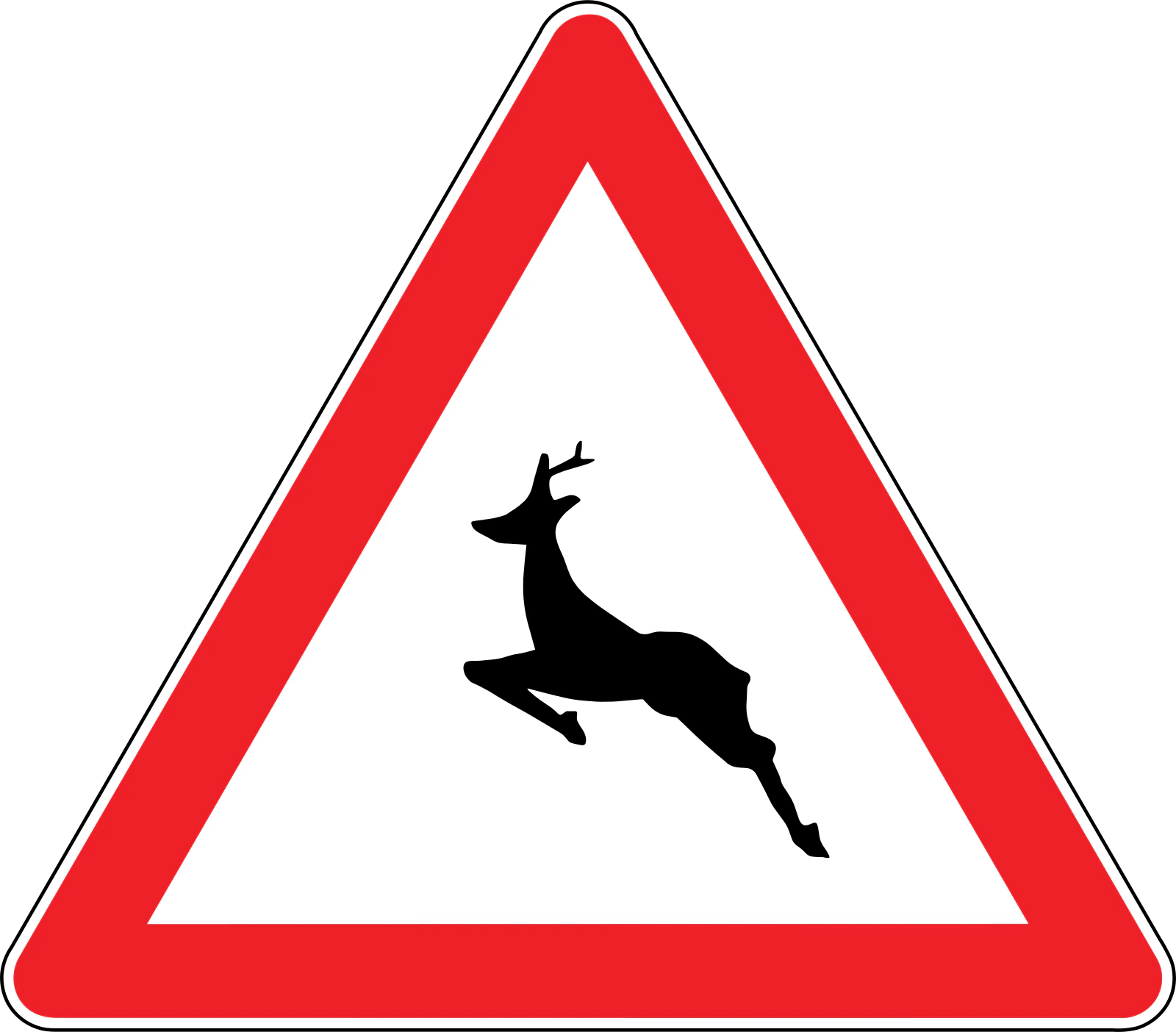
Be Alert: The T-14B Sign Warns of Deer Ahead!
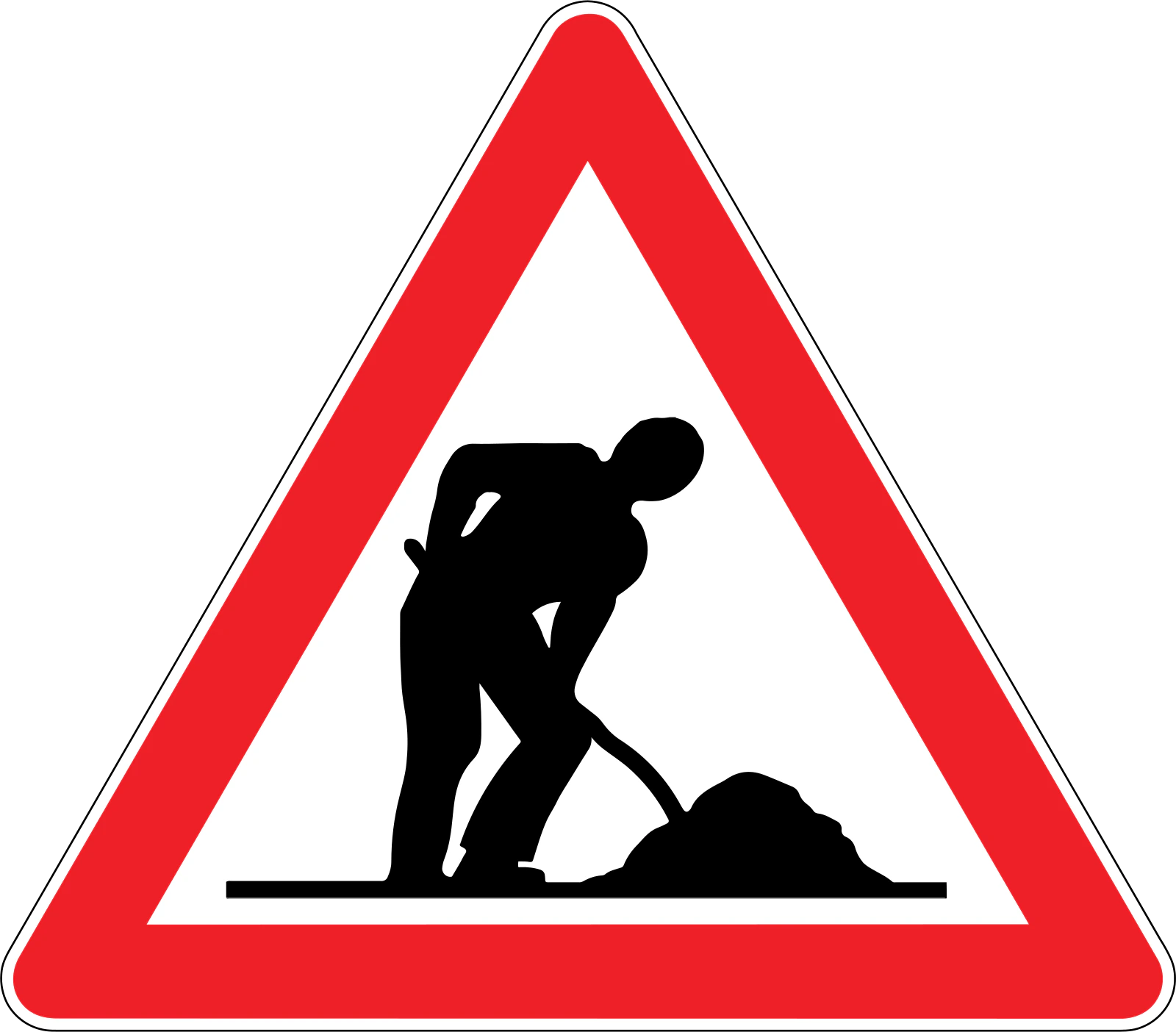
Prepare for roadworks ahead with the T-15 warning sign.
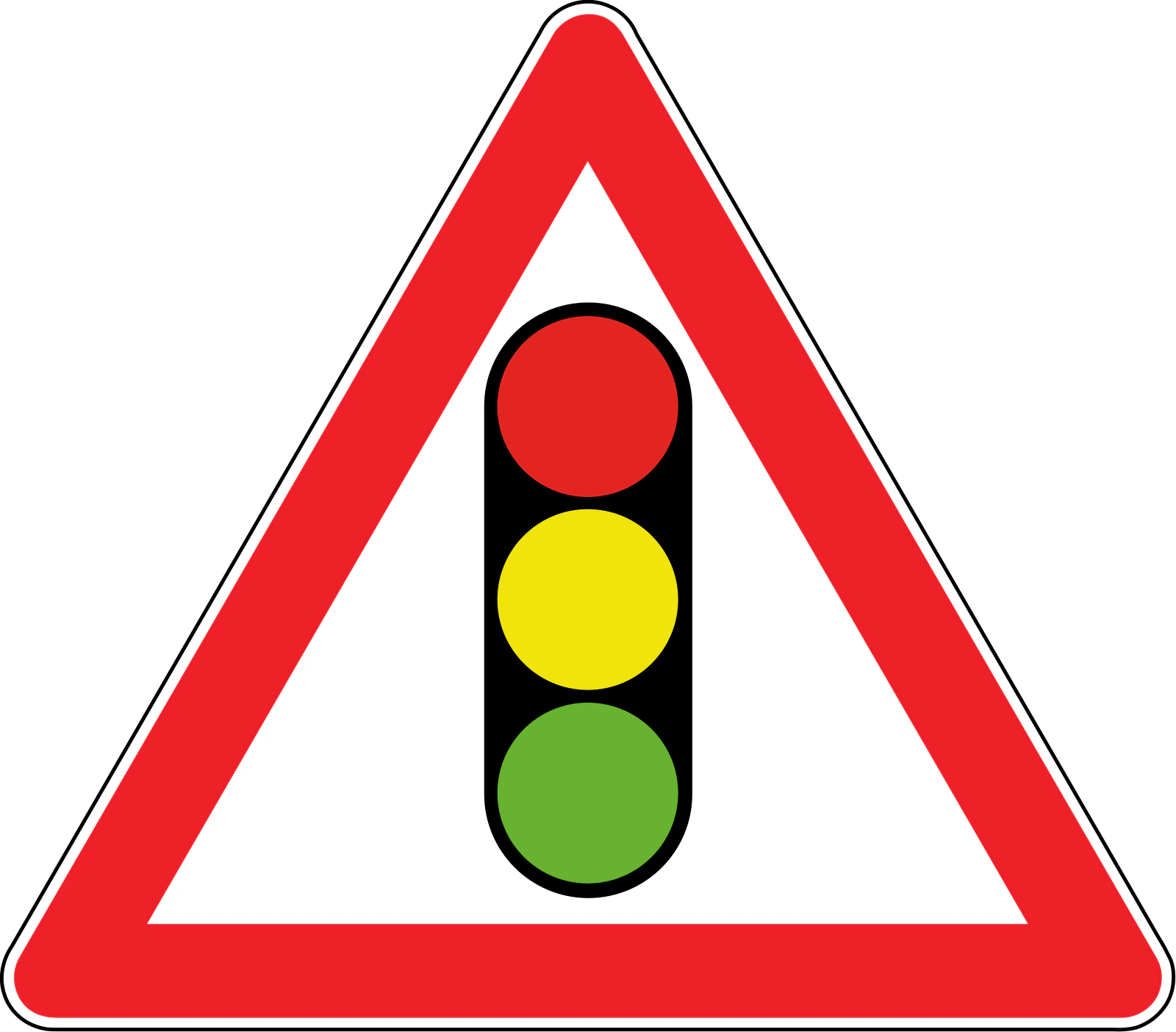
Prepare for a traffic light ahead with the T-16 warning sign.
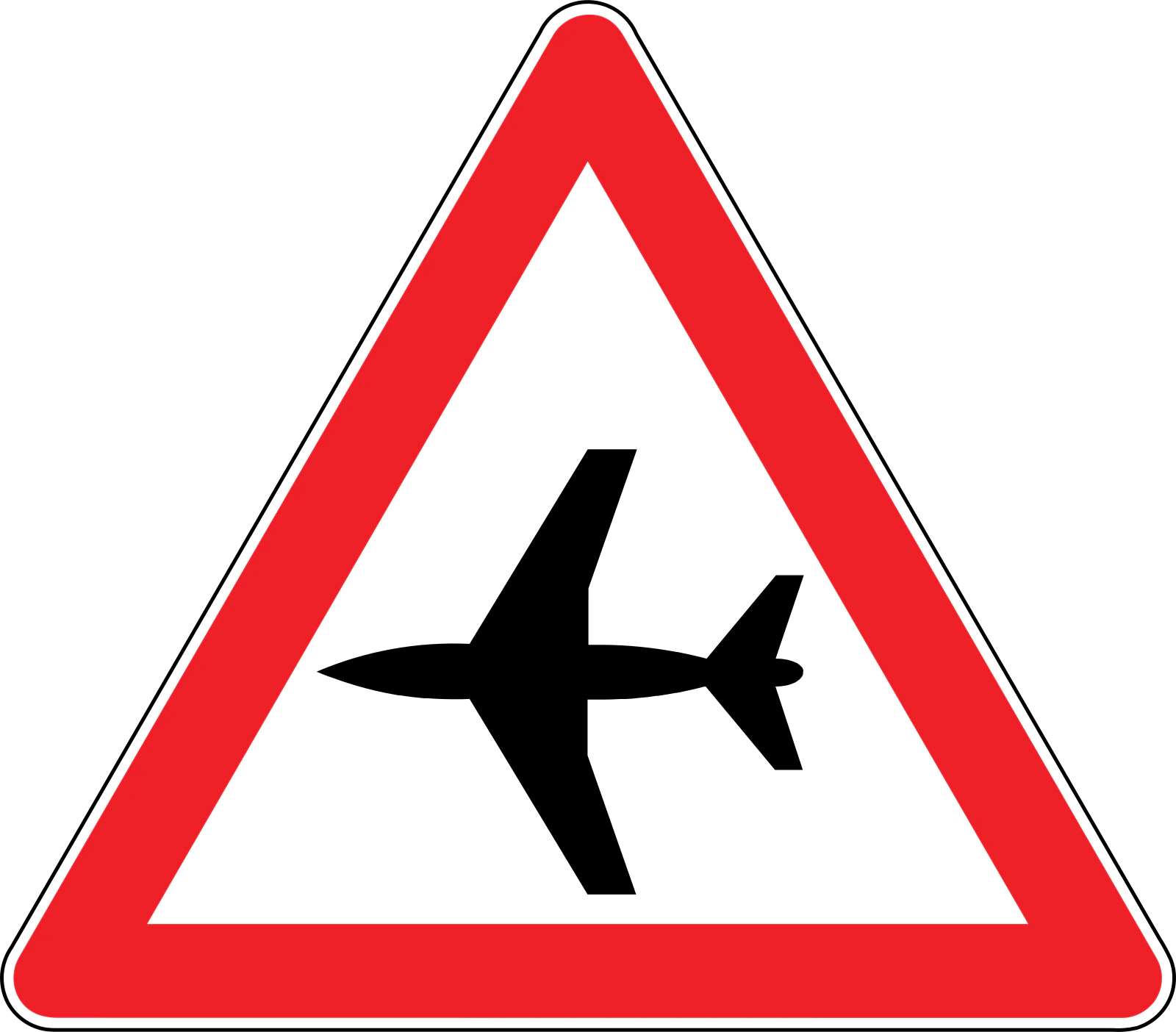
Low-flying aircraft ahead – prepare for potential disruptions.
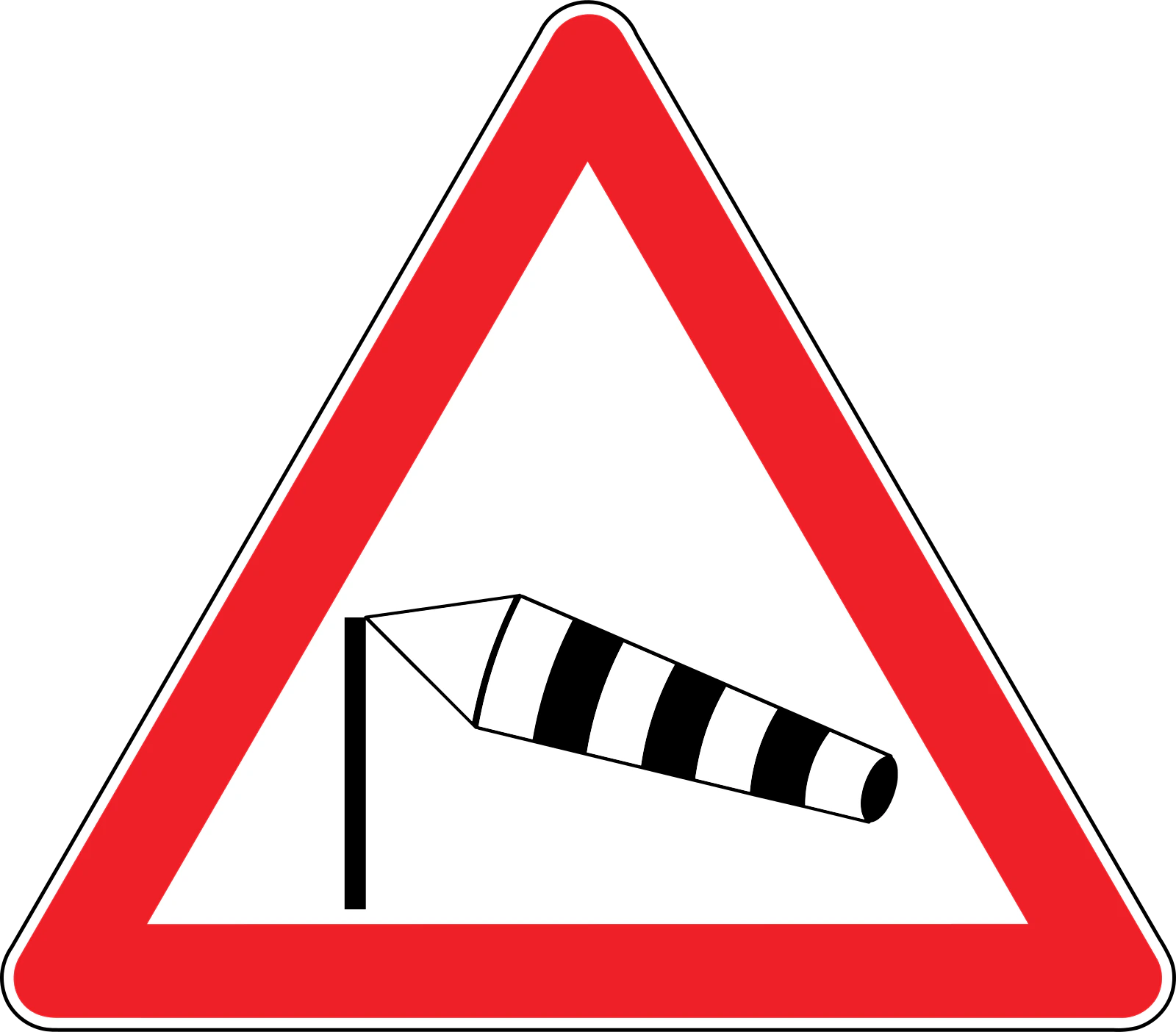
Prepare for unpredictable crosswinds with the T-18 warning sign.
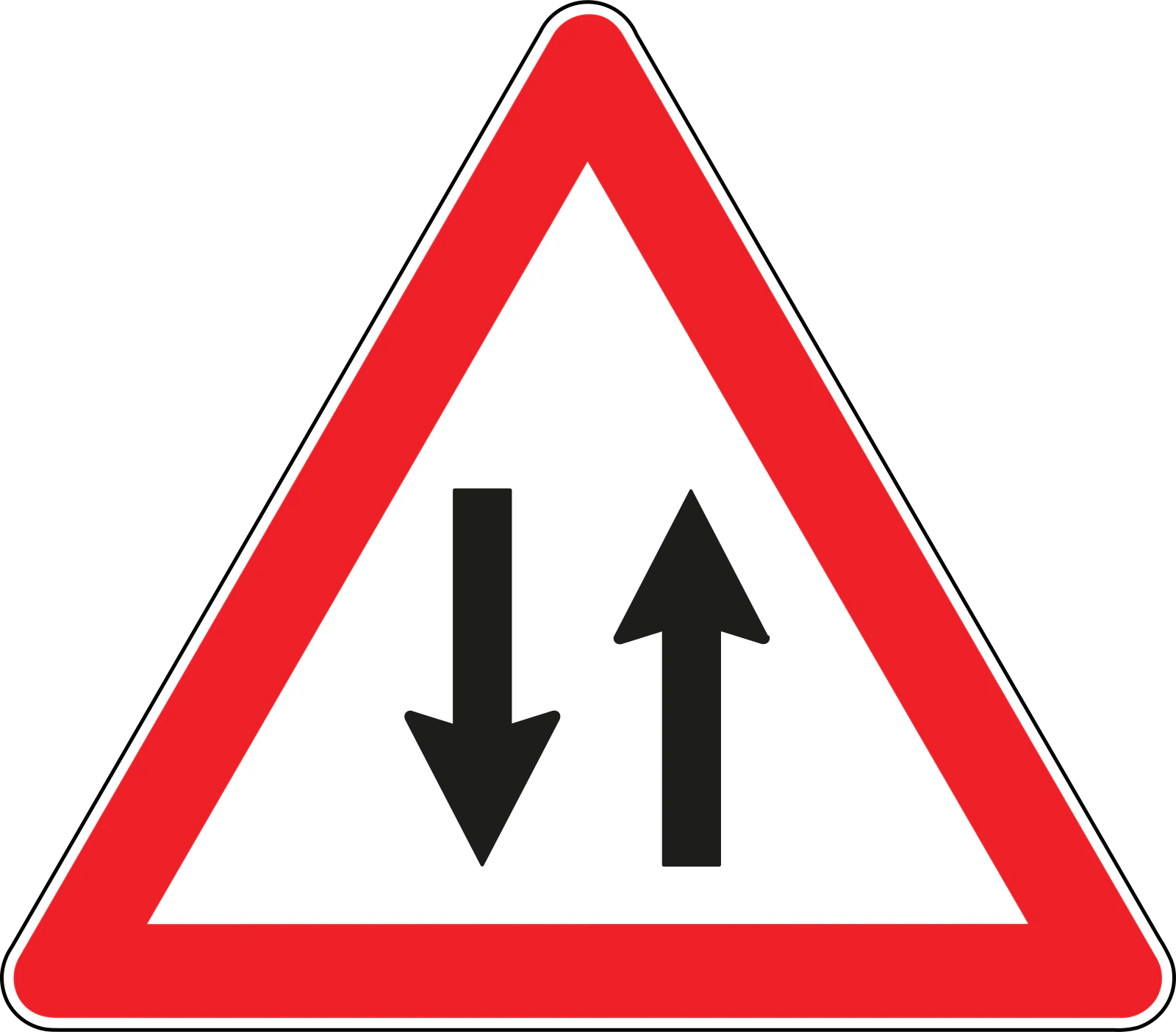
Prepare for Two-Way Traffic Ahead with the T-19 Warning Sign
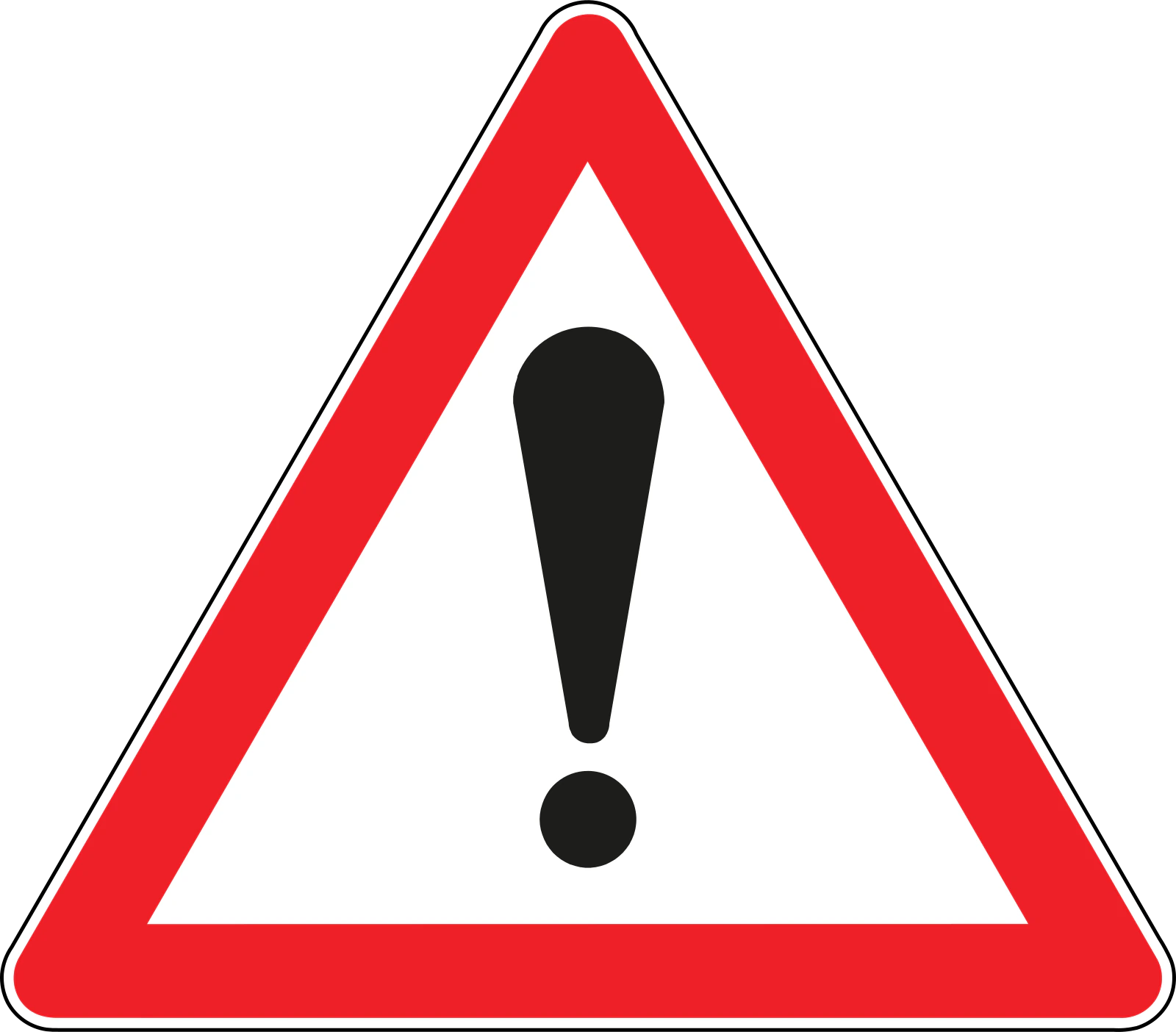
The T-20 Warning sign alerts you to potential hazards ahead, prompting early preparation.
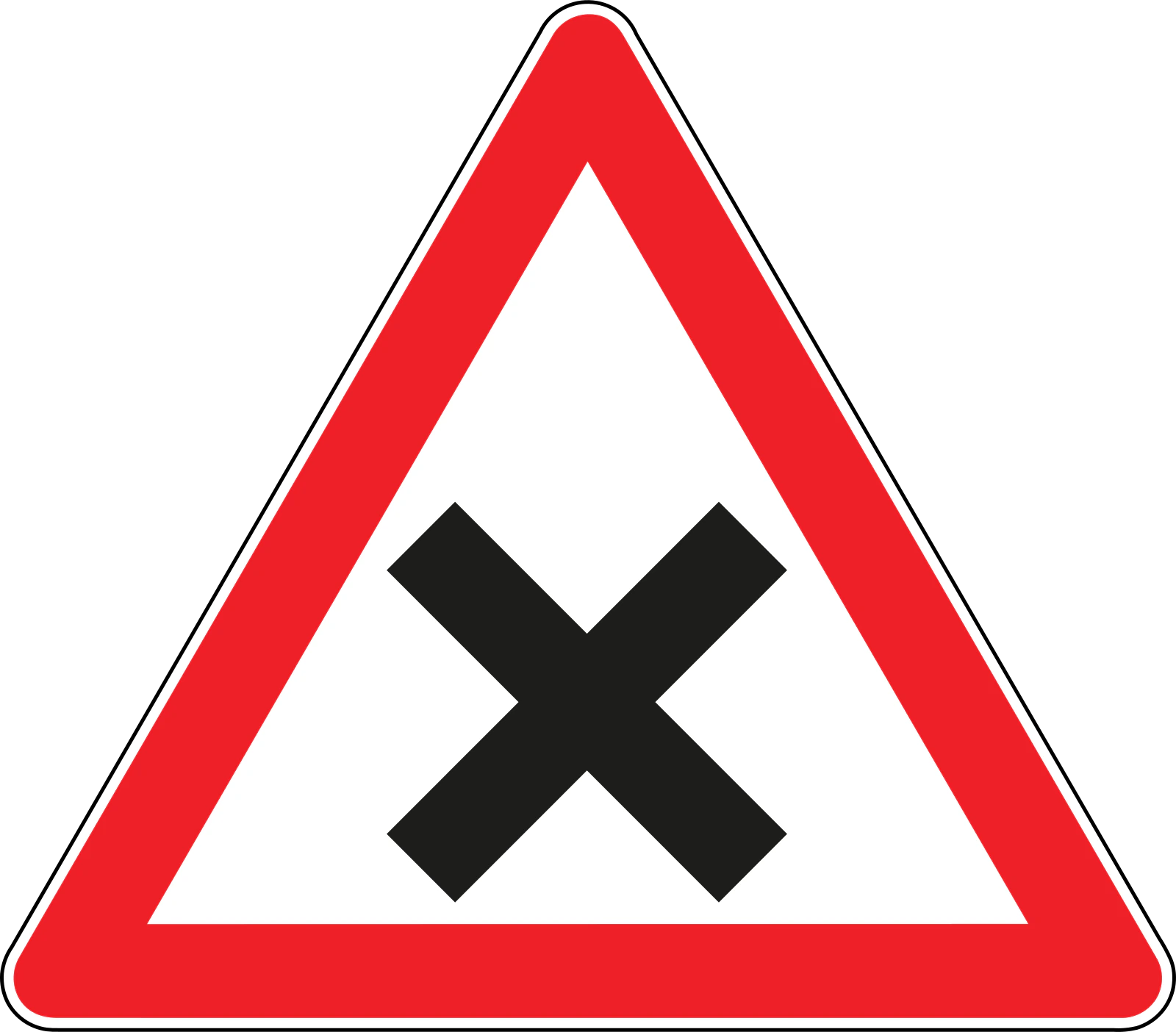
Prepare for Crossroads with a Right-of-Way Road Ahead
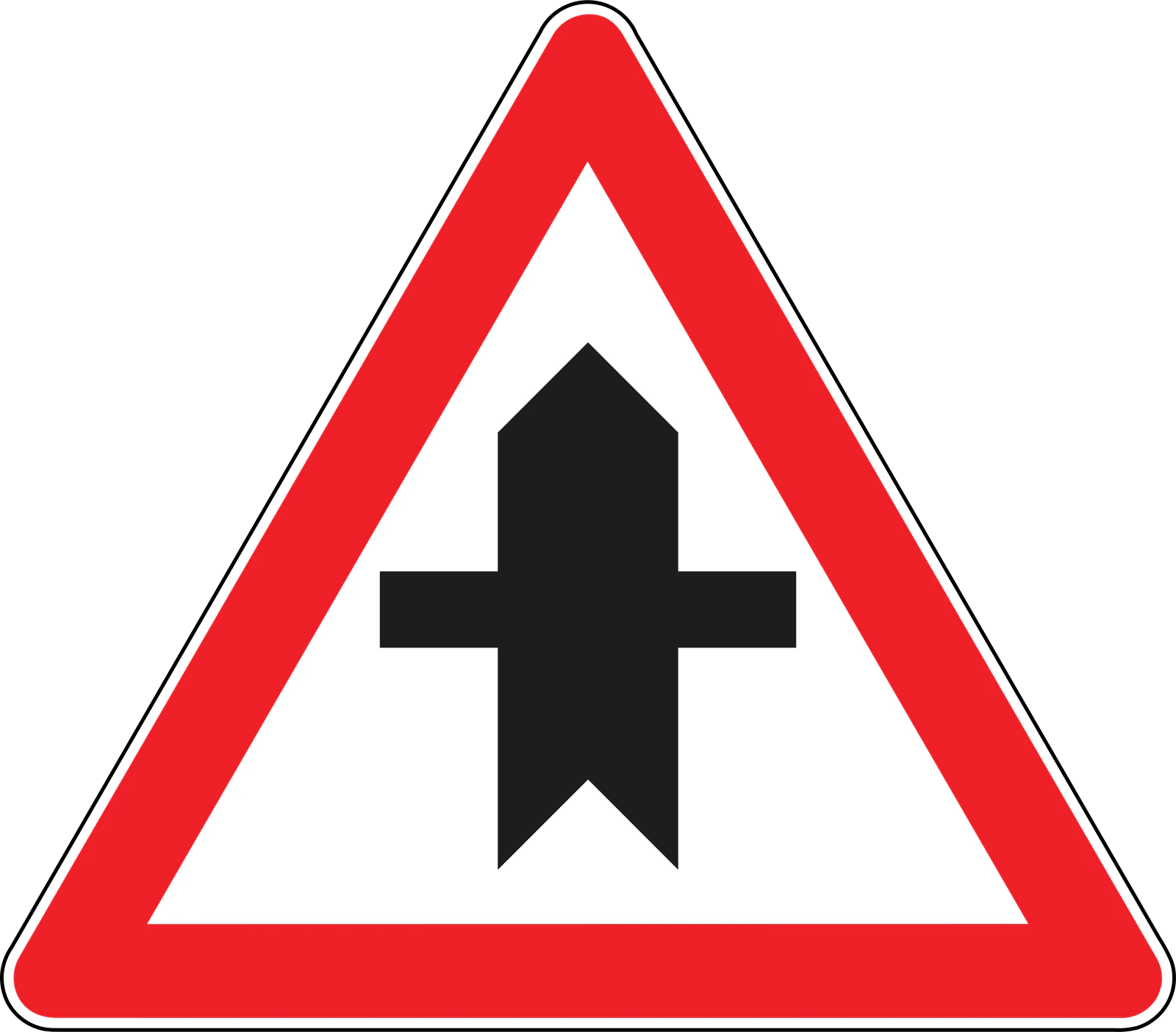
Prepare for crossroads ahead with the T-22A priority warning sign.
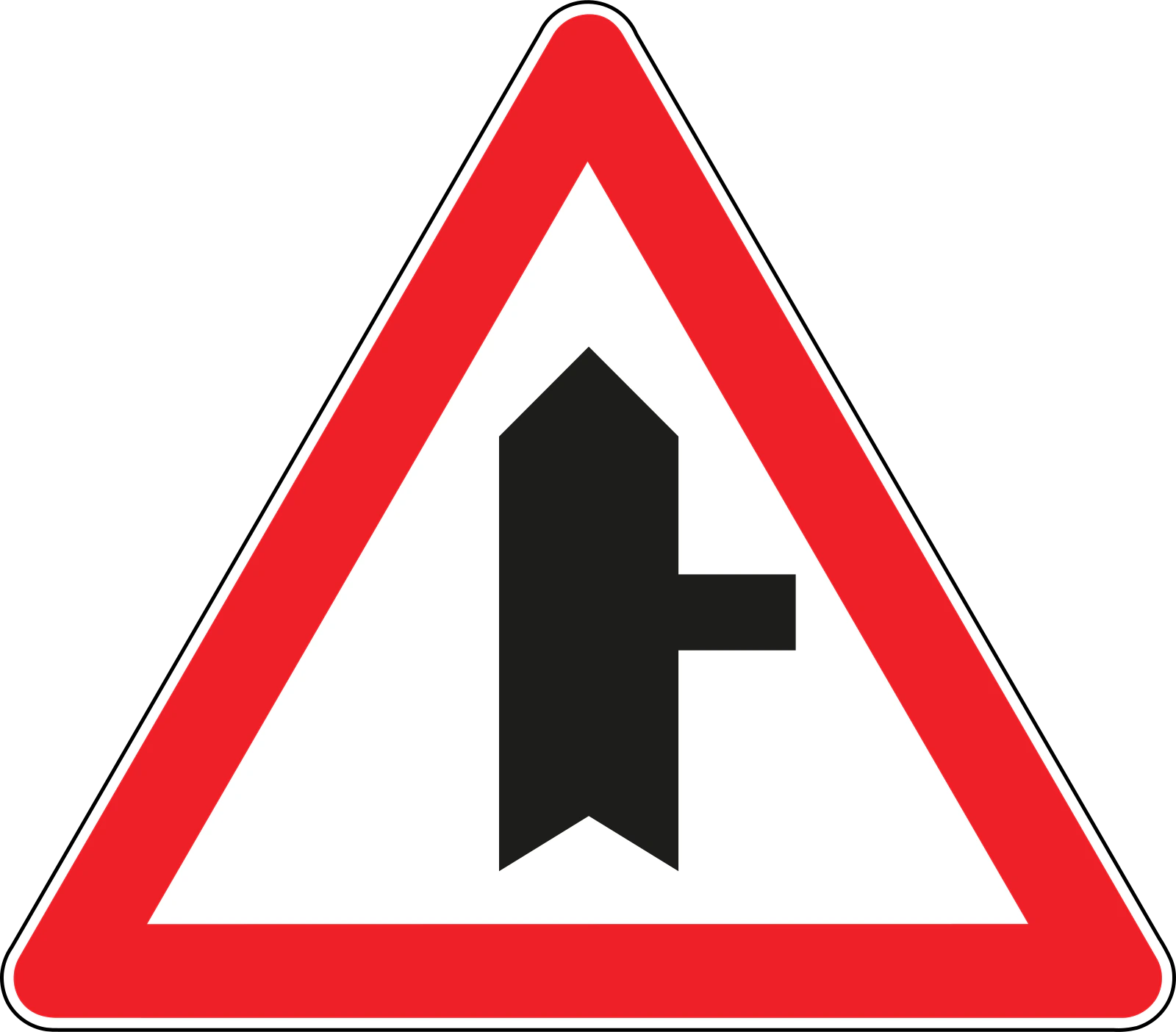
Prepare for a side road joining from the right with the T-22B warning sign.
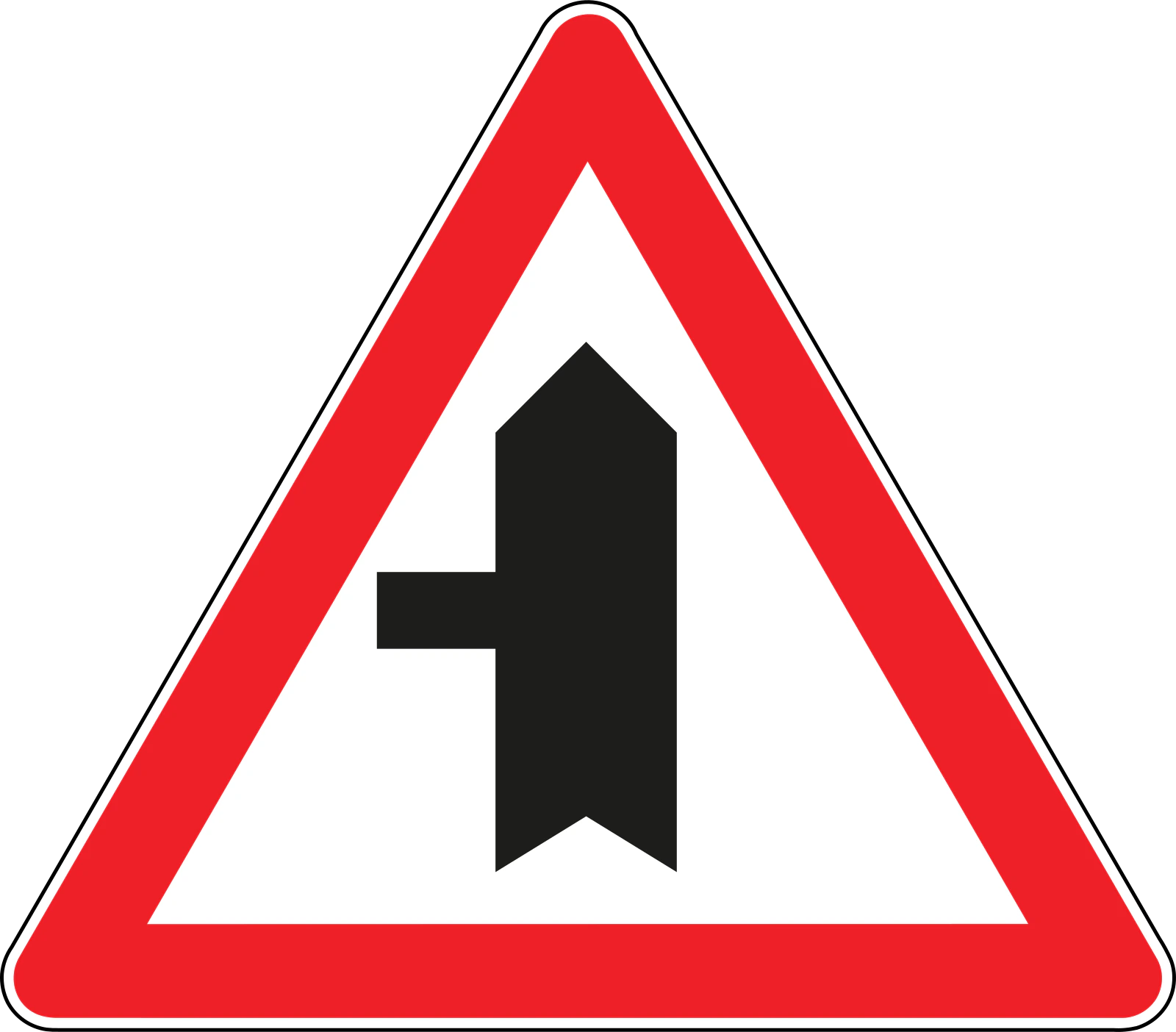
Warning: A side road joins from the left ahead
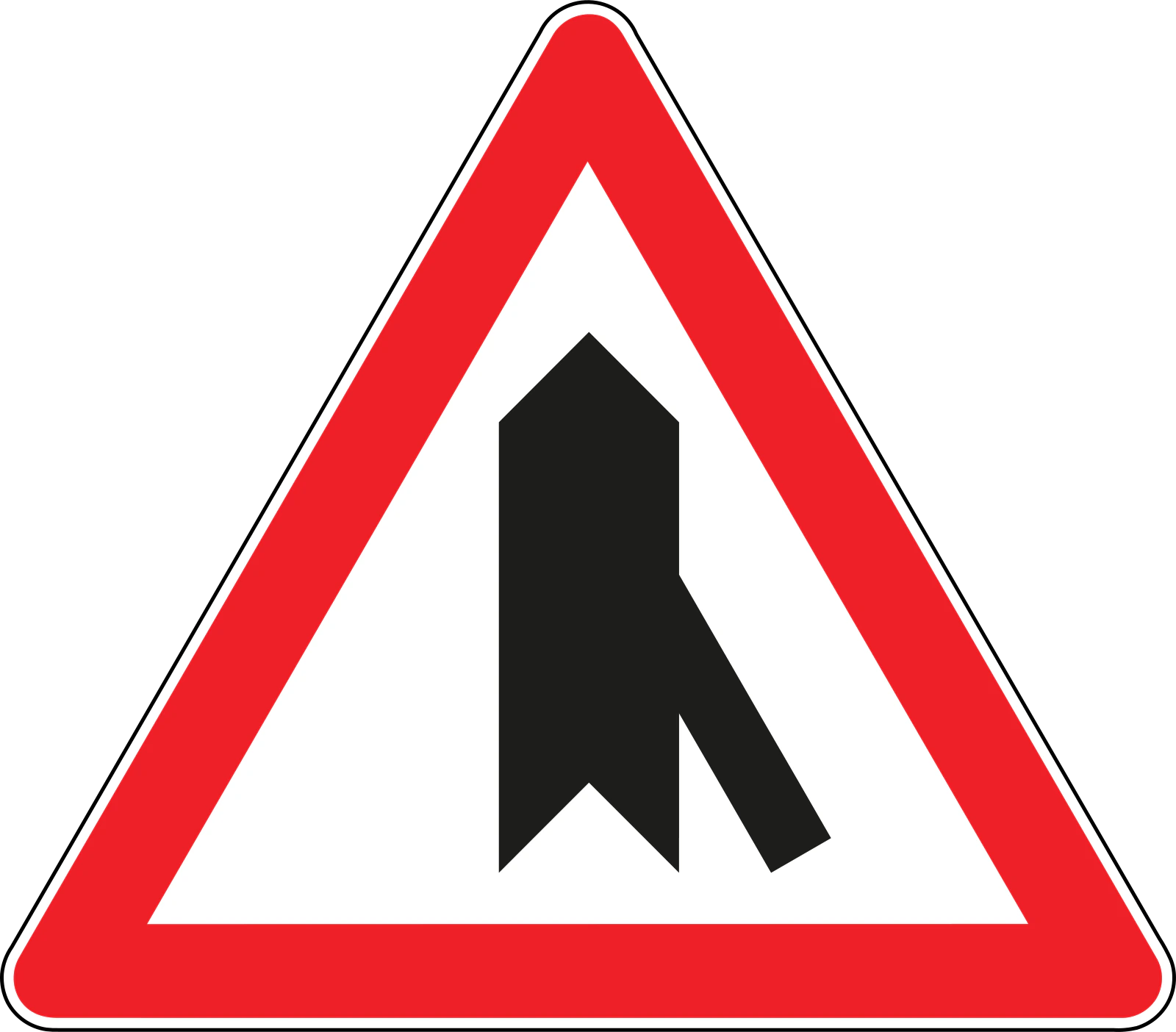
Prepare for Merging Traffic on the Right with the T-23A Warning Sign
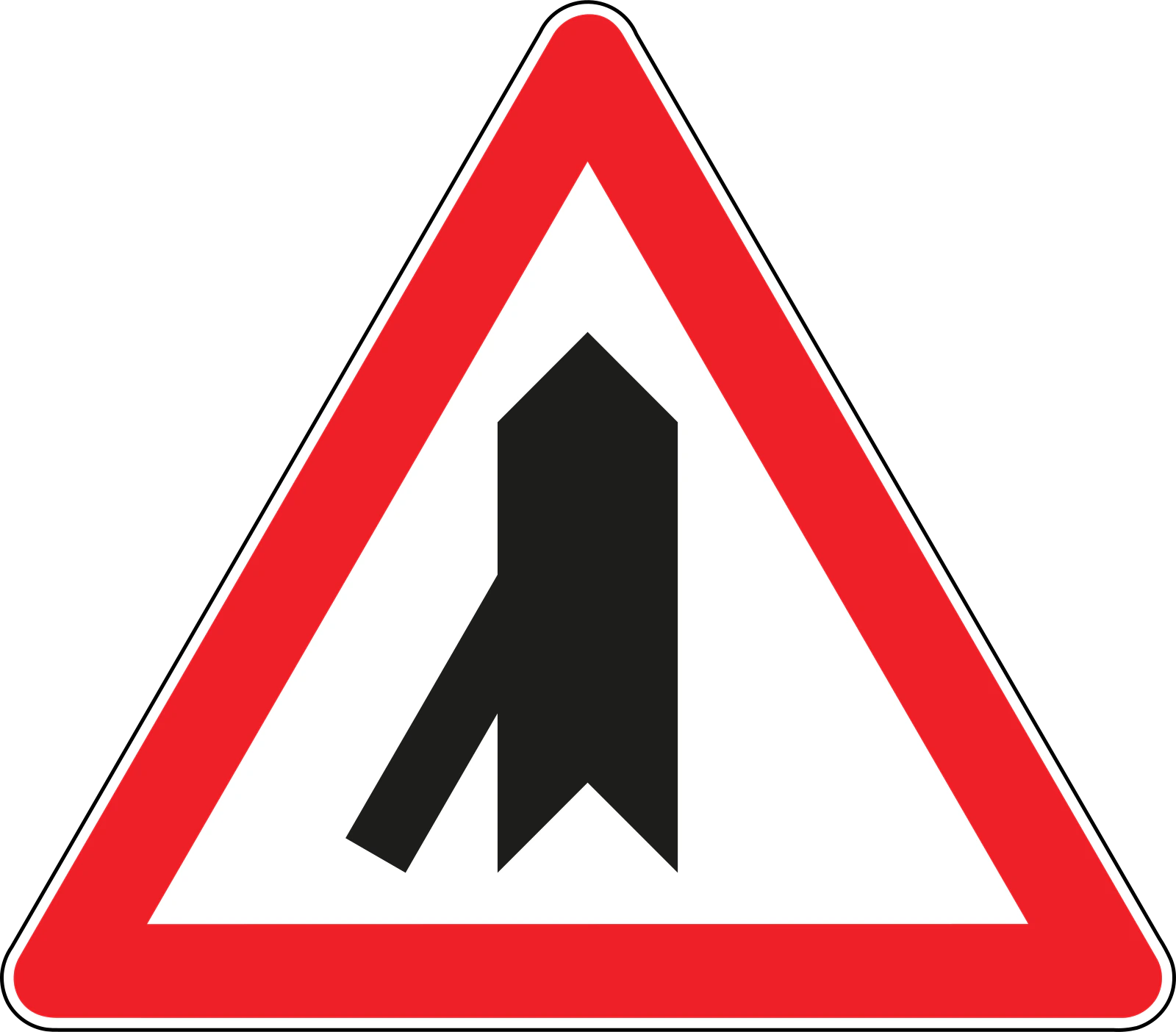
Prepare for Merging Traffic on Your Left with the T-23B Warning Sign
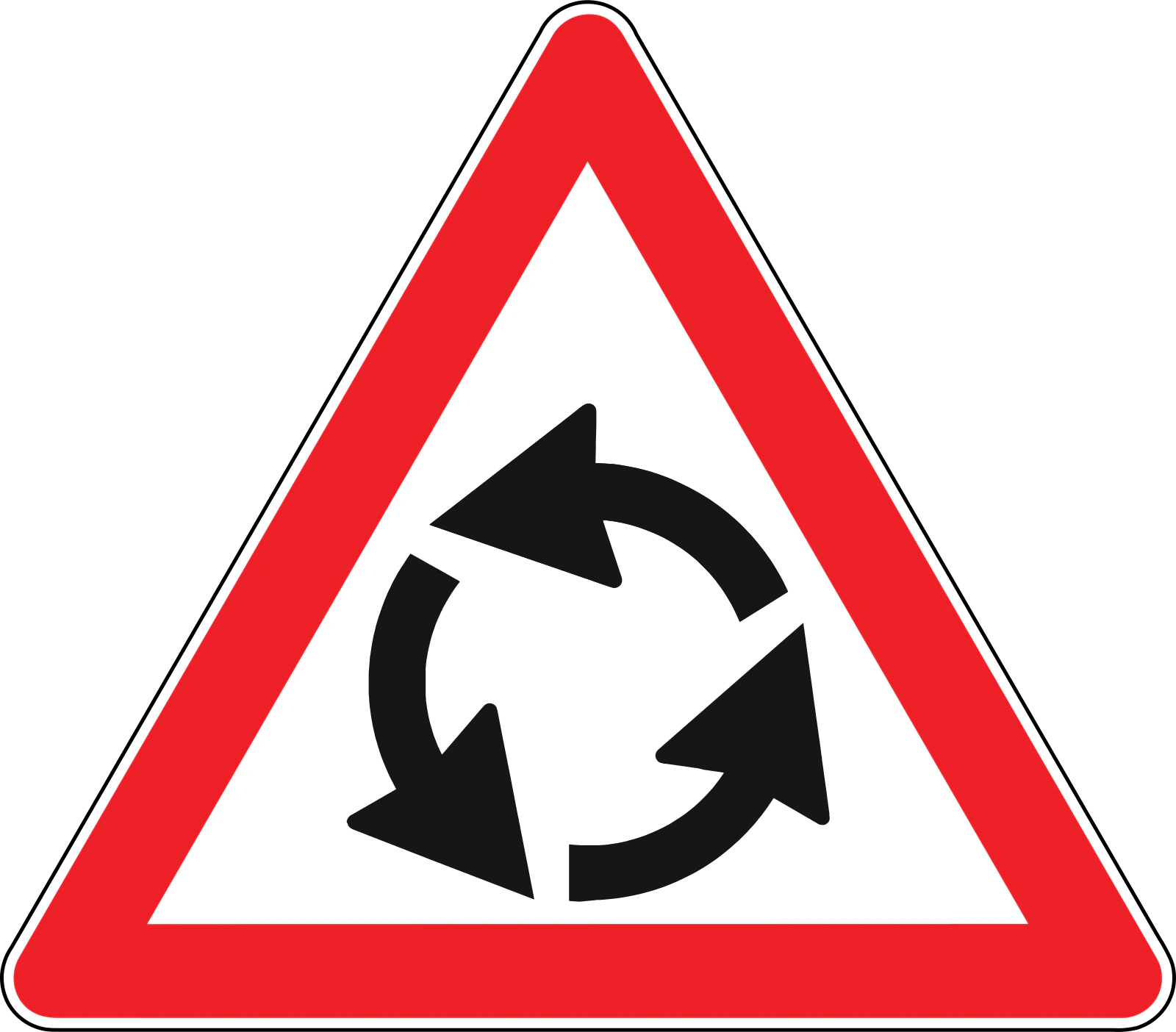
Prepare for a roundabout ahead with the T-24 warning sign in Turkey.
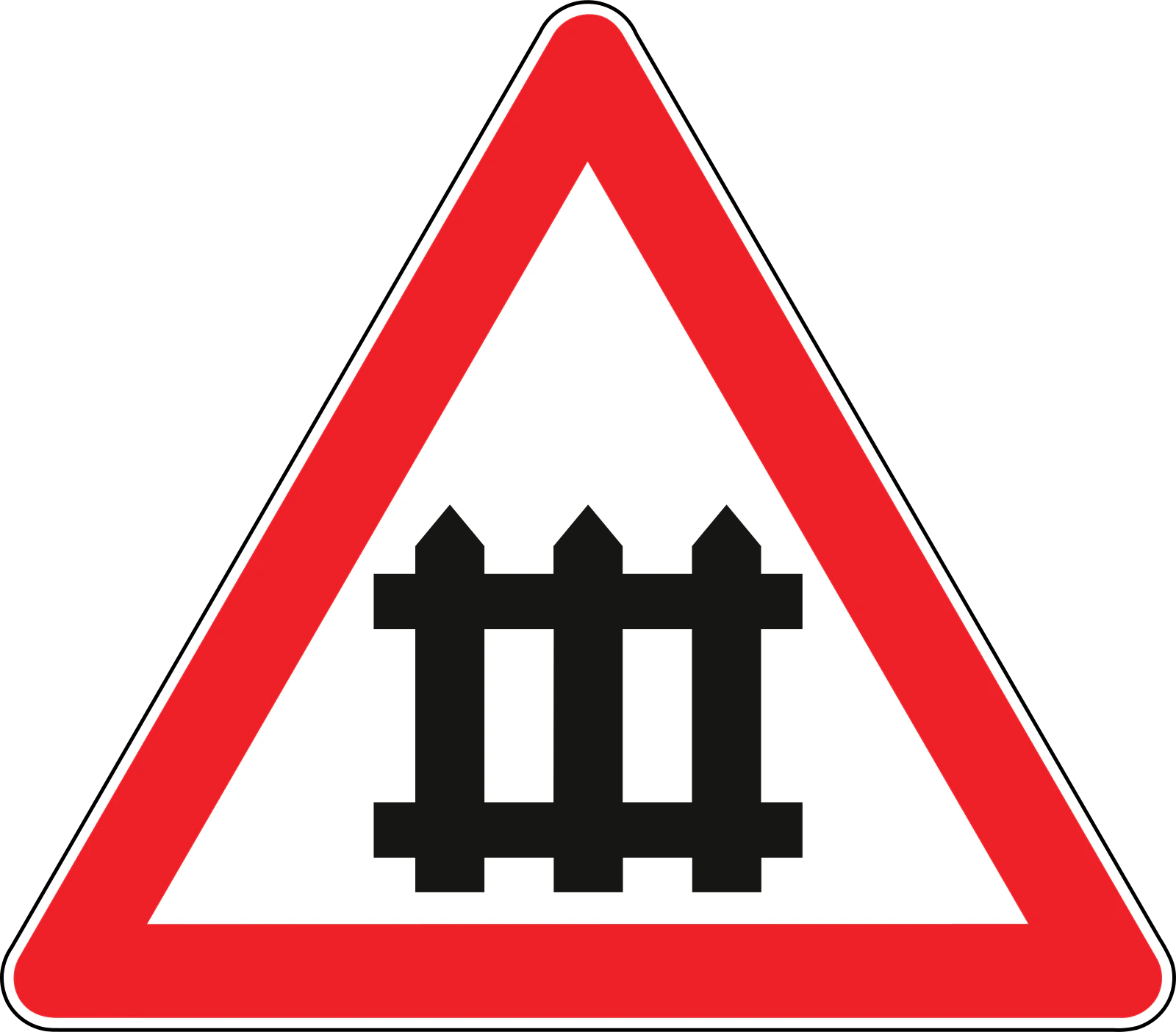
Warning: Railroad Crossing with Barrier Ahead
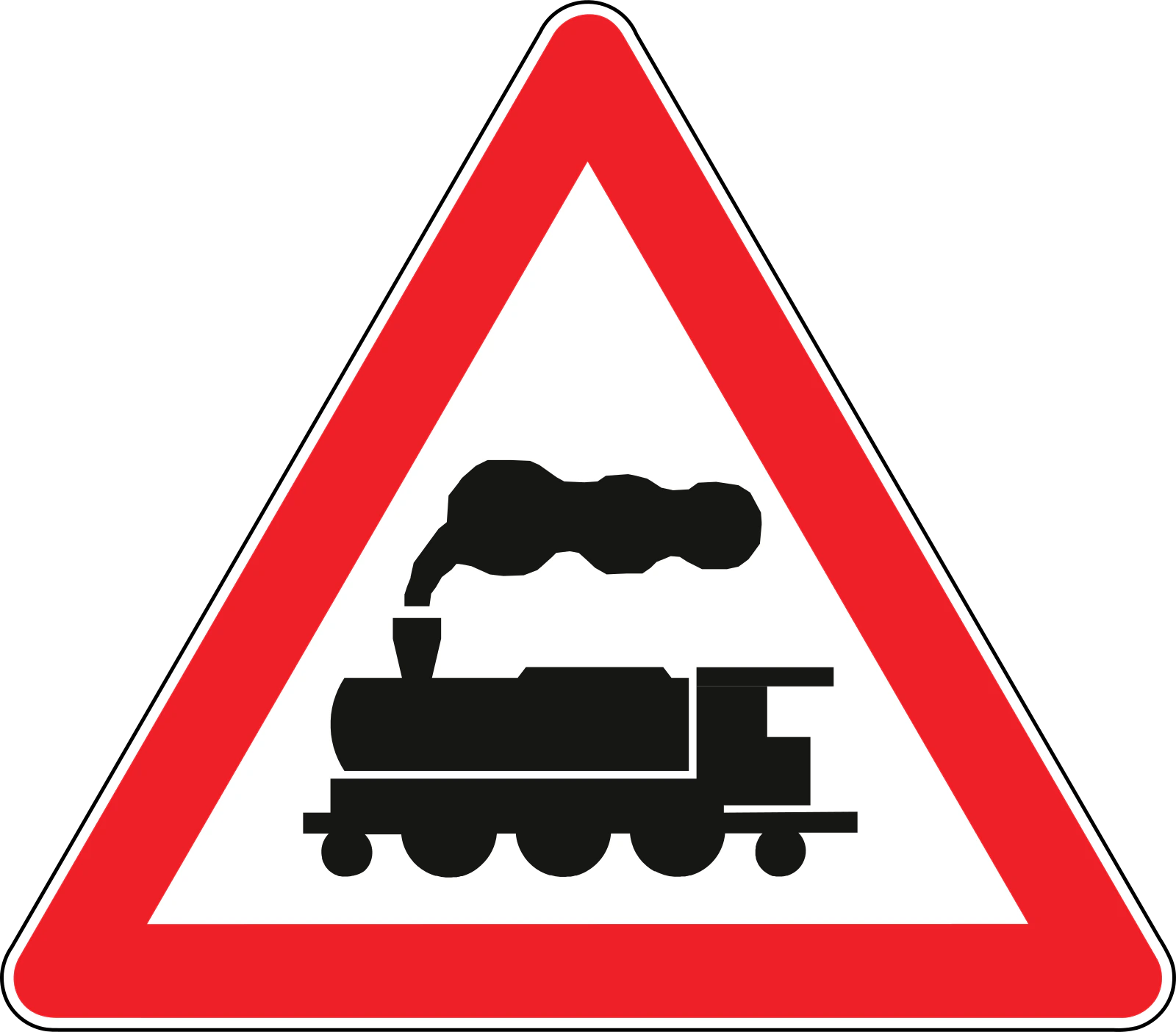
Understand the T-26 Warning Sign: Railroad Crossing Without Barrier Ahead
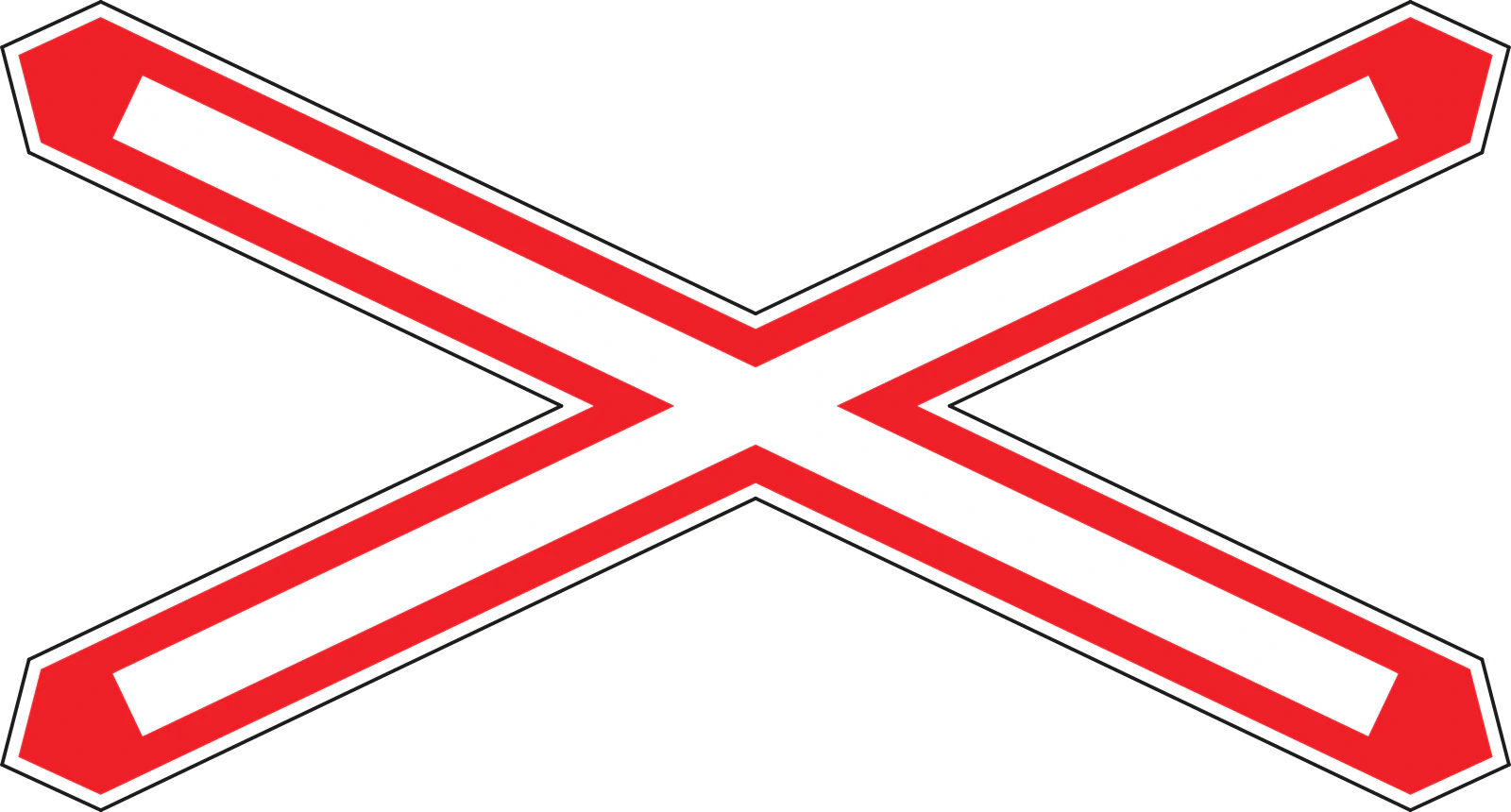
Prepare for Single Track Railroad Crossings with the T-27A Warning Sign
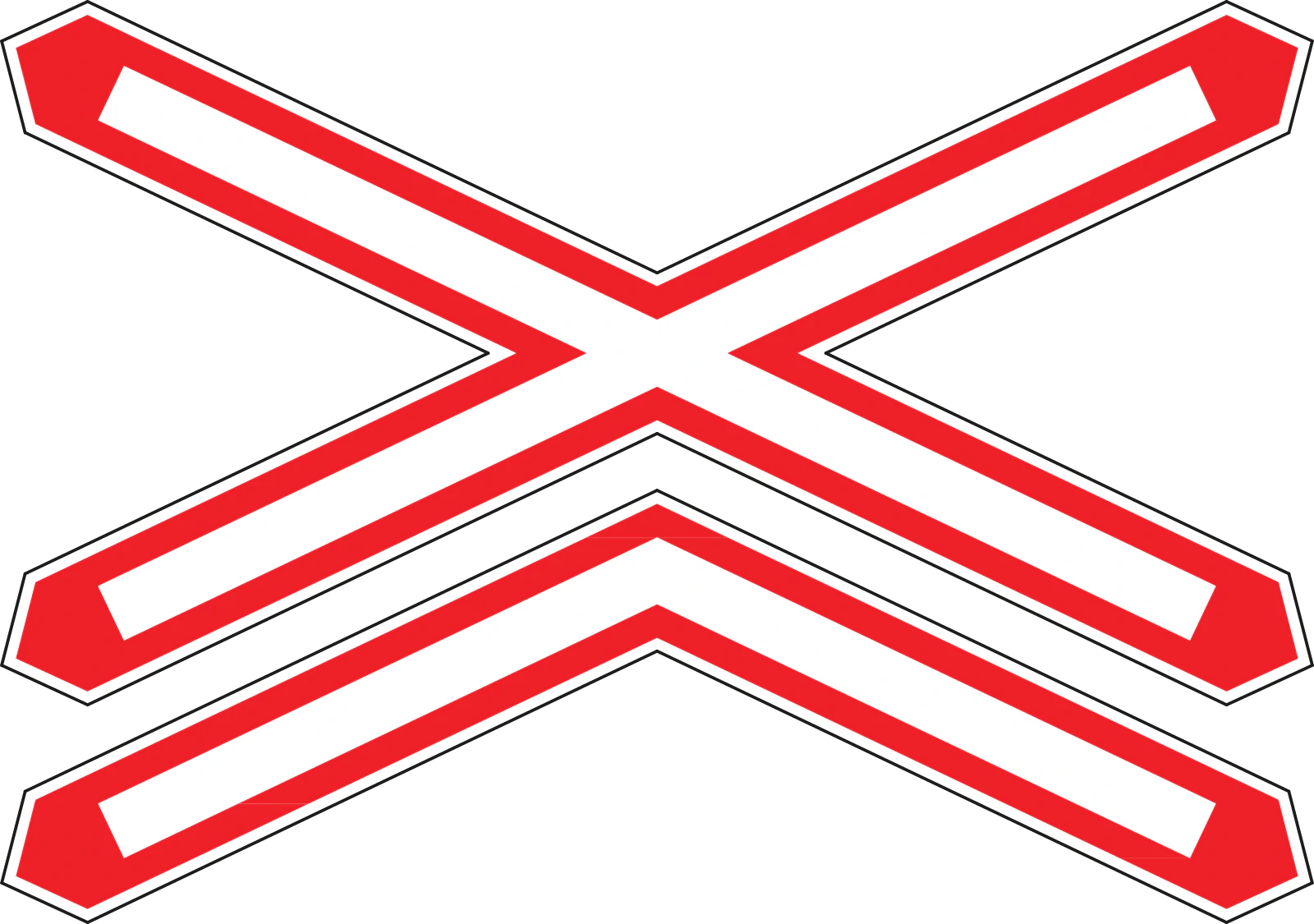
Prepare for a double track railroad crossing ahead with the T-27B warning sign.
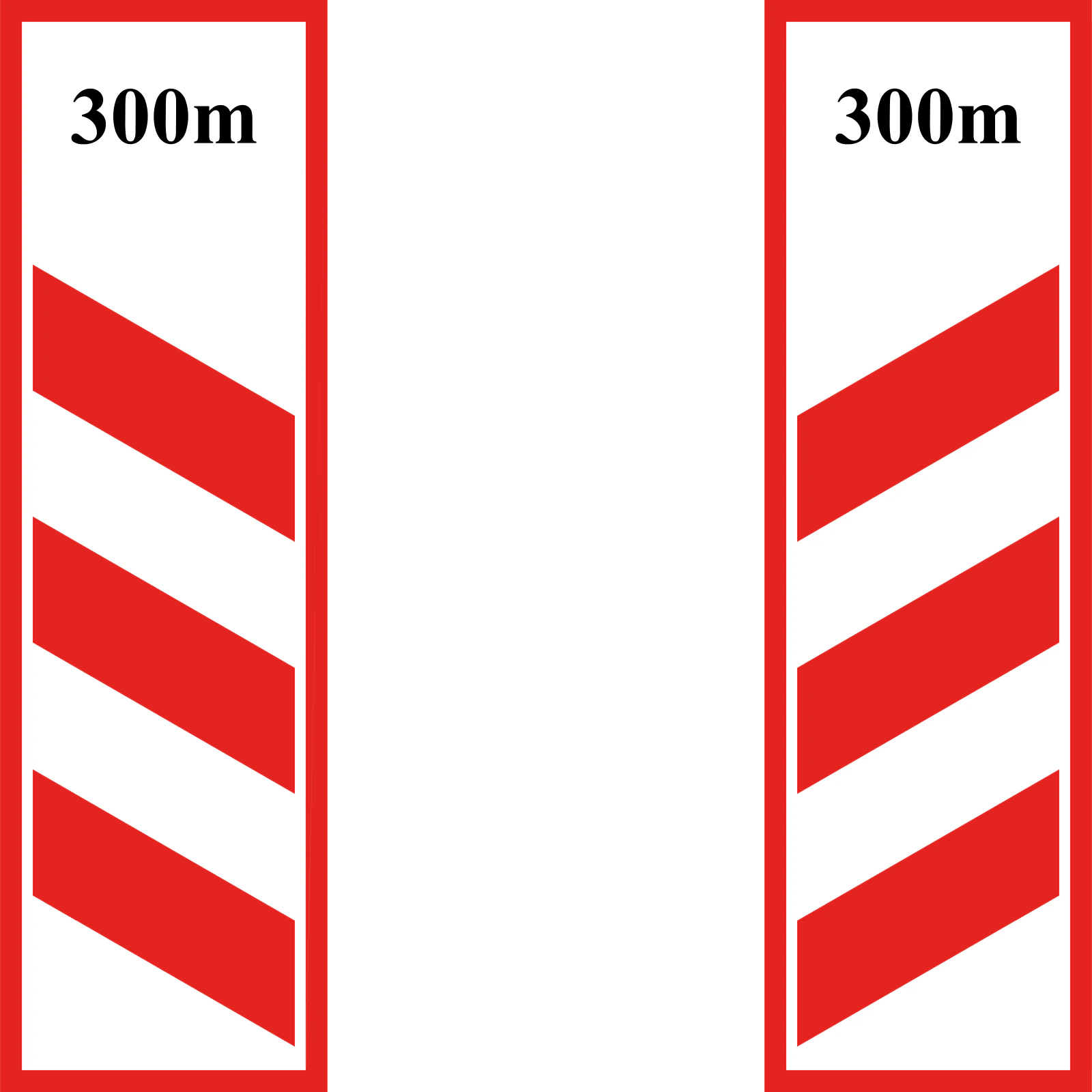
Prepare for upcoming hazards with the T-28A Three-Striped Marker (300m) warning sign.
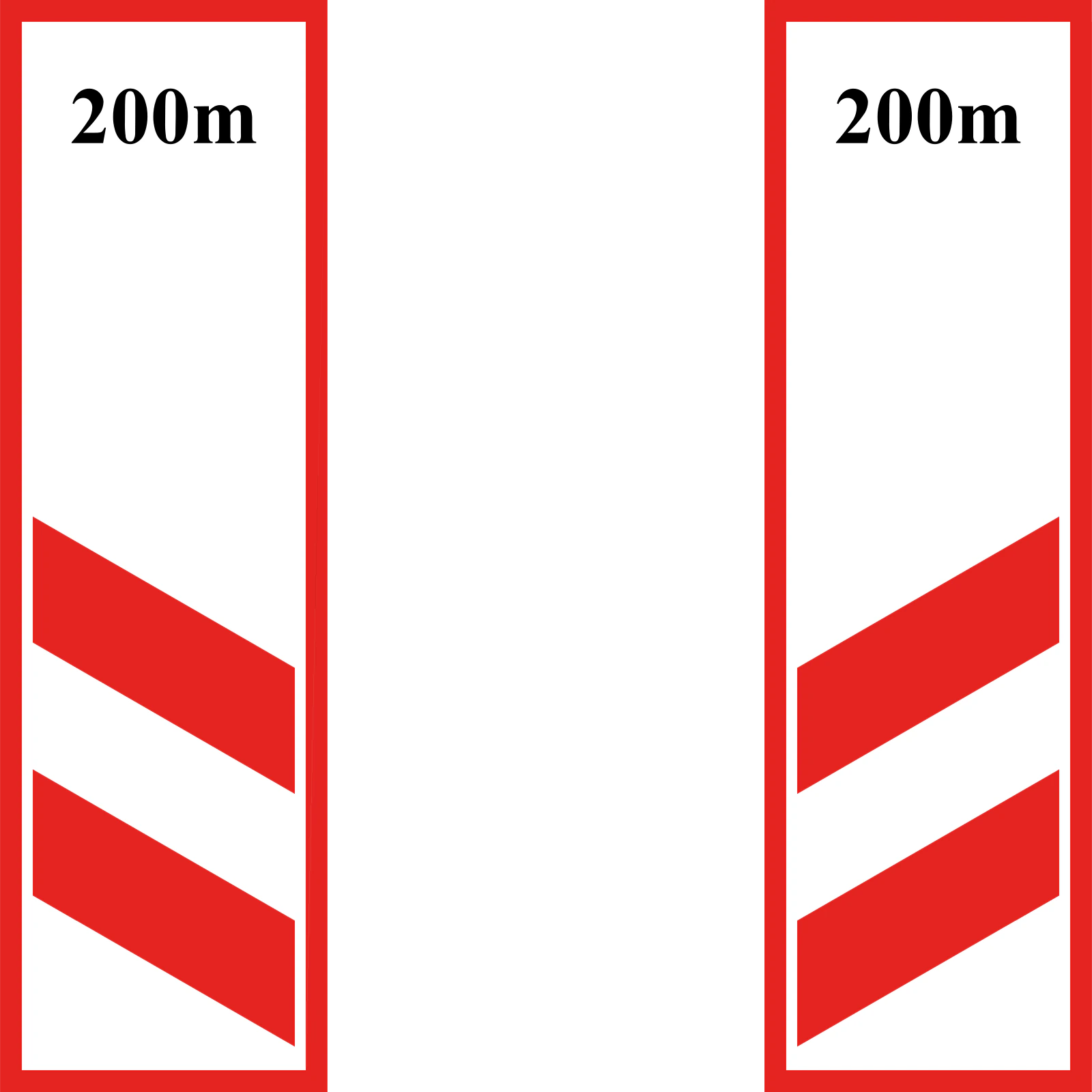
Prepare for upcoming hazards with the Two-Striped Marker (200m) warning sign.
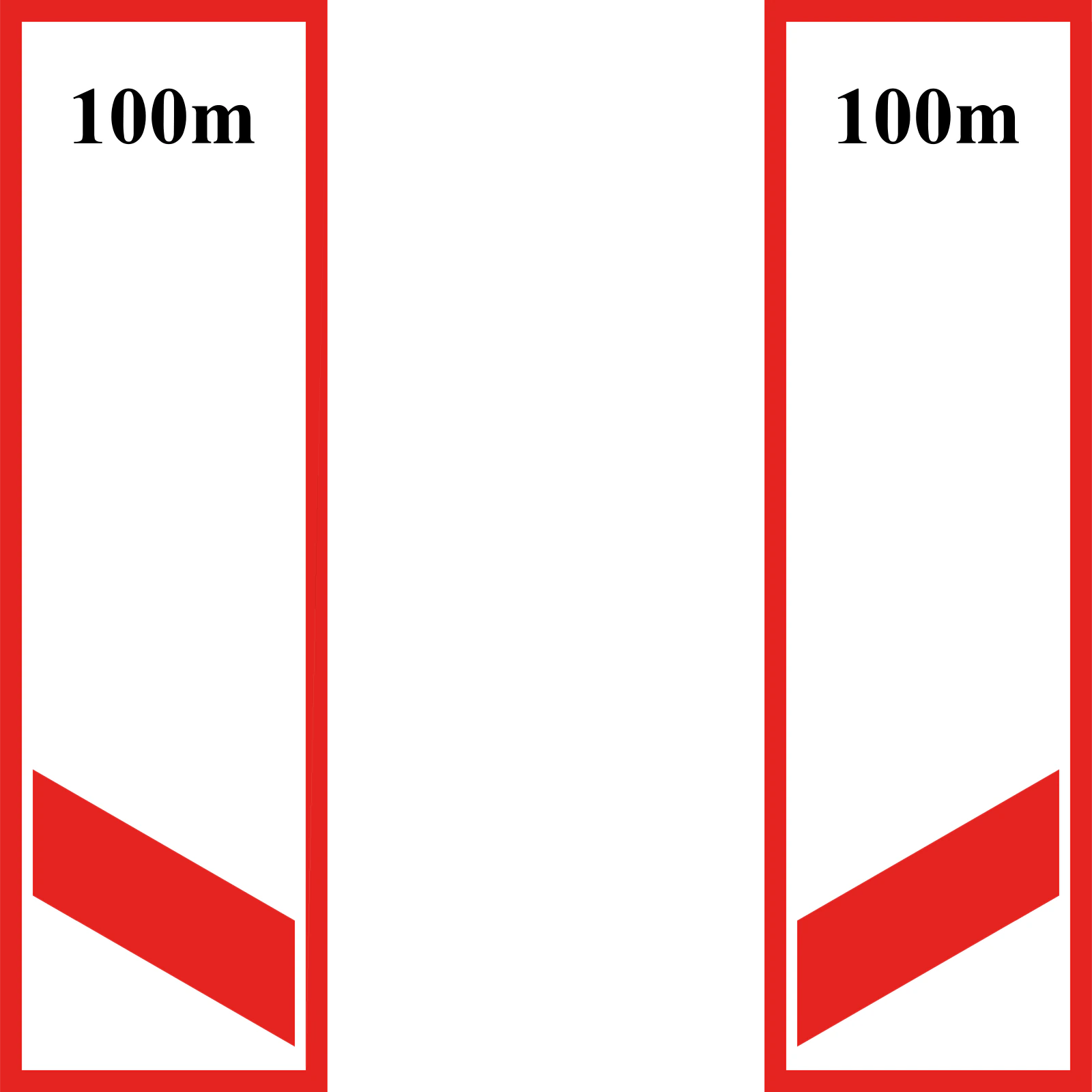
Prepare for upcoming hazards with the T-30A One-Striped Marker warning sign.
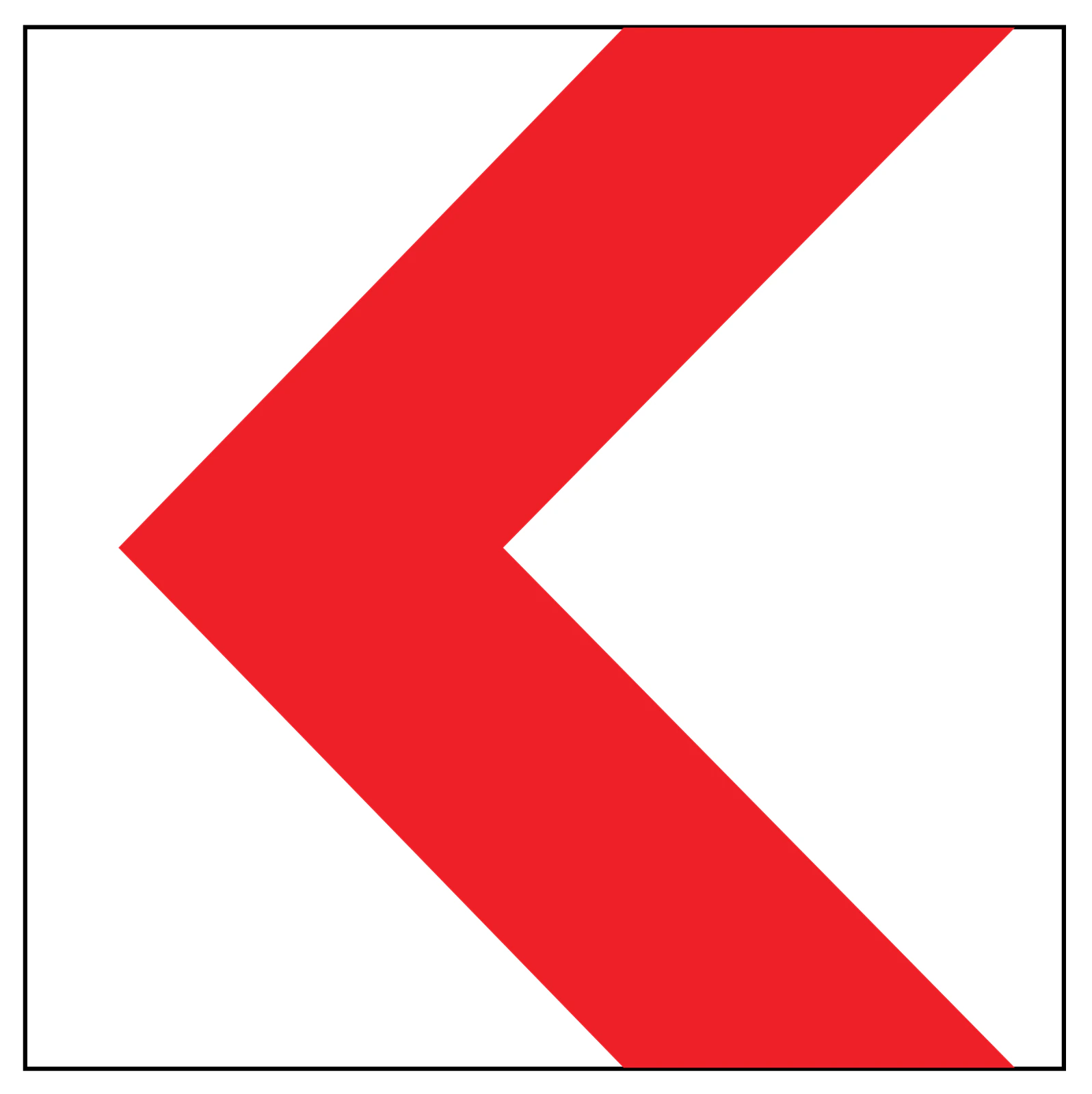
The T-33A Curve Marker sign prepares you for upcoming bends on Turkish roads.
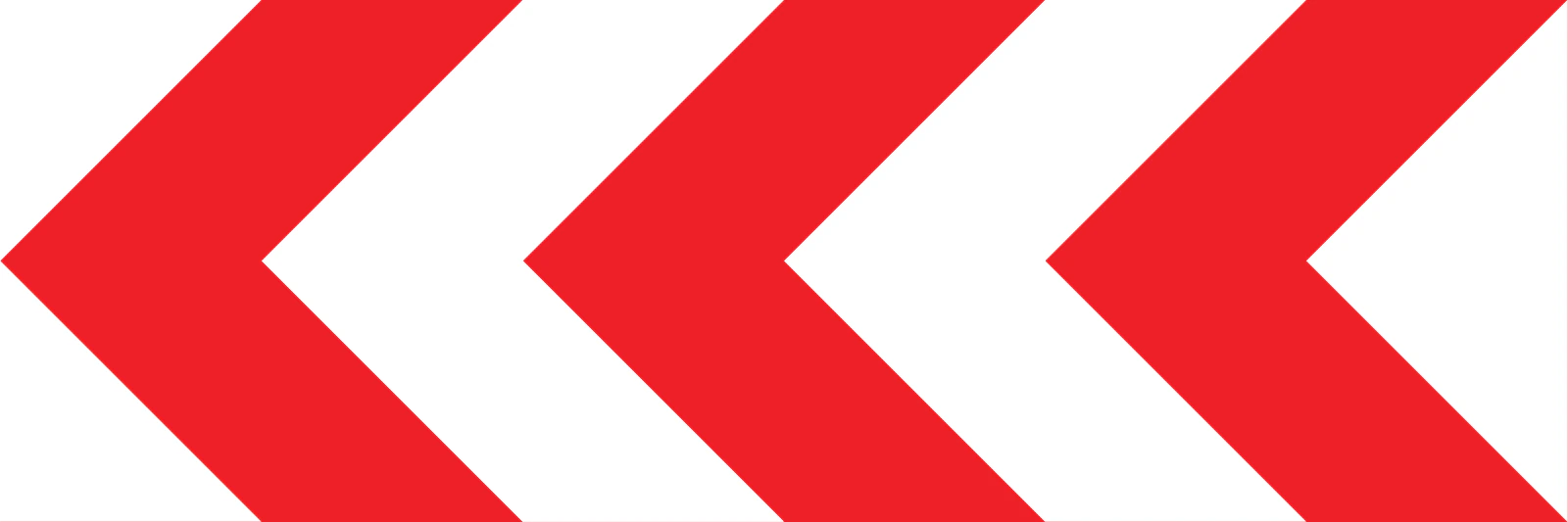
The T-33B Curve Marker sign warns you of upcoming bends that may affect your driving.
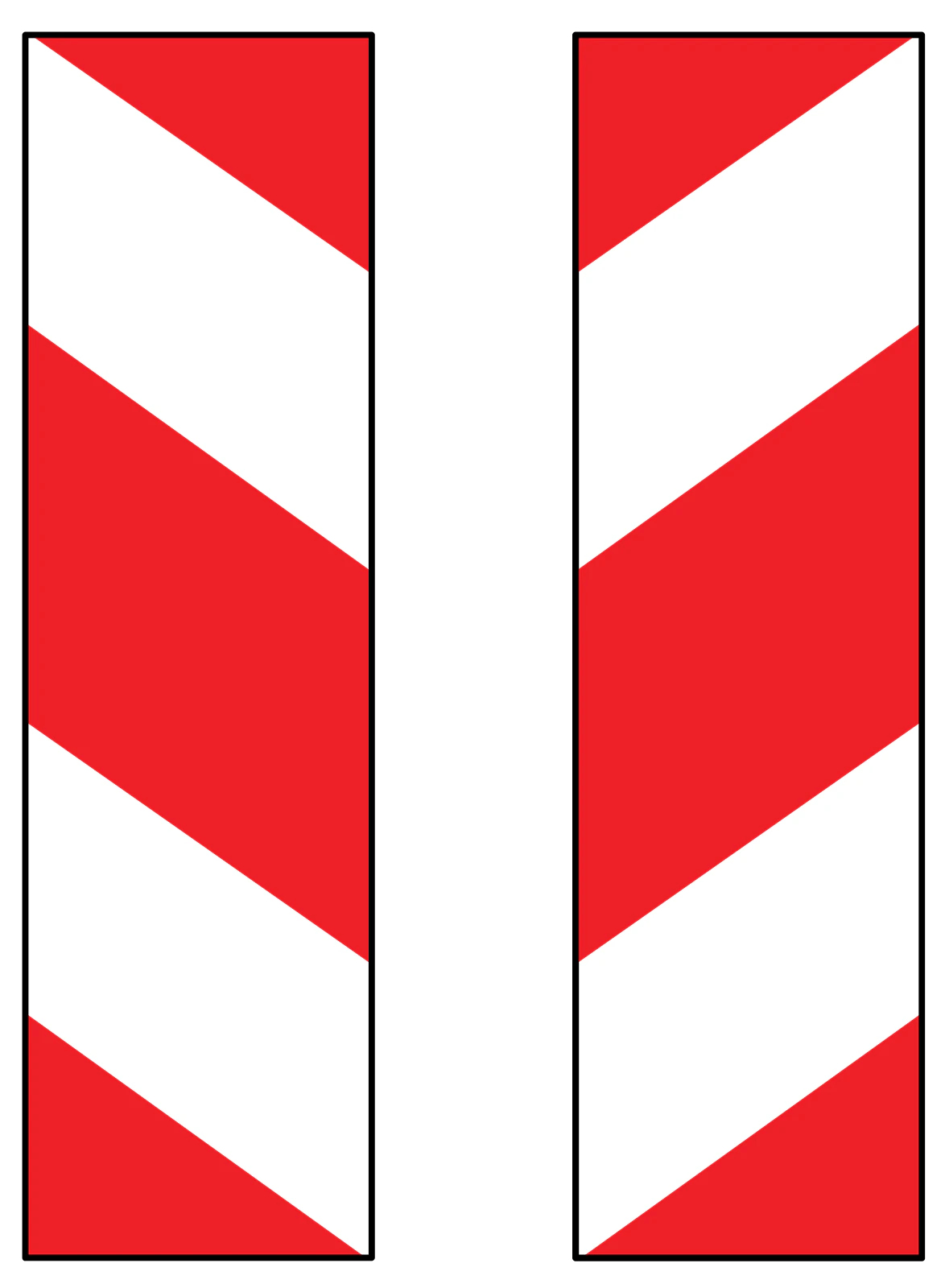
Prepare for potential hazards ahead with the T-33D Clearance Signs (roadworks) warning.
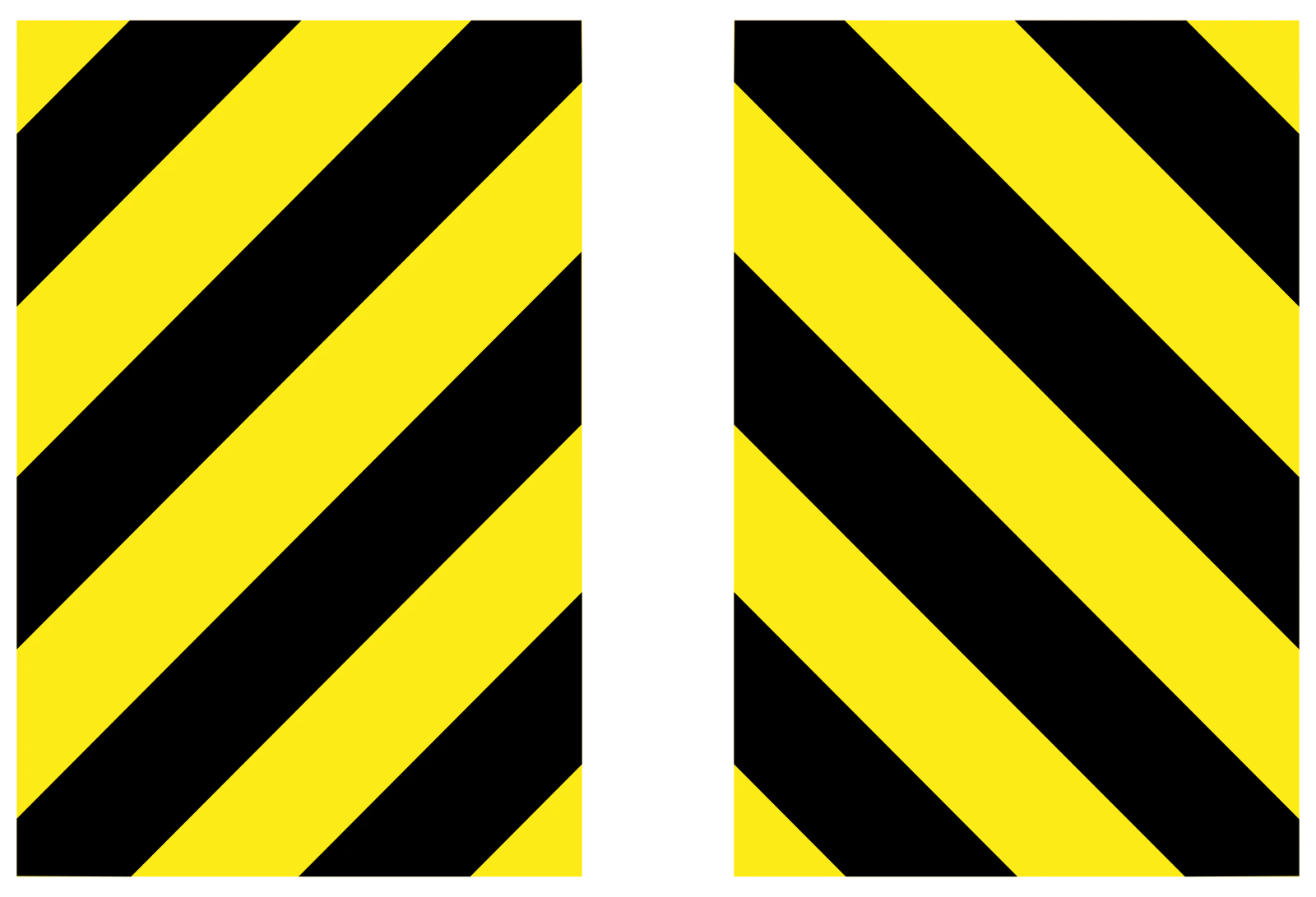
T-34A Clearance Signs: Prepare for Upcoming Road Changes
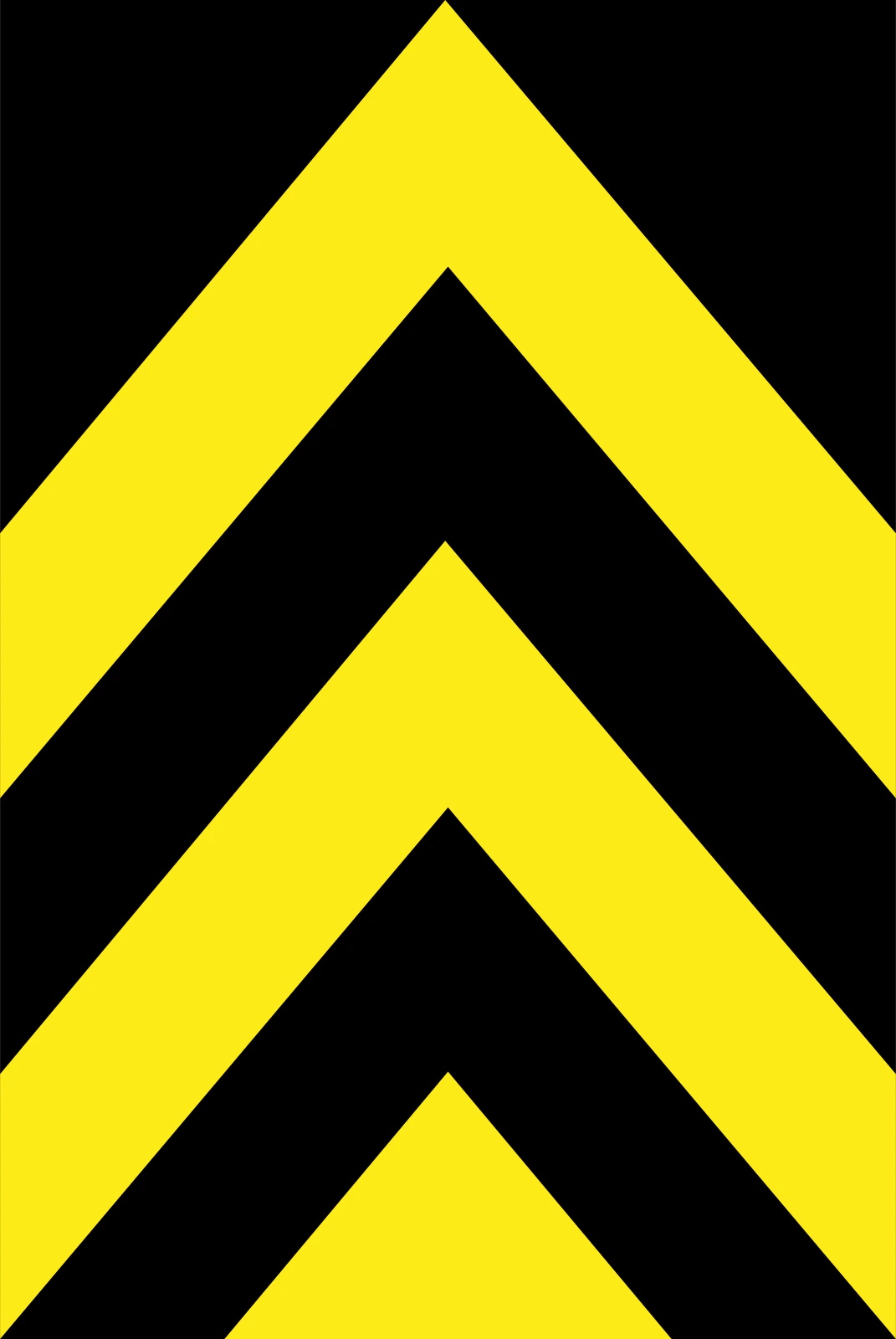
Prepare for traffic islands with the T-35 warning sign in Turkey.
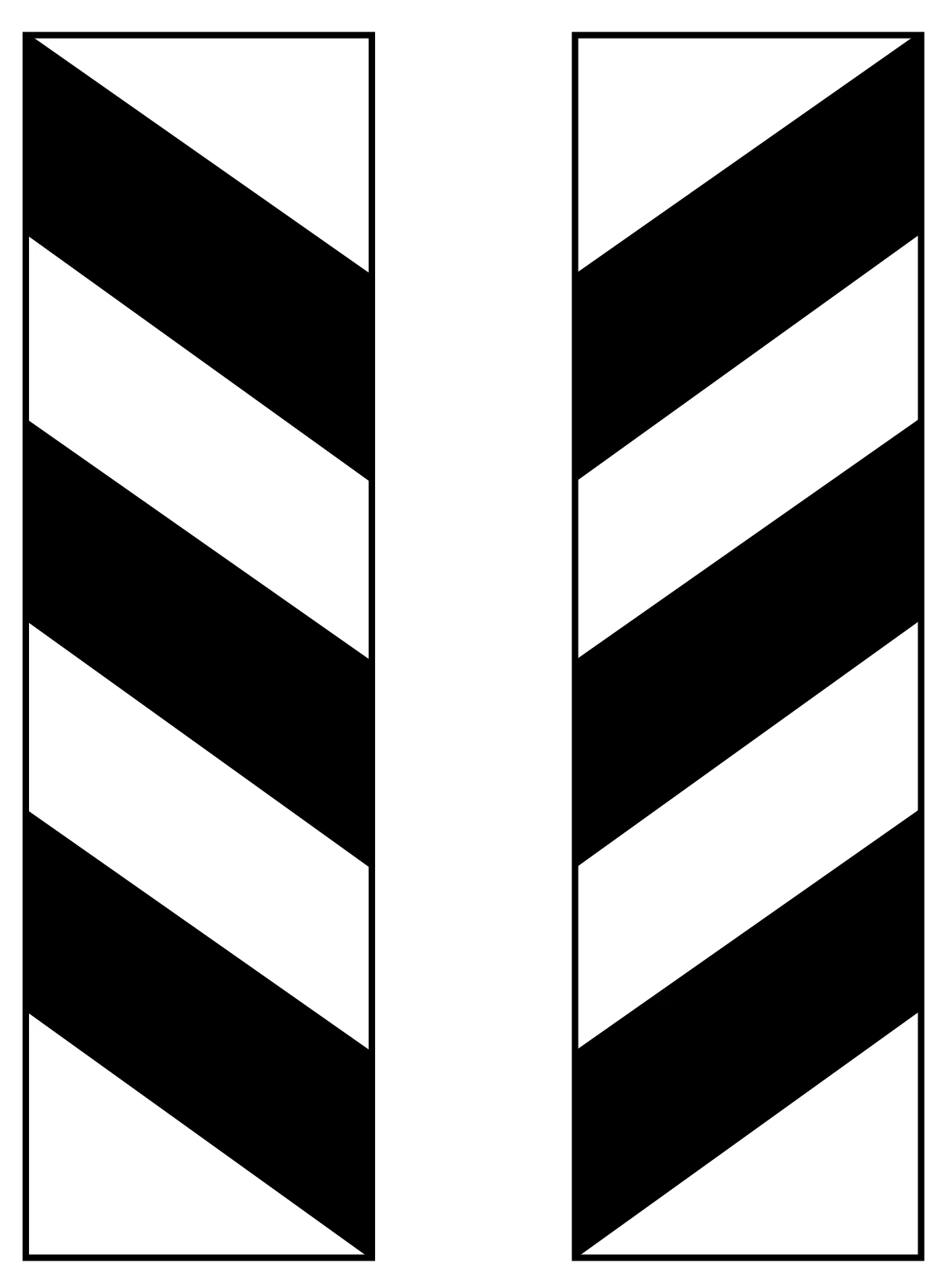
Prepare for Bridges Ahead: Understand the T-31A Warning Sign

Prepare for the unexpected with the T-32 Obstacle warning sign.
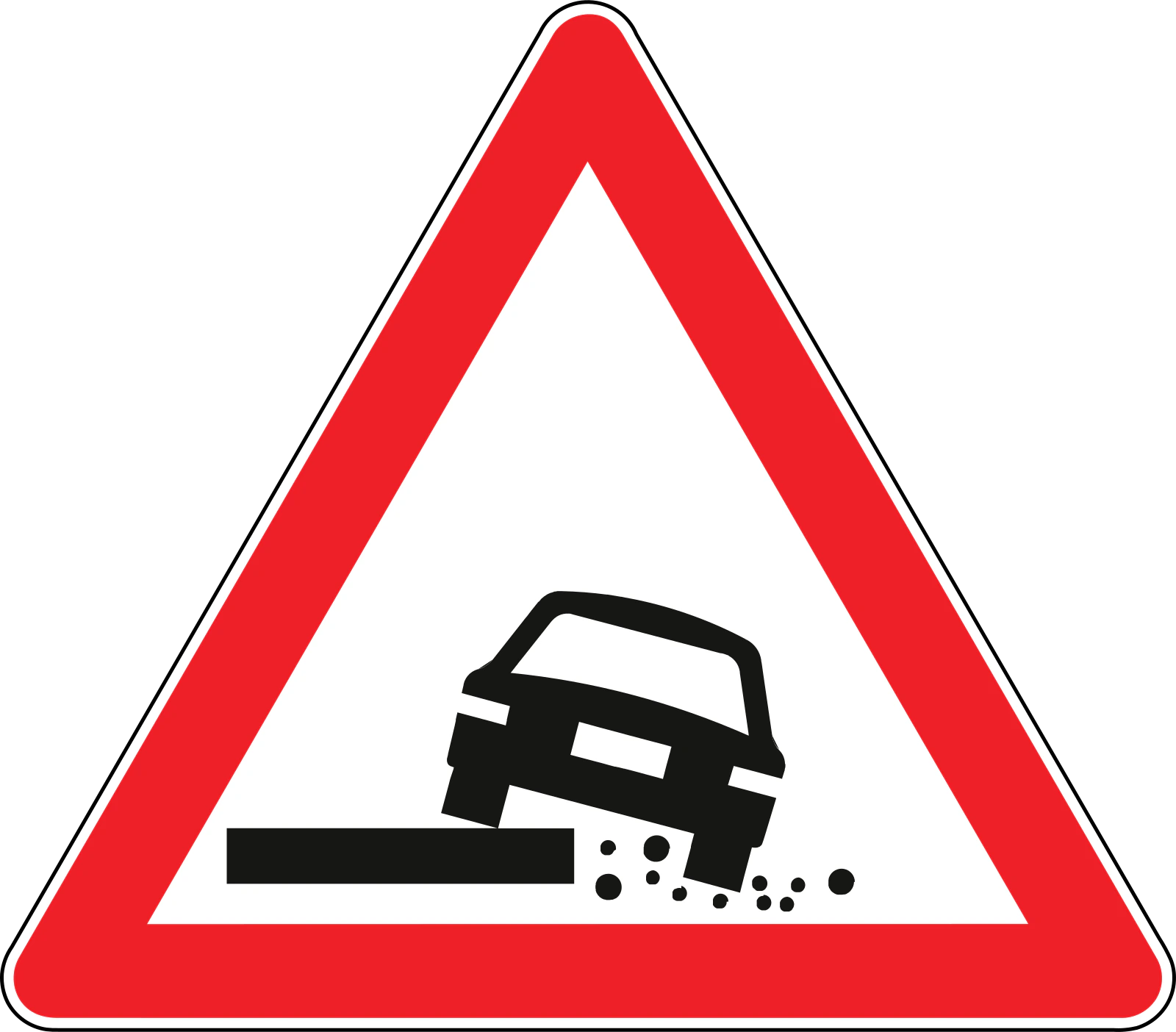
Prepare for Soft Verges Ahead with the T-36 Warning Sign in Turkey
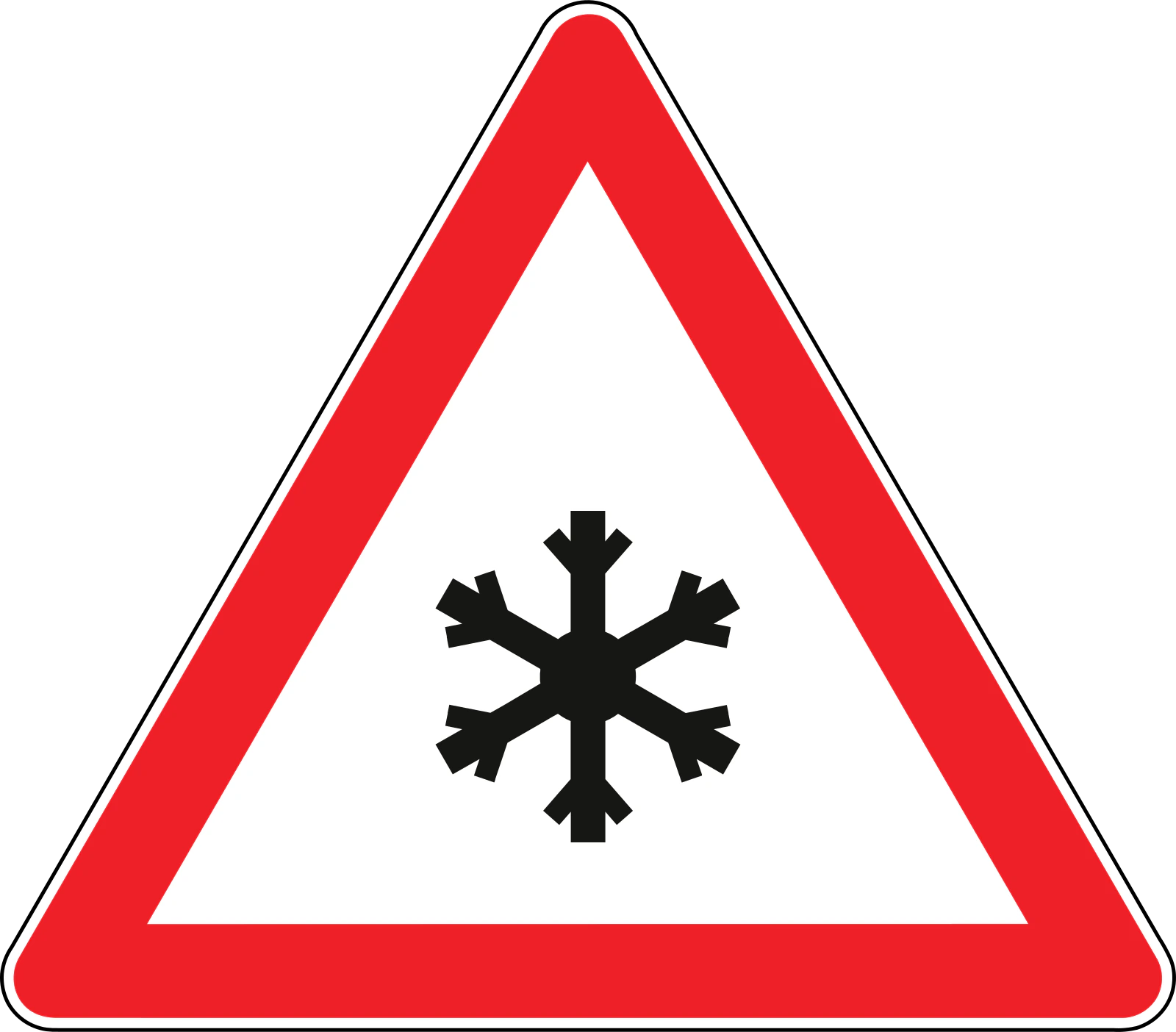
Prepare for Ice and Snow with the T-37 Warning Sign
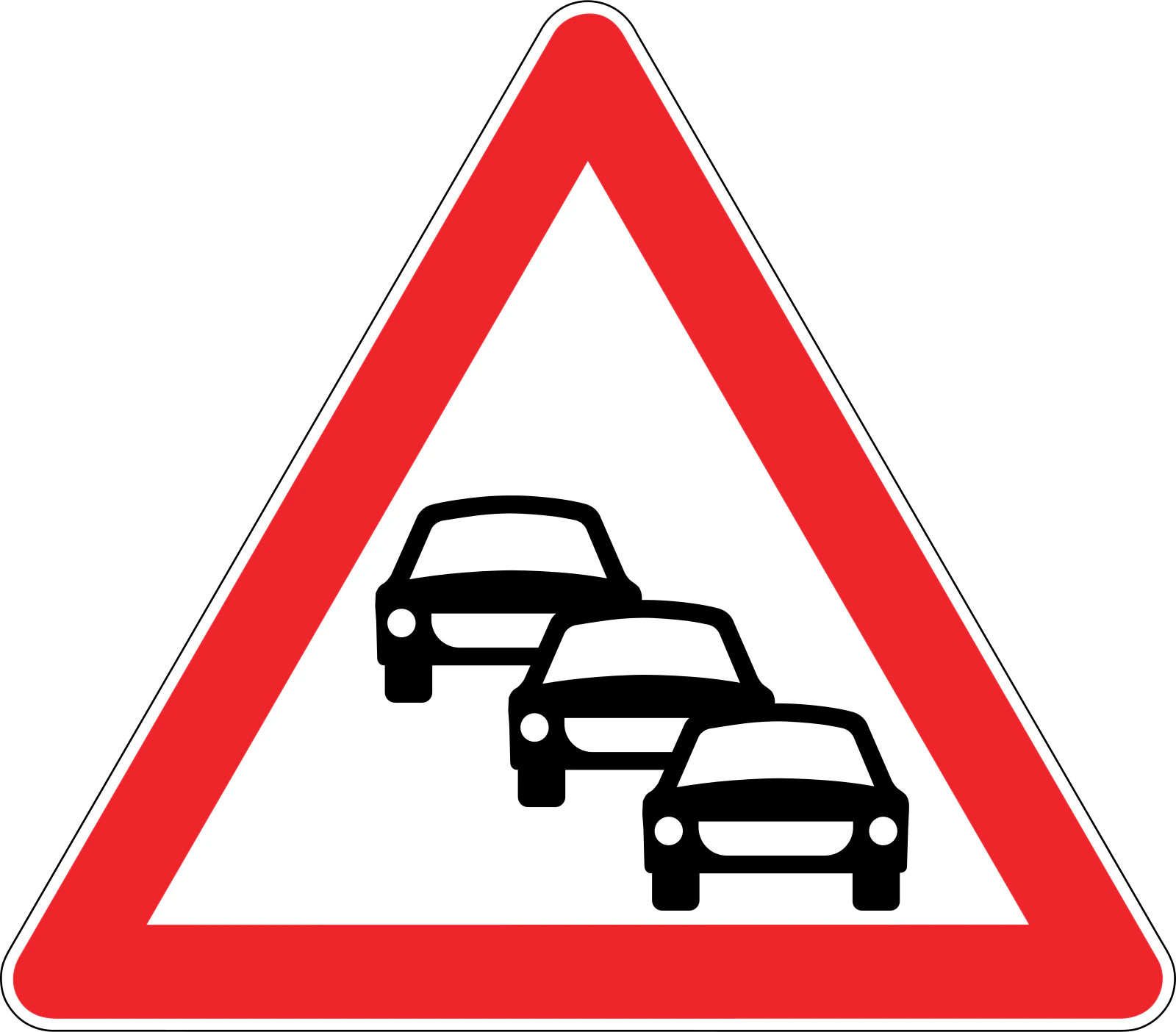
T-38: Prepare for Traffic Queues Ahead on Turkish Roads
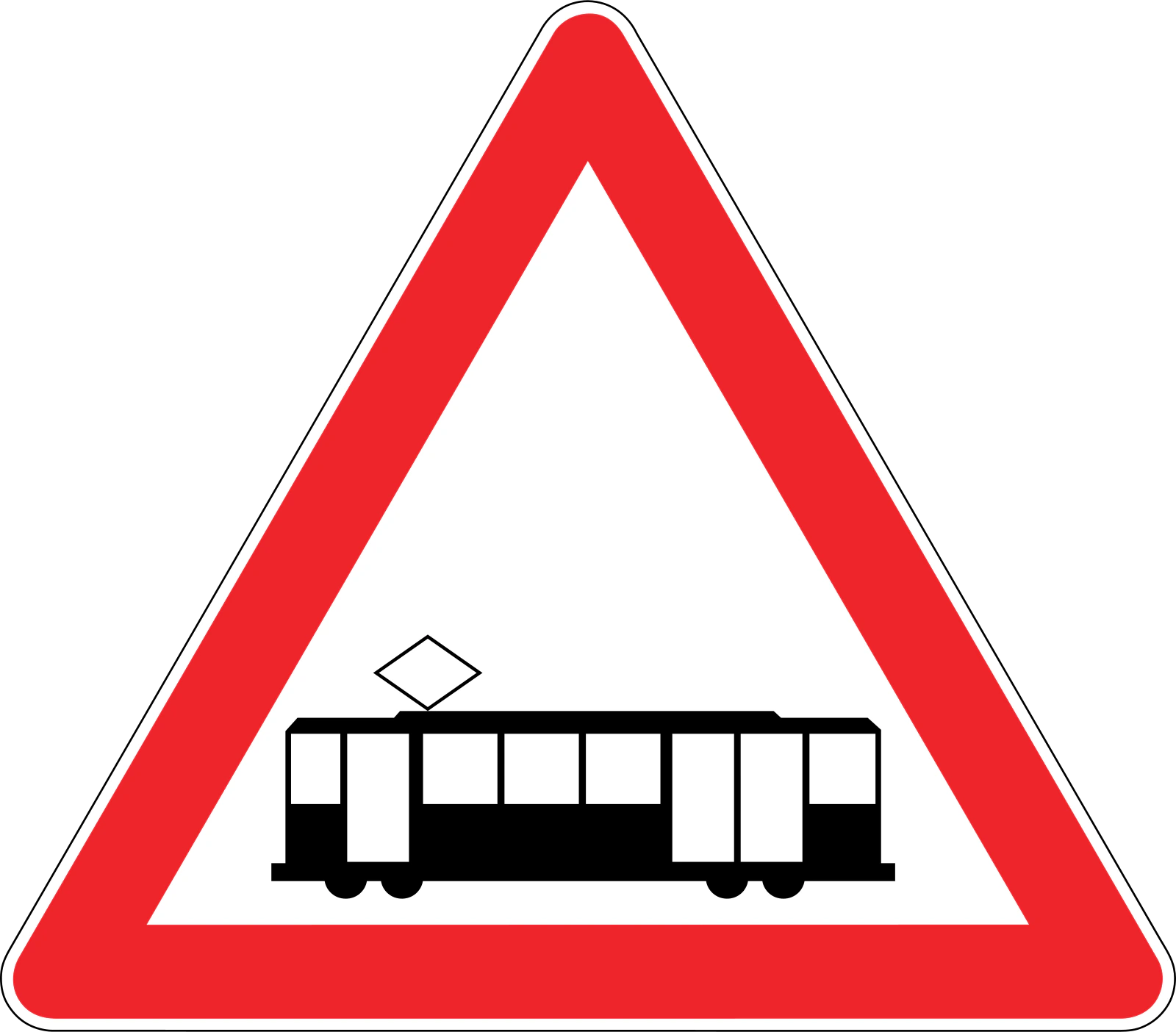
Be Alert for Tram Crossings Ahead with the T-39 Warning Sign
Clear answers to common questions about the Turkey Warning Signs road sign category. Use this FAQ to review tricky rules, understand how these signs appear in exam scenarios, and remove confusion that often leads to mistakes in the Turkish driving theory exam in Turkey.
The primary purpose of Turkish warning signs is to alert drivers to potential hazards or changes in road conditions ahead. They are designed to give you advance notice so you can prepare and adjust your driving accordingly, ensuring safer travel. This includes hazards like sharp bends, slippery surfaces, pedestrian crossings, or railway lines.
The placement distance for warning signs can vary depending on the type of road and the severity of the hazard. On main roads and motorways, they are usually placed further in advance than in urban areas. For example, striped markers (T-28A, T-29A, T-30A) are often used near railway crossings to indicate distances of 300m, 200m, and 100m respectively. However, always be prepared to react as soon as you see the sign.
When you see a curve warning sign (like T-1A or T-1B), it indicates a bend in the road ahead, sometimes sharper than it appears. You should immediately reduce your speed to a safe level for the curve, position your vehicle appropriately on the road, and be ready to steer. If it's a double curve sign (T-2A, T-2B), be aware that the initial curve is followed by another in the opposite direction.
Yes, there are specific warning signs for animals. Signs like T-14A (Beware of cattle) and T-14B (Beware of deer) alert you to the possibility of animals entering the road. These are particularly important in rural or forested areas. When you see these signs, reduce your speed significantly and be extra vigilant, especially during dawn and dusk when animals are more active.
Signs T-25 and T-26 distinguish between railroad crossings with and without barriers. T-25 indicates a crossing protected by a barrier or gates, while T-26 warns of a crossing that is not equipped with a barrier. For crossings without a barrier, you must be even more cautious, stopping to check for trains before proceeding. Signs T-27A and T-27B also relate to railway crossings, indicating single or double tracks.
After reviewing these categories, delve into specific sign groups to strengthen your understanding of individual trafik işaretleri. This focused study reinforces your knowledge of Turkish traffic rules and prepares you effectively for the ehliyet sınavı.
Browse Road Sign Categories