Mandatory signs, also known as "must-do" signs, are crucial for safe and lawful driving. They clearly instruct road users on actions that are required, such as following a specific direction, using a designated path, or adhering to a minimum speed. Understanding these signs is vital not only for passing your theory exam but more importantly for navigating traffic safely and predictably.
An explanation of how Turkey Mandatory Signs road signs apply in real traffic situations in Turkey. Learn where these signs are typically placed, what drivers are expected to do when they appear, and how correct reactions help you stay safe, avoid fines, and succeed in your Turkish driving theory exam.
Mandatory signs are typically encountered at points where a specific behaviour is required to ensure smooth traffic flow or safety. For instance, signs indicating a required direction (like 'Turn Right' or 'Proceed Straight') are common at complex junctions, exits, or areas where alternative routes are restricted. Signs for dedicated paths, such as 'Cycle Path' or 'Pedestrian Path', clearly demarcate areas for specific users and must be respected by other vehicles. You might see a 'Roundabout' sign to clearly indicate the mandatory direction of travel around the central island. Minimum speed limit signs often appear on faster roads or inclines where slower traffic could impede flow, while snow chain signs are seasonal warnings found on routes prone to heavy snowfall. Signs for vehicles carrying dangerous goods reroute these specific vehicles to safer or less disruptive paths.
An overview of the key learning outcomes when studying the Turkey Mandatory Signs road sign category. Understand the main concepts, sign meanings, and traffic situations covered here so you can recognise patterns, answer theory questions more confidently, and build a solid foundation for safe driving in Turkey.
Master Turkey's mandatory signs, which dictate required actions like specific directions, lane usage, and speed limits. Understanding these critical traffic signs is vital for your driving theory test preparation and safe navigation on Turkish roads. Learn to recognise their distinct blue and white symbols to ensure compliance with lawful movement.
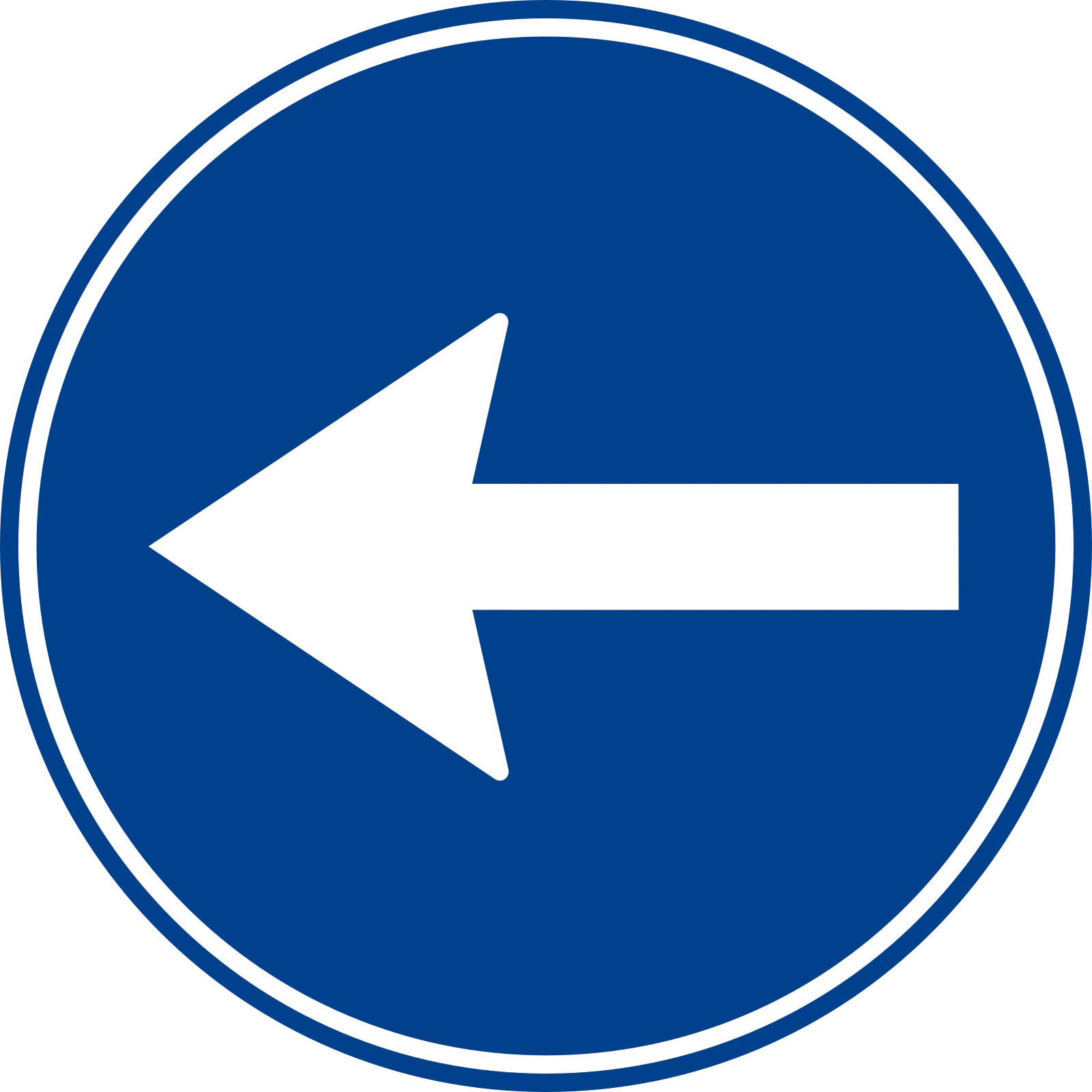
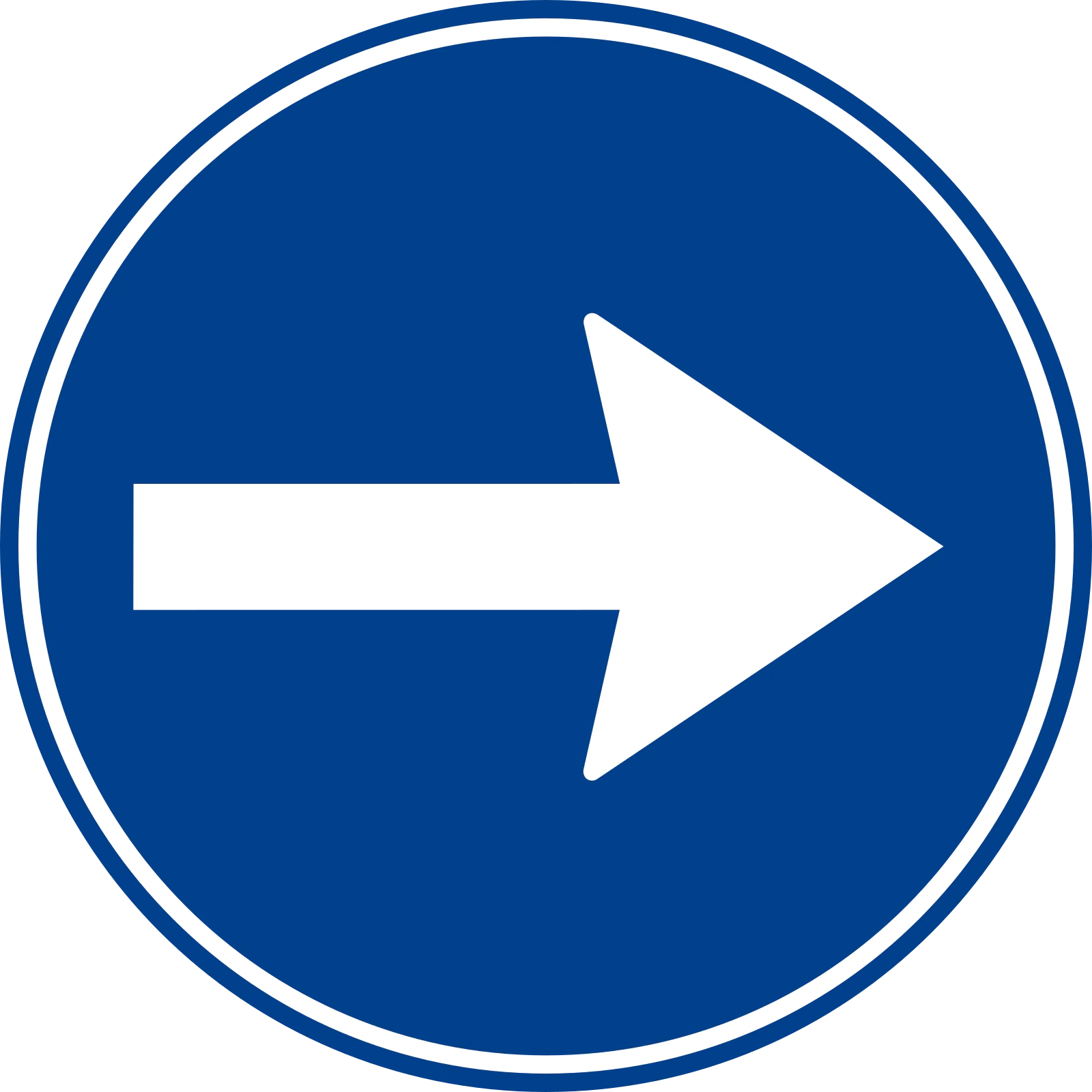
Mandatory Turn Left Sign (TT-35B): You Must Turn Left Here
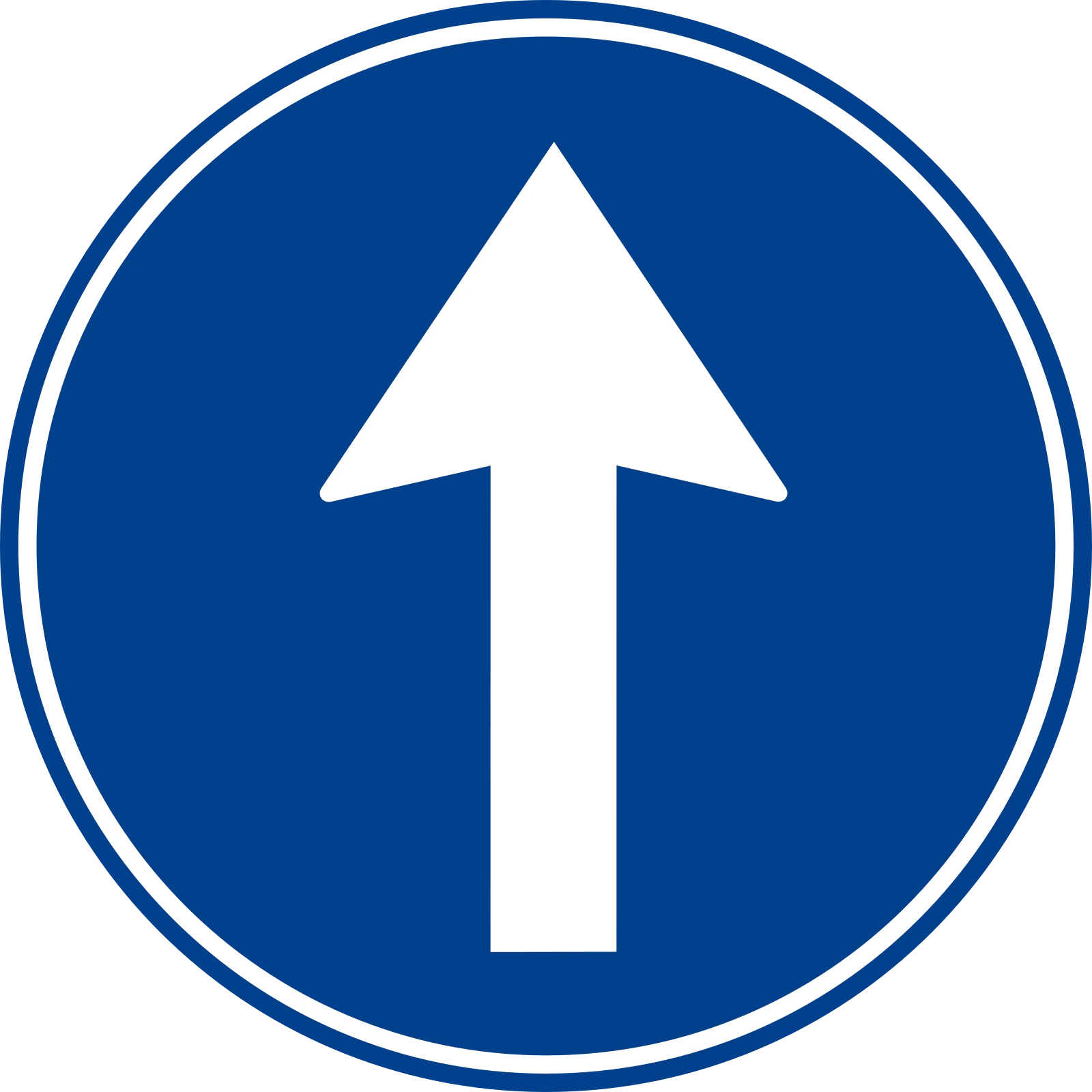
Mandatory: You Must Proceed Straight Ahead
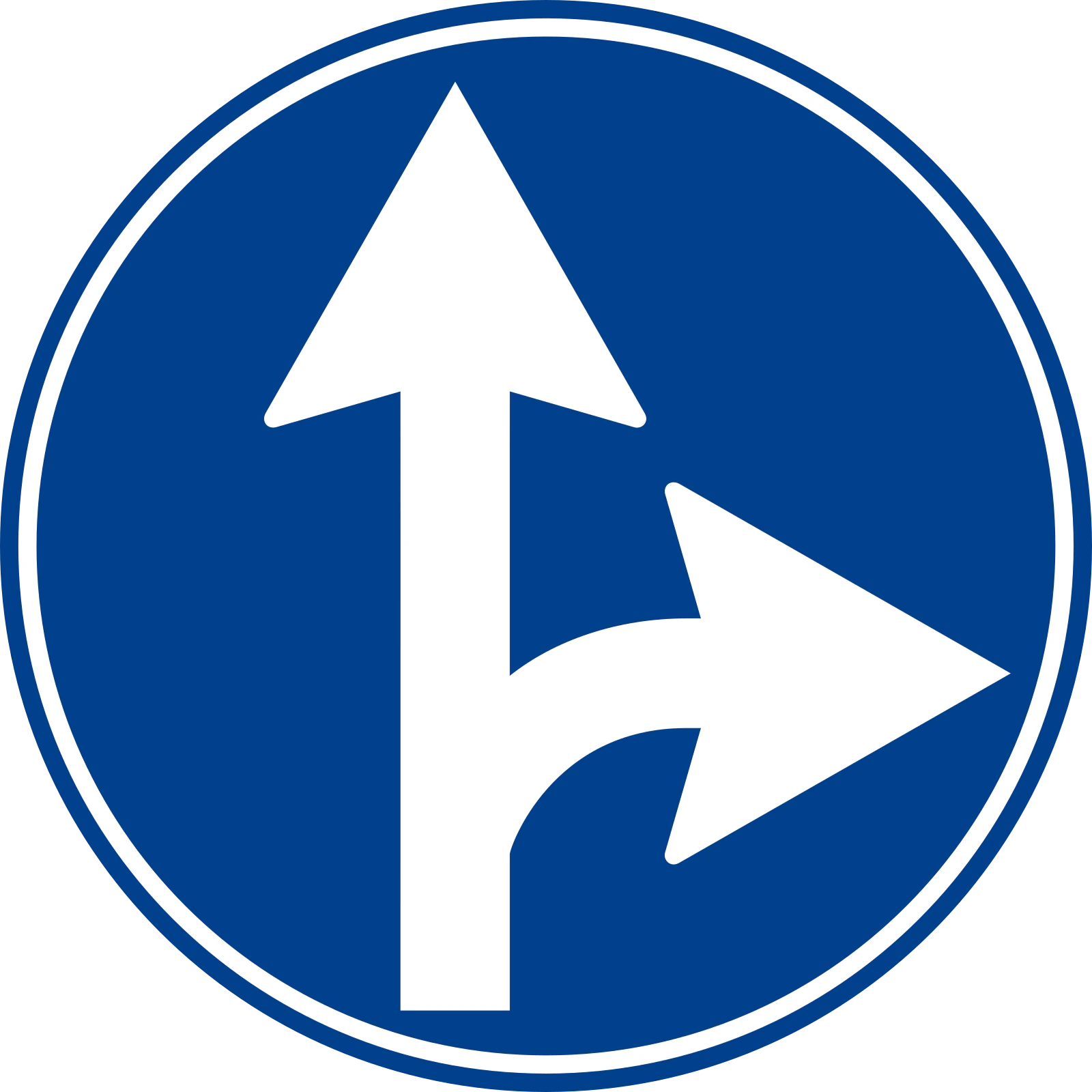
Mandatory Direction: Proceed Straight or Turn Right with the TT-35D Sign
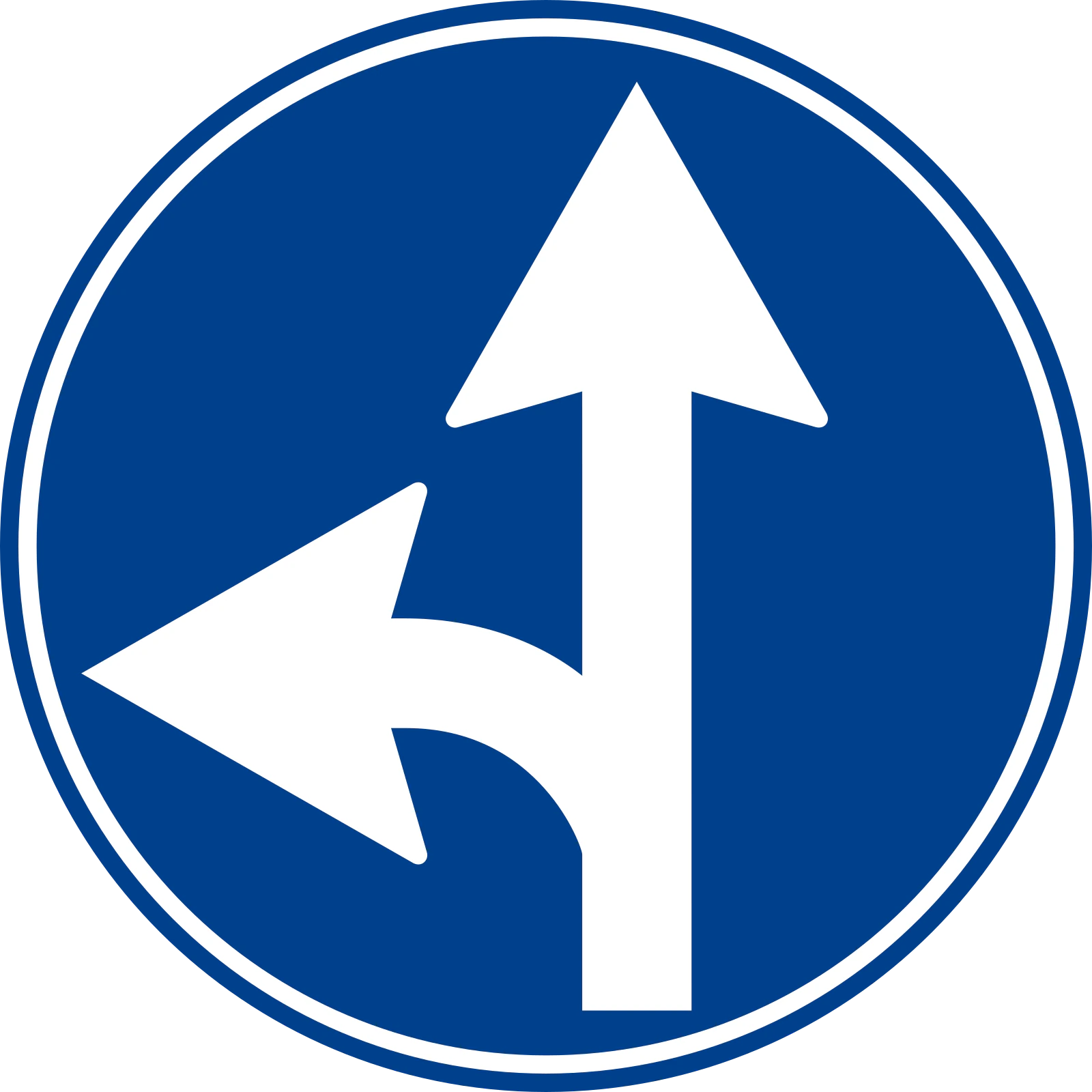
Mandatory Direction: You Must Proceed Straight or Turn Left Here
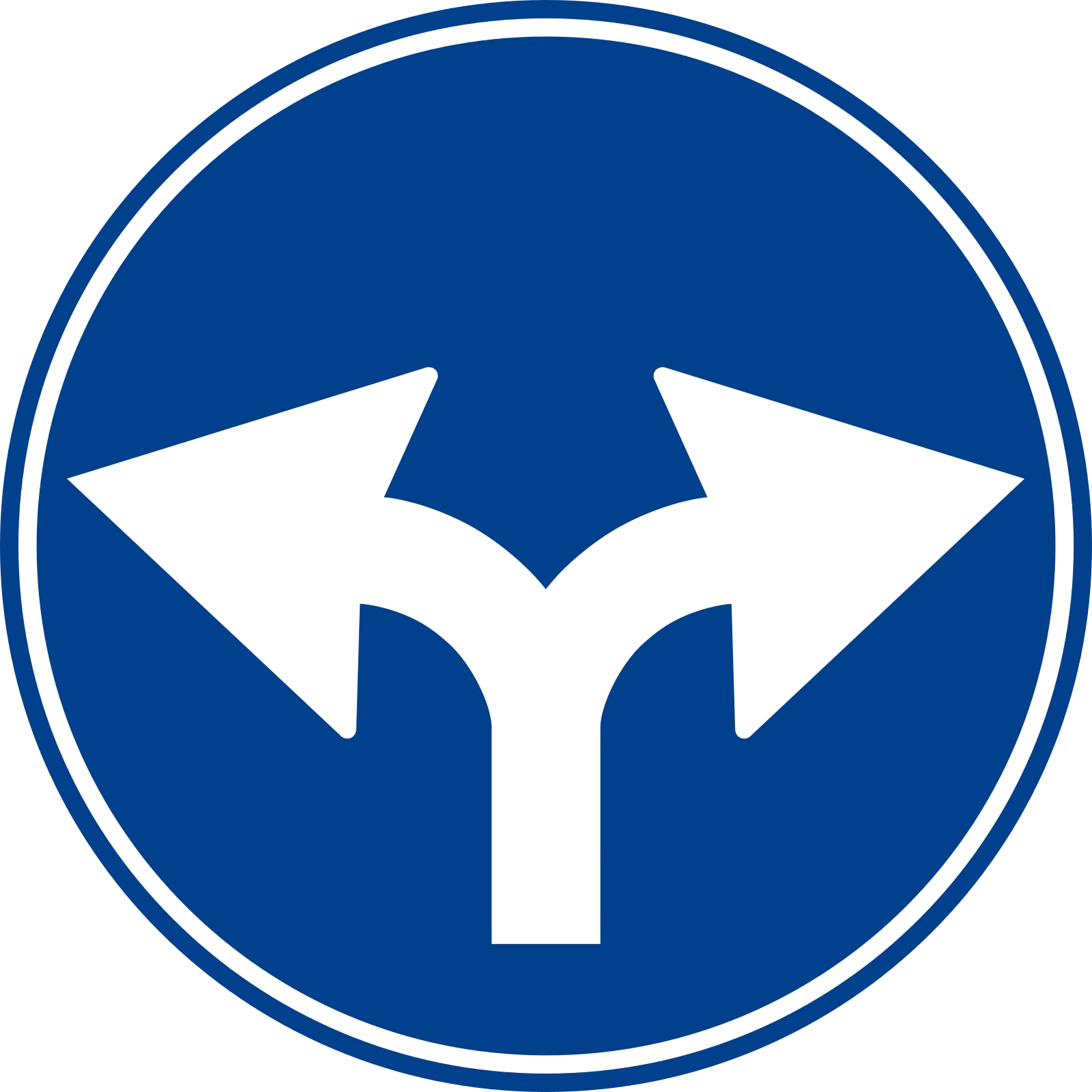
TT-35F: Mandatory Direction - You Must Proceed Left or Right
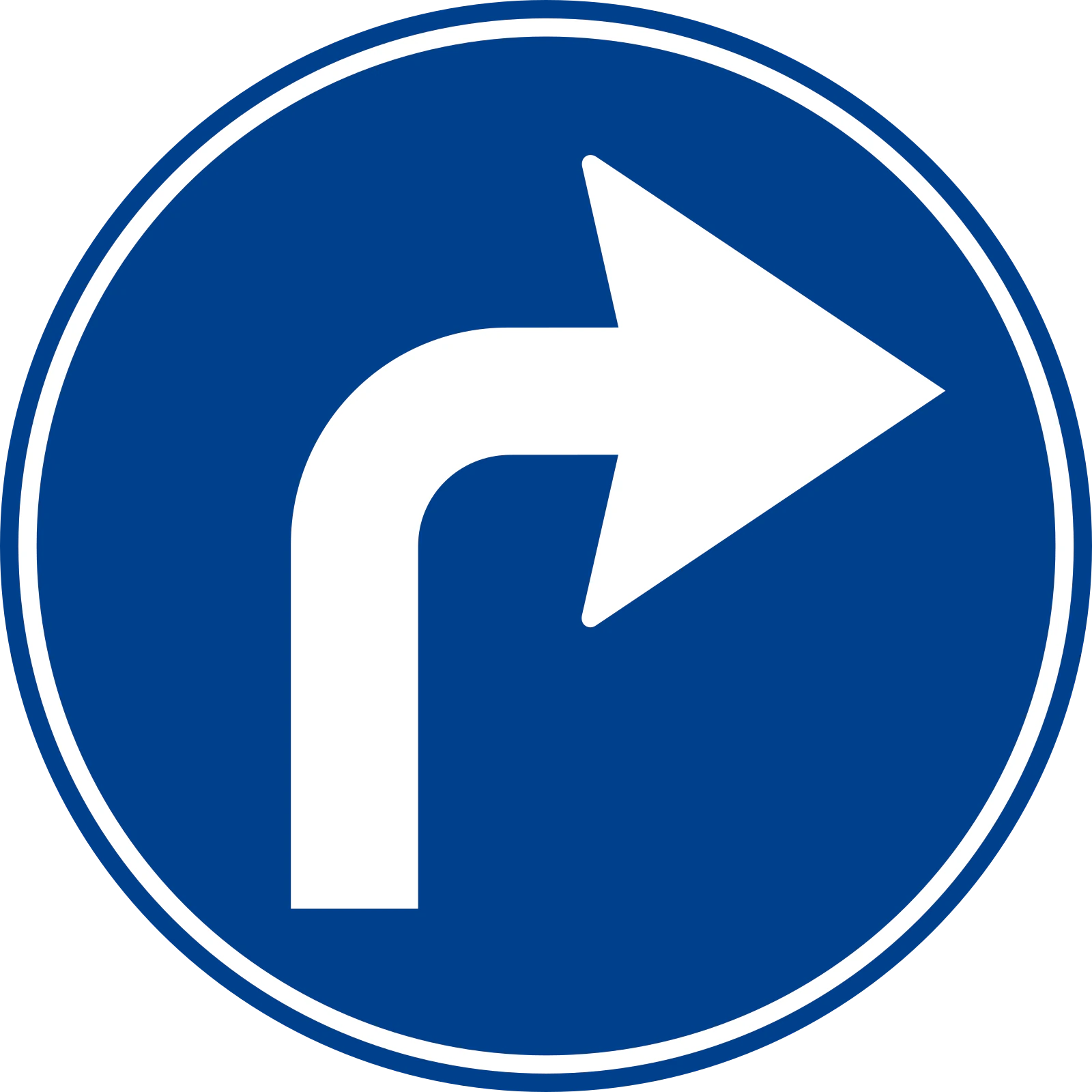
Mandatory Turn Right Ahead Sign (TT-35G) in Turkey
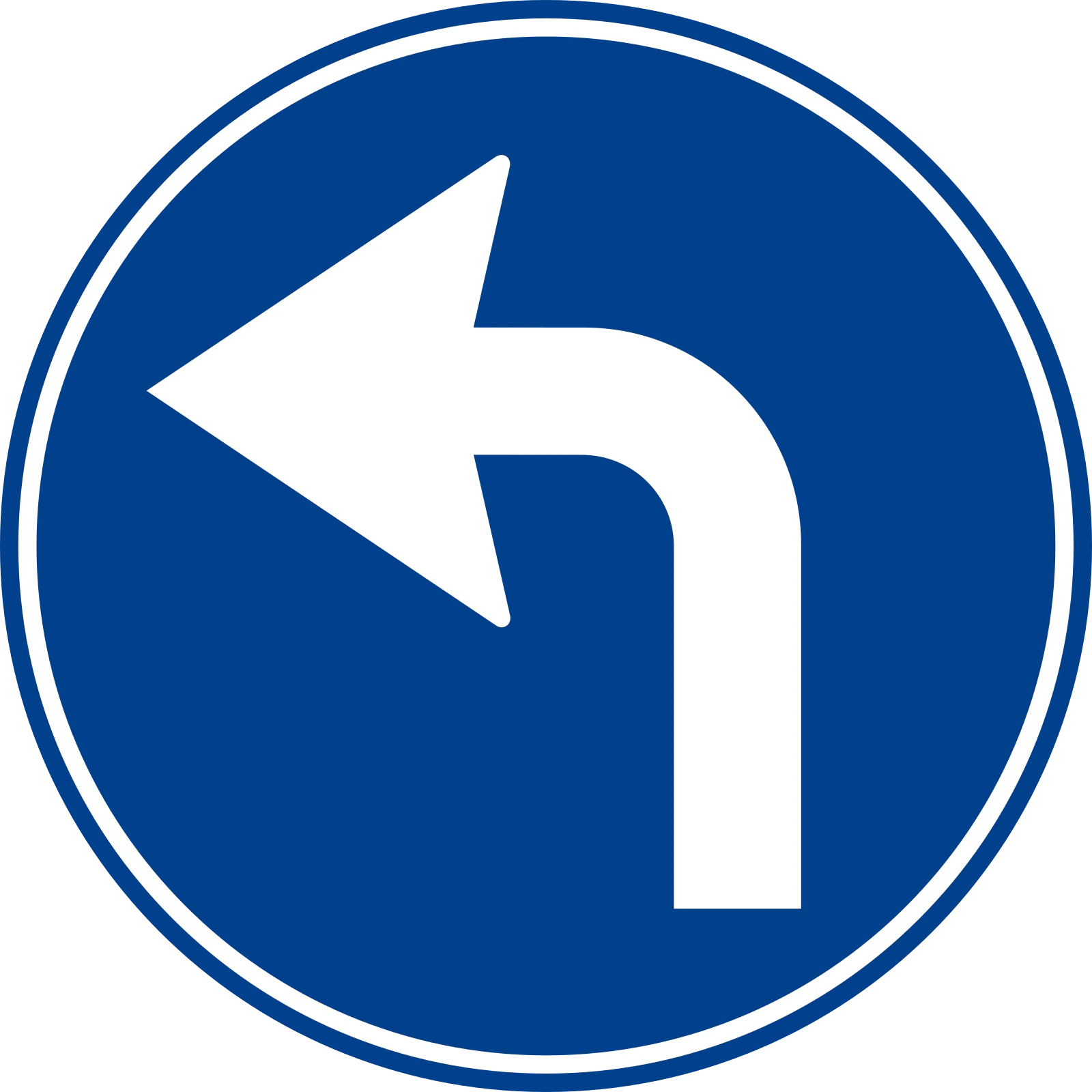
Mandatory Turn Left Ahead: You Must Follow This Direction
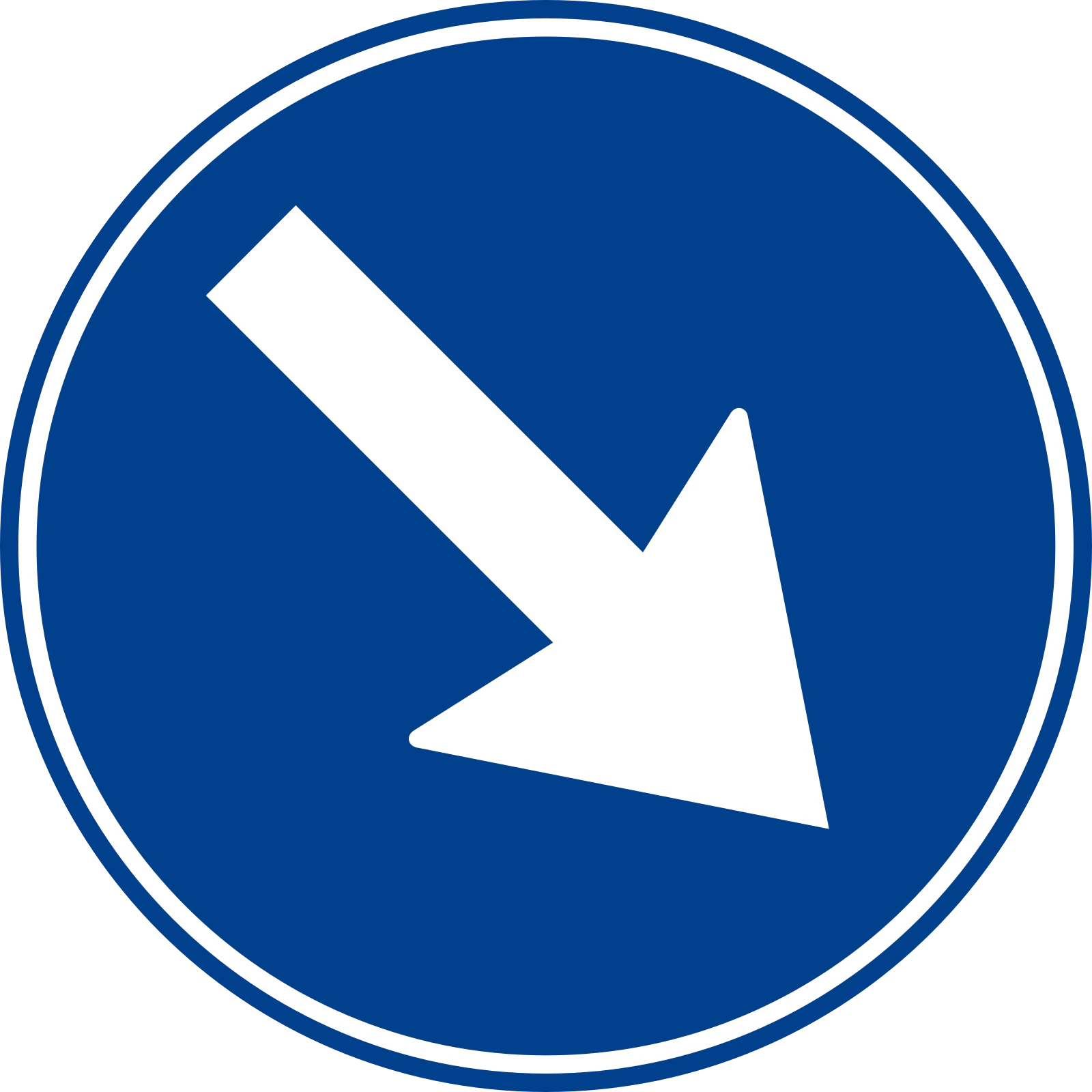
The TT-36A 'Keep Right' sign: A mandatory instruction you must follow.
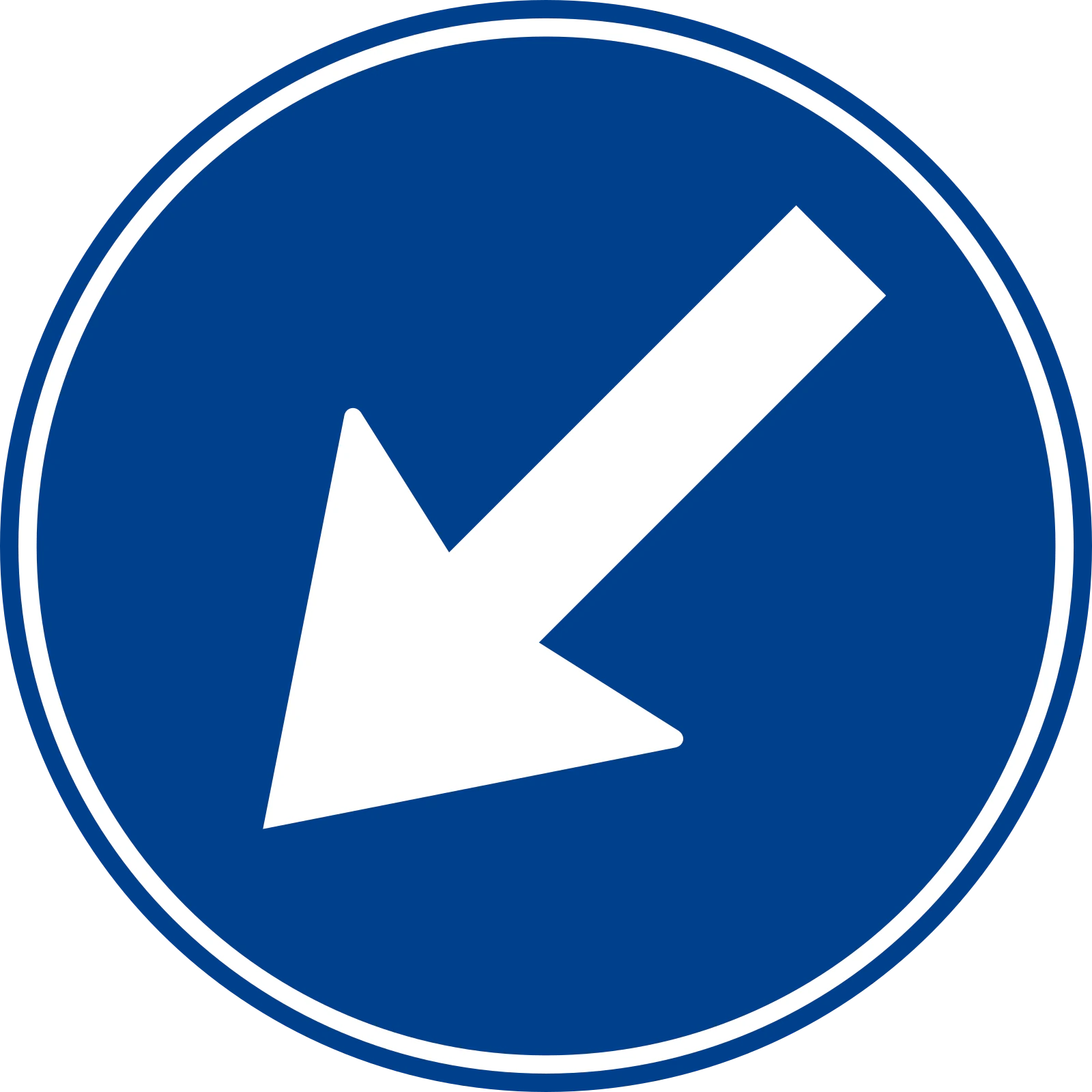
Follow the 'Keep Left' instruction: a mandatory traffic sign you must obey.
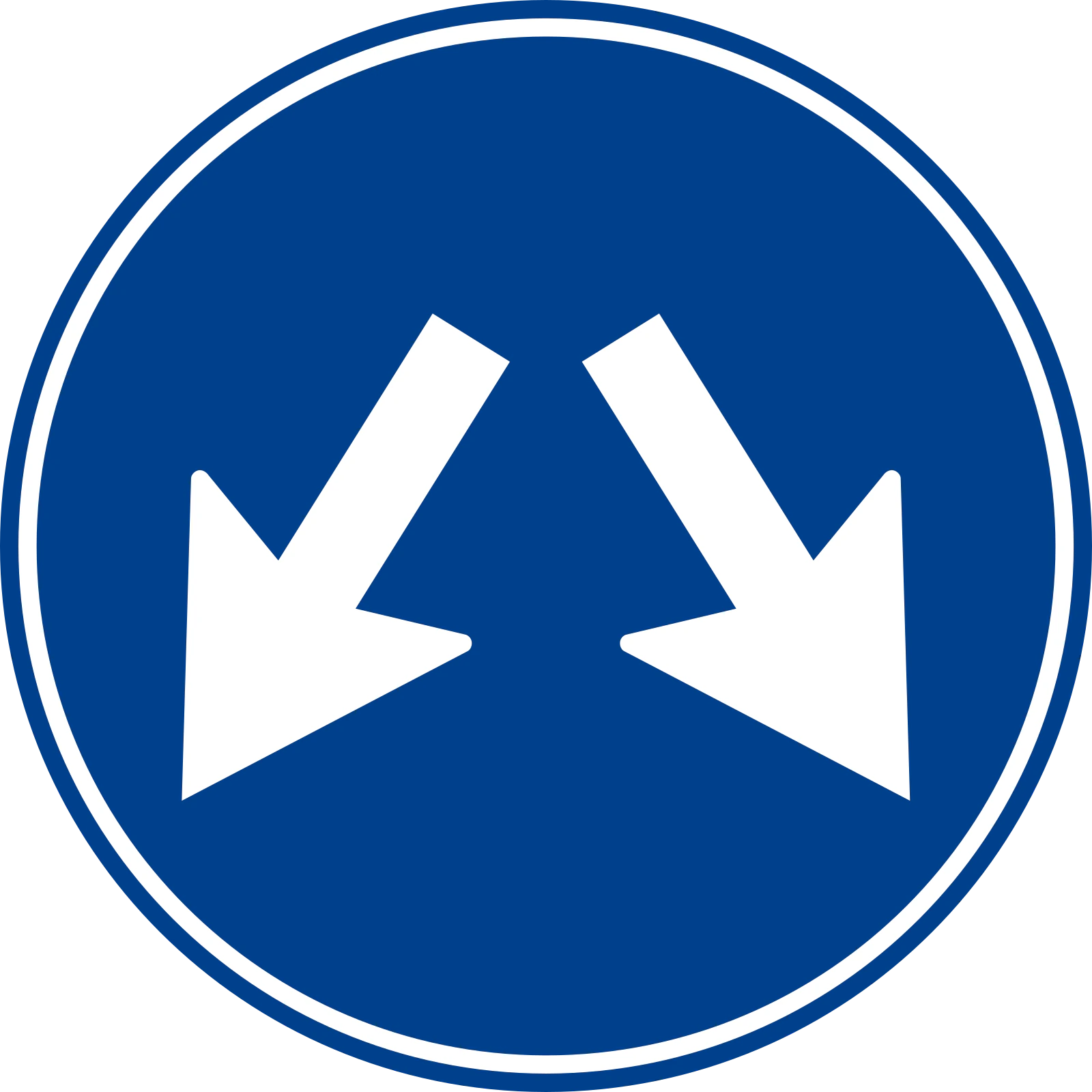
The TT-36C 'Pass Either Side' sign means you must follow the direction indicated by the sign.
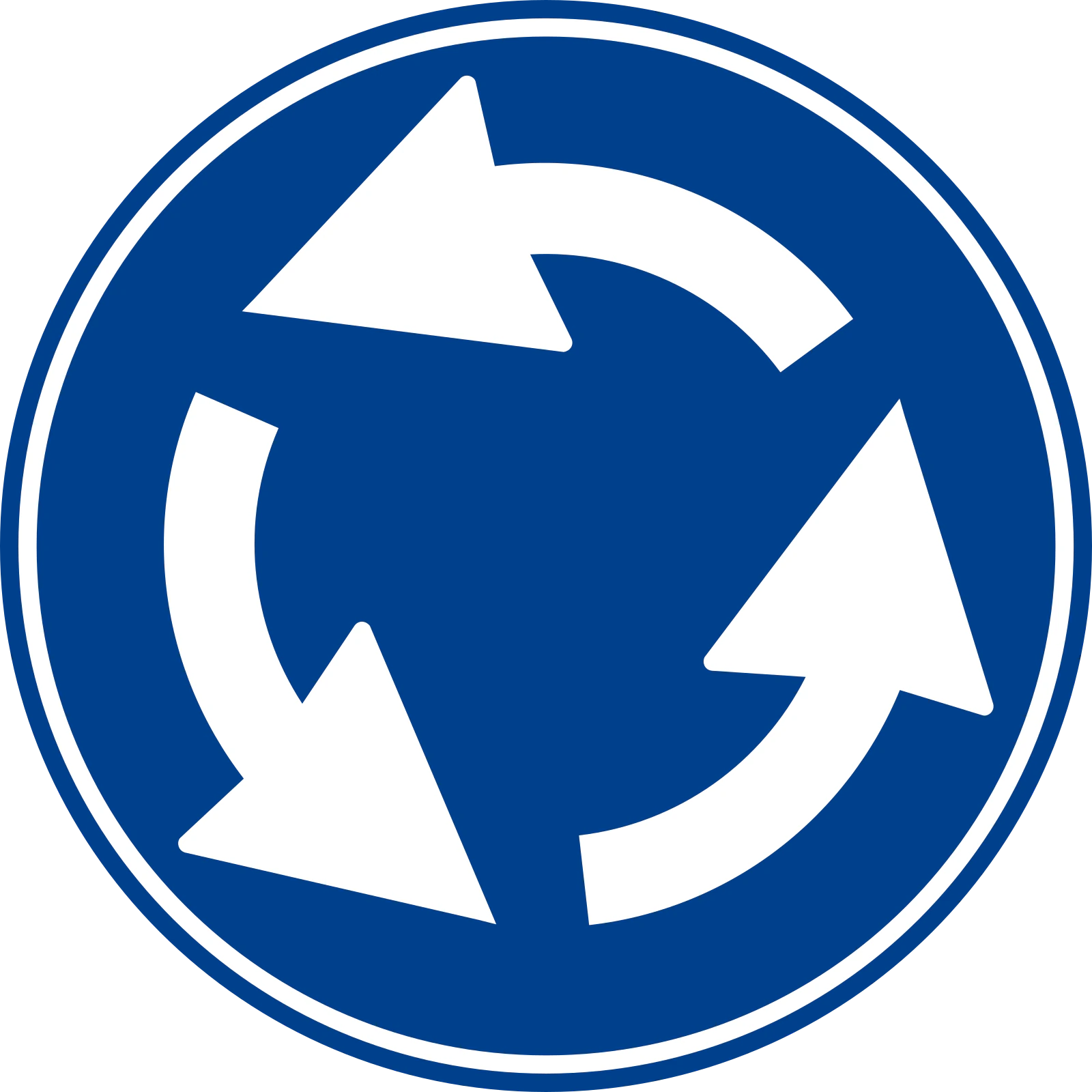
Understand the TT-37 Mandatory Roundabout Sign in Turkey
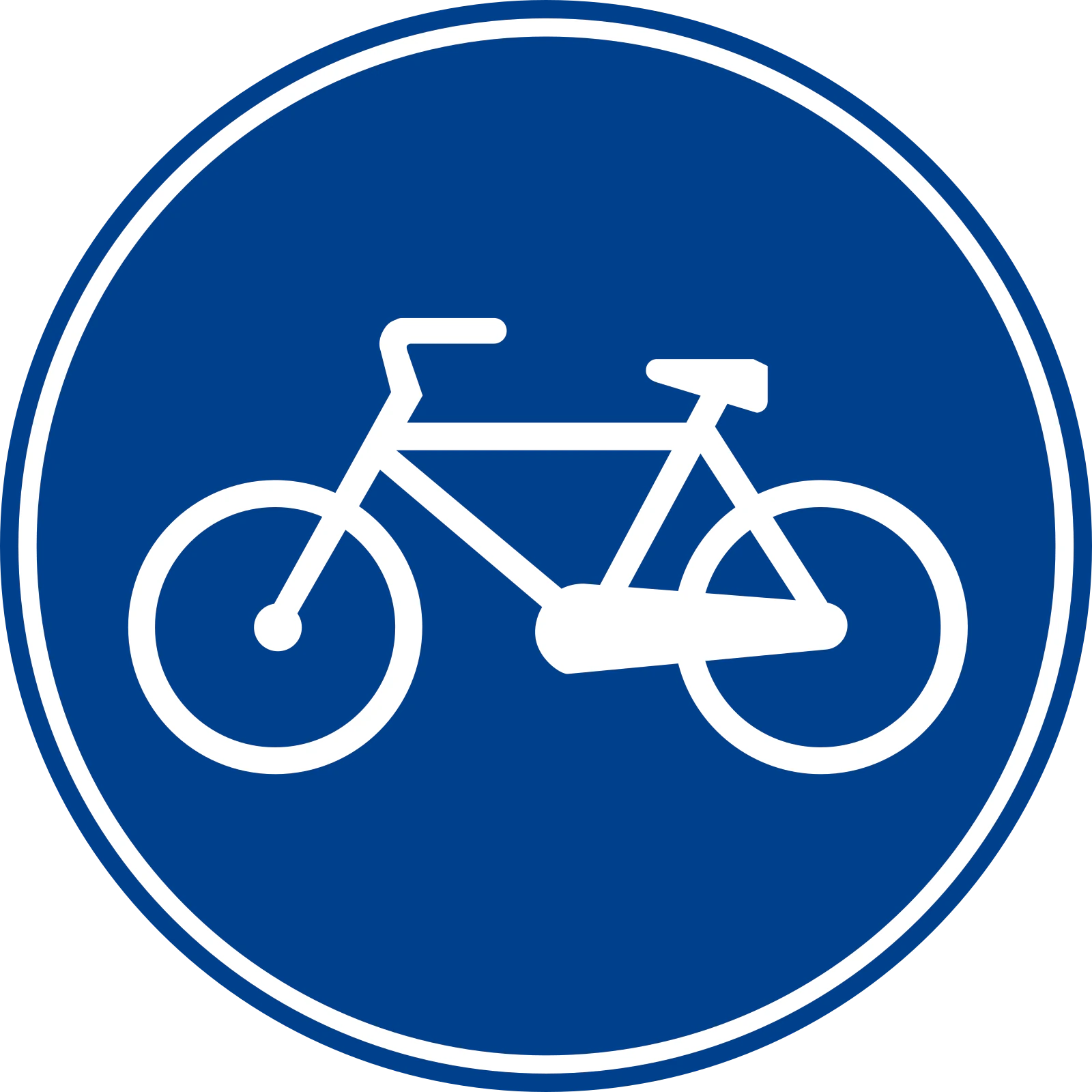
Know Your 'Cycle Path' Mandatory Sign (TT-38A) in Turkey
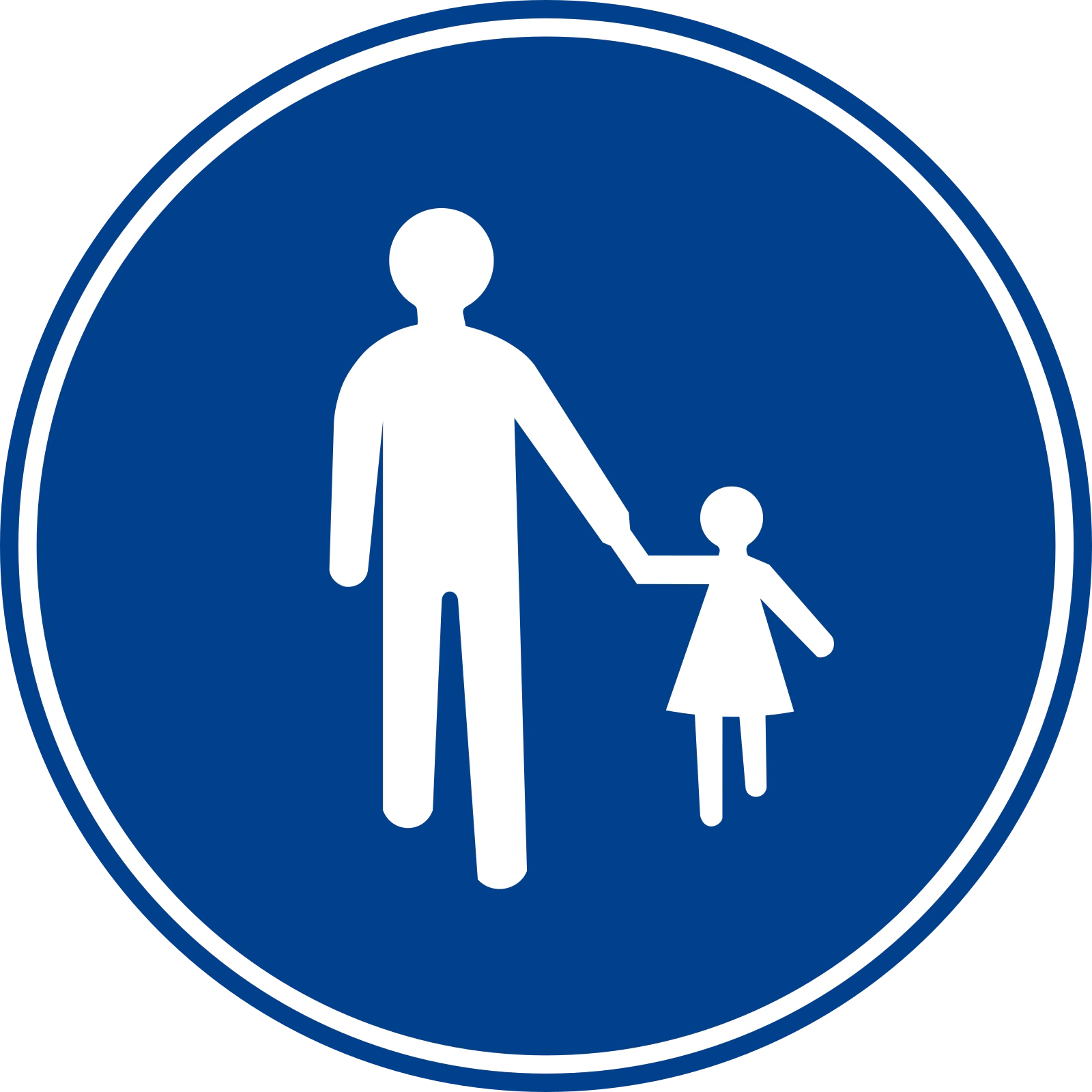
TT-39A: Understand the Mandatory Pedestrian Path Sign
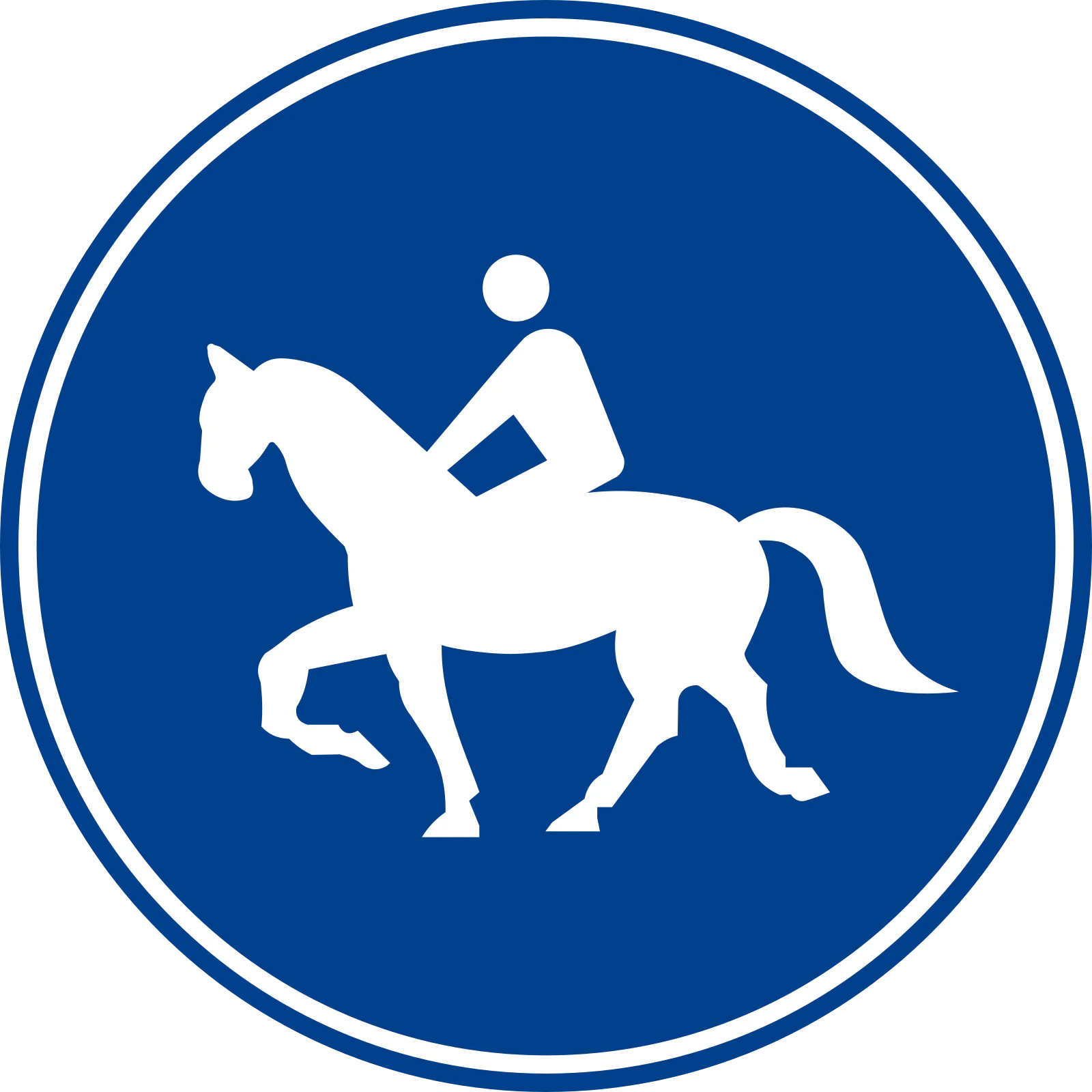
Understand the TT-40A Mandatory Horse Path Road Sign in Turkey
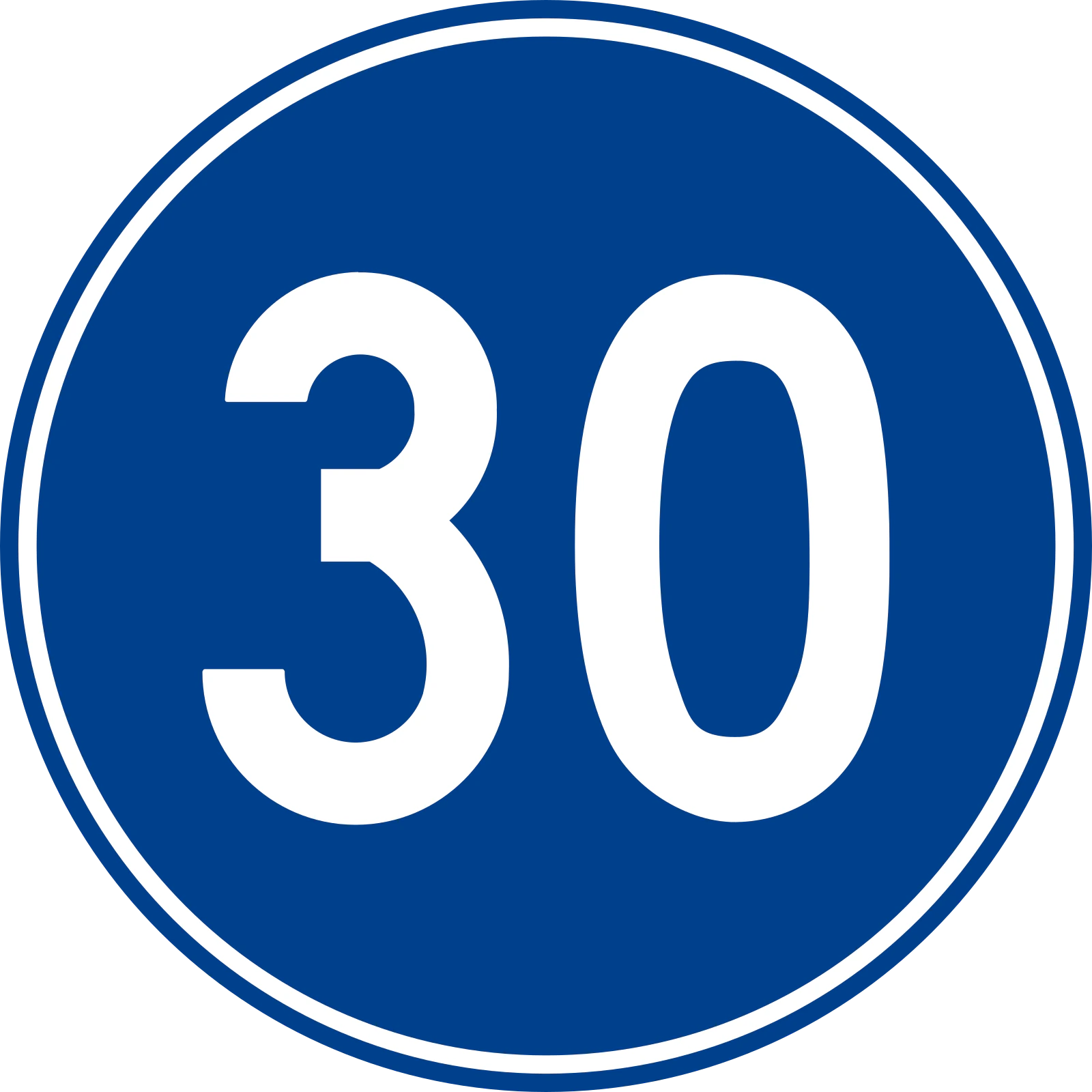
Comply with the Minimum Speed Limit Mandatory Sign (TT-41A-30)
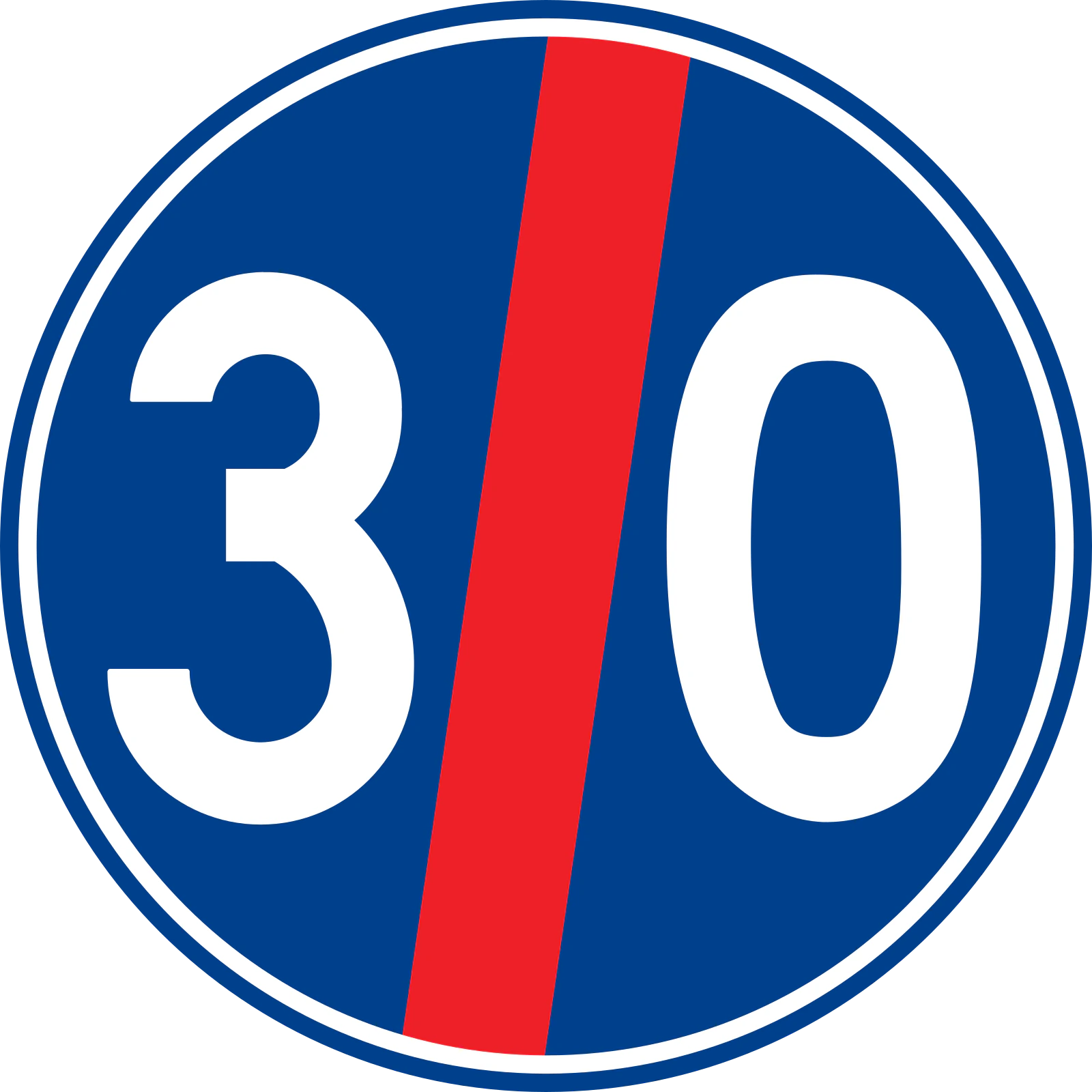
You can now drive below the minimum speed, as the restriction has ended.
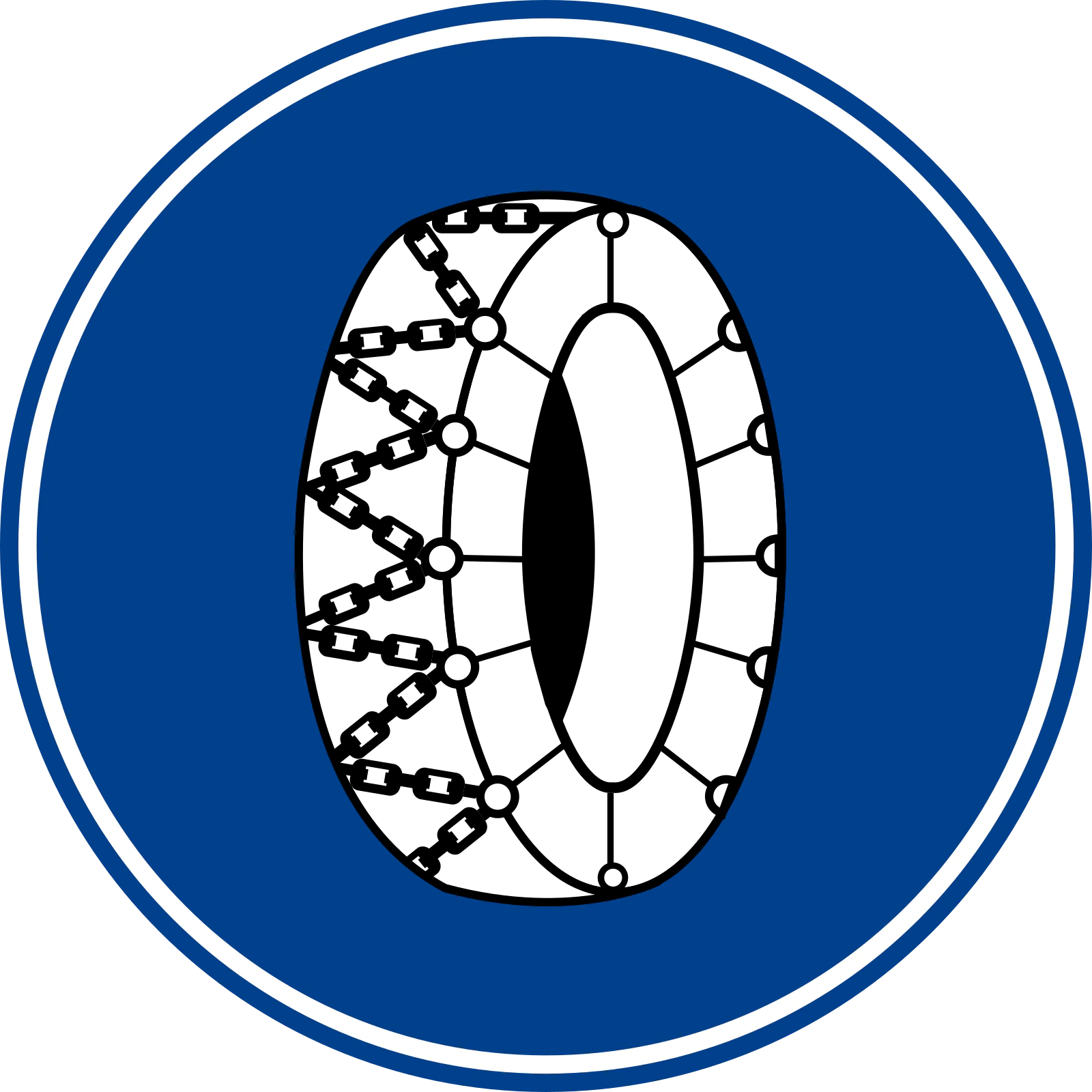
Mandatory Snow Chains Sign: What You Must Do
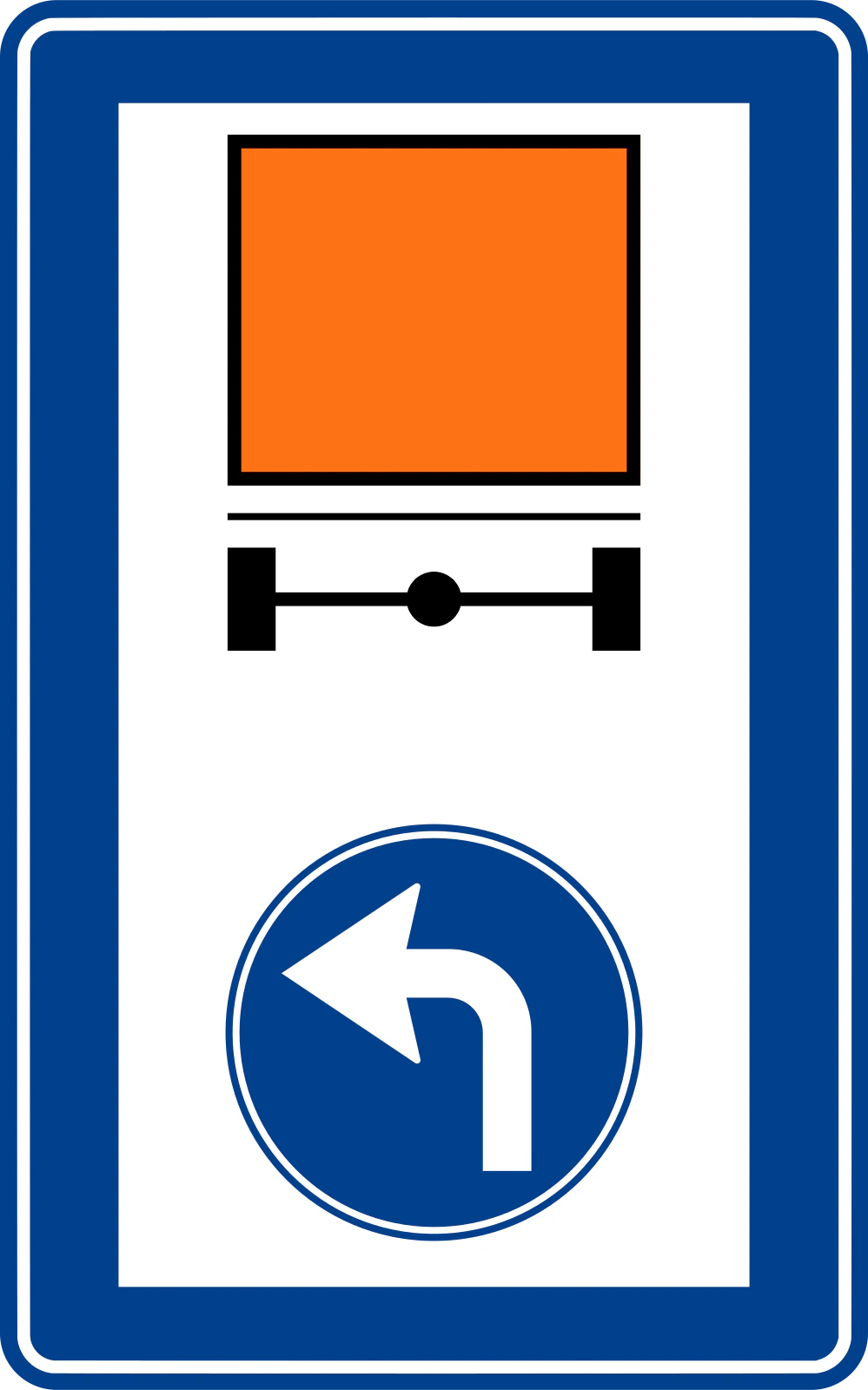
Mandatory Turn Left for Vehicles Carrying Dangerous Goods
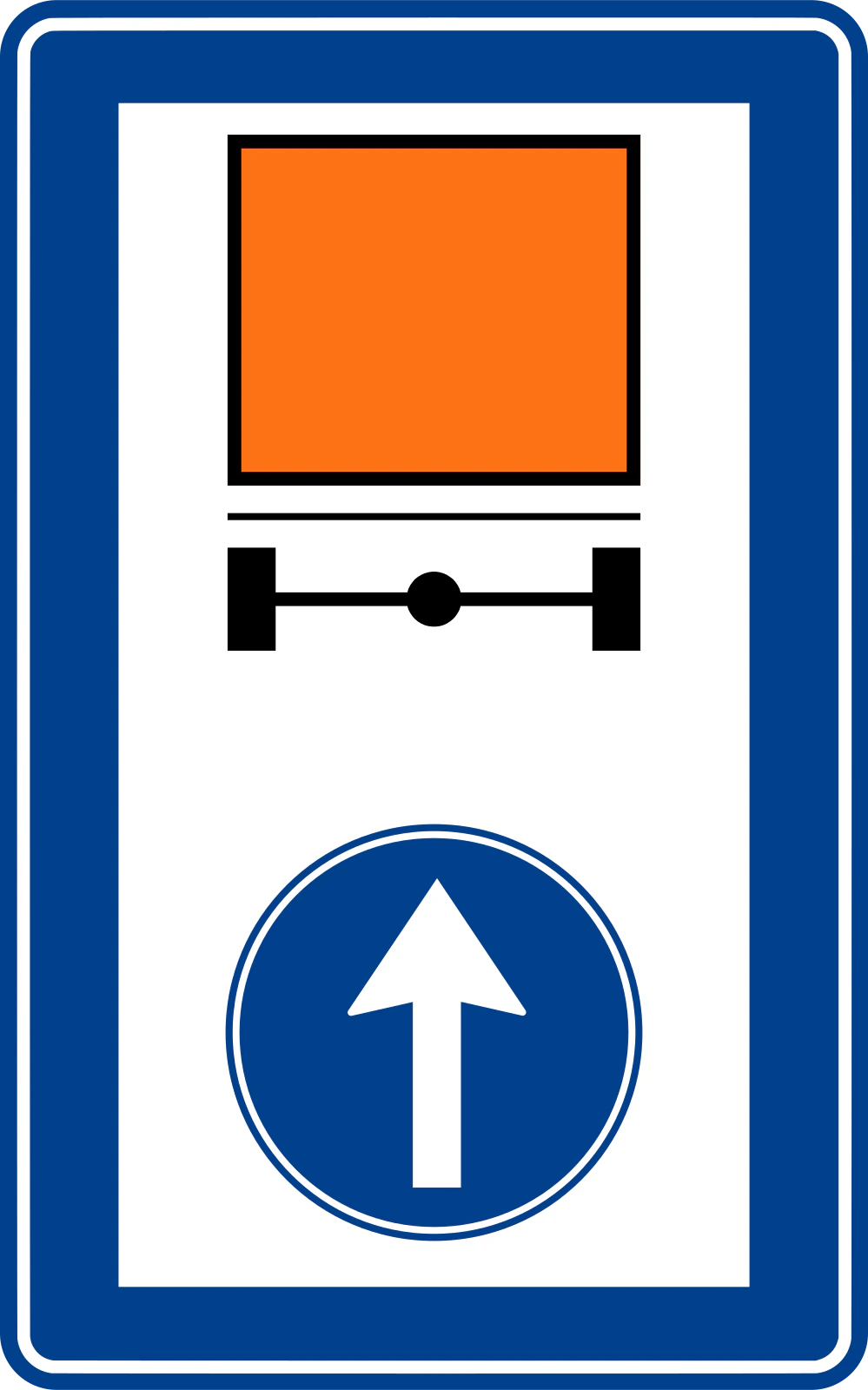
Mandatory: Vehicles carrying dangerous goods must proceed straight ahead.
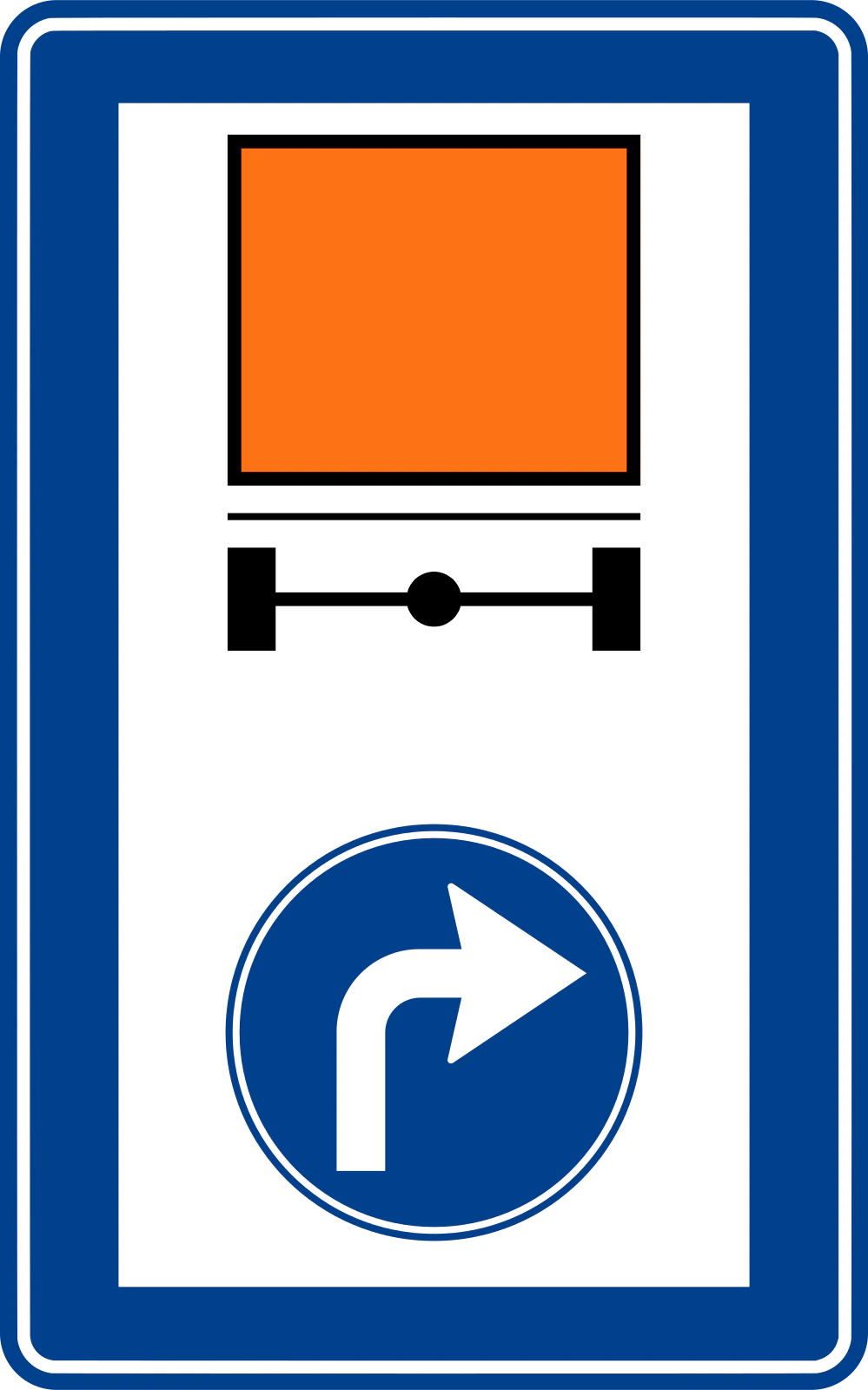
Mandatory Right Turn for Vehicles Carrying Dangerous Goods
Clear answers to common questions about the Turkey Mandatory Signs road sign category. Use this FAQ to review tricky rules, understand how these signs appear in exam scenarios, and remove confusion that often leads to mistakes in the Turkish driving theory exam in Turkey.
Mandatory signs tell you what you MUST do, such as follow a specific direction or use a certain path. Prohibition signs, on the other hand, tell you what you MUST NOT do, like entering a street or exceeding a speed limit. Both are legal requirements, but one instructs action while the other restricts it.
If you encounter a mandatory sign indicating a required direction, you must follow that instruction. These signs are not suggestions; they are legal orders. If your intended route lies in a different direction, you will need to find an alternative route or turn around safely at the next available opportunity.
A minimum speed limit sign, often accompanied by a number like '30', indicates the lowest speed you are legally required to travel on that stretch of road. You'll typically see these on busy roads, motorways, or sections where slower vehicles might obstruct traffic or create hazards. Ensure you maintain at least this speed, provided conditions allow.
As a driver of a standard passenger car, these signs are generally not directly applicable to your route. However, you must be aware of them because they indicate specific routes or directions that certain types of vehicles must take. You might need to yield or be aware of these vehicles, especially at junctions where they are being rerouted.
When you see a mandatory roundabout sign, it confirms that you must proceed around the central island in the direction indicated by the sign (usually indicated by a circular arrow, often counter-clockwise for left-hand traffic countries or clockwise for right-hand traffic countries). Ensure you approach at a safe speed, check mirrors, signal appropriately, and follow the flow of traffic around the roundabout.
After reviewing these categories, delve into specific sign groups to strengthen your understanding of individual trafik işaretleri. This focused study reinforces your knowledge of Turkish traffic rules and prepares you effectively for the ehliyet sınavı.
Browse Road Sign Categories