Navigate Turkish roads confidently by mastering traffic signs, signals, and police directions. This section clarifies everything from road markings and traffic lights to understanding the hierarchy of official instructions, vital for your driving theory exam and practical driving in Turkey.
These curated resources break down the complexities of Turkish road signs, traffic lights, and authorized police directions required for your driving theory exam. Master these fundamental rules to improve your hazard awareness and ensure strict compliance with current Turkish traffic legislation.
In the Turkish traffic system, recognizing which signal carries the most legal authority is a fundamental requirement for every driver. This guide clarifies the strict hierarchy defined by law, where police and authorized personnel signals override both traffic lights and road signs. You will learn how to identify these priorities, ensuring you are fully prepared for the theoretical requirements of the Turkish driving license exam.
Prepare effectively for your Turkish driving licence theory exam by learning the core language of traffic signs: their shapes and colours. This article explains how these visual elements communicate urgent warnings, mandatory actions, or informative guidance, helping you build a strong foundation for understanding traffic rules in Türkiye.
Unlock the meaning behind every Turkish traffic sign by learning the system of shapes and colours used by the MEB and NVİ. This guide provides the foundational knowledge needed to interpret signs intuitively, a key component of the Turkish driving theory test, ensuring you can navigate Türkiye's roads safely and confidently.
Understand the vital role of Turkish traffic signs, signals, and police directions for safe driving and your ehliyet sınavı. This category provides clear explanations of road markings, traffic lights, and official instructions, crucial for passing your driving theory test in Turkey.
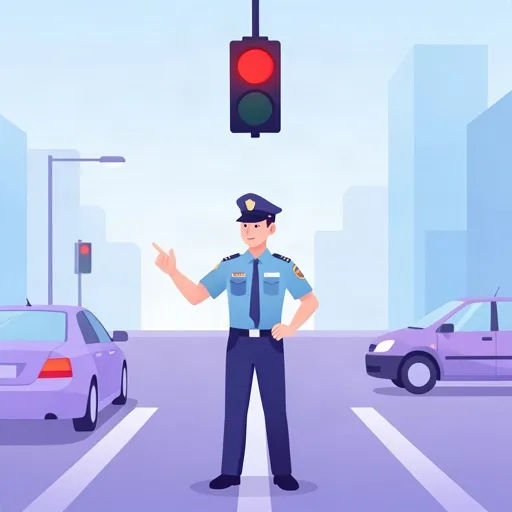
In the Turkish traffic system, recognizing which signal carries the most legal authority is a fundamental requirement for every driver. This guide clarifies the strict hierarchy defined by law, where police and authorized personnel signals override both traffic lights and road signs. You will learn how to identify these priorities, ensuring you are fully prepared for the theoretical requirements of the Turkish driving license exam.
Updated on Aug 25, 2026

Prepare effectively for your Turkish driving licence theory exam by learning the core language of traffic signs: their shapes and colours. This article explains how these visual elements communicate urgent warnings, mandatory actions, or informative guidance, helping you build a strong foundation for understanding traffic rules in Türkiye.
Updated on Jul 8, 2026

Unlock the meaning behind every Turkish traffic sign by learning the system of shapes and colours used by the MEB and NVİ. This guide provides the foundational knowledge needed to interpret signs intuitively, a key component of the Turkish driving theory test, ensuring you can navigate Türkiye's roads safely and confidently.
Updated on Jul 8, 2026

Learn how to safely navigate temporary roadworks and lane closures according to Turkish traffic regulations. This article explains the meaning of temporary traffic signs, the proper placement and function of cones, and the critical importance of adhering to reduced speed limits in work zones. Understanding these elements is key for both exam success and safe driving in Türkiye.
Updated on Jul 8, 2026
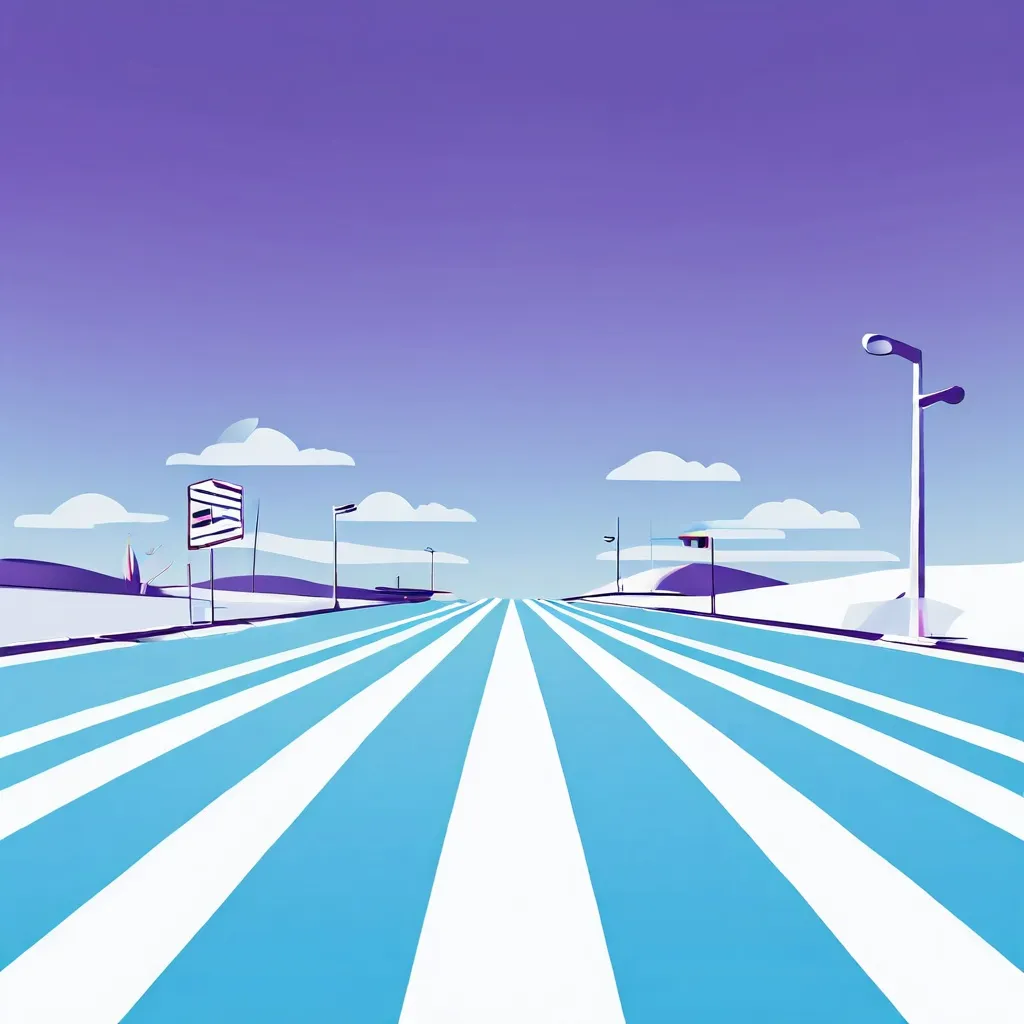
Navigate Turkish roads with confidence by learning the meaning behind specific road markings at pedestrian crossings and junctions. This guide focuses on essential lines, arrows, and symbols critical for passing your Turkish driving theory exam, ensuring you understand right-of-way and safe stopping points.
Updated on Jul 8, 2026
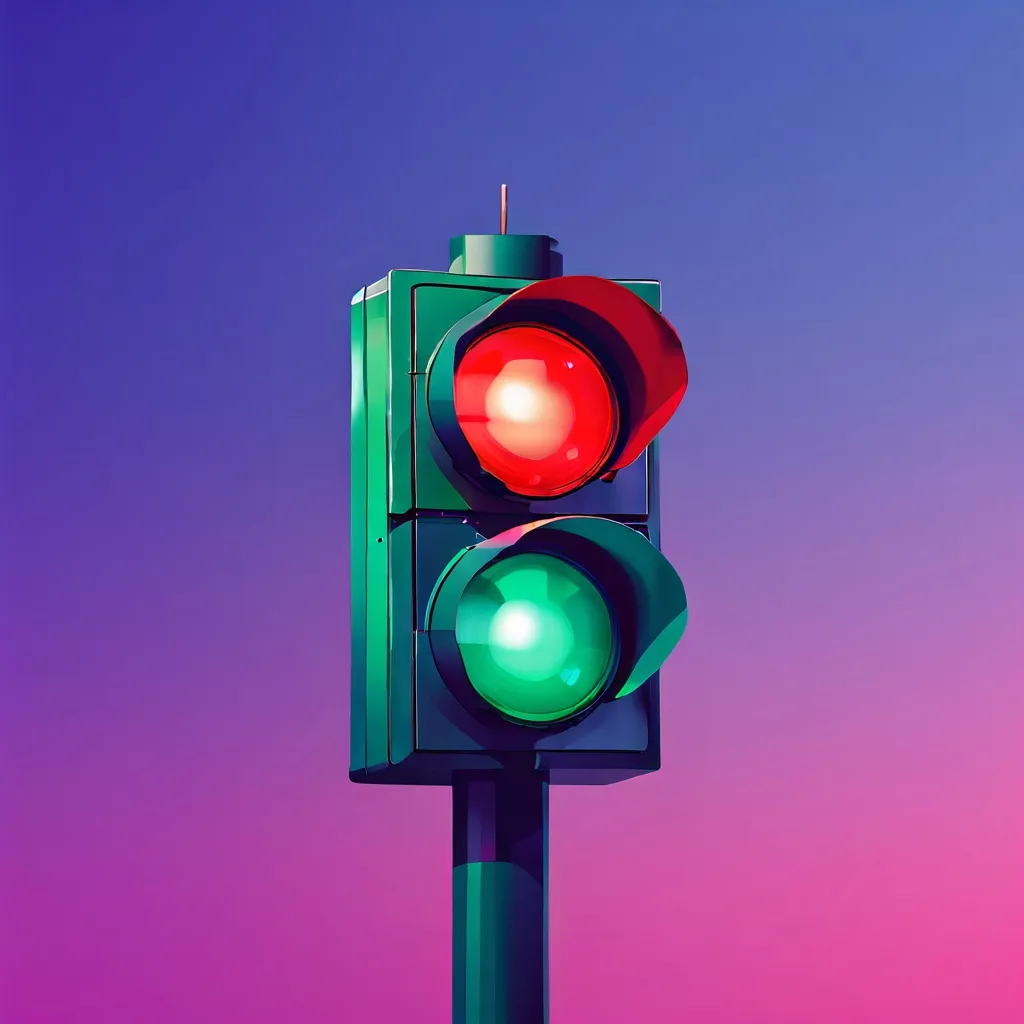
Learn the essential rules for navigating Turkish traffic lights, covering the distinct meanings of red, yellow, and green signals. This guide focuses on the mandatory stop line rule for red lights, a vital element for success in the MTSK e-sınav and for ensuring safety on Turkish roads.
Updated on Jul 8, 2026
Learn to confidently navigate Turkey's complex traffic signals, from different arrow meanings to the critical behaviour required for flashing red and yellow lights. This knowledge is essential for safe driving on Turkish roads and for succeeding in your ehliyet sınavı.
Updated on Jul 8, 2026
To pass your Turkish driving license theory test and drive safely, you must understand the meaning and application of all traffic signs, signals, and road markings. This article breaks down the different categories of signs, including warning, regulatory, and informational signs, and explains how they function in real Turkish traffic situations. Gain the knowledge needed to interpret these crucial visual cues and navigate roads confidently.
Updated on Jul 8, 2026
Discover other categories connected to Signs, Signals & Police Directions (TR). These sections help you explore additional topics, expand your understanding of driving theory in Turkish, and build a more complete picture of the rules and situations tested during the exam.
Find answers to common questions learners ask about Signs, Signals & Police Directions (TR). This section helps clarify difficult concepts, highlight critical exam information, and support your preparation for the Turkish driving theory exam in Turkey.
In Turkey, police officers' directions take precedence over traffic signals, traffic signs, and road markings. Traffic signals override signs, and signs override road markings. Always follow the most authoritative instruction first.
Turkish traffic signs are broadly categorized into warning signs (to alert drivers of potential hazards), prohibition signs (to restrict certain actions), mandatory signs (to indicate required actions), and information/direction signs (to guide drivers).
Road markings (like lane lines and pedestrian crossings) complement traffic signs and lights. Traffic lights manage the flow of traffic at intersections and often correspond with specific lane markings. Both must be obeyed unless a police officer directs otherwise.
If you encounter conflicting traffic signals or signs, always prioritize the instruction from a traffic police officer or authorised official. If no official is present, follow the more restrictive or the signal/sign that has higher authority (lights over signs, signs over markings).
Yes, Turkey has specific signs for motorways (otoyol) and dual carriageways, indicating speed limits, lane usage, entry and exit points, and potential hazards unique to high-speed roads.
Ready to prepare for your ehliyet sınavı? Explore our organized article categories. Select a topic to delve into detailed explanations on traffic rules, road signs, first aid, or vehicle safety, building a strong foundation for your Turkish driving theory exam.
Browse Article Categories