
Master the critical factors of driver health, including the effects of alcohol, drugs, fatigue, and mobile phone distractions. Our comprehensive guides will prepare you for the Turkish driving theory exam (MTSK e-sınav) by detailing how these issues impact your ability to drive safely and responsibly on Türkiye's roads.
Understand the legal implications of impairment and distraction under Turkish traffic legislation to ensure you remain compliant and safe on the road. These guides provide essential knowledge on how alcohol, fatigue, and mobile phone use impact driver reaction times and exam scoring.
Driving at night requires specific adaptations to compensate for limited visibility and the natural decline in human alertness. This guide provides actionable advice on using vehicle lighting, managing rest periods to combat fatigue, and identifying potential hazards unique to Turkish intercity roads, ensuring you are fully prepared for your driving theory test.
Understanding how to combat driver fatigue is a critical component of the defensive driving curriculum and the MTSK e-exam. This guide explains the importance of regular rest intervals and how early signs of exhaustion impact your reaction times and hazard perception, ensuring you are prepared for both the exam and real-world driving scenarios.
Fatigue is a leading cause of traffic accidents, especially during long-distance travel on Turkish highways. By understanding the signs of drowsiness and the legal necessity of taking breaks, you will become a more responsible driver and better prepared for questions on driver behavior and safety in your MTSK theory exam.
Explore critical factors affecting driver health, including alcohol, fatigue, and mobile phone distractions, as detailed in official Turkish traffic legislation. Master these vital driving theory articles to prepare for your ehliyet sınavı and understand the legal requirements for safe driving on Turkish roads.

Driving at night requires specific adaptations to compensate for limited visibility and the natural decline in human alertness. This guide provides actionable advice on using vehicle lighting, managing rest periods to combat fatigue, and identifying potential hazards unique to Turkish intercity roads, ensuring you are fully prepared for your driving theory test.
Updated on Sep 28, 2026
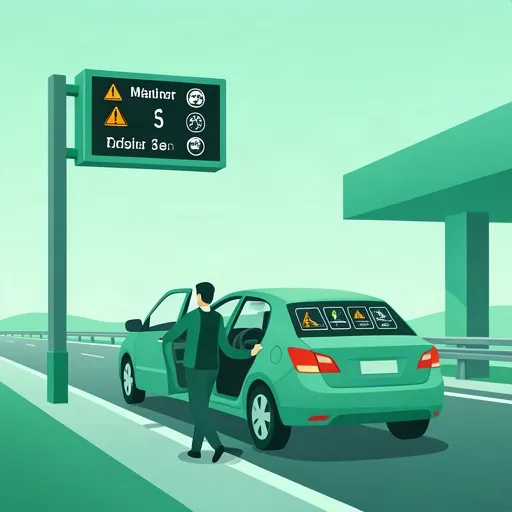
Understanding how to combat driver fatigue is a critical component of the defensive driving curriculum and the MTSK e-exam. This guide explains the importance of regular rest intervals and how early signs of exhaustion impact your reaction times and hazard perception, ensuring you are prepared for both the exam and real-world driving scenarios.
Updated on Sep 18, 2026
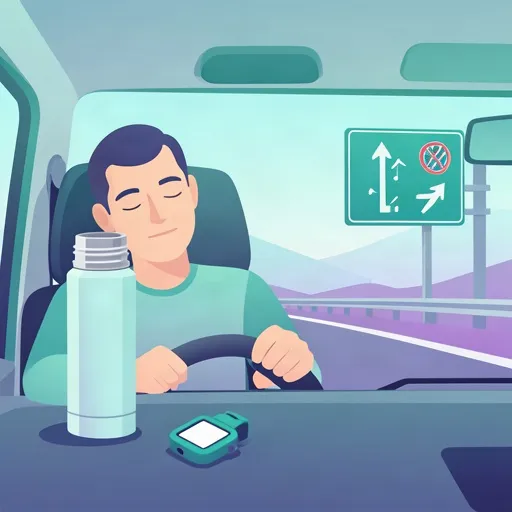
Fatigue is a leading cause of traffic accidents, especially during long-distance travel on Turkish highways. By understanding the signs of drowsiness and the legal necessity of taking breaks, you will become a more responsible driver and better prepared for questions on driver behavior and safety in your MTSK theory exam.
Updated on Sep 18, 2026
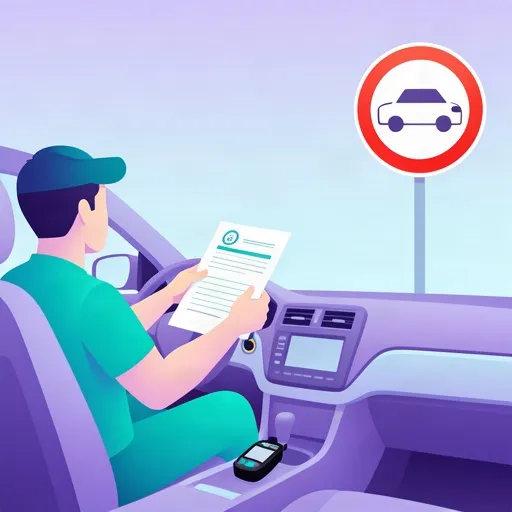
Learning the legal framework regarding alcohol consumption is a mandatory part of your preparation for the Turkish driving theory exam. This guide clarifies the specific blood alcohol thresholds enforced by local authorities and explains how repeat offenses or high penalty points can lead to the permanent loss of your driving privileges. By mastering these regulations, you will better understand your legal obligations as a road user in Türkiye.
Updated on Sep 16, 2026

Understanding the psychological impact of dense urban traffic is a critical component of responsible driving and passing the MTSK theory exam. This guide explores practical strategies for maintaining composure and adhering to traffic etiquette, helping you manage road stress while ensuring compliance with national traffic regulations.
Updated on Aug 26, 2026

Learners will discover how various medications and mental exhaustion negatively impact driving performance and reaction speed, both of which are key topics for the MTSK e-exam. This guide focuses on the driver's responsibility to recognize impairment symptoms and the legal necessity of staying alert while navigating Turkish traffic. It provides the essential theoretical knowledge required to make safe, informed decisions behind the wheel.
Updated on Aug 7, 2026
Driving requires your full attention, and in Turkey, using a mobile phone behind the wheel is strictly regulated due to the severe risks of distracted driving. This article clarifies the laws, penalties, and essential safety considerations you must know for your ehliyet theory exam and everyday driving.
Updated on Jul 8, 2026

Modern vehicles are equipped with advanced technology, but these features can significantly divert your attention from the road. This article details the types of in-car technology that pose distraction risks in Turkey, explains how they can impair driving performance, and outlines safe usage practices mandated by Turkish traffic laws. Mastering this knowledge is essential for your driving theory education and the MTSK e-sınav.
Updated on Jul 8, 2026
Driving safely requires a clear mind and quick reactions. This article delves into the critical concept of driver impairment, explaining how substances like alcohol and drugs, along with fatigue and distractions, severely affect your ability to judge distances and identify potential dangers. These factors are thoroughly examined in the Turkish driving theory exam (MTSK e-sınav), and understanding them is vital for both passing the test and ensuring road safety.
Updated on Jul 8, 2026

Driving under the influence of alcohol, drugs, or even severe fatigue critically impairs your ability to react quickly to hazards. This article delves into the physiological effects that slow down your cognitive processing and physical responses, directly impacting the distance it takes to stop your vehicle. Understanding this relationship is fundamental for safe driving practices and for tackling key concepts tested in the Turkish ehliyet sınavı.
Updated on Jul 8, 2026
Discover other categories connected to Driver Health & Impairment - Turkey. These sections help you explore additional topics, expand your understanding of driving theory in Turkish, and build a more complete picture of the rules and situations tested during the exam.
Find answers to common questions learners ask about Driver Health & Impairment - Turkey. This section helps clarify difficult concepts, highlight critical exam information, and support your preparation for the Turkish driving theory exam in Turkey.
Turkish law sets strict limits for blood alcohol content (BAC) for drivers. While exact figures can be subject to change, it is crucial to understand that even small amounts of alcohol can significantly impair driving ability. It is always safest to avoid alcohol completely before driving.
Fatigue severely slows reaction times, reduces concentration, impairs judgment, and can lead to micro-sleeps, making driving dangerous. Long drives, lack of sleep, and even certain medical conditions can cause driver fatigue, which is a critical topic covered for the Turkish theory exam.
Yes, using a mobile phone, whether handheld or hands-free, while driving is illegal in Turkey and carries penalties. The distraction caused by phone use significantly increases the risk of accidents by diverting attention from the road, traffic signs, and other vehicles.
Beyond alcohol and fatigue, various factors can impair driving. These include prescription and over-the-counter medications, illegal drugs, extreme emotional states like anger or stress, and even overconfidence. Understanding these human factors is vital for safe driving in Turkey.
Hazard awareness is a key component of the Turkish driving theory exam. Understanding how factors like fatigue, distraction, or impairment affect your perception of hazards helps you anticipate and avoid dangerous situations, which is essential for both passing the exam and driving safely.
Ready to prepare for your ehliyet sınavı? Explore our organized article categories. Select a topic to delve into detailed explanations on traffic rules, road signs, first aid, or vehicle safety, building a strong foundation for your Turkish driving theory exam.
Browse Article Categories