
Understand the vital aspects of vehicle safety, including pre-drive checks, basic maintenance, and the importance of key components like tyres, brakes, and lights. This section prepares you for the Turkish theory exam by focusing on roadworthiness and accident prevention.
Understand the vital aspects of vehicle safety, including pre-drive checks, basic maintenance, and the importance of key components like tyres, brakes, and lights. This section prepares you for the Turkish theory exam by focusing on essential roadworthiness and accident prevention protocols.
Understanding proper tyre care is a critical component of vehicle safety and is frequently examined in the MTSK e-sınav. This guide explains the legal minimums for tread depth and the importance of adapting your vehicle to Turkey's varied terrain, from hot summer asphalt to rain-slicked mountain roads, helping you succeed in your theory test and drive safely.
Proper tyre maintenance is a critical component of the vehicle technique section in the Turkish driving theory exam. This guide provides a detailed look at how to check your vehicle's tyres, the importance of correct inflation pressure, and the specific requirements for different driving environments across Türkiye. Mastering these technical details ensures you can confidently answer exam questions regarding vehicle safety and prepare for real-world driving challenges.
Understanding how to manage engine temperature is a core component of the Turkish driving theory curriculum and essential for real-world safety. This article details how to properly monitor coolant levels, identify signs of overheating before they become hazardous, and adjust your driving habits to protect your vehicle from heat-related stress. These insights provide both practical road knowledge and the technical understanding required for your MTSK exam.
Dive into critical articles on vehicle safety, covering essential pre-drive checks, routine maintenance, and the functionality of key components like tyres, brakes, and lights. This category provides specific guidance on roadworthiness and accident prevention crucial for passing your Turkish driving theory test.

Understanding proper tyre care is a critical component of vehicle safety and is frequently examined in the MTSK e-sınav. This guide explains the legal minimums for tread depth and the importance of adapting your vehicle to Turkey's varied terrain, from hot summer asphalt to rain-slicked mountain roads, helping you succeed in your theory test and drive safely.
Updated on Oct 3, 2026

Proper tyre maintenance is a critical component of the vehicle technique section in the Turkish driving theory exam. This guide provides a detailed look at how to check your vehicle's tyres, the importance of correct inflation pressure, and the specific requirements for different driving environments across Türkiye. Mastering these technical details ensures you can confidently answer exam questions regarding vehicle safety and prepare for real-world driving challenges.
Updated on Oct 3, 2026
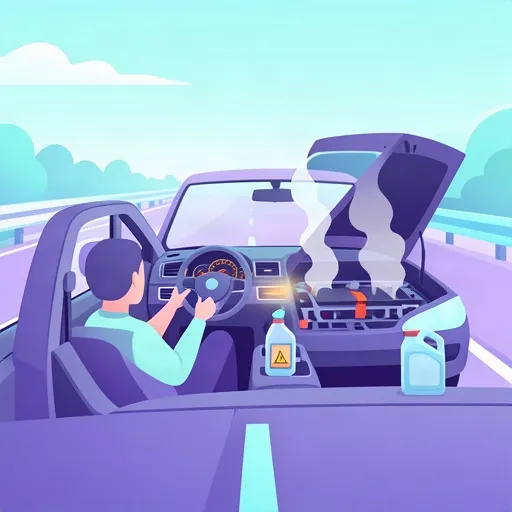
Understanding how to manage engine temperature is a core component of the Turkish driving theory curriculum and essential for real-world safety. This article details how to properly monitor coolant levels, identify signs of overheating before they become hazardous, and adjust your driving habits to protect your vehicle from heat-related stress. These insights provide both practical road knowledge and the technical understanding required for your MTSK exam.
Updated on Sep 27, 2026
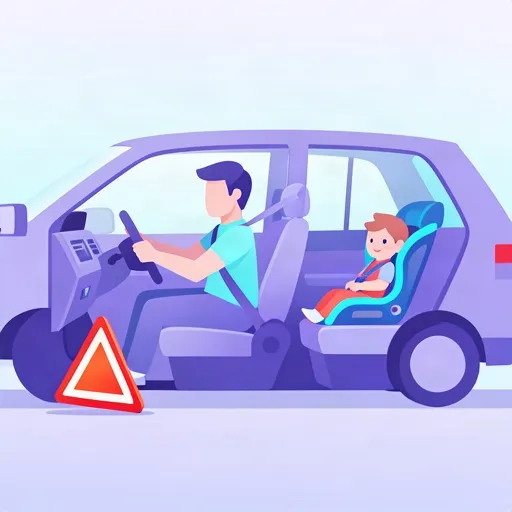
Understanding the legal mandates for safety equipment is a fundamental part of the Turkish driving theory curriculum. This guide covers the specific requirements for different license categories, ensuring you can identify necessary safety gear for cars and motorcycles alike. By mastering these rules, you will be well-prepared to handle exam questions regarding passenger protection and vehicle compliance.
Updated on Sep 22, 2026
Learning the meaning of dashboard warning lights is a core component of vehicle technique studies for the Turkish driving theory exam. This guide clarifies the distinction between red, yellow, and green indicators, providing you with the knowledge to respond appropriately to mechanical signals while on the road. By mastering these alerts, you enhance your situational awareness and ability to handle potential hazards effectively.
Updated on Jul 16, 2026
Learning to interpret your dashboard indicators is a core component of both real-world vehicle safety and the Turkish MTSK theory exam. This guide clarifies which lights signal a critical failure requiring you to pull over immediately and which are alerts for maintenance. Mastering these signals ensures you can maintain vehicle integrity while prioritizing the safety of yourself and other road users.
Updated on Jul 16, 2026
Before you start your engine in Türkiye, a thorough check of your vehicle's lights, indicators, and general visibility is non-negotiable for safe driving. This article guides you through these essential checks, explaining why they are crucial for your ehliyet theory test and everyday driving compliance with Turkish traffic legislation.
Updated on Jul 8, 2026

As a prospective driver in Turkey, understanding the role of vehicle inspection, or Muayene, is vital. This article explains the fundamental concept of Muayene and its significance for road safety and legal requirements, specifically tailored for your ehliyet theory exam preparation. You will learn why keeping a vehicle roadworthy through regular inspections is a core responsibility for all drivers in Turkey.
Updated on Jul 8, 2026
Discover other categories connected to Vehicle Safety & Maintenance Turkey. These sections help you explore additional topics, expand your understanding of driving theory in Turkish, and build a more complete picture of the rules and situations tested during the exam.
Find answers to common questions learners ask about Vehicle Safety & Maintenance Turkey. This section helps clarify difficult concepts, highlight critical exam information, and support your preparation for the Turkish driving theory exam in Turkey.
Before driving in Turkey, always perform essential checks: ensure tyre pressure and tread depth are adequate, verify all lights (headlights, taillights, indicators) are working, check brake responsiveness, and confirm fluid levels (oil, coolant, brake fluid) are sufficient. Also, check windscreen wipers and the condition of mirrors.
'Muayene' refers to the mandatory periodic vehicle inspection in Turkey, ensuring vehicles meet safety and environmental standards. Understanding the general requirements and the importance of passing your vehicle's muayene is key for road legality.
Learner drivers should recognize critical warning lights such as the engine warning light, brake system warning light, oil pressure warning light, battery warning light, and the ABS warning light. Each indicates a specific potential issue that needs attention.
Yes, Turkish law requires certain equipment in vehicles, which may include a warning triangle, first-aid kit, and fire extinguisher, depending on the vehicle type. It's important to be aware of these regulations to ensure compliance and safety.
Proper tyre maintenance, including correct inflation pressure and adequate tread depth, is vital for safe handling, braking, and fuel efficiency on Turkish roads. It significantly impacts vehicle stability and reduces the risk of accidents.
Ready to prepare for your ehliyet sınavı? Explore our organized article categories. Select a topic to delve into detailed explanations on traffic rules, road signs, first aid, or vehicle safety, building a strong foundation for your Turkish driving theory exam.
Browse Article Categories