Understanding parking signs is crucial for smooth urban driving and passing your theory exam. This group covers signs that dictate where, when, and how you can park, including restrictions and specific facilities like parking garages or park-and-ride options. Master these signs to avoid fines and ensure traffic flow.
An explanation of how Turkey Parking Signs road signs apply in real traffic situations in Turkey. Learn where these signs are typically placed, what drivers are expected to do when they appear, and how correct reactions help you stay safe, avoid fines, and succeed in your Turkish driving theory exam.
Parking signs are encountered frequently in urban and suburban environments where space is often limited. You'll see 'No parking' (P-1) and 'No stopping' (P-2) signs near intersections, bus stops, emergency access points, and busy commercial areas to keep traffic moving and ensure safety. Signs like 'Parking' (P-3A) indicate designated areas, while others specify parking on or beside the sidewalk (P-3B, P-3C, P-3D, P-3E), requiring careful positioning of your vehicle. Facilities like parking garages (P-3F) and park-and-ride stations for public transport (P-3G, P-3H) are often signposted on approach routes to major towns or transport hubs. Drivers must always check for accompanying road markings, supplementary plates, and understand local parking zone regulations which can further restrict or permit parking.
An overview of the key learning outcomes when studying the Turkey Parking Signs road sign category. Understand the main concepts, sign meanings, and traffic situations covered here so you can recognise patterns, answer theory questions more confidently, and build a solid foundation for safe driving in Turkey.
Study the specific meanings of Turkish parking signs, including those for designated areas, no-parking zones, and sidewalk parking. Understanding these traffic signs is crucial for navigating urban driving and passing your theory test revision.
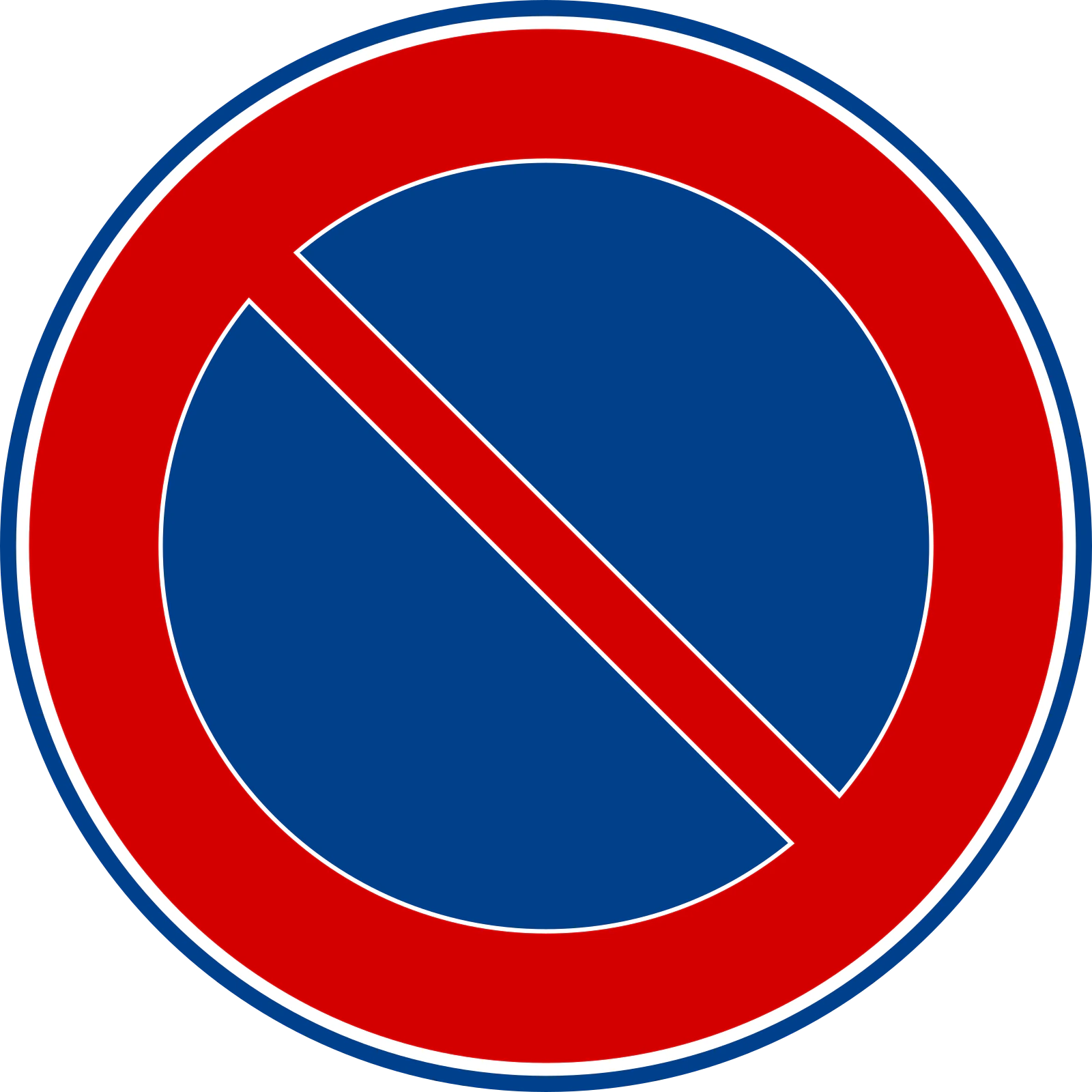
The P-1 'No Parking' Sign: Know Where You Can and Cannot Stop
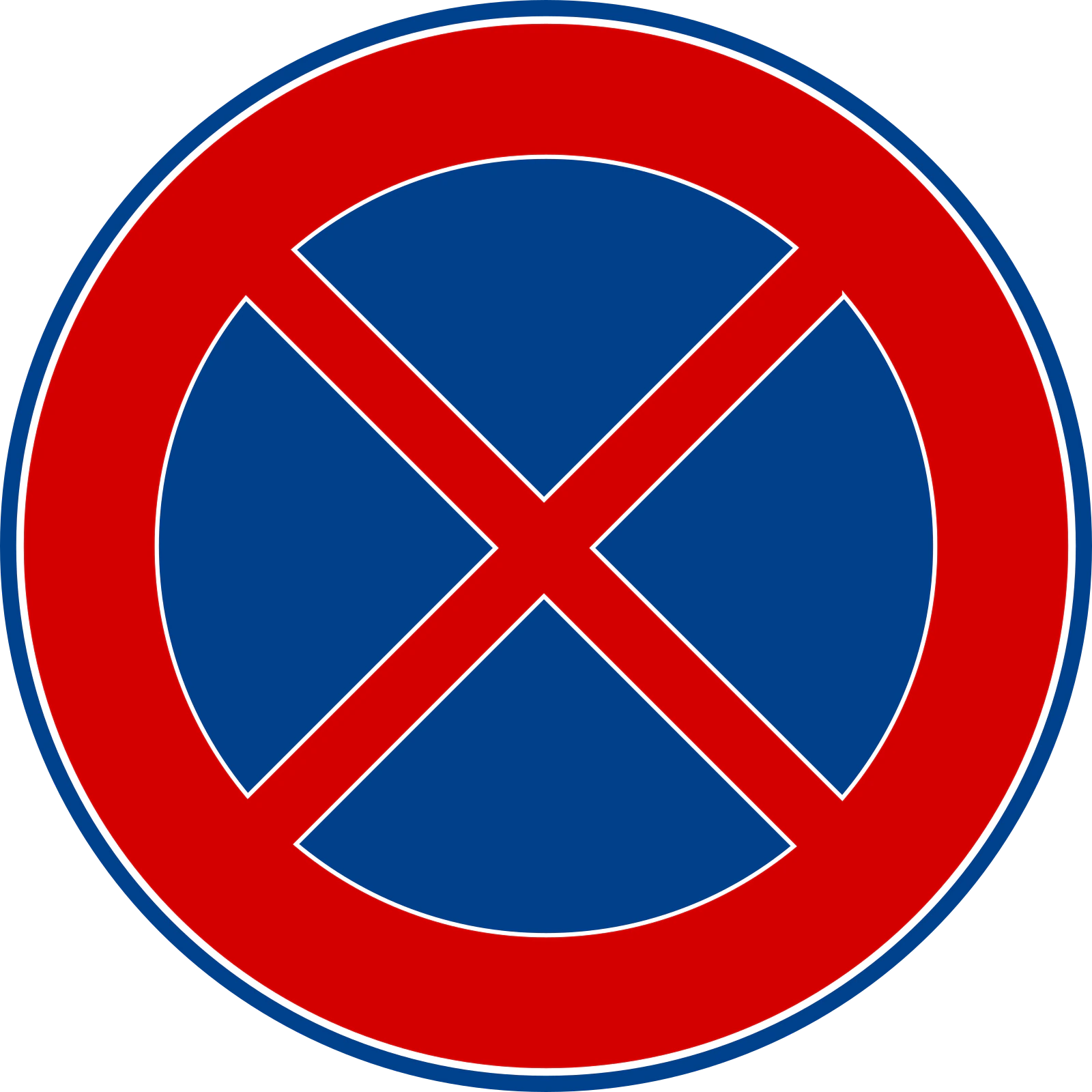
Understand the P-2 'No Stopping (and Parking)' Traffic Sign
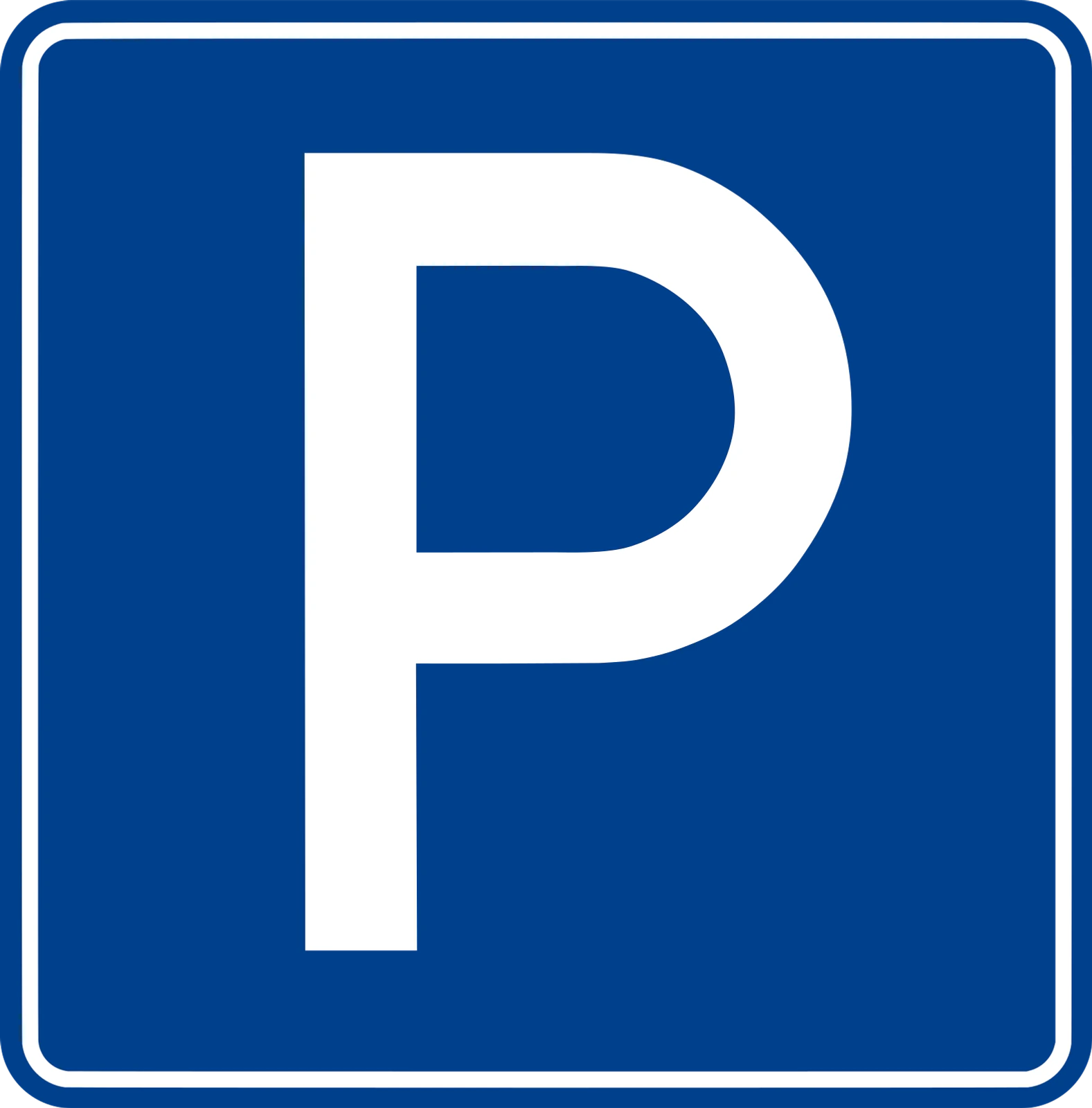
Decode the P-3A Parking Sign: Your Guide to Stopping and Parking Rules in Turkey
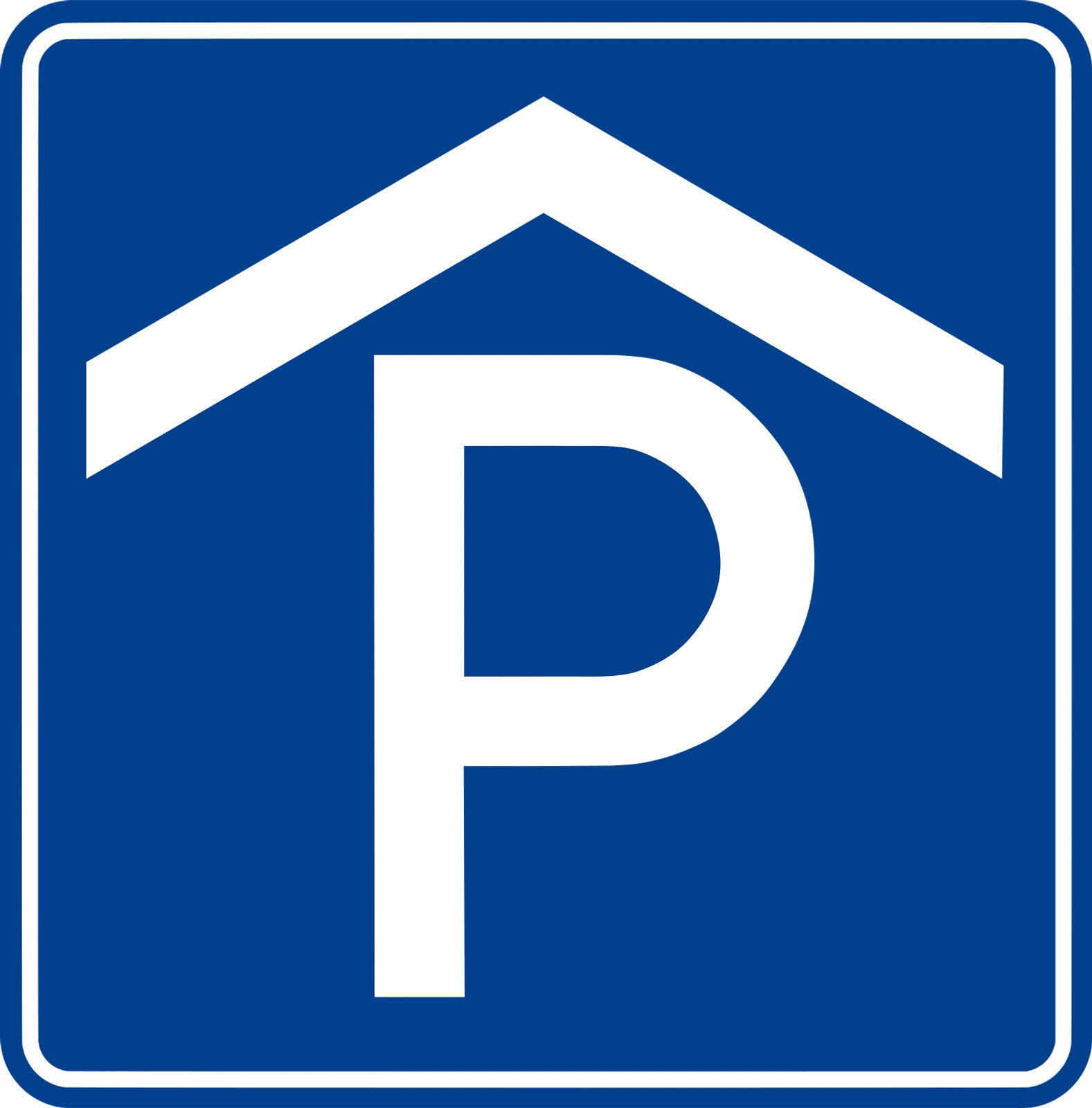
The P-3F Sign Indicates a Parking Garage Facility
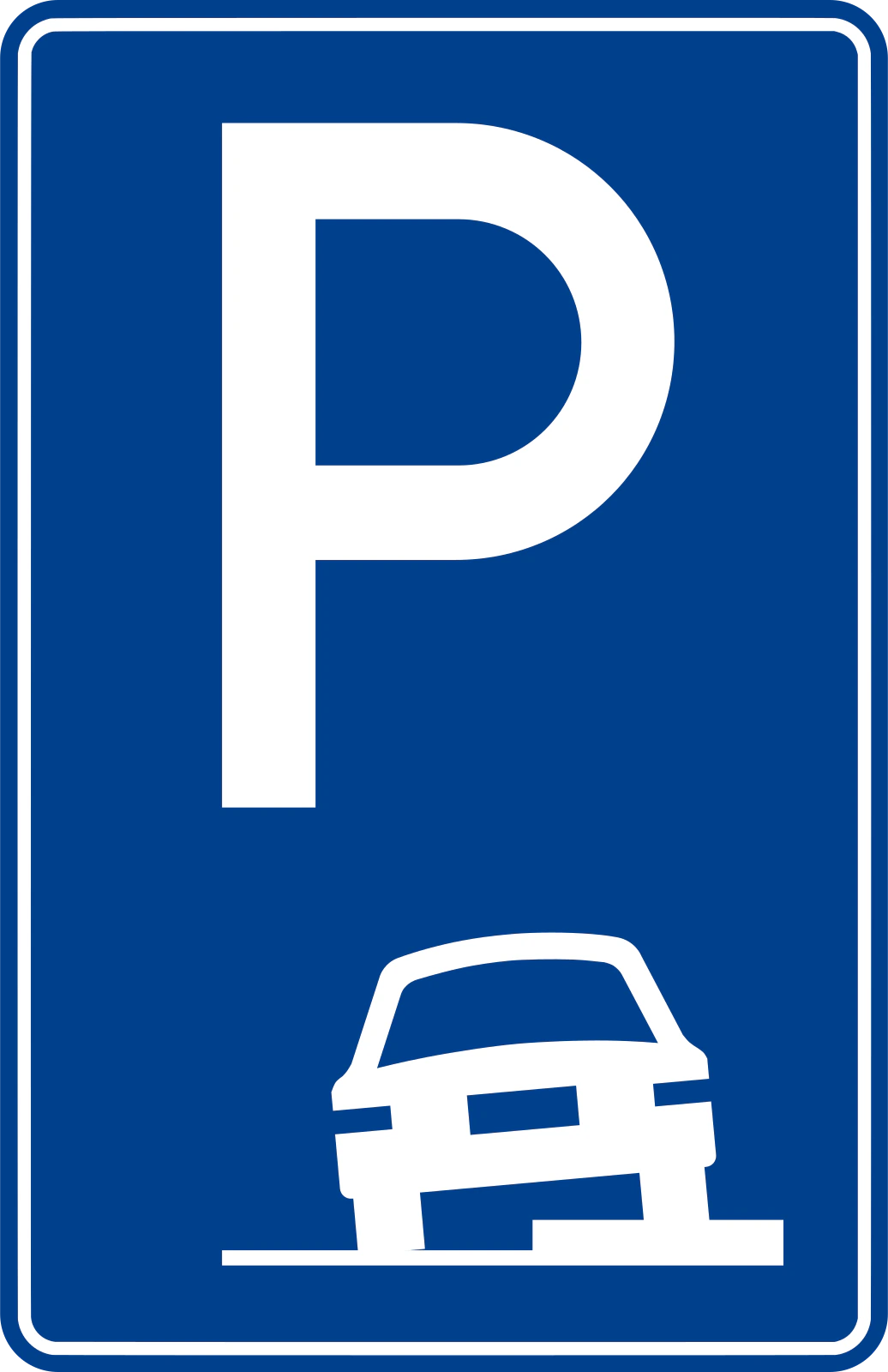
Understand the P-3C 'Park Halfway on Sidewalk' Traffic Sign
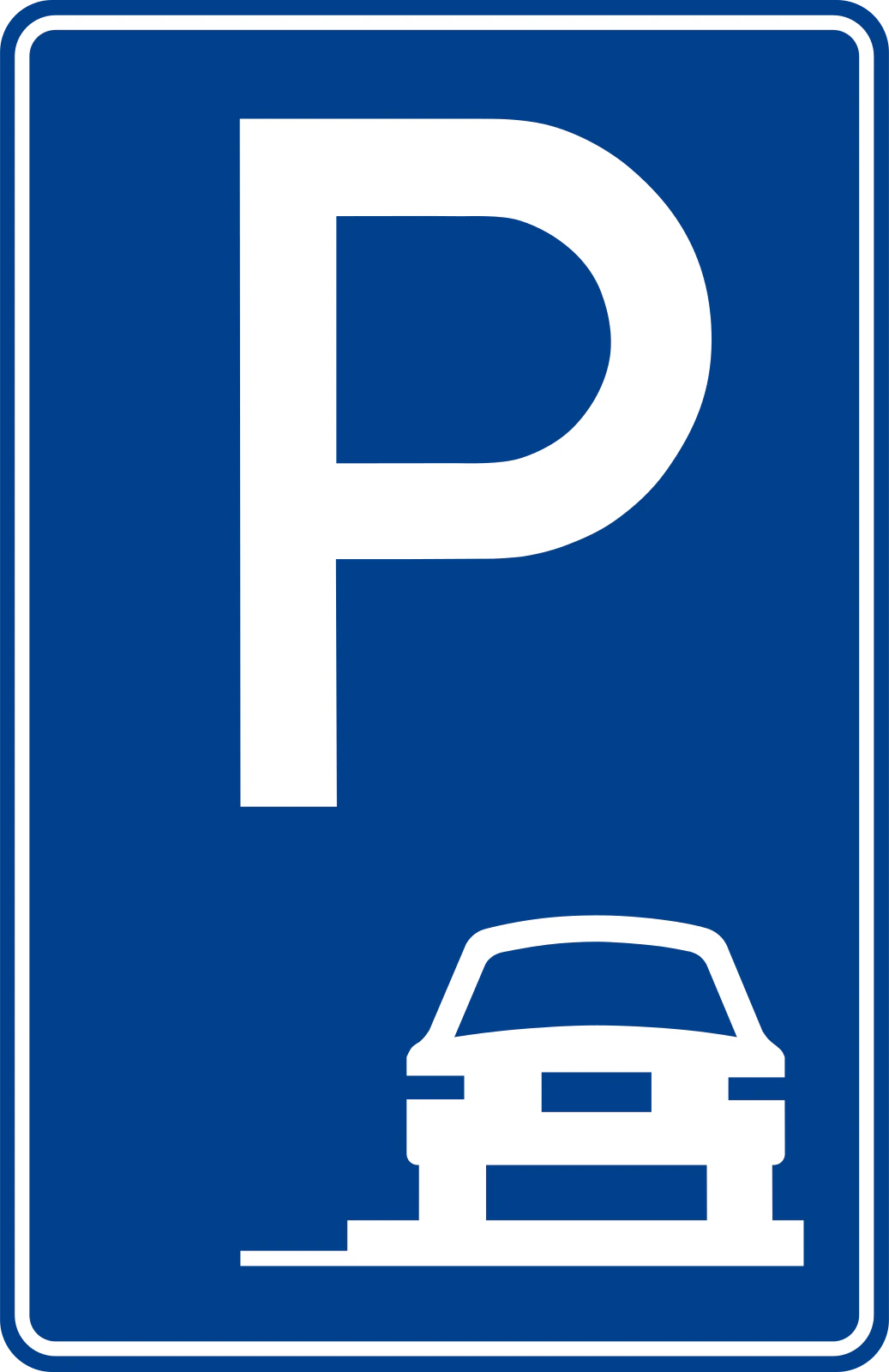
Understand the 'Park on the Sidewalk' (P-3B) Traffic Sign in Turkey
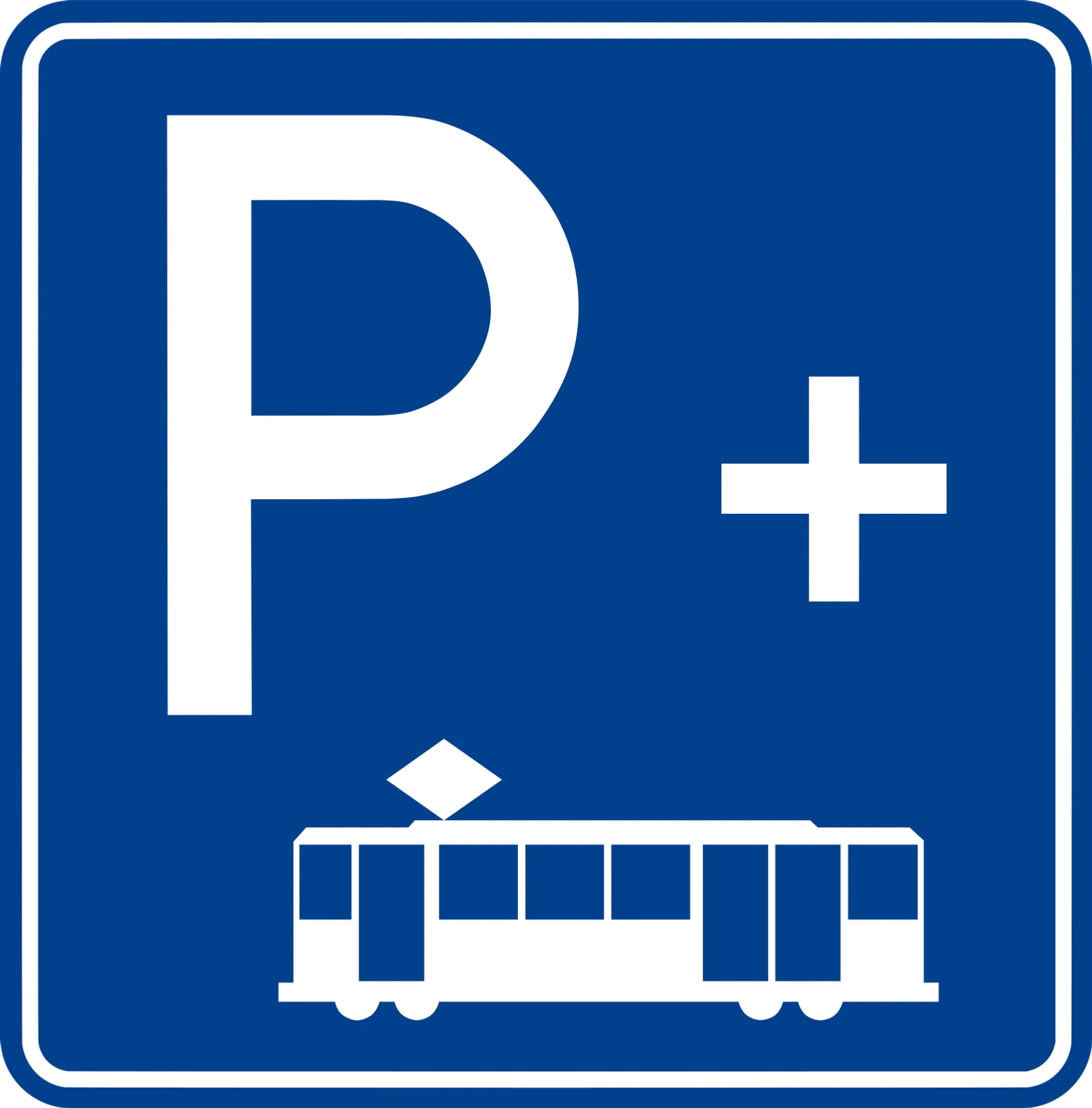
The P-3H 'Park and Ride (Tram)' sign guides you to parking facilities linked with tram services.
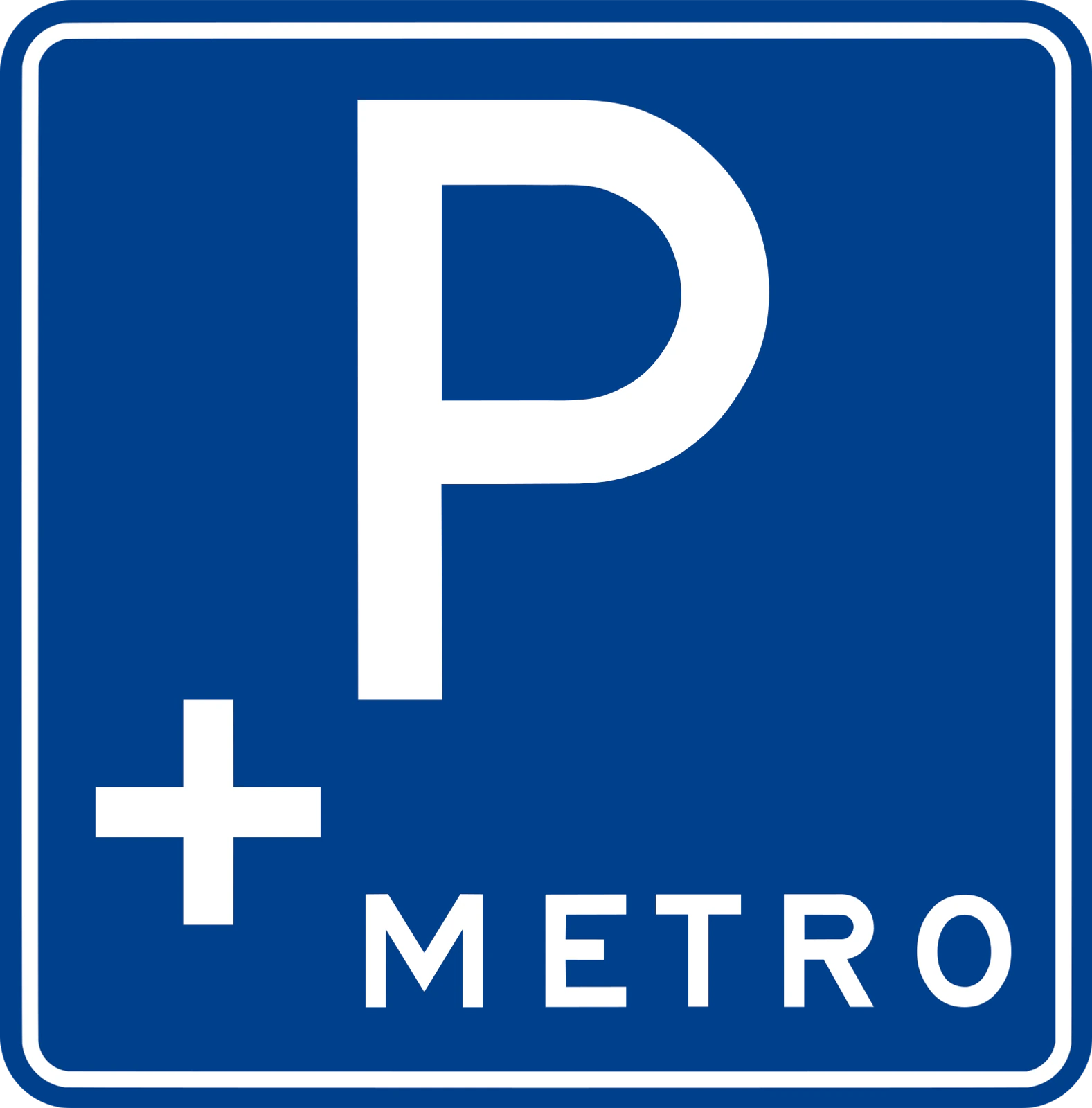
What the P-3G Parking and Ride (Metro Station) Sign Means in Turkey
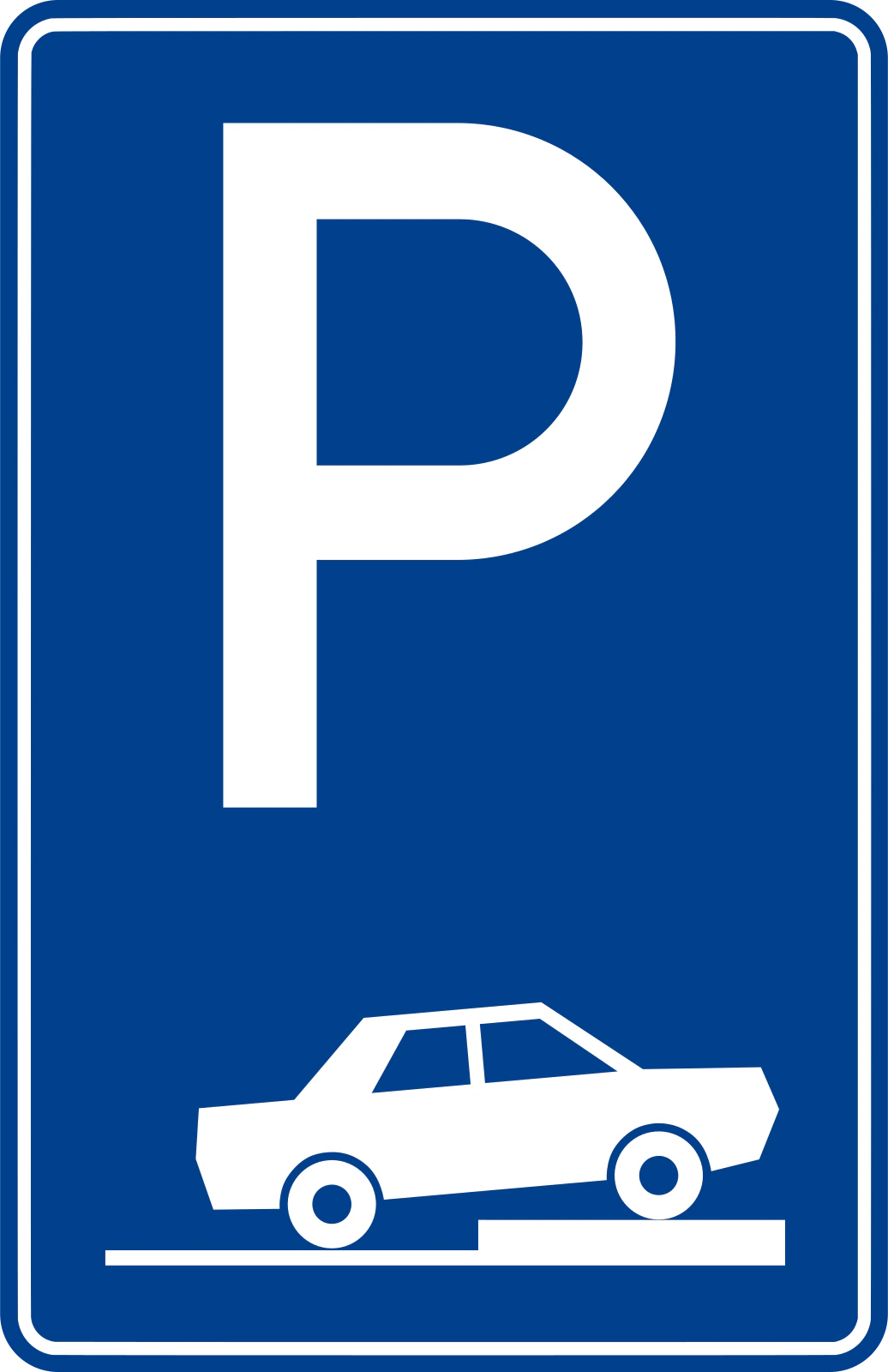
Know the P-3D Sign: Parking Halfway on the Sidewalk Explained
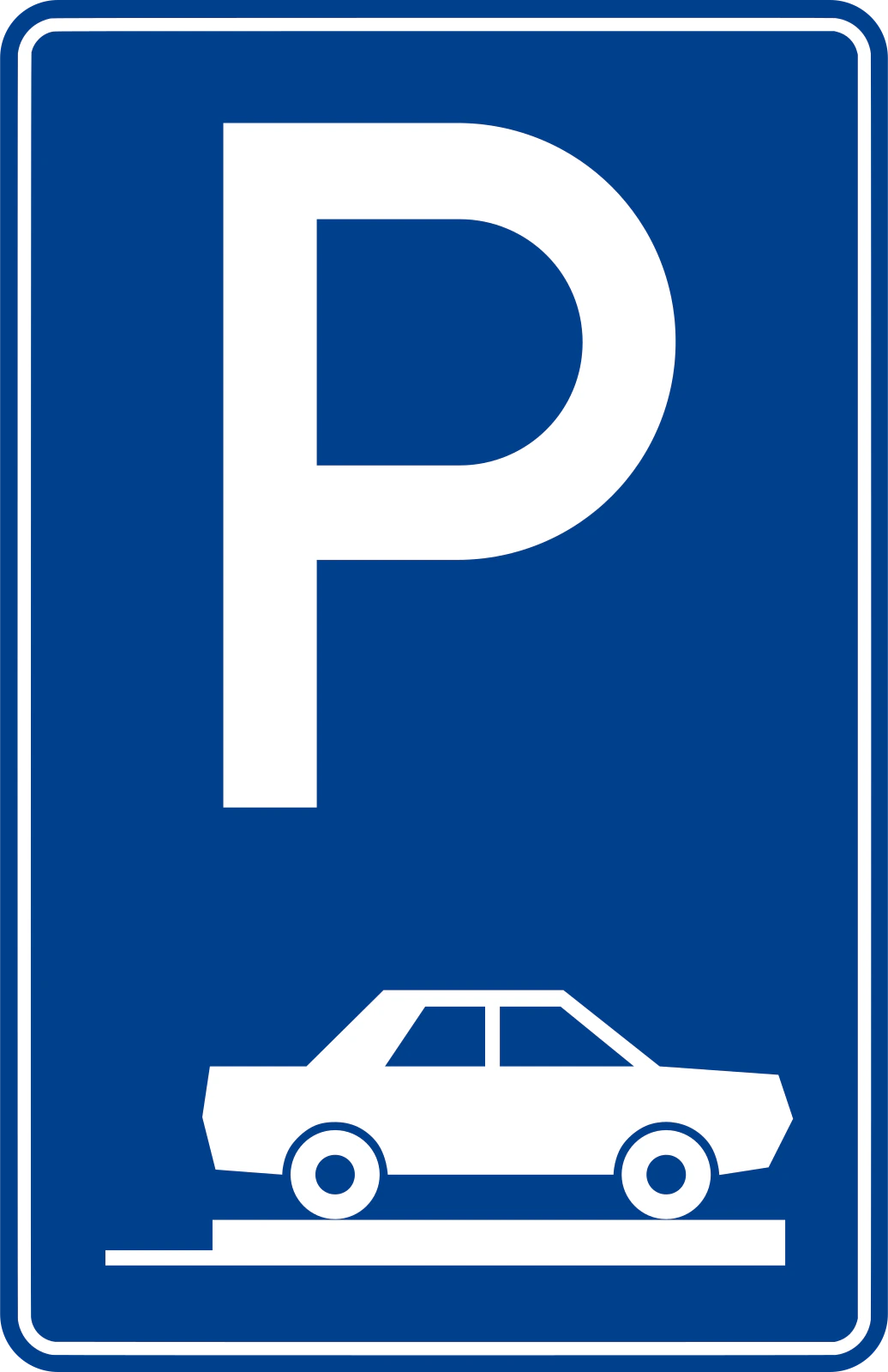
Understand the P-3E Sign: Parking on the Sidewalk (Horizontal View)
Clear answers to common questions about the Turkey Parking Signs road sign category. Use this FAQ to review tricky rules, understand how these signs appear in exam scenarios, and remove confusion that often leads to mistakes in the Turkish driving theory exam in Turkey.
The 'No Stopping' sign (P-2) is more restrictive than 'No Parking' (P-1). 'No Stopping' means you cannot stop your vehicle even momentarily for passengers to get in or out, or to load/unload. 'No Parking' generally means you can stop briefly to pick up or drop off passengers, but you cannot leave your car unattended or park it for an extended period.
Generally, parking on the sidewalk is only permitted where a specific sign (like P-3B, P-3C, P-3D, or P-3E) explicitly allows it, and it usually requires parking partially or fully on the sidewalk. Unless such a sign is present, you should assume sidewalk parking is prohibited to ensure pedestrian safety and accessibility.
'Park and Ride' signs (P-3G, P-3H) direct you to parking facilities located near public transport stations, such as metro or tram stops. The idea is to encourage drivers to park their cars and then use public transport for the rest of their journey, helping to reduce traffic congestion and pollution in city centres.
Parking signs often work in conjunction with road markings, such as yellow lines or painted curbs, to clarify parking restrictions. It's essential to observe both the signs and any accompanying markings. Arrows on signs or markings might also indicate the extent or direction of the restricted or permitted parking area.
Even if parking is restricted only during certain hours, parking there outside of those permitted hours (or in a 'No Stopping' zone at any time) can result in penalties. These typically include a fine and potentially having your vehicle towed, especially if it obstructs traffic or access. Always verify the exact times and conditions indicated by the sign or supplementary plates.
After reviewing these categories, delve into specific sign groups to strengthen your understanding of individual trafik işaretleri. This focused study reinforces your knowledge of Turkish traffic rules and prepares you effectively for the ehliyet sınavı.
Browse Road Sign Categories