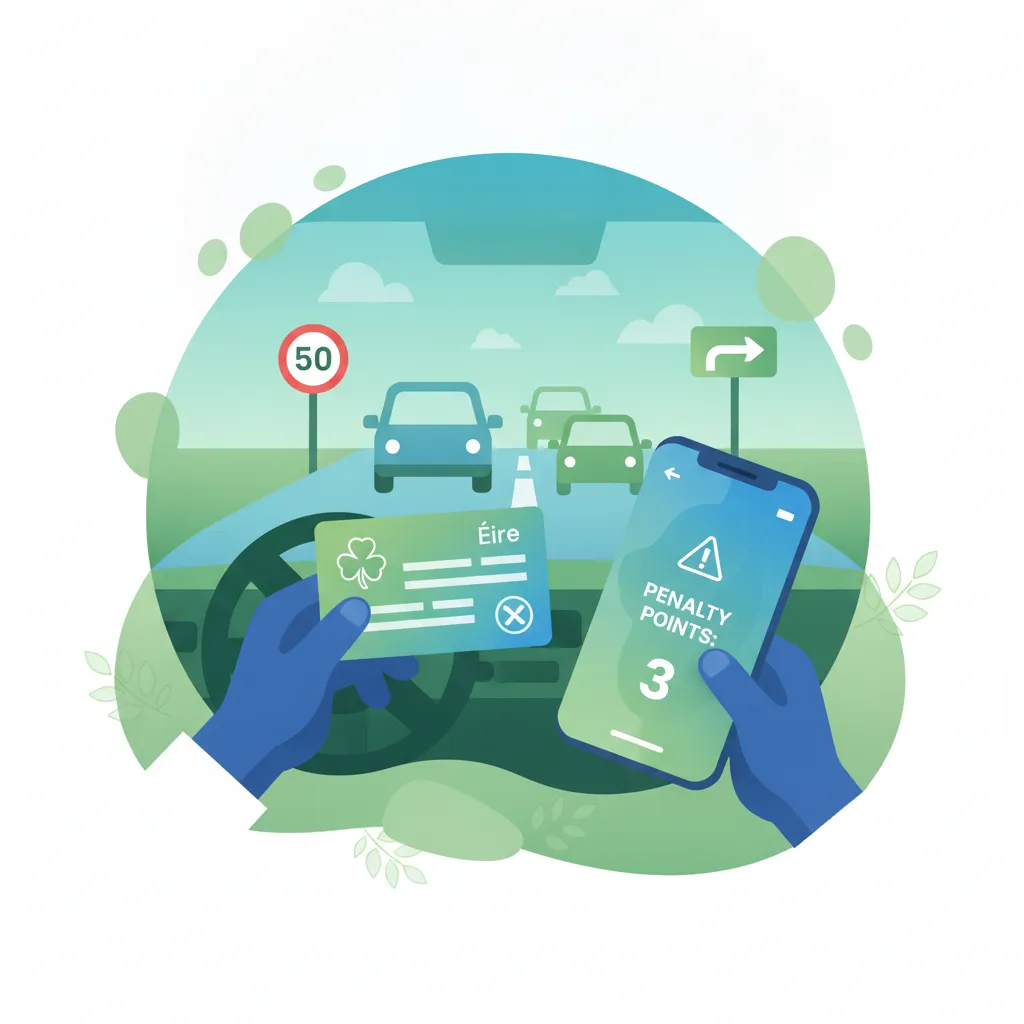
This lesson provides an essential overview of the Irish penalty point system as it applies to Category AM moped riders. By understanding how points are accrued and their impact on your driving future, you can cultivate safer habits right from the start of your journey.
Lesson content overview
Riding a moped or light quadricycle in Ireland under a Category AM licence comes with strict legal and safety obligations. The Road Safety Authority (RSA) uses a robust enforcement framework to ensure all road users operate their vehicles safely. At the heart of this safety framework is the Irish penalty point system (system pointí pionóis), which tracks traffic violations and removes high-risk drivers from the road.
For novice riders on a Category AM learner permit, understanding how these points accumulate, how they impact your progression to a full licence, and what violations trigger them is vital for maintaining your driving privileges.
The Irish penalty point system is designed to deter unsafe riding habits by attaching cumulative penalties to specific traffic offences. Rather than treating traffic violations as isolated incidents that are resolved purely by paying a fine, the system records long-term behaviour.
The primary purpose of the system is to protect all road users by identifying and correcting repeat offenders. When a rider commits a designated motoring offence, a set number of penalty points is recorded against their driving licence record on the National Driver File.
A legal unit recorded on a driver's record by the RSA as a consequence of committing a specified traffic offence. Penalty points remain active on a licence for three years from the date of the offence or court conviction.
If you are caught committing an offence, you will typically receive a Fixed Charge Notice from the Garda Síochána (the Irish police force). If you pay the fixed charge fine within the mandated period, the designated number of penalty points will be added to your record without a court appearance. However, if you fail to pay the fine and the matter proceeds to court, a conviction will result in a significantly higher number of penalty points and a larger financial penalty.
The penalty point system does not treat all drivers equally; instead, it places a stricter standard on those who are still learning or have recently qualified. This is because statistics consistently show that novice and learner riders face a higher risk of being involved in road collisions.
There are two primary automatic disqualification thresholds in Ireland:
The 7-Point Learner Limit: As a Category AM learner permit holder, accumulating just 7 penalty points will result in an automatic, immediate disqualification from riding on public roads. You do not get a second chance; the limit is absolute.
If you reach or exceed your point threshold, you will receive a notification of disqualification from the RSA. You will be required to surrender your learner permit or licence to the National Driver Licence Service (NDLS) within a specified timeframe.
Building a moped licence in Ireland is a structured progression designed to ensure that you gain physical moped control skills, legal awareness, and defensive riding habits before you take to the roads unsupervised.
Pass the Driver Theory Test: You must study the official Rules of the Road and pass the Category AM Theory Test to demonstrate your theoretical knowledge of road signs, traffic laws, and moped safety.
Obtain your Category AM Learner Permit: Apply through the NDLS. Your permit allows you to begin practical training but comes with strict conditions, including a zero-alcohol tolerance limit and a ban on carrying passengers.
Complete Initial Basic Training (IBT): You must complete a mandatory practical training course with an RSA-approved driving instructor. This ensures you understand basic moped controls, balance, and emergency procedures before riding on open public roads.
Observe the 12-Month Learner Period: You must hold your learner permit for a minimum of 12 months before you are eligible to sit the practical driving test. This period must be completed with a completely clean record to ensure smooth progression.
Pass the Practical Driving Test: An RSA examiner will assess your real-world riding skills, road positioning, speed control, and hazard perception.
Enter the 2-Year Novice Phase: Once you pass your test, you receive your full Category AM licence, but you must display "N" plates on your vehicle for two years. Your penalty point disqualification threshold remains at 7 points during this phase.
Category AM riders are subject to the same traffic laws as cars and heavy vehicles, along with a few moped-specific regulations. Because mopeds are lightweight and offer no structural protection to the rider, traffic violations carry extreme safety risks. The penalty points allocated to each offence reflect these dangers.
| Violation | Penalty Points (On Payment) | Practical Danger and Context |
|---|---|---|
| Failure to Wear a Helmet | 1 Point | Head injuries are the leading cause of death in moped accidents. Wearing an approved, securely fastened helmet is a strict legal requirement. |
| Using a Mobile Phone | 3 Points | Looking at a phone, texting, or holding a device while riding completely impairs your steering balance and cognitive awareness. |
| Running a Red Light or Stop Sign | 3 Points | Disregarding intersection controls puts you directly in the path of crossing traffic, which often cannot see a small moped. |
| Failure to Maintain Insurance | 1 Point | You must carry valid third-party insurance to ride on public roads. Riding uninsured is a serious offence that can also lead to court-mandated bans. |
| Dangerous Driving | 5 Points | Performing stunts, weaving aggressively, or riding on pavements falls under dangerous driving and carries a high point allocation. |
| Driving Under the Influence (DUI) | 5 Points | Driving under the influence of alcohol or drugs impairs coordination and judgment. It carries immediate, heavy court bans alongside points. |
| Driving While Disqualified | 6 Points | Riding a moped while your licence is suspended or banned under another vehicle category results in an immediate 6-month extension of your ban. |
Speeding significantly increases stopping distances and reduces the time you have to react to sudden hazards. In Ireland, speeding point allocations depend strictly on how much you exceed the posted limit:
The physical environment and the mechanical condition of your moped can indirectly lead to traffic violations and subsequent penalty points.
In poor weather conditions (such as heavy rain, fog, or icy patches), your stopping distance on a moped is doubled or even quadrupled. If you continue to ride at the maximum posted speed limit during a rainstorm, your speed may be considered unsafe for the road conditions. A Garda can charge you with driving without due care and attention or dangerous driving, even if you are technically under the posted speed limit.
At night, reduced visibility makes it more difficult to spot speed limit signs, road markings, or sudden obstructions. Failing to adjust your speed to your headlight beam range can lead to inadvertent speeding or running a stop sign.
Riding a moped with faulty brakes, bald tyres, or broken lights is not only a major safety hazard but a legal violation. If your vehicle is found to be unroadworthy during a roadside inspection, you can be penalized. If your moped requires a National Car Test (NCT) or similar roadworthiness certificate (where applicable for specific light quadricycles in Category AM), failure to display a valid disc can result in 1 penalty point.
To understand how the penalty point system and the licence-building process function in daily life, let us examine some common scenarios that Category AM riders face.
The rules governing penalty points are backed by extensive road safety research:
Explore all units and lessons included in this driving theory course.
Lesson content overview
Explore all units and lessons included in this driving theory course.
Explore search topics learners often look for when studying Penalty Points and Licence Building. These topics reflect common questions about road rules, driving situations, safety guidance, and lesson level theory preparation for learners in Ireland.
Browse additional driving theory lessons that cover connected traffic rules, road signs, and common driving situations related to this topic. Improve your understanding of how different rules interact across everyday traffic scenarios.
Learn the structured process for progressing from a learner permit to a full category AM licence. This guide explains the mandatory initial basic training requirements, the essential waiting periods, and the regulatory steps required by the RSA to successfully obtain your full driving licence in Ireland.

This lesson covers the legal definition of mopeds and light quadricycles in Ireland, specifying engine capacity and maximum power limits. It outlines the minimum age requirements and the specific routes where these vehicles are legally permitted to operate. Understanding these classifications is critical for compliance with Irish and EU regulations.

This lesson explores the various vehicle categories in Ireland, with a dedicated focus on Category B for passenger vehicles. You will learn about the exact age requirements, medical fitness certificates, and the step-by-step application process overseen by the National Driver Licence Service. Understanding these initial administrative requirements is essential before you can legally operate any motor vehicle on public roads under supervision.

This lesson details the specific classifications for goods vehicles including Category C, C1, CE, and C1E in Ireland. It explains the core eligibility requirements, necessary medical fitness evaluations, and the sequential steps for theory and practical testing. Professional drivers will also understand when the Driver Certificate of Professional Competence is legally mandatory.

This lesson explores the essential differences between D1, D, D1E, and DE licence categories under Irish road traffic legislation. It covers the medical fitness standards, age requirements, and national driver licensing service procedures necessary to qualify for passenger vehicle operation. By detailing these regulatory expectations, drivers gain a thorough understanding of their legal limitations and licensing pathways.
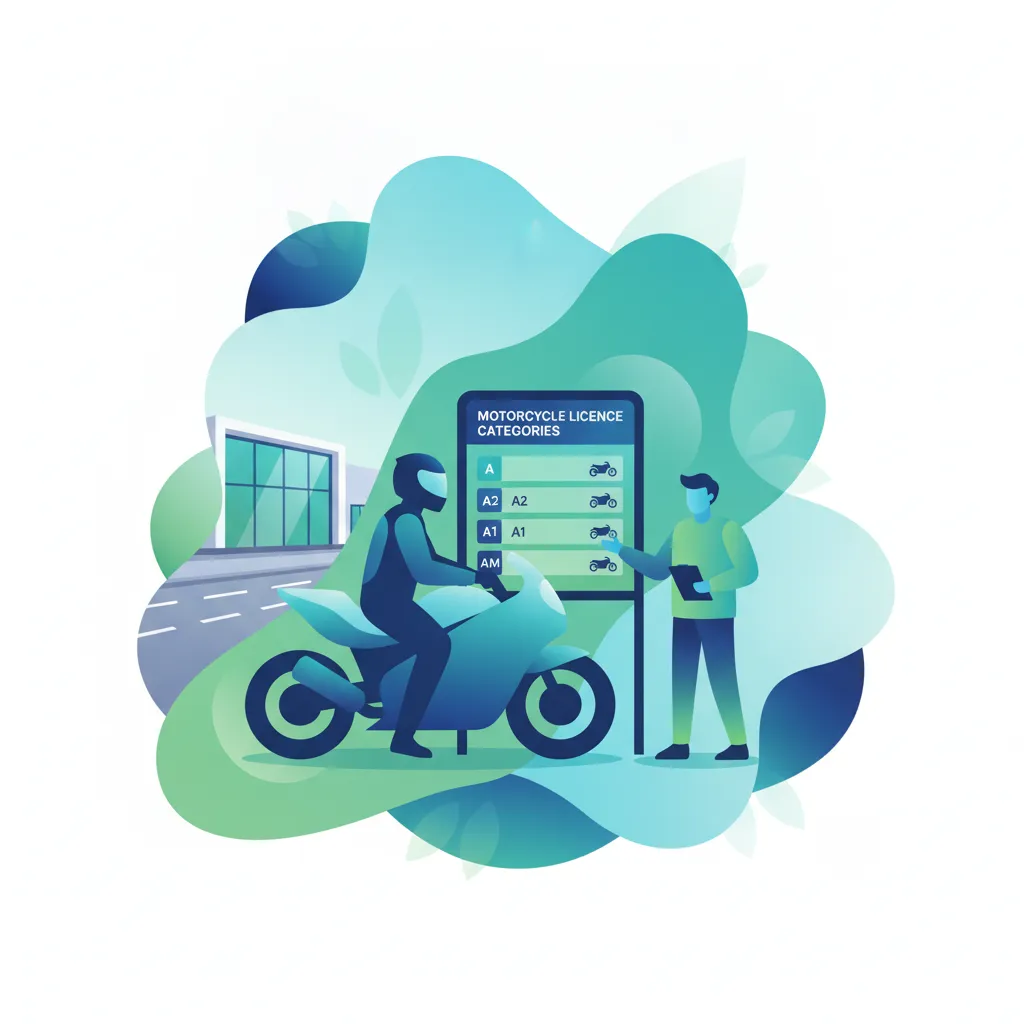
This lesson covers the specific parameters defining the A1, A2, and Category A motorcycle licences in Ireland, including age thresholds and engine limits. It outlines the progressive access route and the direct entry requirements defined by the Road Safety Authority. Motorcyclists will understand how the power-to-weight ratio dictates which vehicles they are legally permitted to operate with their specific permit.
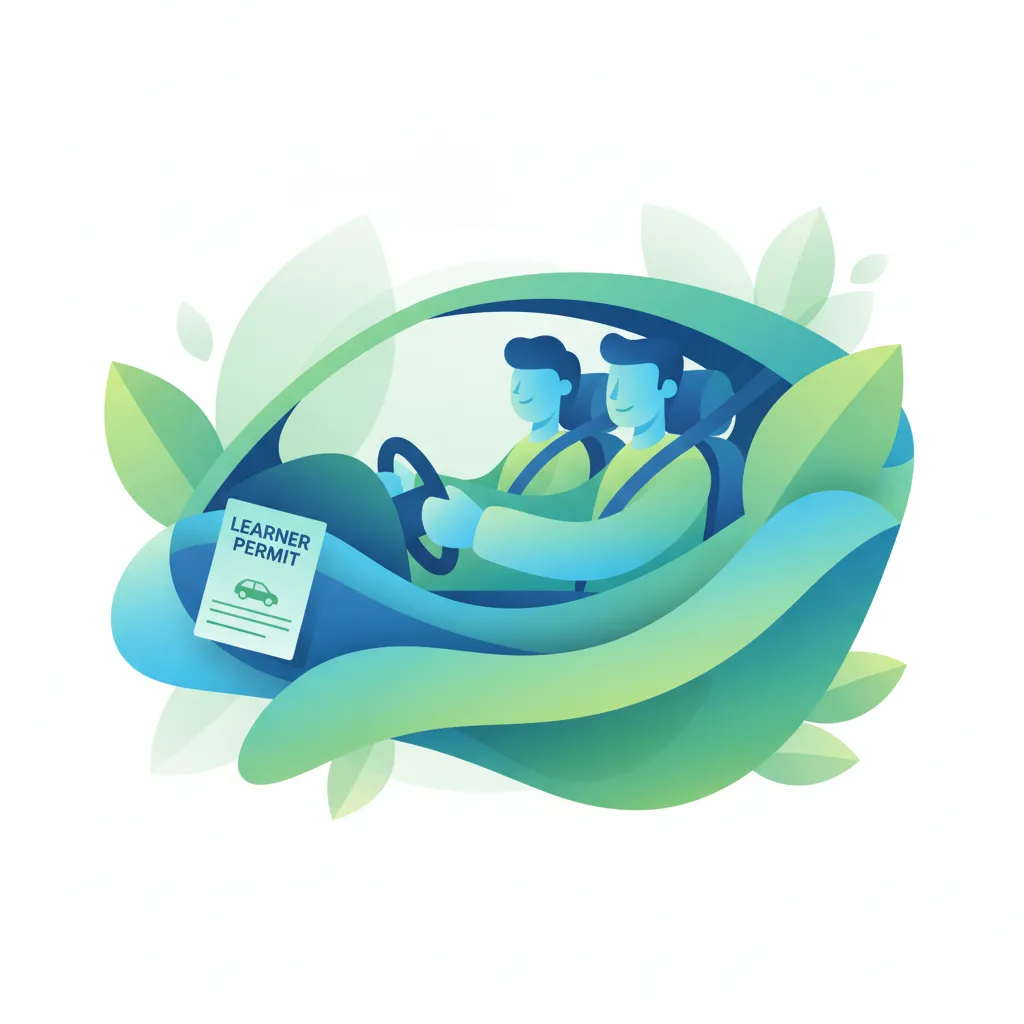
Learner drivers in Ireland must adhere to strict operational rules, including the compulsory display of red L-plates and driving under qualified supervision. This lesson outlines your specific duties as a learner, the legal definitions of an accompanying experienced driver, and the elevated safety margins you must maintain on the road. Failing to comply with these learner regulations carries serious legal penalties and delays your progression to a full driving licence.
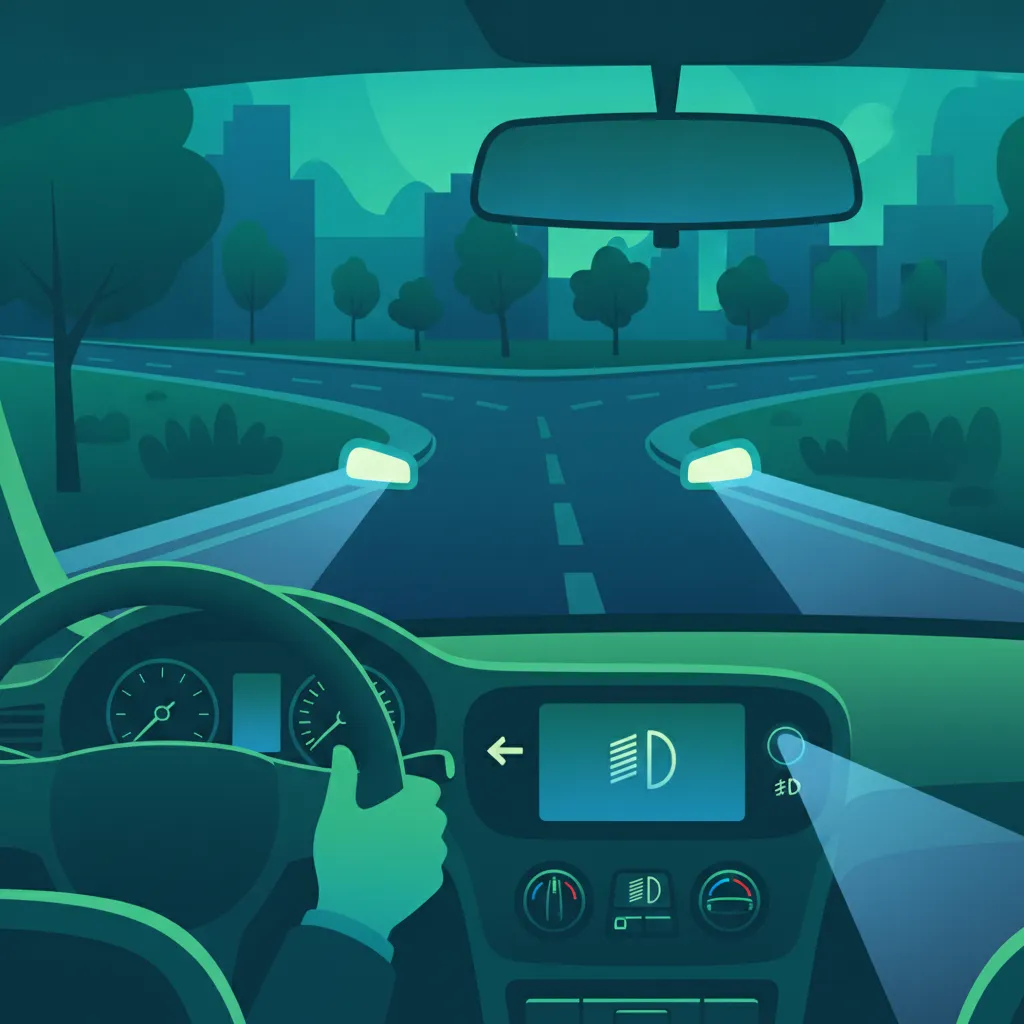
Your vehicle's lighting system is crucial for illuminating your path and making your presence and intentions clear to other road users. This lesson explains the legal requirements for using dipped headlights, full beams, fog lights, and hazard signals in Ireland. You will learn when to switch from full to dipped beams to avoid blinding oncoming drivers, and how to perform simple checks to ensure all bulbs are working.
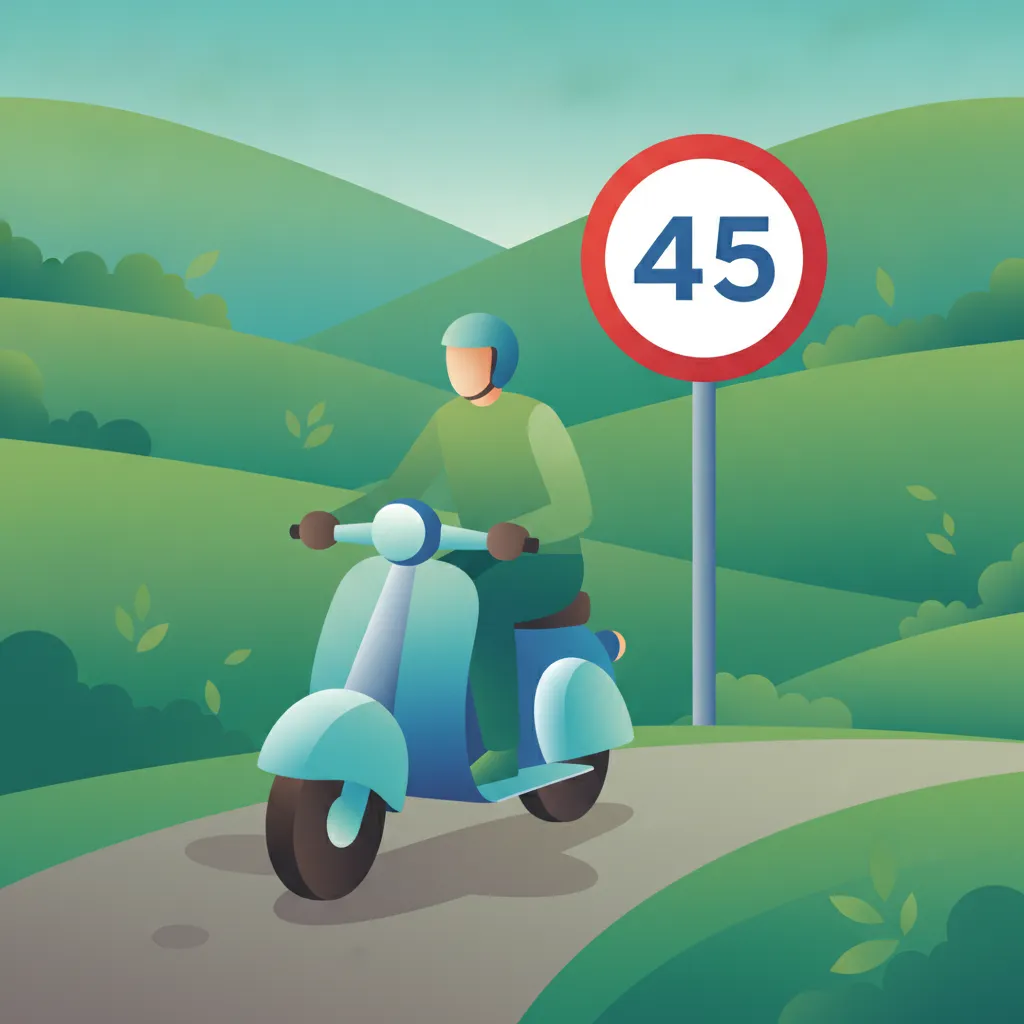
This lesson outlines the legal speed limits governing mopeds and light quadricycles in various Irish environments, including urban centers and school zones. It clarifies why Category AM vehicles are strictly prohibited from driving on motorways due to safety and speed disparities. Riders will also study the legal penalties, including fines and points, for speeding.
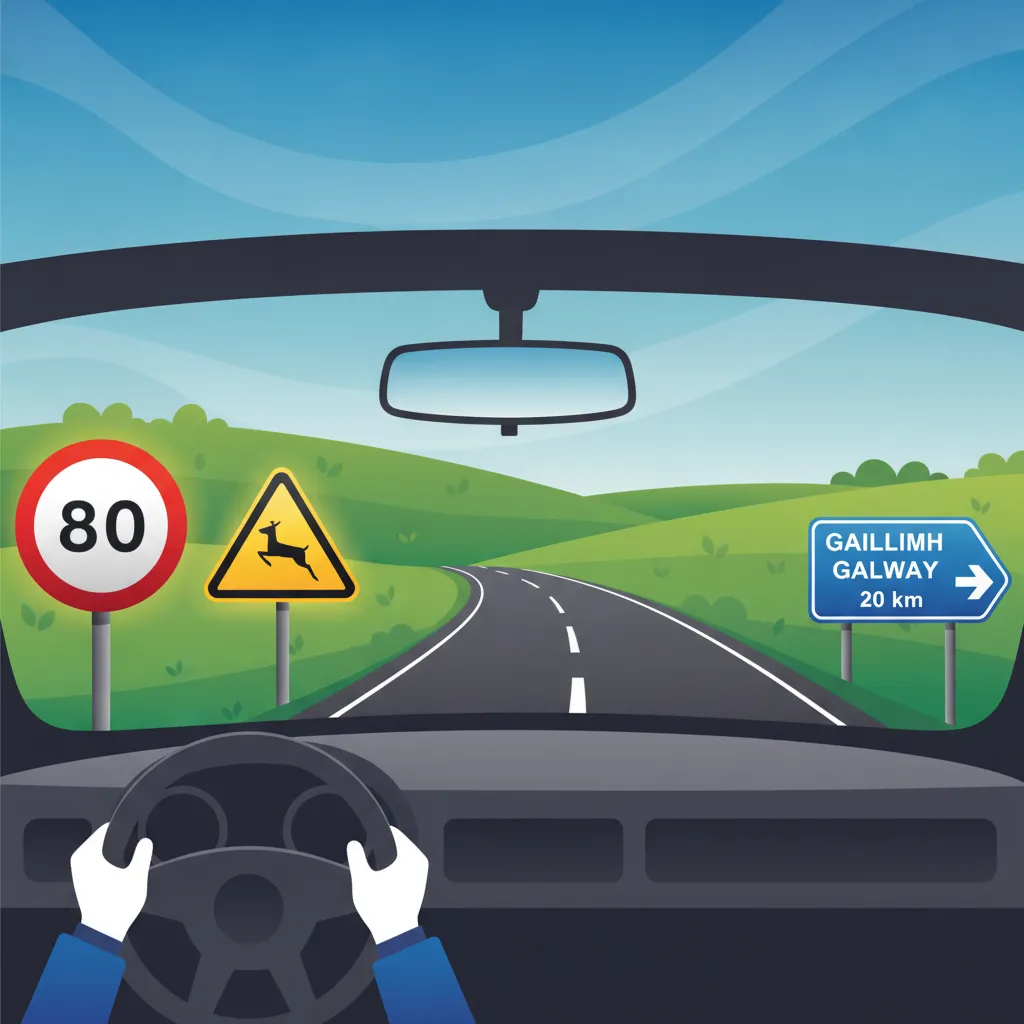
This lesson covers the primary road signs deployed across Ireland, focusing on their shapes, colors, and specific meanings. It details mandatory signs, prohibitive signs, warning alerts for upcoming hazards, and information signs useful for route planning. Category AM riders must recognize these indicators to stay compliant with local traffic laws.
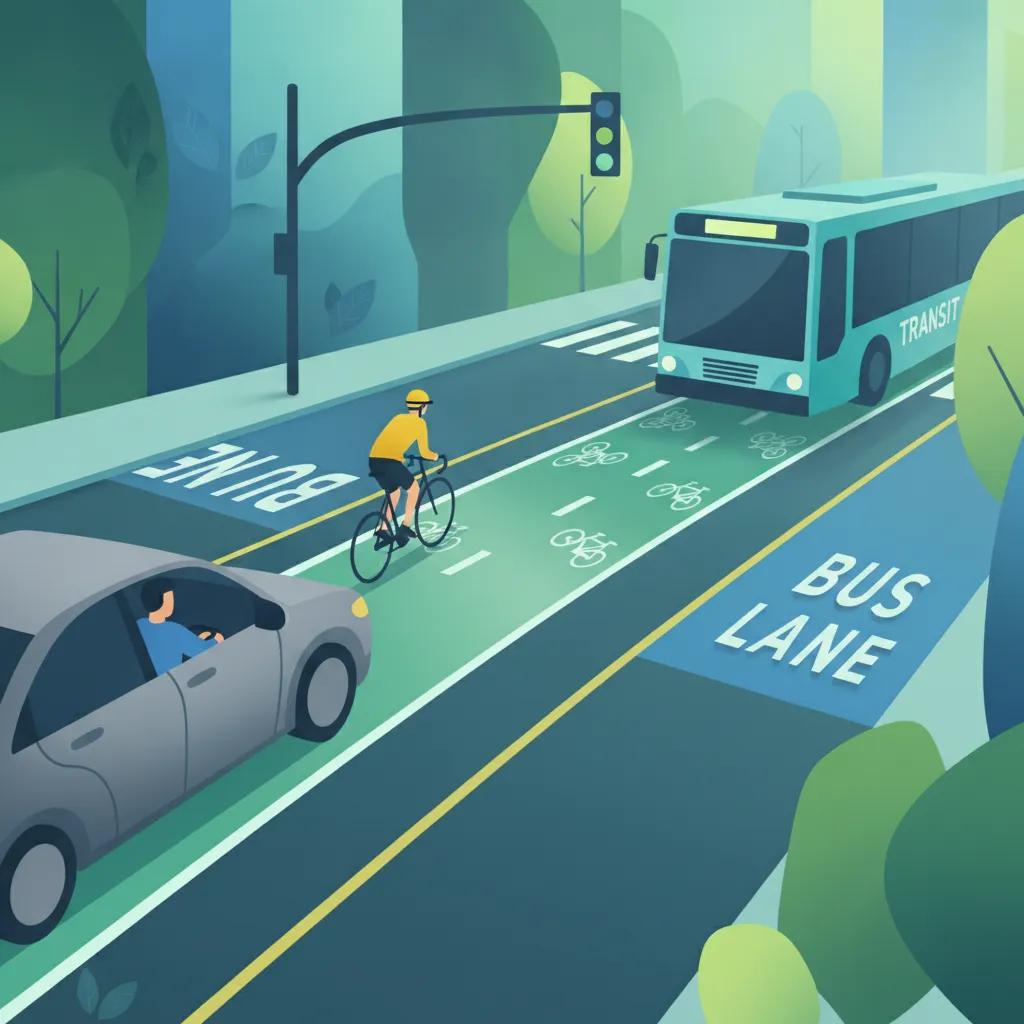
This lesson investigates the specific laws regulating bus and cycle lanes on Irish municipal streets. It clarifies the operational hours of restricted lanes and explains whether Category AM vehicles are allowed access. Understanding these boundaries ensures riders avoid severe penalty fines and share space safely with public transport and cyclists.
Find clear answers to common questions learners have about Penalty Points and Licence Building. Learn how the lesson is structured, which driving theory objectives it supports, and how it fits into the overall learning path of units and curriculum progression in Ireland. These explanations help you understand key concepts, lesson flow, and exam focused study goals.
Yes. Penalty points are applied to your driver record regardless of whether you hold a learner permit or a full licence. If you accumulate 12 points, you will face a period of disqualification.
Penalty points generally remain active on your record for three years from the date of the offence. It is important to drive safely to avoid accumulating points during this period.
Yes. If you are a novice driver or learner, your threshold for disqualification is often stricter depending on the specific regulations in place at the time. Always aim for a clean record to ensure your licence remains valid.
Yes, offences such as dangerous driving, speeding, or using a mobile phone while riding carry significant penalty points and potentially heavy fines. Always check the official RSA website for the current list of offences.
Use the practice question search tool to pinpoint specific topics, road signs, or rules you need to master for your official Driver Theory Test. Refine your study strategy and ensure comprehensive preparation for all aspects of the Irish driving exam. Start your focused revision now and build confidence for your learner permit test.