
This lesson explores the specific rules for navigating bus and cycle lanes on Irish roads as a moped rider. Understanding these access restrictions is crucial for passing your theory test and avoiding penalty points while driving your Category AM vehicle.
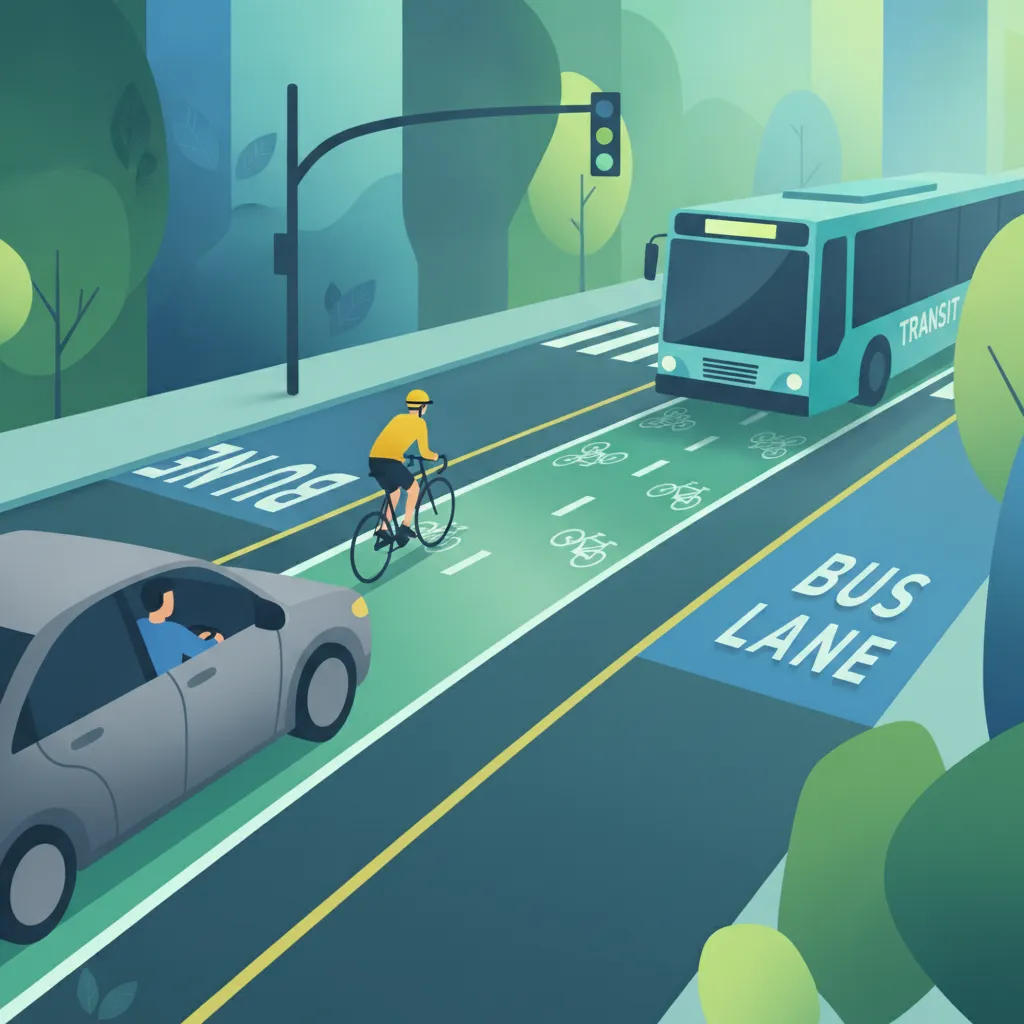
Lesson content overview
Navigating urban environments in Ireland requires a precise understanding of specialized road spaces. As part of your preparation for the Irish Driving Theory Test Course for Category AM, mastering the rules governing bus lanes and cycle lanes is critical.
These lanes are designed to manage traffic flow, prioritize public transport, and protect vulnerable road users. However, for a Category AM rider (operating mopeds or light three- or four-wheeled vehicles with an engine displacement of 50cc or less and a maximum design speed of 45 km/h), entering these restricted zones unlawfully can lead to severe safety risks, heavy fines, and penalty points.
This lesson provides a comprehensive breakdown of Irish road laws, lane markings, signage, and practical safety guidelines to ensure you ride lawfully and defensively in busy municipal areas like Dublin, Cork, Limerick, and Galway.
In urban planning, streets must accommodate diverse transport modes. To encourage sustainable travel, local authorities and Transport Infrastructure Ireland (TII) allocate specific road space to high-capacity public transport (buses) and active travel (cycling).
The primary goals of these designated lanes are:
For Category AM riders, recognizing these boundaries is essential. While your vehicle is compact and operates at lower speeds than standard cars, it is still legally classified as a motor vehicle. It does not share the same operational privileges as bicycles, and mixing with heavy buses in restricted lanes presents distinct physical dangers.
Irish roads feature two primary types of bus lanes: with-flow and contra-flow bus lanes. Understanding the difference in layout, signage, and access is vital to avoiding illegal entry.
A with-flow bus lane runs in the same direction as the adjacent general traffic. It is typically positioned on the far left side of the carriageway.
A contra-flow bus lane runs in the opposite direction to the traffic flow on a one-way street. These lanes allow public transport buses to travel through urban centres more directly without undergoing lengthy detours.
Cycle lanes are dedicated corridors designed to provide a safe space for cyclists. In Ireland, cycle tracks are categorized into two main types, determined by their legal status and road markings.
A mandatory cycle lane is designated for the exclusive use of cyclists.
A non-mandatory cycle lane is a suggested path for cyclists but carries different legal restrictions for general traffic.
A common point of confusion for new Category AM riders is whether their light, low-speed vehicles are permitted to use bus or cycle lanes to bypass heavy traffic.
A motorized vehicle (moped or light quadricycle) with an engine cylinder capacity not exceeding 50cc (or maximum continuous rated power of 4 kW for electric motors) and a maximum design speed of 45 km/h.
Under Irish traffic law, Category AM vehicles are strictly prohibited from using bus lanes and mandatory cycle lanes during their operational hours.
Because a moped is powered by an engine or electric motor and is legally classed as a motor vehicle, it must remain in the general traffic lanes. It cannot use the bus lane as an overtaking lane or the cycle lane as a shortcut.
To understand the law, it helps to look at the physical and psychological reasons behind these restrictions:
Even in severe traffic congestion, you must remain in the standard lanes with other motor vehicles. Filtering or weaving into active bus or cycle lanes to "beat the queue" is illegal and highly dangerous.
The restrictions on bus and cycle lanes do not always apply 24 hours a day. Many lanes are time-restricted, meaning they only operate during peak commuting hours when public transport priority is most needed.
Beside or below a bus lane sign (such as the blue RUS 030 sign), you will often find an accompanying information plate. This plate specifies the exact days and hours when the lane operates.
Identify the Sign: Look for the blue "With-Flow Bus Lane" sign (RUS 030) as you approach the lane.
Read the Information Plate: Check the plate directly below the sign for active days and times.
Check the Clock and Calendar: Determine if the current day and time fall within the restricted hours.
Assess the Markings: Note whether the lane boundary is a solid white line (restricted) or has transitioned to a broken white line (allowing entry for turning).
Make Your Decision: If it is within operational hours, stay in the main traffic lane. If it is outside operational hours, you may safely enter and position yourself on the left side of the lane.
One of the most complex situations an AM rider faces is making a left-hand turn across a bus lane or cycle lane. Because these lanes run along the left margin of the road, any vehicle turning left from the main traffic lane must cross them.
To execute a safe and legal left turn across a restricted lane, follow these steps:
Cyclists travel silently and can quickly enter your blind spots. Never rely solely on your mirrors when turning left across a cycle or bus lane; a physical head-check is essential every single time.
Sharing the road with buses and cyclists requires a high level of hazard perception and defensive riding technique.
Cyclists and buses have the legal right to pass slow-moving general traffic on the left within their dedicated lanes. As a Category AM rider sitting in a queue of stationary or slow-moving cars, you must expect cyclists or buses to come up alongside you on your left-hand side.
Bus stops are major hotspots for pedestrian activity.
Irish weather frequently brings rain, mist, and damp road surfaces. Bus and cycle lanes contain specific physical hazards that become treacherous when wet:
The laws surrounding bus and cycle lanes are strictly enforced by An Garda Síochána, as well as municipal enforcement cameras in major city centres. Illegal driving in a restricted lane is classified as a traffic offence.
If you are caught riding a Category AM vehicle in a bus lane or continuous cycle lane during its operational hours, you face:
To ensure you pass your driving theory test and ride safely on Irish roads, memorize these core principles of bus and cycle lane usage:
This lesson covers the specific rules governing bus and cycle lanes for Category AM riders in Ireland, including the distinction between with-flow and contra-flow bus lanes, mandatory versus non-mandatory cycle lanes, and the strict prohibition on mopeds entering these restricted spaces during operational hours. Learners must understand how to read road markings (solid vs broken white lines), interpret signage with time plates, and apply safe turning procedures using the OSM/PSL routine when crossing these lanes at junctions. The content also addresses defensive riding around buses and cyclists, surface hazards in wet conditions, and the penalty consequences including fixed charge fines and penalty points that can lead to disqualification for learner permit holders.
A short set of high-value points that capture the most important learning from this lesson.
Category AM mopeds are classified as motor vehicles and are strictly prohibited from using bus lanes and mandatory cycle lanes during operational hours
With-flow bus lanes (RUS 030) permit buses, taxis, cyclists, and emergency vehicles; contra-flow lanes (RUS 031) are reserved for buses only with absolute prohibition on mopeds
Mandatory cycle lanes marked with solid white lines are off-limits to all motor vehicles at all times during operation
Bus lane restrictions only apply during specified operational hours shown on time plates—outside these hours the lane functions as normal traffic
When turning left across a bus or cycle lane, you must wait for the broken white line, signal, and perform a physical head-check to detect silent cyclists
Explore all units and lessons included in this driving theory course.
RUS 030 sign indicates with-flow bus lane; RUS 031 sign indicates contra-flow bus lane with stricter access
Look for time plates below bus lane signs—many operate Mon–Sat 07:00–10:00 and 16:00–19:00 only
Solid white line means restricted; broken white line indicates where other vehicles may legally cross
Mopeds travelling at 45 km/h create dangerous speed differentials with cyclists travelling at 15–25 km/h
Never rely solely on mirrors when turning—cyclists travel silently and can quickly enter your blind spots
Assuming a moped can use a cycle lane because it is smaller and slower than other motor vehicles
Not checking time plates and assuming bus lanes are restricted at all hours when some only operate during peak times
Turning left across a solid white line instead of waiting for the broken white line section near junctions
Failing to perform a physical head-check over the left shoulder when turning, relying only on mirrors
Attempting to filter or weave into bus lanes during heavy traffic congestion, believing it is acceptable to avoid queues
Lesson content overview
A short set of high-value points that capture the most important learning from this lesson.
Category AM mopeds are classified as motor vehicles and are strictly prohibited from using bus lanes and mandatory cycle lanes during operational hours
With-flow bus lanes (RUS 030) permit buses, taxis, cyclists, and emergency vehicles; contra-flow lanes (RUS 031) are reserved for buses only with absolute prohibition on mopeds
Mandatory cycle lanes marked with solid white lines are off-limits to all motor vehicles at all times during operation
Bus lane restrictions only apply during specified operational hours shown on time plates—outside these hours the lane functions as normal traffic
When turning left across a bus or cycle lane, you must wait for the broken white line, signal, and perform a physical head-check to detect silent cyclists
Explore all units and lessons included in this driving theory course.
RUS 030 sign indicates with-flow bus lane; RUS 031 sign indicates contra-flow bus lane with stricter access
Look for time plates below bus lane signs—many operate Mon–Sat 07:00–10:00 and 16:00–19:00 only
Solid white line means restricted; broken white line indicates where other vehicles may legally cross
Mopeds travelling at 45 km/h create dangerous speed differentials with cyclists travelling at 15–25 km/h
Never rely solely on mirrors when turning—cyclists travel silently and can quickly enter your blind spots
Assuming a moped can use a cycle lane because it is smaller and slower than other motor vehicles
Not checking time plates and assuming bus lanes are restricted at all hours when some only operate during peak times
Turning left across a solid white line instead of waiting for the broken white line section near junctions
Failing to perform a physical head-check over the left shoulder when turning, relying only on mirrors
Attempting to filter or weave into bus lanes during heavy traffic congestion, believing it is acceptable to avoid queues
Explore search topics learners often look for when studying Bus and Cycle Lanes in Urban Contexts. These topics reflect common questions about road rules, driving situations, safety guidance, and lesson level theory preparation for learners in Ireland.
Browse additional driving theory lessons that cover connected traffic rules, road signs, and common driving situations related to this topic. Improve your understanding of how different rules interact across everyday traffic scenarios.
Learn the essential rules for safe lane positioning and executing turns at junctions in Ireland. This guide covers the observation, signaling, and maneuvering routines required to navigate intersections, roundabouts, and crossings while interacting safely with other road users, including cyclists and public transport vehicles on municipal streets.
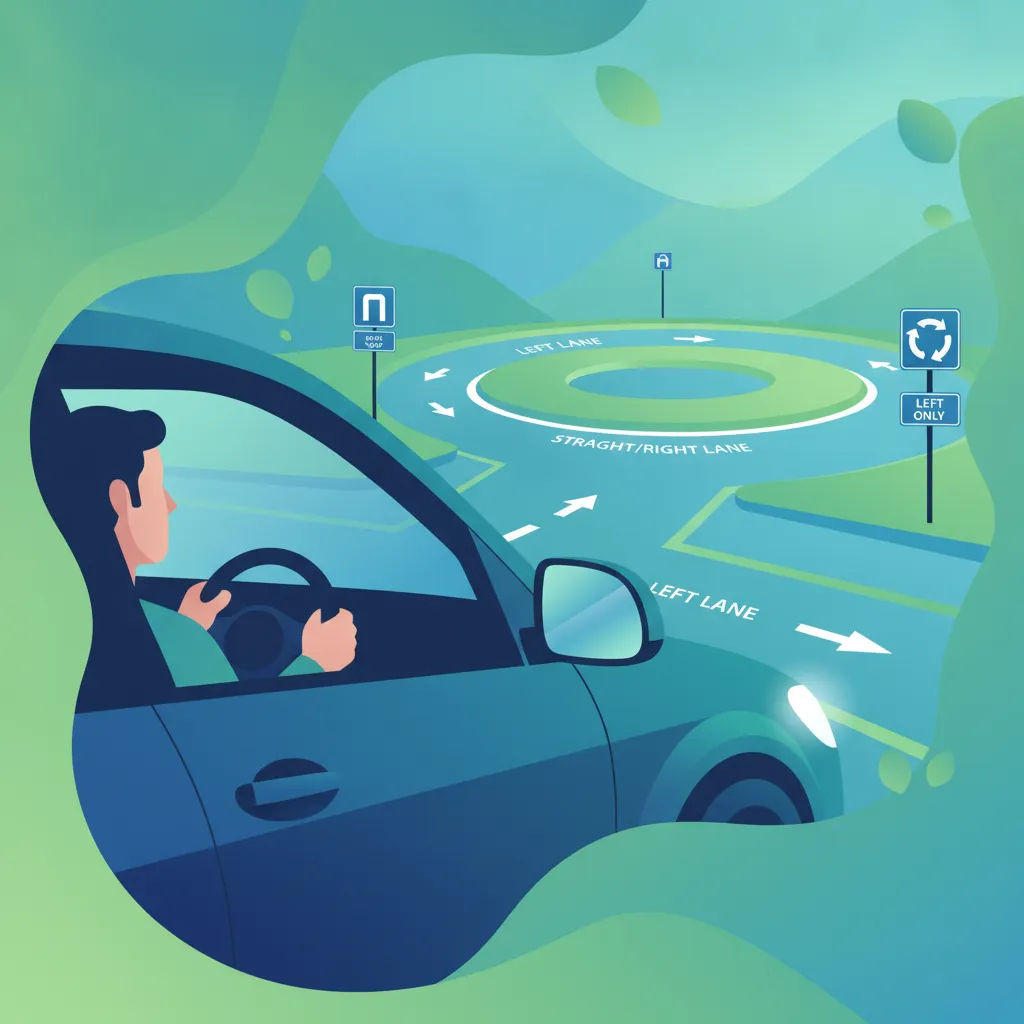
Executing safe turns requires early preparation, correct road positioning, and clear communication with other road users. This lesson focuses on the mandatory Mirror-Signal-Manoeuvre (MSM) routine used across Ireland for turning at cross junctions and navigating roundabouts. You will learn how to choose the correct lane early, adjust your speed, and complete your turn smoothly without cutting corners or blocking trailing vehicles.

This lesson details the sequential steps required to approach and exit junctions safely under the Irish driving rules. It teaches riders how to select the correct lane, utilize mirrors, apply early signals, and reduce speed appropriately. Effective observation strategies are highlighted to help riders identify crossing pedestrians or approaching side traffic.

This lesson focuses on the safe approach and execution of turns at T-junctions, staggered intersections, and blind crossroads. It explains the critical mirror-signal-manoeuvre routine and how to select the best position for maximum visibility to cross-traffic. Motorcyclists will learn to identify potential hazards like vehicles pulling out suddenly or turning across their direct path.

Navigating multi-lane roundabouts requires precise lane selection, continuous scanning, and timely signaling. This lesson teaches you the 'clock rule' for determining which lane to enter, how to yield to traffic already on the roundabout from your right, and when to activate your left indicator to exit. Mastering these procedures minimizes lane-drift accidents and ensures a seamless flow of traffic on busy roundabouts.

Uncontrolled junctions represent a high-risk scenario because they lack physical signs, lines, or lights to dictate priority. This lesson covers the crucial 'priority to the right' principle, where you must yield to any traffic approaching from your right-hand side. You will learn the importance of reducing your speed, preparing to stop, and verifying the intentions of other drivers at these equal-status crossings.

Irish driving theory demands that drivers keep to the left-hand side of the road unless overtaking or turning right. This lesson explains how to maintain consistent lane discipline on multi-lane roads, how to perform safe lane changes, and the dangers of drifting. You will learn the safety sequence of checking mirrors, checking blind spots, signalling, and smoothly executing a lane change without disrupting trailing traffic.

This lesson addresses the mechanical dynamics of turning long-wheelbase and articulated commercial vehicles at intersections, junctions, and roundabouts. It covers the necessity of deep cornering lines, early mirror checks, and correct signaling to warn vulnerable road users of wide turn maneuvers. Drivers will learn how to minimize rear cut-in and ensure the entire vehicle clears urban obstacles safely.

Stop and yield signs require drivers to surrender right-of-way to crossing traffic, but they command different physical actions. This lesson explains that a stop sign mandates a complete, absolute halt behind the line, whereas a yield sign requires you to slow down and stop only if other traffic is approaching. You will learn how to manage restricted visibility at junctions and how to creep forward safely when clear.
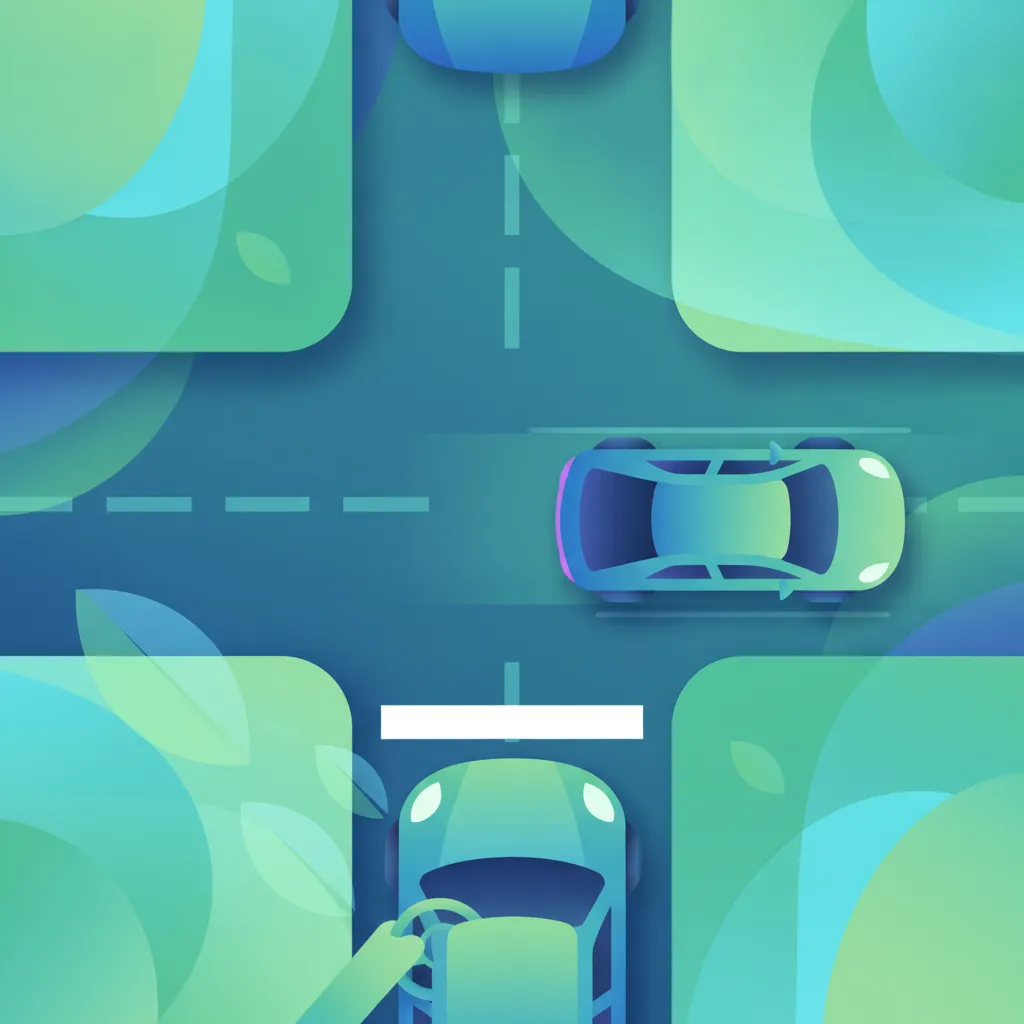
Right-of-way rules establish a clear order of precedence when the paths of two or more vehicles cross. This lesson explains how traffic on a major road has priority over traffic emerging from a minor road, and the general rule of yielding to oncoming vehicles when turning right. You will develop a solid understanding of how to approach intersections defensively, assessing speed and distance to make safe decisions.

The length of a commercial passenger vehicle creates a wide rear-wheel track offset, requiring drivers to swing wide during tight turns. This lesson teaches cornering mechanics, mirror adjustment guidelines, and how to check blind spots for cyclists on the inside lane. Drivers will master intersection control, preventing collisions with stationary street furniture or curbs.
Understand the official Rules of the Road regarding priority at junctions, roundabouts, and signal-controlled crossings. This lesson explains the hierarchy of traffic signs and signals, ensuring you know exactly when to yield and how to interpret traffic lights and markings for safe urban driving and better hazard anticipation.
Uncontrolled junctions represent a high-risk scenario because they lack physical signs, lines, or lights to dictate priority. This lesson covers the crucial 'priority to the right' principle, where you must yield to any traffic approaching from your right-hand side. You will learn the importance of reducing your speed, preparing to stop, and verifying the intentions of other drivers at these equal-status crossings.

Traffic light installations manage complex priority conflicts at urban junctions to ensure the safe and efficient movement of vehicles and pedestrians. This lesson explains the legal meaning of each signal phase, including the exact rules for the amber light and the flashing amber pedestrian phase. You will also learn how green filter arrows grant exclusive right-of-way and how to approach signalised junctions with care.
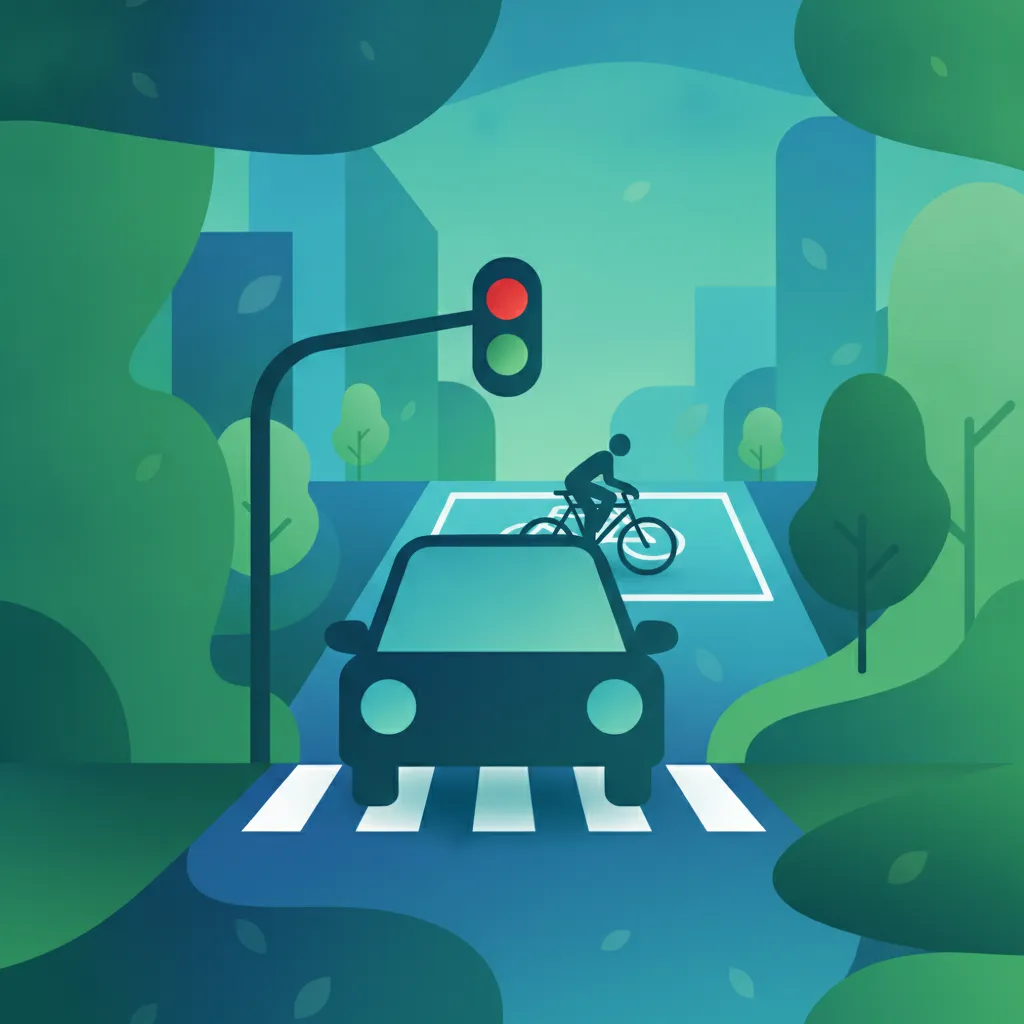
This lesson outlines the standard traffic light sequence in Ireland, detailing the exact legal requirements for red, amber, and green signals. It covers green arrow filters, flashing amber lights, and the specific cycle-friendly traffic signals encountered in urban areas. Recognizing these signals helps riders anticipate traffic patterns and execute safe maneuvers.
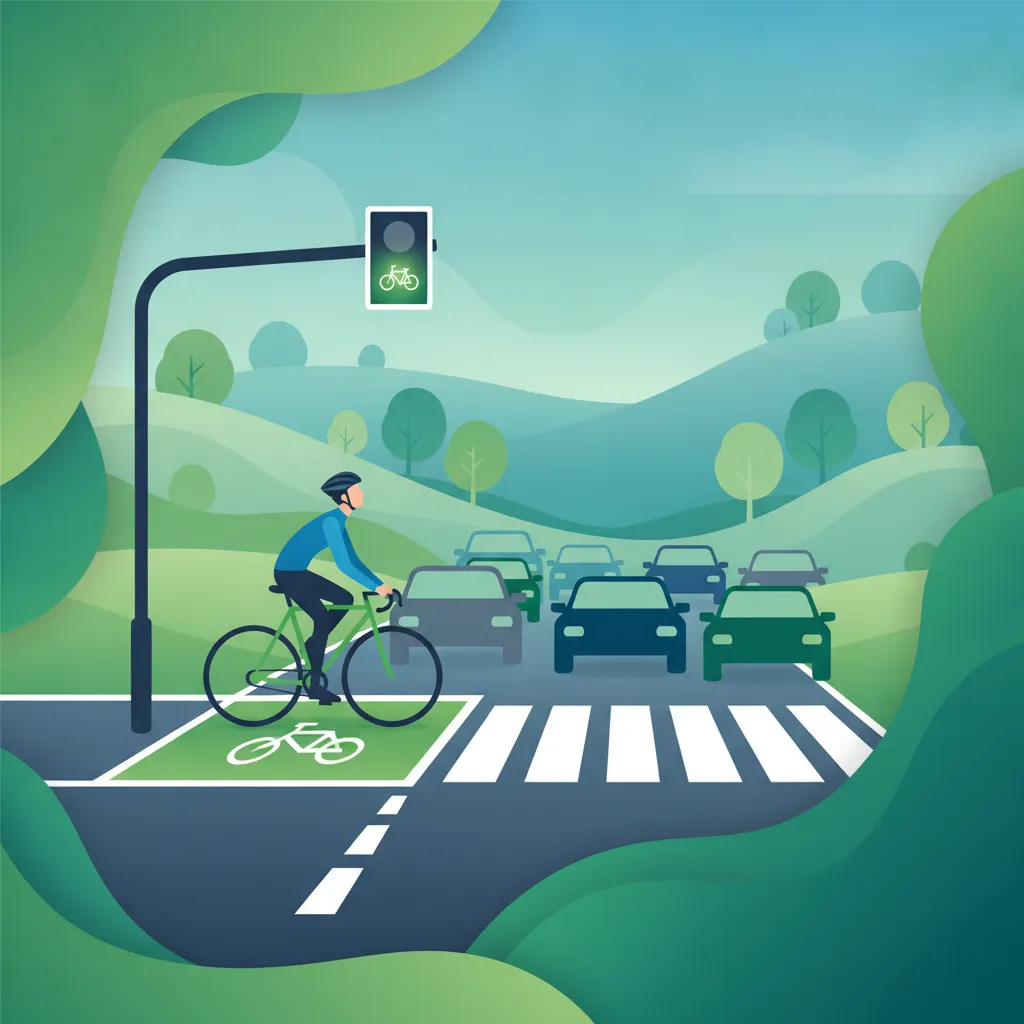
This lesson details the correct sequence and meaning of automated traffic light signals and specialized cycling indicators at Irish intersections. It explains the legal requirements associated with solid red, flashing amber, green filter arrows, and pedestrian crossing lights. Motorcyclists will learn to manage their speed when approaching lights to avoid emergency stops on slippery road surfaces.
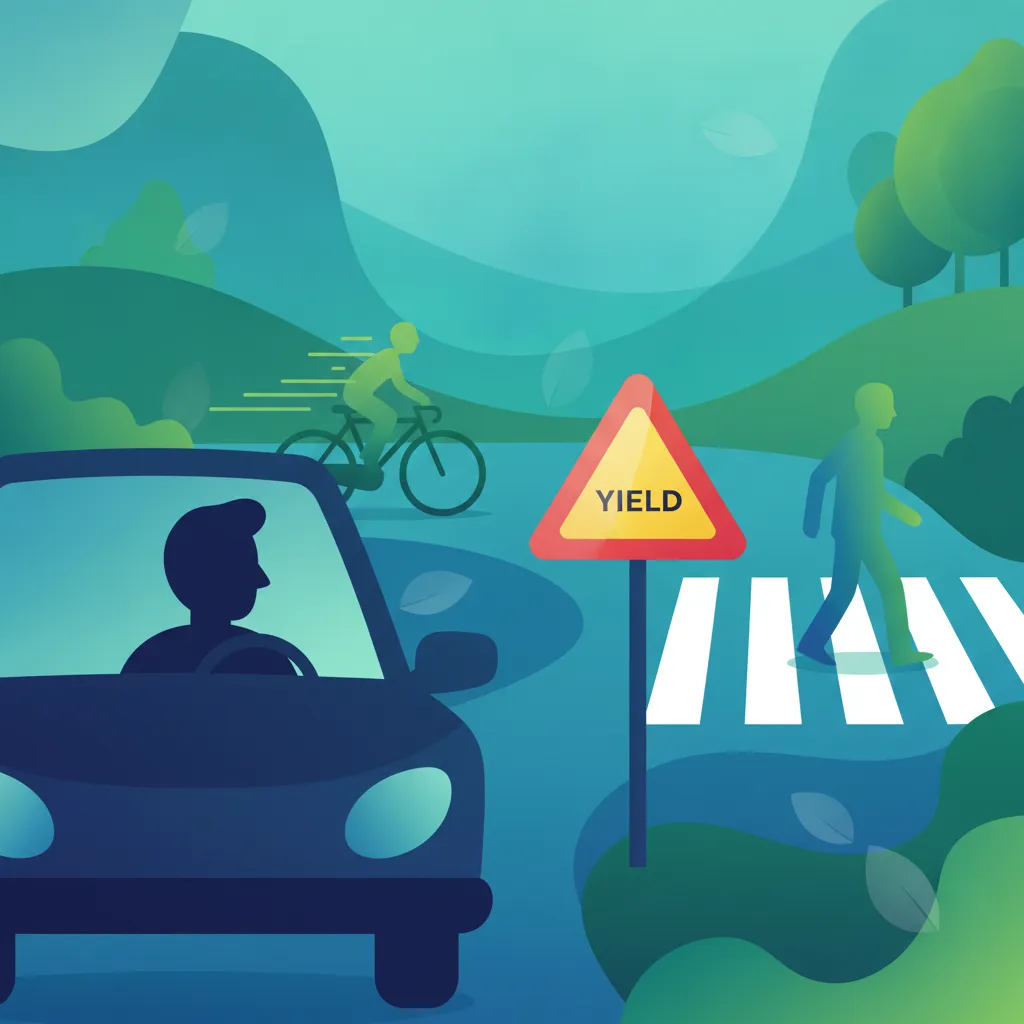
This lesson covers the absolute rules of priority that regulate junctions, roundabouts, and pedestrian crossings in Ireland. It teaches riders when they must yield, who has right-of-way, and how to read Stop and Yield signs correctly. Understanding these priority hierarchies prevents collisions and maintains orderly, predictable movement at busy junctions.

When traffic control is actively performed by a Garda, a school warden, or authorized marshals, their hand signals override all standard traffic lights and road signs. This lesson illustrates the common hand gestures used by officers to stop, release, or slow down traffic. You will learn your strict legal obligation to obey these manual commands, ensuring public safety during emergencies, events, or school crossings.
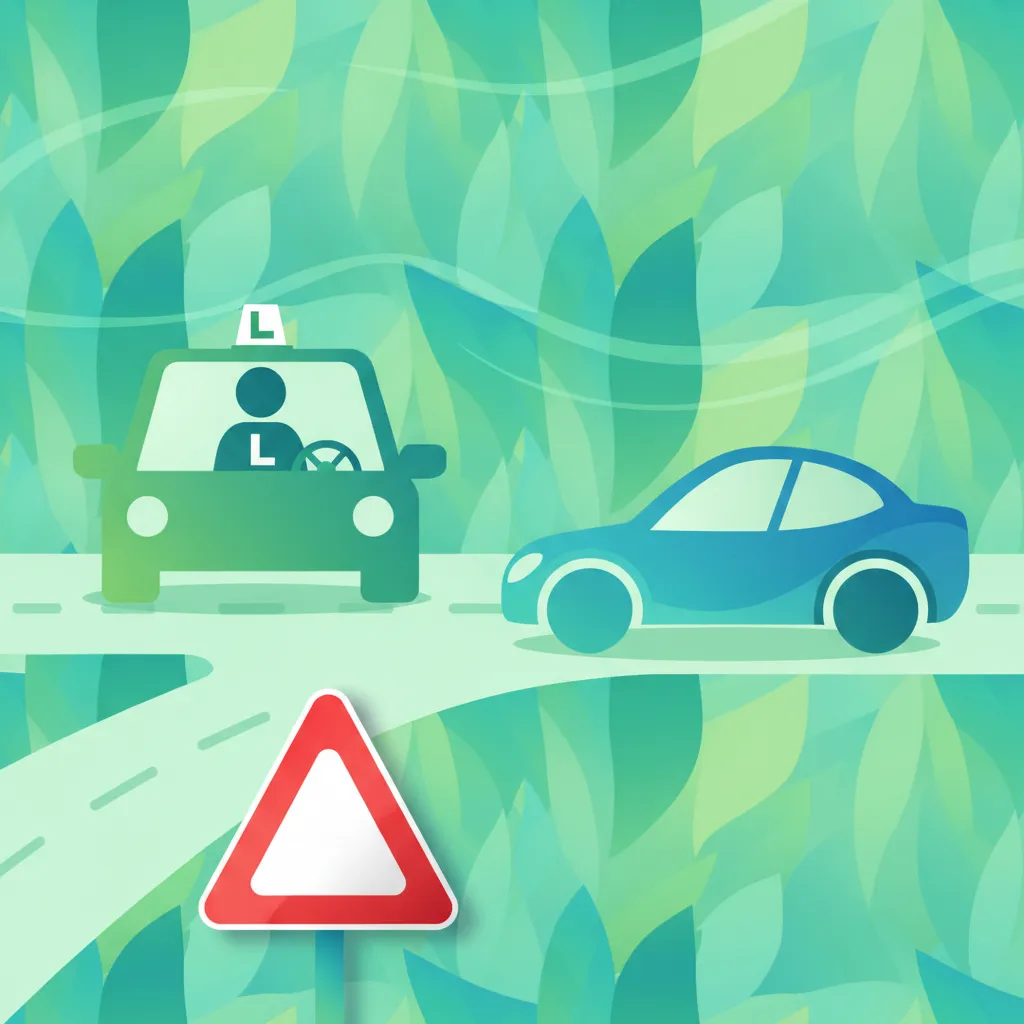
This lesson teaches the fundamental principles of priority and right-of-way at controlled and uncontrolled intersections across Ireland. It explains the legal obligations at yield signs, stop lines, and when meeting oncoming traffic turning across your lane. Motorcyclists will learn to carefully verify other drivers' intentions rather than assuming they will yield the correct right-of-way.
Right-of-way rules establish a clear order of precedence when the paths of two or more vehicles cross. This lesson explains how traffic on a major road has priority over traffic emerging from a minor road, and the general rule of yielding to oncoming vehicles when turning right. You will develop a solid understanding of how to approach intersections defensively, assessing speed and distance to make safe decisions.
Stop and yield signs require drivers to surrender right-of-way to crossing traffic, but they command different physical actions. This lesson explains that a stop sign mandates a complete, absolute halt behind the line, whereas a yield sign requires you to slow down and stop only if other traffic is approaching. You will learn how to manage restricted visibility at junctions and how to creep forward safely when clear.
This lesson details the sequential steps required to approach and exit junctions safely under the Irish driving rules. It teaches riders how to select the correct lane, utilize mirrors, apply early signals, and reduce speed appropriately. Effective observation strategies are highlighted to help riders identify crossing pedestrians or approaching side traffic.
Find clear answers to common questions learners have about Bus and Cycle Lanes in Urban Contexts. Learn how the lesson is structured, which driving theory objectives it supports, and how it fits into the overall learning path of units and curriculum progression in Ireland. These explanations help you understand key concepts, lesson flow, and exam focused study goals.
Generally, you cannot drive in a bus lane during its hours of operation unless specifically permitted by local signs. Always check the times displayed on the bus lane sign, as some lanes are only restricted during peak traffic hours.
Yes, you must never drive in a mandatory cycle track. You should give cyclists plenty of room and ensure your road positioning does not obstruct or endanger them when turning or pulling into the kerb.
Driving in a restricted bus lane is a traffic offence in Ireland. You risk receiving a fixed charge notice and penalty points on your licence, which is especially critical for learner permit holders.
Bus lane signs indicate the specific times and days the restriction is in force. If the time is not active, the lane effectively becomes a standard traffic lane, though you must still exercise caution.
Use the practice question search tool to pinpoint specific topics, road signs, or rules you need to master for your official Driver Theory Test. Refine your study strategy and ensure comprehensive preparation for all aspects of the Irish driving exam. Start your focused revision now and build confidence for your learner permit test.