
This lesson provides a vital foundation for your professional driving career by detailing the legal requirements for Category D and D1 passenger vehicles in Ireland. You will learn the distinctions between licence types and the regulatory procedures required by the NDLS and Road Safety Authority. Understanding these rules is essential for compliance and success in your upcoming theory exam.

Lesson content overview
Operating a passenger-carrying vehicle in Ireland carries immense legal and safety responsibilities. Under Irish road traffic legislation, passenger vehicles are categorized distinctively to ensure that drivers possess the precise skills, physical health, and maturity required to transport the public safely.
This lesson explores the essential differences between the D1, D, D1E, and DE licence categories. It details the legal standards, age limits, medical fitness rules, and National Driver Licence Service (NDLS) procedures necessary to qualify for passenger vehicle operations in Ireland.
Irish law classifies passenger-carrying vehicles based on their passenger capacity, physical dimensions, and whether they tow a trailer.
The Category D1 licence is designed specifically for smaller passenger-carrying vehicles, commonly referred to as minibuses.
A specific driving licence category allowing the holder to operate a minibus designed to carry up to 16 passengers (excluding the driver), with a maximum vehicle length not exceeding 8 metres and a Maximum Authorised Mass (MAM) or Gross Vehicle Weight (GVW) not exceeding 5,000 kg.
The Category D licence is the premier qualification for professional passenger transport, covering full-size transit buses, double-deckers, and long-distance touring coaches.
A driving licence category that permits the operation of passenger vehicles designed and constructed to carry more than 16 passengers in addition to the driver.
Standard Category D1 and D licences only allow you to tow light trailers with a Maximum Authorised Mass (MAM) of 750 kg or less. If your operational requirements involve towing heavier trailers—such as luggage trailers for tourists or equipment trailers for sports teams—you must obtain an "E" designation.
This category authorizes you to drive a Category D1 minibus towing a trailer where the MAM of the trailer exceeds 750 kg.
However, strict legal limits apply to this combination:
This category permits the operation of a full-size Category D bus pulling a trailer with a MAM exceeding 750 kg.
To ensure that commercial passenger drivers possess adequate maturity and road experience, Irish law mandates strict minimum age thresholds for Group 2 (bus and truck) licences.
| Licence Category | Minimum Age Requirement | Special Training Context / Exemptions |
|---|---|---|
| Category D1 | 21 Years | 26 Years (if used for professional driver training without a Learner Permit) |
| Category D1E | 21 Years | Required to hold full D1 before taking D1E test |
| Category D | 24 Years | 26 Years (if used for professional driver training without a Learner Permit) |
| Category DE | 24 Years | Required to hold full D before taking DE test |
While the standard minimum age is 21 for D1 and 24 for D, Irish road traffic regulations stipulate a minimum age of 26 years for individuals operating Category D or D1 vehicles for professional driver training purposes if they are doing so without holding an active learner permit (for example, as an instructor or observer in specific technical setups).
Because bus drivers are responsible for the lives of dozens of passengers, the Road Safety Authority (RSA) enforces rigorous medical fitness guidelines. These standards (known as Group 2 standards) are significantly stricter than those applied to standard car drivers (Group 1).
To secure or renew a passenger vehicle licence, you must undergo a formal medical assessment by a registered GP. The assessment focuses on several core health areas:
Acquiring a Category D or D1 licence requires navigating a structured, progressive licensing framework managed by the National Driver Licence Service (NDLS).
Hold a Category B Licence: You must possess a full, valid Irish or EU Category B (car) driving licence. You cannot jump directly to a bus licence without this driving foundation.
Pass the Theory Test: Sit and pass the official Irish Driver Theory Test specifically for Category D (Bus). This verifies your understanding of specialized bus rules, speed limits, passenger safety, and vehicle weights.
Undergo a Medical Examination: Visit a registered medical practitioner to complete the NDLS Medical Report Form (D501). This form must be signed by the GP within one month of submitting your licence application.
Apply for a Learner Permit: Submit your theory test pass certificate, medical report, and identity verification to the NDLS to secure your Category D or D1 Learner Permit.
Complete Driver CPC (Certificate of Professional Competence): If you intend to drive professionally for hire or reward, you must complete the combined Driver CPC theory and practical tests.
Pass the Practical Driving Test: Undertake professional driving instruction and pass the RSA practical driving test in a vehicle representative of the category you are seeking (D1 or D).
Pass the Trailer Test (Optional): If you require Category D1E or DE, you must first hold the corresponding full licence (D1 or D) and then pass an additional practical trailer towing exam.
To ensure safety on public roads, the Irish state enforces clear rules governing licensing, vehicle configurations, and towing limits.
Failing to understand the legal limits of your passenger licence can lead to severe penalties, invalidation of your insurance, and serious road safety hazards.
A common misunderstanding is assuming a Category D1 licence covers any minibus.
Drivers holding a D1E or DE licence often miscalculate weight limits, leading to dangerous overloading and legal violations.
The physical mass, length, and passenger load of Category D and D1 vehicles change how they interact with the road. Professional drivers must constantly adapt to environmental factors.
In wet, icy, or windy conditions, the driving dynamics of buses and trailers alter dramatically:
This lesson covers the four Irish passenger vehicle licence categories (D1, D, D1E, DE) with specific legal definitions, minimum ages (21 for D1, 24 for D), and weight limits. It emphasises that Category D1 applies only to minibuses up to 8 metres and 16 passengers, while Category D covers larger buses. The lesson details stricter Group 2 medical standards including vision requirements and cardiovascular health, plus the sequential NDLS pathway requiring a Category B licence, theory test, medical form D501, learner permit, Driver CPC, and practical tests. Critical operational pitfalls include the length trap, trailer MAM violations, and learner permit supervision requirements.
A short set of high-value points that capture the most important learning from this lesson.
Category D1 licence covers minibuses up to 16 passengers with a maximum length of 8 metres and GVW of 5,000 kg
Category D licence is required for any passenger vehicle carrying more than 16 passengers, with no upper length limit
The 'E' designation (D1E or DE) allows towing trailers exceeding 750 kg MAM, but the trailer's MAM must not exceed the towing vehicle's unladen weight
Minimum ages are 21 for D1 and 24 for D, with a higher 26-year threshold for professional driver training without a learner permit
All Group 2 licence applicants must pass a medical assessment (form D501) meeting stricter standards than car drivers, including vision acuity of at least 6/7.5 in the better eye
Explore all units and lessons included in this driving theory course.
Always verify vehicle length and passenger count against D1 limits (8m, 16 passengers) because exceeding either threshold automatically requires a Category D licence
Before applying for D1 or D, you must hold or have held a full Category B licence within the preceding five years
If corrective lenses are needed to meet the vision standard, they must be worn at all times while driving and will be noted on the licence
The NDLS learner permit application requires a D501 medical form signed within one month of submission
A D1E or DE licence can only be obtained after first holding the full corresponding base licence (D1 or D)
Assuming D1 covers any minibus without checking the 8-metre length limit—a 8.5m vehicle carrying only 12 passengers still requires Category D
Miscalculating trailer weight limits by comparing Maximum Authorised Mass (MAM) against gross weight instead of the unladen weight of the towing vehicle
Driving a Category D learner permit vehicle without a qualified supervisor who has held a full D licence for at least two years, even if the bus is empty
Believing insulin-dependent diabetes automatically disqualifies a driver when it actually requires rigorous annual medical reviews instead of permanent exclusion
Applying for a D1 or D learner permit without first passing the specific Category D theory test, which is a mandatory prerequisite
Lesson content overview
A short set of high-value points that capture the most important learning from this lesson.
Category D1 licence covers minibuses up to 16 passengers with a maximum length of 8 metres and GVW of 5,000 kg
Category D licence is required for any passenger vehicle carrying more than 16 passengers, with no upper length limit
The 'E' designation (D1E or DE) allows towing trailers exceeding 750 kg MAM, but the trailer's MAM must not exceed the towing vehicle's unladen weight
Minimum ages are 21 for D1 and 24 for D, with a higher 26-year threshold for professional driver training without a learner permit
All Group 2 licence applicants must pass a medical assessment (form D501) meeting stricter standards than car drivers, including vision acuity of at least 6/7.5 in the better eye
Explore all units and lessons included in this driving theory course.
Always verify vehicle length and passenger count against D1 limits (8m, 16 passengers) because exceeding either threshold automatically requires a Category D licence
Before applying for D1 or D, you must hold or have held a full Category B licence within the preceding five years
If corrective lenses are needed to meet the vision standard, they must be worn at all times while driving and will be noted on the licence
The NDLS learner permit application requires a D501 medical form signed within one month of submission
A D1E or DE licence can only be obtained after first holding the full corresponding base licence (D1 or D)
Assuming D1 covers any minibus without checking the 8-metre length limit—a 8.5m vehicle carrying only 12 passengers still requires Category D
Miscalculating trailer weight limits by comparing Maximum Authorised Mass (MAM) against gross weight instead of the unladen weight of the towing vehicle
Driving a Category D learner permit vehicle without a qualified supervisor who has held a full D licence for at least two years, even if the bus is empty
Believing insulin-dependent diabetes automatically disqualifies a driver when it actually requires rigorous annual medical reviews instead of permanent exclusion
Applying for a D1 or D learner permit without first passing the specific Category D theory test, which is a mandatory prerequisite
Explore search topics learners often look for when studying Licence Categories and Legal Framework. These topics reflect common questions about road rules, driving situations, safety guidance, and lesson level theory preparation for learners in Ireland.
Browse additional driving theory lessons that cover connected traffic rules, road signs, and common driving situations related to this topic. Improve your understanding of how different rules interact across everyday traffic scenarios.
Learn the legal frameworks for professional passenger vehicle operation in Ireland including Driver CPC standards. This lesson explains the statutory requirements for professional drivers and the importance of maintaining service quality while adhering to national Road Safety Authority guidelines for commercial vehicle operators.

This lesson covers the absolute legal requirement for professional drivers to keep, update, and display essential transit and driver paperwork. It details the role of the Driver Certificate of Professional Competence, vehicle registration documents, transport logs, and insurance certs. Drivers will learn how to present clear records to Irish Road Safety Authority officers and Gardai during compliance inspections.
This lesson defines the professional duties and high duty of care that drivers must maintain while operating commercial heavy vehicles. It details the legal responsibilities regarding ongoing vehicle fitness, safe cargo securement, and statutory load limits under Irish legislation. Drivers will learn the consequences of neglecting these safety standards under the Irish Road Traffic Act.

This lesson details the specific classifications for goods vehicles including Category C, C1, CE, and C1E in Ireland. It explains the core eligibility requirements, necessary medical fitness evaluations, and the sequential steps for theory and practical testing. Professional drivers will also understand when the Driver Certificate of Professional Competence is legally mandatory.
This lesson reinforces the moral, ethical, and legal expectations of commercial drivers on the Irish public road network. It highlights the most frequent compliance violations, including weight infractions, speed, and incorrect logging, which result in heavy operator fines. By embracing a positive safety culture, professional drivers preserve their career standing, safeguard their licences, and protect all citizens.
Learner drivers in Ireland must adhere to strict operational rules, including the compulsory display of red L-plates and driving under qualified supervision. This lesson outlines your specific duties as a learner, the legal definitions of an accompanying experienced driver, and the elevated safety margins you must maintain on the road. Failing to comply with these learner regulations carries serious legal penalties and delays your progression to a full driving licence.

Violating passenger transport laws can lead to severe operator penalties, heavy fines, and the immediate suspension of driving privileges. This lesson examines common operational infractions, including tachograph violations, overloading offences, and driving with defective tires. Drivers will understand their personal legal liabilities under Irish legislation, supporting long-term safety compliance.
The Road Safety Authority establishes clear operational frameworks to ensure maximum safety in the Irish commercial passenger transport sector. This lesson covers critical guidelines regarding daily vehicle walkaround checks, scheduled maintenance records, and ongoing driver CPC compliance. By studying these official recommendations, drivers will understand how to maintain total legal compliance while elevating transport safety.

The regulatory framework in Ireland imposes strict standards of operation, dimension limits, and speed boundaries on heavy passenger fleets. This lesson reviews vehicle registration tax context, commercial operator licensing laws, and mandatory annual vehicle roadworthiness testing. By understanding these statutory regulations, drivers avoid severe legal infractions and maintain their professional driving credentials.

A driver's daily actions directly impact the safety, customer experience, and overall reputation of the public passenger transport sector. This lesson covers key elements of service quality, including punctuality, polite passenger interactions, and supporting disabled individuals. Drivers will learn to maintain a professional, calm demeanor during challenging shifts, ensuring high service standards.
To legally drive in Ireland, your car must be insured, taxed, and certified as roadworthy through the National Car Test. This lesson details the types of motor insurance cover available, how to display your tax and insurance discs, and the schedule for mandatory NCT inspections. Keeping these documents up to date ensures your vehicle meets national safety and environmental standards, preventing heavy fines or vehicle seizure.
Understand the physical characteristics of buses and minibuses when driving in urban and rural environments. This guide explains how vehicle dimensions, weight distribution, and tail-swing affect steering and braking, helping you anticipate safety risks when maneuvering large passenger vehicles on Irish roads.

As passenger numbers change throughout a service shift, a heavy vehicle suspension, center of gravity, and steering responsiveness adapt dynamically. This lesson covers load balancing, the physical risks of overloading, and how uneven weight distribution compromises stability during turns. Drivers will learn to perform regular axle weight assessments to comply with Irish transport safety rules.
Sudden or jerky vehicle movements can cause immediate discomfort or direct physical injuries to onboard passengers, particularly standing occupants. This lesson teaches progressive throttle control, gradual gear shifts, and smooth steering inputs that stabilize the heavy vehicle body. Drivers will master the technique of progressive braking to ensure comfortable, safe slowing actions at junctions.
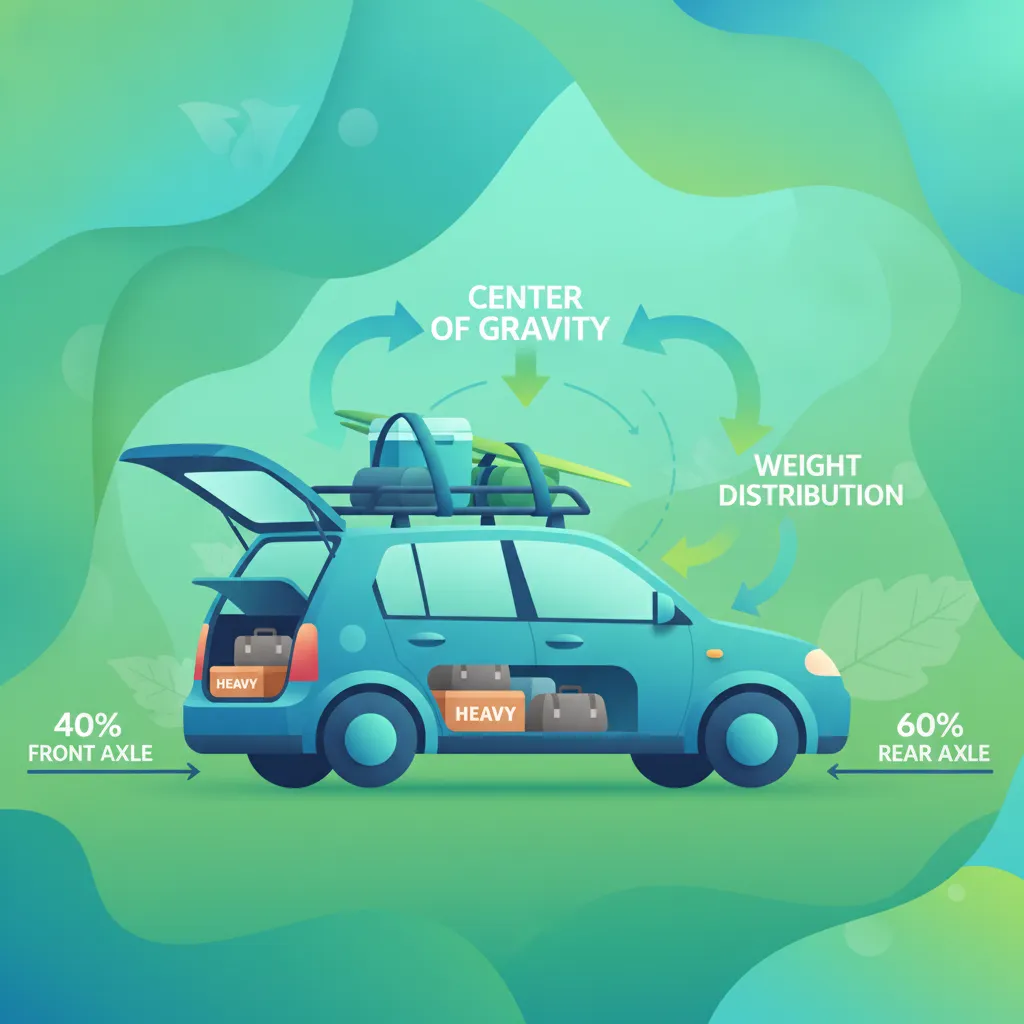
This lesson explains the physical principles of weight distribution and axle overloading on heavy commercial vehicles. It examines how a high centre of gravity increases tipping risks during cornering and alters overall braking effectiveness. Drivers will discover methods for positioning cargo to distribute weight evenly, ensuring optimal steering control and stable vehicle dynamics.
Standing passengers face heightened safety risks due to sudden changes in bus velocity, turning forces, or abrupt stops. This lesson covers maximum standing capacity regulations, correct passenger distribution, and the importance of active handrail utilization. Drivers will learn how to adjust their braking and acceleration patterns to prevent slips, trips, and falls among standing occupants.
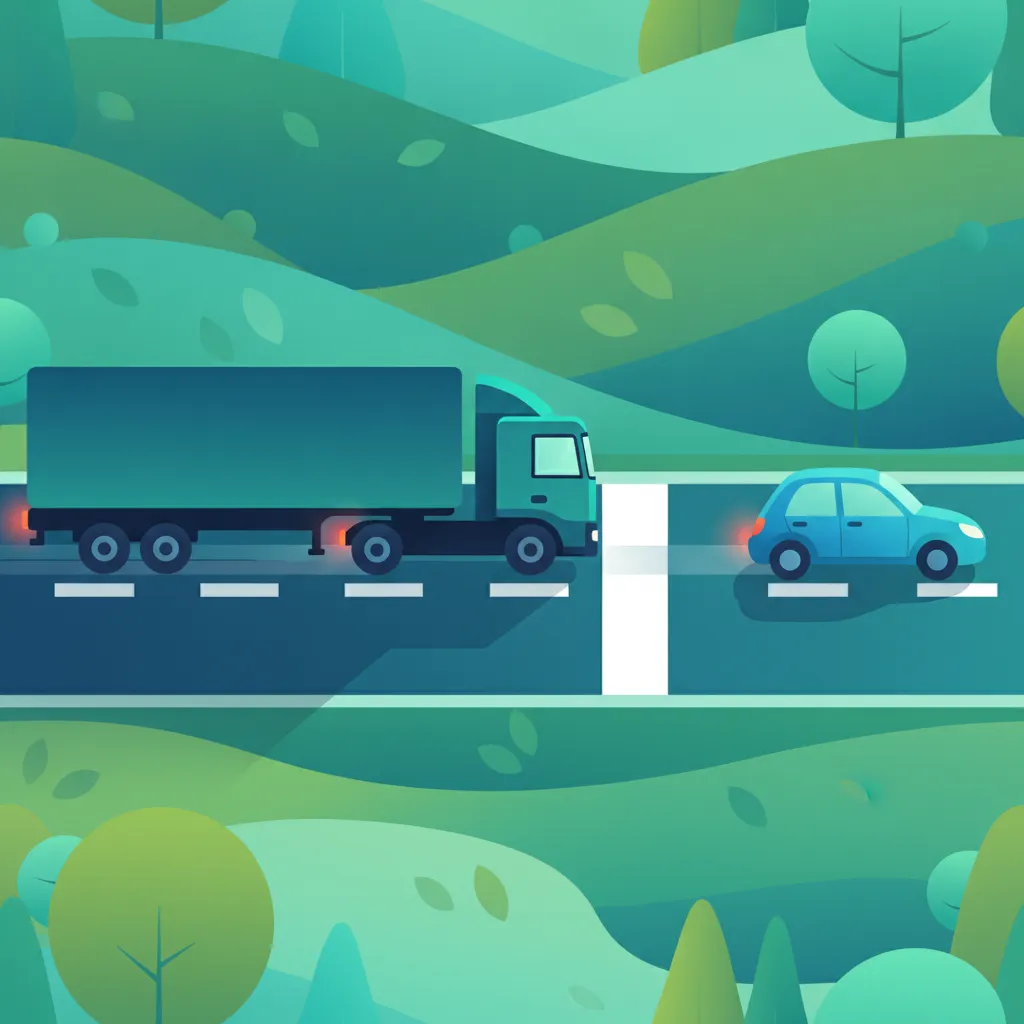
The physical scale of a coach or bus generates significant momentum that demands extensive space to bring the vehicle to a safe stop. This lesson explains vehicle weight mechanics, the physics of kinetic energy, and how center of gravity affects chassis stability during stops. Drivers will learn to assess braking capacity, accounting for wet road conditions and high passenger counts.

Maintaining cabin discipline is critical for preventing driver distractions and ensuring passenger transit remains completely safe and comfortable. This lesson teaches conflict resolution, proactive de-escalation techniques, and the roles of specialized escorts on school or medical transport. Drivers will learn to assess security threats on board and apply the appropriate response protocols under Irish laws.
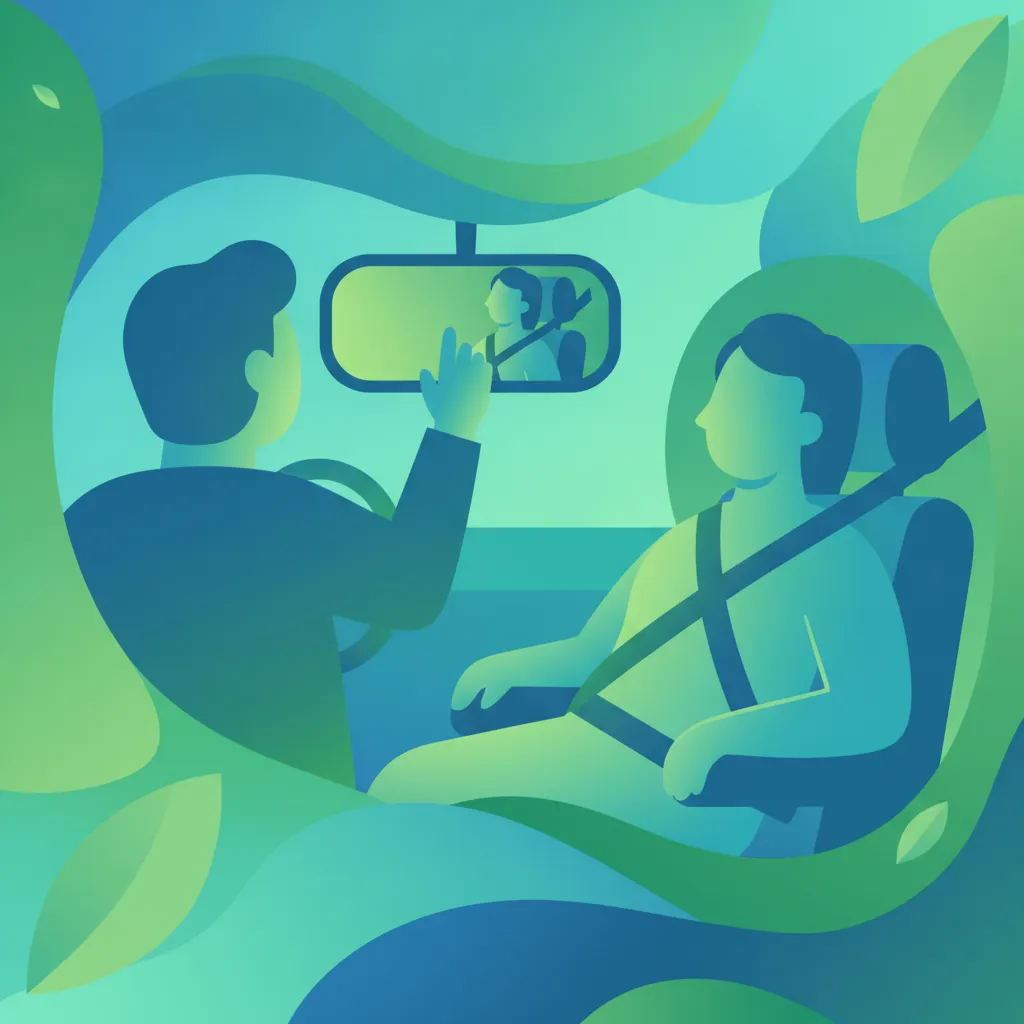
Maintaining high levels of passenger satisfaction requires proactive management of the vehicle internal environment and driving style. This lesson teaches drivers how to control internal heating and ventilation systems, minimize harsh vibrations, and communicate route updates professionally. By optimizing passenger comfort, drivers prevent travel anxiety, reduce motion sickness, and deliver high-quality public service.

Securing passengers and luggage properly is essential to prevent injury during emergency braking, sudden steering inputs, or traffic collisions. This lesson provides instructions on passenger restraint systems, seatbelt laws in Ireland, and wheelchair ramp deployment processes. Drivers will study weight distribution guidelines for luggage compartments to protect the physical stability of the passenger vehicle.
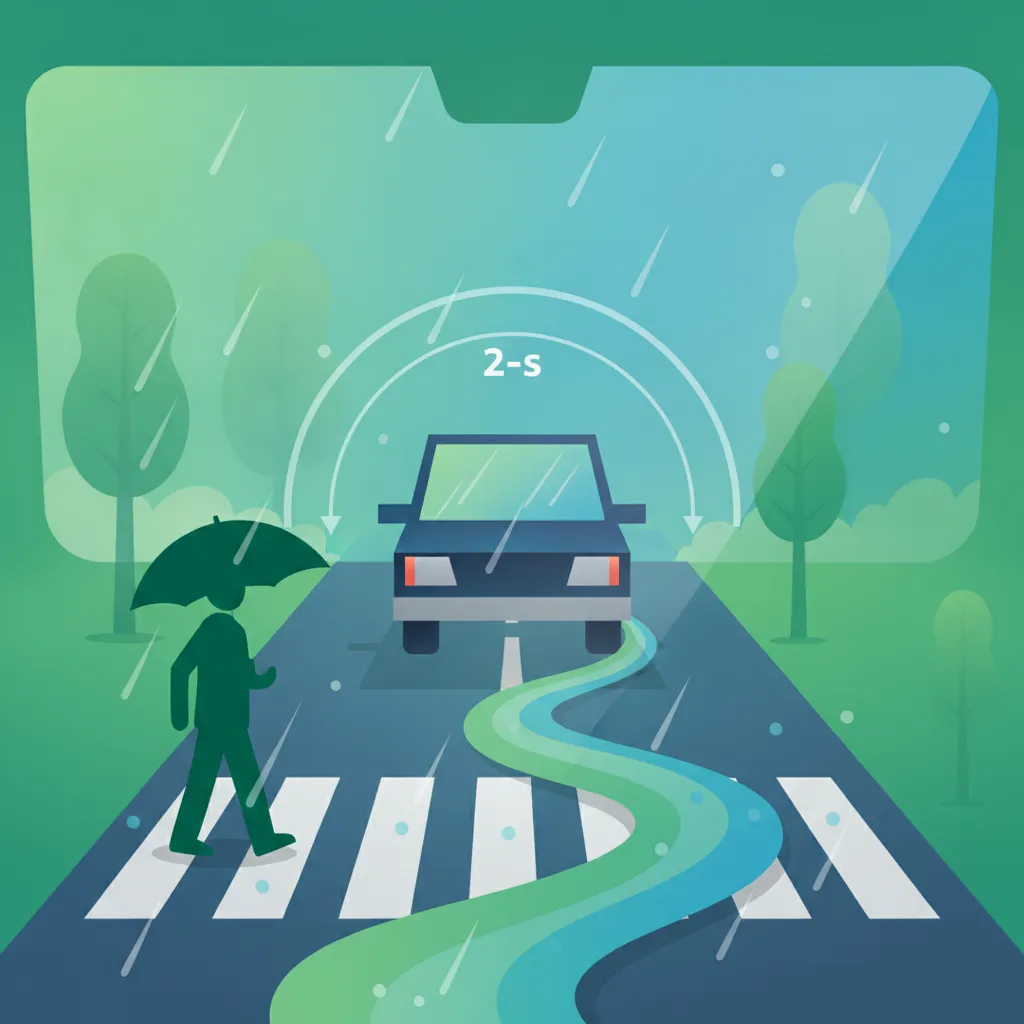
Maintaining an extensive buffer zone ahead of a large passenger vehicle is critical to ensuring enough space for emergency maneuvers. This lesson teaches the time-gap method, detailing how following distances must double on wet roads or increase with full passenger loads. It builds hazard anticipation skills, teaching drivers to read distant traffic cues and react early to hazards.
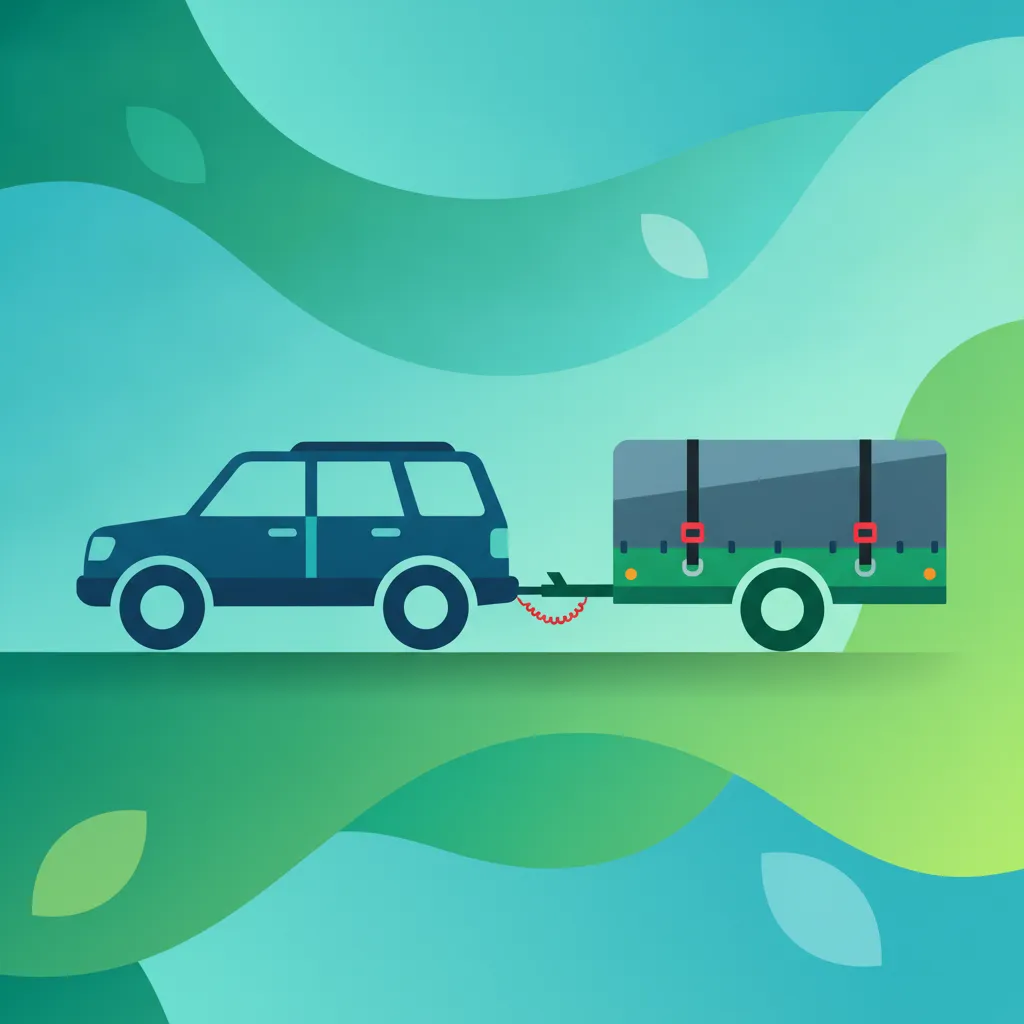
Carrying heavy loads or towing trailers significantly alters a car's handling, acceleration, and braking characteristics. This lesson outlines the physics of load distribution, explaining why you must secure cargo to prevent shifting and keep the vehicle's centre of gravity low. You will learn about legal roof rack weight limits, safe trailer coupling practices, and how to adjust your driving style when towing.
Find clear answers to common questions learners have about Licence Categories and Legal Framework. Learn how the lesson is structured, which driving theory objectives it supports, and how it fits into the overall learning path of units and curriculum progression in Ireland. These explanations help you understand key concepts, lesson flow, and exam focused study goals.
Category D1 is for vehicles designed to carry no more than 16 passengers in addition to the driver, with a maximum length of 8 metres. Category D allows you to drive any bus with more than 8 passenger seats.
Yes, professional passenger vehicle drivers in Ireland must meet higher medical fitness standards. You will need to provide a medical report form signed by a registered medical practitioner as part of your application.
The minimum age for Category D is generally 24 years, although this can be lower if you have completed the full Driver CPC initial qualification. Always verify current RSA regulations for your specific circumstances.
No, a Category B car licence does not cover Category D or D1 passenger vehicles. You must apply for a specific learner permit for these categories and pass the relevant theory and practical tests.
Use the practice question search tool to pinpoint specific topics, road signs, or rules you need to master for your official Driver Theory Test. Refine your study strategy and ensure comprehensive preparation for all aspects of the Irish driving exam. Start your focused revision now and build confidence for your learner permit test.