This lesson explores the professional expectations and ethical responsibilities required of bus and coach drivers in Ireland. It focuses on maintaining public trust and delivering a safe, high-quality service while adhering to strict Road Safety Authority guidelines.
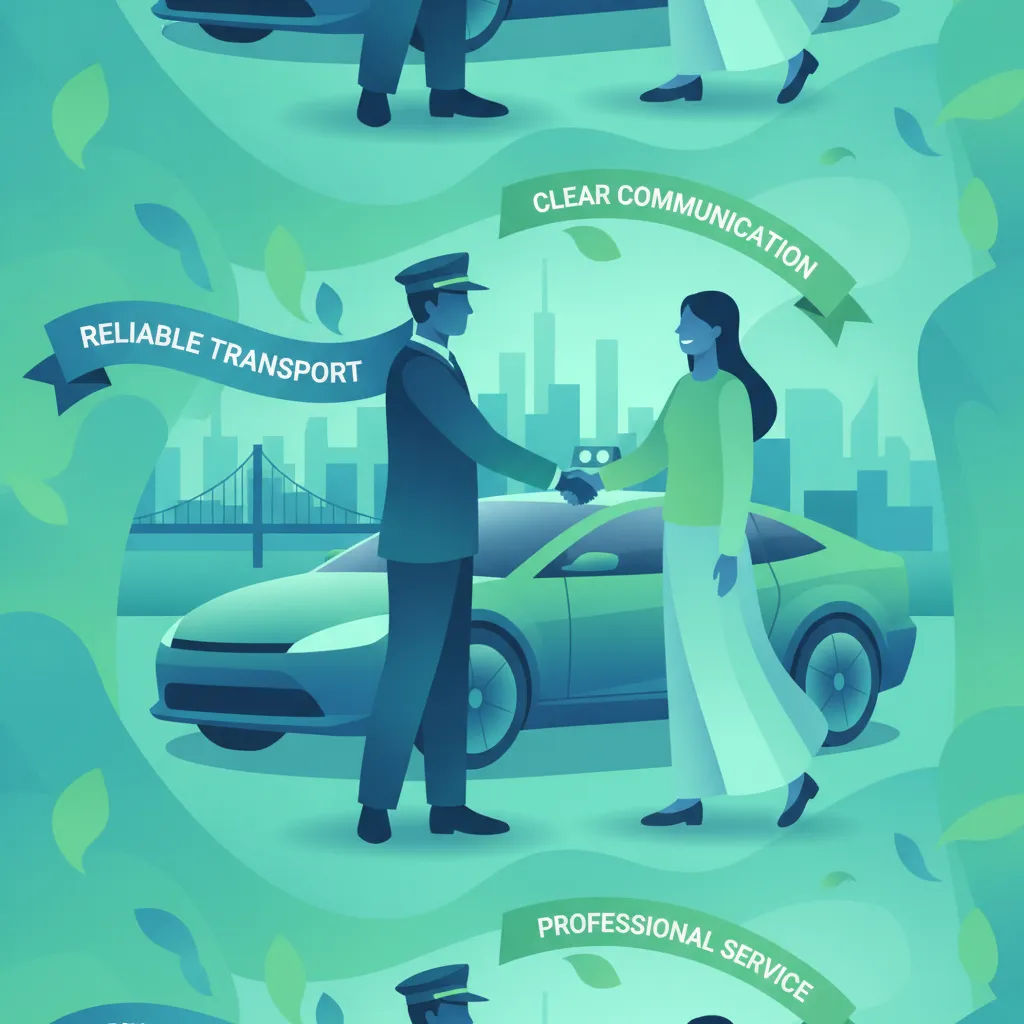
Lesson content overview
Operating a passenger-carrying vehicle, such as a bus or coach under a Category D or D1 licence, carries a deep social and legal responsibility. Unlike private motorists, professional coach and bus drivers in Ireland act as the public face of the transport industry. Every action behind the wheel and during passenger interactions directly influences public confidence, road safety, and the reputation of Irish passenger transport services.
This lesson explores the high standards of professional conduct, ethical behaviour, and public trust required of PCV (Passenger Carrying Vehicle) operators on Irish roads.
Public trust is the confidence that passengers, other road users, and regulatory bodies place in transport services. It is built on three core pillars: safety, reliability, and professionalism.
The collective confidence that the community places in passenger transport services, based on the expectation of consistent safety, operational reliability, and ethical driver conduct.
When passengers board a bus or coach, they entrust their physical safety to the driver. This trust is fragile; it takes years to build but can be shattered in seconds by a single act of negligent driving or unprofessional behaviour.
Maintaining public trust is not just a marketing goal for operators; it is a fundamental safety mechanism. When the public trusts public transport, they are more likely to use it, reducing private car congestion on Irish roads. Furthermore, a trusted driver receives greater cooperation from passengers and other motorists, creating a safer and calmer driving environment for everyone.
Professional passenger transport in Ireland operates under a strict legal framework designed to enforce safety and maintain service quality. Professional drivers must comply with multiple layers of legislation and guidance.
The RSA is the national body responsible for road safety in Ireland. The RSA outlines explicit standards of conduct for professional drivers. This code of practice demands that drivers maintain high standards of personal hygiene, dress in appropriate uniform (or clean, professional attire), drive defensively, and treat all members of the public with dignity and respect.
This Act governs the licensing of road passenger transport operators and establishes strict rules regarding public service vehicles (PSVs). Under this legislation:
The Road Traffic Acts govern all road behaviour. Professional drivers are subject to much higher scrutiny under these laws. Offenses such as dangerous driving, careless driving, or driving under the influence of alcohol or drugs carry severe penalties, including immediate disqualification and the loss of a driver's livelihood.
In Ireland, the penalty point system applies to all drivers, but the consequences for a professional Category D driver are far more critical. A build-up of penalty points can lead to automatic licence disqualification.
Furthermore, transport operators are legally obligated to monitor their drivers' licences. Receiving penalty points for offenses like mobile phone use, speeding, or breaking traffic lights must be reported to the employer and can lead to internal disciplinary action or dismissal.
To maintain public trust and comply with Irish law, Category D drivers must internalise and practice four core principles: Duty of Care, Professional Image, Ethical Conduct, and RSA Compliance.
The duty of care is both a moral and legal obligation to take all reasonable steps to avoid acts or omissions that could foreseeably harm your passengers, pedestrians, cyclists, or other motorists.
First impressions matter. The professional image of a driver sets the tone for the entire journey.
Ethical conduct means doing the right thing even when no one is watching. For a professional driver, this involves:
A professional driver must stay up-to-date with changing road safety guidelines and traffic laws in Ireland. This includes knowing the rules regarding tachograph use, driving time limits, and rest periods, ensuring you never drive while fatigued.
The mental and emotional state of a Category D driver has a direct impact on how safely they operate a large passenger vehicle.
A positive driving attitude is characterized by patience, predictability, and defensiveness. A professional driver accepts that delays, bad weather, and poor behaviour from other road users are routine parts of the job.
Conversely, a negative attitude is marked by impatience, aggression, and competitiveness. This mindset manifests as tailgating, failing to yield, using the horn aggressively, or attempting to "punish" other road users for mistakes.
The Danger of the Horn: In Ireland, the vehicle horn must only be used to warn other road users of an imminent danger or hazard. Using the horn out of frustration or to reprimand another driver is a breach of the Rules of the Road and is highly unprofessional.
Driving a bus or coach in heavy urban traffic, such as in Dublin, Cork, or Galway, while adhering to a tight schedule, can be highly stressful. Stress impairs decision-making and slows reaction times. Professional drivers must develop coping mechanisms:
Excellent customer service is a core component of professional transport. Drivers must be skilled communicators and actively assist passengers with diverse needs.
Clear communication helps manage passenger expectations and reduces anxiety, particularly during disruptions.
Assess the situation safely and find a secure place to stop or wait if necessary.
Use the vehicle’s public address (PA) system or speak clearly to the passengers.
State the cause of the delay (e.g., roadworks, traffic collision) and provide an estimated delay time if known.
Outline the alternative route or plan clearly, reassuring passengers of their safety.
Thank the passengers for their patience and cooperation.
In Ireland, public transport must be accessible to all. Under accessibility regulations and the Disability Act, professional drivers have specific duties to passengers with disabilities, including those with visual, auditory, mobility, or cognitive impairments.
To maintain high standards, drivers must avoid common pitfalls that compromise safety, erode trust, or violate Irish law.
| Violation | Practical Consequence | Legal or Disciplinary Outcome |
|---|---|---|
| Impolite or Abusive Interaction | Passengers feel unsafe; formal complaints are filed. | Internal disciplinary action; damage to operator reputation. |
| Failure to Assist Disabled Passengers | Passengers are excluded from transport; loss of dignity. | Direct breach of the Disability Act; potential civil liability. |
| Neglecting Vehicle Cleanliness | Rubbish and spills cause slips; unpleasant environment. | Negative public perception; health and safety violations. |
| Late Arrival without Communication | Passenger frustration; missed connections. | Loss of public trust and patronage. |
| Misuse of Hazard Warning Lights | Confuses other road users; hides illegal parking. | Fines; increased risk of rear-end collisions. |
| Incorrect Fare Handling or Overcharging | Financial mistrust; accusations of dishonesty. | Dismissal; potential prosecution for theft/fraud. |
| Aggressive Driving (Tailgating/Speeding) | High risk of collisions; passenger discomfort. | Penalty points, heavy fines, driving disqualification. |
| Failure to Report Vehicle Defects | Mechanical failure while in service; accidents. | Loss of operator licence; prosecution under Road Traffic Acts. |
| Passenger Abuse or Harassment | Severe psychological harm to passenger. | Immediate dismissal; criminal prosecution. |
A professional driver must adapt their conduct and driving style to changing environmental and operational conditions.
During heavy rain, ice, snow, or fog, professional conduct shifts toward extreme defensive driving.
Operating in the dark requires adjustments to ensure safety and comfort.
Every choice a driver makes behind the wheel triggers a chain of events. Understanding these cause-and-effect relationships is key to passing the theory test and driving safely in the real world.
The principles of professional conduct do not exist in isolation. They are deeply linked to other modules within this curriculum:
Explore all units and lessons included in this driving theory course.
Lesson content overview
Explore all units and lessons included in this driving theory course.
Explore search topics learners often look for when studying Professional Conduct and Public Trust. These topics reflect common questions about road rules, driving situations, safety guidance, and lesson level theory preparation for learners in Ireland.
Browse additional driving theory lessons that cover connected traffic rules, road signs, and common driving situations related to this topic. Improve your understanding of how different rules interact across everyday traffic scenarios.
Learn the legal obligations for managing passenger well-being, including seatbelt requirements, safe luggage storage, and accessibility standards for disabled passengers. This guide explains the RSA guidelines for maintaining a safe and professional environment for all passengers travelling on public transport vehicles.

Drivers bear the legal responsibility of ensuring that all passengers under seventeen years of age are properly secured in the vehicle. This lesson covers Ireland's strict seatbelt laws and the requirement to use an EU-approved child restraint system appropriate for the child's height and weight. You will learn how to locate ISOFIX anchorage points, fit child seats correctly, and deactivate passenger airbags when using rear-facing seats.

Securing passengers and luggage properly is essential to prevent injury during emergency braking, sudden steering inputs, or traffic collisions. This lesson provides instructions on passenger restraint systems, seatbelt laws in Ireland, and wheelchair ramp deployment processes. Drivers will study weight distribution guidelines for luggage compartments to protect the physical stability of the passenger vehicle.
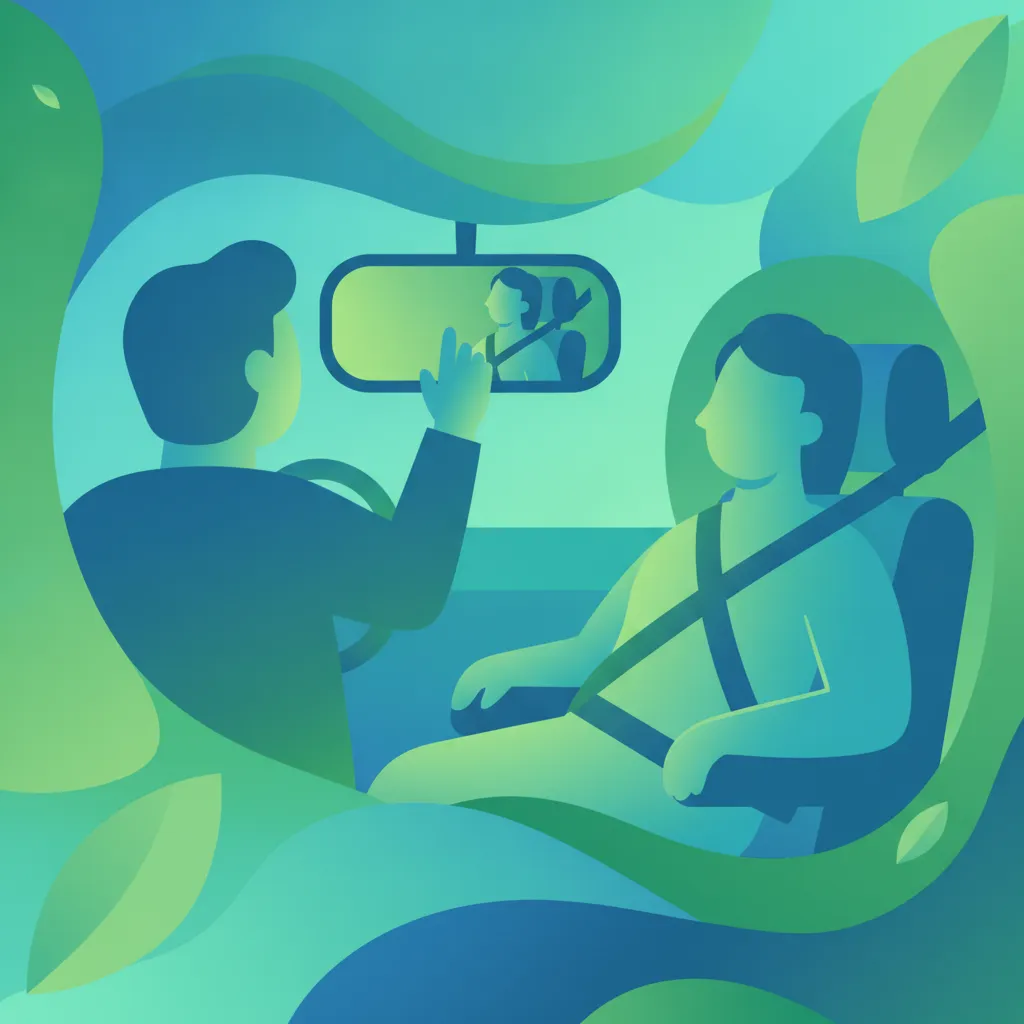
Maintaining high levels of passenger satisfaction requires proactive management of the vehicle internal environment and driving style. This lesson teaches drivers how to control internal heating and ventilation systems, minimize harsh vibrations, and communicate route updates professionally. By optimizing passenger comfort, drivers prevent travel anxiety, reduce motion sickness, and deliver high-quality public service.
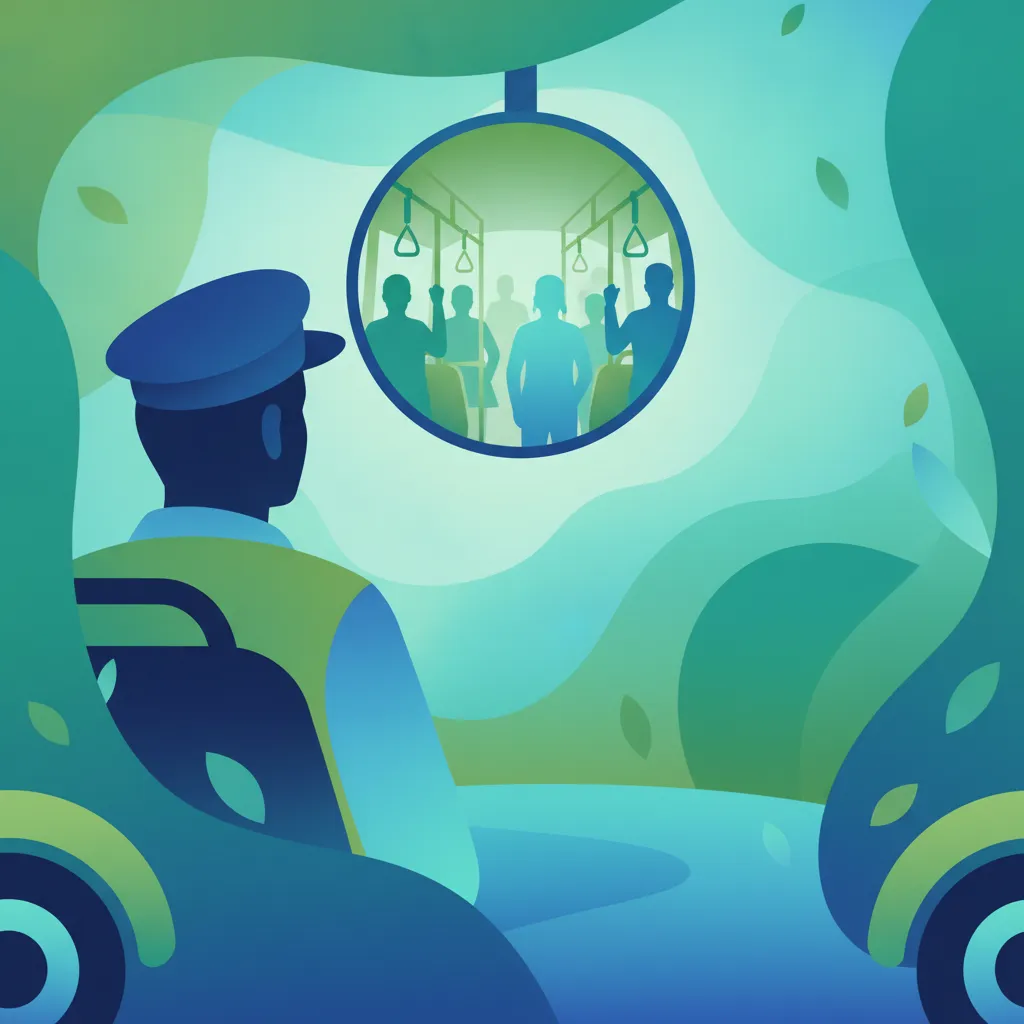
Standing passengers face heightened safety risks due to sudden changes in bus velocity, turning forces, or abrupt stops. This lesson covers maximum standing capacity regulations, correct passenger distribution, and the importance of active handrail utilization. Drivers will learn how to adjust their braking and acceleration patterns to prevent slips, trips, and falls among standing occupants.

Passenger boarding and exiting periods represent a highly critical operational window where slip and fall injuries frequently occur. This lesson outlines safe door opening procedures, the deployment of mechanical boarding steps, and proper handrail holding instructions. Drivers will learn to supervise passenger flow, ensuring passengers clear the immediate exit area before the bus begins moving.

The regulatory framework in Ireland imposes strict standards of operation, dimension limits, and speed boundaries on heavy passenger fleets. This lesson reviews vehicle registration tax context, commercial operator licensing laws, and mandatory annual vehicle roadworthiness testing. By understanding these statutory regulations, drivers avoid severe legal infractions and maintain their professional driving credentials.

Maintaining cabin discipline is critical for preventing driver distractions and ensuring passenger transit remains completely safe and comfortable. This lesson teaches conflict resolution, proactive de-escalation techniques, and the roles of specialized escorts on school or medical transport. Drivers will learn to assess security threats on board and apply the appropriate response protocols under Irish laws.
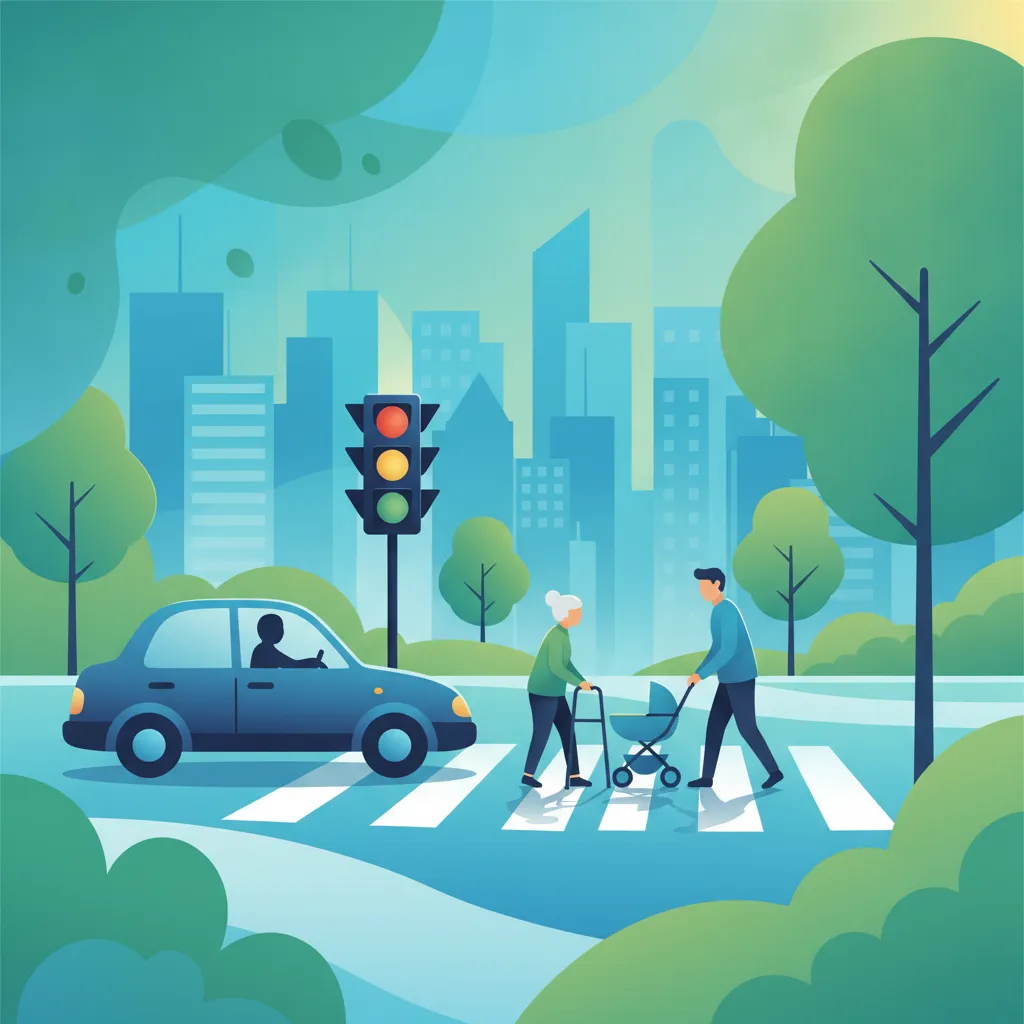
Transporting passengers with mobility impairments, children, or elderly citizens requires specialised communication skills and physical driving adjustments. This lesson reviews safe boarding techniques, wheelchair-accessible vehicle setups, and best practices for supporting passengers with hidden disabilities. It highlights the importance of empathy, patience, and maintaining professional dignity during passenger transport.

When emergencies strike, a passenger driver must remain perfectly calm and execute structured emergency procedures to protect human life. This lesson outlines safety protocols for roadside breakdowns, engine fire isolation, and handling acute passenger medical emergencies. Drivers will learn how to secure the accident scene and report incidents to emergency services as required by Irish law.

Evacuating a coach or bus requires quick, decisive leadership, structured directions, and full use of onboard emergency exits. This lesson details the exact location and operation of emergency glass-breakers, roof hatches, and manual door release systems. Drivers will study crowd management techniques to prevent panic, ensuring all passengers gather at a safe distance from the vehicle.
Understand the legal and moral duty of care professional bus drivers have toward passengers, cyclists, and pedestrians. This overview explores how ethical conduct, risk management, and maintaining composure in stressful traffic situations directly influence public trust and road safety under the Irish Road Traffic Acts.

A driver's daily actions directly impact the safety, customer experience, and overall reputation of the public passenger transport sector. This lesson covers key elements of service quality, including punctuality, polite passenger interactions, and supporting disabled individuals. Drivers will learn to maintain a professional, calm demeanor during challenging shifts, ensuring high service standards.

This lesson delivers a detailed analysis of the legal and moral duty of care that passenger vehicle operators hold in Ireland. Drivers will learn to manage risk effectively, establishing a proactive safety culture that prioritizes vulnerable occupants and external road users. It covers practical methods for protecting passengers during transit, accelerating smoothly, and maneuvering safely in high-risk zones.
Maintaining cabin discipline is critical for preventing driver distractions and ensuring passenger transit remains completely safe and comfortable. This lesson teaches conflict resolution, proactive de-escalation techniques, and the roles of specialized escorts on school or medical transport. Drivers will learn to assess security threats on board and apply the appropriate response protocols under Irish laws.
Maintaining high levels of passenger satisfaction requires proactive management of the vehicle internal environment and driving style. This lesson teaches drivers how to control internal heating and ventilation systems, minimize harsh vibrations, and communicate route updates professionally. By optimizing passenger comfort, drivers prevent travel anxiety, reduce motion sickness, and deliver high-quality public service.
When emergencies strike, a passenger driver must remain perfectly calm and execute structured emergency procedures to protect human life. This lesson outlines safety protocols for roadside breakdowns, engine fire isolation, and handling acute passenger medical emergencies. Drivers will learn how to secure the accident scene and report incidents to emergency services as required by Irish law.
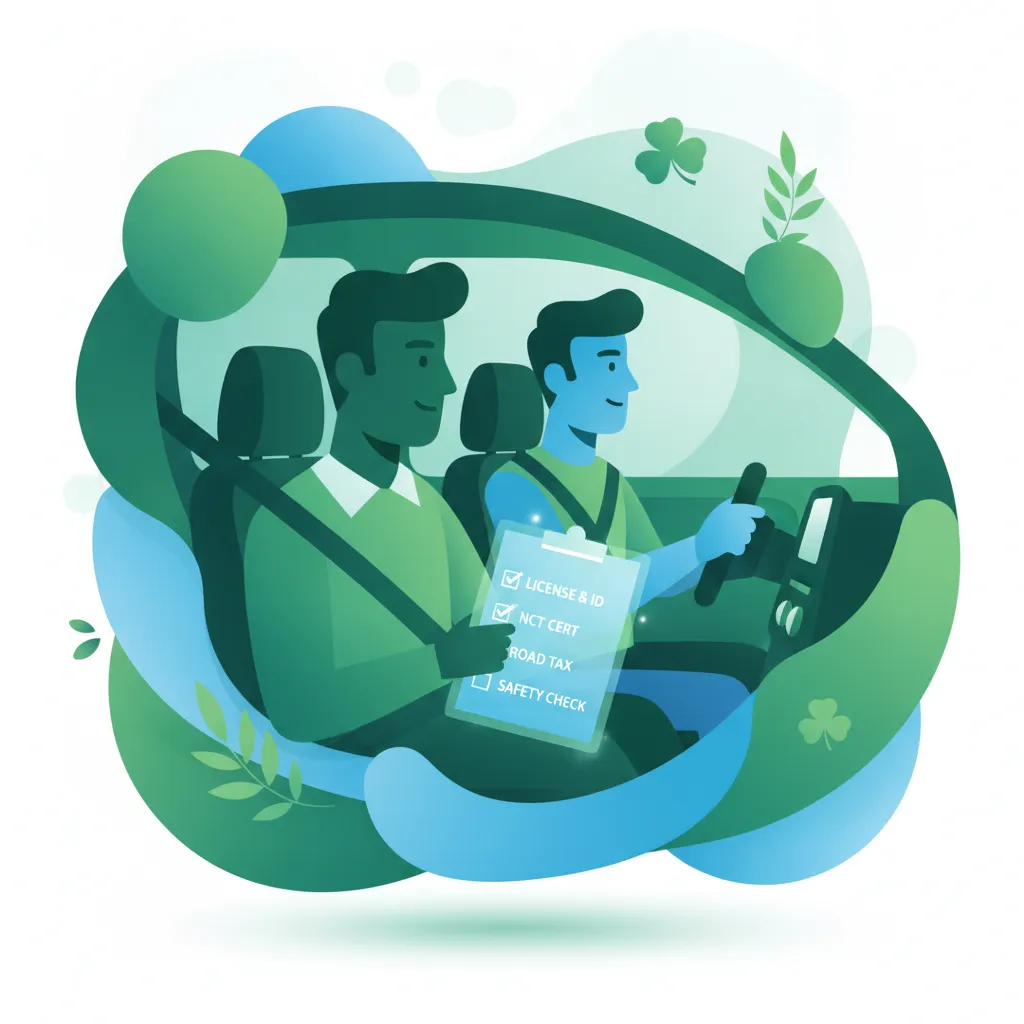
This lesson defines the professional duties and high duty of care that drivers must maintain while operating commercial heavy vehicles. It details the legal responsibilities regarding ongoing vehicle fitness, safe cargo securement, and statutory load limits under Irish legislation. Drivers will learn the consequences of neglecting these safety standards under the Irish Road Traffic Act.
Standing passengers face heightened safety risks due to sudden changes in bus velocity, turning forces, or abrupt stops. This lesson covers maximum standing capacity regulations, correct passenger distribution, and the importance of active handrail utilization. Drivers will learn how to adjust their braking and acceleration patterns to prevent slips, trips, and falls among standing occupants.
Transporting passengers with mobility impairments, children, or elderly citizens requires specialised communication skills and physical driving adjustments. This lesson reviews safe boarding techniques, wheelchair-accessible vehicle setups, and best practices for supporting passengers with hidden disabilities. It highlights the importance of empathy, patience, and maintaining professional dignity during passenger transport.
This lesson reinforces the moral, ethical, and legal expectations of commercial drivers on the Irish public road network. It highlights the most frequent compliance violations, including weight infractions, speed, and incorrect logging, which result in heavy operator fines. By embracing a positive safety culture, professional drivers preserve their career standing, safeguard their licences, and protect all citizens.
Passenger boarding and exiting periods represent a highly critical operational window where slip and fall injuries frequently occur. This lesson outlines safe door opening procedures, the deployment of mechanical boarding steps, and proper handrail holding instructions. Drivers will learn to supervise passenger flow, ensuring passengers clear the immediate exit area before the bus begins moving.
Find clear answers to common questions learners have about Professional Conduct and Public Trust. Learn how the lesson is structured, which driving theory objectives it supports, and how it fits into the overall learning path of units and curriculum progression in Ireland. These explanations help you understand key concepts, lesson flow, and exam focused study goals.
As a passenger vehicle driver, you are responsible for the safety and wellbeing of many people. The RSA emphasizes this to ensure that drivers understand that their behavior directly impacts public trust and safety on Irish roads.
Your primary role is to act as a representative of the transport service. This means maintaining high standards of punctuality, safety, and courteous interaction with all passengers to ensure they feel secure and valued throughout their journey.
Unlike a private car driver, Category D licence holders have an increased duty of care. You must manage not just your vehicle, but the physical and psychological comfort of passengers, which carries higher professional and ethical weight.
Yes, the theory test includes scenarios designed to evaluate your judgement in real-world professional situations. Understanding the ethical framework helps you choose the safest and most professional response in these exam questions.
Use the practice question search tool to pinpoint specific topics, road signs, or rules you need to master for your official Driver Theory Test. Refine your study strategy and ensure comprehensive preparation for all aspects of the Irish driving exam. Start your focused revision now and build confidence for your learner permit test.