
This lesson establishes the legal foundation for your driving journey by explaining the roles of the DVLA and DVSA in Great Britain. You will learn the requirements for holding a Category B licence, including essential medical fitness criteria and the legal status of the Highway Code. Understanding these basics is critical for complying with UK road law and passing your theory test.

Lesson content overview
Navigating the roads of Great Britain legally requires a clear understanding of the rules and regulations that govern driving licences. This comprehensive lesson outlines the statutory framework for obtaining and maintaining a driving licence, with a specific focus on Category B, the standard licence for cars. It delves into the roles of key government bodies, the different types of licences, essential age and medical requirements, and the legal implications of the Highway Code.
Understanding these foundational elements is not just about passing your theory test; it's crucial for safe driving, ensuring compliance, and knowing your rights and responsibilities as a road user in Great Britain. This knowledge forms the bedrock for all subsequent driving practices and theoretical understanding.
The ability to drive on public roads in Great Britain is a privilege granted and regulated by a robust legal framework. This framework is designed primarily for public safety, ensuring that all drivers meet minimum standards of competency, health, and legal compliance. It dictates how licences are issued, maintained, and enforced, integrating various laws and the operational efforts of key agencies.
Driving in the UK is governed by a comprehensive body of law, primarily the Road Traffic Act 1988, alongside numerous secondary legislations like the Road Vehicles (Construction and Use) Regulations 1986. These acts and regulations establish the legally enforceable standards for vehicle use, driver conduct, and licensing. All drivers are legally bound by these provisions, and any breach can lead to severe penalties, including fines, licence endorsements, or even prosecution and licence revocation. This legal consistency across Great Britain ensures a predictable and safer driving environment for everyone.
The Driver and Vehicle Licensing Agency (DVLA) is an executive agency of the Department for Transport (DfT). It acts as the central administrative body responsible for maintaining a comprehensive database of drivers and vehicles across Great Britain. The DVLA issues driving licences, vehicle registration certificates (V5C), and manages changes to driver and vehicle records. Accurate and up-to-date information is vital, as licence holders are legally required to notify the DVLA of any changes that could affect their licence validity, such as a change of address or a medical condition. Failure to do so can result in fines or other legal sanctions.
Another crucial executive agency under the DfT is the Driver and Vehicle Standards Agency (DVSA). While the DVLA handles the administrative side of licensing, the DVSA is responsible for upholding driver and vehicle safety standards. Its primary functions include conducting driving theory and practical tests, enforcing vehicle safety standards through the MOT (Ministry of Transport) test scheme, and providing guidance for driver training. The DVSA ensures that new drivers demonstrate the necessary competency before being granted a full licence and that vehicles on the road are roadworthy.
The Highway Code is a publication by the Department for Transport that provides rules and guidance for all road users, including drivers, cyclists, and pedestrians. While it primarily offers guidance on best practices for safe and responsible road use, many of its rules are directly incorporated into law through specific legislation. This means that non-compliance with these particular rules can lead to prosecution and penalties. It's essential for all drivers to distinguish between advisory guidance and rules that carry legal weight, although adhering to all sections promotes safer driving.
Driving licences are categorised to align a driver's demonstrated competency with the complexity and potential risks associated with different vehicle types. Each category is identified by letters (e.g., A, B, C, D) and may include suffixes.
The most common licence category for the general public in Great Britain is Category B. This licence permits you to drive vehicles with a Maximum Authorised Mass (MAM) of up to 3,500 kg. These vehicles must be designed to carry no more than eight passengers in addition to the driver.
With a Category B licence, you can also tow a trailer, provided its MAM does not exceed 750 kg. If the combined MAM of the vehicle and the trailer is 3,500 kg or less, you can also tow a heavier trailer (over 750 kg), as long as the trailer's MAM is not more than the unladen mass of the towing vehicle.
For many drivers, a Category B licence covers their personal car, smaller vans, and light commercial vehicles. Understanding these weight limits is critical, as exceeding them constitutes a driving offence.
For drivers who need to tow heavier trailers than permitted by a standard Category B licence, the Category B+E entitlement is required. This allows you to drive a Category B vehicle while towing a trailer with a MAM over 750 kg, provided the combined MAM of the vehicle and trailer does not exceed 4,250 kg. Obtaining a B+E licence typically requires additional training and passing a separate practical test.
The maximum weight a vehicle can safely carry, including its own weight, passengers, and cargo, as specified by the manufacturer. It is also sometimes referred to as 'gross vehicle weight' (GVW) or 'permissible maximum weight'.
To obtain and retain a driving licence, specific age and medical fitness criteria must be met. These requirements are in place to mitigate risks associated with inexperience or health conditions that could impair driving ability.
In Great Britain (England, Scotland, and Wales), the minimum age to hold a provisional Category B licence and begin learning to drive a car on public roads is 17 years old. You can apply for a provisional licence from 15 years and 9 months, but you cannot legally drive until your 17th birthday.
In Northern Ireland, the minimum age to drive a car with a provisional licence is 16 years old. It's important for drivers to be aware of these regional variations, especially if travelling between jurisdictions. Unsupervised driving or driving below the minimum age is illegal and can lead to severe penalties.
Drivers must meet specific health standards to obtain and retain a driving licence. All applicants are required to make a medical declaration, confirming they meet the eyesight requirements and do not have any medical conditions that would prevent them from driving safely. Certain medical conditions, such as epilepsy, severe diabetes, or specific visual impairments, require a formal medical report from a doctor and notification to the DVLA.
Failure to disclose a medical condition that could affect your driving ability is a serious offence. It can lead to prosecution, fines, and even invalidation of your insurance policy if you are involved in an accident. Always report any changes to your health to the DVLA promptly.
The DVLA may impose restrictions on your licence (e.g., requiring glasses) or even revoke it if a medical condition makes you unfit to drive. Regular medical reviews may also be required for certain conditions, especially as drivers get older.
Understanding the distinct functions of the DVLA and DVSA is fundamental for all drivers, especially learners.
The DVLA is your primary point of contact for all administrative aspects of your driving licence. Its functions include:
Applying for a new provisional or full licence.
Renewing your driving licence every 10 years (or more frequently for older drivers or specific medical conditions).
Notifying them of any change of address within 14 days.
Reporting any medical condition that may affect your driving ability.
Updating your name or gender on your licence.
Failing to keep your details updated with the DVLA can lead to complications with enforcement, fines, and issues with your licence validity.
The DVSA is responsible for ensuring that drivers are competent and that vehicles are safe to use. Its key functions include:
You must pass the DVSA theory test before you can book your practical driving test. Both tests assess your knowledge and skills to ensure you are a safe and competent driver.
A thorough understanding of the specific rules and regulations is paramount for safe and legal driving.
When driving on a provisional Category B licence, specific restrictions apply to ensure safety and facilitate the learning process.
A full Great Britain driving licence is generally valid for 10 years. You will receive a reminder from the DVLA when your licence is due for renewal. It is the driver's responsibility to ensure their licence is valid. Driving with an expired licence is illegal and can result in fines and insurance complications. Drivers aged 70 and over must renew their licence every three years, though they do not have to retake their driving tests.
Penalty points are added to a driving licence for certain traffic offences. The number of points awarded depends on the severity of the offence.
Being aware of common violations can help you stay compliant and safe on the roads.
While the core legal framework remains constant, specific driving situations can influence how rules are applied or perceived.
The entire legal framework for driving in Great Britain is built upon principles designed to enhance safety and manage risk.
The legal framework and licence categories for driving in Great Britain are designed to ensure public safety through a system of competency, compliance, and enforcement. As a Great Britain Category B learner driver, mastering this legal landscape is fundamental. This includes understanding the specific requirements for your licence, the roles of the DVLA and DVSA, the legal weight of the Highway Code, and the consequences of non-compliance. By internalizing these rules and principles, you not only prepare effectively for your theory and practical tests but also lay the groundwork for a lifetime of responsible and safe driving.
Explore all units and lessons included in this driving theory course.
Lesson content overview
Explore all units and lessons included in this driving theory course.
Explore search topics learners often look for when studying Legal Framework and Licence Categories. These topics reflect common questions about road rules, driving situations, safety guidance, and lesson level theory preparation for learners in Great Britain.
Browse additional driving theory lessons that cover connected traffic rules, road signs, and common driving situations related to this topic. Improve your understanding of how different rules interact across everyday traffic scenarios.
Understand all UK driving licence categories, including Category B and B+E. Learn about vehicle classifications, weight limits, and specific entitlements for different vehicle types in Great Britain.
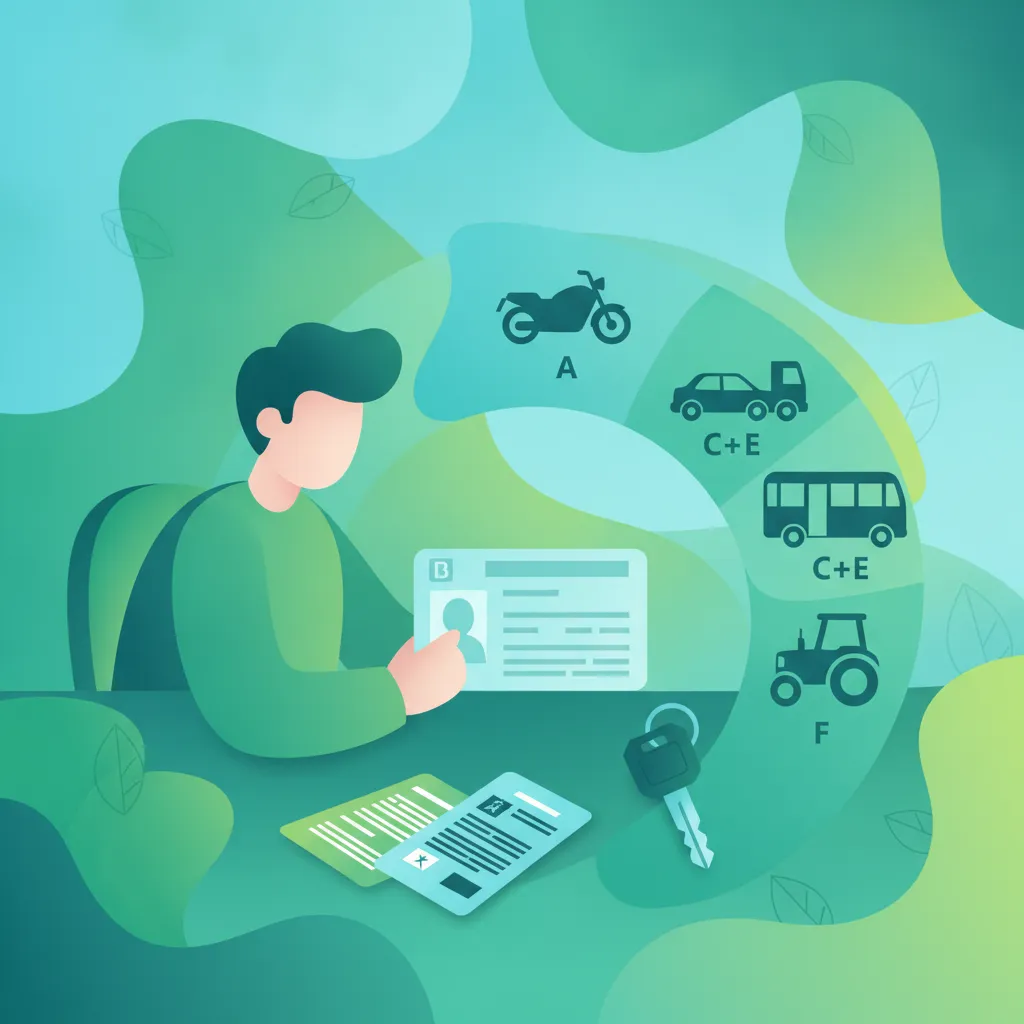
This lesson explains the different motorcycle licence categories in Great Britain, including A1, A2, and the unrestricted Category A. It details the specific age requirements, power and engine size restrictions, and the mandatory training progression set by the DVSA. Learners will understand the entitlements and limitations of each licence, ensuring they follow the correct legal path to becoming a qualified rider.

This lesson provides a clear overview of the primary goods vehicle licence categories: C1, C, C1E, and CE. It explains the specific vehicle types, weight thresholds, and axle configurations permitted for each classification. You will learn about the DVSA's regulatory framework, including the essential age and medical fitness criteria for eligibility, as well as the steps for obtaining a full licence. Understanding these legal definitions is fundamental for ensuring compliance and safety.
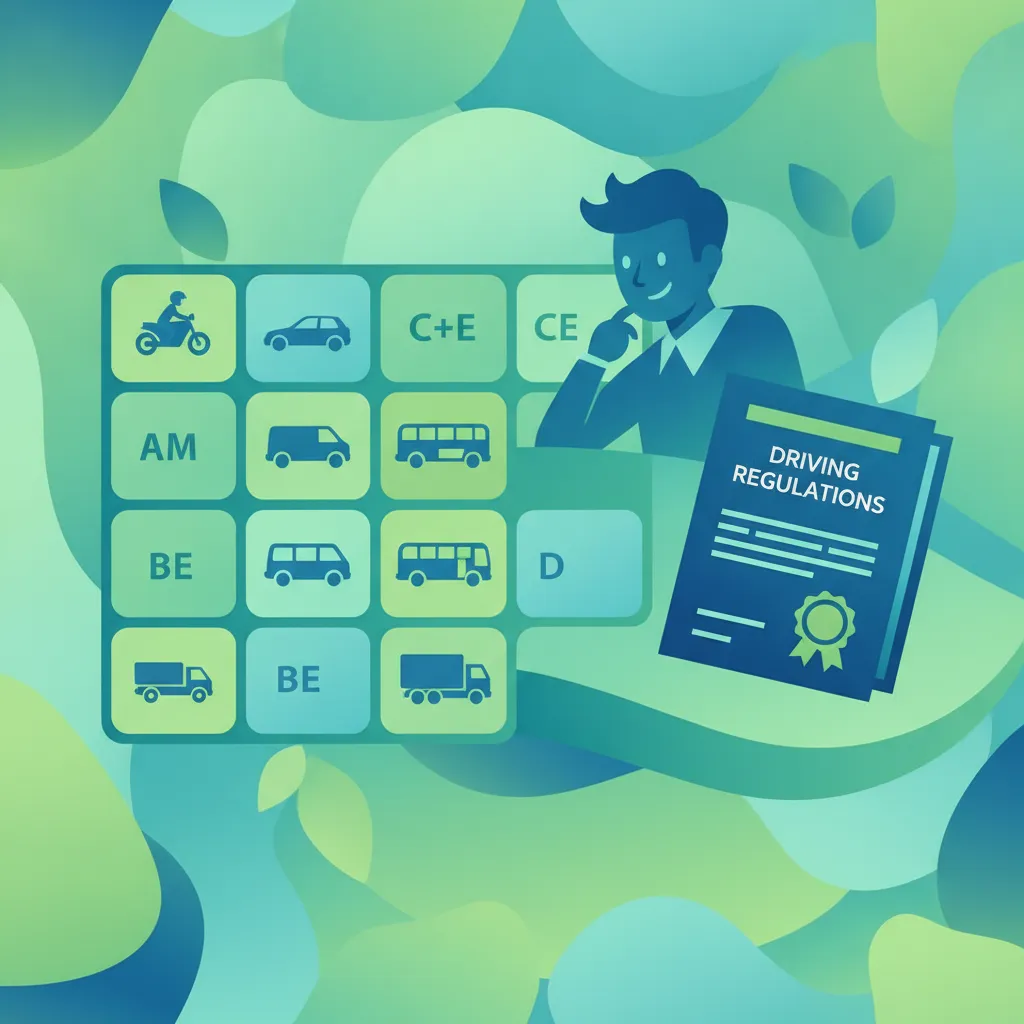
This lesson provides a comprehensive overview of the four passenger vehicle licence categories: D1, D, D1E, and DE. It details the specific legal criteria, vehicle types, and eligibility requirements for each. Learners will understand how DVSA theory test mandates intersect with DVLA licensing procedures, clarifying the privileges and limitations of each category. The content also explains the key statutory provisions from the Highway Code that govern passenger vehicle operation in Great Britain.
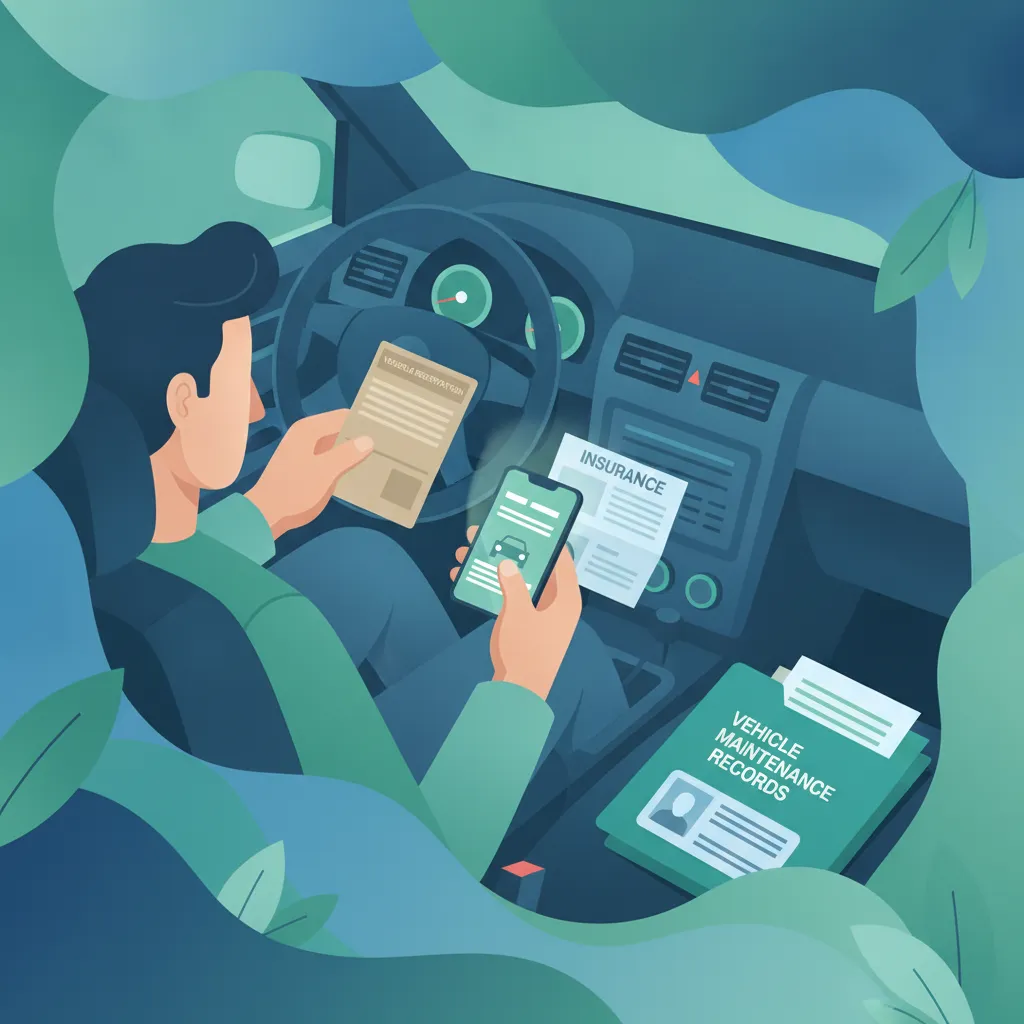
This lesson details the crucial documentation required for legal driving in the UK. It explains the purpose of the V5C registration document, the MOT test certificate, and proof of insurance and road tax (Vehicle Excise Duty). You will learn where to keep these documents and when you might be required to present them to authorities.
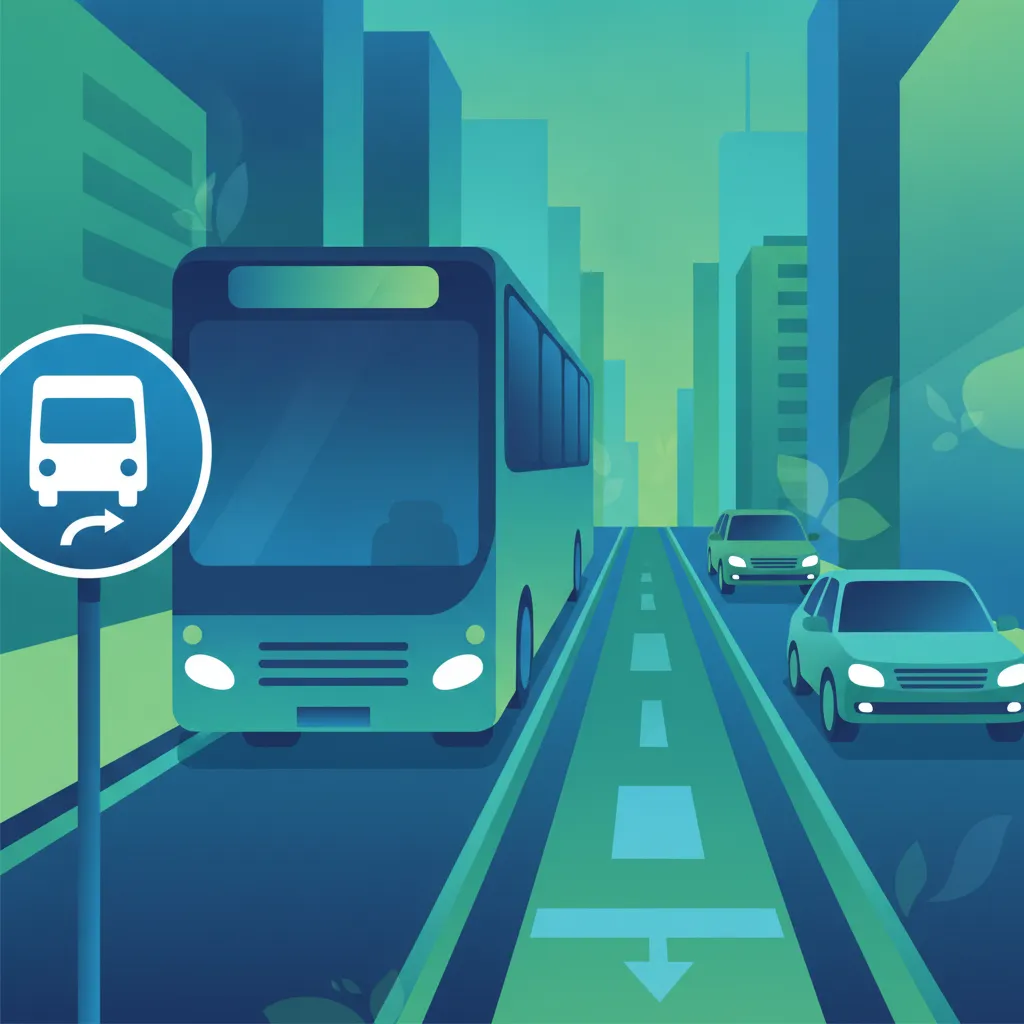
This lesson examines the unique rules and restrictions governing buses and coaches, focusing on bus lane priority, time-based restrictions, and loading zone limitations. Learners will explore the criteria for using bus-only routes and understand the legal consequences of non-compliance. The content also reviews signage indicating bus gate operation and areas where passenger vehicles are prohibited from stopping or loading outside of designated zones, ensuring lawful and efficient urban navigation.
This lesson provides a clear guide to the legal restrictions placed on drivers with a provisional licence. It covers the mandatory display of L-plates and the specific criteria for a supervising driver, including age and experience. Furthermore, it explains the prohibition on driving on motorways and other rules designed to ensure safety during the learning process.
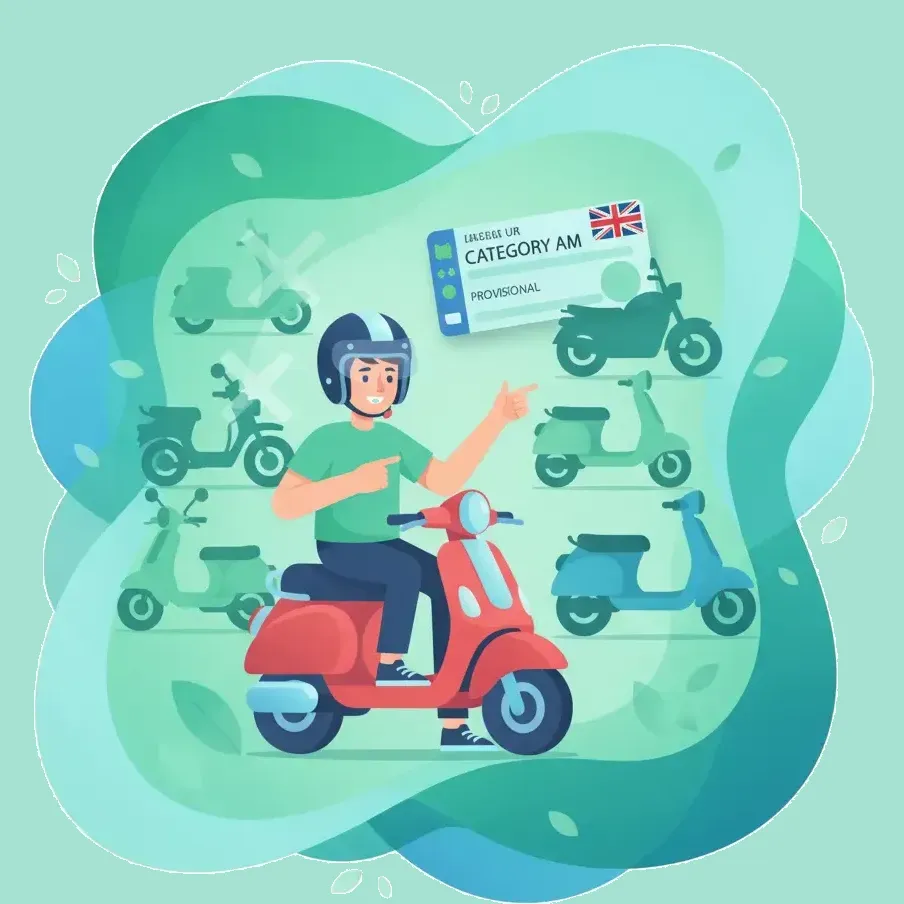
This lesson provides a detailed definition of Category AM, specifying the types of vehicles it covers, including mopeds and light quadricycles. It clarifies the legal technical specifications, such as maximum engine size and speed caps, that define these vehicles in Great Britain. You will learn about the key differences between two- and three-wheeled options and understand how these classifications are crucial for legal compliance, road safety, and passing the theory test.
This lesson details the sequential process for acquiring a Category AM licence, starting with the provisional application and moving through the mandatory theory and practical tests. It covers essential criteria like age limits, medical fitness, and the specific rules that apply to learner riders, such as displaying L-plates. You will also learn about the legal duties concerning vehicle registration, insurance, and road tax compliance, which are vital throughout your journey to becoming a qualified rider.
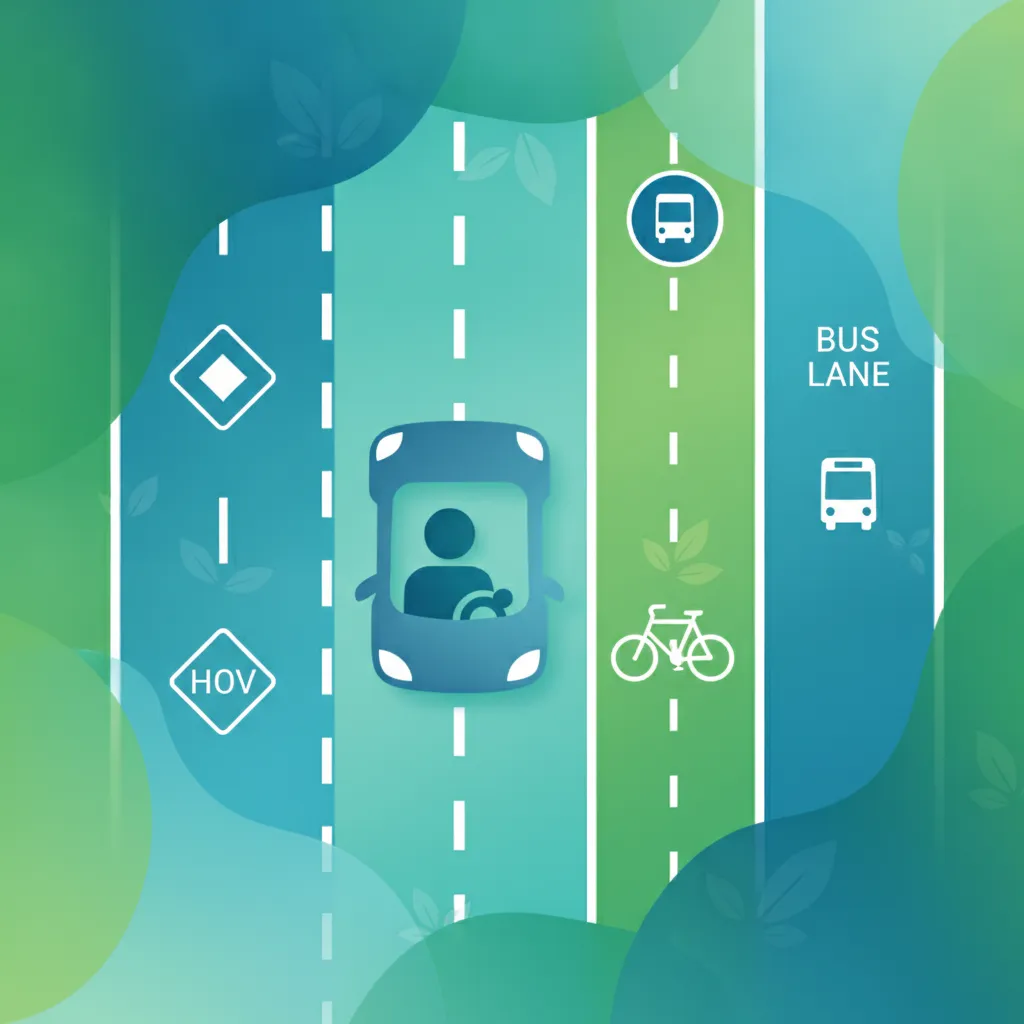
This lesson covers lanes designated for specific types of traffic to improve flow and safety. You will learn to identify mandatory and advisory cycle lanes, and understand the signs indicating the operational hours of bus lanes. The rules governing these lanes are critical for avoiding penalties and ensuring the safety of all road users.
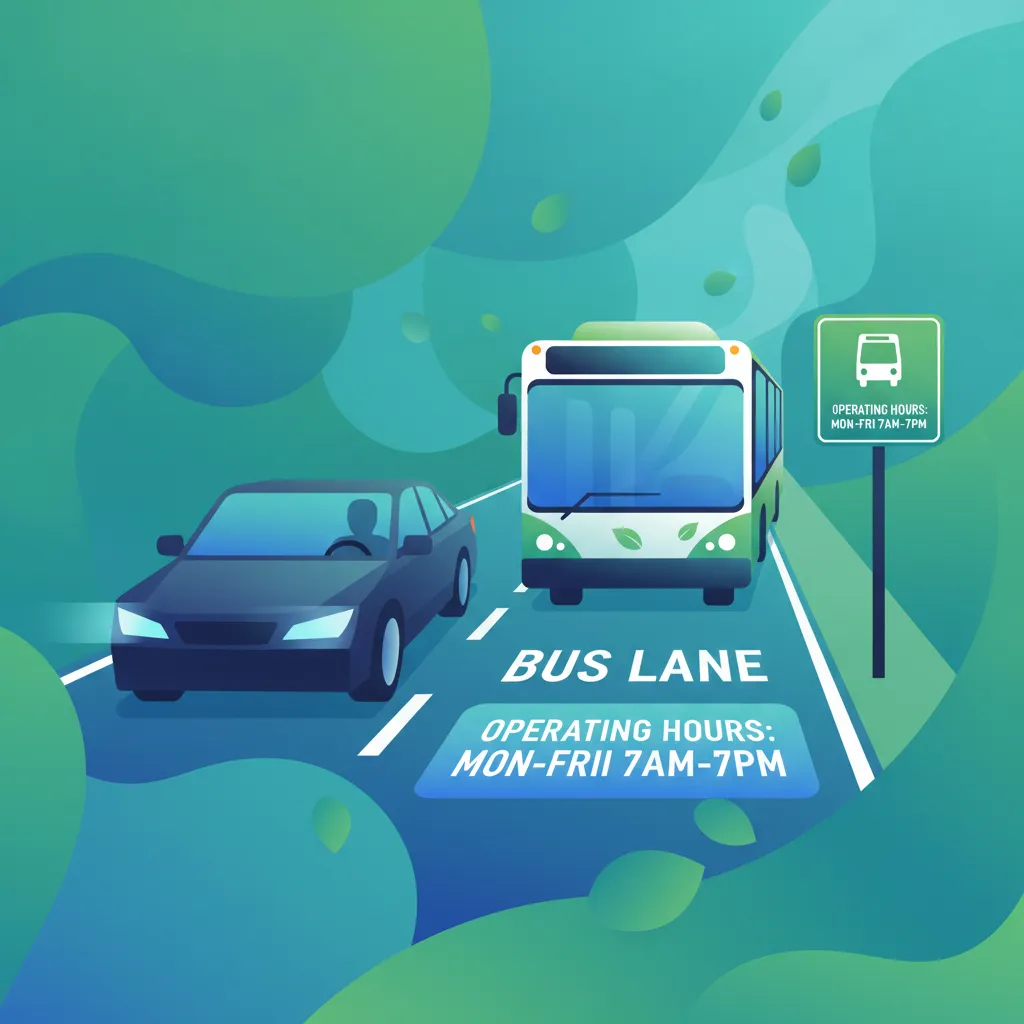
This lesson explores the specifics of bus lane markings, operating times, and priority situations where buses have precedence over other traffic. It emphasizes correct lane discipline, lawful entry and merging practices, and the exemptions granted to designated passenger vehicles. Learners will also understand how bus lane enforcement works and what penalties may be incurred for non-compliance, ensuring safe and efficient movement through urban traffic systems.
Clarify the distinct responsibilities of the DVLA and DVSA in the UK's driver licensing system. Understand the legal weight of the Highway Code and your obligations as a driver.

This lesson focuses on the specific obligations a motorcyclist has according to the Highway Code. It emphasizes the legal duty of care towards other road users, pedestrians, and the environment. You will learn how to apply key rules on speed, lane positioning, and signalling from a rider's perspective to ensure safety and legal compliance.
This lesson details the crucial documentation required for legal driving in the UK. It explains the purpose of the V5C registration document, the MOT test certificate, and proof of insurance and road tax (Vehicle Excise Duty). You will learn where to keep these documents and when you might be required to present them to authorities.
This lesson focuses on a driver's legal and ethical duty of care to all road users. It explains the concept of a road user hierarchy, which prioritizes the safety of vulnerable groups such as pedestrians, cyclists, and motorcyclists. You will learn the principles of defensive driving, anticipating potential hazards, and maintaining a courteous attitude on the road to ensure safety for everyone.
Explore the critical topics of driver liability, insurance, and legal penalties in Great Britain. This lesson distinguishes between civil and criminal liability in the context of road incidents. It details the compulsory third-party insurance every driver must have and explains the penalty points system for traffic offences, including fines and potential disqualification.
This lesson provides a comprehensive overview of the four passenger vehicle licence categories: D1, D, D1E, and DE. It details the specific legal criteria, vehicle types, and eligibility requirements for each. Learners will understand how DVSA theory test mandates intersect with DVLA licensing procedures, clarifying the privileges and limitations of each category. The content also explains the key statutory provisions from the Highway Code that govern passenger vehicle operation in Great Britain.
This lesson outlines the serious legal and professional consequences of committing traffic offences. It covers common issues such as speeding, using a mobile phone, and the strict limits on alcohol, explaining the system of fixed penalty notices and penalty points. The content makes clear how accumulating points can lead to fines, licence suspension or revocation, and the loss of a professional driving career. The importance of understanding and following company policy on incident reporting is also stressed.
Gain a comprehensive understanding of the legal repercussions for violating goods vehicle regulations, which can range from civil penalties to criminal prosecution. This lesson details the fines, penalty points, and potential vehicle seizure enforced by authorities like the DVSA and the police. It clarifies how serious offences are handled in court and how repeated infractions can lead to escalating sanctions, impacting both your licence and professional career.

This lesson outlines the fundamental responsibilities of an AM driver on British roads, focusing on adherence to the Highway Code and cultivating a safety-first mindset. You will learn the principles of defensive riding, the importance of being visible to others, and the need to protect vulnerable road users like pedestrians and cyclists. The content also covers legal duties such as vehicle maintenance and conducting risk assessments before every journey to promote responsible road behaviour.
This lesson provides a clear guide to the legal restrictions placed on drivers with a provisional licence. It covers the mandatory display of L-plates and the specific criteria for a supervising driver, including age and experience. Furthermore, it explains the prohibition on driving on motorways and other rules designed to ensure safety during the learning process.

This lesson details your legal responsibility for passenger safety. It covers the mandatory use of seatbelts for all occupants and explains the specific laws regarding child car seats, which are based on a child's height or weight. Correctly fitted head restraints and understanding how airbags work are also key components of passenger protection.
Find clear answers to common questions learners have about Legal Framework and Licence Categories. Learn how the lesson is structured, which driving theory objectives it supports, and how it fits into the overall learning path of units and curriculum progression in Great Britain. These explanations help you understand key concepts, lesson flow, and exam focused study goals.
The DVLA (Driver and Vehicle Licensing Agency) handles driver records, licencing, and vehicle registration. The DVSA (Driver and Vehicle Standards Agency) is responsible for setting driving standards, including conducting theory and practical driving tests.
No, a Category B licence is for standard cars. It specifically allows you to drive vehicles up to 3,500kg maximum authorised mass (MAM) with up to 8 passenger seats. You may need additional entitlement for towing heavy trailers or driving larger vehicles.
Many rules in the Highway Code are backed by law, and failure to comply can lead to prosecution, penalty points, or disqualification. Other rules are advisory; however, they can still be used in court to establish liability in the event of an accident.
You must inform the DVLA about any condition that could affect your ability to drive safely, such as epilepsy, diabetes requiring insulin, or vision problems that do not meet the legal standard. Failure to do so can result in heavy fines and prosecution.
Dive into our comprehensive question bank to find exactly what you need for your Great Britain theory test. Use our advanced filters to pinpoint specific subjects or test your knowledge on challenging areas, ensuring you're fully prepared for success.