This crucial final unit covers the non-negotiable aspects of responsible driving: understanding the severe legal and personal consequences of alcohol, drug use, and fatigue. You will also learn vital procedures for emergencies, breakdowns, and basic first aid, ensuring you are prepared for any eventuality on the road and ready for your GB theory test.
Browse all lessons that make up Alcohol, Drugs, Fatigue, Penalties, Emergencies and Responsible Driving. Each lesson focuses on specific topics, learning objectives, and core concepts, helping you build essential knowledge and follow a clear, structured progression toward your study goals in Great Britain.
This lesson explains the legal alcohol limits for drivers in England, Wales, and Scotland. It highlights how even a small amount of alcohol can negatively affect your coordination, vision, and judgement, significantly increasing your risk of an accident. The severe penalties for drink driving, including fines, driving bans, and imprisonment, are also detailed.
This lesson covers the dangers and illegality of driving under the influence of drugs. It explains that police can test for various illicit substances at the roadside and that certain prescription or over-the-counter medicines can also impair driving. You will learn about your responsibility to read medicine labels and consult a doctor or pharmacist about driving.
This lesson explains that driving while tired can be as dangerous as drink driving, significantly slowing your reactions and reducing concentration. It teaches you to recognise the signs of fatigue, such as yawning or wandering thoughts. The only real cure for tiredness is sleep, so the lesson stresses the importance of taking proper breaks—at least 15 minutes for every two hours of driving.
This lesson details the consequences of committing traffic offences. It explains how penalty points are added to your licence for infractions like speeding or using a mobile phone. You will learn about the threshold for disqualification (totting-up) and the specific, stricter rules that apply to new drivers within the first two years of passing their test.
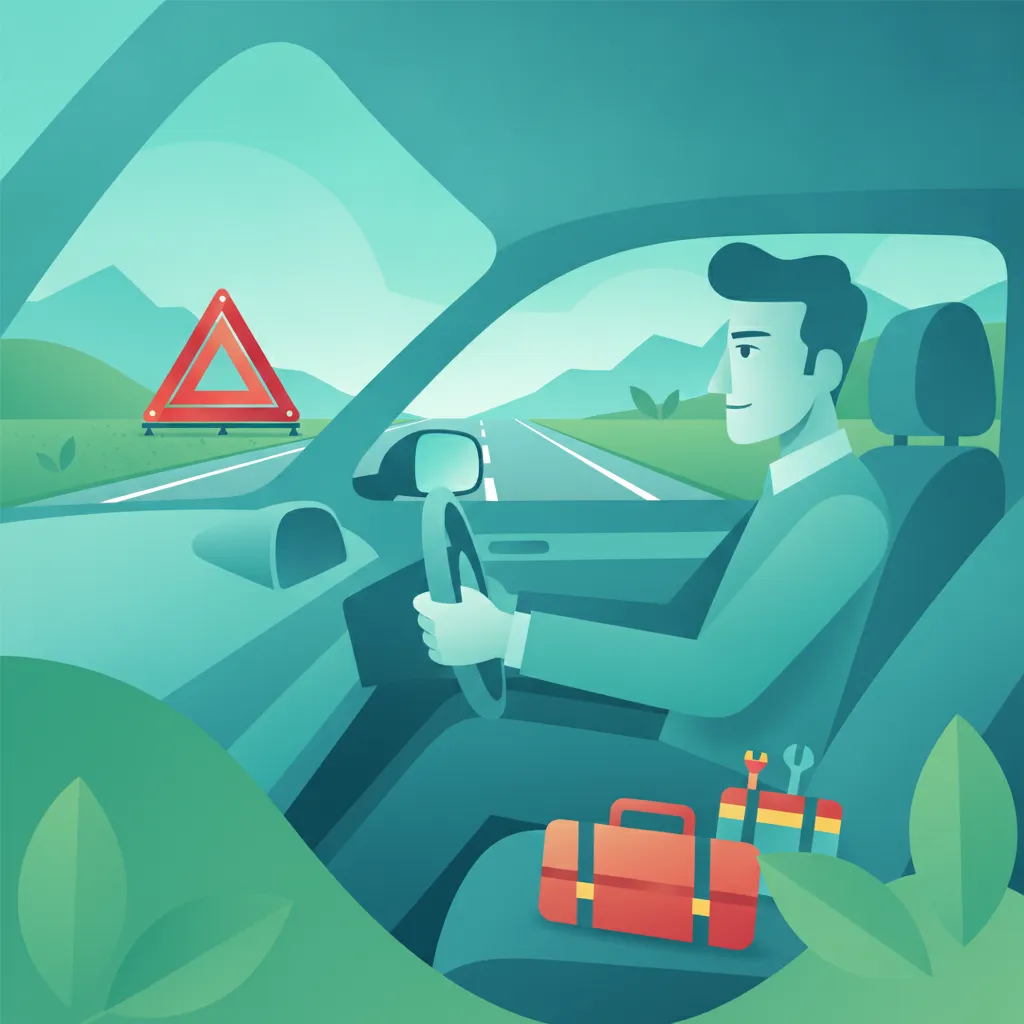
This lesson provides essential guidance for handling on-road emergencies. It outlines the steps to take if your vehicle breaks down, including making yourself visible and getting to a place of safety. You will also learn the basics of what to do at an accident scene, including assessing the situation, calling for help, and providing simple first aid until professional assistance arrives.
Explore high-intent keywords and long-tail search topics learners use when researching Alcohol, Drugs, Fatigue, Penalties, Emergencies and Responsible Driving. These terms reflect how people search for reliable study materials, structured explanations, and unit-level theory preparation support in Great Britain.
Find clear answers to the most common questions learners ask about Alcohol, Drugs, Fatigue, Penalties, Emergencies and Responsible Driving. Understand how the unit is organized, what learning goals it supports, and how it contributes to your study progression with structured explanations and practical guidance tailored for learners in Great Britain.
In England, Wales, and Scotland, the legal alcohol limit for drivers is 80 milligrams of alcohol per 100 millilitres of blood, or 35 micrograms of alcohol per 100 millilitres of breath. It's crucial to remember that any amount of alcohol can impair your driving, and it's always safest to avoid alcohol completely if you plan to drive.
Yes, many prescription and over-the-counter medications can impair your driving ability. Always read the medication leaflet carefully for warnings about driving. If you are unsure, consult your doctor or pharmacist about potential side effects such as drowsiness or blurred vision, and do not drive if your medication could affect your performance.
Fatigue significantly slows your reaction time, reduces concentration, and impairs judgment, similar to the effects of alcohol. Driving while tired can lead to micro-sleeps and increase the risk of serious accidents. It's essential to get adequate rest before driving and take regular breaks on long journeys.
Driving under the influence of alcohol or drugs can lead to severe penalties, including hefty fines, automatic driving bans (disqualification), and even imprisonment, depending on the severity of the offence and whether it's a repeat offence. You will also accumulate penalty points on your licence, which can affect your insurance premiums and future driving ability.
If you experience a breakdown, the first priority is to get yourself and your passengers to safety. If possible, pull over to the side of the road, well away from traffic. Switch on your hazard warning lights, turn off the engine, and put on your high-visibility vest. If you are on a motorway, exit the vehicle and stand behind a safety barrier, well away from the traffic, and call for assistance.
While the theory test primarily focuses on driving rules and hazard perception, understanding basic first aid and what to do in an emergency, including accident scenes, is part of responsible driving. The unit covers essential actions to take, such as calling emergency services and providing immediate care where possible, which is vital knowledge for any driver.
All included lessons
Lessons in Alcohol, Drugs, Fatigue, Penalties, Emergencies and Responsible Driving
See who benefits most from studying Alcohol, Drugs, Fatigue, Penalties, Emergencies and Responsible Driving. This overview explains how the unit supports different learning needs, what level of knowledge is helpful before starting, and how it fits into the overall study path in Great Britain.
This unit is essential for all learner drivers preparing for the Great Britain Category B theory test, particularly those who need a thorough understanding of legal consequences and emergency preparedness. It's also valuable for experienced drivers needing a refresher on current laws and best practices for responsible road use.

Ready to prepare effectively for your DVSA driving theory test? Explore our structured courses and guided study paths. They cover every topic of the Great Britain Highway Code and official exam requirements, ensuring systematic learning and success.
Explore Driving Theory CoursesExplore all units and lessons included in this driving theory course.
Ready to prepare effectively for your DVSA driving theory test? Explore our structured courses and guided study paths. They cover every topic of the Great Britain Highway Code and official exam requirements, ensuring systematic learning and success.
Explore Driving Theory Courses