
This lesson explores the critical dangers of driving while tired and how to manage your alertness behind the wheel. It provides essential knowledge for your Category B theory exam, helping you understand the physiological signs of fatigue and the legal necessity of taking regular breaks to ensure passenger and road safety.

Lesson content overview
Driving requires sustained concentration, quick reaction times, and sound judgment. These critical abilities are severely compromised by fatigue, a state of reduced mental and physical performance. For Great Britain Category B Learner Drivers, understanding and managing fatigue is not just about passing a theory test; it's fundamental to safe driving practices and preventing serious incidents on the road.
Fatigue is a major contributing factor to road collisions, often as dangerous as driving under the influence of alcohol or drugs. When you are tired, your brain's processing speed slows down, your attention wavers, and your ability to react to hazards diminishes significantly. This impairment can lead to delayed braking, poor lane control, missed signals, and even falling asleep at the wheel, with potentially devastating consequences. Unlike alcohol, there’s no legal limit for fatigue, making it a subtle yet pervasive threat that drivers must actively manage.
By the end of this lesson, you will understand:
Fatigue is a complex state influenced by various physiological factors. It affects your brain's ability to process information and make decisions, directly impacting your driving performance.
Fatigue is a broad term describing a state of reduced mental and physical performance resulting from prolonged wakefulness, insufficient sleep, monotonous tasks, or demanding physical/mental workload. It's a general feeling of weariness that affects your ability to function optimally.
Drowsiness, on the other hand, is the subjective sensation of needing sleep. It's often the first noticeable symptom of fatigue, characterised by feelings of sleepiness, heavy eyelids, or a desire to yawn. While drowsiness is a symptom, fatigue itself can exist even without a strong feeling of sleepiness, particularly during monotonous driving.
Fatigue can manifest in different forms. Acute fatigue is short-term, typically resulting from a single night of insufficient sleep or an extended period of activity without rest. For example, staying up late studying before an early morning drive.
Chronic fatigue develops over multiple days or weeks of consistently inadequate sleep. Even if you get a "good" night's sleep before a long journey, if you've accumulated chronic sleep debt, you may still be at a higher risk of fatigue.
Sleep debt refers to the cumulative shortfall between the amount of sleep an individual needs (typically 7-9 hours for adults) and the actual sleep they obtain over successive nights. Every hour of missed sleep adds to this debt, which can significantly impair cognitive function. Even a small, consistent sleep deficit can build up over time, leading to a state where a driver might feel tired even after what seems like a full night's sleep. It's crucial for drivers to monitor their sleep patterns not just the night before a journey, but over several days.
Your body operates on an internal 24-hour biological clock known as your circadian rhythm. This rhythm influences various bodily functions, including alertness, hormone release, and body temperature. It dictates periods of natural high and low vigilance throughout the day and night.
The human body naturally experiences two main periods of reduced alertness, or "low-points," within the circadian cycle:
Planning journeys to avoid these circadian low-points, especially long drives, is a smart strategy to enhance safety.
One of the most dangerous consequences of severe fatigue is experiencing microsleeps. These are very brief, involuntary episodes of sleep lasting typically between 0.5 and 5 seconds, often occurring without the driver even being aware they have fallen asleep. During a microsleep, your brain temporarily shuts down, and you lose consciousness and control over your vehicle. Even a 2-second microsleep at 100 km/h means travelling approximately 55 metres completely out of control – enough distance to drift into another lane, miss a critical hazard, or run off the road, leading to a serious collision.
It is your responsibility as a driver to recognise the signs of fatigue and take appropriate action before your performance becomes dangerously impaired.
Fatigue often provides subtle warning signs before it becomes critical. Learning to recognise these indicators is essential for your safety:
If you experience any of these symptoms, it's a clear signal that you need to stop driving immediately.
No amount of loud music, open windows, or conversation can genuinely combat fatigue. The only effective remedy is sleep. If you start to feel drowsy or notice any of the warning signs, you must:
Stop driving immediately. Find a safe place to pull over, such as a service station, lay-by, or designated rest area. Never stop on the hard shoulder of a motorway unless it's a genuine emergency.
Once stopped, the most effective action is to take a nap or get some proper rest. Even a short nap can significantly improve your alertness.
Continuing to drive when fatigued is a grave risk. Ignoring the warning signs leads to a dangerous spiral of declining performance. Your reaction times will continue to slow, your judgment will worsen, and the likelihood of experiencing microsleeps or falling completely asleep dramatically increases. This significantly elevates your risk of causing an accident. It's not worth risking your life or the lives of others to save a few minutes on your journey.
Proactive fatigue management involves planning your journeys, taking regular breaks, and maintaining good sleep habits.
Vigilance decline is the progressive reduction in sustained attention and reaction speed that occurs as driving time extends without adequate rest. Studies show that after just one hour of continuous driving, vigilance begins to decline, and it accelerates significantly after two hours.
The Highway Code strongly recommends that you take a break of at least 15 minutes for every 2 hours of driving. This is not a statutory law for private drivers, but failing to adhere to this advice could be considered negligence if it contributes to an incident.
Regular breaks allow your body and mind to recover. During a break, you should:
These actions help to reset your vigilance, reducing the risk of "highway hypnosis" – a trance-like state that can occur on long, monotonous stretches of road, leading to reduced awareness.
Plan your breaks into your journey schedule before you even set off. Know where you intend to stop and for how long.
If you feel moderately drowsy, a strategic nap can be an effective way to restore alertness. This involves taking a short, controlled sleep of 10 to 20 minutes during a break or even before starting a journey. The key is to keep it short to avoid entering deep sleep, which can lead to sleep inertia – a groggy feeling upon waking that can temporarily impair performance.
Always take a strategic nap in a safe location, off the carriageway, with the engine switched off and the vehicle securely parked. Never nap on a hard shoulder.
Sleep hygiene refers to a set of practices that promote consistent, high-quality, restorative sleep. Establishing good sleep habits is a long-term preventive measure against chronic fatigue. Key aspects of good sleep hygiene include:
By improving your nightly sleep quantity and quality, you reduce your baseline sleep debt and start your journeys feeling more rested and alert.
While a cup of coffee might provide a temporary boost, stimulants like caffeine or energy drinks only mask the symptoms of fatigue; they do not eliminate the underlying tiredness or restore true alertness. Relying on them can be dangerous, as they can trick you into believing you are more awake than you actually are, potentially leading to increased risk-taking or ignoring crucial warning signs. The effects of stimulants also wear off, often leaving you feeling even more fatigued than before. The only sustainable solution to fatigue is rest and sleep.
The laws and recommendations in Great Britain underscore the importance of driver fitness and the dangers of fatigue. These guidelines are not just suggestions; they form part of your duty of care as a driver.
The Highway Code provides clear instructions regarding a driver's fitness to be on the road.
This rule states that you MUST NOT drive when you are in any way unfit to do so, whether through drink or drugs (prescribed or otherwise), or because you are tired or unwell.
This rule highlights that fatigue is considered a form of impairment, placing it in the same category as driving under the influence of alcohol or drugs. It is a mandatory rule, meaning failure to comply can lead to legal penalties.
This rule advises that if you feel drowsy, you MUST pull over and rest. It also states that you MUST NOT use the hard shoulder of a motorway for a rest stop.
This rule provides specific guidance on immediate action to take when experiencing drowsiness. The emphasis on "MUST" indicates a mandatory requirement rooted in your duty of care to yourself and other road users.
Driving while fatigued can have severe legal repercussions, especially if it leads to an accident. Depending on the circumstances, an incident caused by fatigued driving could lead to:
Your insurance policy may also be invalidated if you are found to have been driving while unfit due to fatigue.
Several external factors can exacerbate the effects of fatigue, demanding even greater vigilance and potentially more frequent breaks.
The presence of vulnerable road users such as pedestrians, cyclists, and motorcyclists significantly raises the cognitive load on a driver. You need to be constantly scanning for these users, anticipating their movements, and being prepared to react. This increased demand on your attention can lead to faster onset of fatigue, necessitating more frequent rest periods to maintain optimal situational awareness.
Fatigue is a significant and often underestimated risk factor for road collisions. As a Great Britain Category B Learner Driver, understanding its causes, recognising its signs, and implementing effective management strategies are crucial skills for lifelong safe driving.
Key Takeaways:
Driver's Checklist for Managing Fatigue:
Driver fatigue is a serious road safety hazard that impairs reaction times and judgment comparably to drink driving, with particular risk during circadian low-points (2-5am and 1-4pm). Microsleeps can cause uncontrolled vehicle movement for critical seconds. The Highway Code mandates that drivers must not drive when unfit due to tiredness (Rule 110) and must pull over to rest if drowsy, avoiding motorway hard shoulders (Rule 167). Effective management requires planned breaks of at least 15 minutes every 2 hours, strategic 10-20 minute naps in safe locations, and good sleep hygiene to prevent accumulated sleep debt.
A short set of high-value points that capture the most important learning from this lesson.
Fatigue impairs driving ability as severely as drink driving, slowing reaction times and reducing concentration without a legal limit to detect it.
Microsleeps lasting just 0.5 to 5 seconds can cause you to travel over 50 metres with no awareness or control.
The body's natural circadian low-points occur between 2-5am and 1-4pm, making night and afternoon driving higher risk.
The only effective cure for fatigue is sleep; stimulants only mask tiredness and create false confidence.
Highway Code Rule 110 states you MUST NOT drive when unfit through tiredness, placing fatigue in the same impairment category as alcohol.
Explore all units and lessons included in this driving theory course.
Take at least a 15-minute break for every 2 hours of driving to counter vigilance decline.
Strategic naps of 10-20 minutes in a safe off-road location can restore alertness without sleep inertia.
Sleep debt accumulates over multiple nights, so assess your rest over several days, not just the night before.
Warning signs include yawning, heavy eyelids, wandering thoughts, poor lane discipline, and memory lapses.
Never stop on a motorway hard shoulder for rest; pull into a service station or lay-by instead.
Believing that opening windows, loud music, or caffeine can replace proper rest as a fatigue cure.
Stopping on the motorway hard shoulder to rest, which is prohibited unless in a genuine emergency.
Assuming a full night's sleep eliminates fatigue risk when chronic sleep debt from previous days remains.
Continuing to drive after recognising warning signs, believing they will pass or that the destination is too close.
Underestimating afternoon drowsiness as merely a food-related lull rather than a circadian low-point.
Lesson content overview
A short set of high-value points that capture the most important learning from this lesson.
Fatigue impairs driving ability as severely as drink driving, slowing reaction times and reducing concentration without a legal limit to detect it.
Microsleeps lasting just 0.5 to 5 seconds can cause you to travel over 50 metres with no awareness or control.
The body's natural circadian low-points occur between 2-5am and 1-4pm, making night and afternoon driving higher risk.
The only effective cure for fatigue is sleep; stimulants only mask tiredness and create false confidence.
Highway Code Rule 110 states you MUST NOT drive when unfit through tiredness, placing fatigue in the same impairment category as alcohol.
Explore all units and lessons included in this driving theory course.
Take at least a 15-minute break for every 2 hours of driving to counter vigilance decline.
Strategic naps of 10-20 minutes in a safe off-road location can restore alertness without sleep inertia.
Sleep debt accumulates over multiple nights, so assess your rest over several days, not just the night before.
Warning signs include yawning, heavy eyelids, wandering thoughts, poor lane discipline, and memory lapses.
Never stop on a motorway hard shoulder for rest; pull into a service station or lay-by instead.
Believing that opening windows, loud music, or caffeine can replace proper rest as a fatigue cure.
Stopping on the motorway hard shoulder to rest, which is prohibited unless in a genuine emergency.
Assuming a full night's sleep eliminates fatigue risk when chronic sleep debt from previous days remains.
Continuing to drive after recognising warning signs, believing they will pass or that the destination is too close.
Underestimating afternoon drowsiness as merely a food-related lull rather than a circadian low-point.
Explore search topics learners often look for when studying Fatigue Management, Sleep Patterns, and Vigilance. These topics reflect common questions about road rules, driving situations, safety guidance, and lesson level theory preparation for learners in Great Britain.
Browse additional driving theory lessons that cover connected traffic rules, road signs, and common driving situations related to this topic. Improve your understanding of how different rules interact across everyday traffic scenarios.
Understand the serious dangers of driving while fatigued and learn essential management strategies. This lesson covers recognising warning signs, the importance of sleep, and recommended break schedules according to UK driving theory guidelines.

This lesson addresses the serious safety risk of driver fatigue. It explains the warning signs of tiredness and provides strategies for managing it through proper rest and lifestyle choices. The content details the legal requirements under the drivers' hours and working time directive regulations, including the correct use of the tachograph to record rest periods. Maintaining good health, diet, and sleep hygiene is emphasized as fundamental to ensuring a driver is always fit to be on the road.

This lesson addresses the serious danger of driver fatigue, a major cause of incidents involving commercial vehicles. It details the complex EU and GB domestic rules on drivers' hours, including driving limits and required rest periods. Learners will be taught to recognize the physical and mental signs of fatigue and understand the importance of taking quality rest to maintain alertness and ensure their own safety and that of others.

This lesson addresses the increased risks associated with driving after dark. It explains when to switch between dipped and main beam headlights to maximise your own vision without dazzling other drivers. Techniques for reducing glare and spotting hazards like cyclists or pedestrians with poor visibility are also covered.
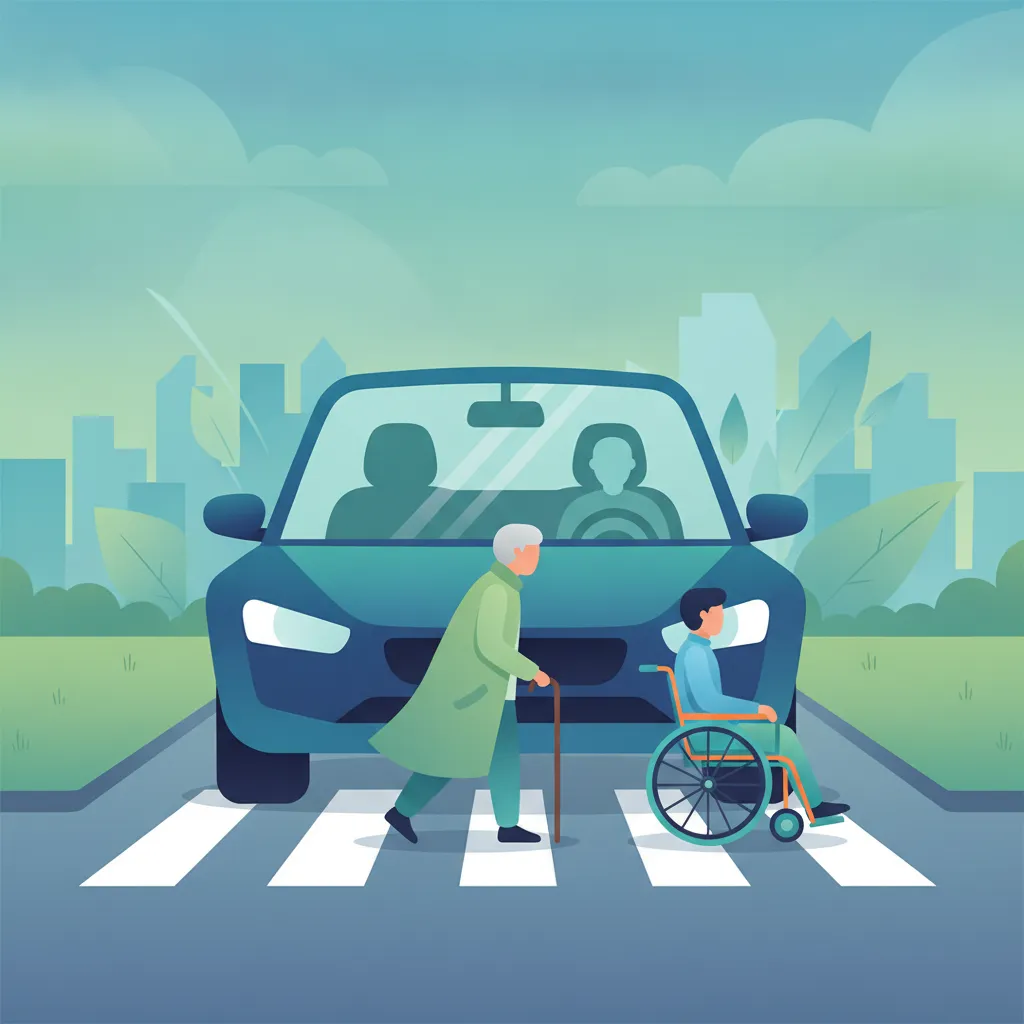
This lesson focuses on developing a proactive and patient approach towards elderly and disabled road users. It explains how to recognize and provide additional time and space for individuals with slower movement, mobility scooters, or sensory impairments. The content emphasizes the importance of driver attitude, patience at crossings, and anticipating the needs of these vulnerable individuals. Understanding these factors is crucial for preventing accidents and demonstrating a high level of professional care and responsibility.

This lesson explores the connection between a rider's physical condition and their performance on the road. It discusses how factors like fatigue, illness, and dehydration can impair judgement, concentration, and reaction times. You will also learn about the legal requirement to inform the DVLA of certain medical conditions that could affect your fitness to ride.

Riding at night requires different skills, as visibility is limited to the reach of your headlights. This lesson teaches you how and when to use main beam and dipped beam lights effectively. It also discusses the increased risk from fatigue and nocturnal animals, and emphasizes the importance of a clean visor and reflective gear for safety.

This lesson prepares you for the challenges of countryside driving. It emphasizes that the national speed limit on these roads is often too fast for the conditions. You will learn how to approach sharp bends, use passing places on single-track roads, and anticipate hazards like slow-moving tractors, horse riders, or mud on the road surface.

This lesson focuses on the unique aspects of long-distance coach services. It covers essential pre-journey planning, including route selection and scheduling mandatory breaks to comply with drivers' hours regulations. The importance of using a tachograph correctly is explained, alongside strategies for managing driver fatigue. The lesson also addresses considerations for passenger comfort on long journeys, secure luggage handling, and contingency planning for unexpected delays or incidents.
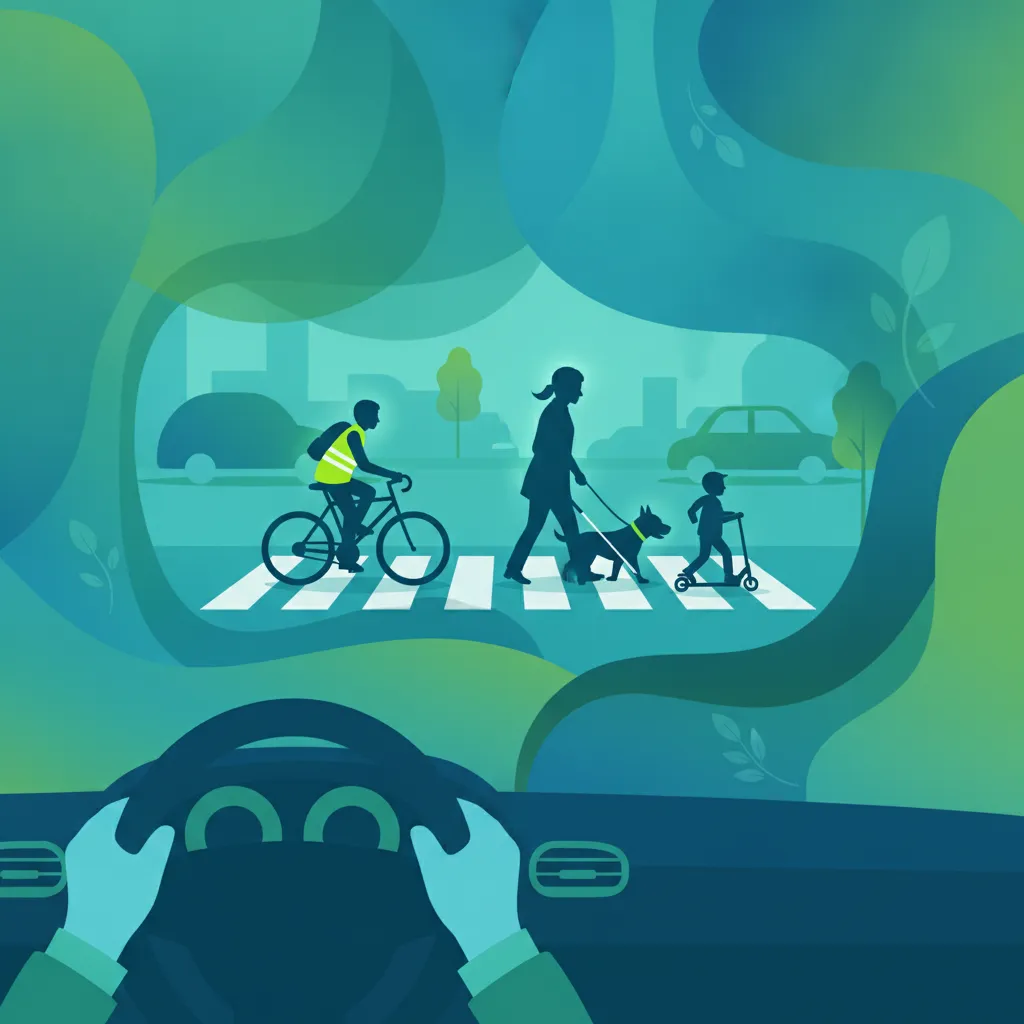
This lesson teaches drivers how to identify various types of vulnerable road users and anticipate their potential actions to prevent conflicts. It covers the specific risks associated with pedestrians, cyclists, motorcyclists, children, and elderly or disabled individuals. Emphasis is placed on heightened awareness and defensive driving techniques required to share the road safely. Understanding their perspectives and typical behaviours is key to protecting them and maintaining safety for everyone.

This lesson addresses the critical safety topics of impairment, distraction, and social pressures. It explains how alcohol and drugs severely affect judgment, coordination, and reaction time, outlining the strict legal limits and harsh penalties in Great Britain. The content also covers modern distractions like mobile phones and the importance of resisting negative peer pressure to maintain focus and make responsible decisions as a rider.
Explore how your body's natural rhythms affect alertness while driving. Learn about peak risk times for drowsiness, the impact of sleep debt, and why continuous driving leads to vigilance decline, all explained for the Great Britain theory curriculum.
This lesson addresses the serious danger of driver fatigue, a major cause of incidents involving commercial vehicles. It details the complex EU and GB domestic rules on drivers' hours, including driving limits and required rest periods. Learners will be taught to recognize the physical and mental signs of fatigue and understand the importance of taking quality rest to maintain alertness and ensure their own safety and that of others.
Find clear answers to common questions learners have about Fatigue Management, Sleep Patterns, and Vigilance. Learn how the lesson is structured, which driving theory objectives it supports, and how it fits into the overall learning path of units and curriculum progression in Great Britain. These explanations help you understand key concepts, lesson flow, and exam focused study goals.
The general recommendation is to take a break of at least 15 minutes for every two hours of driving. This helps maintain concentration and physical alertness throughout your journey.
While there isn't a specific 'fatigue test' like a breathalyser, driving while unfit due to tiredness can lead to dangerous driving charges if it results in an accident or lack of control.
Common signs include wandering thoughts, yawning, heavy eyelids, frequent blinking, drifting out of your lane, or missing road signs and exits.
Caffeine provides only a temporary boost and is not a substitute for sleep. If you feel tired, the only safe way to continue is to stop, take a break, or find a safe place to sleep.
Dive into our comprehensive question bank to find exactly what you need for your Great Britain theory test. Use our advanced filters to pinpoint specific subjects or test your knowledge on challenging areas, ensuring you're fully prepared for success.