
This lesson introduces the legal and practical requirements for transporting passengers with reduced mobility. You will learn the correct procedures for ramp deployment, wheelchair securement, and assisting passengers, ensuring you are fully prepared for safety-related questions in your Category D theory exam.

Lesson content overview
Providing accessible transport for all passengers, particularly those with reduced mobility (PRM), is a fundamental responsibility for professional bus, coach, and minibus drivers in Great Britain. This lesson delves into the legal requirements, practical procedures, and essential equipment necessary for safely loading, securing, and accommodating PRM passengers. Adherence to these standards not only ensures compliance with UK disability legislation but also safeguards the well-being of passengers and drivers alike.
Operating passenger vehicles capable of accommodating individuals using wheelchairs or other mobility aids demands a thorough understanding of specific protocols. These protocols cover everything from properly deploying a ramp to securing a wheelchair within a designated bay and knowing how to respond effectively in an emergency. Mastering these skills is critical for delivering an inclusive, safe, and professional transport service.
Operating a public service vehicle (PSV) that accommodates passengers with reduced mobility (PRM) is governed by strict legal obligations in Great Britain. These laws ensure that everyone has equal access to transport services and prevent discrimination. Understanding this legal landscape is the foundation of accessible transport provision.
The Equality Act 2010 is the primary piece of legislation in Great Britain that prohibits discrimination against individuals with protected characteristics, including disability. For transport providers, this means a statutory duty to make "reasonable adjustments" to ensure disabled passengers can use their services on an equal basis with non-disabled passengers. This can include modifying vehicles, providing assistance, or adapting operational procedures.
Prior to the Equality Act, the Disability Discrimination Act 1995 (DDA) laid the groundwork for these protections. While the Equality Act 2010 has largely superseded the DDA, its principles remain deeply embedded in accessibility requirements for public transport. Both acts collectively mandate that transport operators actively remove barriers to travel, providing accessible vehicles and well-trained staff.
The Driver and Vehicle Standards Agency (DVSA) sets out detailed technical specifications for public service vehicles to meet accessibility requirements. The Public Service Vehicle Accessibility Standard (PSVAS) outlines mandatory design features for buses, coaches, and minibuses, ensuring they are equipped to safely carry PRM passengers, particularly those using wheelchairs.
This standard covers aspects such as the dimensions of wheelchair bays, the maximum permissible slope of ramps, and the types and strength of securement devices. Compliance with PSVAS is not optional; vehicles must be certified as meeting these standards through regular inspections. Drivers and operators must ensure their vehicles maintain compliance and that all accessibility equipment is in good working order before commencing service.
Delivering accessible transport is built upon several core principles that guide driver actions and operational procedures. These principles ensure legal compliance, passenger safety, and a dignified travel experience for everyone.
Accessibility compliance means rigorously adhering to the legal frameworks and technical standards, such as the Equality Act 2010 and the DVSA PSVAS. It is a legal and moral imperative that ensures individuals with disabilities have equal opportunities to travel. For drivers, this implies a responsibility to ensure all accessibility equipment, like ramps and securement devices, is present, functional, and used correctly. Regular inspection of these items and proper documentation are vital aspects of compliance.
The principle of securement of mobility aids refers to the mandatory use of approved devices to restrain wheelchairs, mobility scooters, and other aids during transit. This is critical for preventing uncontrolled movement caused by the vehicle's dynamics, such as acceleration, braking, or turning. An unsecured mobility aid can become a significant safety hazard, potentially causing severe injury to its occupant, other passengers, or the driver. Drivers must verify that all securement devices are correctly engaged before the vehicle begins to move.
A systematic risk assessment must be performed prior to boarding any passenger with reduced mobility. This involves identifying potential hazards associated with the loading and unloading process in the current operational context. Factors to consider include weather conditions (rain, ice), surrounding traffic, the condition of the ramp or lift, the passenger's specific needs, and the stability of the ground. The purpose of this assessment is to mitigate risks of injury to passengers, the driver, and other road users, ensuring the loading procedure can be performed safely.
Vehicles designed to transport PRM passengers must have dedicated wheelchair bays that meet specific minimum standards for dimensions and weight limits. For instance, a single wheelchair bay must typically have an internal width of at least 1.2 metres and a headroom of at least 2.0 metres. These standards ensure there is sufficient space for manoeuvring the wheelchair and that the vehicle can safely accommodate the combined weight of the passenger and their mobility aid without compromising vehicle stability or braking performance. Drivers must be aware of their vehicle's specific specifications and confirm that the bay can safely accommodate a passenger's mobility aid before each service.
The conduct of the driver when interacting with and assisting PRM passengers is paramount. This includes clear, respectful communication, asking for consent before offering physical assistance, and using safe manual handling techniques. The goal is to enhance the safety, dignity, and confidence of passengers with reduced mobility while protecting the driver from injury. Drivers should receive specific training in safe manual handling and the operation of accessibility equipment.
Modern passenger vehicles are equipped with various features designed to make travel accessible. Drivers must understand the different types of accessibility solutions and how to operate them safely and effectively.
Wheelchair accessibility refers to the provision of a clear, unobstructed pathway that allows a wheelchair user to board, travel, and alight a vehicle safely and independently or with minimal assistance.
Low-floor vehicles are designed with a floor height significantly closer to the road surface, typically no higher than 300 mm. These vehicles often incorporate a "kneeling function" which allows the vehicle to lower its chassis even further at the entrance, creating a minimal step or a very gentle ramp angle. This design greatly facilitates step-free access for wheelchair users and those with other mobility challenges, allowing them to roll directly onto the vehicle.
Ramp-equipped vehicles are conventional buses or coaches fitted with deployable ramps. These ramps can be manual, requiring the driver to physically extend and position them, or powered, meaning they operate mechanically, usually at the push of a button. Ramps provide a bridge between the pavement and the vehicle floor, allowing wheelchair users to board. The critical aspect of ramp usage is ensuring the ramp angle is safe and the ramp is stable and properly anchored before use.
Some vehicles, particularly coaches or minibuses with higher floor levels, may feature lift-equipped platforms. These hydraulic or electric lifts safely raise and lower a wheelchair and its occupant into and out of the vehicle. Similar to ramps, lifts require careful operation to ensure stability and proper alignment with the vehicle floor and the ground. Drivers must be fully trained in the operation of these complex systems.
The correct deployment, positioning, and retraction of a boarding ramp are crucial for safe access. Improper ramp usage can lead to accidents, injuries, or damage to equipment.
For manual ramps, the driver is responsible for physically extending and supporting the ramp. It must be fully extended, properly positioned, and securely anchored to ensure a stable footing. Before allowing a passenger to board, the driver must visually confirm that the ramp is stable and that its surface is clear of obstructions and not excessively slippery due to weather conditions.
Powered ramps are motor-driven and often controlled by the driver from the cab or by a dedicated button near the ramp. These ramps typically extend and retract automatically. Even with powered ramps, the driver must oversee the operation, ensuring the ramp deploys smoothly, locks into place, and the area around the ramp is clear of pedestrians and obstructions before and during use.
Regardless of whether a ramp is manual or powered, its angle is a critical safety factor. The ramp angle should generally not exceed 12 degrees relative to the ground unless the vehicle's design and equipment allow for a steeper, powered ascent. Exceeding this angle without appropriate power assistance can require excessive force from the passenger or assistant, increasing the risk of the wheelchair tipping or slipping. The ramp must always be fully extended and stabilized before a passenger attempts to use it, and the vehicle must not move until the ramp is fully retracted and stowed.
Once a wheelchair user is on board, their mobility aid must be properly secured to prevent movement during travel. This is a non-negotiable safety requirement.
The most effective and commonly used securement system is the four-point restraint system. This involves strapping down each wheel of the wheelchair to dedicated anchorage points fixed to the vehicle chassis. Additionally, a separate restraint strap is typically placed across the wheelchair itself, providing further stability. Some vehicles may utilise two-point restraint systems, which involve straps across the wheelchair seat. While permissible in some contexts, four-point systems offer superior stability and protection against dynamic forces.
Securement devices must always be attached to wheelchair anchorage points that are permanently fixed to the vehicle's chassis, not to seats or temporary fixtures. These anchorage points are engineered to withstand significant forces in the event of sudden braking or a collision. Drivers are required to inspect all securement devices before each journey to ensure they are in good condition, free from damage, and functioning correctly. Any defective equipment must be reported immediately and taken out of service.
The dedicated space for wheelchair users, known as a wheelchair bay, must adhere to specific size and weight capacity regulations to ensure safety and comfort.
Typical minimum internal dimensions for a single wheelchair bay are 1.2 metres in length and 0.9 metres in width, with a minimum headroom of 2.0 metres. Some vehicles may have bays designed for two wheelchairs, requiring a width of at least 2.0 metres. Furthermore, each bay has a maximum weight capacity, usually around 300 kg, which includes the combined weight of the wheelchair and its occupant. Drivers must be familiar with their vehicle's specific bay dimensions and weight limits and ensure that these are not exceeded. Overloading a bay or attempting to fit an oversized mobility aid can compromise vehicle stability and pose a significant safety risk.
The driver's role is central to providing a safe, respectful, and compliant service for passengers with reduced mobility. This involves more than just operating equipment; it requires empathy, clear communication, and adherence to specific procedures.
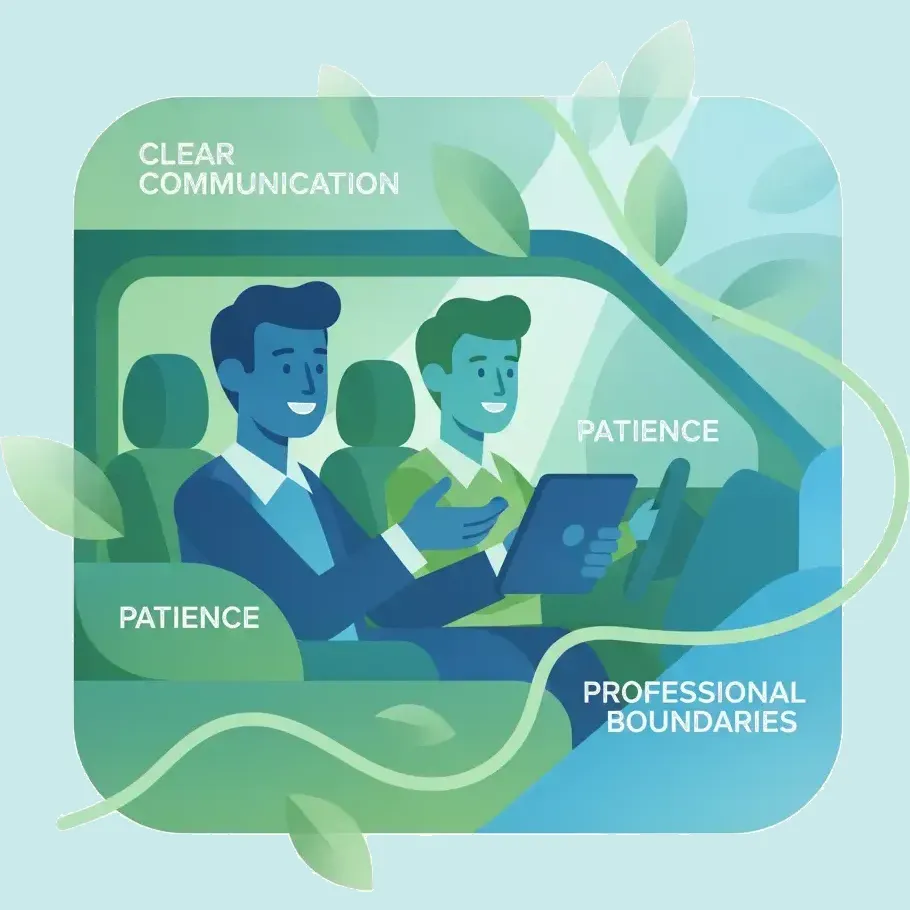
Effective communication is fundamental to providing a dignified service. Drivers should always approach PRM passengers respectfully, making eye contact and speaking clearly. It is crucial to always ask before assisting and to obtain consent before any physical interaction or handling of mobility aids. Never assume a passenger needs or wants help; they may prefer to manage independently. Respecting personal space and maintaining privacy are also key aspects of promoting passenger dignity. Clear, concise instructions should be given during boarding, securement, and alighting to ensure the passenger understands each step.
Drivers may be required to provide physical assistance to PRM passengers or their mobility aids. This necessitates training in safe manual handling techniques to protect both the driver and the passenger from injury. Principles of good manual handling include:
Drivers should never attempt to lift a wheelchair and its occupant simultaneously unless specifically trained and equipped to do so, and only within safe load limits. If the passenger's needs exceed the driver's capacity, assistance should be sought or alternative arrangements made.
A standardised procedure for boarding and alighting PRM passengers is essential for safety and efficiency.
Stop and Position Vehicle Safely: Bring the vehicle to a complete stop at a level, stable location, ideally near the kerb. Ensure the doors are aligned correctly and the vehicle is stable before proceeding.
Deploy Ramp/Lift: Activate and deploy the ramp or lift according to the vehicle's operating instructions. Verify its stability and ensure the correct angle is achieved.
Assist Passenger (with Consent): Approach the passenger, communicate clearly, and offer assistance. Guide the passenger and their mobility aid onto the vehicle using safe manual handling techniques if required and consented to.
Secure Mobility Aid: Once the passenger is in the designated wheelchair bay, apply the appropriate securement devices (e.g., four-point restraints). Ensure all straps are tight and properly engaged with the vehicle's anchorage points and the wheelchair frame.
Confirm Securement: Visually and tactilely check that the wheelchair and passenger are fully secured and cannot move unexpectedly. Inform the passenger that they are secured.
Retract Ramp/Lift: Only after the mobility aid is fully secured and verified, retract the ramp or lift and ensure it is safely stowed.
Prepare for Departure: Close the doors and conduct final checks before moving the vehicle.
The Highway Code, Rule 150, explicitly states that if a driver stops to unload a wheelchair passenger, they must not proceed until the passenger is safely on board or off the vehicle, the ramp is retracted, and any securement is verified.
Before commencing service each day, drivers have a responsibility to conduct a visual and functional check of all accessibility equipment. This daily accessibility standard verification ensures that ramps, lifts, securement devices, and wheelchair bays are in good working order. Any signs of wear, damage, or malfunction must be reported immediately to the operator, and the vehicle should not be used for PRM transport until repairs are made. This proactive approach helps prevent equipment failures during service and maintains compliance with DVSA standards.
In an emergency situation, such as a fire or vehicle crash, specific procedures are required for evacuating PRM passengers safely and swiftly. The primary goal is to ensure the safety of all occupants.
Assess the Situation: Quickly determine the nature of the emergency and the safest evacuation route. Identify PRM passengers and their specific needs.
Alert Passengers: Communicate the emergency clearly and calmly to all passengers, including specific instructions for those with reduced mobility.
Release Securement Aids: Crucially, unfasten all wheelchair and mobility aid restraints immediately. Attempting to evacuate a secured aid can delay egress and increase risk. Safety overrides securement in an emergency.
Assist with Evacuation: Depending on the passenger's capabilities and available equipment, use trained manual handling techniques or specialised evacuation devices (e.g., evacuation chairs, emergency ramps) to assist them off the vehicle. Prioritise swift, safe egress over salvage of equipment.
Drivers must be trained in these emergency procedures and be aware of the location and operation of any evacuation aids on their vehicle.
Understanding common violations and how to adapt to varying conditions is key to maintaining high safety and accessibility standards.
Several common actions can lead to breaches of accessibility standards or safety regulations:
Drivers must be prepared to adjust their procedures based on external factors.
The physics of motion dictate that an unrestrained object will continue in its current state until acted upon by an external force. During vehicle acceleration, braking, or turning, significant forces can act on an unsecured wheelchair, causing it to slide or tip, which can lead to severe injury. Proper securement systems counteract these forces, keeping the wheelchair stable.
Explore all units and lessons included in this driving theory course.
Lesson content overview
Explore all units and lessons included in this driving theory course.
Explore search topics learners often look for when studying Accessibility Standards and Secure Loading. These topics reflect common questions about road rules, driving situations, safety guidance, and lesson level theory preparation for learners in Great Britain.
Browse additional driving theory lessons that cover connected traffic rules, road signs, and common driving situations related to this topic. Improve your understanding of how different rules interact across everyday traffic scenarios.
Understand the legal obligations and DVSA standards for securing wheelchairs and mobility aids in public service vehicles. This lesson details compliance with UK disability law and safe operational procedures for drivers.

This lesson details your legal responsibility for passenger safety. It covers the mandatory use of seatbelts for all occupants and explains the specific laws regarding child car seats, which are based on a child's height or weight. Correctly fitted head restraints and understanding how airbags work are also key components of passenger protection.

This lesson covers the principles of safe loading to prevent items from shifting or falling and causing a hazard. It explains that any load must be securely fastened and must not obstruct your view. You will also learn how overloading or distributing weight incorrectly can dangerously affect the vehicle's steering, braking, and overall stability.
This lesson details the crucial documentation required for legal driving in the UK. It explains the purpose of the V5C registration document, the MOT test certificate, and proof of insurance and road tax (Vehicle Excise Duty). You will learn where to keep these documents and when you might be required to present them to authorities.
This lesson details all the necessary documentation required at each stage of the AM licensing process, from applying for a provisional licence to attending your theory and practical tests. You will learn about the required forms of identification, proof of insurance, and vehicle registration documents. The lesson also provides a clear overview of the DVSA test procedures, explaining the format of the multiple-choice theory test, the hazard perception section, and the criteria for the practical assessment.

This lesson provides a thorough understanding of the core safety principles required to protect passengers. It covers secure seating, safe standing zones, and the proper handling of passenger luggage to prevent hazards. Learners will also identify the location and use of emergency equipment, understand seatbelt compliance, and learn how to conduct on-board safety briefings. The focus is on risk assessment and hazard identification to maintain a secure environment for all passengers.
This lesson provides a clear guide to the legal restrictions placed on drivers with a provisional licence. It covers the mandatory display of L-plates and the specific criteria for a supervising driver, including age and experience. Furthermore, it explains the prohibition on driving on motorways and other rules designed to ensure safety during the learning process.

This lesson explores safe boarding protocols, focusing on correct door operation, managing internal passenger movement, and providing assistance for passengers with reduced mobility. It emphasizes the importance of establishing safety zones near doorways, managing standing passengers during boarding, and using audible alarms. The lesson also covers the proper sequence for wheelchair boarding and the use of loading bays to ensure smooth passenger flow and minimize risks during the boarding process.
This lesson examines the unique rules and restrictions governing buses and coaches, focusing on bus lane priority, time-based restrictions, and loading zone limitations. Learners will explore the criteria for using bus-only routes and understand the legal consequences of non-compliance. The content also reviews signage indicating bus gate operation and areas where passenger vehicles are prohibited from stopping or loading outside of designated zones, ensuring lawful and efficient urban navigation.
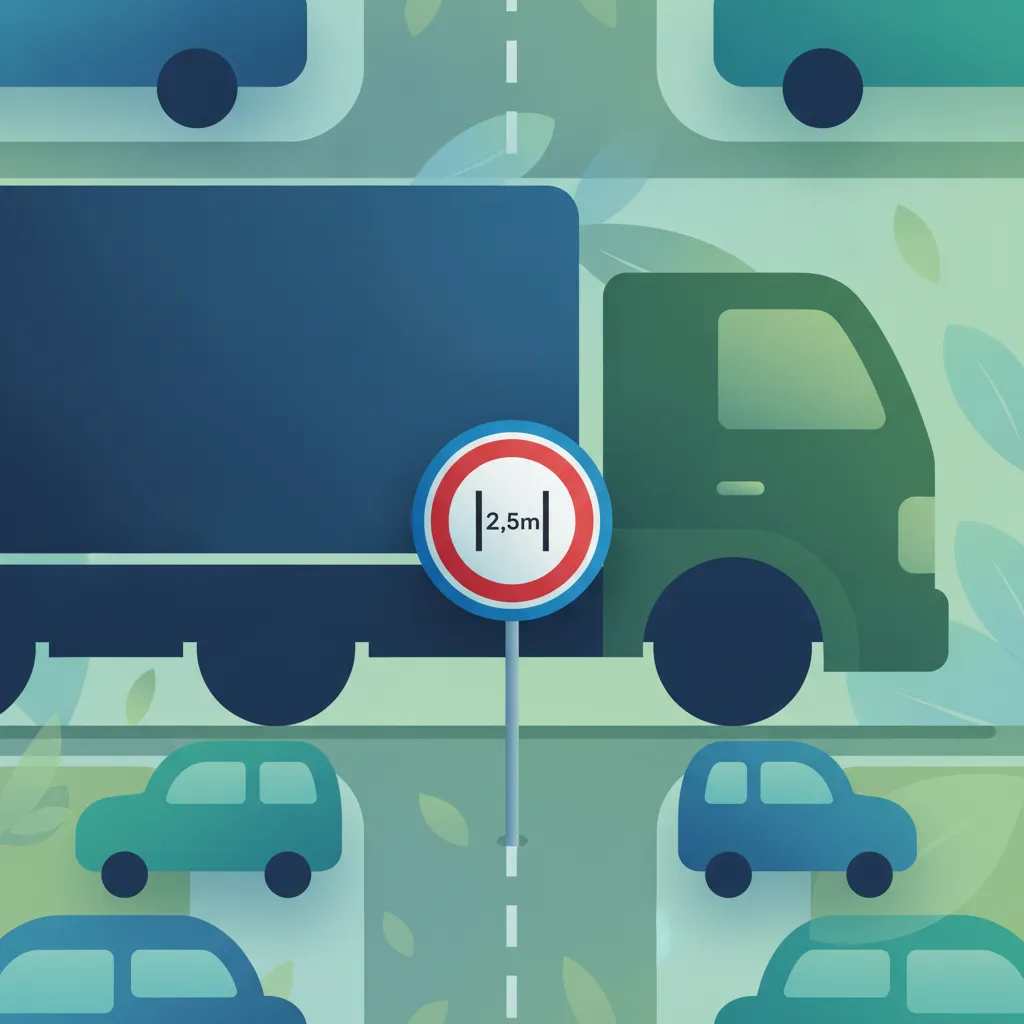
This lesson offers a deep dive into the specific regulations concerning weight, width, and axle load restrictions for goods vehicles. It covers how to read and comply with the associated road signs to avoid overloading weak bridges and entering restricted areas. Learners will understand the importance of correct load assessment and the serious penalties for non-compliance, which are enforced through DVSA roadside inspections and weighbridges.

This lesson provides guidance on where and how to park your vehicle legally and safely. It covers common manoeuvres like parallel parking and reversing into a bay, as well as specific rules for parking on a hill or at night. You will also learn to recognise locations where stopping is prohibited, such as on zig-zag lines or in clearways.
Learn essential driver responsibilities, communication techniques, and safe manual handling practices for assisting passengers with reduced mobility. Focuses on dignity, consent, and effective support for accessible transport in Great Britain.
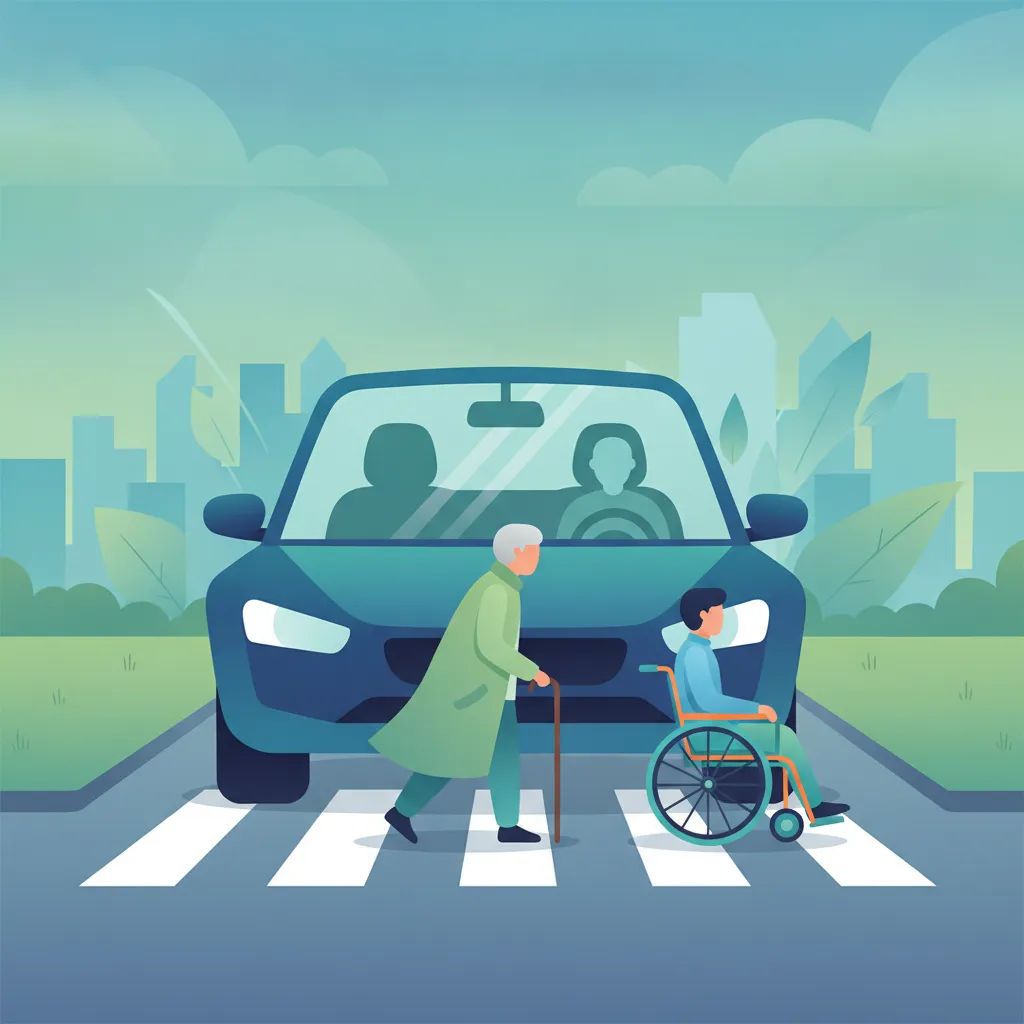
This lesson focuses on developing a proactive and patient approach towards elderly and disabled road users. It explains how to recognize and provide additional time and space for individuals with slower movement, mobility scooters, or sensory impairments. The content emphasizes the importance of driver attitude, patience at crossings, and anticipating the needs of these vulnerable individuals. Understanding these factors is crucial for preventing accidents and demonstrating a high level of professional care and responsibility.
This lesson explores safe boarding protocols, focusing on correct door operation, managing internal passenger movement, and providing assistance for passengers with reduced mobility. It emphasizes the importance of establishing safety zones near doorways, managing standing passengers during boarding, and using audible alarms. The lesson also covers the proper sequence for wheelchair boarding and the use of loading bays to ensure smooth passenger flow and minimize risks during the boarding process.
This lesson provides a thorough understanding of the core safety principles required to protect passengers. It covers secure seating, safe standing zones, and the proper handling of passenger luggage to prevent hazards. Learners will also identify the location and use of emergency equipment, understand seatbelt compliance, and learn how to conduct on-board safety briefings. The focus is on risk assessment and hazard identification to maintain a secure environment for all passengers.

This lesson provides a step-by-step guide to evacuating a bus or coach in an emergency. It covers locating and operating all emergency exits, including hammers for breaking glass. The focus is on providing clear, calm instructions to passengers to prevent panic and ensure an orderly evacuation. Strategies for assisting children, the elderly, and passengers with disabilities are detailed, along with the importance of guiding everyone to a safe assembly point away from the vehicle and traffic.
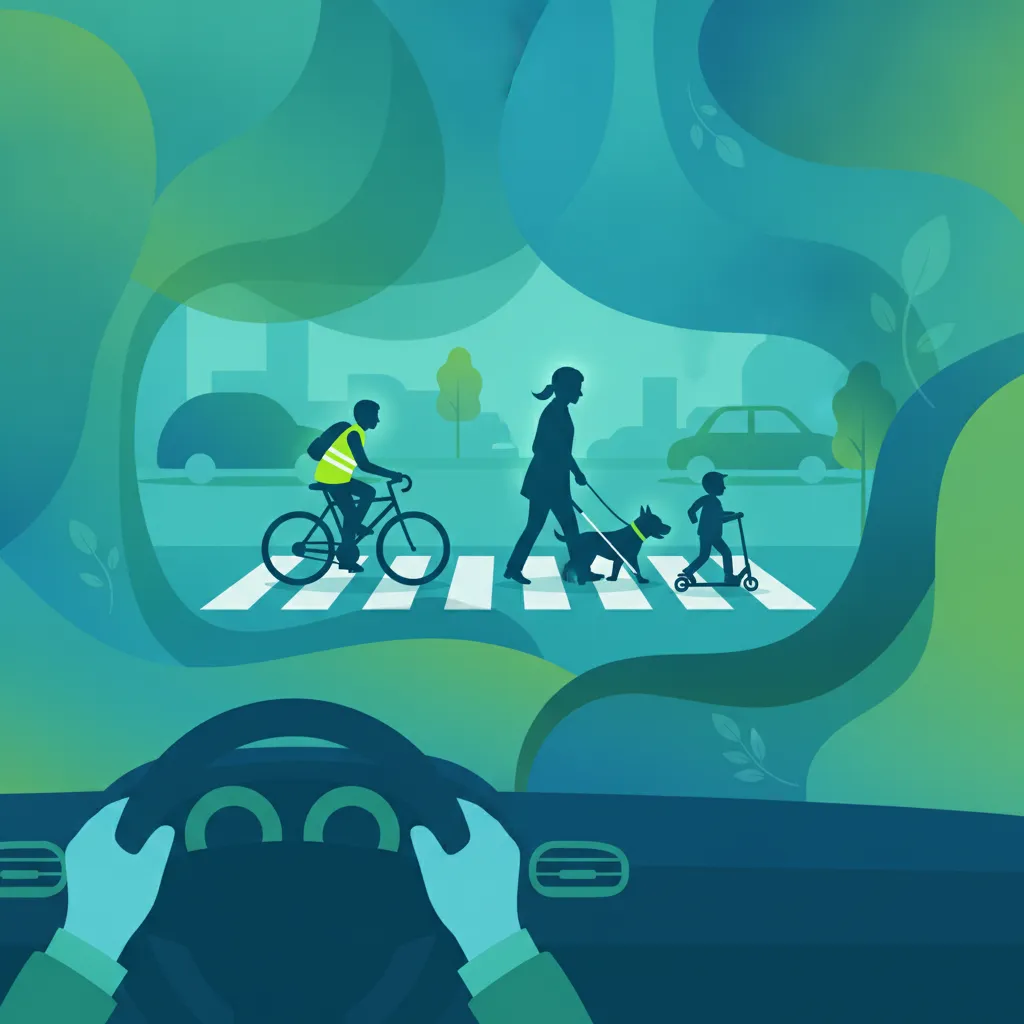
This lesson teaches drivers how to identify various types of vulnerable road users and anticipate their potential actions to prevent conflicts. It covers the specific risks associated with pedestrians, cyclists, motorcyclists, children, and elderly or disabled individuals. Emphasis is placed on heightened awareness and defensive driving techniques required to share the road safely. Understanding their perspectives and typical behaviours is key to protecting them and maintaining safety for everyone.
This lesson details your legal responsibility for passenger safety. It covers the mandatory use of seatbelts for all occupants and explains the specific laws regarding child car seats, which are based on a child's height or weight. Correctly fitted head restraints and understanding how airbags work are also key components of passenger protection.
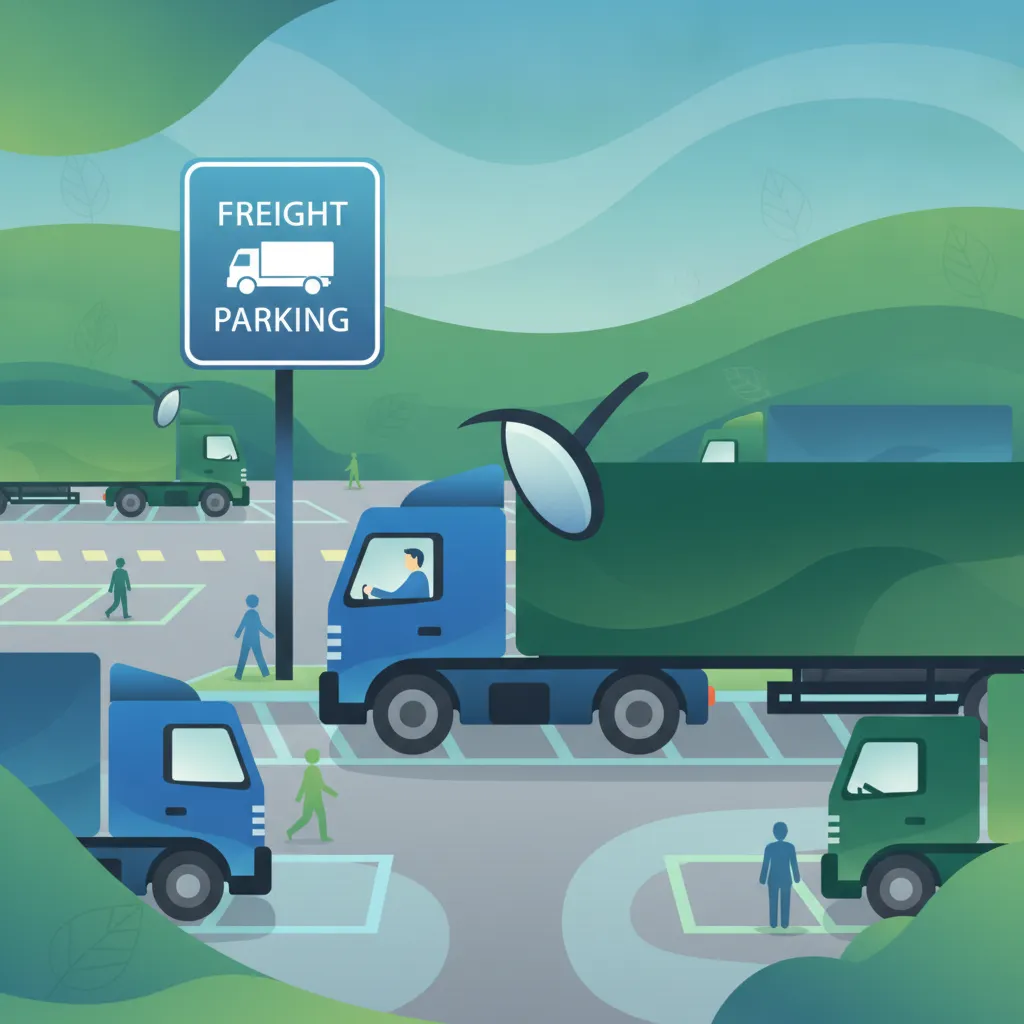
This lesson covers the specific procedures for operating within busy bus terminals and service areas. It details the protocols for approaching and parking in allocated bays, managing the safe flow of passengers, and communicating with station staff. The content emphasizes the need for extreme caution and low-speed manoeuvring due to high pedestrian traffic. It also reviews pre-departure checks and communication protocols necessary for efficient and safe terminal operations.

This lesson focuses on alighting strategies and correct bus stop positioning to ensure passengers can exit the vehicle safely. Learners will investigate precise kerb alignment, the use of alighting alarms, and procedures for safe passenger disembarkation. Additionally, it covers the critical need for traffic awareness during alighting, such as monitoring mirrors and surrounding traffic, using stop signs, and prioritising the safety of vulnerable road users who may be near the bus.
This lesson examines the professional duties and ethical standards expected of passenger vehicle drivers, highlighting the duty of care owed to passengers and other road users. It covers the importance of maintaining professional standards, adhering to ethical conduct, and fostering public confidence through responsible behaviour. The content addresses industry accountability mechanisms and outlines how drivers are expected to act with integrity and respect for passenger wellbeing.

This lesson focuses on the essential role of public trust in maintaining the reputation and reliability of passenger transport services. Learners will explore how passenger welfare is central to building confidence, emphasizing the impact of a strong safety culture and effective risk management on service perception. The content highlights the driver's responsibility in upholding stakeholder expectations, including community safety and the broader societal role of public transportation, ensuring a high standard of service.
Find clear answers to common questions learners have about Accessibility Standards and Secure Loading. Learn how the lesson is structured, which driving theory objectives it supports, and how it fits into the overall learning path of units and curriculum progression in Great Britain. These explanations help you understand key concepts, lesson flow, and exam focused study goals.
Your primary responsibility is to ensure the wheelchair is correctly positioned and secured using the vehicle's dedicated restraints. You must assist in the safe operation of the ramp and confirm that the passenger's seatbelt is correctly fitted before commencing the journey.
Yes, all boarding equipment must be fully operational and properly maintained. In the theory test, you should know that you must never deploy a ramp where it may cause a hazard to other road users or pedestrians and always check the area is clear before operation.
The DVSA exam tests your knowledge of the Highway Code regarding passenger welfare. You will likely face scenarios requiring you to identify the correct sequence of actions when assisting passengers with mobility aids or handling specialized loading equipment.
If you cannot safely secure the wheelchair according to the manufacturer's guidelines, you must not move the vehicle. Safety is paramount; you should explain the situation calmly to the passenger and seek assistance or follow your company's emergency protocol.
Dive into our comprehensive question bank to find exactly what you need for your Great Britain theory test. Use our advanced filters to pinpoint specific subjects or test your knowledge on challenging areas, ensuring you're fully prepared for success.