
This lesson guides you through the critical procedures for managing passenger boarding and alighting safely. It focuses on your professional responsibilities as a bus, coach, or minibus driver, ensuring you can manage passenger movement effectively while complying with DVSA standards.

Lesson content overview
Operating a passenger vehicle, whether a bus, coach, or minibus, requires meticulous attention to safety, especially during passenger boarding and movement. This lesson is designed for those pursuing a Category D, D1, D1E, or DE licence, providing an in-depth understanding of the protocols that ensure passenger safety, vehicle stability, and adherence to legal requirements in Great Britain. Mastery of these procedures is not only crucial for passing your theory test but also for a successful and responsible professional driving career.
Safe boarding is a multi-faceted process that integrates spatial awareness, controlled vehicle operation, clear communication, and specific assistance techniques. The primary goal is to minimise risks for all passengers, particularly those who are more vulnerable, as they enter a stationary passenger vehicle at designated stops or terminals. This process directly impacts passenger well-being, helps prevent accidents and injuries, ensures compliance with national regulations, and contributes to the overall efficiency and reputation of public transport services.
Effective boarding procedures prevent common hazards such as passengers being struck by moving traffic, injured by vehicle movement, or experiencing falls. Neglecting these protocols can lead to serious injuries, significant liability claims against the operator, and potential penalties for the driver, including licence endorsements. A professional driver’s responsibility extends beyond driving to actively manage the environment around their vehicle whenever passengers are present.
A fundamental aspect of safe boarding procedures is the establishment and maintenance of a safety zone around each passenger entry door. This zone is a strictly unobstructed area designed to protect passengers from potential hazards such as passing traffic, sudden vehicle movements, or the door itself. Drivers of buses, coaches, and minibuses must be acutely aware of and vigilantly manage these zones.
The safety zone extends a minimum of 1.5 metres (approximately 5 feet) directly outward from the vehicle door and 0.75 metres (approximately 2.5 feet) on each side of the door opening. This protective perimeter must be clear of passengers, other road users, and obstacles before, during, and after door operation. For multi-door vehicles, a separate safety zone applies to each entry/exit point.
The requirement to observe safety zones is enshrined in regulations and best practices, notably through the Highway Code Rule 224, which mandates that drivers must check it is safe to open any vehicle door. By ensuring this zone is clear, drivers prevent passengers from being exposed to the danger of being struck by passing vehicles or by the vehicle's own doors as they open and close. It also prevents passengers from standing in a position where an unexpected slight vehicle movement could cause a fall.
Drivers must develop a systematic habit of checking these areas using mirrors and direct observation before initiating any door movement. This vigilant verification is non-negotiable, even at seemingly quiet stops or in favourable weather conditions. Failing to ensure the safety zone is clear is a common cause of preventable accidents.
The safe and controlled operation of vehicle doors is a paramount responsibility for every passenger vehicle driver. Whether the doors are manual or automatic, their management significantly impacts passenger safety and the overall efficiency of the boarding process.
Passenger vehicles may be fitted with various door systems:
Regardless of the system, the fundamental principle remains: doors should only be opened when the vehicle is completely stationary and safe to do so, and must be securely closed before the vehicle moves. Highway Code Rule 220 specifically addresses opening doors when stationary, reinforcing the need for caution.
Before opening any passenger door, the driver must confirm several critical conditions:
Once passengers have boarded or alighted, the driver must visually verify that all doors are fully closed and securely latched before attempting to move the vehicle. Even automatic doors require this visual check, as sensor malfunctions or small obstructions might prevent a full seal. Moving with an open or unsecured door presents a severe hazard to passengers and other road users.
Effective passenger flow management is crucial for maintaining safety, especially at busy bus stops or during peak hours. It involves guiding and coordinating passenger movement to ensure an orderly, safe, and efficient boarding process, thereby reducing potential congestion and minimising dwell time.
One of the driver's key roles is to ensure that standing passengers waiting to board do not encroach upon the safety zone. Passengers, particularly at crowded stops, may naturally gravitate towards the door area, inadvertently placing themselves at risk from passing traffic or the vehicle's doors.
Drivers should proactively use clear visual signals (e.g., a hand gesture indicating to stand back) or audible instructions via the vehicle's intercom system (e.g., "Please keep clear of the front door area while we board") to direct passengers to wait safely to the side or rear of the designated boarding space. This anticipatory management reduces the likelihood of incidents.
At busy locations, passenger flow can become complex. Drivers may employ several strategies:
Efficient passenger flow management not only enhances safety but also directly contributes to reducing dwell time – the period a vehicle spends stationary at a stop. Shorter dwell times improve schedule adherence and overall service efficiency. However, efficiency must never compromise safety.
Providing comprehensive assistance to Passengers with Reduced Mobility (PRM), including wheelchair users, is a fundamental aspect of passenger vehicle operations in Great Britain. This is not merely a courtesy but a legal and ethical obligation.
The Equality Act 2010 in England and Wales (with equivalent legislation in Scotland and Northern Ireland) places a legal duty on public service operators to make "reasonable adjustments" to ensure disabled persons are not discriminated against and have equal access to services. For passenger vehicle drivers, this translates into specific protocols for assisting PRM passengers during boarding and alighting.
Failure to provide appropriate assistance or to properly utilise accessibility equipment can result in legal penalties and significant reputational damage. Drivers must be fully conversant with their responsibilities under this act.
Assistance for PRM passengers encompasses a range of needs:
Drivers must approach all PRM passengers with patience, respect, and dignity, offering assistance proactively but always asking how best to help.
Effective communication is key. Before deploying a ramp or lift, drivers should:
Maintaining the passenger's dignity means performing assistance respectfully and efficiently, avoiding unnecessary delays or making the passenger feel like a burden.
For vehicles equipped to carry wheelchair users, the safe and correct use of loading bays and wheelchair ramps is paramount. These features are specifically designed to provide secure and equitable access.
When a wheelchair passenger needs to board, precise vehicle positioning is critical. The driver must:
The deployment of a wheelchair ramp or lift must be carried out methodically:
Verify Safety Zone: Confirm the area around the loading bay and ramp path is clear of pedestrians, obstacles, and traffic.
Activate Audible Alarm: Trigger the designated audible chime (as per Regulation 137) to alert all passengers, especially those with visual impairments, that the door is opening and the ramp is deploying.
Deploy Ramp/Lift: Operate the ramp or lift mechanism smoothly and steadily. Ensure it is fully extended and securely locked into position on the ground or curb before the passenger attempts to use it.
Assess Gradient: If the ground is uneven or the curb is steep, assess the ramp's gradient. If it appears unsafe, reposition the vehicle or seek alternative solutions. Always use anti-slip mats if conditions are wet or icy.
Guide Passenger: Offer clear verbal instructions and physical guidance as the wheelchair user boards, ensuring they are stable throughout the process.
Retract Ramp/Lift: Once the passenger is safely inside, retract the ramp or lift, ensuring it is fully stowed and the loading bay door is securely closed before preparing for departure.
Once a wheelchair user is on board, it is the driver's responsibility to ensure their chair is properly secured in the designated area using the vehicle's specific restraint systems. This typically involves:
Proper securement prevents the wheelchair from moving during transit, protecting the passenger and others on board.
Audible alarms play a vital safety role in passenger vehicles, particularly in aiding passengers with visual impairments and alerting others to door operations. These distinct sound signals are a mandatory safety feature under specific regulations.
Regulation 137 of the Passenger Service Vehicle Safety Regulations mandates that audible alarms must be fitted and used to signal the opening and closing of doors, especially where Passengers with Reduced Mobility (PRM) are present. The purpose is to provide a clear, auditory cue that a door is about to open or close, allowing passengers to prepare or take appropriate action.
The alarm should typically be a single, distinct chime or tone, and it must be activated 2-3 seconds before the door begins to open. This short delay provides sufficient time for a visually impaired passenger to orient themselves or for any passenger to move away from the door area if necessary. Similarly, a different tone may be used to signal door closure.
Always activate the audible alarm: Even if you can visually confirm no PRM passengers are present, make it standard practice to activate the alarm before door operation. This fosters a consistent safety routine.
For passengers who are blind or have low vision, audible alarms are an indispensable safety feature. They provide crucial information about:
Without these auditory cues, visually impaired passengers are at a significantly higher risk of misjudging door movements or colliding with the door itself.
Some vehicles may feature different audible tones to distinguish between boarding (doors opening for entry) and alighting (doors opening for exit). This distinction can further aid passenger orientation, particularly in complex multi-door layouts or at busy terminals. Drivers must be familiar with their vehicle's specific alarm system and ensure the correct signals are used at the appropriate times. The sound must be clearly audible throughout the passenger cabin, as specified by Rule 230 – Use of Audible Devices.
Safe boarding procedures are not static; they must adapt to various environmental conditions, road types, vehicle states, and interactions with other road users. A professional driver’s comprehensive understanding of these variables is crucial for effective risk mitigation.
Drivers must remain aware of other road users around their stationary vehicle, particularly during boarding.
Ignoring safe boarding protocols can lead to serious incidents and legal repercussions. Common violations include:
These violations underscore the importance of continuous vigilance and adherence to established procedures.
Safe boarding procedures are a cornerstone of professional passenger vehicle operation. For drivers working towards their Category D, D1, D1E, or DE licence, understanding and meticulously applying these protocols is non-negotiable. From maintaining the critical safety zone around doors and expertly managing passenger flow to providing dignified assistance for Passengers with Reduced Mobility, every action contributes to the safety, comfort, and confidence of those being transported.
By consistently adhering to regulations such as the Highway Code and the Equality Act 2010, utilising audible alarms effectively, and adapting procedures to various conditions, drivers not only fulfil their legal obligations but also uphold the highest standards of professional conduct in public transport. This comprehensive approach to boarding and passenger movement is essential for preventing accidents, ensuring accessibility, and delivering reliable service across Great Britain.
Explore all units and lessons included in this driving theory course.
Lesson content overview
Explore all units and lessons included in this driving theory course.
Explore search topics learners often look for when studying Safe Boarding Procedures and Passenger Movement. These topics reflect common questions about road rules, driving situations, safety guidance, and lesson level theory preparation for learners in Great Britain.
Browse additional driving theory lessons that cover connected traffic rules, road signs, and common driving situations related to this topic. Improve your understanding of how different rules interact across everyday traffic scenarios.
Learn the essential protocols for assisting passengers with reduced mobility (PRM), including wheelchair users, as required for the UK Category D driving theory test. Understand legal obligations and best practices for dignified and safe passenger transport.

This lesson focuses on the legal and practical requirements for providing accessible transport for passengers with reduced mobility. It covers wheelchair access, ramp usage, and securement devices, as well as procedures for safely assisting passengers with mobility aids. The discussion highlights relevant disability legislation and the importance of proper loading and unloading protocols to protect both passengers and the driver from injury, ensuring compliance with accessibility standards in Great Britain.

This lesson provides a step-by-step guide to evacuating a bus or coach in an emergency. It covers locating and operating all emergency exits, including hammers for breaking glass. The focus is on providing clear, calm instructions to passengers to prevent panic and ensure an orderly evacuation. Strategies for assisting children, the elderly, and passengers with disabilities are detailed, along with the importance of guiding everyone to a safe assembly point away from the vehicle and traffic.

This lesson provides a thorough understanding of the core safety principles required to protect passengers. It covers secure seating, safe standing zones, and the proper handling of passenger luggage to prevent hazards. Learners will also identify the location and use of emergency equipment, understand seatbelt compliance, and learn how to conduct on-board safety briefings. The focus is on risk assessment and hazard identification to maintain a secure environment for all passengers.

This lesson focuses on alighting strategies and correct bus stop positioning to ensure passengers can exit the vehicle safely. Learners will investigate precise kerb alignment, the use of alighting alarms, and procedures for safe passenger disembarkation. Additionally, it covers the critical need for traffic awareness during alighting, such as monitoring mirrors and surrounding traffic, using stop signs, and prioritising the safety of vulnerable road users who may be near the bus.
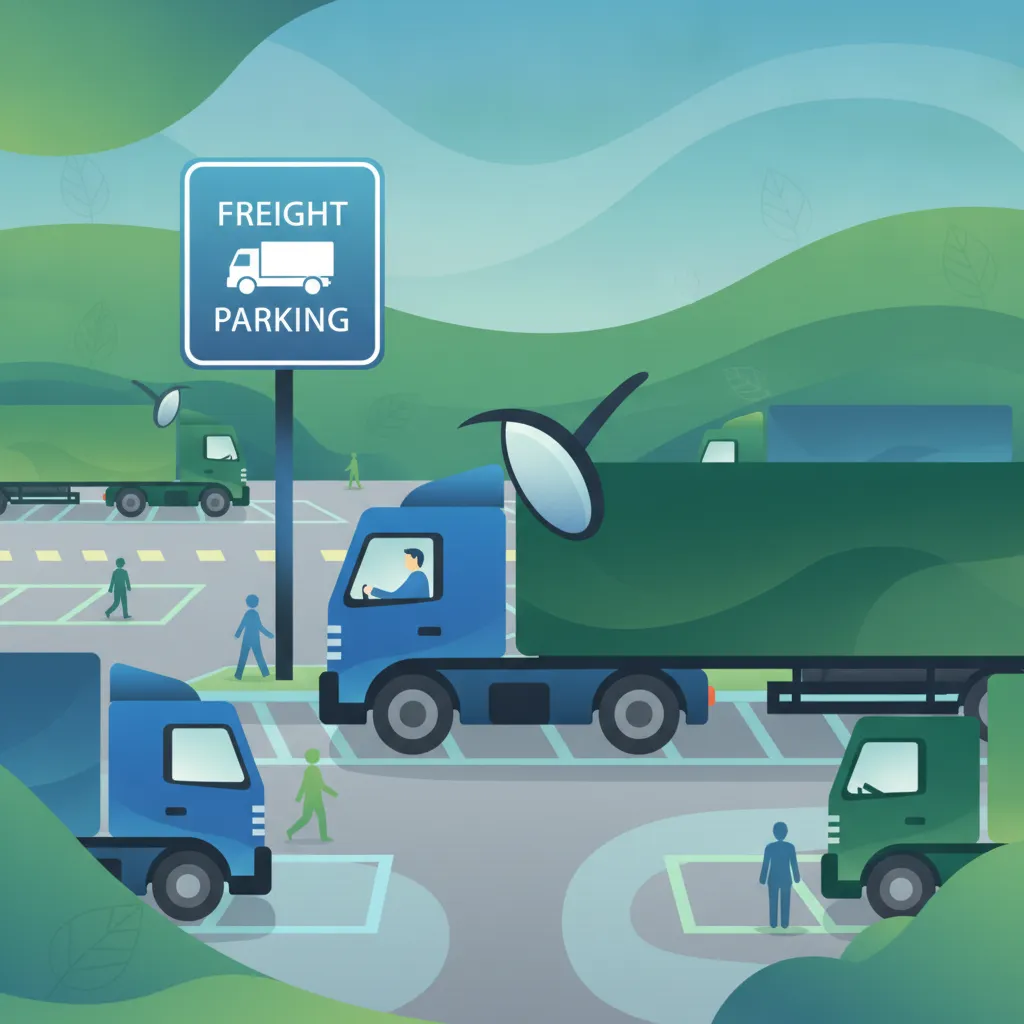
This lesson covers the specific procedures for operating within busy bus terminals and service areas. It details the protocols for approaching and parking in allocated bays, managing the safe flow of passengers, and communicating with station staff. The content emphasizes the need for extreme caution and low-speed manoeuvring due to high pedestrian traffic. It also reviews pre-departure checks and communication protocols necessary for efficient and safe terminal operations.
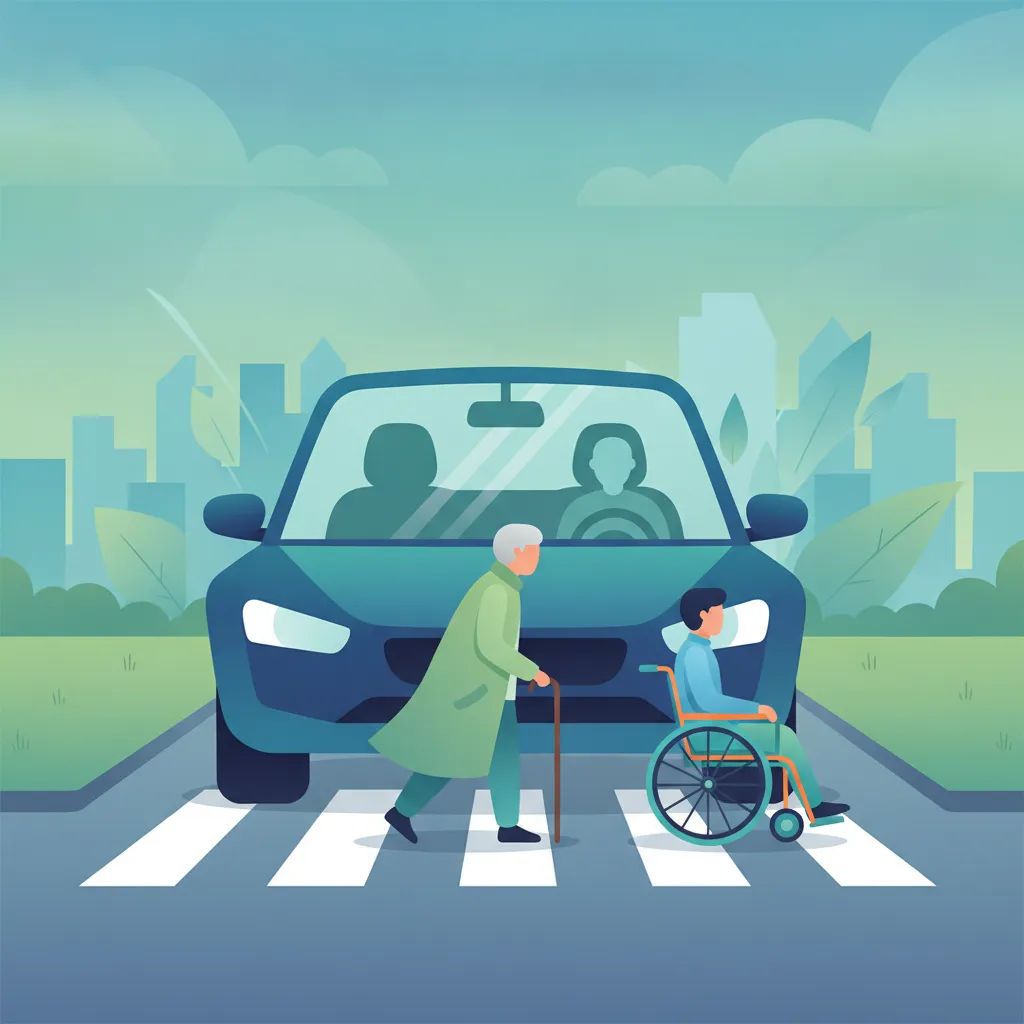
This lesson focuses on developing a proactive and patient approach towards elderly and disabled road users. It explains how to recognize and provide additional time and space for individuals with slower movement, mobility scooters, or sensory impairments. The content emphasizes the importance of driver attitude, patience at crossings, and anticipating the needs of these vulnerable individuals. Understanding these factors is crucial for preventing accidents and demonstrating a high level of professional care and responsibility.

This lesson examines the design and operation of urban bus stops and how passenger flow can be managed efficiently. It covers strategies for crowd control, dwell time minimization, effective queuing systems, and proper loading zone utilization. It also explores how bus stop signage and clear passenger information can aid in smooth boarding and alighting. Mastering these skills enhances overall safety, improves service quality, and maintains schedule reliability in challenging urban environments.
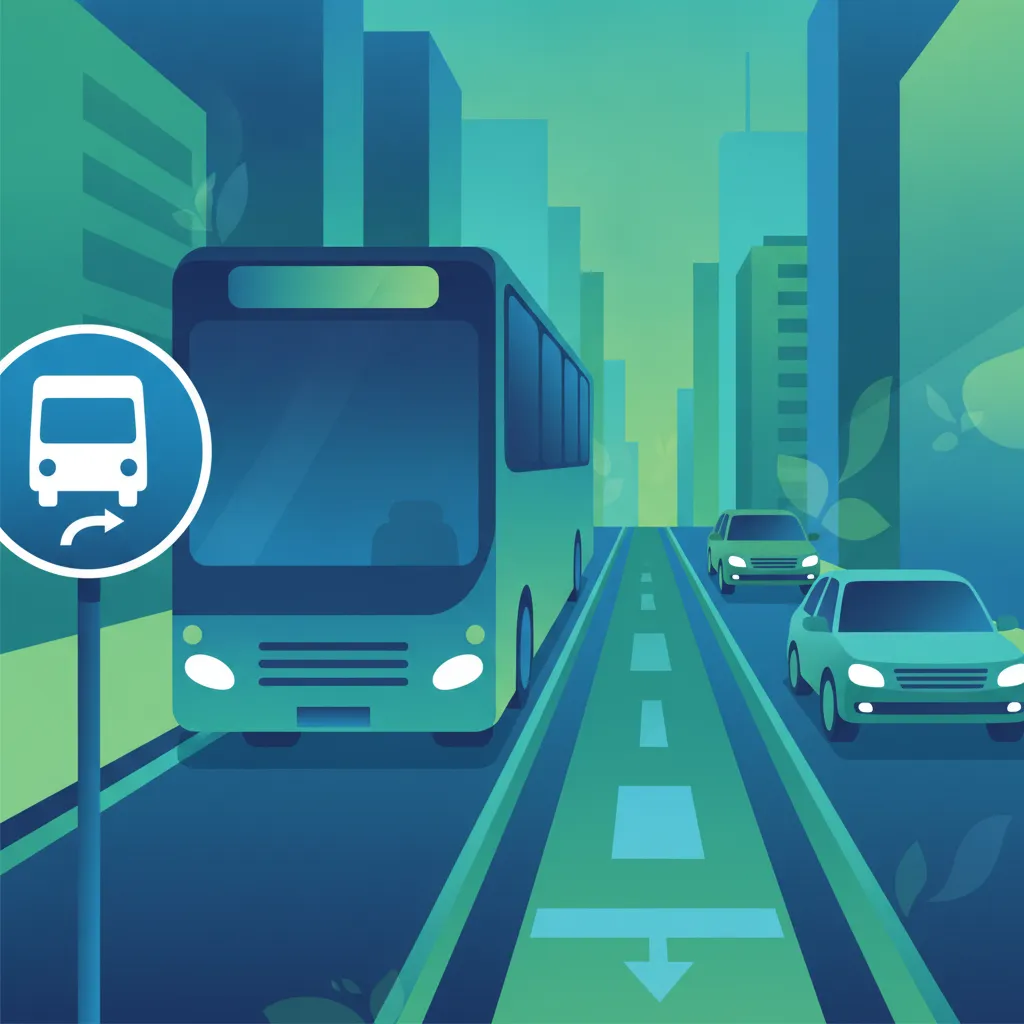
This lesson examines the unique rules and restrictions governing buses and coaches, focusing on bus lane priority, time-based restrictions, and loading zone limitations. Learners will explore the criteria for using bus-only routes and understand the legal consequences of non-compliance. The content also reviews signage indicating bus gate operation and areas where passenger vehicles are prohibited from stopping or loading outside of designated zones, ensuring lawful and efficient urban navigation.

This lesson focuses on techniques for achieving smooth acceleration and deceleration, which is essential for passenger comfort and safety. Learners will study progressive throttle application, appropriate gear selection, and the use of engine braking and retarders to minimize harsh braking. The discussion includes managing momentum on inclines and declines while balancing fuel efficiency with passenger ride quality. Mastering these skills reduces passenger jolts and maintains vehicle stability.

This lesson discusses the crucial interaction between passenger vehicles and pedestrians at and around bus stops. Learners will explore pedestrian right-of-way, especially at crosswalks, and positioning strategies to maintain a safe distance from people waiting or crossing. The lesson also covers pedestrian alertness measures and conflict avoidance techniques to protect vulnerable road users. This knowledge is essential for preventing accidents and maintaining a safe environment around the vehicle during stops.
Understand the critical importance of safety zones around bus doors and correct door operation procedures. This lesson covers managing passenger flow and preventing hazards during boarding for the UK Category D theory exam.
This lesson examines the design and operation of urban bus stops and how passenger flow can be managed efficiently. It covers strategies for crowd control, dwell time minimization, effective queuing systems, and proper loading zone utilization. It also explores how bus stop signage and clear passenger information can aid in smooth boarding and alighting. Mastering these skills enhances overall safety, improves service quality, and maintains schedule reliability in challenging urban environments.
This lesson covers the specific procedures for operating within busy bus terminals and service areas. It details the protocols for approaching and parking in allocated bays, managing the safe flow of passengers, and communicating with station staff. The content emphasizes the need for extreme caution and low-speed manoeuvring due to high pedestrian traffic. It also reviews pre-departure checks and communication protocols necessary for efficient and safe terminal operations.

This lesson addresses the critical importance of child safety in school transport zones and around school buses. It covers the specific regulations, such as 20 mph speed limits and stopping restrictions indicated by zigzag lines. Learners will focus on the unpredictable nature of children and the need for heightened vigilance and readiness to stop unexpectedly. The content also includes procedures for the safe transport of pupils, ensuring their security both inside and outside the vehicle.

In this lesson, learners will study the specific signage and markings related to bus stops and designated passenger loading zones. Topics include correct stop approach, positioning the bus for safe boarding and alighting, and the proper use of these areas. Learners will also examine the legal expectations for passenger loading zones, including restrictions on stopping outside these zones and best practices for managing passenger flow safely and efficiently during busy periods.

This lesson focuses on the critical skill of managing the large blind spots inherent to buses and coaches. It details the purpose of different mirror classes (e.g., wide-angle and kerb-view) and how to use them effectively. Learners will develop a systematic scanning and mirror-checking routine to maintain constant awareness of their surroundings, particularly looking for cyclists and pedestrians who may be hidden from direct view, thereby minimizing the risk of a collision.
This lesson provides a thorough understanding of the core safety principles required to protect passengers. It covers secure seating, safe standing zones, and the proper handling of passenger luggage to prevent hazards. Learners will also identify the location and use of emergency equipment, understand seatbelt compliance, and learn how to conduct on-board safety briefings. The focus is on risk assessment and hazard identification to maintain a secure environment for all passengers.
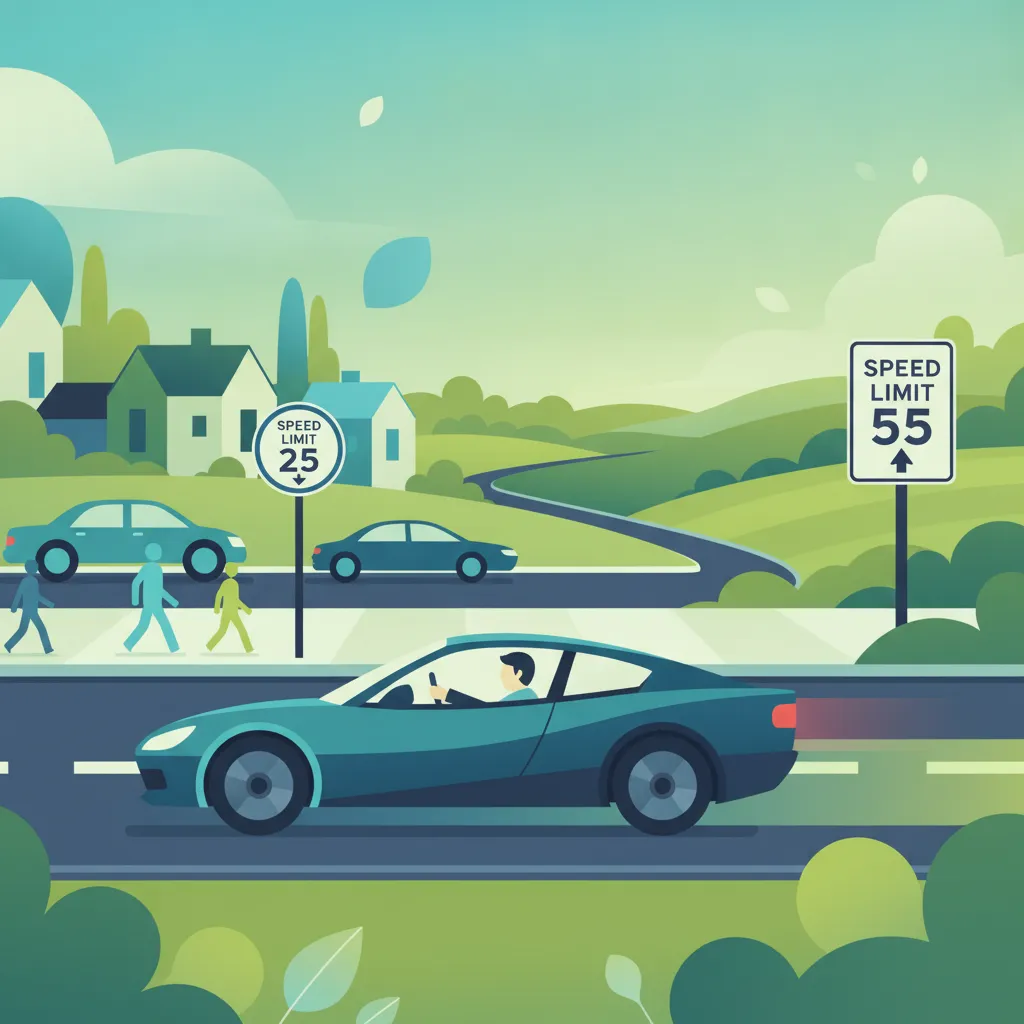
This lesson details speed management techniques applicable to urban, rural, and motorway environments, focusing on compliance with legal speed limits and developing appropriate speed perception. It covers strategies for monitoring speed and adjusting for road conditions, traffic density, and overall passenger safety. The lesson also reviews enforcement mechanisms and emphasizes the importance of speed compliance for accident avoidance and regulatory adherence, a critical skill for all professional drivers.
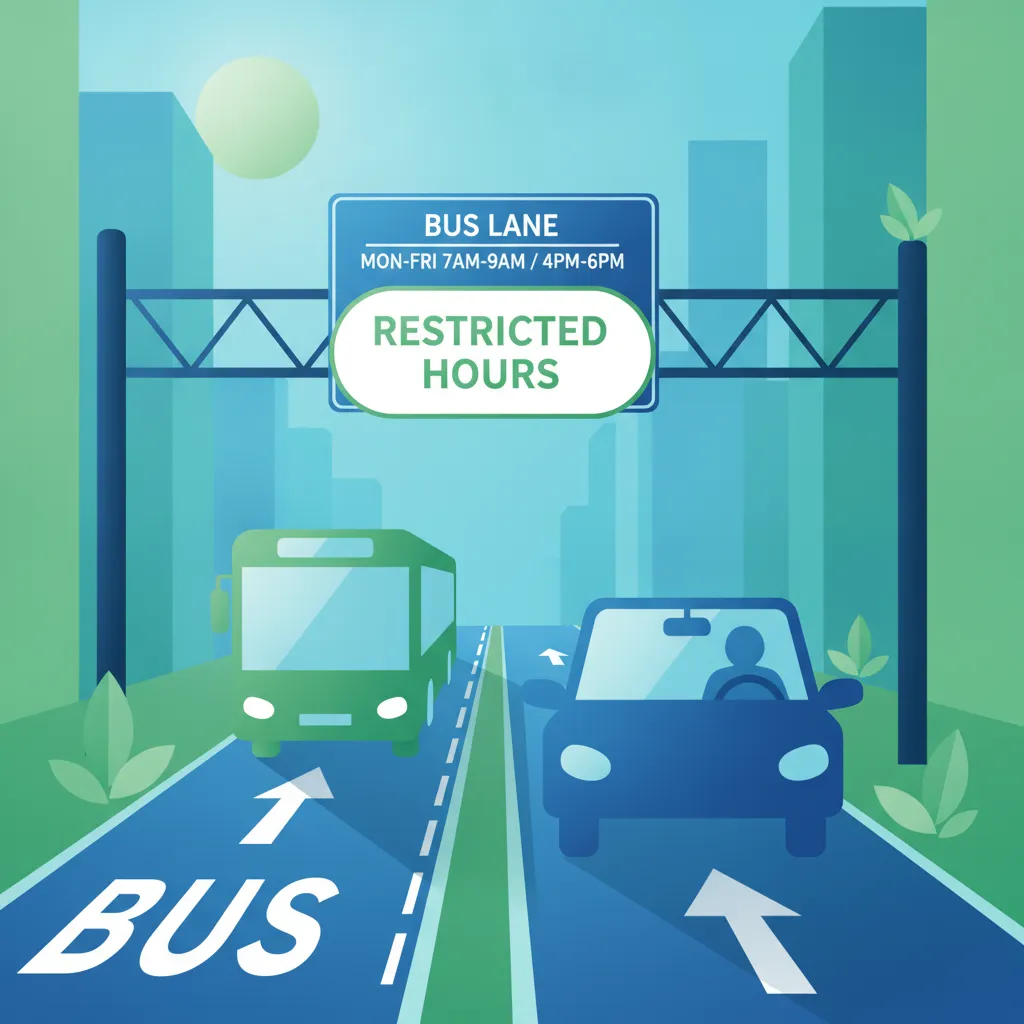
This lesson covers the importance of maintaining correct lane discipline when driving a large passenger vehicle. It details how to position your vehicle safely within a lane on various road types, including multi-lane carriageways and motorways. You will learn the specific rules governing bus lanes, including how to interpret markings, adhere to operating times, and understand the exemptions and penalties associated with their use to ensure legal and efficient driving.
This lesson examines the unique rules and restrictions governing buses and coaches, focusing on bus lane priority, time-based restrictions, and loading zone limitations. Learners will explore the criteria for using bus-only routes and understand the legal consequences of non-compliance. The content also reviews signage indicating bus gate operation and areas where passenger vehicles are prohibited from stopping or loading outside of designated zones, ensuring lawful and efficient urban navigation.
This lesson discusses the crucial interaction between passenger vehicles and pedestrians at and around bus stops. Learners will explore pedestrian right-of-way, especially at crosswalks, and positioning strategies to maintain a safe distance from people waiting or crossing. The lesson also covers pedestrian alertness measures and conflict avoidance techniques to protect vulnerable road users. This knowledge is essential for preventing accidents and maintaining a safe environment around the vehicle during stops.
Find clear answers to common questions learners have about Safe Boarding Procedures and Passenger Movement. Learn how the lesson is structured, which driving theory objectives it supports, and how it fits into the overall learning path of units and curriculum progression in Great Britain. These explanations help you understand key concepts, lesson flow, and exam focused study goals.
It is a legal and safety requirement to ensure the vehicle is stationary before operating doors to prevent passengers from falling or being trapped while the bus is moving. This is a common theme in DVSA theory test questions regarding passenger safety.
You must ensure the bus is positioned close to the kerb, deploy the ramp safely, and ensure the wheelchair is correctly positioned and secured in the designated area before the vehicle moves. Always offer assistance if required and ensure the passenger is ready before departing.
Maintain a calm demeanor, clearly signal your intent, and ensure passengers enter in an orderly fashion. Use your mirrors and cameras to monitor the boarding area constantly, and ensure all passengers are safely clear of the doors before pulling away.
Yes, you must ensure that boarding passengers do not block the view of the driver or impede the flow of others moving through the vehicle. Encourage passengers to move down the cabin to keep the boarding area clear for newcomers.
Dive into our comprehensive question bank to find exactly what you need for your Great Britain theory test. Use our advanced filters to pinpoint specific subjects or test your knowledge on challenging areas, ensuring you're fully prepared for success.