
This lesson focuses on the critical skills of lane discipline and the correct use of bus lanes while operating large passenger vehicles. It builds upon your understanding of road markings and traffic signs, preparing you to safely navigate multi-lane roads and urban environments. Mastering these rules is essential for both your theory exam and the professional conduct expected of a PCV licence holder.
Lesson content overview
Operating a large passenger vehicle, such as a bus, coach, or minibus, demands exceptional precision and adherence to road rules. Among the most critical aspects of safe and efficient driving for these vehicles are mastering lane discipline and understanding the specific regulations governing bus lane usage in Great Britain. This comprehensive guide will equip you with the knowledge needed to maintain correct lane positioning, navigate multi-lane carriageways and motorways safely, and utilise bus lanes legally and effectively.
This lesson is an essential part of your Great Britain Passenger Vehicle Theory – Bus, Coach and Minibus Drivers curriculum, building foundational knowledge for advanced driving techniques and legal compliance.
Lane discipline refers to the consistent and correct occupation of appropriate lanes, maintaining precise lateral position, and adhering to lane-specific regulations. For professional passenger vehicle drivers, this isn't merely about following rules; it's a fundamental aspect of safety, efficiency, and legal compliance. A well-driven bus, coach, or minibus that maintains exemplary lane discipline contributes significantly to road safety, reduces traffic congestion, and ensures timely public transport services.
Proper lane positioning for large vehicles significantly reduces potential conflict points with other road users, helping to prevent side-impact collisions. Predictable vehicle behaviour, a direct result of good lane discipline, allows other drivers to anticipate your movements and react accordingly. From an efficiency standpoint, structured lane use keeps traffic flowing smoothly, which is vital for maintaining timetables and reducing delays in public transport. Furthermore, the Highway Code clearly outlines legal obligations for lane usage, and violations can result in substantial fines, penalty points on your licence, and even disqualification.
The sheer size and weight of passenger vehicles mean that their handling characteristics are different from standard cars. A higher centre of gravity and larger turning circle necessitate careful and stable lane positioning to avoid abrupt steering inputs, especially during adverse conditions or emergency manoeuvres. Maintaining a correct lane position provides the necessary lateral clearance for adjacent vehicles, cyclists, and pedestrians, safeguarding everyone on the road.
General lane discipline involves staying within the marked boundaries of your lane, signalling clearly and in advance for any lane changes, and respecting all lane-specific restrictions indicated by signs and road markings. For drivers of large passenger vehicles, this requires heightened awareness of your vehicle's dimensions and blind spots.
When driving a bus, coach, or minibus, your vehicle's longitudinal axis should ideally be aligned as close to the centre of the lane as safely possible. This positioning provides adequate lateral clearance on both sides of your vehicle, reducing the risk of clipping kerbs, parked vehicles, or encroaching on adjacent lanes. Given the width of large passenger vehicles, sometimes a slight offset to one side may be necessary to allow for objects or hazards (e.g., street furniture, parked vehicles, or pedestrians) that are close to the edge of the road. However, this must always be done without compromising safety or encroaching on another lane.
On narrow roads, particular care is needed to avoid unnecessary closeness to pedestrians, cyclists, or parked vehicles. Always consider your wing mirrors and the full width of your vehicle, especially when navigating bends or passing stationary objects.
Multi-lane carriageways and motorways require strict adherence to lane discipline to maintain traffic flow and safety.
Bus lanes are a critical component of public transport infrastructure in Great Britain, designed to give priority to buses, coaches, and other authorised vehicles. They help reduce journey times, improve reliability, and encourage the use of public transport. As a professional driver, understanding the specific rules for bus lanes is paramount to ensuring efficient service and avoiding penalties.
Bus lanes are clearly identifiable by distinctive road markings and signage. Recognising and correctly interpreting these is fundamental to legal and safe usage.
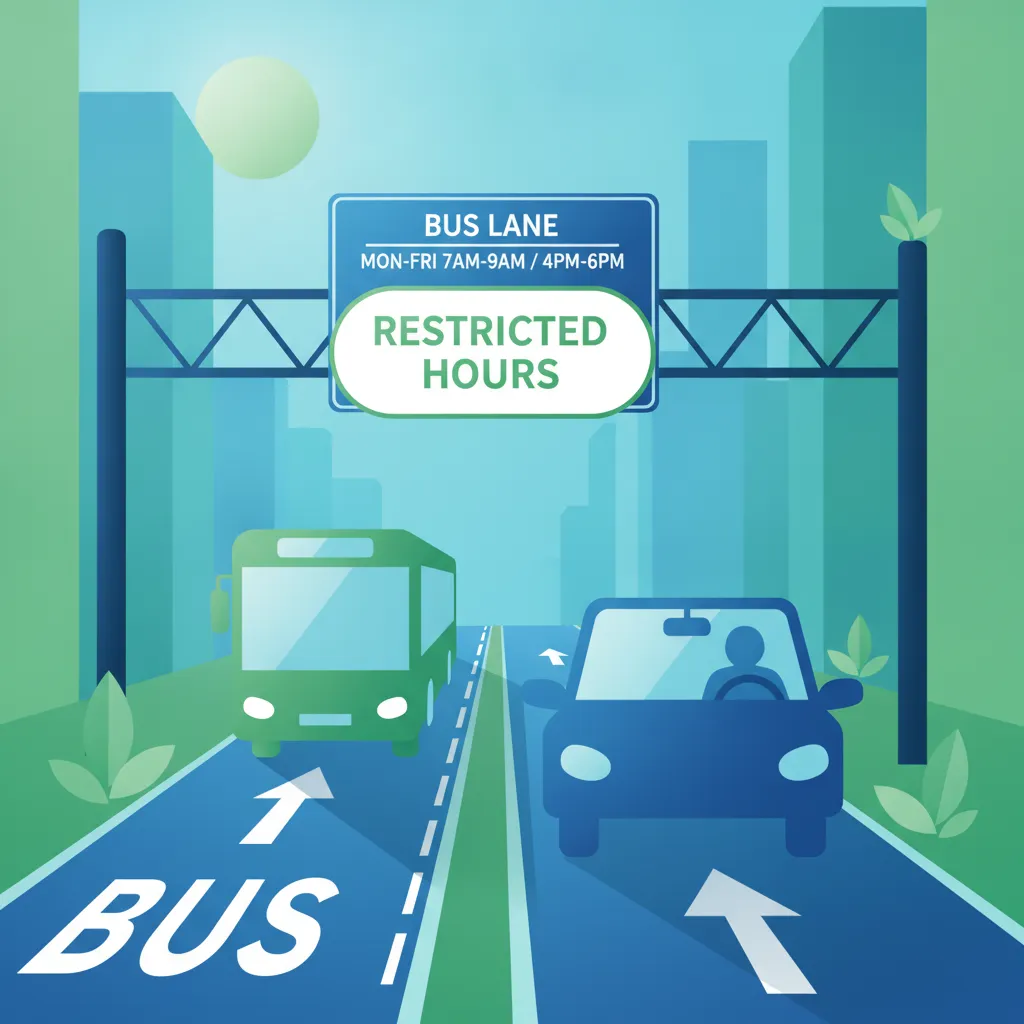
Bus lanes often have specific operating hours during which their restrictions apply. Outside these hours, they may be open for use by general traffic. It is crucial for drivers to always check the accompanying signs, as these clearly display the times when the bus lane is active.
While bus lanes are primarily for buses, certain other vehicles may be legally permitted to use them. These exemptions are usually indicated on supplementary signage beneath the main bus lane sign. Without such explicit signage, you should assume no exemptions apply beyond standard buses and coaches.
Common exemptions may include:
It is crucial to look for and understand all signs associated with a bus lane. Never assume an exemption applies without clear, visible signage.
Even experienced drivers can sometimes make errors regarding lane discipline and bus lane usage. Being aware of common misunderstandings and typical violations can help you avoid them.
Violations of lane discipline and, more specifically, bus lane rules are taken seriously by enforcement authorities. The primary method of enforcement for bus lane infringements in Great Britain is through the issuance of a Fixed Penalty Notice (FPN).
Understanding these penalties underscores the importance of stringent adherence to all lane and bus lane regulations. The financial cost and potential impact on your professional driving licence are significant motivators for careful and compliant driving.
Driving large passenger vehicles requires constant adaptation to changing road and environmental conditions. Maintaining correct lane discipline becomes even more critical when external factors reduce visibility or affect vehicle handling.
Let's consider some real-world scenarios to illustrate correct and incorrect lane discipline and bus lane usage.
Setting: You are driving a bus on an urban dual carriageway. The leftmost lane is a bus lane, clearly marked with "BUS LANE" text and a solid white line, operating from 07:00 to 19:00, Monday to Friday. It's 08:30 on a Tuesday.
Correct Behavior: You remain in the bus lane, using it to progress efficiently past congested general traffic. When approaching a designated bus stop within the bus lane, you indicate, pull in smoothly, and stop at the marked stop line. If there's a broken white line to allow access to a side street, you signal and cross it only when safe. You do not cross the solid white line to overtake a slow car in the general traffic lane.
Incorrect Behavior: You notice a slow-moving taxi in the bus lane ahead and decide to briefly cross the solid white line into the adjacent general traffic lane to overtake it, then cut back into the bus lane. Or, you mistakenly think the bus lane is only for "buses" (not coaches or minibuses) and stay in the general traffic lane, contributing to congestion.
Explanation: The solid white line prohibits crossing, except for specific access points. Overtaking by crossing this line is an infringement. Misinterpreting the vehicle types allowed also leads to inefficient use of infrastructure.
Setting: You are driving a coach on a three-lane motorway. The left-most lane is designated as an HOV lane (High Occupancy Vehicle lane) and is also open to buses and coaches, indicated by overhead signs. There are no specific operating times displayed, implying "at any time."
Correct Behavior: You use the HOV/bus lane as permitted, maintaining your position within it. If you need to overtake a slower vehicle in the HOV lane, you would only do so if the lane markings permit (e.g., broken lines), and always return to the correct lane promptly. For vehicles over 7.5 tonnes, you remember that the furthest right-hand lane is prohibited.
Incorrect Behavior: You see a single-occupant car using the HOV/bus lane and follow it, assuming it's a general traffic lane. Alternatively, you stay in the middle lane, even though the HOV/bus lane is available and clear, contributing to congestion in the main traffic flow.
Explanation: Even if other vehicles are misusing a lane, it doesn't make your misuse legal. You must adhere to the rules that apply to your vehicle. Failing to use an available bus/HOV lane negates its purpose.
Setting: You are driving a minibus on a rural two-lane road (one lane in each direction). There is a marked bus stop bay on the left, but no dedicated bus lane.
Correct Behavior: You signal early and pull completely into the bus stop bay, ensuring your vehicle is fully clear of the main carriageway. You stop at the designated bus stop line, engage hazard warning lights, and safely allow passengers to board and alight. Once clear, you check mirrors, signal, and smoothly rejoin the traffic flow when safe.
Incorrect Behavior: You stop partially in the bus stop bay and partially in the main traffic lane because the bay seems too small or you are in a hurry. You fail to use hazard lights or to check your mirrors properly before rejoining traffic.
Explanation: Even without a dedicated bus lane, proper lane discipline (in this case, using the designated stop area fully) is crucial to avoid obstructing traffic and ensure passenger safety.
Mastering lane discipline and bus lane usage is not just about avoiding penalties; it's about contributing to safer roads, efficient public transport, and maintaining your professional integrity as a passenger vehicle driver.
By consistently applying these principles, you will ensure safe, efficient, and legally compliant operation of your passenger vehicle on the roads of Great Britain.
This lesson covers essential lane discipline rules for large passenger vehicles, including correct lane positioning, multi-lane carriageway requirements, and motorway restrictions for vehicles over 7.5 tonnes. It details how to identify bus lanes through road markings (solid and broken white lines, 'BUS LANE' text, chevrons) and signage, and emphasises checking operating hours on supplementary plates. Learners must understand that exemptions are never assumed but always confirmed through explicit signs, and that violations such as crossing solid white lines or stopping illegally result in Fixed Penalty Notices of approximately £60 to £100. The lesson also covers adapting driving to challenging conditions and interacting safely with cyclists and pedestrians in shared bus lanes.
A short set of high-value points that capture the most important learning from this lesson.
Large passenger vehicles must be positioned centrally within their lane, accounting for their width, higher centre of gravity, and larger blind spots compared to cars.
Bus lanes are identified by specific road markings: solid white lines prohibit crossing except at designated points, while broken white lines permit crossing for access.
Always check supplementary signs for bus lane operating hours, as restrictions may only apply during peak times such as 07:00-10:00 and 16:00-19:00.
Vehicle exemptions for bus lanes must be explicitly indicated on signs; without clear signage, only buses and coaches are permitted.
On motorways with three or more lanes, vehicles over 7.5 tonnes are generally prohibited from using the furthest right-hand lane.
Explore all units and lessons included in this driving theory course.
Solid white line at a bus lane edge means no crossing except at bus stops or emergencies; broken white line means crossing is permitted for access.
Bus lane exemptions (taxis, motorcycles, cyclists) are always displayed on supplementary plates below the main blue bus lane sign.
Fixed Penalty Notices for bus lane misuse typically range from £60 to £100, set by the local authority.
Drivers must adapt speed and lane discipline to conditions such as heavy rain, fog, high winds, and when the vehicle is fully loaded.
On multi-lane roads, return to the left-hand lane after overtaking as soon as it is safe and practical to do so.
Crossing a solid white line to overtake a slow vehicle or merge into general traffic when no broken line is present.
Assuming a bus lane operates 24/7 or is always open outside peak hours without checking the specific times shown on signs.
Entering a bus lane believing a vehicle is exempt (such as a privately used minibus) without verifying explicit signage.
Stopping or parking in a bus lane outside of a designated bus stop, obstructing public transport flow.
Remaining in an overtaking lane on a motorway unnecessarily, particularly for vehicles exceeding 7.5 tonnes.
Lesson content overview
A short set of high-value points that capture the most important learning from this lesson.
Large passenger vehicles must be positioned centrally within their lane, accounting for their width, higher centre of gravity, and larger blind spots compared to cars.
Bus lanes are identified by specific road markings: solid white lines prohibit crossing except at designated points, while broken white lines permit crossing for access.
Always check supplementary signs for bus lane operating hours, as restrictions may only apply during peak times such as 07:00-10:00 and 16:00-19:00.
Vehicle exemptions for bus lanes must be explicitly indicated on signs; without clear signage, only buses and coaches are permitted.
On motorways with three or more lanes, vehicles over 7.5 tonnes are generally prohibited from using the furthest right-hand lane.
Explore all units and lessons included in this driving theory course.
Solid white line at a bus lane edge means no crossing except at bus stops or emergencies; broken white line means crossing is permitted for access.
Bus lane exemptions (taxis, motorcycles, cyclists) are always displayed on supplementary plates below the main blue bus lane sign.
Fixed Penalty Notices for bus lane misuse typically range from £60 to £100, set by the local authority.
Drivers must adapt speed and lane discipline to conditions such as heavy rain, fog, high winds, and when the vehicle is fully loaded.
On multi-lane roads, return to the left-hand lane after overtaking as soon as it is safe and practical to do so.
Crossing a solid white line to overtake a slow vehicle or merge into general traffic when no broken line is present.
Assuming a bus lane operates 24/7 or is always open outside peak hours without checking the specific times shown on signs.
Entering a bus lane believing a vehicle is exempt (such as a privately used minibus) without verifying explicit signage.
Stopping or parking in a bus lane outside of a designated bus stop, obstructing public transport flow.
Remaining in an overtaking lane on a motorway unnecessarily, particularly for vehicles exceeding 7.5 tonnes.
Explore search topics learners often look for when studying Lane Discipline and Bus Lane Usage. These topics reflect common questions about road rules, driving situations, safety guidance, and lesson level theory preparation for learners in Great Britain.
Browse additional driving theory lessons that cover connected traffic rules, road signs, and common driving situations related to this topic. Improve your understanding of how different rules interact across everyday traffic scenarios.
Understand the specific regulations for using bus lanes in Great Britain. This lesson covers how to interpret markings, adhere to operating times, and identify exemptions to ensure legal and efficient driving for passenger vehicles.
This lesson examines the unique rules and restrictions governing buses and coaches, focusing on bus lane priority, time-based restrictions, and loading zone limitations. Learners will explore the criteria for using bus-only routes and understand the legal consequences of non-compliance. The content also reviews signage indicating bus gate operation and areas where passenger vehicles are prohibited from stopping or loading outside of designated zones, ensuring lawful and efficient urban navigation.
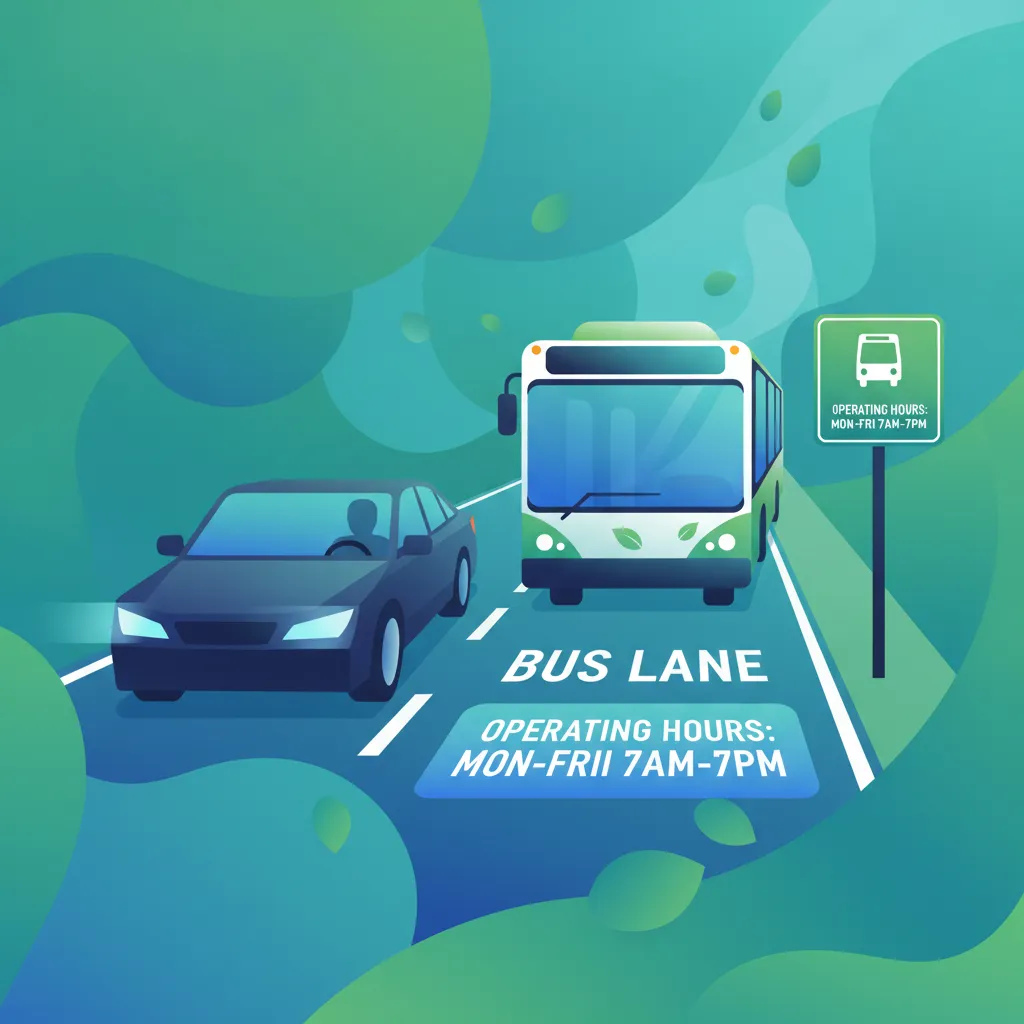
This lesson explores the specifics of bus lane markings, operating times, and priority situations where buses have precedence over other traffic. It emphasizes correct lane discipline, lawful entry and merging practices, and the exemptions granted to designated passenger vehicles. Learners will also understand how bus lane enforcement works and what penalties may be incurred for non-compliance, ensuring safe and efficient movement through urban traffic systems.
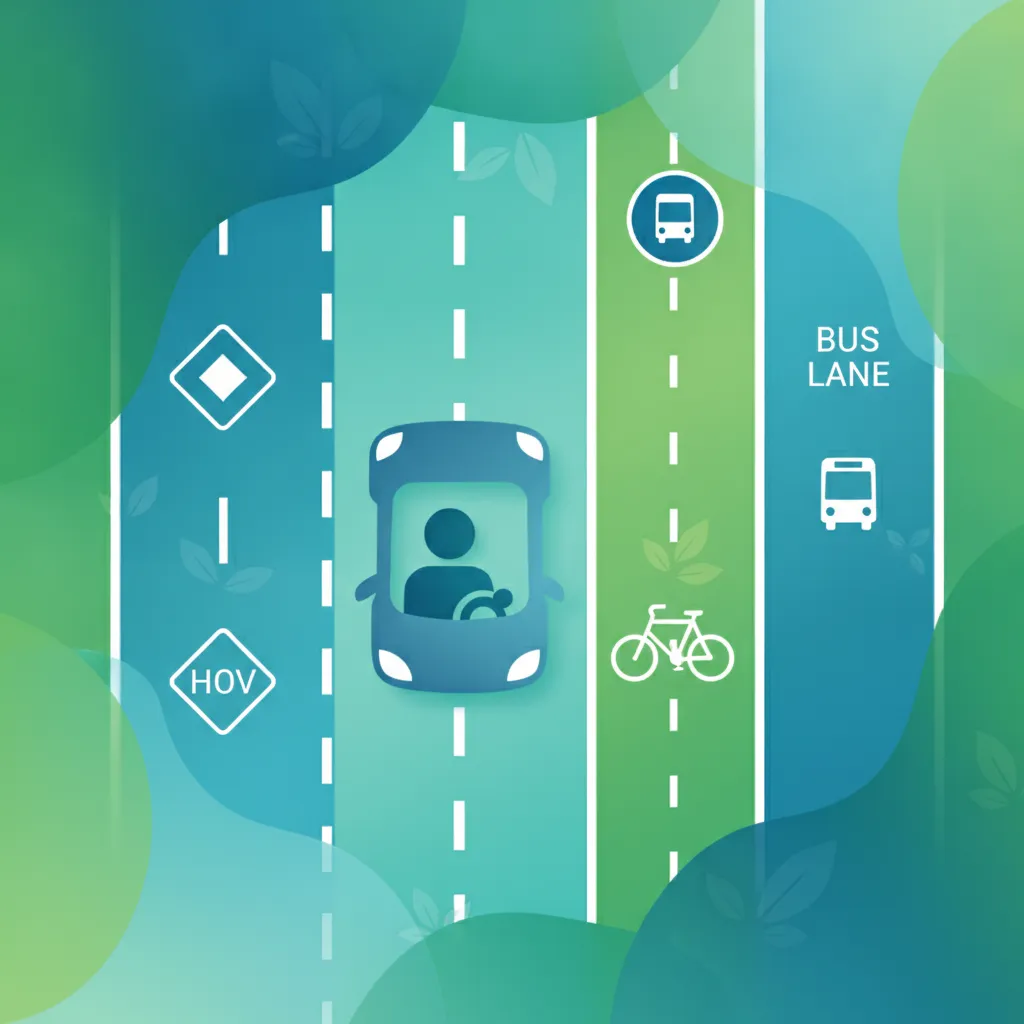
This lesson covers lanes designated for specific types of traffic to improve flow and safety. You will learn to identify mandatory and advisory cycle lanes, and understand the signs indicating the operational hours of bus lanes. The rules governing these lanes are critical for avoiding penalties and ensuring the safety of all road users.
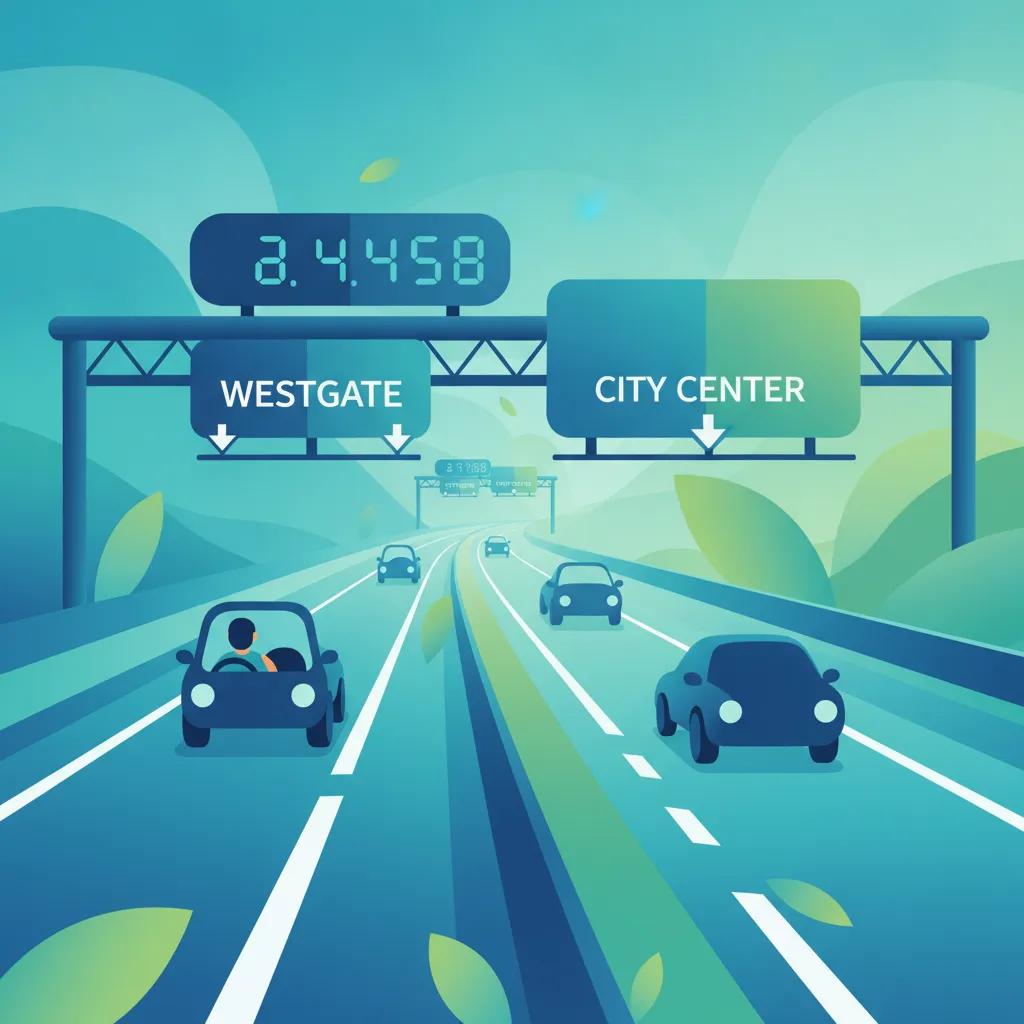
This lesson focuses on the regulations and best practices for driving a bus or coach on motorways. It details the specific speed limits applicable to PCVs and reinforces strict lane discipline. The content covers the correct procedures for safely joining from a slip road, overtaking other vehicles, and exiting the motorway. It also explains the features of smart motorways and the correct safety procedures to follow in the event of a breakdown, including the use of the hard shoulder.

This lesson examines strategies for managing congestion in city centres, focusing on effective bus lane usage, understanding priority signalling, and route optimisation. It covers best practices for avoiding traffic jams while maintaining passenger loading efficiency and service reliability. Additionally, the lesson discusses how bus stop timing and adherence to specific urban traffic regulations directly affect overall congestion and passenger flow, helping drivers make informed decisions in dense traffic.

In this lesson, learners will study the specific signage and markings related to bus stops and designated passenger loading zones. Topics include correct stop approach, positioning the bus for safe boarding and alighting, and the proper use of these areas. Learners will also examine the legal expectations for passenger loading zones, including restrictions on stopping outside these zones and best practices for managing passenger flow safely and efficiently during busy periods.
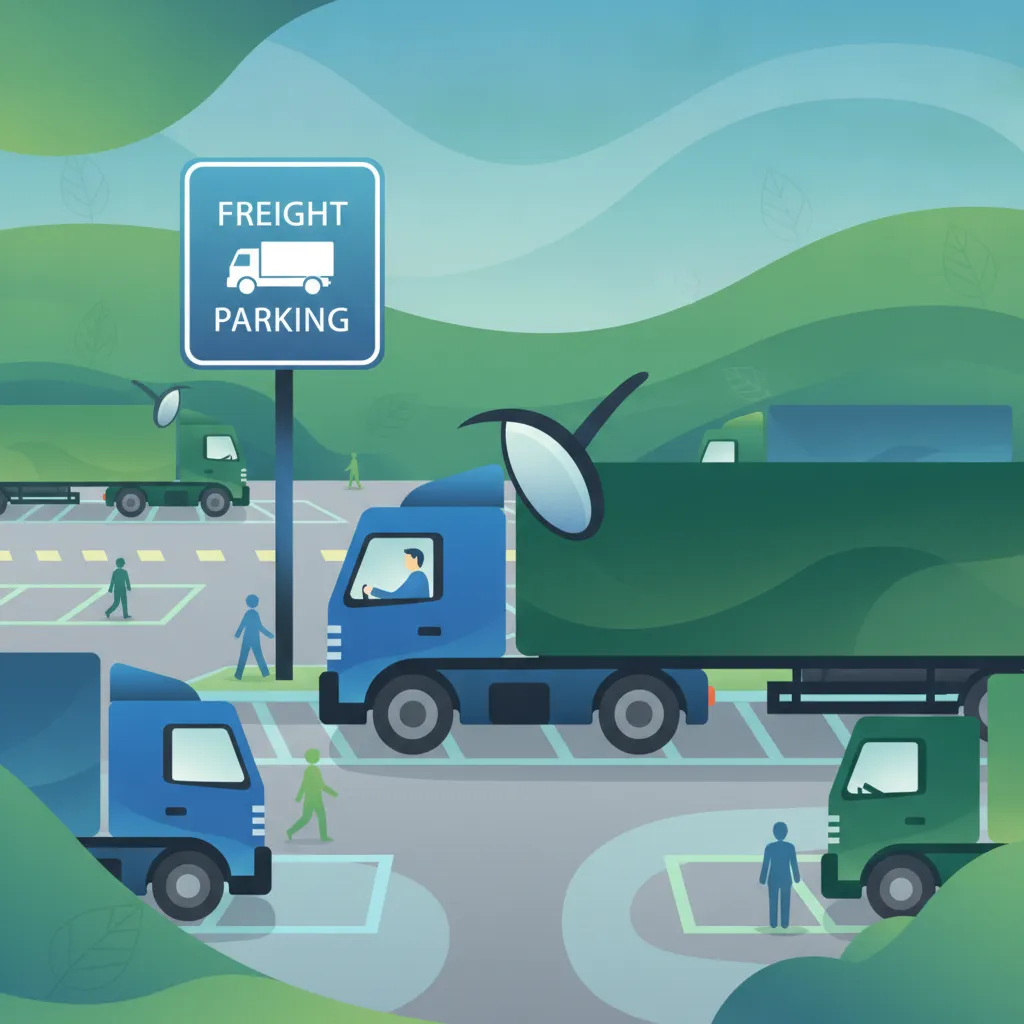
This lesson covers the specific procedures for operating within busy bus terminals and service areas. It details the protocols for approaching and parking in allocated bays, managing the safe flow of passengers, and communicating with station staff. The content emphasizes the need for extreme caution and low-speed manoeuvring due to high pedestrian traffic. It also reviews pre-departure checks and communication protocols necessary for efficient and safe terminal operations.

This lesson examines the design and operation of urban bus stops and how passenger flow can be managed efficiently. It covers strategies for crowd control, dwell time minimization, effective queuing systems, and proper loading zone utilization. It also explores how bus stop signage and clear passenger information can aid in smooth boarding and alighting. Mastering these skills enhances overall safety, improves service quality, and maintains schedule reliability in challenging urban environments.

This lesson provides detailed guidance on protecting pedestrians in high-risk areas like bus stops and formal crossings. It covers the specific rules and driver obligations at zebra, pelican, toucan, and puffin crossings, as well as when approaching a school crossing patrol. The content emphasizes the importance of vigilance, anticipating pedestrian movements, especially those who may be distracted or emerge from behind the bus, and always being prepared to stop to prevent accidents.

This lesson focuses on the specific rules and best practices for driving HGVs on motorways in Great Britain. It covers mandatory speed limits for goods vehicles, lane discipline including restrictions on using the outside lane, and procedures for safely joining and leaving the motorway. The lesson also includes up-to-date information on driving on smart motorways, including understanding the signs and using emergency refuge areas correctly.
Explore advanced lane discipline techniques for passenger vehicles in challenging Great Britain road conditions. Learn about adapting to weather, multi-lane carriageways, and urban environments to maintain safe vehicle positioning.

This lesson focuses on the importance of excellent lane discipline for drivers of large vehicles. It details the rules and best practices for lane selection on motorways and dual carriageways, emphasizing the need to stay in the appropriate lane and signal intentions early. Correct positioning within a lane to maximize safety margins and visibility, especially around vulnerable road users, is a key focus for maintaining professional driving standards.

This lesson analyzes the significant impact that large goods vehicles have on overall traffic flow, particularly in congested urban areas and on narrow roads. It discusses how their size can contribute to lane blockages, reduced overtaking opportunities, and bottlenecks at junctions. Learners will study strategies to minimize these effects, such as careful lane selection, maintaining steady speeds, and allowing adequate space, to promote safer and more efficient traffic movement for everyone.

This lesson addresses the unique challenges of operating a large goods vehicle in congested urban and city environments. It focuses on techniques for navigating narrow streets, making tight turns, and safely accessing delivery points while being highly aware of vulnerable road users like pedestrians and cyclists. The importance of exceptional observation, low-speed control, and clear communication with other road users is heavily emphasized to minimize risk in these complex settings.

This lesson tackles the complexities of large roundabouts, which often have multiple lanes and exits. It stresses the importance of reading signs on the approach to select the correct lane for your destination. You will learn about maintaining lane discipline while on the roundabout and signalling correctly as you pass exits and prepare to leave.
This lesson focuses on the specific rules and best practices for driving HGVs on motorways in Great Britain. It covers mandatory speed limits for goods vehicles, lane discipline including restrictions on using the outside lane, and procedures for safely joining and leaving the motorway. The lesson also includes up-to-date information on driving on smart motorways, including understanding the signs and using emergency refuge areas correctly.
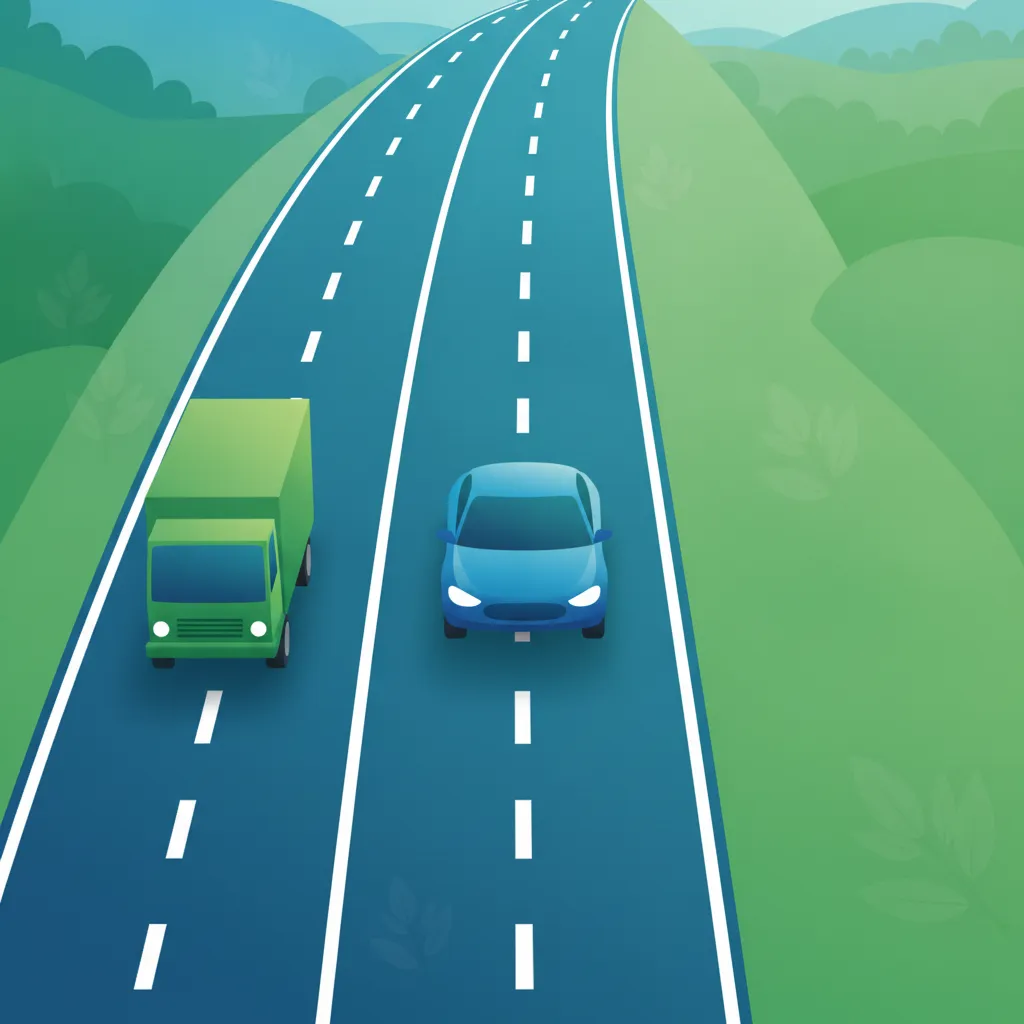
This lesson explains how lines running parallel to the kerb control traffic movement. You will learn that broken white lines divide lanes, while solid white lines generally prohibit crossing them. The specific rules for double white lines, including when you are permitted to cross, are also covered in detail to ensure safe overtaking.

This lesson examines the physical space a goods vehicle occupies on the road and its impact on maneuvering at junctions, roundabouts, and in tight spaces. Learners will understand the concepts of tail swing and off-tracking, and how to calculate the necessary clearance for safe turns. The content emphasizes maintaining safe distances from other road users and infrastructure, which is a key component of professional spatial awareness and accident prevention.

This lesson addresses the unique challenges of driving a large vehicle on rural roads. It provides techniques for positioning the vehicle through sharp bends and on narrow lanes, and for safely navigating unmarked or uncontrolled junctions. Learners will be taught to anticipate hidden hazards common in the countryside, such as slow-moving farm vehicles, animals on the road, and concealed entrances. The correct use of passing places and strategies for meeting oncoming traffic are also covered.

This lesson provides detailed instruction on turning techniques tailored for long vehicles. It explains the concepts of off-tracking (where rear wheels follow a tighter path than front wheels) and rear swing, and how to compensate for them. Learners will understand how to position the vehicle correctly when approaching and navigating left and right turns at junctions, roundabouts, and tight corners, using mirrors and signals effectively to ensure clearance and safety.
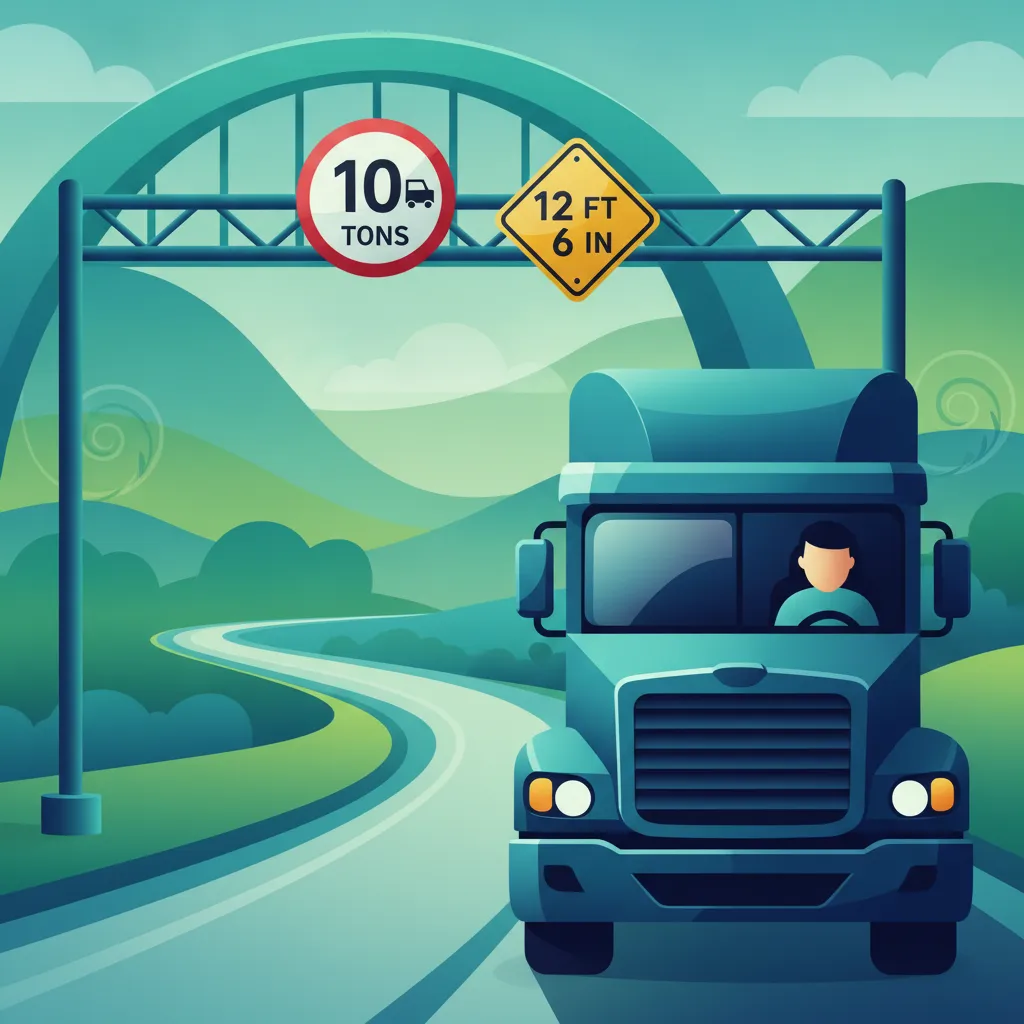
This lesson provides a detailed focus on the specific road signs that directly affect drivers of large goods vehicles. You will learn to accurately interpret mandatory signs for weight, height, and width restrictions, as well as signs indicating lane usage and prohibited routes. Understanding these signs is not optional; it is a legal requirement for avoiding fines, preventing accidents, and ensuring the safe passage of your vehicle through the road network.
Find clear answers to common questions learners have about Lane Discipline and Bus Lane Usage. Learn how the lesson is structured, which driving theory objectives it supports, and how it fits into the overall learning path of units and curriculum progression in Great Britain. These explanations help you understand key concepts, lesson flow, and exam focused study goals.
Generally, no. Bus lanes are restricted to specific vehicles, usually buses with a certain number of seats, cycles, and taxis. Unless a sign indicates otherwise, driving a private or empty passenger vehicle in a bus lane during operating hours is an offence.
Always look for the white sign accompanying the road marking. It will specify the times of operation, such as 'Mon-Fri 7am-10am'. If no times are shown, assume it is in operation 24 hours a day.
Larger vehicles have wider dimensions and different turning circles. Poor lane discipline can lead to clipping kerbs or forcing other drivers into hazardous positions. You must learn to position the vehicle centrally within the lane to remain visible and safe.
You may be issued a Penalty Charge Notice (PCN). In the theory test, you must demonstrate awareness of signs and markings to avoid such mistakes, as they are considered avoidable errors in professional driving.
Dive into our comprehensive question bank to find exactly what you need for your Great Britain theory test. Use our advanced filters to pinpoint specific subjects or test your knowledge on challenging areas, ensuring you're fully prepared for success.