
This lesson guides you through the professional techniques required for safe passenger alighting and precise bus stop positioning. Building on your knowledge of urban traffic management, you will learn how to protect passengers and vulnerable road users during the critical process of stopping and exiting the vehicle.

Lesson content overview
Ensuring passenger safety during alighting is a critical responsibility for every professional bus, coach, and minibus driver in Great Britain. This comprehensive lesson outlines the essential strategies and procedures for precise vehicle positioning, effective communication, and robust situational awareness required to facilitate safe passenger disembarkation. Mastery of these techniques is paramount for Category D, D1, D1E, and DE licence holders, protecting passengers, other road users, and the driver from potential hazards and legal repercussions.
Safe alighting is the final stage of passenger handling in a journey and demands precise execution. The primary goal is to maximise visibility for exiting passengers, minimise their exposure to moving traffic, adhere to all legal requirements concerning bus stops and pedestrian right-of-way, and manage lane usage appropriately. This involves a careful integration of vehicle control, an understanding of blind spots, and the correct timing of warning signals.
Effective alighting relies on several interconnected principles that drivers must consistently apply. These principles work together to create a safe environment for passengers exiting the vehicle and for other road users.
Correct kerb alignment is fundamental to passenger safety and accessibility. It involves positioning the bus parallel to the kerb with the smallest possible gap, ensuring that all passenger doors open directly onto the footway.
Purpose and Rationale: This precision minimises the step height for passengers, significantly reducing the risk of trips, falls, and injuries. It is especially crucial for vulnerable road users, such as those with reduced mobility, parents with pushchairs, and wheelchair users, by facilitating easy and safe access to the pavement. Proper alignment also keeps alighting passengers clear of the main flow of traffic, enhancing overall safety.
Practical Application: Drivers must assess the kerb height and road camber (slope) at each stop. Adjustments to steering and speed should be made smoothly and early enough to achieve the ideal parallel position before coming to a complete stop. Even a few decimetres of gap between the bus and the kerb can create an unacceptable hazard, increasing the step height and the risk of a passenger losing their balance.
The alighting alarm is a crucial safety device designed to provide advanced warning to other road users and pedestrians that the bus is about to become stationary and that its doors will open.
Purpose and Rationale: This audible or visual signal alerts drivers of approaching vehicles, cyclists, and pedestrians, allowing them sufficient time to adjust their speed, direction, or position. This pre-warning system is vital in preventing collisions, particularly with overtaking vehicles or cyclists who may not anticipate the bus stopping or its doors opening.
Practical Application: As per DVSA guidance and relevant regulations, the alighting alarm (often a dedicated chime or horn blast) must be activated systematically before doors are opened at any stop where there is a risk of overtaking traffic, especially at uncontrolled bus stops. Relying solely on the vehicle's standard horn may not be sufficient, as it can be misunderstood by other road users. A dedicated alighting alarm ensures clear communication of the driver's intent.
Continuous and vigilant monitoring of mirrors and blind spots is non-negotiable during the alighting process. This involves scanning rear-view mirrors, side mirrors, and performing physical blind-spot checks.
Purpose and Rationale: The primary purpose is to detect approaching vehicles, especially those attempting to overtake the bus, or vulnerable road users like cyclists who may be in the driver's blind spot. This constant vigilance helps prevent door-strike incidents, where an opening door collides with another vehicle or person.
Practical Application: Before opening any doors and throughout the passenger alighting stage, the driver must hold the steering wheel firmly and maintain a ready braking stance. Regular mirror checks should be an ingrained habit. Even when the bus is stationary, traffic conditions can change rapidly, and a momentary lapse in monitoring can have severe consequences.
Where applicable, the use of external stop signalling, such as flashing lights or an extendable stop sign, clearly communicates the bus's intention to stop for alighting.
Purpose and Rationale: This visual cue provides explicit notification to other traffic that the bus is temporarily obstructing the flow of traffic for passenger exchange. It encourages other drivers to slow down, exercise caution, and be prepared to stop.
Practical Application: Such signalling is often required on uncontrolled stops, school bus routes, or where local regulations mandate its use. A physical stop sign, sometimes automatically deployed, or flashing amber lights positioned at the front or rear of the bus, serves as an unmistakable warning. Neglecting to deploy these signs at unscheduled or temporary stops can leave other road users unaware, increasing the risk of incidents.
Professional drivers have a critical duty to give absolute precedence to pedestrians, wheelchair users, cyclists, and other vulnerable road users (VRUs) who are at or near the alighting point.
Purpose and Rationale: VRUs are inherently less protected and may have slower reaction times or reduced awareness. Prioritising their safety minimises the risk of collision and reflects a fundamental principle of the Highway Code. It acknowledges that the responsibility often lies with the driver of the larger vehicle to ensure the safety of those more exposed.
Practical Application: This may mean waiting for a pedestrian to complete crossing the road, even if the bus has already halted, or ensuring a safe gap exists before opening doors onto a cycle lane. The assumption should always be that VRUs may not perceive the bus's intentions, and the driver must take proactive steps to safeguard them.
The driver's decision-making regarding the precise halting point within a designated stop area is crucial, factoring in traffic flow, road geometry, and safety considerations.
Purpose and Rationale: Effective stop position judgement ensures minimal disruption to overall traffic flow while providing the safest possible area for passengers to alight. It involves more than just stopping at a marked point; it requires dynamic assessment of the immediate environment.
Practical Application: While stopping within designated bus stop zones is generally required, there are times when a slight adjustment may be necessary. For instance, stopping slightly short of a pedestrian crossing might be prudent to avoid blocking it during heavy traffic, or adjusting for roadworks. This judgement must always comply with road markings and legal stopping zones.
Door opening discipline refers to the strict protocol of opening bus doors only when it is safe to do so, following all necessary checks and using any fitted assist devices.
Purpose and Rationale: This discipline prevents doors from striking other vehicles, pedestrians, or obstructions, thereby maintaining safety and vehicle integrity. Premature or careless door opening can lead to serious accidents and property damage.
Practical Application: Before opening any doors, the driver must confirm that no traffic is approaching (via mirrors and blind-spot checks) and that there is adequate clearance. If a ramp for wheelchair users is fitted, it must be fully extended and secured before doors are opened. Doors should be closed promptly once alighting is complete and it is safe to do so, to avoid distractions or inadvertent contact with passing traffic.
Adherence to specific rules and regulations is mandatory for all professional drivers operating passenger vehicles in Great Britain. These regulations are designed to enforce the core principles of safety during alighting.
Professional drivers operating Category D, D1, D1E, and DE vehicles must be thoroughly familiar with the Highway Code and specific public transport legislation.
The Public Passenger Vehicles (License) Regulations, specifically Rule 45 (or similar provisions), often stipulate that a driver shall use an alighting alarm before opening doors at a bus stop where there is a risk of overtaking traffic. This is a mandatory requirement, crucial for warning other road users.
The Driver and Vehicle Licensing Agency (DVSA) guidance, such as that found in CPV 5, strongly mandates that door opening must only occur after ensuring that the area around the bus (especially to the rear and sides) is clear of vehicles and pedestrians. This explicitly requires the driver to check all mirrors thoroughly.
This section of the Road Traffic Act 1988 outlines penalties for drivers who cause danger to other road users through reckless operation of a passenger vehicle. This includes hazardous alighting behaviour.
Regulation 71 of The Traffic Signs Regulations and General Directions 2016 may require the use of a bus stop sign (extensible or flashing) when stopping at a non-designated alighting point, such as a temporary or impromptu stop.
Professional drivers must be aware of common errors during alighting to avoid potential dangers, legal consequences, and damage to their professional reputation.
Opening doors without confirming clear rear traffic:
Ignoring the alighting alarm requirement at uncontrolled stops:
Stopping too far from the kerb at a designated bus stop:
Failing to deploy external stop signs or flashing lights at temporary stop zones:
Alighting passengers while traffic conditions are unsafe (e.g., heavy flow, overtaking cyclists):
Allowing passengers to alight onto the road when a footway is available:
Not reassessing stop position when road clearance is insufficient:
Bypassing vulnerable road user prioritisation (e.g., opening doors as a cyclist passes):
Using the horn as the sole warning rather than a dedicated alighting alarm:
Keeping doors open after passengers have alighted, especially in busy traffic:
Safe alighting is not a one-size-fits-all procedure. Professional drivers must adapt their strategies based on varying environmental conditions and specific contexts.
During nighttime, reduced visibility necessitates increased reliance on visual signalling combined with audible warnings. Mirrors may be harder to use due to glare from other vehicle headlights.
Wet conditions increase stopping distances and can severely reduce mirror effectiveness due to water spray and glare.
Urban environments, especially in city centres, often have a high volume of cyclists who can approach quickly and silently, often within blind spots.
School zones, particularly at the beginning and end of the school day, present unique challenges due to the unpredictable behaviour of children and a higher density of pedestrians.
Modern buses are equipped with ramps for wheelchair users, which require specific procedures for safe deployment.
A bus carrying a heavy passenger load can experience significant longitudinal load shift, affecting braking and stability.
HGVs have large blind spots and require significant space to manoeuvre. An overtaking HGV poses a considerable risk during alighting.
Roadworks can temporarily alter normal lane markings and stopping zones, creating confusion.
Understanding the direct links between driver actions and their outcomes is crucial for embedding safe alighting practices.
Cause: Correct Kerb Alignment
Cause: Alighting Alarm Activation
Cause: Failure to Monitor Mirrors
Cause: Improper Use of Stop Signage
Cause: Prioritising Vulnerable Users
To solidify understanding, consider these practical scenarios and the appropriate driver responses.
Setting: A city centre, daytime, heavy foot traffic, with a designated bus stop situated immediately adjacent to a zebra crossing. Relevant Rule: Highway Code Rule 170 (give way to pedestrians). Correct Behaviour: The driver approaches the stop, carefully checks all mirrors, activates the alighting alarm, and brings the bus to a smooth stop. Crucially, the driver then confirms that all pedestrians have cleared the zebra crossing and the immediate alighting area before opening the doors. Incorrect Behaviour: The driver opens the doors while a pedestrian is still midway across the zebra crossing, forcing them to either rush or wait awkwardly. Explanation: Prioritising pedestrians prevents accidents and ensures compliance with legal obligations, reinforcing public trust and safety.
Setting: A rural road, single lane in each direction, no dedicated footway or marked bus stop infrastructure. Passengers must alight directly onto the road shoulder. Relevant Rule: Use of external stop sign and alighting alarm, heightened traffic awareness. Correct Behaviour: As the bus approaches the stop, the driver extends the external stop sign (if fitted) and activates amber flashing lights. The alighting alarm is used well in advance. Doors are opened only after continuously checking mirrors and confirming that oncoming and following traffic has significantly reduced speed or stopped, creating a safe zone for disembarkation. Incorrect Behaviour: The driver simply stops, opens doors, and assumes other road users will react, without deploying any specific external signals. Explanation: In the absence of infrastructure, explicit signalling provides vital warning to other drivers, preventing potential collisions with both the stationary bus and alighting passengers.
Setting: A school vicinity, late evening, low ambient light and poor visibility. An occasional cyclist is present on the road. Relevant Rules: Vulnerable Road User Prioritisation, enhanced use of flashing lights, thorough blind-spot checks. Correct Behaviour: The driver positions the bus carefully parallel to the kerb. Given the low visibility, the driver makes increased use of flashing external lights in addition to the alighting alarm. The driver specifically waits for the approaching cyclist to pass safely beyond the bus, double-checking mirrors and blind spots before opening the doors for alighting passengers. Incorrect Behaviour: The driver opens the doors while the cyclist is still alongside or just passing the bus, assuming the cyclist will see the bus's intent. Explanation: Cyclists are highly vulnerable, especially at night when they might be in a driver's blind spot. Waiting for them to clear the area eliminates a significant risk of collision.
Setting: An urban route during peak hours, the bus is crowded, and multiple wheelchair users need to alight using the vehicle's ramp. Relevant Rule: Door Opening Discipline, precise Ramp Alignment, Vulnerable Road User Prioritisation. Correct Behaviour: The driver aligns the bus meticulously to the kerb, ensuring the side doors are perfectly flush for ramp deployment. The alighting alarm is activated, and mirrors are thoroughly checked to confirm no overtaking traffic. The driver then fully extends and secures the wheelchair ramp, checking its stability before opening the doors and allowing passengers to alight in an organised manner, assisting wheelchair users as needed. Incorrect Behaviour: The driver opens doors before the ramp is fully secured, causing a wheelchair user to lose balance while trying to exit. Explanation: Proper ramp alignment and strict adherence to safety checks are paramount for the safety and dignity of disabled passengers. In crowded conditions, organised disembarkation prevents further hazards.
Setting: A city bus stop during heavy rainfall, resulting in poor visibility and mirror glare. Relevant Rule: Additional warning period, use of external flashing lights, heightened mirror vigilance. Correct Behaviour: The driver activates the alighting alarm earlier than usual and ensures all external flashing lights are operational. The driver then carefully and repeatedly checks mirrors, specifically looking for fast-approaching vehicles that may be obscured by rain and spray. Doors are opened only after confirming that surrounding traffic has noticeably slowed and is maintaining a safe distance. Incorrect Behaviour: The driver proceeds with standard alarm timing and door opening, failing to adequately account for reduced visibility and not noticing a fast-approaching vehicle due to rain glare. Explanation: Adverse weather conditions demand an adjusted warning period and enhanced vigilance to compensate for reduced visibility and longer reaction times from other road users.
To ensure the utmost safety and professionalism when alighting passengers, professional drivers must integrate the following key principles:
Explore all units and lessons included in this driving theory course.
Lesson content overview
Explore all units and lessons included in this driving theory course.
Explore search topics learners often look for when studying Alighting Strategies and Stop Positioning. These topics reflect common questions about road rules, driving situations, safety guidance, and lesson level theory preparation for learners in Great Britain.
Browse additional driving theory lessons that cover connected traffic rules, road signs, and common driving situations related to this topic. Improve your understanding of how different rules interact across everyday traffic scenarios.
Delve into advanced strategies for passenger alighting in complex situations. Understand nuanced rules for varied road conditions, challenging urban environments, and specific vehicle types, ensuring passenger safety in all scenarios during your GB driving theory studies.

This lesson explores safe boarding protocols, focusing on correct door operation, managing internal passenger movement, and providing assistance for passengers with reduced mobility. It emphasizes the importance of establishing safety zones near doorways, managing standing passengers during boarding, and using audible alarms. The lesson also covers the proper sequence for wheelchair boarding and the use of loading bays to ensure smooth passenger flow and minimize risks during the boarding process.
This lesson examines the unique rules and restrictions governing buses and coaches, focusing on bus lane priority, time-based restrictions, and loading zone limitations. Learners will explore the criteria for using bus-only routes and understand the legal consequences of non-compliance. The content also reviews signage indicating bus gate operation and areas where passenger vehicles are prohibited from stopping or loading outside of designated zones, ensuring lawful and efficient urban navigation.
In this lesson, learners will study the specific signage and markings related to bus stops and designated passenger loading zones. Topics include correct stop approach, positioning the bus for safe boarding and alighting, and the proper use of these areas. Learners will also examine the legal expectations for passenger loading zones, including restrictions on stopping outside these zones and best practices for managing passenger flow safely and efficiently during busy periods.
This lesson covers the specific procedures for operating within busy bus terminals and service areas. It details the protocols for approaching and parking in allocated bays, managing the safe flow of passengers, and communicating with station staff. The content emphasizes the need for extreme caution and low-speed manoeuvring due to high pedestrian traffic. It also reviews pre-departure checks and communication protocols necessary for efficient and safe terminal operations.

This lesson focuses on the legal and practical requirements for providing accessible transport for passengers with reduced mobility. It covers wheelchair access, ramp usage, and securement devices, as well as procedures for safely assisting passengers with mobility aids. The discussion highlights relevant disability legislation and the importance of proper loading and unloading protocols to protect both passengers and the driver from injury, ensuring compliance with accessibility standards in Great Britain.

This lesson provides a thorough understanding of the core safety principles required to protect passengers. It covers secure seating, safe standing zones, and the proper handling of passenger luggage to prevent hazards. Learners will also identify the location and use of emergency equipment, understand seatbelt compliance, and learn how to conduct on-board safety briefings. The focus is on risk assessment and hazard identification to maintain a secure environment for all passengers.

This lesson discusses the crucial interaction between passenger vehicles and pedestrians at and around bus stops. Learners will explore pedestrian right-of-way, especially at crosswalks, and positioning strategies to maintain a safe distance from people waiting or crossing. The lesson also covers pedestrian alertness measures and conflict avoidance techniques to protect vulnerable road users. This knowledge is essential for preventing accidents and maintaining a safe environment around the vehicle during stops.
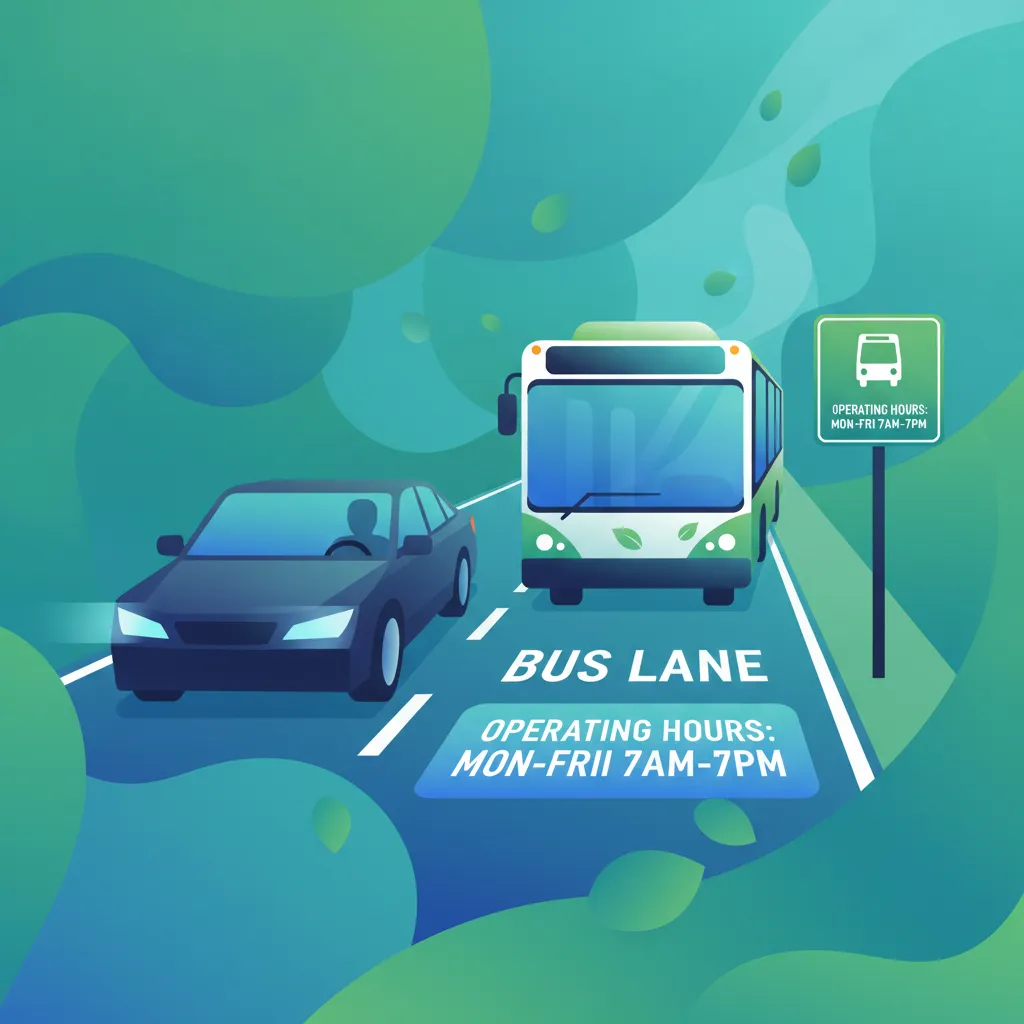
This lesson explores the specifics of bus lane markings, operating times, and priority situations where buses have precedence over other traffic. It emphasizes correct lane discipline, lawful entry and merging practices, and the exemptions granted to designated passenger vehicles. Learners will also understand how bus lane enforcement works and what penalties may be incurred for non-compliance, ensuring safe and efficient movement through urban traffic systems.

This lesson provides a step-by-step guide to evacuating a bus or coach in an emergency. It covers locating and operating all emergency exits, including hammers for breaking glass. The focus is on providing clear, calm instructions to passengers to prevent panic and ensure an orderly evacuation. Strategies for assisting children, the elderly, and passengers with disabilities are detailed, along with the importance of guiding everyone to a safe assembly point away from the vehicle and traffic.

This lesson provides detailed guidance on protecting pedestrians in high-risk areas like bus stops and formal crossings. It covers the specific rules and driver obligations at zebra, pelican, toucan, and puffin crossings, as well as when approaching a school crossing patrol. The content emphasizes the importance of vigilance, anticipating pedestrian movements, especially those who may be distracted or emerge from behind the bus, and always being prepared to stop to prevent accidents.
Master the challenges of urban traffic and your duty to protect vulnerable road users. This lesson covers safe bus stop positioning and alighting in busy city environments, crucial for your GB driving theory test.

This lesson examines the design and operation of urban bus stops and how passenger flow can be managed efficiently. It covers strategies for crowd control, dwell time minimization, effective queuing systems, and proper loading zone utilization. It also explores how bus stop signage and clear passenger information can aid in smooth boarding and alighting. Mastering these skills enhances overall safety, improves service quality, and maintains schedule reliability in challenging urban environments.

This lesson examines strategies for managing congestion in city centres, focusing on effective bus lane usage, understanding priority signalling, and route optimisation. It covers best practices for avoiding traffic jams while maintaining passenger loading efficiency and service reliability. Additionally, the lesson discusses how bus stop timing and adherence to specific urban traffic regulations directly affect overall congestion and passenger flow, helping drivers make informed decisions in dense traffic.
This lesson provides detailed guidance on protecting pedestrians in high-risk areas like bus stops and formal crossings. It covers the specific rules and driver obligations at zebra, pelican, toucan, and puffin crossings, as well as when approaching a school crossing patrol. The content emphasizes the importance of vigilance, anticipating pedestrian movements, especially those who may be distracted or emerge from behind the bus, and always being prepared to stop to prevent accidents.
This lesson discusses the crucial interaction between passenger vehicles and pedestrians at and around bus stops. Learners will explore pedestrian right-of-way, especially at crosswalks, and positioning strategies to maintain a safe distance from people waiting or crossing. The lesson also covers pedestrian alertness measures and conflict avoidance techniques to protect vulnerable road users. This knowledge is essential for preventing accidents and maintaining a safe environment around the vehicle during stops.
This lesson examines the unique rules and restrictions governing buses and coaches, focusing on bus lane priority, time-based restrictions, and loading zone limitations. Learners will explore the criteria for using bus-only routes and understand the legal consequences of non-compliance. The content also reviews signage indicating bus gate operation and areas where passenger vehicles are prohibited from stopping or loading outside of designated zones, ensuring lawful and efficient urban navigation.
In this lesson, learners will study the specific signage and markings related to bus stops and designated passenger loading zones. Topics include correct stop approach, positioning the bus for safe boarding and alighting, and the proper use of these areas. Learners will also examine the legal expectations for passenger loading zones, including restrictions on stopping outside these zones and best practices for managing passenger flow safely and efficiently during busy periods.
This lesson teaches drivers how to identify various types of vulnerable road users and anticipate their potential actions to prevent conflicts. It covers the specific risks associated with pedestrians, cyclists, motorcyclists, children, and elderly or disabled individuals. Emphasis is placed on heightened awareness and defensive driving techniques required to share the road safely. Understanding their perspectives and typical behaviours is key to protecting them and maintaining safety for everyone.
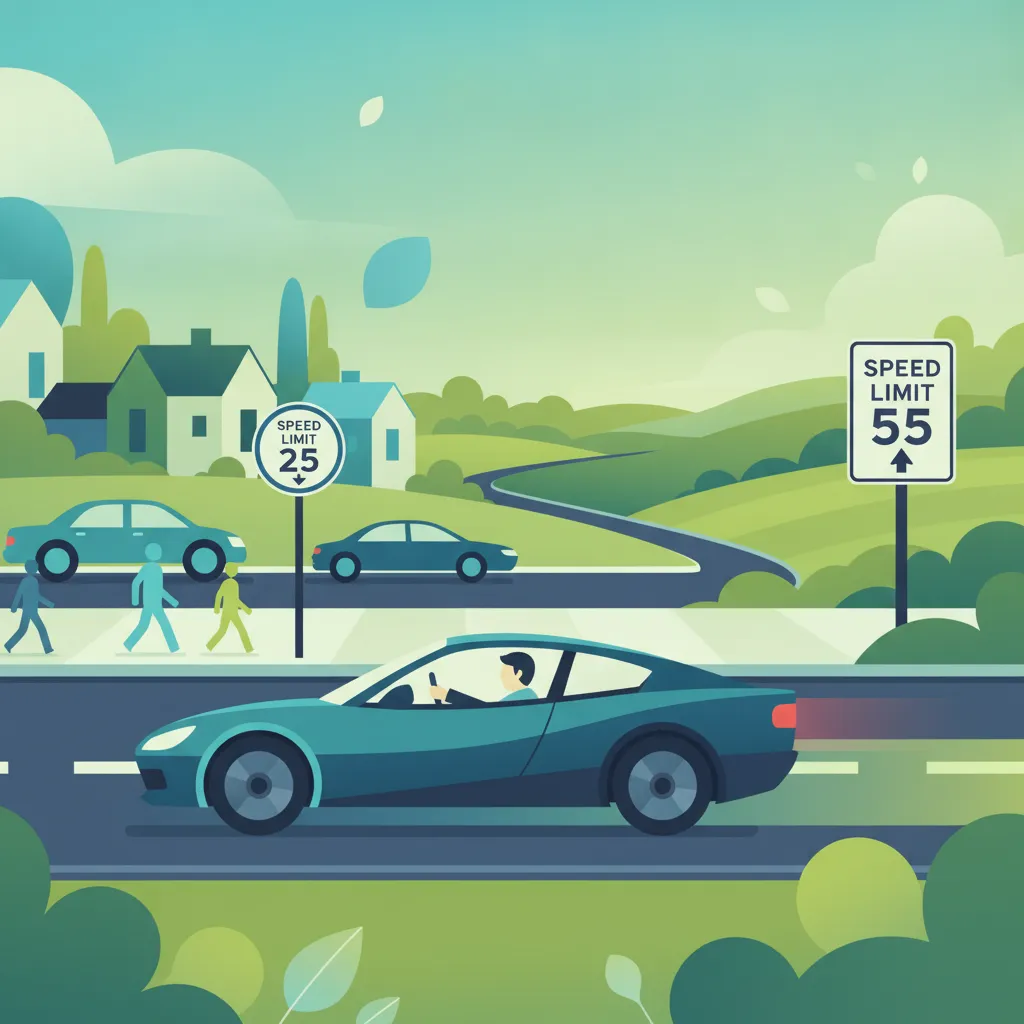
This lesson details speed management techniques applicable to urban, rural, and motorway environments, focusing on compliance with legal speed limits and developing appropriate speed perception. It covers strategies for monitoring speed and adjusting for road conditions, traffic density, and overall passenger safety. The lesson also reviews enforcement mechanisms and emphasizes the importance of speed compliance for accident avoidance and regulatory adherence, a critical skill for all professional drivers.
This lesson explores the specifics of bus lane markings, operating times, and priority situations where buses have precedence over other traffic. It emphasizes correct lane discipline, lawful entry and merging practices, and the exemptions granted to designated passenger vehicles. Learners will also understand how bus lane enforcement works and what penalties may be incurred for non-compliance, ensuring safe and efficient movement through urban traffic systems.
This lesson covers the specific procedures for operating within busy bus terminals and service areas. It details the protocols for approaching and parking in allocated bays, managing the safe flow of passengers, and communicating with station staff. The content emphasizes the need for extreme caution and low-speed manoeuvring due to high pedestrian traffic. It also reviews pre-departure checks and communication protocols necessary for efficient and safe terminal operations.
Find clear answers to common questions learners have about Alighting Strategies and Stop Positioning. Learn how the lesson is structured, which driving theory objectives it supports, and how it fits into the overall learning path of units and curriculum progression in Great Britain. These explanations help you understand key concepts, lesson flow, and exam focused study goals.
Precise kerb alignment reduces the gap between the vehicle and the footway, allowing passengers to step on or off safely. This is critical for elderly or disabled passengers and helps prevent trips or falls that could lead to liability and safety incidents.
You must prioritize the safety of vulnerable road users. If a cyclist is alongside, do not pull in to the kerb. Hold your position, monitor them carefully in your mirrors, and only maneuver to the stop when it is safe to do so, ensuring you do not 'squeeze' the cyclist against the kerb.
Yes. You must perform a full mirror check before signaling, as you approach the stop, and crucially before opening the doors. You must also check your internal mirrors to monitor the passenger cabin area before allowing passengers to exit.
The test often uses scenario-based questions where you must identify the safest action in a given traffic situation. You may be asked about correct positioning relative to road markings or how to handle interactions with pedestrians waiting at a designated stop.
Dive into our comprehensive question bank to find exactly what you need for your Great Britain theory test. Use our advanced filters to pinpoint specific subjects or test your knowledge on challenging areas, ensuring you're fully prepared for success.