This lesson focuses on the critical skills required for professional passenger vehicle drivers to share the road safely with cyclists. As part of your training, you will learn to manage blind spots, interpret cycle-specific infrastructure, and apply the Highway Code hierarchy to protect vulnerable road users.

Lesson content overview
Operating a passenger vehicle (PCV) in Great Britain demands exceptional awareness and adherence to safety protocols, especially when interacting with vulnerable road users such as cyclists. Cyclists, due to their limited protection and smaller size, are at a significantly higher risk of serious injury or fatality in the event of a collision with a motor vehicle. This lesson provides a comprehensive guide to safe interaction with cyclists, covering legal requirements, best practices, and the underlying principles that govern road sharing.
The safety of all road users is paramount, but the Highway Code establishes a clear Road User Hierarchy to protect those most at risk. As a PCV driver, your professional responsibility includes actively mitigating risks to these vulnerable groups.
The Highway Code's Road User Hierarchy places pedestrians at the top, followed by cyclists and horse riders, and then motorcyclists, with motor vehicles at the bottom. This means that drivers of vehicles with the greatest potential to cause harm have the greatest responsibility to reduce danger to others. For PCV drivers, this principle is particularly critical due to the sheer size, weight, and stopping distances of buses, coaches, and minibuses. Understanding this hierarchy means that at any point of conflict, you must be prepared to yield to cyclists, anticipating their movements and ensuring their safety.
The Road User Hierarchy is a foundational principle in the Highway Code, shifting the onus of safety towards those driving larger, more powerful vehicles. It's not about blame but about responsibility to prevent harm.
Cyclists are exposed and have very little physical protection in a collision. Compared to a PCV, a cyclist has lower mass, which means they are disproportionately affected in a crash. They also have slower acceleration and may be less visible, especially in adverse weather or at night. The longer stopping distances and larger blind spots inherent to PCVs exacerbate these risks, making proactive and defensive driving essential. Collisions involving cyclists have a significantly higher fatality rate than those involving other motor vehicles, underscoring the critical need for generous clearance and constant vigilance from PCV operators.
Great Britain's road network increasingly incorporates dedicated infrastructure designed to enhance cyclist safety. PCV drivers must understand and respect these features to prevent accidents and ensure smooth traffic flow.
Cycle lanes are designated sections of the road specifically allocated for the use of cyclists. They are usually marked by white lines and bicycle symbols painted on the road surface.
Cycle lanes generally fall into two categories:
Highway Code Rule 2.2 and 2.4 explicitly state that motor vehicles should not use cycle lanes unless signs explicitly permit it. As a PCV driver, you must always assume a cycle lane is for cyclists only, unless directed otherwise by clear road signs or markings. Encroaching into a cycle lane, even for a brief moment, can force a cyclist into the path of other traffic or create a dangerous obstruction, leading to increased hazard and potential legal consequences.
Never use cycle lanes for temporary parking, dropping off passengers, or avoiding traffic congestion unless specific signs explicitly allow it. Doing so is an obstruction and a violation.
Advanced Stop Lines (ASLs), often referred to as 'bike boxes,' are road markings at traffic signals that create a dedicated area for cyclists to wait ahead of motor vehicles. These are typically marked by a white line for motor vehicles, followed by a box area with bicycle symbols, and then another white line where cyclists stop.
The primary purpose of an ASL is to give cyclists a head start when the traffic light changes to green, improving their visibility to drivers and reducing the risk of being caught in a driver's blind spot or being 'left hooked' when turning. As a PCV driver, your responsibility is to stop at the first white line (the motor vehicle stop line) and never encroach into the ASL box, even if no cyclists are present. This ensures that the space is available for cyclists who may approach from behind or from an adjacent cycle lane.
When approaching a traffic light with an ASL, always check your mirrors for cyclists approaching from behind who might be heading for the ASL. Stop well behind the motor vehicle stop line. If you are turning, especially left or right, be particularly vigilant for cyclists waiting in the ASL. When the light turns green, allow cyclists to move off before you proceed, particularly if they are going straight ahead and you are turning across their path.
Overtaking cyclists requires patience, precision, and adherence to specific rules to prevent dangerous situations. The large dimensions of a PCV necessitate even greater caution.
When passing a cyclist traveling in the same direction, it is legally and practically essential to maintain a safe lateral distance. The Highway Code advises leaving a minimum of 1.5 metres (approximately 5 feet) when overtaking a cyclist at speeds up to 30 mph. For speeds above 30 mph, or when driving a large vehicle like a PCV, even greater clearance should be given.
The minimum lateral distance required between a moving vehicle and a cyclist when passing, typically 1.5 metres or more, to prevent side-impact and account for cyclist movement.
This 1.5-metre rule is a minimum. PCV drivers should aim for more clearance due to the greater width and potential for air displacement (wind blast) from their vehicles. A significant amount of space helps to account for factors such as:
Before initiating an overtaking manoeuvre, always assess the road conditions thoroughly. Consider:
On narrow residential streets or roads where oncoming traffic is present, it may not be possible to maintain the safe 1.5-metre clearance. In such situations, the correct and safest action is to slow down, increase your following distance, and wait for a wider section of the road or for oncoming traffic to clear before attempting to overtake. Patience is crucial; a delay of a few seconds is always preferable to a dangerous manoeuvre.
Due to their size, PCVs have significant blind spots where cyclists can easily be hidden from view. Diligent mirror and blind spot checks are non-negotiable for safe interaction with cyclists.
Routine use of your external mirrors is fundamental to maintaining situational awareness. Conduct frequent and thorough mirror checks, especially before:
Always look for cyclists who may be approaching quickly or positioning themselves alongside your vehicle. Be aware that cyclists, especially at night or in poor visibility, may be harder to spot.
Mirrors alone do not provide a complete view around your large vehicle. There are areas, known as blind spots, that are completely obscured. To overcome this, you must perform shoulder checks (also known as neck checks or head checks). This involves physically turning your head and looking over your shoulder to directly check the area immediately to the side and slightly behind your vehicle.
An area around a vehicle that is not visible to the driver through direct line of sight or mirrors alone, posing a significant risk for undetected cyclists.
Scan your mirrors for any traffic, including cyclists, approaching from behind.
Signal your intention (e.g., to turn or change lanes).
Before moving, quickly turn your head and look over the shoulder in the direction you intend to move. For a left turn, check your left blind spot; for a right turn or lane change to the right, check your right blind spot.
Confirm the area is clear of cyclists or other road users before proceeding with your manoeuvre.
For PCV operators, blind spots are particularly problematic at the front corners, along the sides, and immediately behind the vehicle. Be especially wary of cyclists who may pull up alongside your vehicle at traffic lights or junctions. Always assume a cyclist might be in your blind spot and perform comprehensive checks before any lateral movement. Modern PCVs may have additional mirrors or camera systems, but these are aids and should not replace physical head checks.
Turning at junctions presents one of the highest risks for collisions between PCVs and cyclists. The potential for 'left hook' and 'right hook' collisions is significant.
When making a left turn, a common collision type is the 'left hook,' where a vehicle turns left into a junction or side road and collides with a cyclist who is either traveling straight ahead in a cycle lane or filtering on the left.
When turning right, you must give way to any oncoming traffic, including cyclists, who are traveling straight ahead or turning left. The Highway Code Rule 2.6 specifically states that when turning right, you must give way to cyclists traveling straight ahead, crossing your path.
As discussed, Advanced Stop Lines provide cyclists with a safe space ahead of motor vehicles. When turning at a junction with an ASL:
Understanding typical cyclist behaviour can significantly enhance your ability to anticipate hazards and drive defensively.
Cyclists are often advised to ride in a prominent position on the road, often near the centre of the lane, rather than hugging the kerb. This 'primary position' (or 'taking the lane') is a defensive strategy:
Do not assume a cyclist riding away from the kerb is inviting you to pass within the lane. They are likely positioning themselves defensively or preparing to turn or manoeuvre.
Like all road users, cyclists are legally obligated to obey all traffic lights, signs, and road markings. However, drivers should never assume perfect compliance. Always be prepared for unexpected movements, even if a cyclist appears to be signaling or positioning correctly. Maintain a safe distance and be ready to react. While cyclists are generally predictable, human error or misjudgment can occur, just as with any driver.
Compliance with the rules regarding cyclists is not merely good practice; it is a legal obligation with significant consequences for non-compliance.
The Highway Code provides detailed guidance and mandatory rules for interacting with cyclists, including:
These rules reinforce the Road User Hierarchy and are designed to protect vulnerable road users.
Non-compliance with Highway Code rules that lead to dangerous driving, careless driving, or driving without due care and attention can result in severe penalties under the Road Traffic Act 1988. These can include:
As a professional PCV driver, such infringements can also lead to the loss of your vocational licence and career.
Several common mistakes lead to collisions with cyclists:
Safe interaction with cyclists requires adapting your driving to various environmental and contextual factors.
Adverse weather (rain, fog, strong winds) and low light conditions (dusk, dawn, night) significantly reduce visibility for both drivers and cyclists.
Remember that a cyclist's reflective gear and lights are more effective when illuminated by your headlights, but they might still be obscured by vehicle structures or roadside elements.
The rules of engagement with cyclists vary slightly depending on the road environment:
The inherent characteristics of a PCV – its size, weight, and load – directly influence safe interaction with cyclists:
When your PCV is heavily laden with passengers, the focus on safety must be even greater, balancing passenger comfort with external road user safety.
Safe interaction with cyclists is a core component of professional driving for PCV operators in Great Britain. By understanding and adhering to the Road User Hierarchy, respecting dedicated cycle infrastructure, executing safe overtaking manoeuvres, diligently checking mirrors and blind spots, and adapting to varying conditions, you significantly reduce the risk of collisions. This proactive approach not only ensures the safety of vulnerable road users but also upholds your legal obligations and professional duty of care. Continuous vigilance and a commitment to shared road safety are paramount.
This lesson covers essential skills for PCV drivers to safely share roads with cyclists in Great Britain, based on the Highway Code's Road User Hierarchy that places responsibility on those driving larger vehicles. Key topics include the correct use of cycle lanes and Advanced Stop Lines, the mandatory 1.5-metre overtaking clearance rule, and comprehensive mirror and blind spot check procedures to detect hidden cyclists before turning. The content addresses specific collision risks like left hook and right hook incidents at junctions, explains how PCV dimensions affect stopping distances and blind spots, and outlines legal consequences under the Road Traffic Act 1988 for non-compliance. PCV drivers must adapt their driving to varying conditions, understanding that cyclists are more vulnerable due to their limited protection and lower visibility to large vehicles.
A short set of high-value points that capture the most important learning from this lesson.
The Highway Code Road User Hierarchy places cyclists above motor vehicles, meaning PCV drivers have the greatest responsibility to reduce danger at any point of conflict
Always maintain at least 1.5 metres lateral clearance when overtaking cyclists, with even greater distance recommended for larger PCVs due to wind blast and blind spots
Mirrors alone are insufficient for PCV blind spots; physical shoulder checks are essential before any turning or lane change
Advanced Stop Lines require PCVs to stop behind the white motor vehicle stop line and never encroach into the cyclist box, even when empty
Left hook and right hook collisions are the most common hazards at junctions, making pre-turn blind spot checks critical for cyclist safety
Explore all units and lessons included in this driving theory course.
Road User Hierarchy: pedestrians first, then cyclists/horse riders, then motorcyclists, with motor vehicles last in priority
1.5m minimum overtaking clearance from Highway Code Rule 163; more clearance is needed for large vehicles
Cycle lanes with solid white lines are exclusive to cyclists; never enter unless signs explicitly permit
ASLs (bike boxes) are cyclist priority zones at traffic lights - stop at the motor vehicle line, not in the box
PCV blind spots are significantly larger than car blind spots; cyclists can be hidden at front corners, along sides, and behind the vehicle
Insufficient overtaking clearance by passing too close, especially when cyclists may unexpectedly swerve
Failing to perform shoulder checks and relying solely on mirrors before turning or changing lanes
Encroaching on Advanced Stop Lines or cycle lanes when dropping off passengers or avoiding traffic
Assuming a cyclist riding in primary position (centre of lane) is inviting you to pass; they are positioning defensively
Turning across a cyclist's path at junctions without checking the ASL or adjacent blind spot first
Lesson content overview
A short set of high-value points that capture the most important learning from this lesson.
The Highway Code Road User Hierarchy places cyclists above motor vehicles, meaning PCV drivers have the greatest responsibility to reduce danger at any point of conflict
Always maintain at least 1.5 metres lateral clearance when overtaking cyclists, with even greater distance recommended for larger PCVs due to wind blast and blind spots
Mirrors alone are insufficient for PCV blind spots; physical shoulder checks are essential before any turning or lane change
Advanced Stop Lines require PCVs to stop behind the white motor vehicle stop line and never encroach into the cyclist box, even when empty
Left hook and right hook collisions are the most common hazards at junctions, making pre-turn blind spot checks critical for cyclist safety
Explore all units and lessons included in this driving theory course.
Road User Hierarchy: pedestrians first, then cyclists/horse riders, then motorcyclists, with motor vehicles last in priority
1.5m minimum overtaking clearance from Highway Code Rule 163; more clearance is needed for large vehicles
Cycle lanes with solid white lines are exclusive to cyclists; never enter unless signs explicitly permit
ASLs (bike boxes) are cyclist priority zones at traffic lights - stop at the motor vehicle line, not in the box
PCV blind spots are significantly larger than car blind spots; cyclists can be hidden at front corners, along sides, and behind the vehicle
Insufficient overtaking clearance by passing too close, especially when cyclists may unexpectedly swerve
Failing to perform shoulder checks and relying solely on mirrors before turning or changing lanes
Encroaching on Advanced Stop Lines or cycle lanes when dropping off passengers or avoiding traffic
Assuming a cyclist riding in primary position (centre of lane) is inviting you to pass; they are positioning defensively
Turning across a cyclist's path at junctions without checking the ASL or adjacent blind spot first
Explore search topics learners often look for when studying Cyclist Interaction and Sharing the Road. These topics reflect common questions about road rules, driving situations, safety guidance, and lesson level theory preparation for learners in Great Britain.
Browse additional driving theory lessons that cover connected traffic rules, road signs, and common driving situations related to this topic. Improve your understanding of how different rules interact across everyday traffic scenarios.
Deepen your understanding of PCV driver responsibilities towards cyclists. Covers complex junction scenarios, advanced stop lines, and specific Highway Code rules for sharing the road safely in Great Britain.

This lesson addresses the unique challenges of driving a large vehicle on rural roads. It provides techniques for positioning the vehicle through sharp bends and on narrow lanes, and for safely navigating unmarked or uncontrolled junctions. Learners will be taught to anticipate hidden hazards common in the countryside, such as slow-moving farm vehicles, animals on the road, and concealed entrances. The correct use of passing places and strategies for meeting oncoming traffic are also covered.
This lesson details how to safely navigate junctions controlled by traffic signals. It explains the meaning of filter arrows, which allow you to proceed in a specific direction even if the main light is red. You will also learn about respecting advanced stop lines for cyclists and how to approach a junction when the traffic lights are not working.
This lesson provides detailed guidance on protecting pedestrians in high-risk areas like bus stops and formal crossings. It covers the specific rules and driver obligations at zebra, pelican, toucan, and puffin crossings, as well as when approaching a school crossing patrol. The content emphasizes the importance of vigilance, anticipating pedestrian movements, especially those who may be distracted or emerge from behind the bus, and always being prepared to stop to prevent accidents.
This lesson explains the critical rules of priority that govern traffic flow at junctions, roundabouts, and crossings throughout Great Britain. You will learn how to determine who has right-of-way at both marked and unmarked intersections, and the specific rules for giving way to traffic on roundabouts. The lesson also reinforces the hierarchy of road users from the Highway Code, ensuring you understand when to yield to pedestrians and other vulnerable users.

This lesson focuses on the safe interaction between cars and bicycles. It covers the importance of giving cyclists ample room when overtaking—at least 1.5 metres—and looking for them before turning or changing lanes. You will also learn about cyclist-specific infrastructure like cycle lanes and how to use the 'Dutch Reach' method to open your car door safely.
This lesson focuses on the dynamic and often unpredictable nature of urban traffic. It covers how to safely negotiate various pedestrian crossings, anticipate the movement of cyclists and pedestrians, and be aware of hazards like bus stops and car doors opening. You will also learn about the considerations for safe and legal filtering in slow-moving traffic.
This lesson explains the regulations for special road zones common in urban areas. You will learn about speed restrictions near schools, how to read signs indicating if and when motorcycles can use bus lanes, and how to safely interact with cyclist infrastructure such as advanced stop lines. Compliance with these specific rules is crucial for legal and safe urban riding.
This lesson provides specific techniques for safely navigating the two main types of roundabouts in Great Britain. For multi-lane roundabouts, it covers how to choose the correct lane on approach, maintain your lane while circulating, and signal your exit correctly. It also explains the unique rules for mini-roundabouts, emphasizing the importance of giving way to traffic from the right and navigating them with caution due to their small size.
This lesson teaches the systematic approach to safely navigating junctions, emphasizing the importance of adjusting your speed and position well in advance. You will learn the 'Mirror-Signal-Manoeuvre' routine, how to perform effective all-round observation checks, and when to give way to other traffic. The content focuses on making safe judgments about gaps in traffic, a crucial skill for vulnerable AM riders when turning or emerging from a junction.
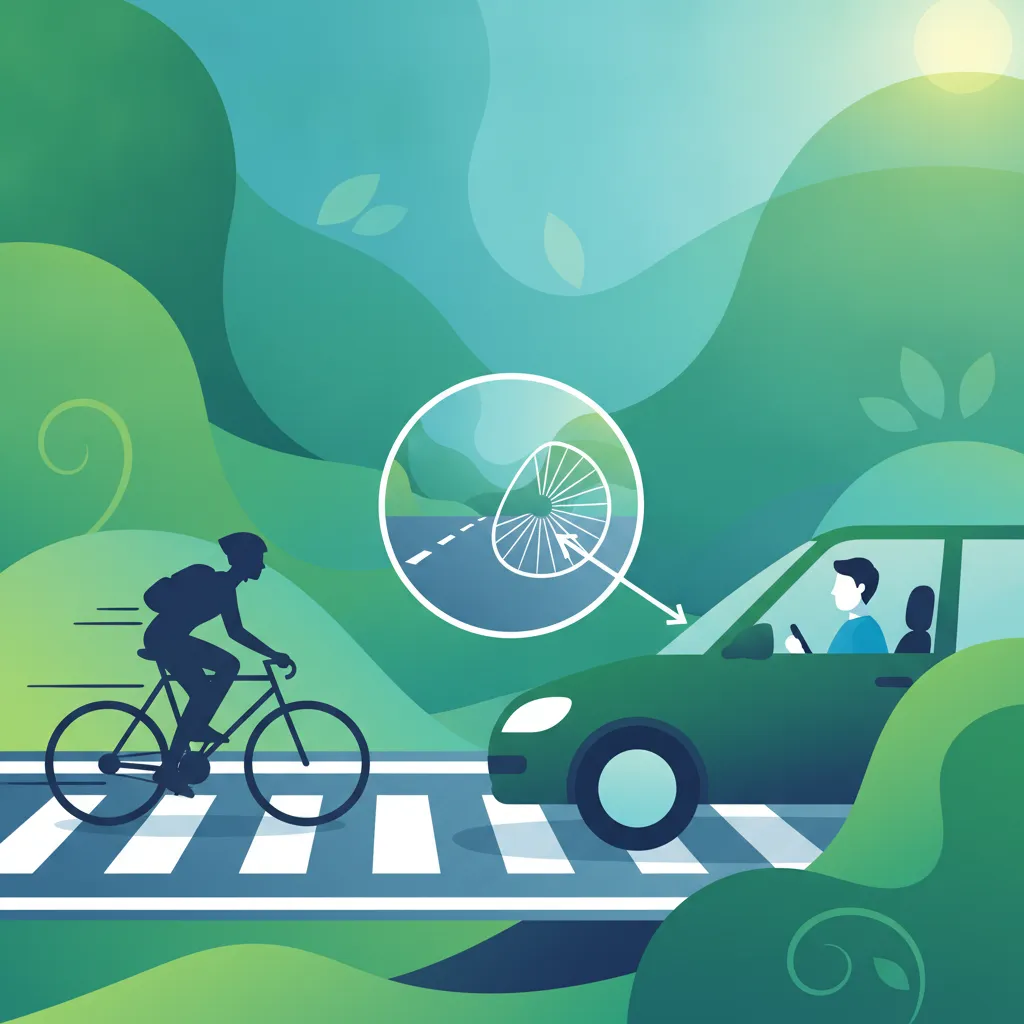
This lesson is dedicated to the safe interaction between large vehicles and the most vulnerable road users: pedestrians and cyclists. It highlights high-risk scenarios, such as left turns at junctions, where cyclists can be hidden in nearside blind spots. The content stresses the importance of anticipation, using signals clearly, and providing generous space at crossings, in cycle lanes, and within pedestrianized zones to prevent tragic accidents.
Master managing PCV blind spots and anticipating cyclist movements in busy urban environments. Learn critical mirror checks, shoulder turns, and how to interpret cyclist positioning for safer shared road use.
This lesson focuses on the dynamic and often unpredictable nature of urban traffic. It covers how to safely negotiate various pedestrian crossings, anticipate the movement of cyclists and pedestrians, and be aware of hazards like bus stops and car doors opening. You will also learn about the considerations for safe and legal filtering in slow-moving traffic.
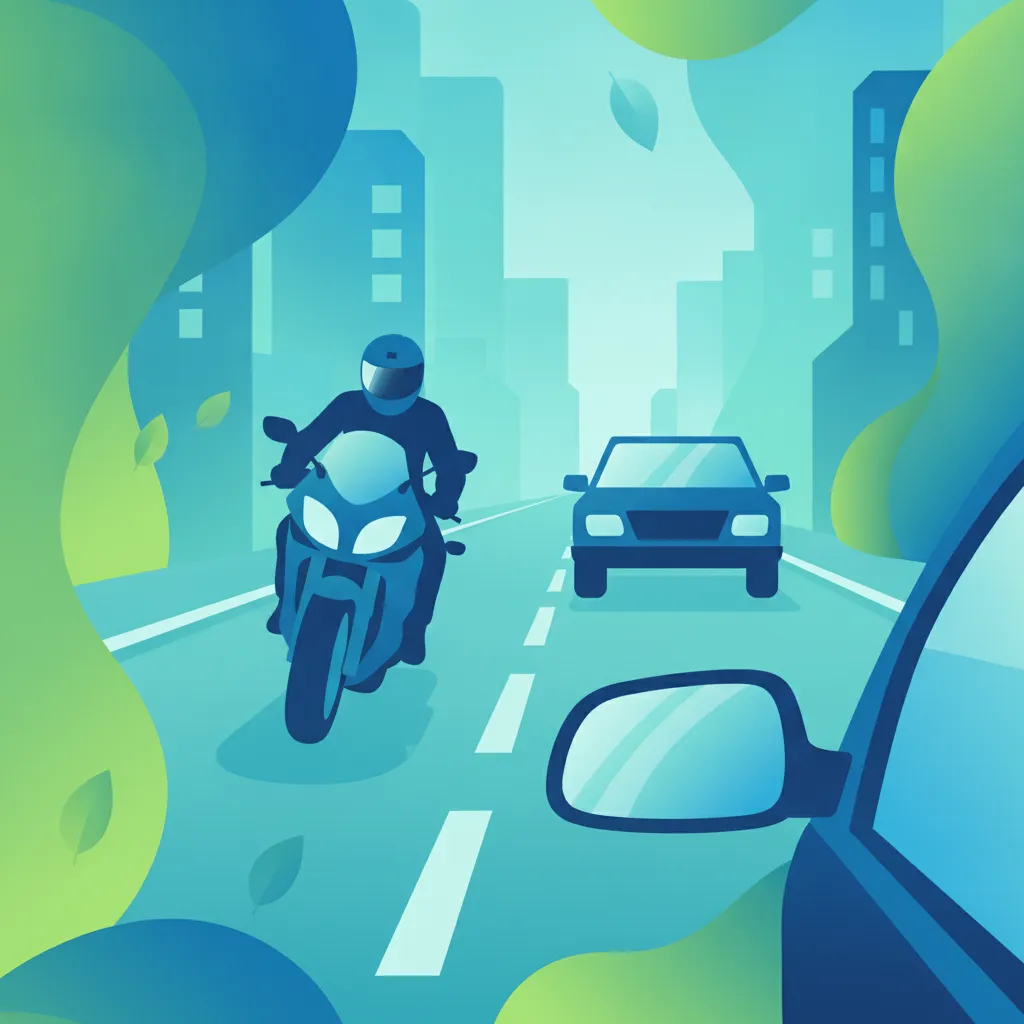
This lesson teaches strategic road positioning techniques to maximize your visibility and safety in traffic. You will learn how to choose the correct lane position to avoid the blind spots of larger vehicles and how to communicate your intentions through predictable riding. Key skills covered include effective use of shoulder checks, making eye contact with drivers, and maintaining a safe following distance, all of which are crucial for defensive riding on British roads.
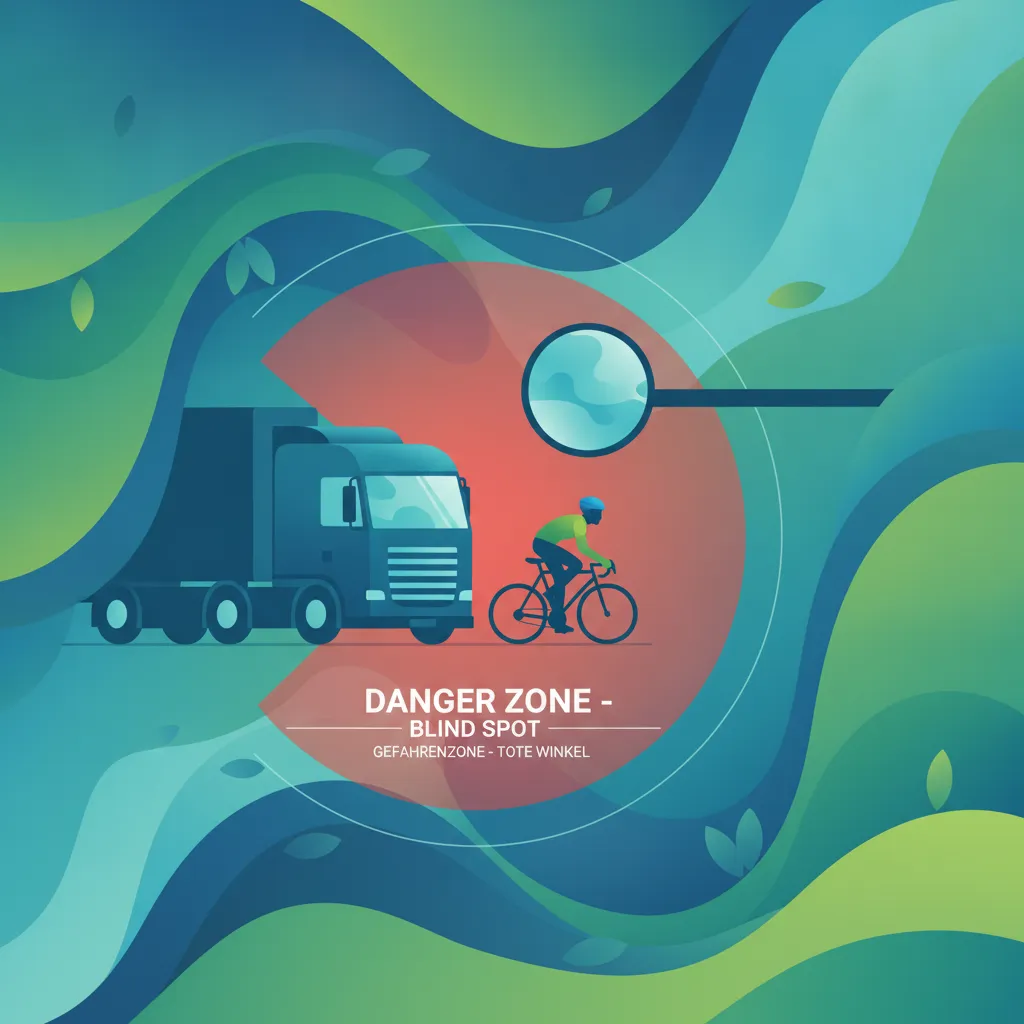
This lesson highlights the significant danger posed by the large blind spots of HGVs and buses. You will learn to identify these hazardous areas around a vehicle where the driver cannot see you. The lesson provides practical strategies for staying out of these zones, especially at junctions and when overtaking, to prevent serious accidents.
This lesson focuses on the safe interaction between cars and bicycles. It covers the importance of giving cyclists ample room when overtaking—at least 1.5 metres—and looking for them before turning or changing lanes. You will also learn about cyclist-specific infrastructure like cycle lanes and how to use the 'Dutch Reach' method to open your car door safely.
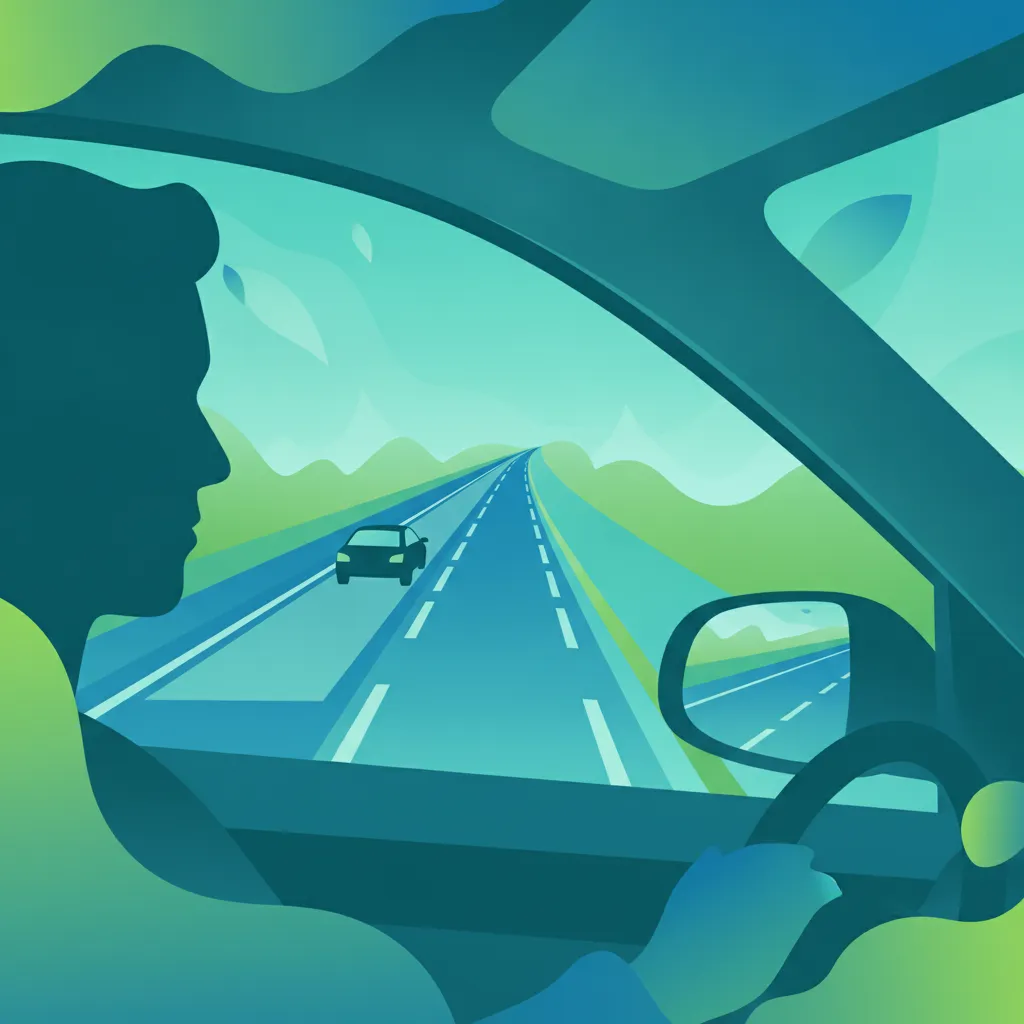
This lesson teaches riders how to be constantly aware of blind spots to prevent collisions. You will learn the importance of the 'lifesaver' shoulder check before changing position, turning, or moving off. The content emphasizes active visual scanning of the road ahead and around you, along with developing the judgment needed to accurately assess traffic speed and create safe gaps for maneuvering in various traffic situations.
This lesson is dedicated to the safe interaction between large vehicles and the most vulnerable road users: pedestrians and cyclists. It highlights high-risk scenarios, such as left turns at junctions, where cyclists can be hidden in nearside blind spots. The content stresses the importance of anticipation, using signals clearly, and providing generous space at crossings, in cycle lanes, and within pedestrianized zones to prevent tragic accidents.
This lesson provides detailed guidance on protecting pedestrians in high-risk areas like bus stops and formal crossings. It covers the specific rules and driver obligations at zebra, pelican, toucan, and puffin crossings, as well as when approaching a school crossing patrol. The content emphasizes the importance of vigilance, anticipating pedestrian movements, especially those who may be distracted or emerge from behind the bus, and always being prepared to stop to prevent accidents.
This lesson focuses on the critical skill of positioning your AM vehicle safely in relation to larger vehicles and roadside hazards like parked cars. You will learn to identify and stay out of the extensive blind spots of lorries and buses, especially at junctions. The content also provides strategies for maintaining a safe 'space cushion' around your vehicle and navigating narrow gaps or filtering in traffic without compromising your safety.

This lesson explains how to adapt your driving around different vehicles. You will learn to look out for motorcyclists, who are often hard to see, especially at junctions. It also covers the challenges of sharing the road with large vehicles, such as their extended blind spots, wider turning circles, and the wind turbulence they can create.
This lesson teaches drivers how to identify various types of vulnerable road users and anticipate their potential actions to prevent conflicts. It covers the specific risks associated with pedestrians, cyclists, motorcyclists, children, and elderly or disabled individuals. Emphasis is placed on heightened awareness and defensive driving techniques required to share the road safely. Understanding their perspectives and typical behaviours is key to protecting them and maintaining safety for everyone.
Find clear answers to common questions learners have about Cyclist Interaction and Sharing the Road. Learn how the lesson is structured, which driving theory objectives it supports, and how it fits into the overall learning path of units and curriculum progression in Great Britain. These explanations help you understand key concepts, lesson flow, and exam focused study goals.
You should always allow at least as much room as you would for a car, and ideally more. According to the Highway Code, when driving a large vehicle, you must provide extra space to ensure the cyclist is not caught in your vehicle's side-draft or affected by your turning path.
You may enter the first part of an ASL if you are directed to by a sign or signal. However, the advanced area (the cycle reservoir) is reserved for cyclists. Never enter the reservoir area, as this blocks their safe space and creates a significant safety risk at junctions.
Use your mirrors systematically before moving, during the turn, and after completing the turn. Because passenger vehicles have significant blind spots, ensure you perform shoulder checks where possible and use auxiliary mirrors specifically designed to show the space alongside your vehicle.
The hierarchy places those road users most at risk, such as cyclists and pedestrians, at the top. As a driver of a large passenger vehicle, you have a greater responsibility to reduce the danger you pose to others, which means giving way and allowing extra time and space in all interactions.
Dive into our comprehensive question bank to find exactly what you need for your Great Britain theory test. Use our advanced filters to pinpoint specific subjects or test your knowledge on challenging areas, ensuring you're fully prepared for success.