
Driving Theory
Parking Rules & Lines

Great Britain Yellow Lines & Parking Controls Theory Test Practice

Prepare for your Great Britain driving theory test by practicing essential yellow line and parking control rules. This set focuses on common learner mistakes, double yellow lines, loading restrictions, red routes, and time plates, ensuring you understand the Highway Code for real-world driving and the DVSA exam.

parkingyellow linesred routeswaiting restrictionsloading bansHighway Coderoad markingsDVSA theory test
Great Britain Yellow Lines & Parking Controls Theory Test Practice

Master Yellow Lines and Parking Controls

Focus on common mistakes with yellow lines and parking controls. This practice set is essential for your DVSA theory test revision, helping you understand Highway Code rules and prepare for exam situations. Build confidence in identifying restrictions for effective theory test preparation.

This practice set delves into the nuances of yellow lines, kerb markings, and various parking controls across Great Britain. It highlights edge cases and common learner misinterpretations of the Highway Code, preparing you to correctly identify restrictions and exceptions in diverse traffic scenarios for your DVSA theory test.

Example Questions in Yellow Lines & Parking

Preview sample questions from the Yellow Lines & Parking practice set to see how they help you prepare for the driving theory exam in Great Britain.

Interpreting Multiple Time PlatesSingle Yellow Kerb MarkingsSingle Yellow Line Time PlateRed Route StoppingOvernight Parking Restricted ZoneSingle Yellow Line Passenger Pick-upParking Near Bus StopParking Opposite School EntranceSingle Yellow Line Sunday ParkingDouble Yellow Lines ExceptionsControlled Parking ZonesClearway Stopping RuleParking Near a JunctionYellow Box Junction StoppingDouble Yellow Lines Waiting Rule

Why Learners Search for Yellow Lines & Parking When Preparing for the Theory Exam

Learners choose Yellow Lines & Parking to improve accuracy and understanding of key exam themes in Great Britain. It offers realistic driving theory questions and targeted revision for effective preparation.

yellow line parking rules Great Britain theory testdouble yellow line exceptions UK drivingred route stopping rules DVSA examkerb marking loading restrictions Highway Codeparking control signs Great Britain learner drivercommon parking mistakes theory testclearways parking rules UK

Questions Learners Have About Yellow Lines & Parking

Find answers to the most common queries learners have when practising Yellow Lines & Parking, including how questions match the official theory exam in Great Britain, how scoring works, and how this practice improves exam readiness.

What do double yellow lines mean in Great Britain?

Double yellow lines signify 'no waiting at any time' on the carriageway, pavement, or verge. There are very limited exceptions, such as immediate loading/unloading (unless specific loading restrictions apply) or passenger pick-up/drop-off, which must be done quickly and without obstruction. Always check for accompanying signs for any seasonal restrictions.

Can I stop on a single yellow line?

You may stop on a single yellow line to load or unload goods, or to pick up or set down passengers, but only during the times specified on nearby time plates or controlled parking zone entry signs. Outside these stated hours, waiting is prohibited.

What are red routes and how do their rules differ?

Red routes are major urban roads with strict stopping restrictions, indicated by red lines. They typically prohibit stopping at any time, even for immediate loading/unloading or passenger drop-off, to ensure continuous traffic flow. Specific signs will indicate any allowed exceptions, such as for taxis or disabled badge holders.

What do yellow kerb markings indicate regarding parking?

Yellow kerb markings, often accompanying yellow lines, indicate loading and unloading restrictions. A single yellow dash on the kerb means no loading/unloading at the times shown on accompanying signs. Double yellow dashes on the kerb mean no loading/unloading at any time.

How do time plates affect yellow line restrictions?

Time plates display the operational hours for waiting or loading restrictions associated with single yellow lines or kerb markings. If a time plate is present, the restriction applies only during those stated hours. However, double yellow lines indicate 'no waiting at any time' regardless of time plates, unless signs specifically indicate seasonal restrictions.

Skills You Will Build for the Driving Theory Exam

By completing Yellow Lines & Parking, you will gain stronger rule knowledge, faster recognition of signs and situations, better decision making in traffic scenarios, and increased accuracy on exam style questions used in Great Britain. These outcomes directly support higher scoring exam performance.

Understand the meaning of single and double yellow lines and their exceptions in Great Britain.
Recognise various kerb markings and their associated waiting or loading restrictions.
Correctly interpret time plates and controlled parking zone signs for parking rules.
Identify rules for parking on red routes, clearways, and at school entrances in Great Britain.
Avoid common parking mistakes that lead to penalty points on the DVSA theory test.

Continue Your Revision with Related Practice Sets

Explore similar sets on parking rules and road markings to solidify your understanding of Great Britain's traffic laws. Continued practice is key for effective theory test preparation and mastering Highway Code details.

Yellow Lines and Parking Controls for Great Britain Theory Test

Yellow Lines & Parking

Master essential UK parking rules and avoid common theory test errors.

parkingyellow linesred routes
12 questionsView details
Yellow Lines and Parking Controls: Real-Road Judgement in Great Britain

Yellow Lines & Parking

Master Parking Rules and Avoid Penalties on British Roads
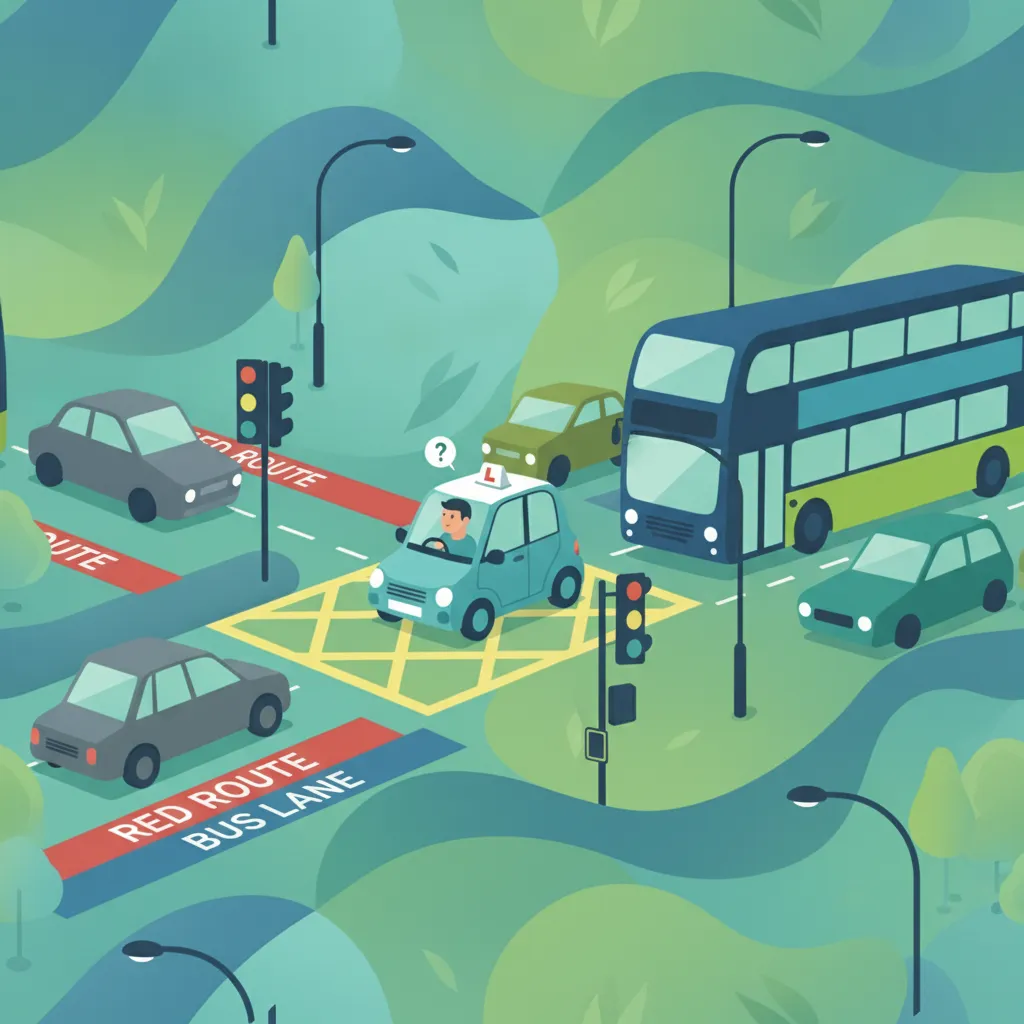
parkingyellow linesred routes
15 questionsView details
Urban Driving and Red Routes: Common Learner Mistakes in Great Britain

Urban & Red Routes

Master Tricky Urban Rules and Avoid Common DVSA Theory Test Traps
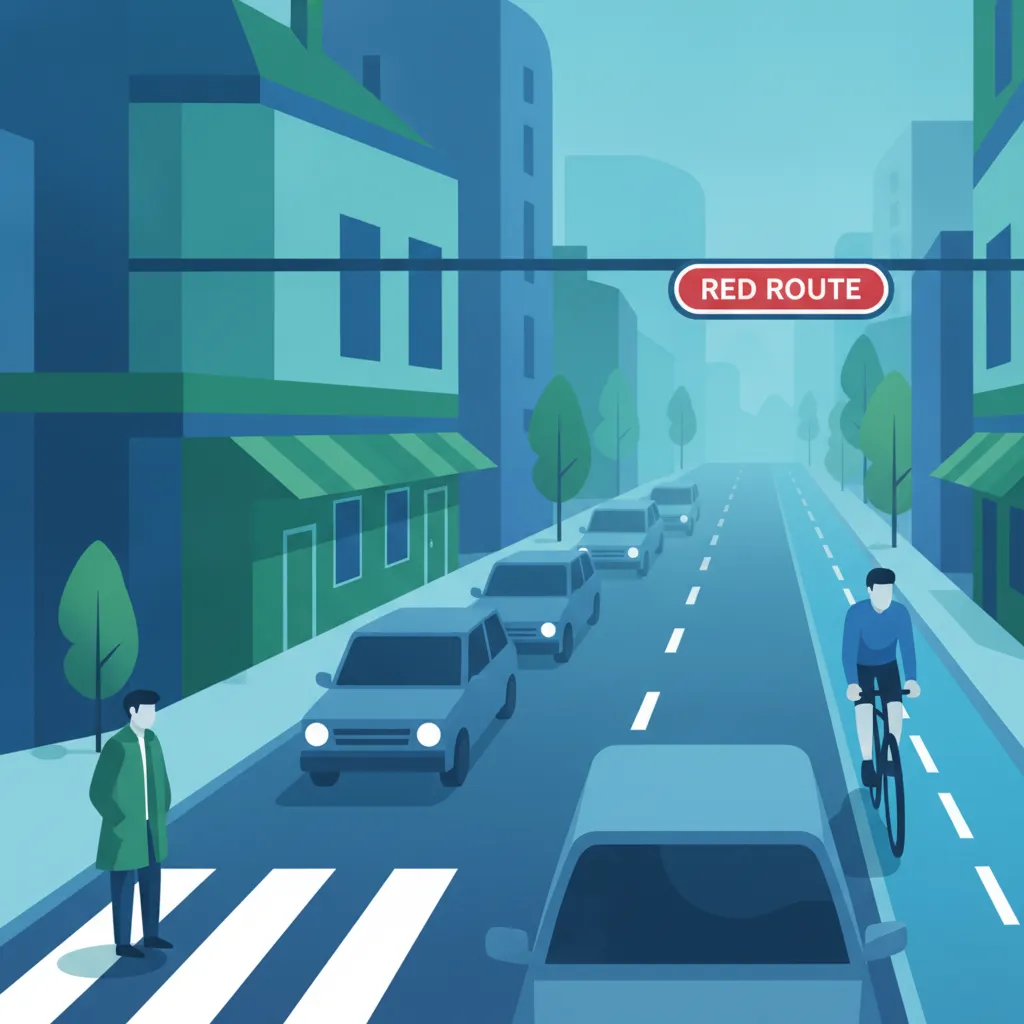
urban drivingRed Routesbus lanes
22 questionsView details
Urban Driving and Red Routes Rules for Great Britain

Urban & Red Routes GB

Master urban driving rules and avoid common exam traps.

urban drivingred routesbus lanes
12 questionsView details
School Zones and Child Safety: Common Mistakes in Great Britain

School Zones & Child Safety

Master Tricky School Zone Rules and Protect Children on UK Roads.

school zoneschild safetyvulnerable road users
12 questionsView details
Junctions, Crossroads, and Turning: Common Mistakes in Great Britain

Junctions & Turning GB

Navigate UK Junctions with Confidence: Avoid Tricky Theory Test Traps.

junctionscrossroadsturning
12 questionsView details

Questions in Yellow Lines & Parking

Exam focused questionss

0

Difficulty Level

How This Driving Theory Practice Helps You Pass Faster

Yellow Lines & Parking offers quick, focused exam style practice to boost your British knowledge for the driving theory exam in Great Britain.

Reduce common parking and waiting related penalty points on your theory test.
Gain confidence in identifying legal parking spots and restrictions in Great Britain.
Improve your understanding of complex yellow line rules and kerb markings.
Learn to correctly interpret time plates and avoid fines in controlled zones.
Enhance your overall knowledge of the Highway Code's parking regulations.

Who Should Practise Yellow Lines & Parking?

Yellow Lines & Parking helps learners in Great Britain with clear explanations and targeted British practice to improve essential driving theory topics.

This practice set is ideal for learner drivers in England, Scotland, and Wales preparing for their DVSA theory test. It's particularly useful for those who find parking regulations confusing, often misinterpret yellow lines, or struggle with the specific conditions and exceptions of various parking controls in Great Britain.

Start Practice

Start Targeted Practice for Your Theory Test

Explore specific Great Britain driving theory practice categories to master key subjects. Identify your weak areas and focus your revision on road signs, hazard perception, or traffic laws. Begin your targeted preparation now and build confidence for your official DVSA exam.

Browse Practice Categories

CTA Decorative Squares

Practice British driving theory questions

British road signsBritish article topicsGB AM Moped Theory courseSearch British road signsMotorcycle Theory GB courseGB Category B Theory courseBritish driving theory homeBritish road sign categoriesBritish driving theory topicsGB Goods Vehicle Theory courseSearch British theory articlesBritish driving theory coursesBritish driving theory articlesBritish driving theory practiceBritish practice set categoriesGB Passenger Vehicle Theory courseBritish driving licence proceduresSearch British driving theory practiceBritish driving theory terminology A–ZBritish driving theory terms and glossaryGreat Britain Sign Symbols British road sign categoryGreat Britain Warning Signs British road sign categoryGreat Britain Hazard Plates British road sign categoryGreat Britain Tourist Signs British road sign categoryGreat Britain Motorway Signs British road sign categoryGreat Britain Direction Signs British road sign categoryGreat Britain Diversion Signs British road sign categoryGreat Britain Regulatory Signs British road sign categoryGreat Britain Low Bridge Signs British road sign categoryGreat Britain Motorway Signals British road sign categoryGreat Britain Speed Limit Signs British road sign categoryGreat Britain Information Signs British road sign categoryGreat Britain Bus and Cycle Signs British road sign categoryGreat Britain Level Crossing Signs British road sign categoryGreat Britain Pedestrian Zone Signs British road sign categoryGreat Britain Traffic Light Signals British road sign categoryGreat Britain Parking and Loading Signs British road sign categoryGreat Britain Roadworks and Temporary Signs British road sign category