
Sharpen your knowledge of yellow lines, kerb markings, red routes, and other parking restrictions relevant to the Great Britain driving theory test. This set of 15 questions, including multiple-choice and true/false, uses realistic road judgement scenarios to help you understand when and where you can stop, wait, or park according to the Highway Code.

Sharpen your understanding of Great Britain's yellow line rules and parking controls with this focused revision set. Prepare effectively for your driving theory test by practising scenarios involving waiting restrictions and stopping on UK roads. Gain confidence in applying the Highway Code to everyday driving situations.
Navigate complex real-road parking scenarios and yellow line restrictions found across Great Britain. This set focuses on applying your knowledge to situations involving varying traffic, weather, and road conditions, essential for safe driving and passing your theory test.
Preview sample questions from the Yellow Lines & Parking practice set to see how they help you prepare for the driving theory exam in Great Britain.
Learners choose Yellow Lines & Parking to improve accuracy and understanding of key exam themes in Great Britain. It offers realistic driving theory questions and targeted revision for effective preparation.
Find answers to the most common queries learners have when practising Yellow Lines & Parking, including how questions match the official theory exam in Great Britain, how scoring works, and how this practice improves exam readiness.
Double yellow lines in Great Britain mean no waiting at any time, even if there are no upright signs, unless seasonal restrictions are specifically indicated by additional signage.
On a single yellow line, you may stop to pick up or set down passengers, or to load or unload goods, unless there are additional signs indicating specific loading restrictions or the times of operation prohibit even stopping for these purposes.
Yellow zigzag lines outside a school entrance mean you MUST NOT wait or park there, or stop to set down and pick up passengers, when upright signs indicate a prohibition of stopping. This is to ensure clear visibility for children crossing.
Red Routes are urban roads with strict stopping controls, indicated by red lines instead of yellow. Single red lines mean no stopping during operational hours, while double red lines mean no stopping at any time, generally stricter than yellow line rules.
Time plates display the hours of operation for single yellow line restrictions or other controlled parking zones. You MUST NOT wait or park on yellow lines during the times shown on these plates.
By completing Yellow Lines & Parking, you will gain stronger rule knowledge, faster recognition of signs and situations, better decision making in traffic scenarios, and increased accuracy on exam style questions used in Great Britain. These outcomes directly support higher scoring exam performance.
Exploring related practice questions on parking and yellow line restrictions helps cement your knowledge for the GB theory test. Continue your exam preparation by tackling similar scenarios to build confidence and broader driving insight.
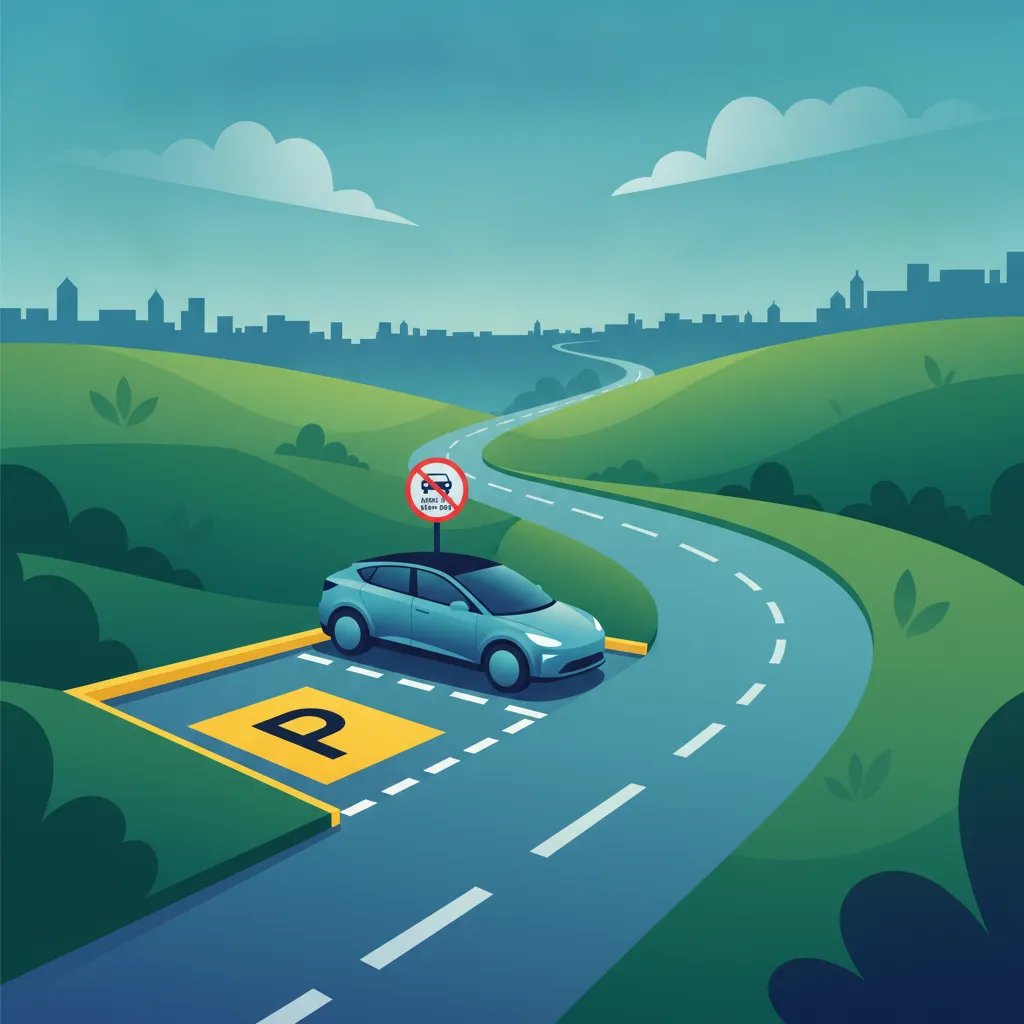
Master essential UK parking rules and avoid common theory test errors.
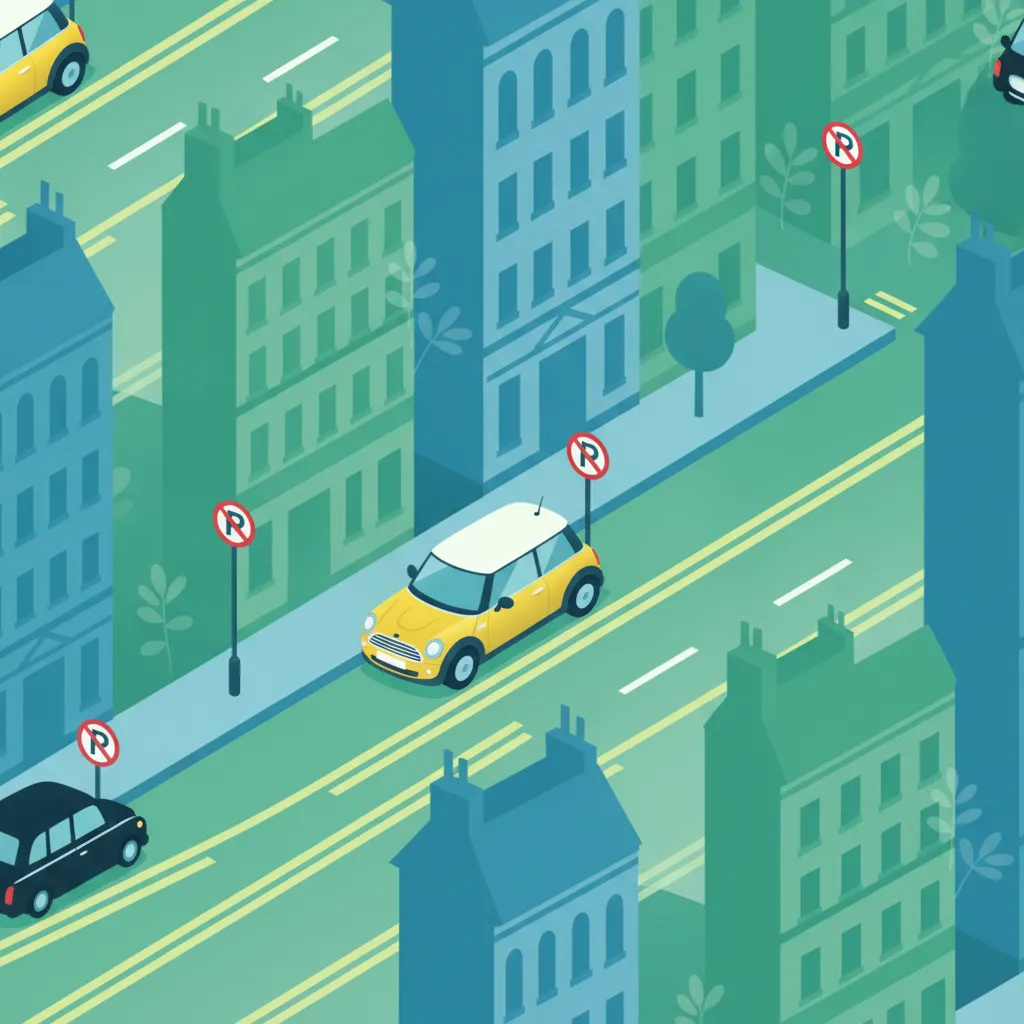
Navigate Parking Rules with Confidence for Your GB Theory Test
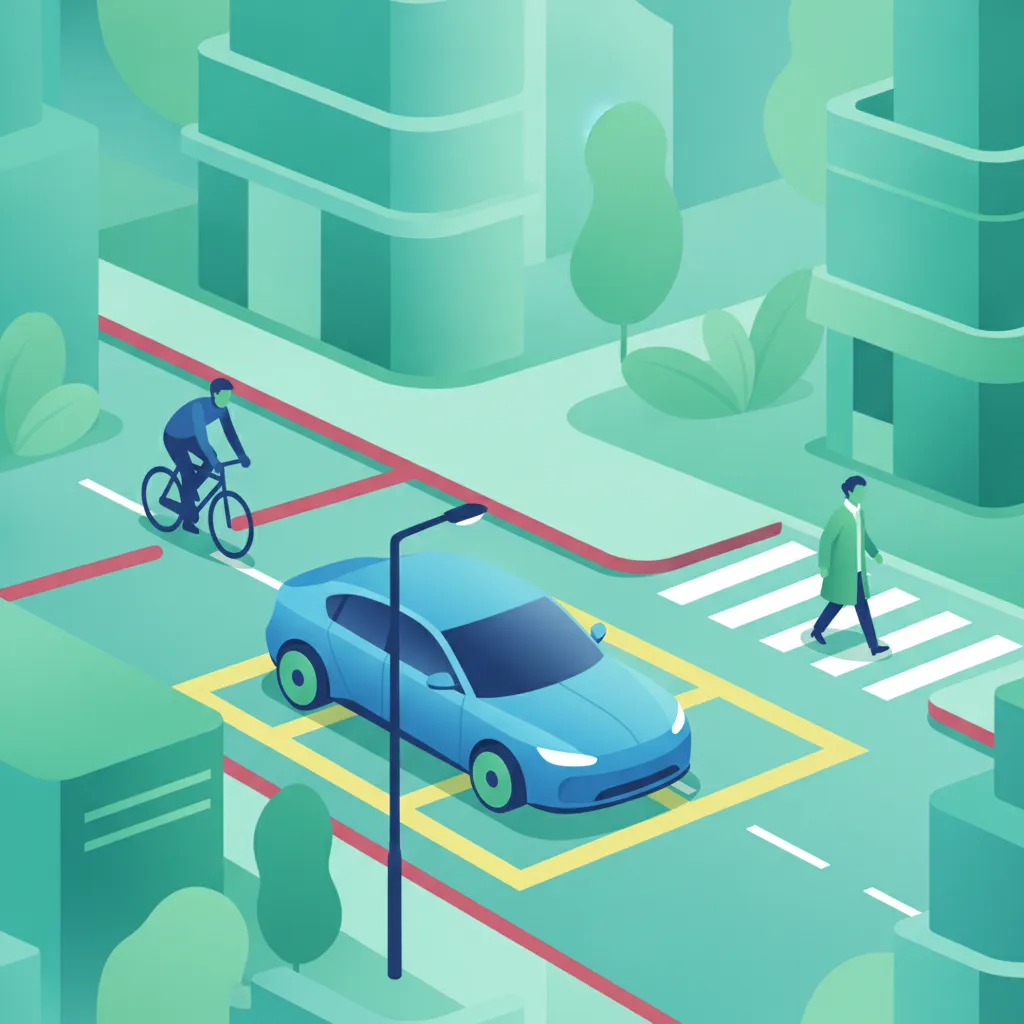
Navigate complex urban traffic and Red Routes with confidence for your DVSA theory test.
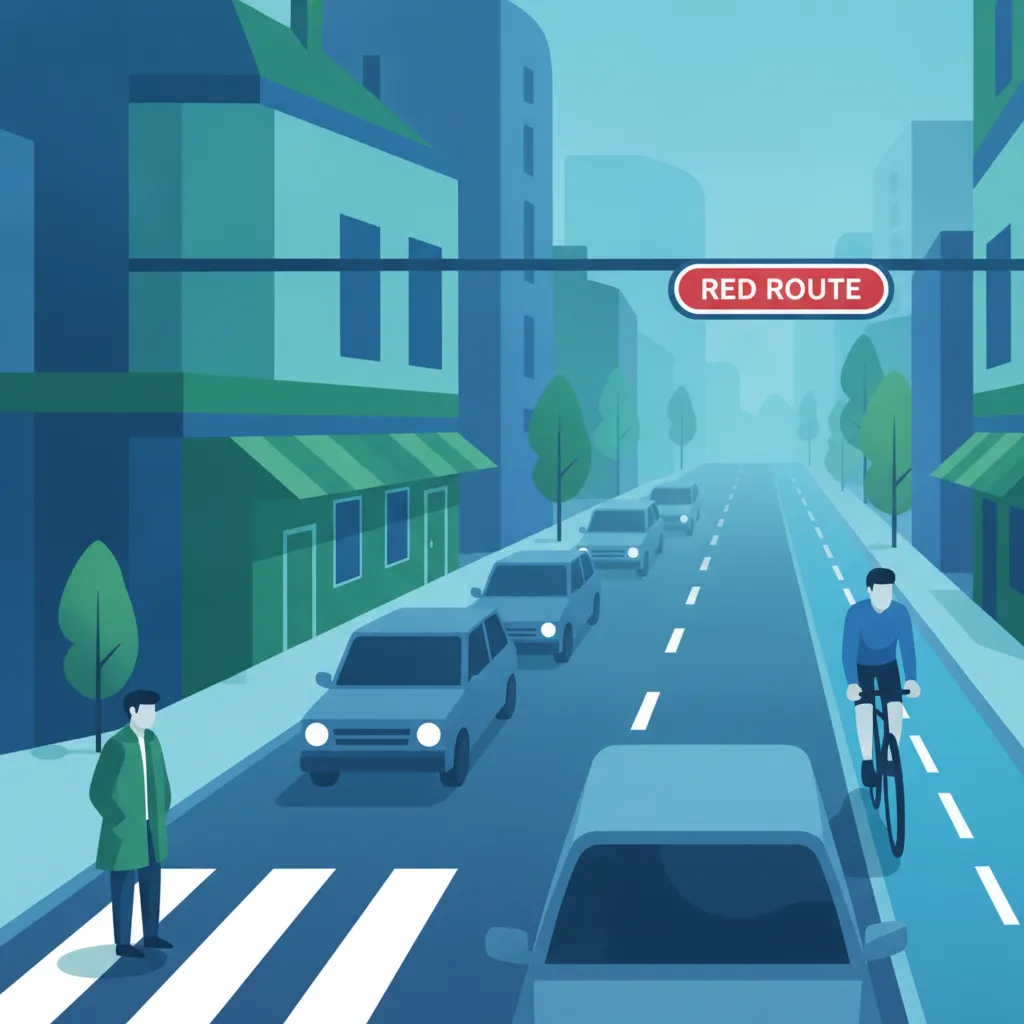
Master urban driving rules and avoid common exam traps.
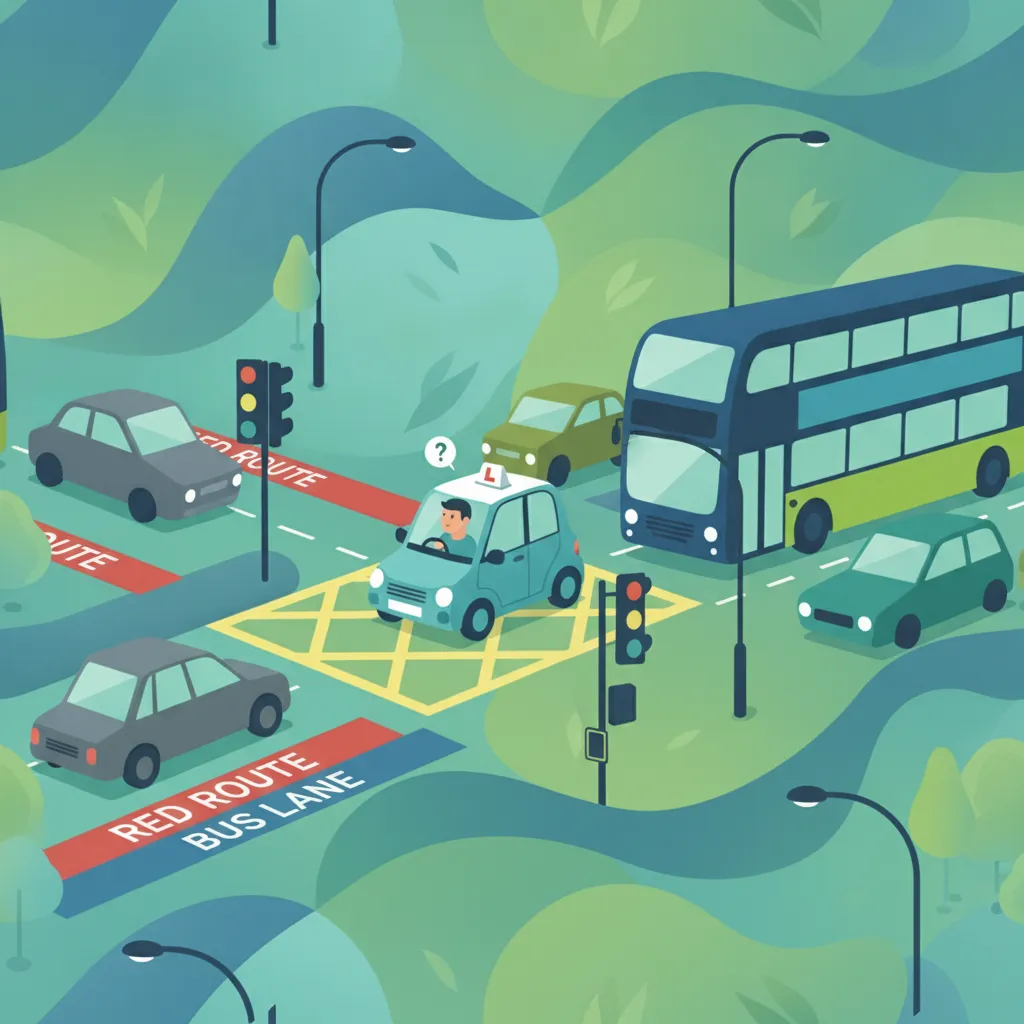
Master Tricky Urban Rules and Avoid Common DVSA Theory Test Traps

Master Tricky School Zone Rules and Protect Children on UK Roads.
Questions in Yellow Lines & Parking
Exam focused questionss
Yellow Lines & Parking offers quick, focused exam style practice to boost your British knowledge for the driving theory exam in Great Britain.
Yellow Lines & Parking helps learners in Great Britain with clear explanations and targeted British practice to improve essential driving theory topics.
This practice set is for learner drivers in England, Scotland, and Wales preparing for their DVSA theory test. It's ideal for those who have learned the basic rules but need to practice applying them in complex, real-world traffic scenarios and wish to avoid common parking-related mistakes and penalty points.
Explore more topics for the British driving theory exam in Great Britain.
Explore specific Great Britain driving theory practice categories to master key subjects. Identify your weak areas and focus your revision on road signs, hazard perception, or traffic laws. Begin your targeted preparation now and build confidence for your official DVSA exam.
Browse Practice Categories