
This sign, code 963T, is an important information sign used in Great Britain to manage shared road spaces. It specifically highlights a bus lane where traffic might be coming from both directions, serving as a reminder for pedestrians to be extra cautious. It clarifies who is permitted to use the lane, such as buses, cycles, or taxis, and how the facility operates, often working alongside coloured surfacing, lane markings, and specific times. Drivers must always read this sign before entering or crossing such areas, always checking mirrors and blind spots for vulnerable road users who might be travelling in either direction.
Master the 'Bus lane with traffic proceeding from both ways' sign (963T) to understand shared road usage and anticipate pedestrian movement. This crucial knowledge enhances your theory test revision and safe driving practice.
This sign manages shared road space by identifying who may use a facility and how that facility operates. It may permit or prohibit buses, cycles, taxis, pedestrians, or other road users, and it often works with lane markings, coloured surfacing, arrows, and time plates. Drivers should read the sign before entering or crossing the area and should check mirrors and blind spots carefully. It is listed in the catalogue as code 963T.
"Bus lane with traffic proceeding from both ways (reminder for pedestrians)" explains how buses, cycles, taxis, pedestrians, or other permitted users should use the lane, path, crossing, or route. It helps drivers avoid reserved space and anticipate vulnerable road users.
Get clear, practical answers to the most common questions about the 963T - Bus lane with traffic proceeding from both ways (reminder for pedestrians) road sign. Learn how the sign works, what rules it represents, and how it affects real driving situations. This FAQ strengthens your understanding and supports accurate decision making for the British driving theory exam in Great Britain.
The 963T sign indicates a bus lane where traffic can proceed from both directions. Its primary purpose is to remind pedestrians to be aware of this specific traffic flow. For drivers, it means you must not enter this lane unless your vehicle type is explicitly permitted by other signs or markings, and you should anticipate buses, cyclists, or taxis potentially moving in either direction.
When you see the 963T sign, you are prohibited from entering a reserved bus or cycle lane unless your vehicle is permitted. You must not stop in a cycle lane, bus stop, or shared path if signs prohibit it. Also, avoid cutting across cyclists, buses, or taxis when turning or changing lanes, and never assume the lane operates at all times without checking for time plates or other specific instructions.
The 963T sign explicitly acts as a reminder for pedestrians. They need to be particularly aware that buses, cycles, or taxis may be using the lane and could be approaching from either direction. Pedestrians should use designated crossing points and stay alert to traffic movements.
The 963T sign rarely works in isolation. It commonly collaborates with coloured surfacing, specific lane markings (like arrows), and operating time plates to provide a complete picture of how the lane functions. Always look for these accompanying instructions to understand exactly who can use the lane, when, and in which direction traffic is expected.
A common trap with signs like 963T is assuming you can enter a bus or cycle lane because it's not busy, or misunderstanding that traffic might be coming from the opposite direction. Always adhere strictly to permitted vehicle types and be vigilant for traffic flowing in both directions, especially near junctions or stops where mirrors and blind spots are crucial.
A clear reference image of the 963T - Bus lane with traffic proceeding from both ways (reminder for pedestrians) road sign used in Great Britain.

The 963T - Bus lane with traffic proceeding from both ways (reminder for pedestrians) road sign may also be known by these alternative names or terms.
The 963T - Bus lane with traffic proceeding from both ways (reminder for pedestrians) road sign is part of the Great Britain Bus and Cycle Signs category, which groups together signs with similar rules and functions.
Master similar road signs by comparing their distinctions, which is crucial for accurate recognition and successful theory test revision. This traffic sign comparison helps solidify your understanding and prevent common errors on exam day.
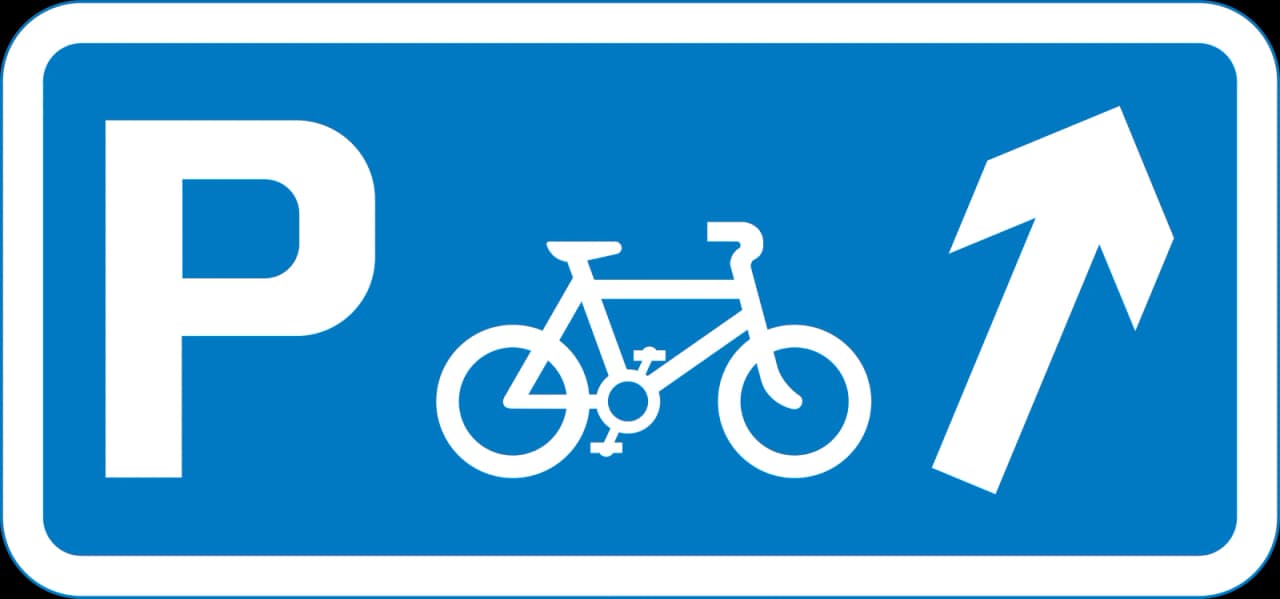
Understand the Junction Ahead Leading to Cycle Parking Road Sign (2603)
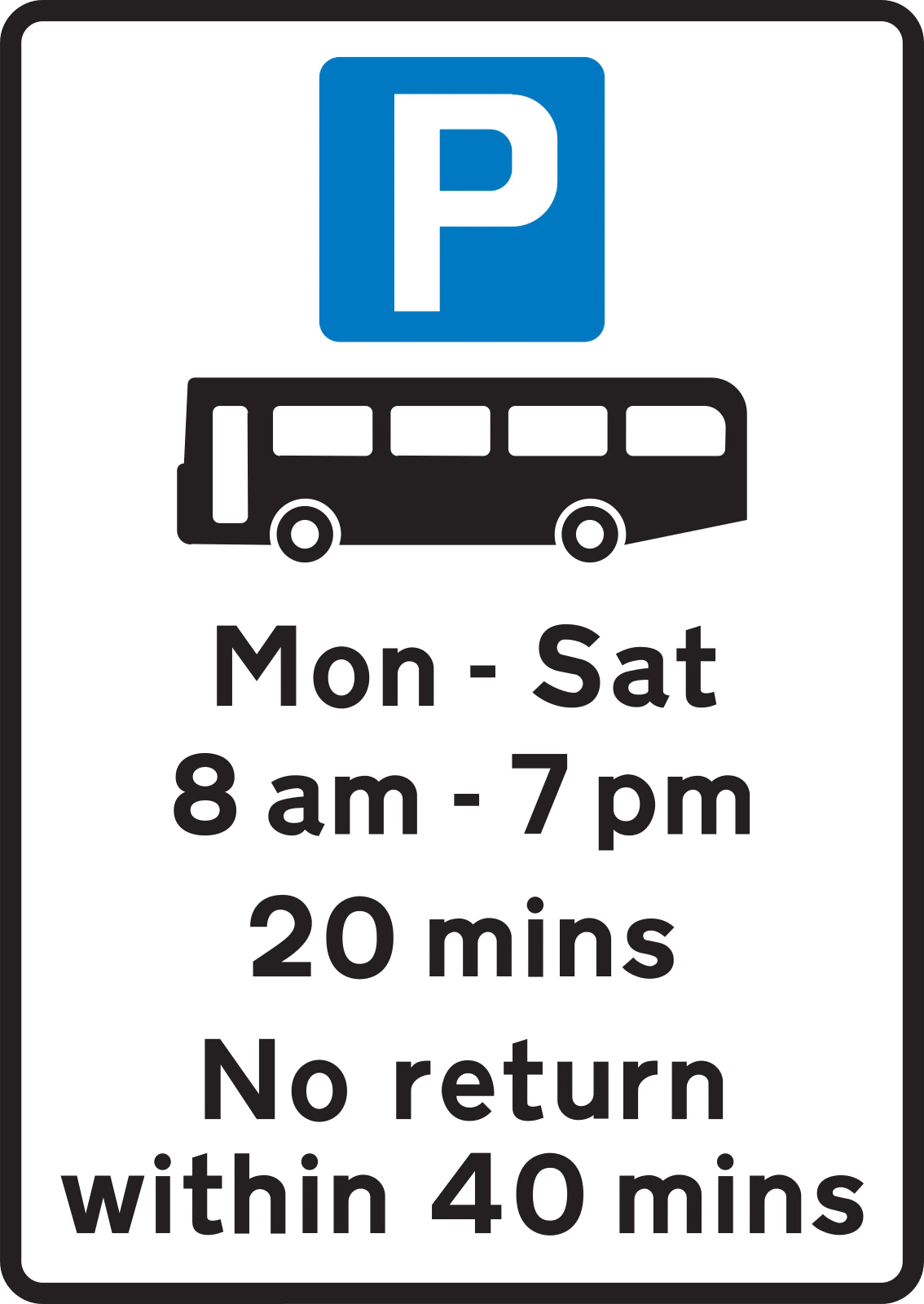
Understand the 'Parking place for buses only during the times shown' road sign (661.1VB).

Learn about the 'Cyclists Crossing or Cycle Route Ahead' road sign (950)

What does the 'Riding of Pedal Cycles Prohibited' sign mean for drivers?
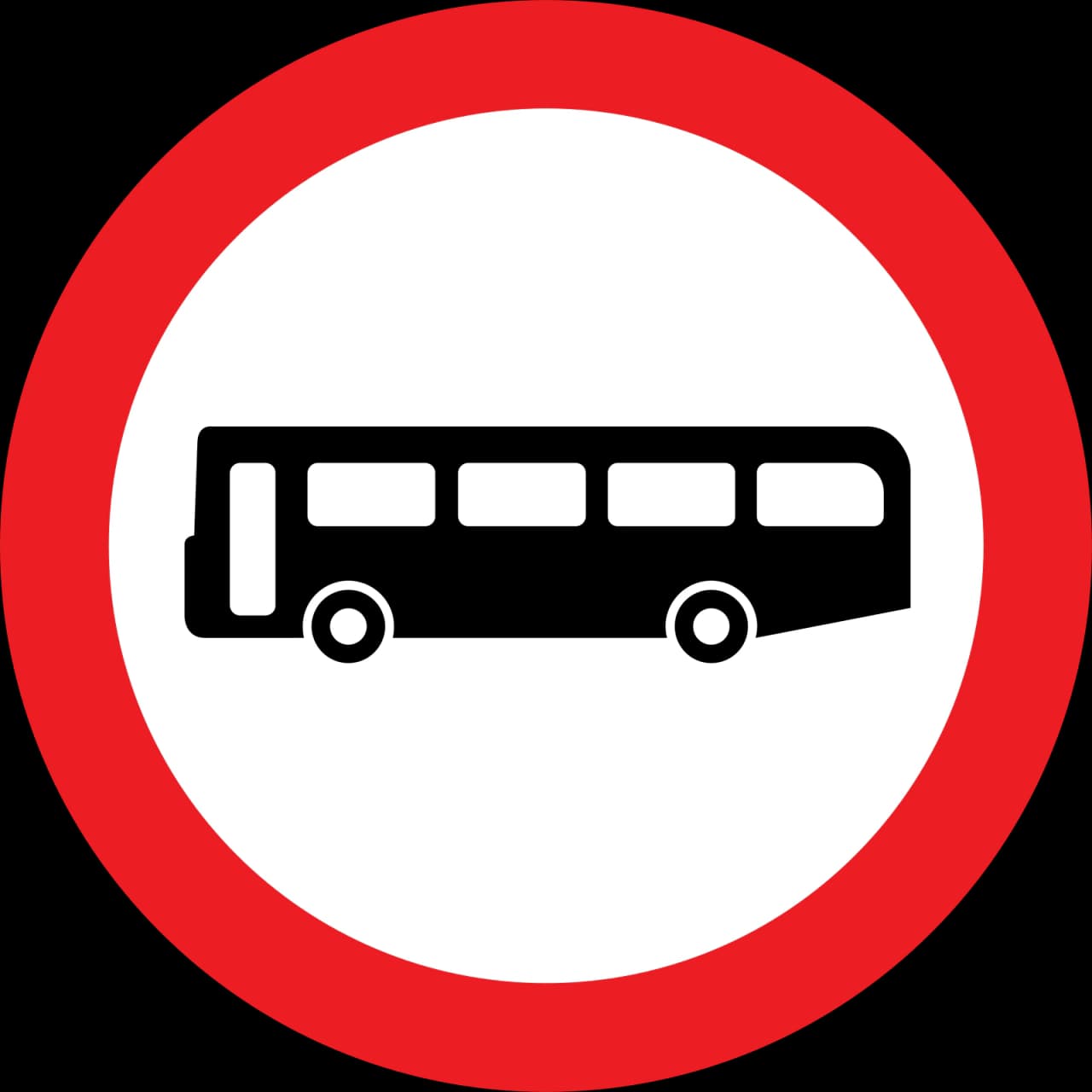
What does the 'Buses Prohibited' road sign mean?
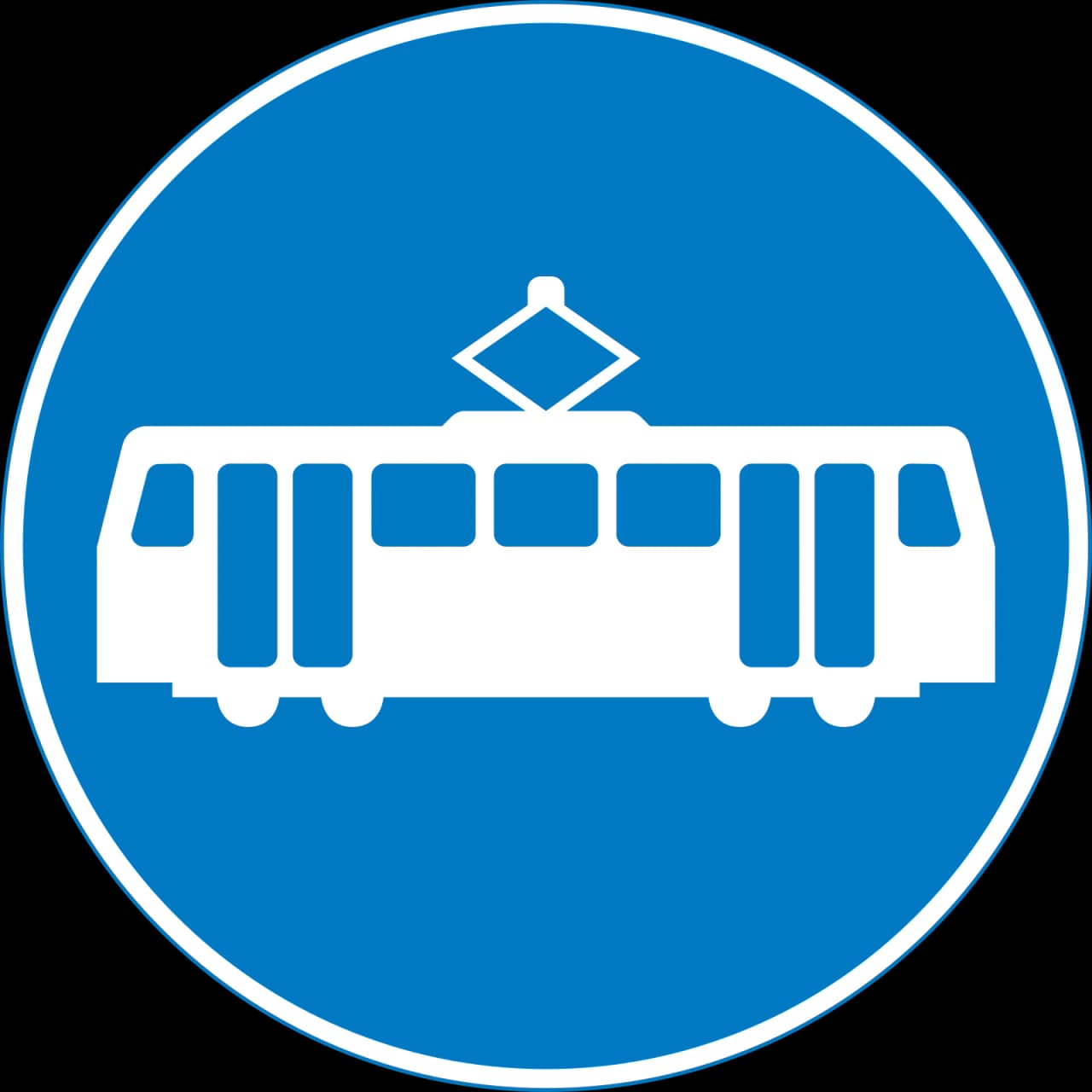
This sign means the route is exclusively for tramcars.

Exclusive Bus and Tramcar Route Sign: Know Where You Can and Cannot Go

Understand the 'Route for use by pedal cycles only' traffic sign (955)
After reviewing the full list of road signs, challenge yourself with practice questions focused specifically on sign recognition. Reinforce your learning and ensure you're fully prepared to identify and understand all traffic signs on the DVSA theory test.
Browse All GB Road Signs List