Hazard plates work alongside main warning signs to provide crucial extra details about potential road dangers. They can specify the nature of the hazard, its distance, direction, or duration, helping you react appropriately. Understanding these supplementary signs is vital for both passing your theory test and ensuring your safety on the road by adapting your driving to specific conditions.
An explanation of how Great Britain Hazard Plates road signs apply in real traffic situations in Great Britain. Learn where these signs are typically placed, what drivers are expected to do when they appear, and how correct reactions help you stay safe, avoid fines, and succeed in your British driving theory exam.
Hazard plates are typically found in conjunction with standard warning signs, particularly on routes where unexpected or specific dangers may occur. You might see them on rural roads warning of fallen trees or on sections of road known for frost damage or being liable to flooding. They can also appear in areas undergoing maintenance, such as 'overhead cable repairs', or indicate temporary conditions like 'blasting' or 'dust clouds' from construction. It's crucial to read the hazard plate together with the main warning sign to fully grasp the situation and adjust your speed, position, or vigilance accordingly, ensuring you are prepared for the specific danger ahead.
An overview of the key learning outcomes when studying the Great Britain Hazard Plates road sign category. Understand the main concepts, sign meanings, and traffic situations covered here so you can recognise patterns, answer theory questions more confidently, and build a solid foundation for safe driving in Great Britain.
Hazard plates clarify warning signs, detailing specific dangers like distance, direction, or duration. Studying these supplementary signs together enhances your understanding of potential road hazards, crucial for theory test revision and safe driving. Master their meanings to confidently interpret traffic signs in Great Britain.
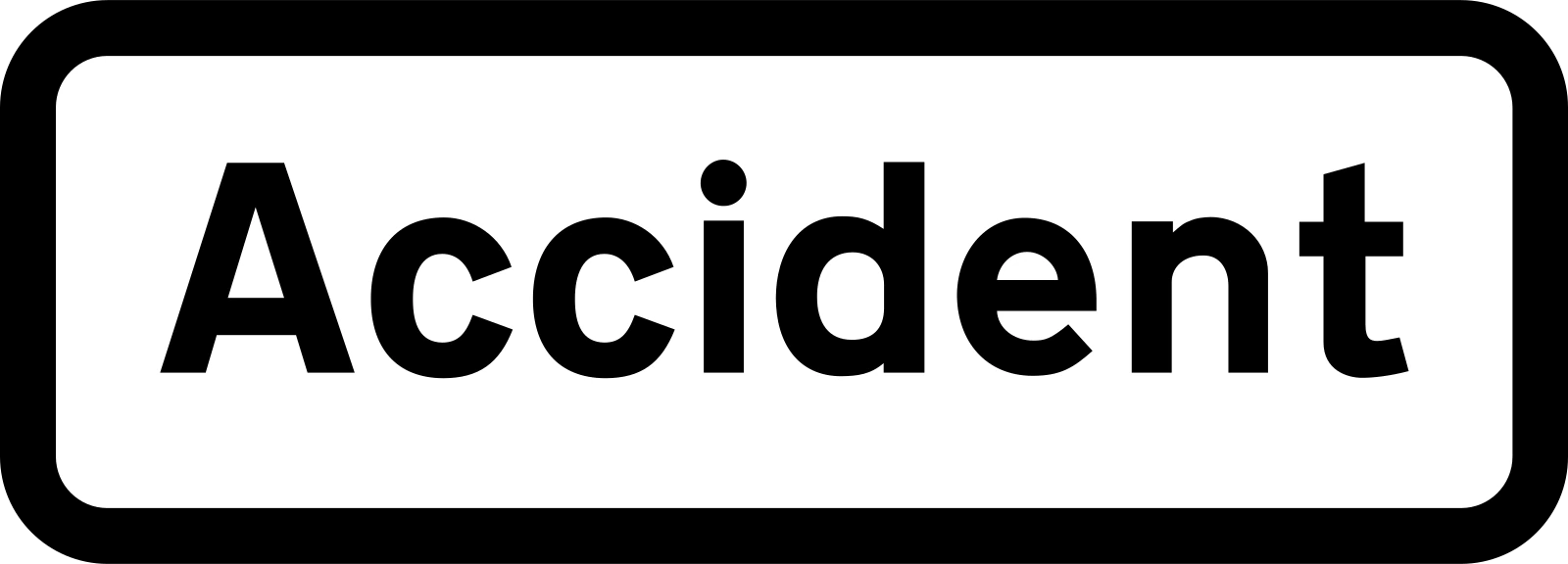
Understand the Accident supplementary plate (563) to clarify road hazards.

Learn how the 'Blasting' supplementary plate clarifies road hazards and distances.
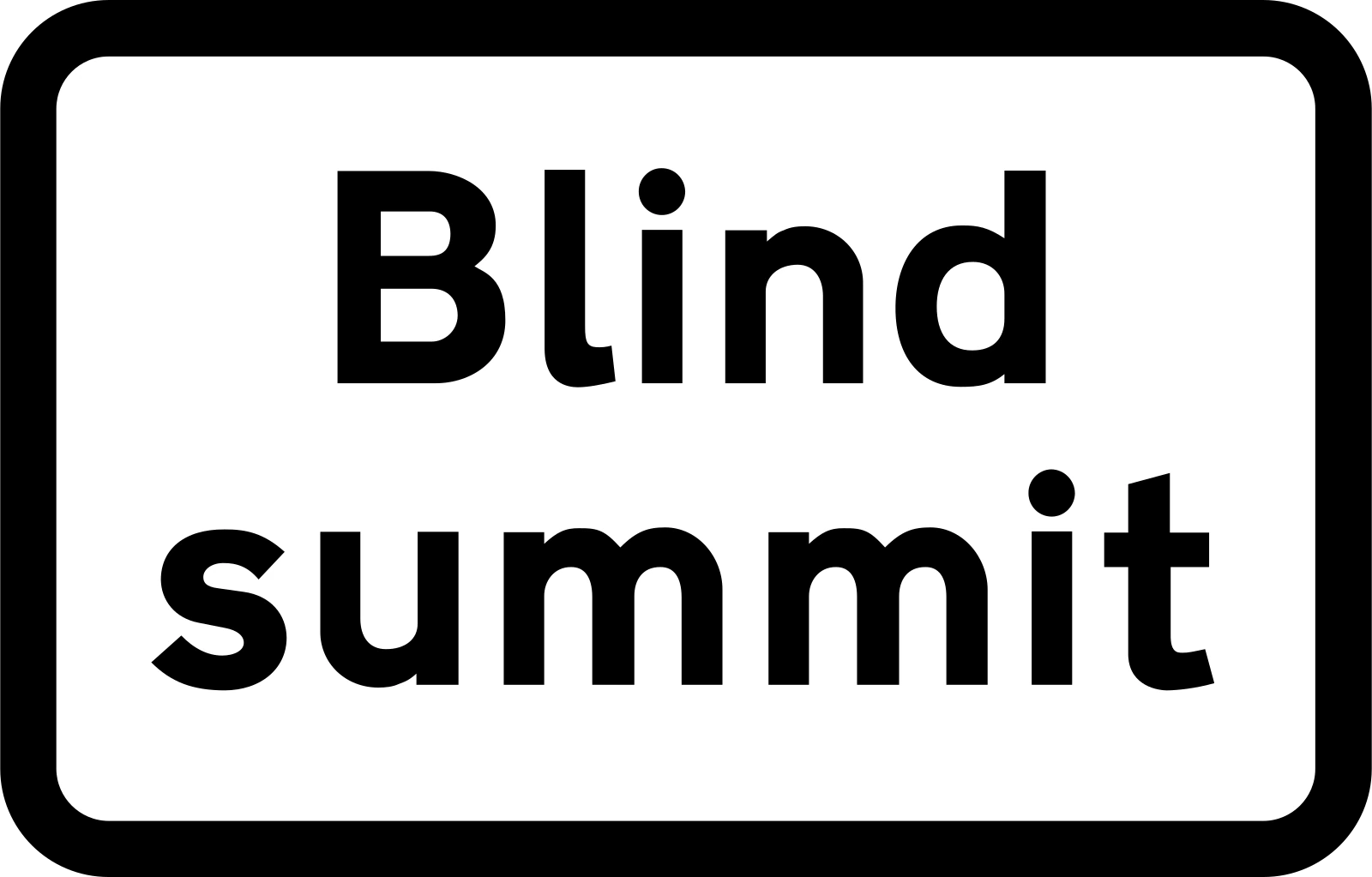
The 'Blind Summit' supplementary plate clarifies hazards on warning signs.
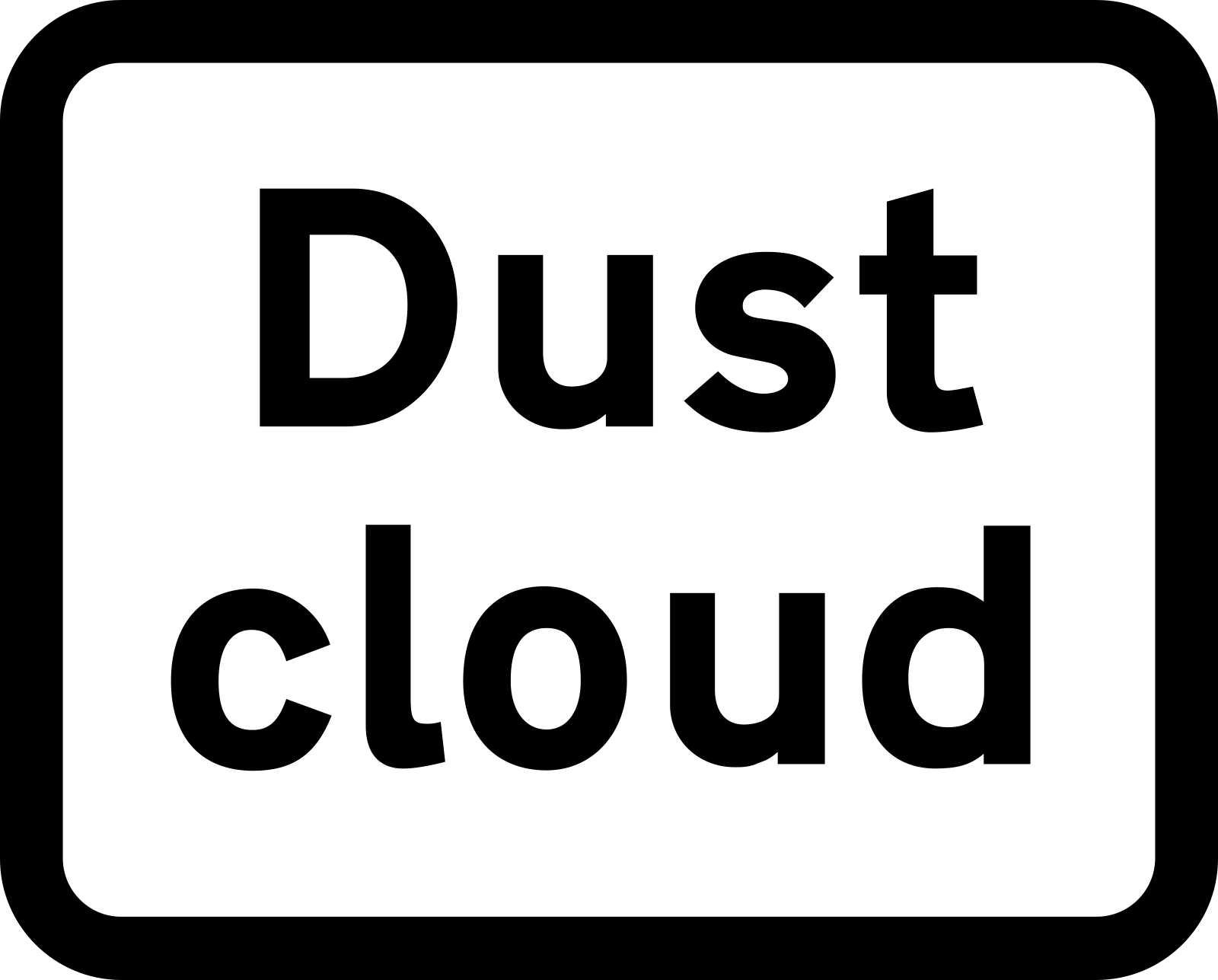
The 563V5 'Dust Cloud' supplementary plate clarifies specific hazards.
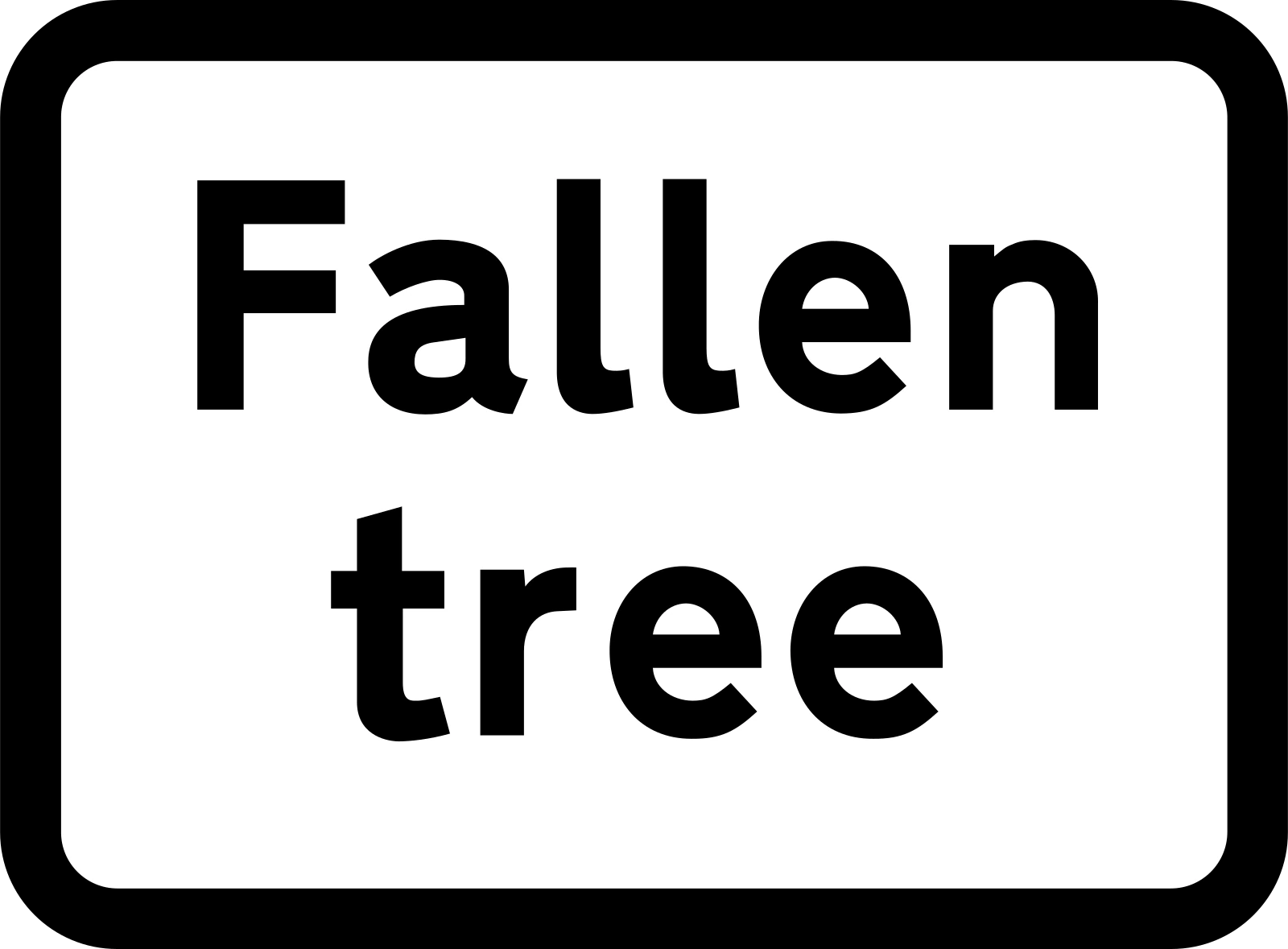
Understand the 'Fallen Tree' supplementary plate and its warning.
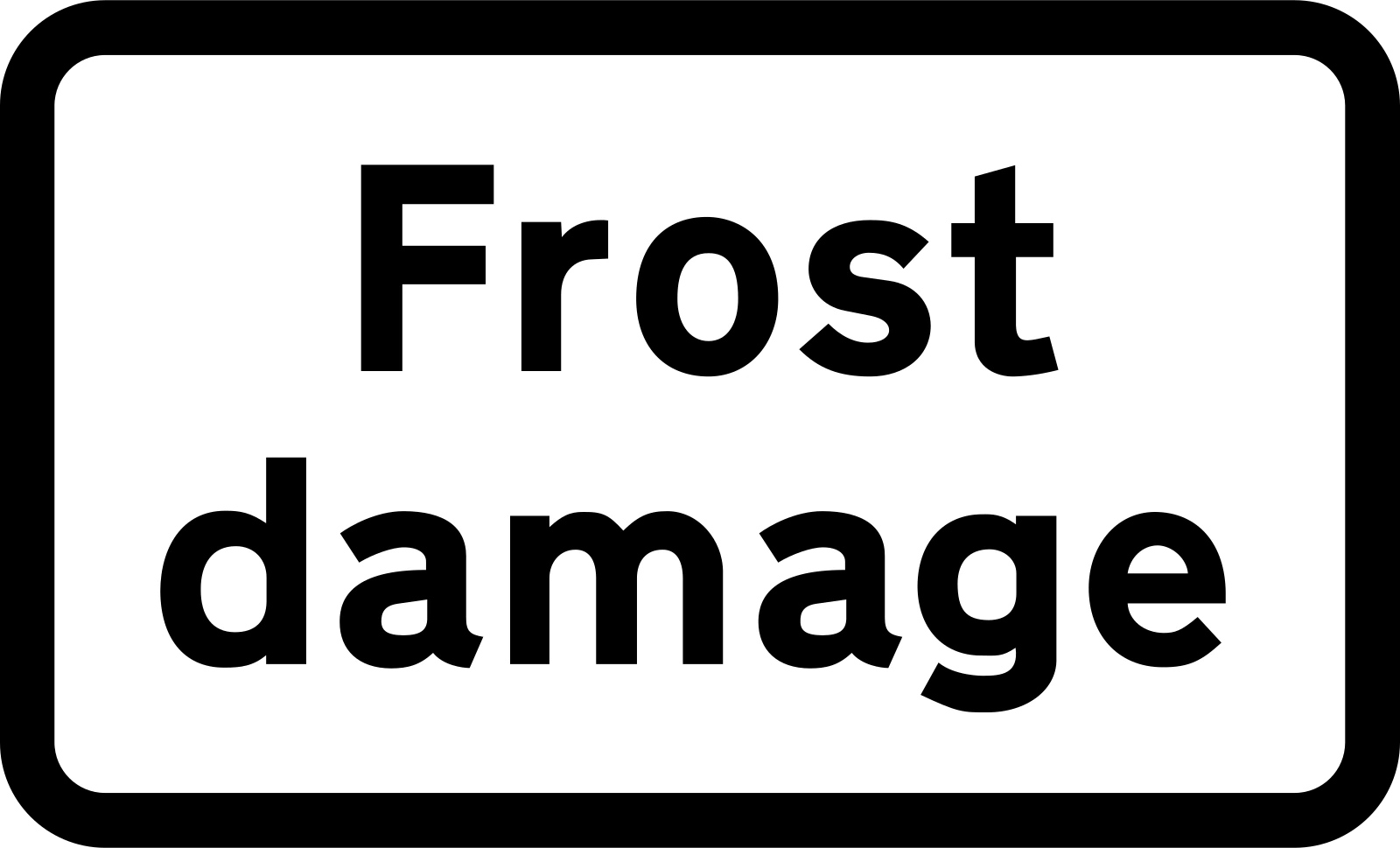
Understand the 'Frost Damage' supplementary plate (563V8) and its meaning.
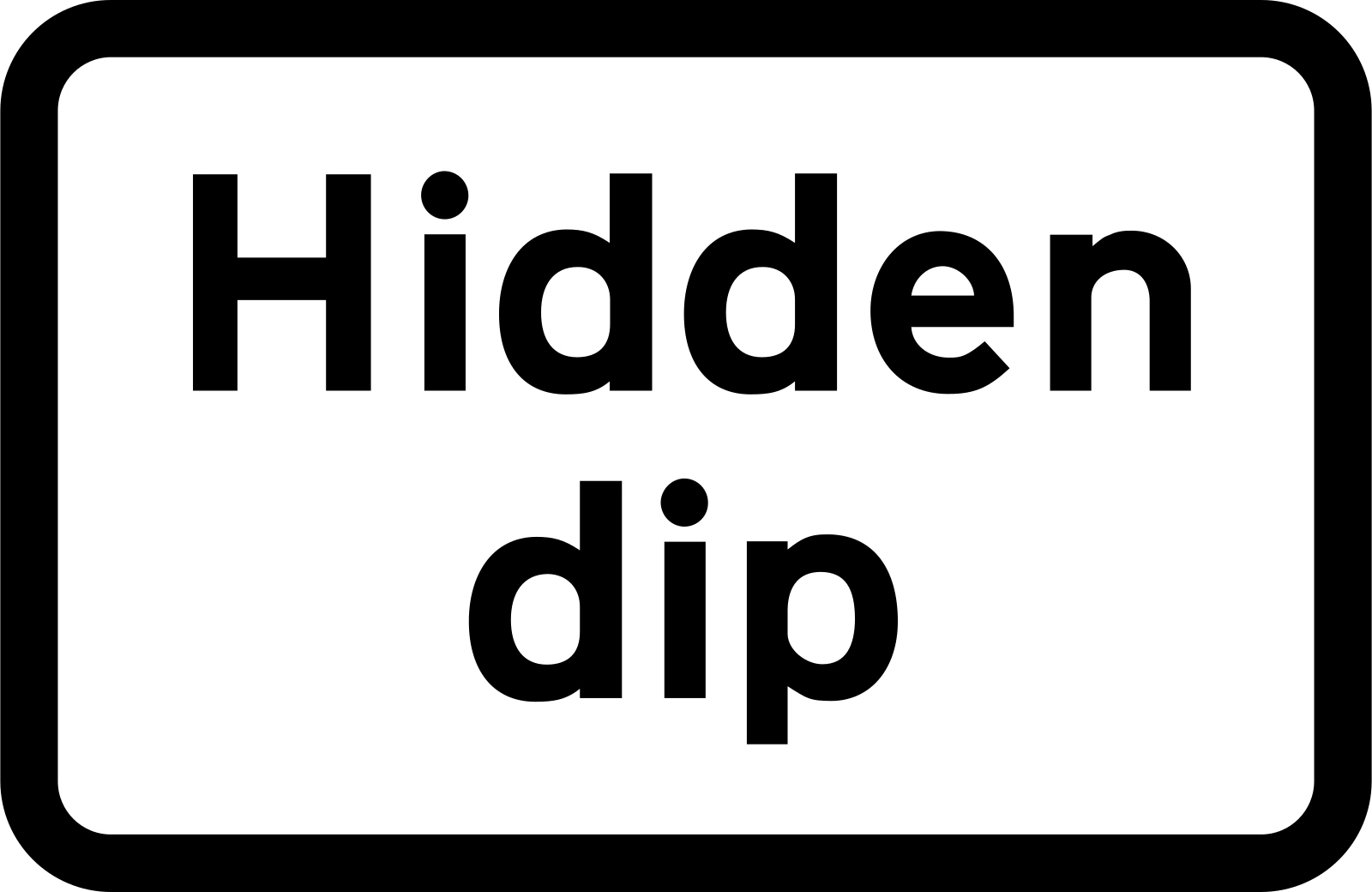
Understand the 'Hidden Dip' supplementary road sign for hazard awareness.
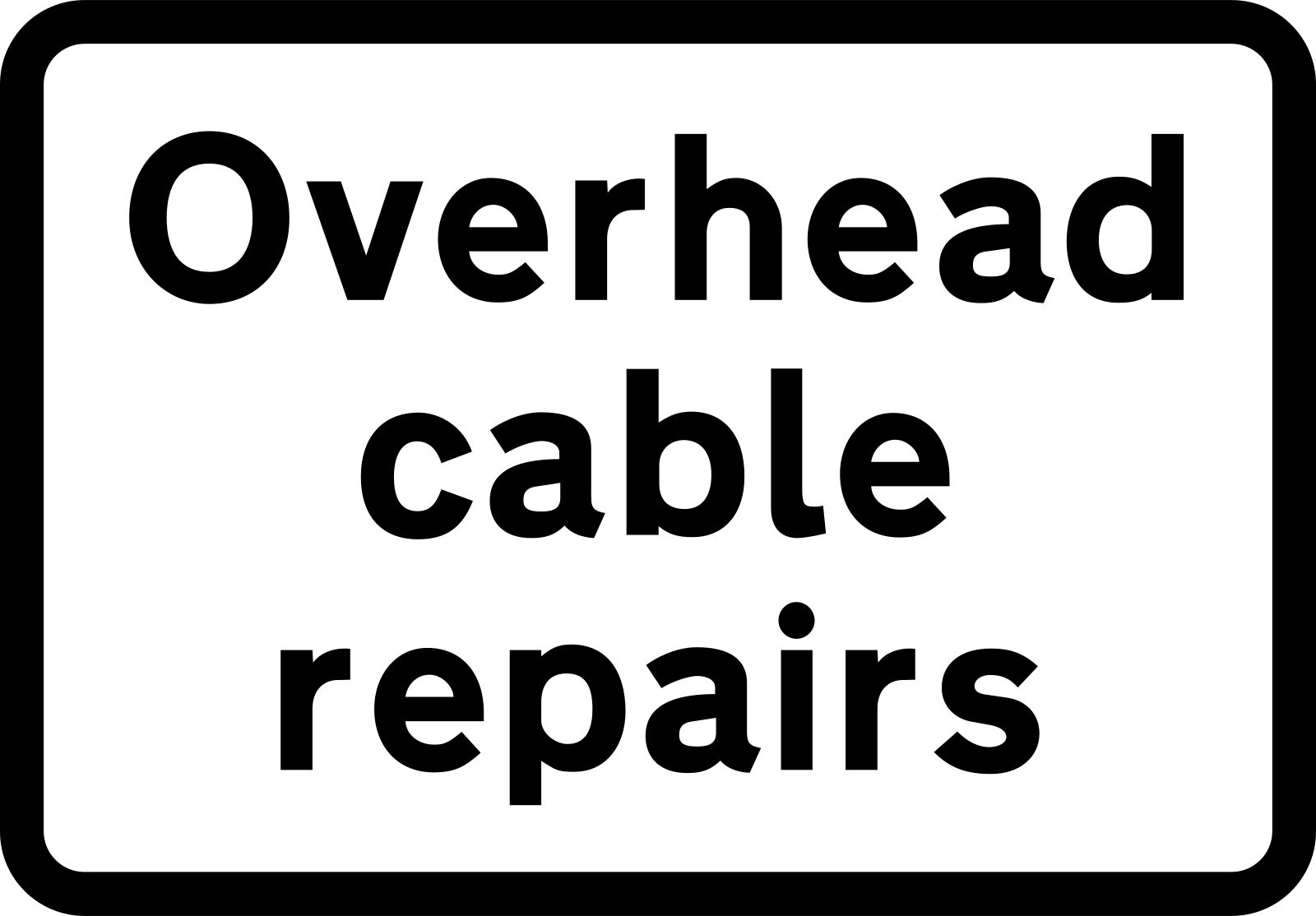
What does the 'Overhead cable repairs' supplementary road sign mean?
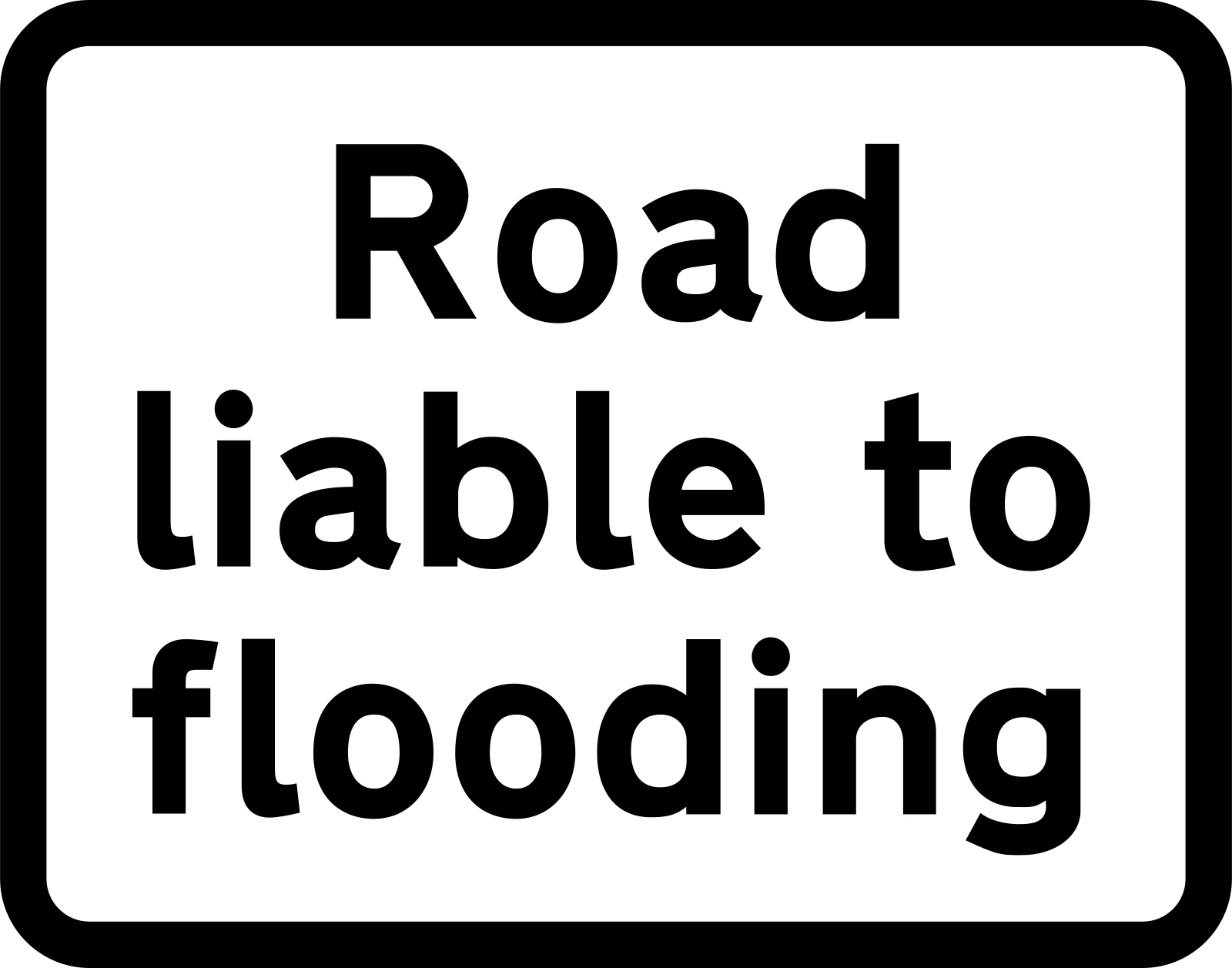
Understand the 'Road Liable to Flooding' supplementary plate for safer driving.

Understand the 'Smoke' supplementary road sign for hazard awareness
Clear answers to common questions about the Great Britain Hazard Plates road sign category. Use this FAQ to review tricky rules, understand how these signs appear in exam scenarios, and remove confusion that often leads to mistakes in the British driving theory exam in Great Britain.
A main warning sign, like a bend or junction sign, alerts you to a general hazard. A hazard plate, which is always placed below the main sign, provides additional specific information about that hazard. For example, a 'sharp bend' sign might have a hazard plate indicating '3 bends' or showing the direction of the bends, giving you more context to prepare.
While memorising every single wording isn't necessary, you absolutely need to understand the *type* of information each plate provides and how it modifies your response to the main warning sign. For instance, understanding that 'road liable to flooding' means you need to be extra cautious about water depth and aquaplaning is key for exam success and safety.
Hazard plates often indicate that you need to be more cautious or reduce your speed more than you might otherwise. For example, a 'blind summit' hazard plate suggests that visibility is severely restricted when cresting the hill, demanding a slower speed and readiness to stop. The theory test will assess your understanding of how these plates signal the need for reduced speed and increased awareness.
Yes, absolutely. Hazard plates are essential for communicating temporary or less common dangers that a standard warning sign can't convey on its own. Signs like 'blasting', 'dust cloud', or 'overhead cable repairs' indicate specific, often short-term, risks that require drivers to be particularly alert and potentially follow specific instructions or detours.
An 'accident' hazard plate, usually displayed with a general warning sign, means there has been a recent accident in the area. You should anticipate potential debris, emergency vehicles, or unusual traffic conditions, possibly including temporary diversions or lane closures. Approach with extreme caution, be prepared to slow down or stop, and maintain a high level of observation for any unexpected hazards.
Ready to master Great Britain road signs? Explore organized categories and groups for structured learning. Understanding signs by type improves recall and comprehension, ensuring thorough preparation for your DVSA theory test.
Great Britain Road Sign Groups