
This 'Blind Summit' supplementary plate (code 563V3) is used with other warning signs in Great Britain to provide specific details about the hazard ahead. It explains what to expect, such as a sharp bend, a steep hill, or a section with reduced visibility. Always read this plate in conjunction with the main warning sign above it to understand the complete risk and adjust your driving accordingly, including speed and road position, before entering the affected area.
This 'Blind Summit' supplementary plate, code 563V3, clarifies the precise nature of a hazard for your theory test revision. Reading this sign with the primary warning informs your decision-making and safe driving approach.
Hazard plates provide the wording that turns a general warning into a precise driving instruction. This plate may identify what the driver should expect, how far away the hazard is, where it lies, or how long the hazardous condition continues. The safe response is to use the extra information to plan speed, road position, following distance, and observation before entering the affected section. It is listed in the catalogue as code 563V3.
"Blind summit" is a supplementary plate that explains the specific hazard, distance, direction, or length of road affected. It should be read together with the warning sign above or beside it so the driver understands the complete risk.
Get clear, practical answers to the most common questions about the 563V3 - Blind summit road sign. Learn how the sign works, what rules it represents, and how it affects real driving situations. This FAQ strengthens your understanding and supports accurate decision making for the British driving theory exam in Great Britain.
The 'Blind Summit' plate (563V3) is a supplementary warning plate used in Great Britain. Its purpose is to give drivers more precise information about a hazard indicated by a main warning sign it is placed with. It could specify the nature of the hazard, its distance, direction, or the length of road affected, helping you to prepare better.
You must read the 'Blind Summit' plate and the main warning sign together as a single instruction. The supplementary plate adds crucial detail, so adjust your speed, road position, and observation based on the combined information to safely navigate the hazard described.
No, the 'Blind Summit' supplementary plate (563V3) is never used alone. It is always accompanied by a primary warning sign, such as a warning of a steep hill or a sharp bend. The plate only makes sense when read in context with the main sign it supports.
A common trap in the theory test is to see a supplementary plate and not understand its relationship to the main sign. Learners might also ignore the specific details on the plate, like distance or length, which are vital for safe driving. Always remember that the supplementary plate modifies or clarifies the main warning.
The term 'Blind Summit' itself doesn't specify the hazard; it simply means a hazard where your view is obscured, often due to a crest on a hill or a sharp bend. The supplementary plate's wording will detail the exact hazard (e.g., 'steep hill', 'sharp bend ahead', 'junction 100m') and how long or where it is located.
A clear reference image of the 563V3 - Blind summit road sign used in Great Britain.
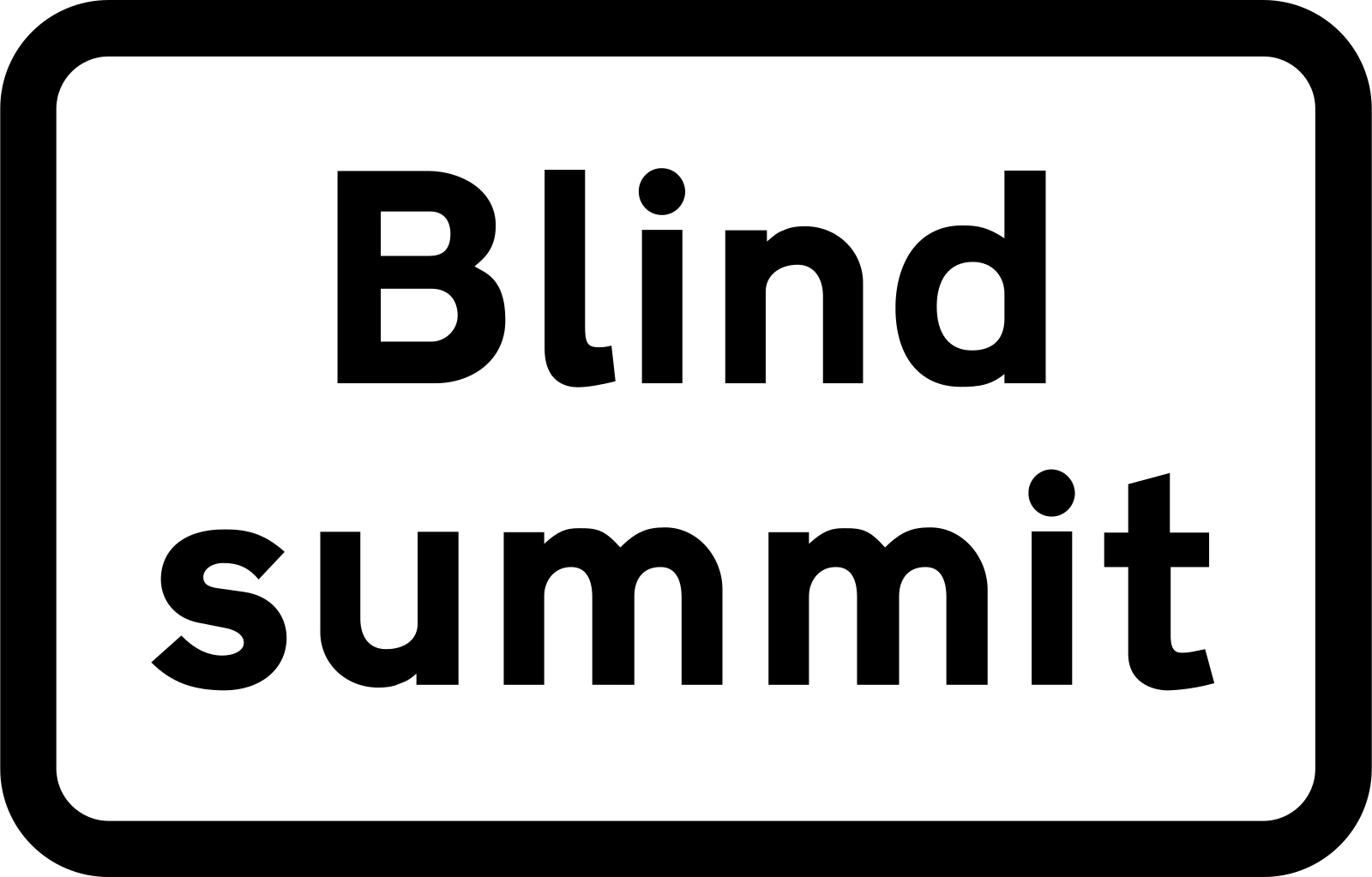
The 563V3 - Blind summit road sign may also be known by these alternative names or terms.
The 563V3 - Blind summit road sign is part of the Great Britain Hazard Plates category, which groups together signs with similar rules and functions.
Understanding how similar road signs differ is key to accurate hazard perception and fewer errors during your driving theory test revision. Comparing signs like this 'Blind summit' plate with others helps solidify your knowledge of traffic sign comparison and recognition for effective exam preparation.

Understand the Accident supplementary plate (563) to clarify road hazards.
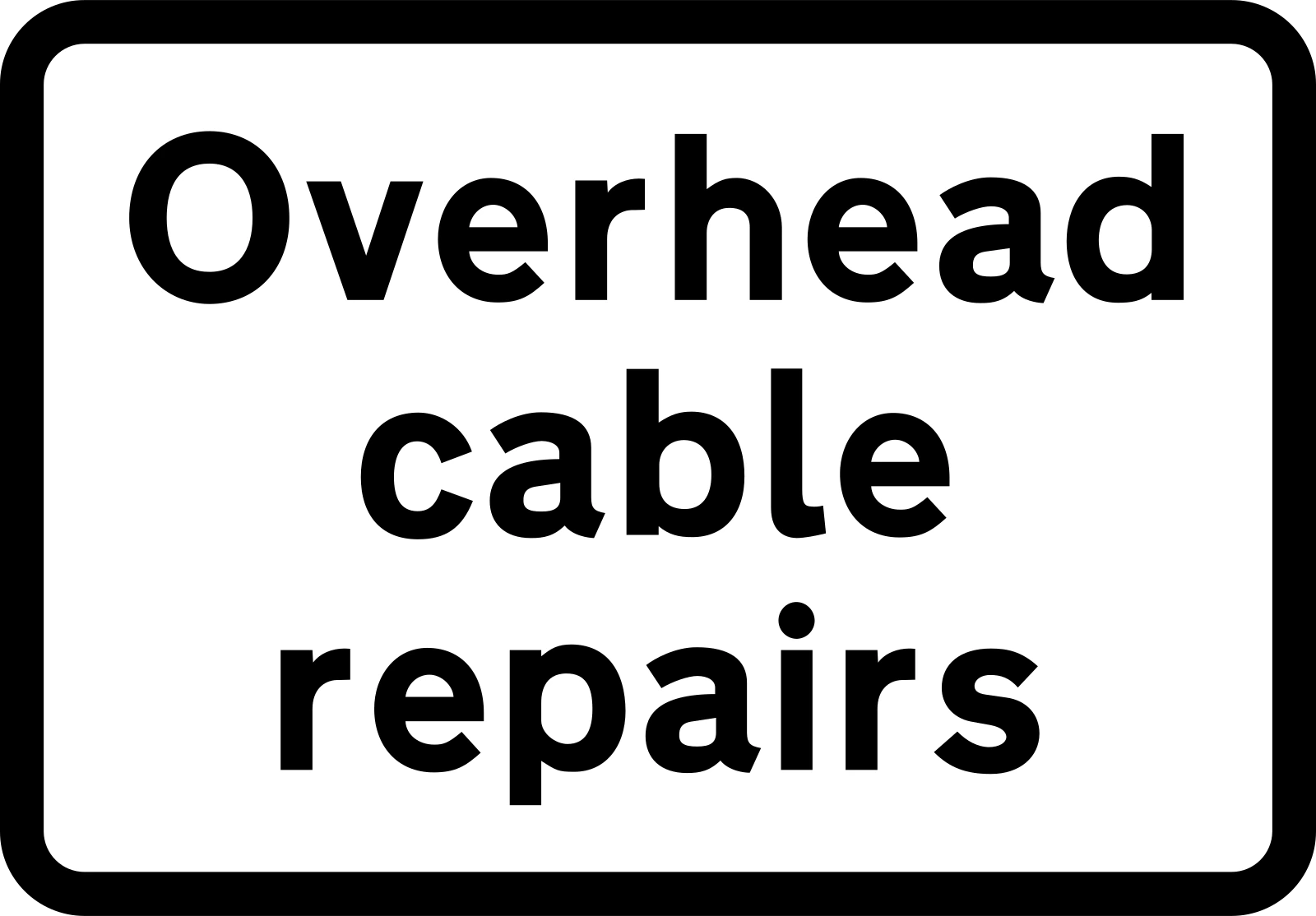
What does the 'Overhead cable repairs' supplementary road sign mean?
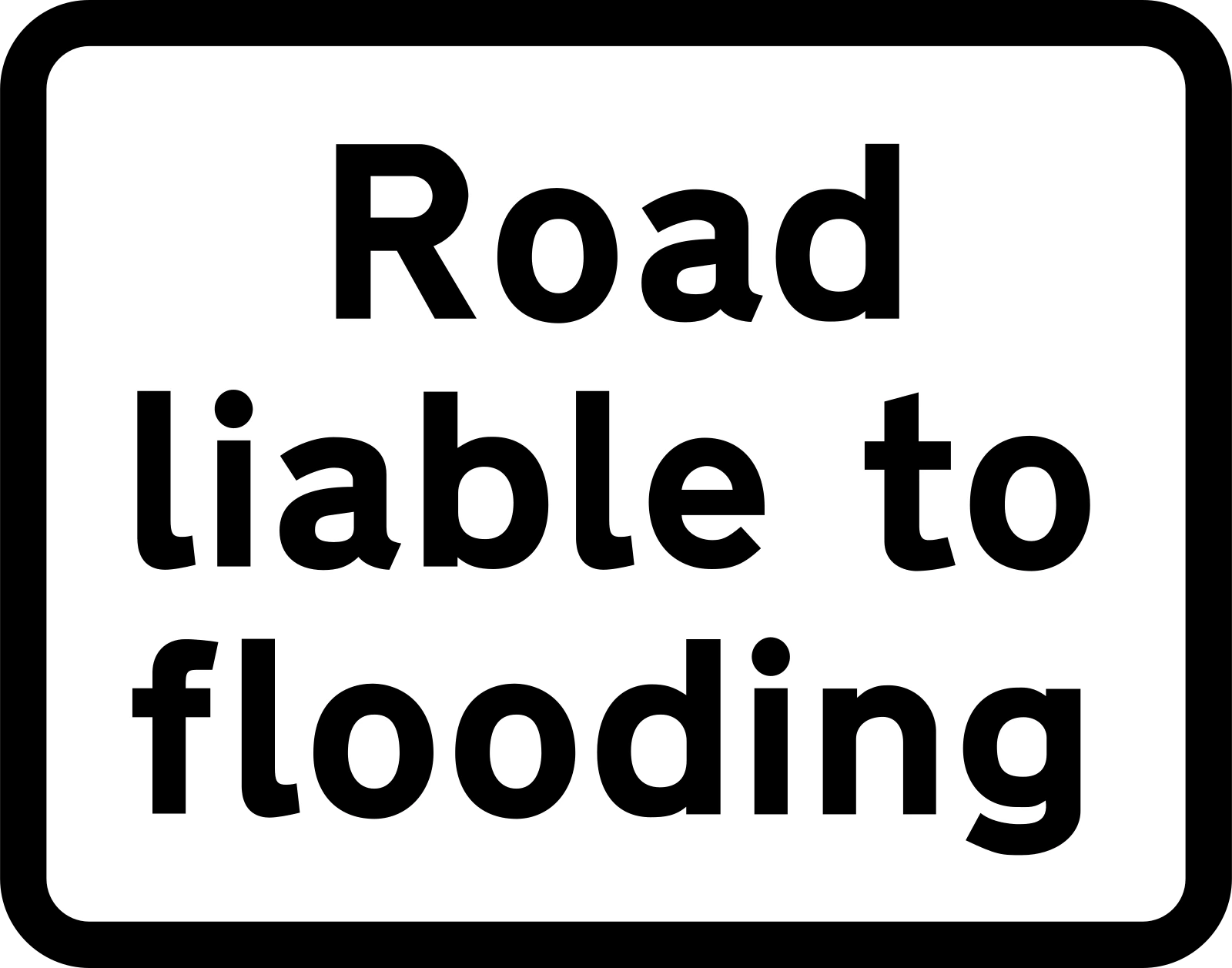
Understand the 'Road Liable to Flooding' supplementary plate for safer driving.

Understand the 'Smoke' supplementary road sign for hazard awareness

Learn how the 'Blasting' supplementary plate clarifies road hazards and distances.
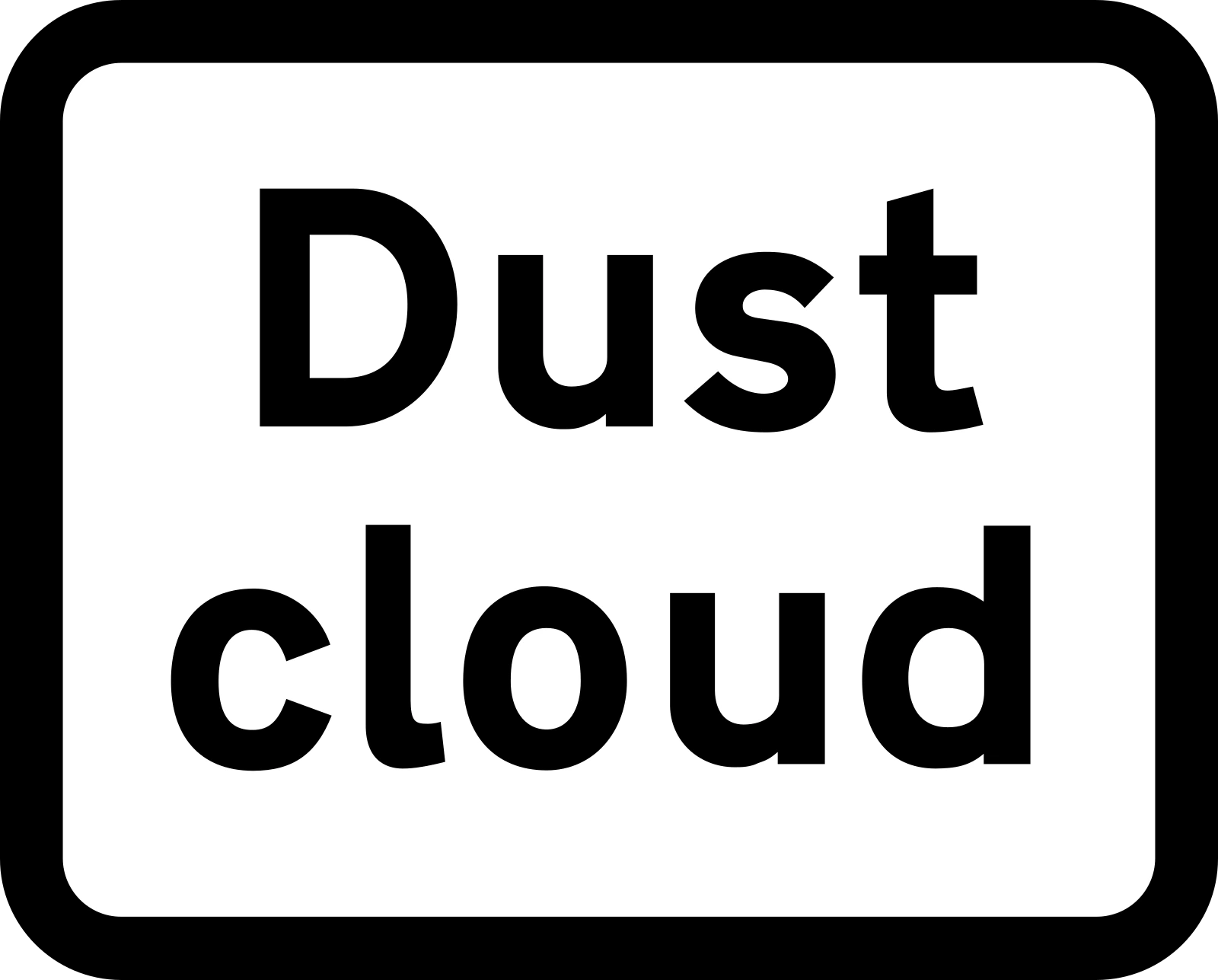
The 563V5 'Dust Cloud' supplementary plate clarifies specific hazards.
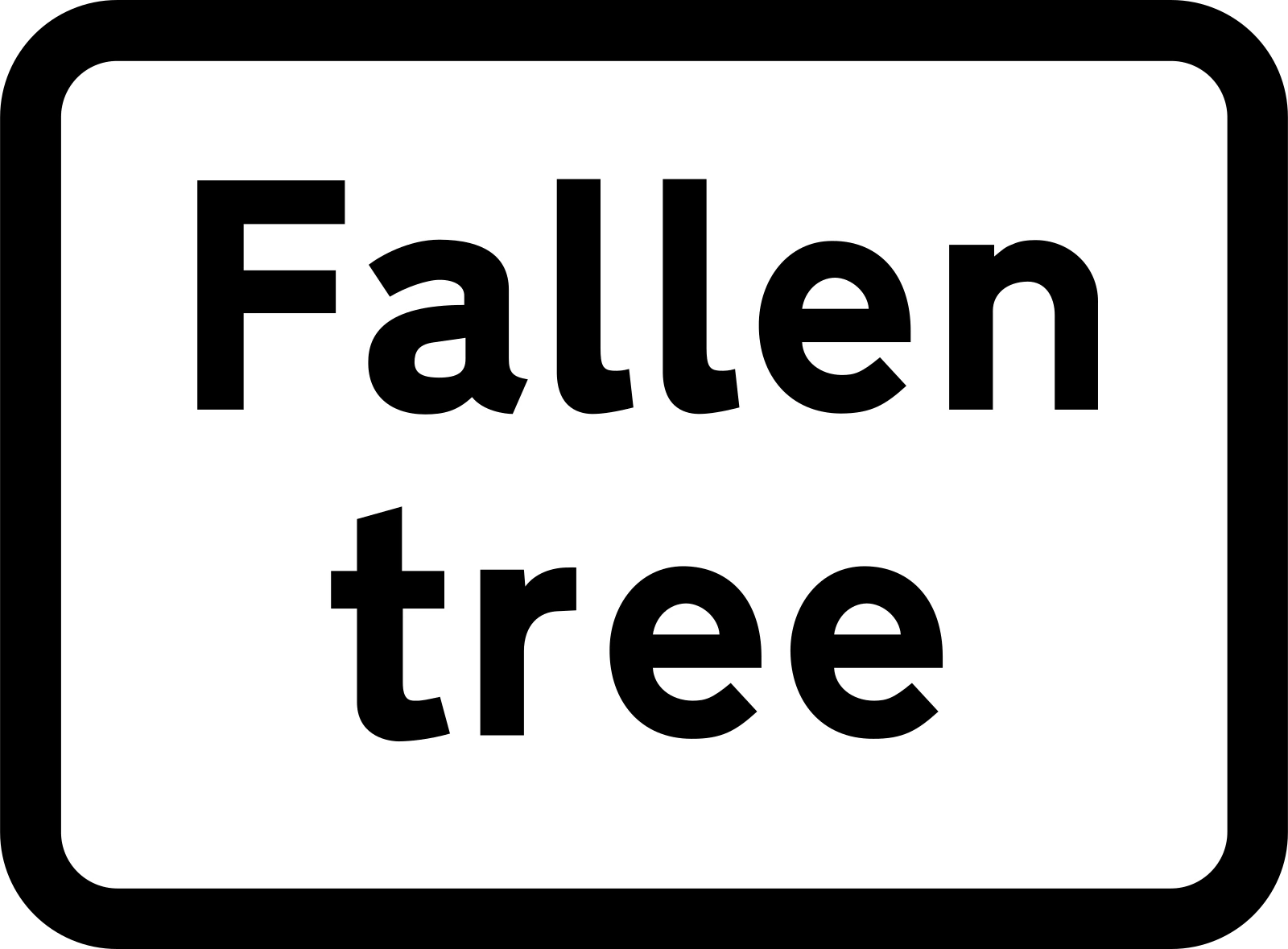
Understand the 'Fallen Tree' supplementary plate and its warning.
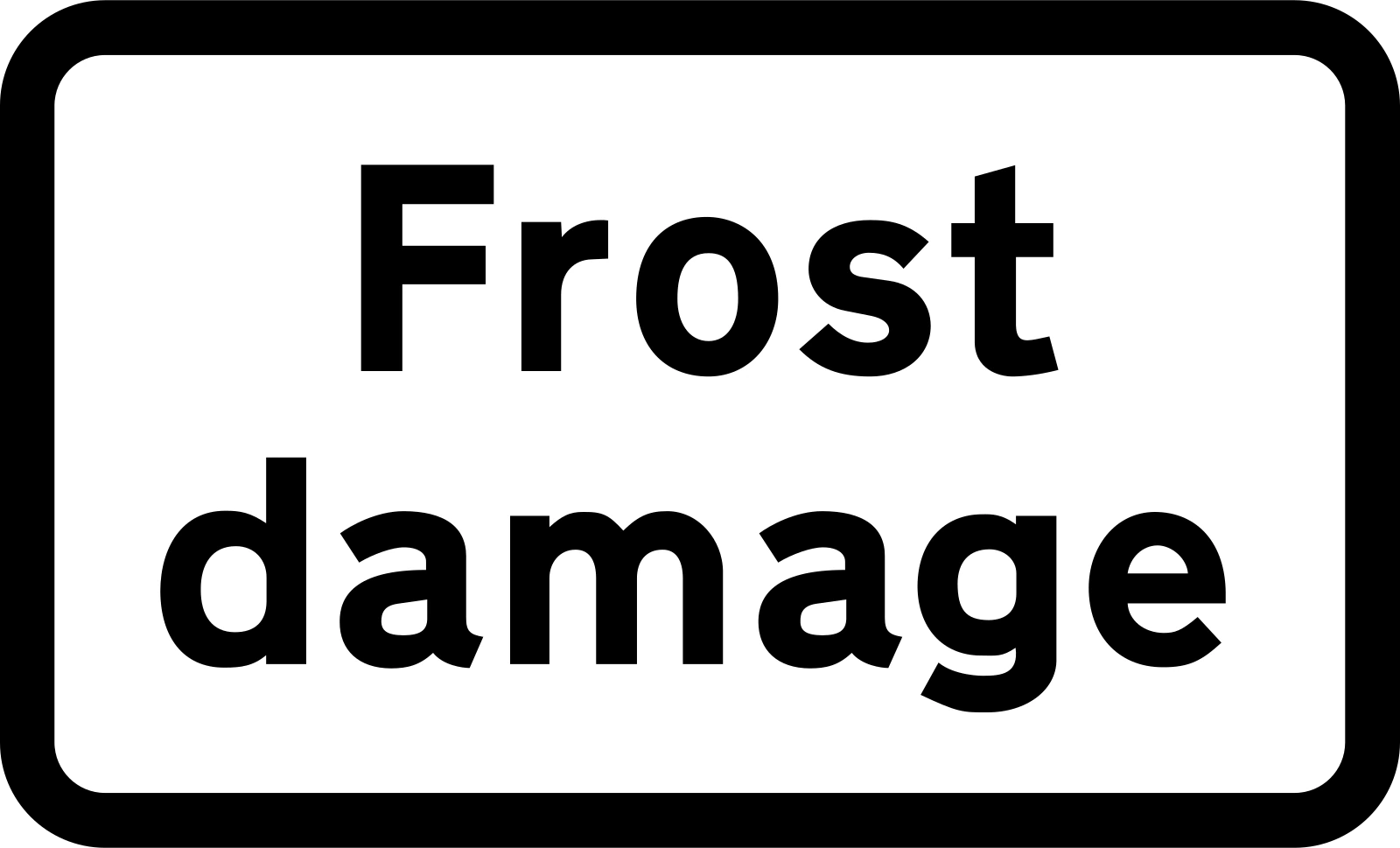
Understand the 'Frost Damage' supplementary plate (563V8) and its meaning.
Explore curated explanations and practical examples to strengthen your visual recognition of essential Great Britain road signs. These supplementary materials provide the context needed to navigate junctions safely and pass your official DVSA theory test.
This guide details the practice of motorcyclists filtering through slow-moving traffic and the critical need for drivers to be vigilant about their blind spots. You'll learn why being aware of these vulnerable road users is essential for safety and a key aspect of the Great Britain driving theory test.
Understanding how motorcyclists navigate traffic, especially when filtering through narrow gaps, is crucial for road safety and passing your Great Britain theory test. This article details the risks associated with motorcyclists, particularly in queues, and emphasizes the essential checks drivers must perform, including blind spots, before moving off or changing lanes. Learning these observations will improve your hazard perception and driving skills.
Understand your responsibility for a safe and legal vehicle on Great Britain's roads.
Master Safe Driving Around Large Vehicles for Your DVSA Theory Test
Hazard plates provide the wording that turns a general warning into a precise driving instruction. This plate may identify what the driver should expect, how far away the hazard is, where it lies, or how long the hazardous condition continues. The safe response is to use the extra information to plan speed, road position, following distance, and observation before entering the affected section. It is listed in the catalogue as code 563.
Hazard plates provide the wording that turns a general warning into a precise driving instruction. This plate may identify what the driver should expect, how far away the hazard is, where it lies, or how long the hazardous condition continues. The safe response is to use the extra information to plan speed, road position, following distance, and observation before entering the affected section. It is listed in the catalogue as code 563V10.
After reviewing the full list of road signs, challenge yourself with practice questions focused specifically on sign recognition. Reinforce your learning and ensure you're fully prepared to identify and understand all traffic signs on the DVSA theory test.
Browse All GB Road Signs List