
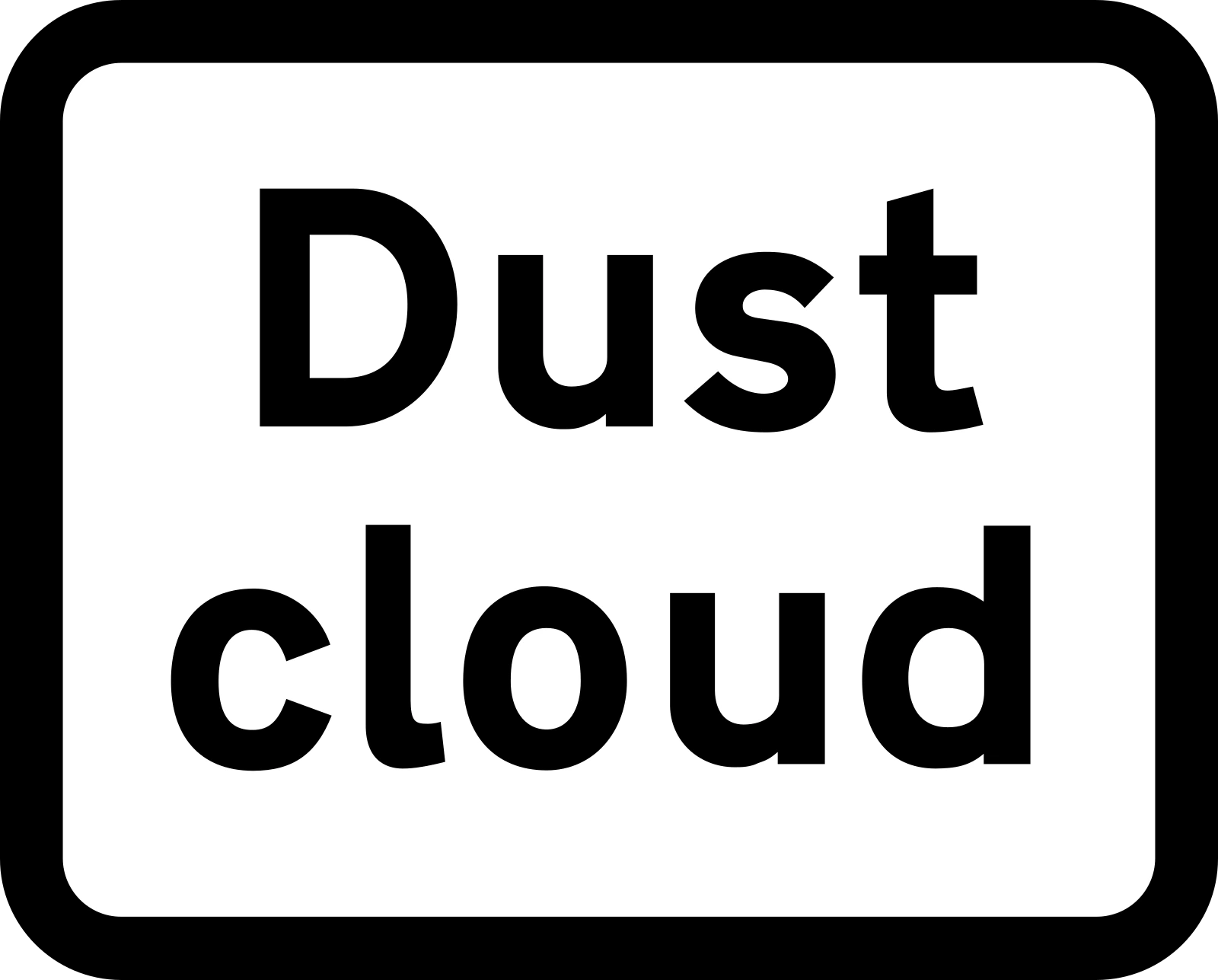
This supplementary plate, code 563V5, is designed to be read alongside a primary warning sign to specify the exact nature of a hazard, such as a dust cloud. It provides crucial details like distance, direction, or the length of the affected road section. Understanding this plate is vital for adjusting your speed and positioning appropriately before encountering the hazard, ensuring safer driving on Great Britain's roads.
This supplementary plate, code 563V5, clarifies the specific nature of a dust cloud hazard ahead. Mastering its interpretation is crucial for effective hazard perception and safe driving, aiding your theory test revision on road sign meanings.
Hazard plates provide the wording that turns a general warning into a precise driving instruction. This plate may identify what the driver should expect, how far away the hazard is, where it lies, or how long the hazardous condition continues. The safe response is to use the extra information to plan speed, road position, following distance, and observation before entering the affected section. It is listed in the catalogue as code 563V5.
"Dust cloud" is a supplementary plate that explains the specific hazard, distance, direction, or length of road affected. It should be read together with the warning sign above or beside it so the driver understands the complete risk.
Get clear, practical answers to the most common questions about the 563V5 - Dust cloud road sign. Learn how the sign works, what rules it represents, and how it affects real driving situations. This FAQ strengthens your understanding and supports accurate decision making for the British driving theory exam in Great Britain.
The 563V5 plate itself doesn't represent a hazard but supplements another warning sign. It explains the specifics of a hazard, like a dust cloud, indicating its distance, direction, or length. Always read it in conjunction with the main sign it supports.
You must read the main warning sign and the 563V5 plate together to understand the complete situation. Use the information about distance, direction, or length to plan your driving. This might mean slowing down, increasing your following distance, or preparing for reduced visibility or grip.
Yes, the plate might specify the distance to the hazard, for example, '200m'. This tells you that the dust cloud is expected to begin approximately 200 metres ahead. Always treat supplementary plates as providing precise information about the hazard’s location or extent.
A common trap is to only consider the main warning sign and ignore the supplementary plate. Another is to assume the hazard starts or ends exactly at the signpost without the plate specifying this. Always ensure you've processed all the information presented on both signs together for your theory test and real driving.
The 563V5 plate works with various warning signs that indicate a potential hazard. When paired with a sign indicating dust, it specifies the details of that particular dust cloud hazard. It's crucial to understand that the plate provides context for the primary warning sign it's attached to.
A clear reference image of the 563V5 - Dust cloud road sign used in Great Britain.
The 563V5 - Dust cloud road sign may also be known by these alternative names or terms.
The 563V5 - Dust cloud road sign is part of the Great Britain Hazard Plates category, which groups together signs with similar rules and functions.
By studying similar road signs side-by-side, you can sharpen your sign recognition skills and reduce the chance of mistakes during your theory test revision. This comparison helps solidify your understanding of traffic sign nuances for more effective exam preparation.

Understand the Accident supplementary plate (563) to clarify road hazards.
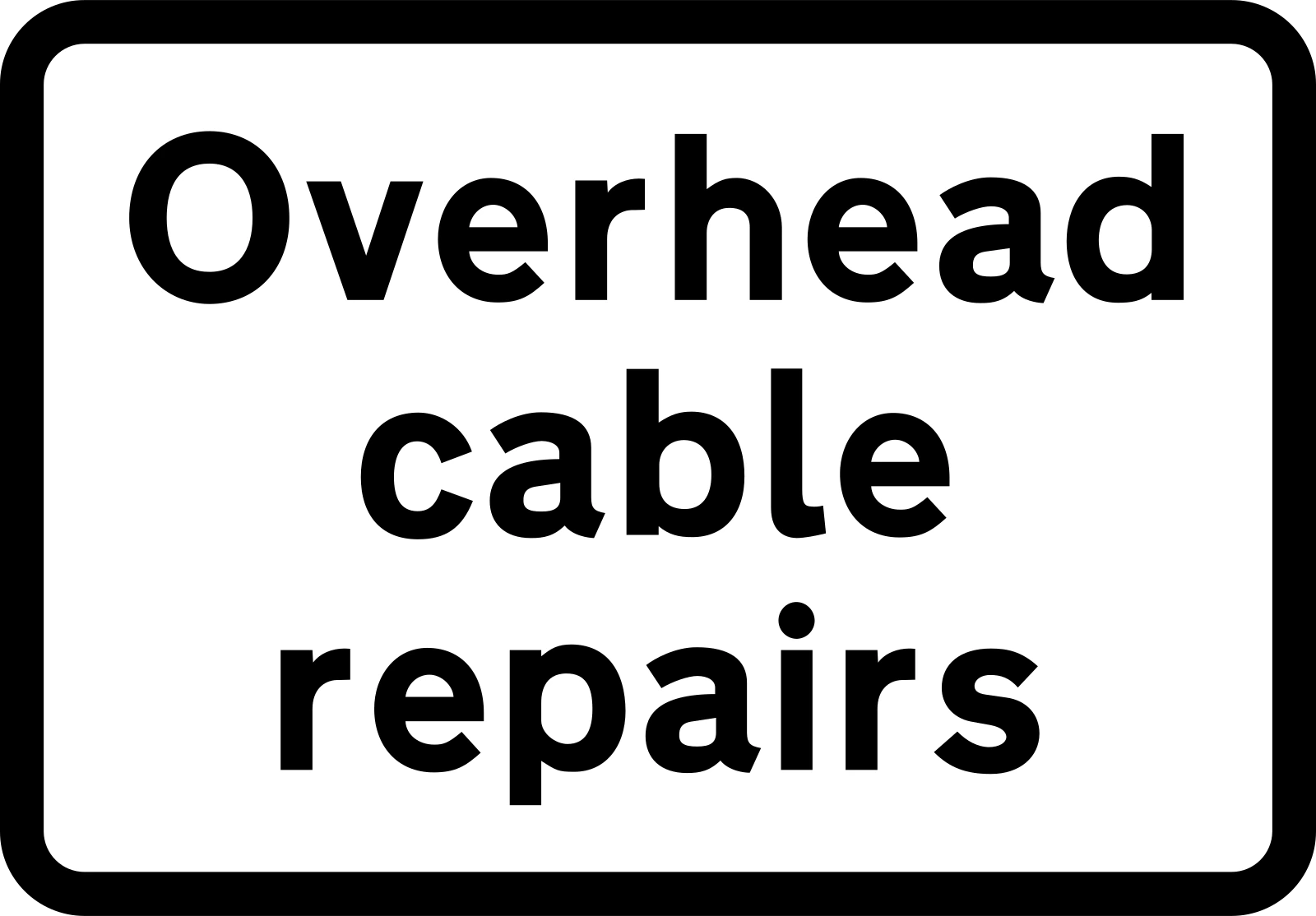
What does the 'Overhead cable repairs' supplementary road sign mean?
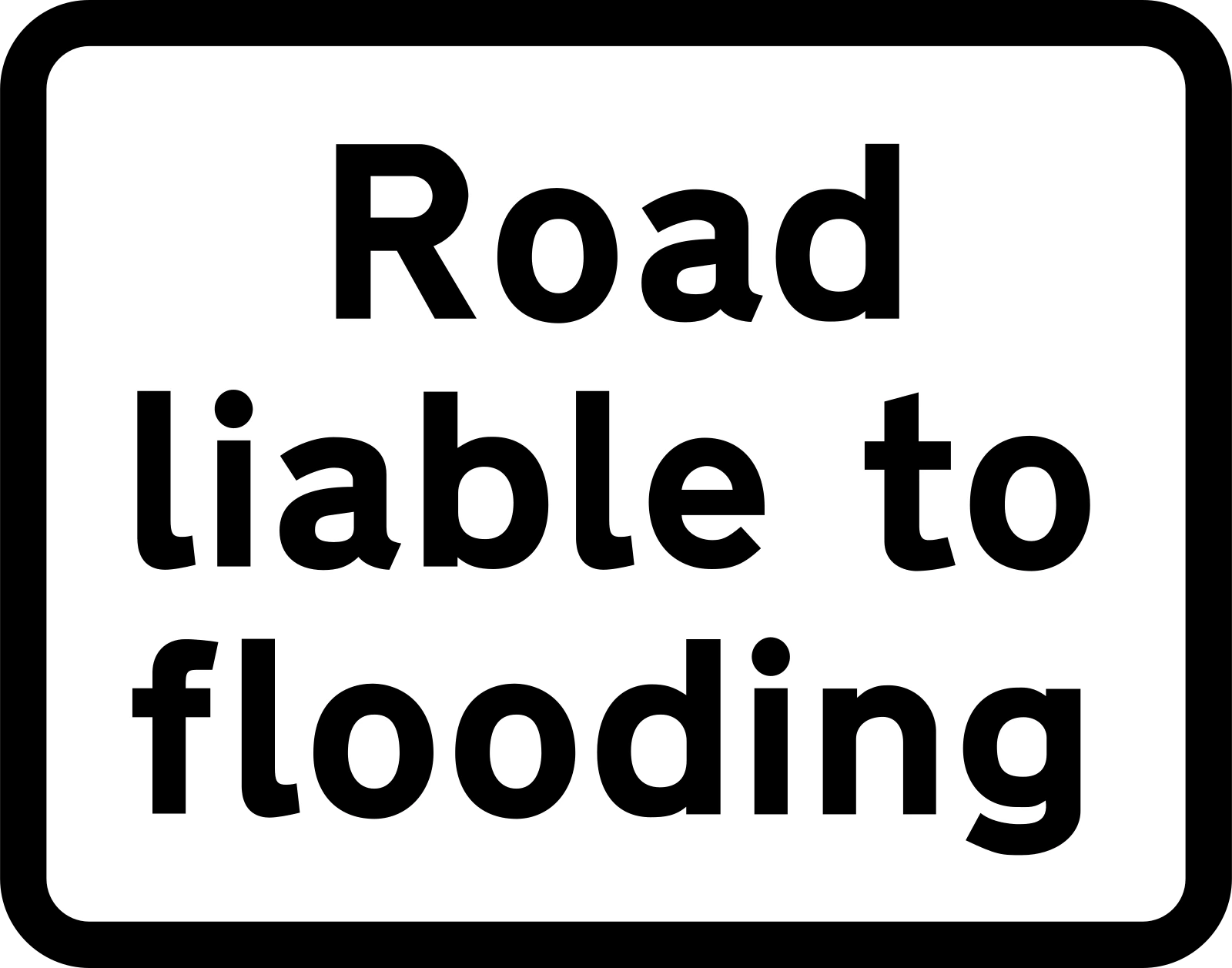
Understand the 'Road Liable to Flooding' supplementary plate for safer driving.

Understand the 'Smoke' supplementary road sign for hazard awareness

Learn how the 'Blasting' supplementary plate clarifies road hazards and distances.
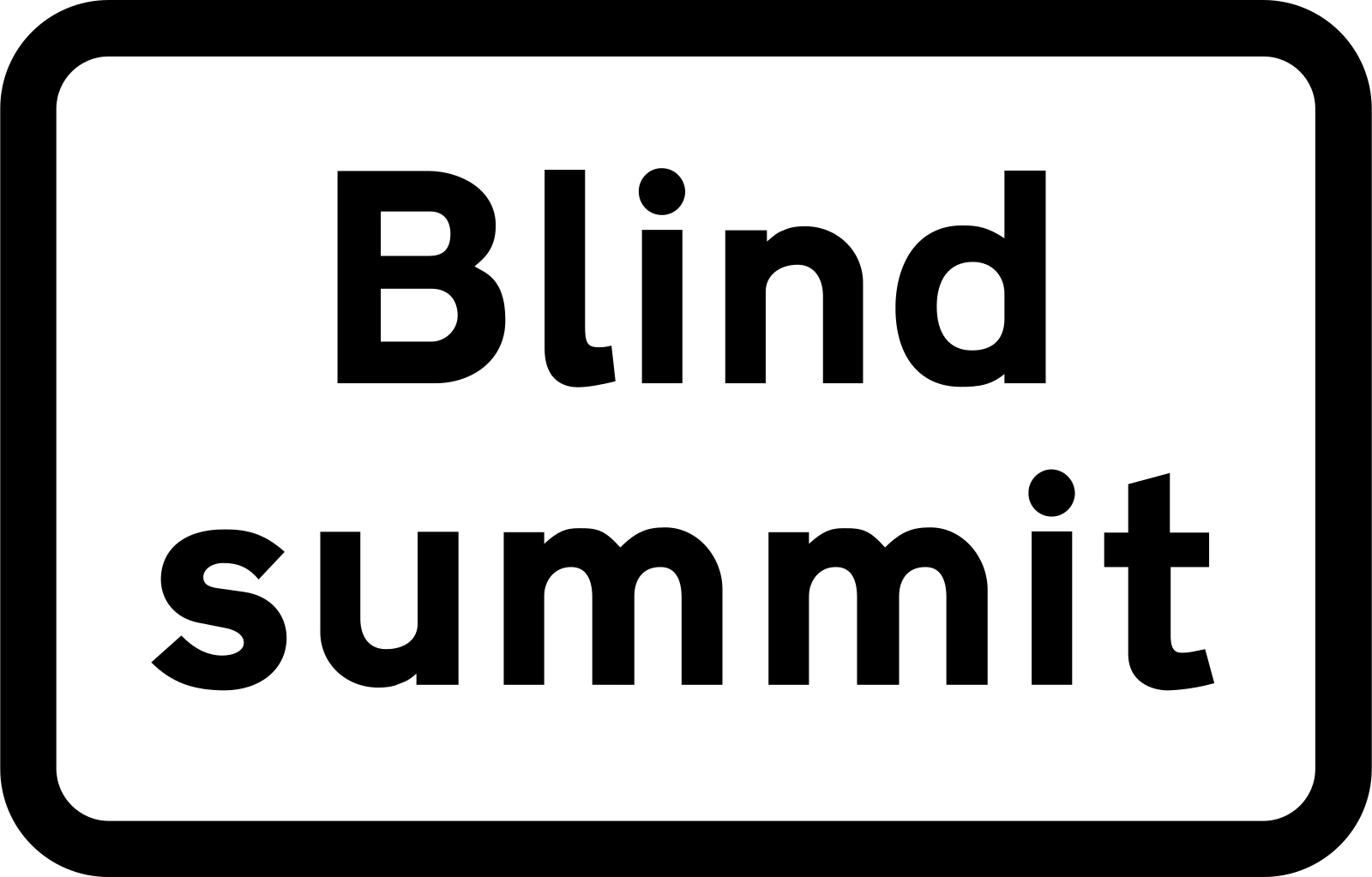
The 'Blind Summit' supplementary plate clarifies hazards on warning signs.
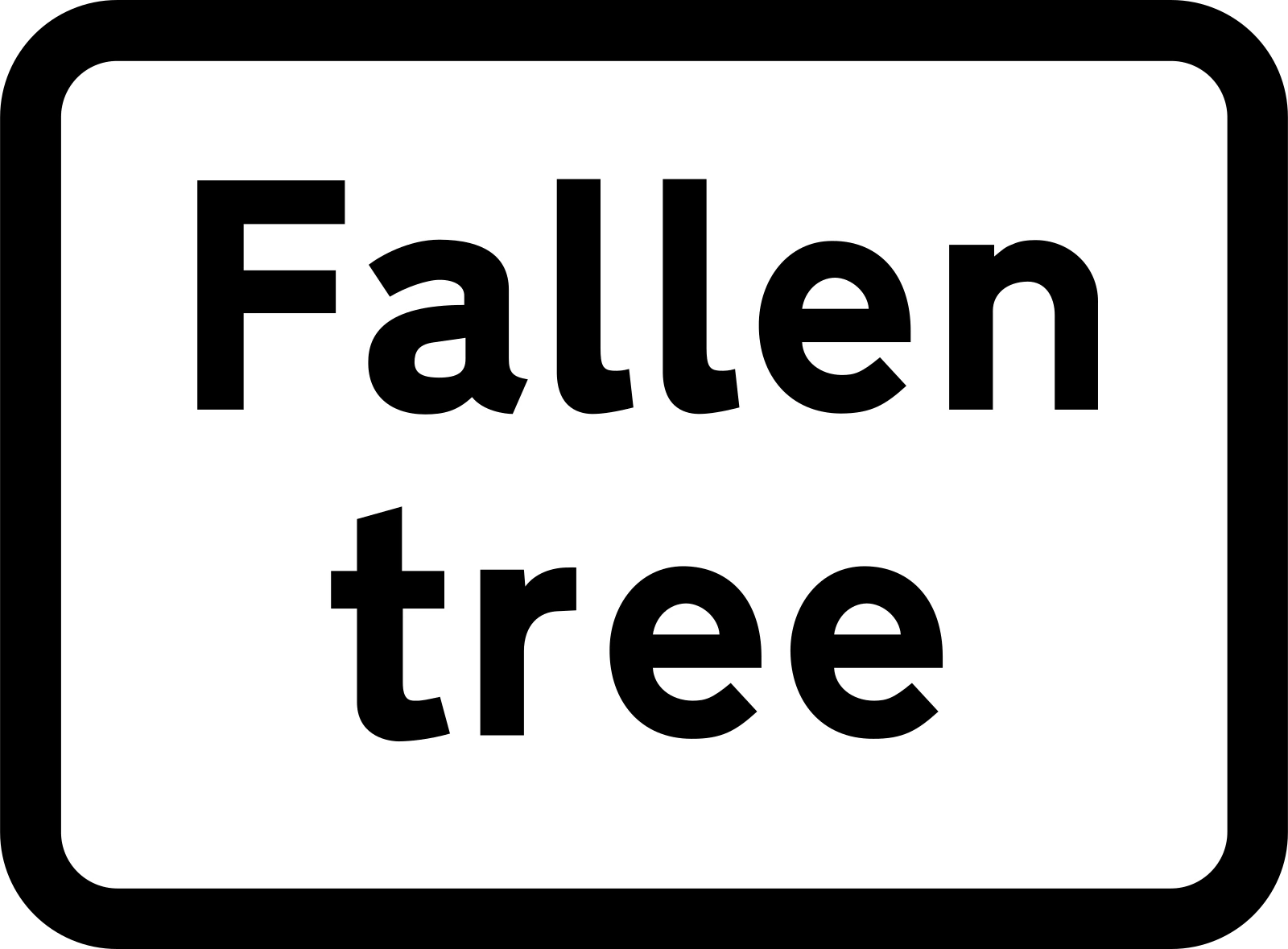
Understand the 'Fallen Tree' supplementary plate and its warning.
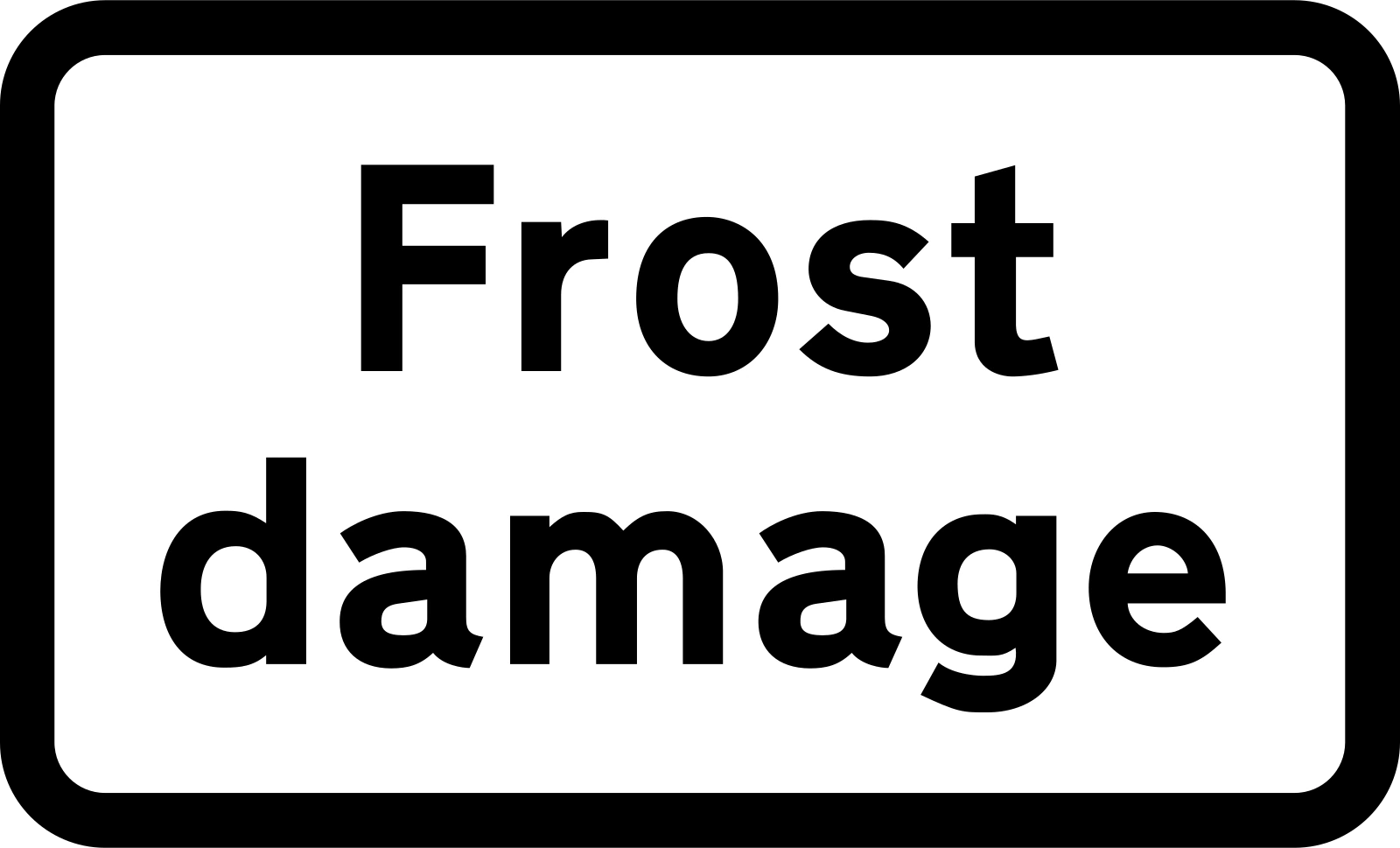
Understand the 'Frost Damage' supplementary plate (563V8) and its meaning.
Explore curated explanations and practical examples to strengthen your visual recognition of essential Great Britain road signs. These supplementary materials provide the context needed to navigate junctions safely and pass your official DVSA theory test.
Understand your responsibility for a safe and legal vehicle on Great Britain's roads.
Learn how the Highway Code's Hierarchy of Road Users shapes priority on UK roads, focusing on interactions with pedestrians, cyclists, and horse riders. This essential knowledge is vital for learner drivers to navigate junctions and crossings correctly, ensuring they meet DVSA theory test requirements and drive with greater confidence and safety.
When you get behind the wheel of another person's car, the law holds you strictly accountable for ensuring the vehicle is safe, taxed, and properly insured. This guide explains the checks you must perform to remain compliant with UK traffic laws and avoid common pitfalls often tested in the DVSA theory exam. Mastery of these rules ensures you are prepared to act as a responsible and legal road user.
Master Critical Emergency Procedures and Avoid Test Traps on GB Roads.
Hazard plates provide the wording that turns a general warning into a precise driving instruction. This plate may identify what the driver should expect, how far away the hazard is, where it lies, or how long the hazardous condition continues. The safe response is to use the extra information to plan speed, road position, following distance, and observation before entering the affected section. It is listed in the catalogue as code 563.
Hazard plates provide the wording that turns a general warning into a precise driving instruction. This plate may identify what the driver should expect, how far away the hazard is, where it lies, or how long the hazardous condition continues. The safe response is to use the extra information to plan speed, road position, following distance, and observation before entering the affected section. It is listed in the catalogue as code 563V10.
After reviewing the full list of road signs, challenge yourself with practice questions focused specifically on sign recognition. Reinforce your learning and ensure you're fully prepared to identify and understand all traffic signs on the DVSA theory test.
Browse All GB Road Signs List