
Motorway signs are critical for ensuring safety and efficient travel on high-speed roads in Great Britain. This section covers signs related to route directions, lane usage, exit information, service areas, and critical restrictions you'll encounter. Understanding these signs early is key to making calm, informed decisions, which is vital for both passing your theory test and driving confidently on motorways.
An explanation of how Great Britain Motorway Signs road signs apply in real traffic situations in Great Britain. Learn where these signs are typically placed, what drivers are expected to do when they appear, and how correct reactions help you stay safe, avoid fines, and succeed in your British driving theory exam.
Motorway signs are exclusively found on high-speed roads designed for long-distance travel. You will encounter them frequently when planning routes, selecting lanes for upcoming junctions or exits, and locating essential services like petrol stations and rest stops. Key signs include those indicating the start and end of motorway regulations, directions to specific routes and destinations (like other motorways or A-roads), and advance notices for service areas with distances. Drivers must pay close attention to the sequence of these signs, as they provide information over long distances. Early recognition allows for smooth lane adjustments and reduces the risk of sudden braking or hazardous manoeuvres, which are especially dangerous at high speeds. Signs like 'additional traffic lane joining from the left' highlight merge points where vigilance is paramount.
An overview of the key learning outcomes when studying the Great Britain Motorway Signs road sign category. Understand the main concepts, sign meanings, and traffic situations covered here so you can recognise patterns, answer theory questions more confidently, and build a solid foundation for safe driving in Great Britain.
Learn the essential Great Britain motorway signs for safe, confident driving on high-speed roads. Understanding these signs, covering route directions, lane guidance, and service areas, is crucial for your theory test revision. Early recognition of these key traffic signs helps you make calm, informed decisions, ensuring smooth navigation and adherence to motorway rules.

Prepare to leave motorway regulations behind in one mile.

Understanding the Start of Motorway Regulations Sign (2901)

This sign helps you identify the route number you'll reach from a motorway exit.

Understand the '10 miles to the next motorway service area' sign for safe journeys.
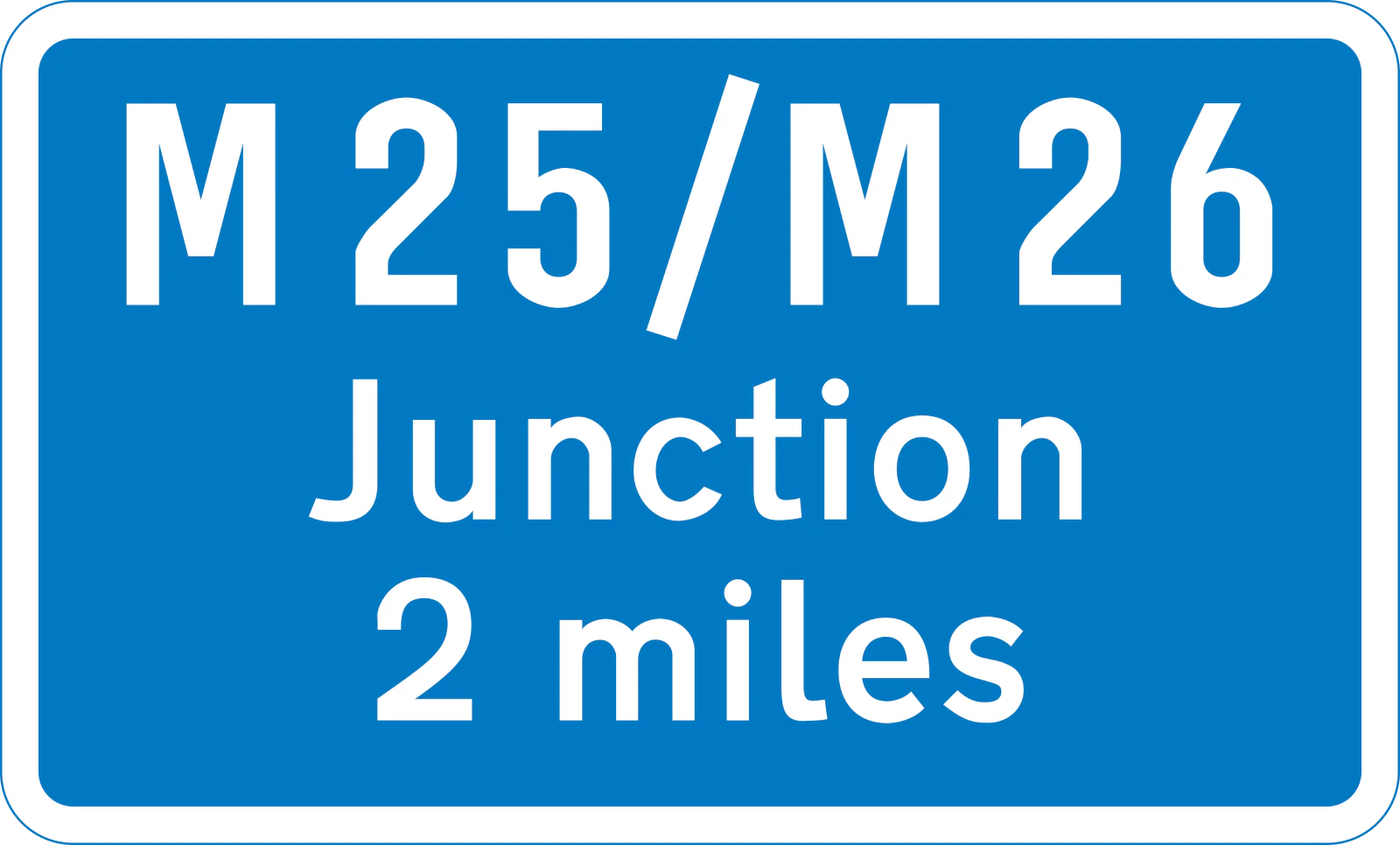
Prepare for Motorway Junctions Ahead with Sign 2912

Motorway Service Area Entrance: Plan Your Break Safely

Understand the Motorway Junction Route and Destination Sign (2903)

Navigate Motorways Safely with Route Confirmation Signs and Distances
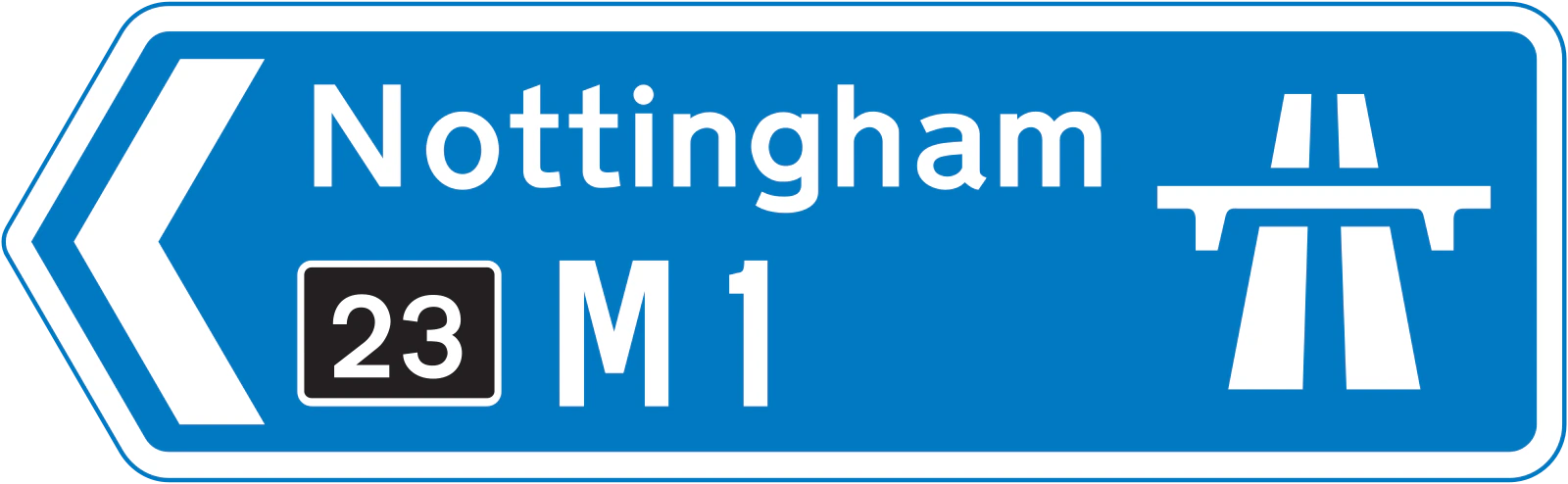
Master the 2902 'Direction to Motorway Junction' Sign for Confident Driving

Recognise the Motorway Service Area Entrance sign for essential facilities and route planning.
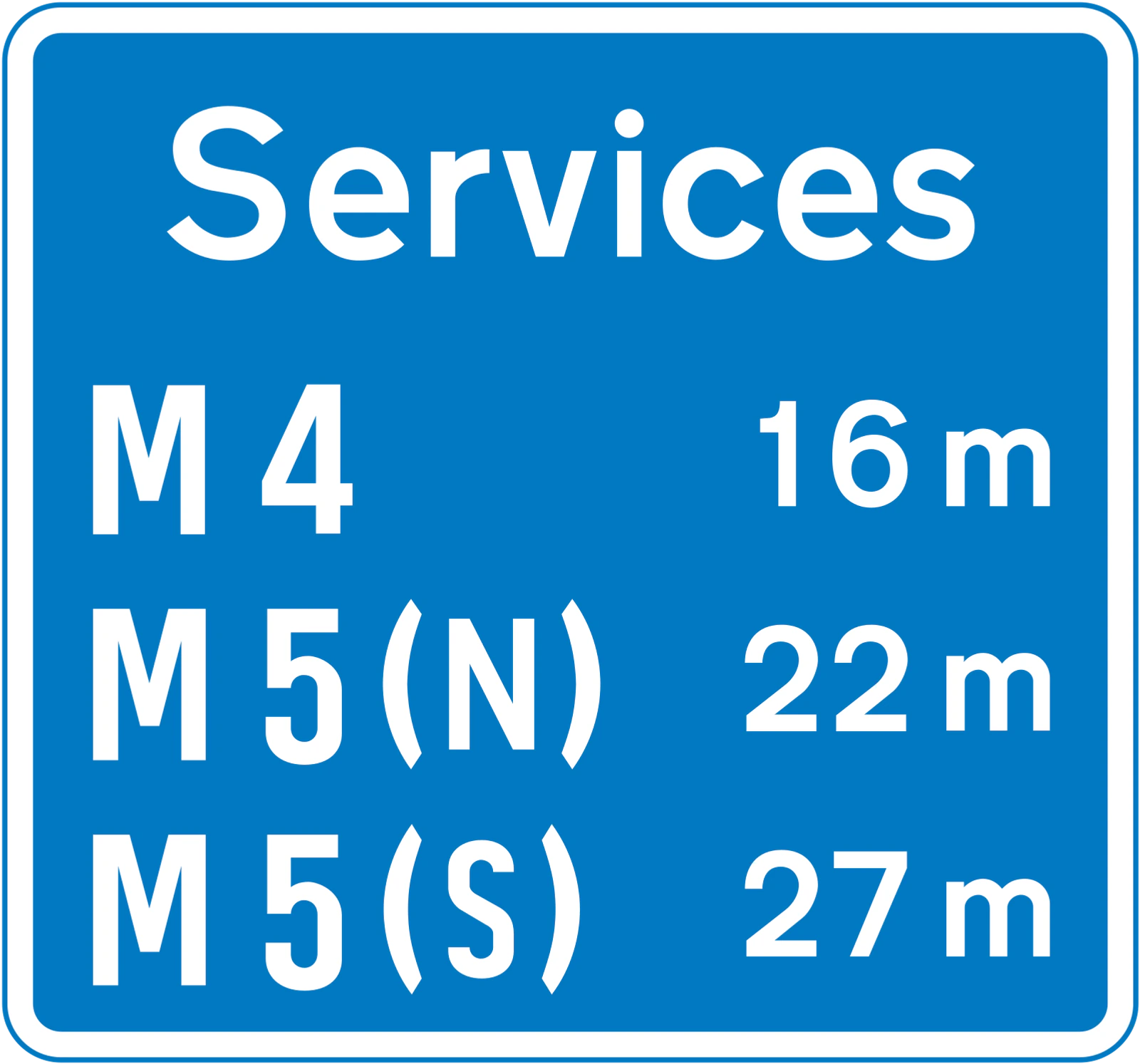
Motorway Services Area Ahead: Plan Your Stop with Distances Shown.
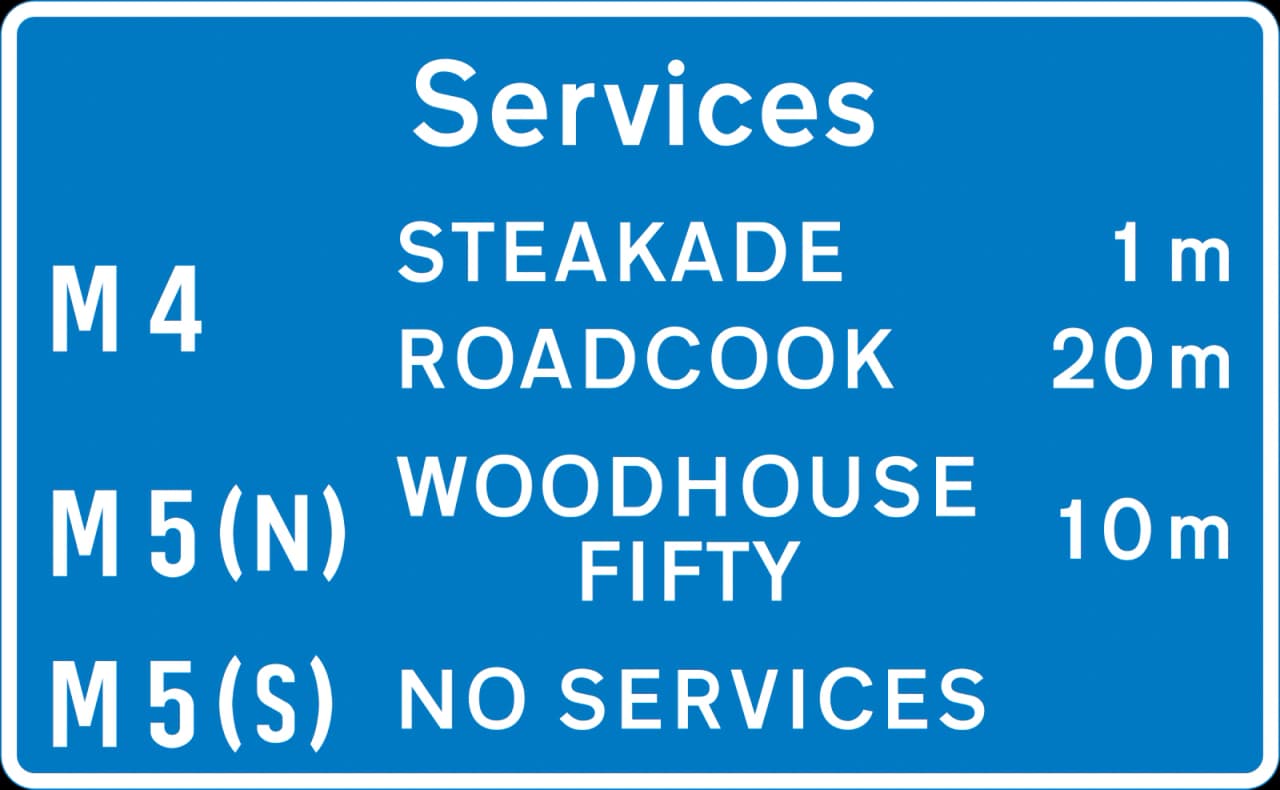
Motorway Services Ahead With Distances: Plan Your Stops on High-Speed Roads

Motorway Service Area Operator and Facilities Sign: Your Guide to Essential Information

Motorway Services Sign: Your Guide to Services and Route Planning on High-Speed Roads

Know When to Leave the Motorway for the A38 to Mansfield and Matlock

Motorway sign 868M warns of an additional traffic lane joining from the left ahead.
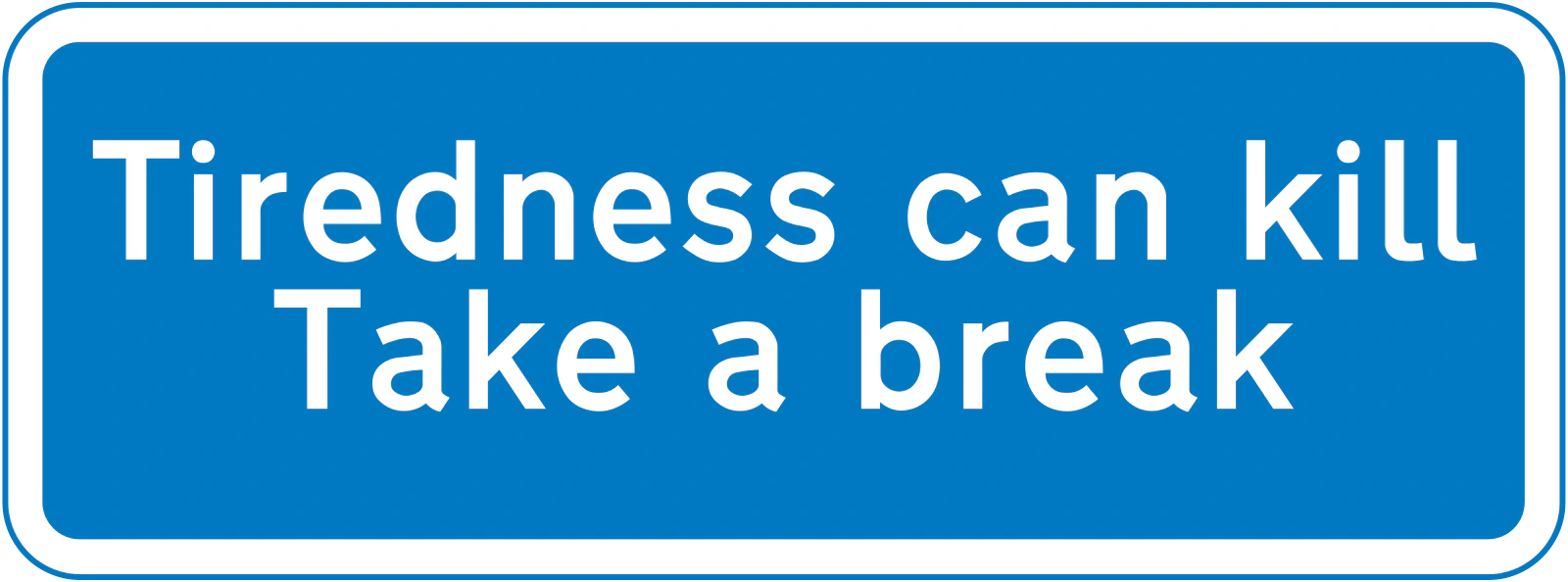
Understand the 'Tiredness Warning' sign for safe motorway driving.
Clear answers to common questions about the Great Britain Motorway Signs road sign category. Use this FAQ to review tricky rules, understand how these signs appear in exam scenarios, and remove confusion that often leads to mistakes in the British driving theory exam in Great Britain.
Motorways are high-speed environments where drivers need to make decisions well in advance. The variety of signs ensures you have clear information about upcoming junctions, exits, service areas, potential hazards, and regulatory changes, allowing you to plan your journey and adjust your driving safely.
A service area sign (e.g., 2917, 2918) indicates the availability and distance to facilities like fuel, food, and restrooms. An exit sign (e.g., 2906, 2903) directs you off the motorway towards a specific junction, leading to towns, cities, or other road networks. You must be in the correct lane well before the exit or service area entrance to avoid last-minute, unsafe changes.
This sign (2930) indicates that you are approaching a point where the special rules for motorways, such as the national speed limit for cars and specific overtaking rules, will no longer apply. You'll typically be exiting the motorway or merging onto a different type of road, so you need to prepare for different speed limits and driving conditions.
Motorway signage is designed to be sequential, with advance warnings. If you do miss your intended exit or service area, do not stop suddenly or attempt to reverse. Continue to the next junction or service area, and then plan your route back if necessary. It's safer to go further than to make a dangerous manoeuvre.
The 'Tiredness' warning sign is a specific reminder for drivers on long, monotonous journeys, common on motorways. It highlights the dangers of fatigue and advises drivers to take a break at the next available service area or safe stopping point to avoid falling asleep at the wheel.
Ready to master Great Britain road signs? Explore organized categories and groups for structured learning. Understanding signs by type improves recall and comprehension, ensuring thorough preparation for your DVSA theory test.
Great Britain Road Sign Groups