
As you approach a motorway junction or a change in road layout, you'll see signs like 868M to inform you about an additional traffic lane merging from the left. This sign is crucial for motorway driving, where high speeds demand early anticipation and smooth lane discipline. Always read advance signs like this one early to plan your route and make any necessary lane changes safely and in good time, avoiding sudden braking or abrupt manoeuvres.
Mastering the 'Additional traffic lane joining from the left ahead' sign is crucial for safe motorway driving and passing your theory test. This explanation clarifies its meaning, helping you anticipate lane changes and plan your route effectively during exam preparation.
This motorway sign supports route planning and safe lane discipline on high-speed roads. It may identify a junction, service area, destination, emergency facility, lane destination, or the start or end of motorway rules. The driver should use it as part of a sequence of advance information, signal in good time where needed, and avoid sudden braking or lane changes. It is listed in the catalogue as code 868M.
"Additional traffic lane joining from the left ahead" provides route, lane, exit, service, regulation, or safety information for motorway driving. It should be read early because motorway speeds leave little time for late decisions.
Get clear, practical answers to the most common questions about the 868M - Additional traffic lane joining from the left ahead road sign. Learn how the sign works, what rules it represents, and how it affects real driving situations. This FAQ strengthens your understanding and supports accurate decision making for the British driving theory exam in Great Britain.
The 868M sign indicates that an additional traffic lane will be joining the motorway from the left ahead. It's a key piece of information for route planning and maintaining safe lane discipline on high-speed roads. You should prepare for traffic merging into your lane.
When you see this sign, you should anticipate that other vehicles will be merging into your lane from the left. Scan your mirrors and be prepared to adjust your speed or position slightly to accommodate the merging traffic smoothly. It's vital to signal any lane changes in advance and avoid sudden actions.
Motorway speeds mean you cover a lot of ground very quickly. Seeing signs like 868M early gives you more time to process the information, plan your route, and execute any required lane changes or speed adjustments well in advance. Hesitation or late decisions at motorway speeds can be very dangerous.
A common mistake is not understanding the implications of merging traffic. Learners might forget to check mirrors or signal early, or they might brake sharply when they see traffic joining. The theory test assesses your understanding of anticipating hazards and maintaining smooth, safe driving practices, especially on motorways where space and speed are critical factors.
No, the 868M sign itself doesn't compel you to change lanes. It's an informational sign to alert you to a change in the road ahead – specifically, traffic merging from the left. Your decision to change lanes will depend on your intended route, the traffic conditions, and other signs or lane markings you may encounter.
A clear reference image of the 868M - Additional traffic lane joining from the left ahead road sign used in Great Britain.
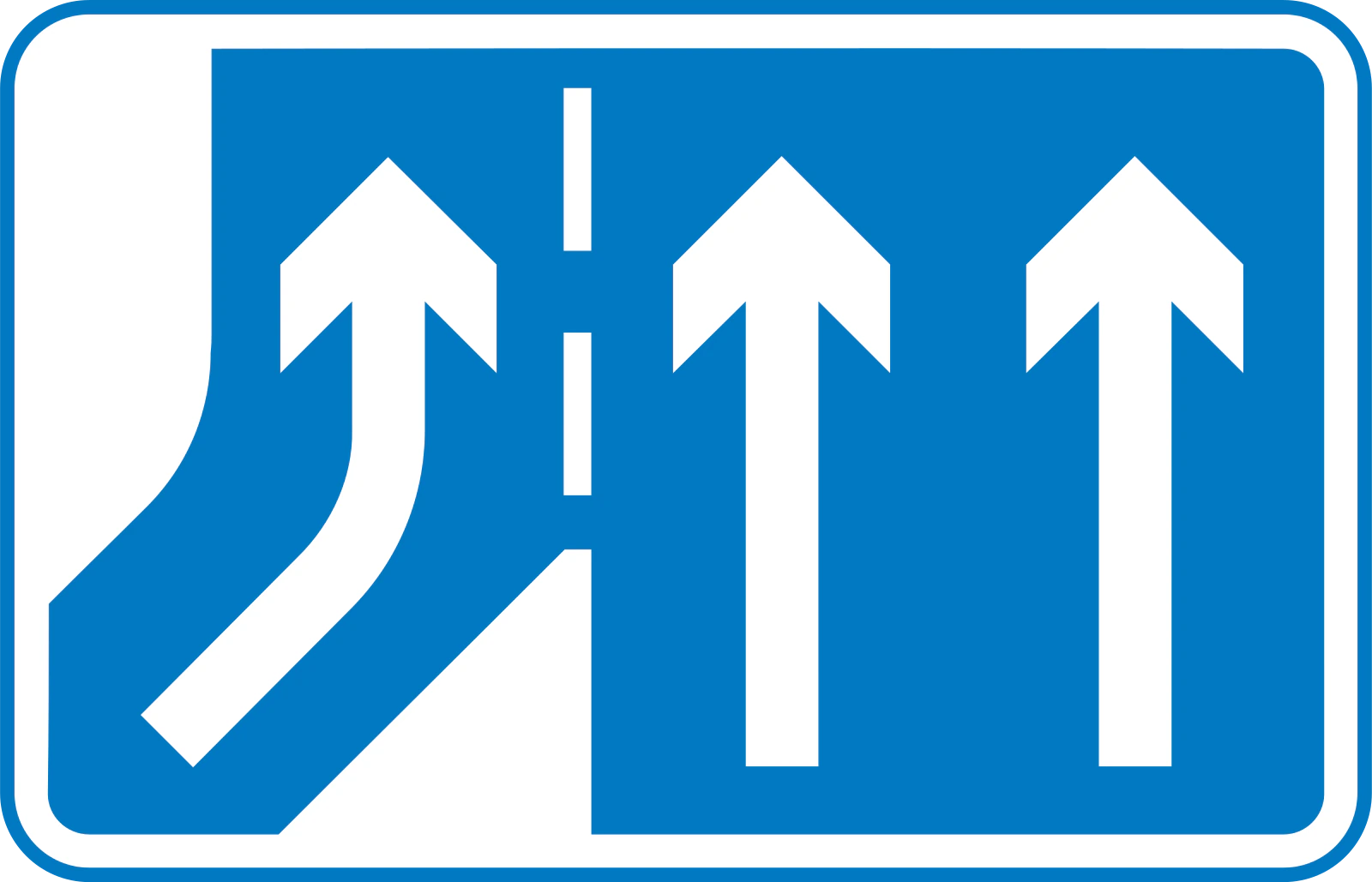
The 868M - Additional traffic lane joining from the left ahead road sign may also be known by these alternative names or terms.
The 868M - Additional traffic lane joining from the left ahead road sign is part of the Great Britain Motorway Signs category, which groups together signs with similar rules and functions.
Master Great Britain road signs by comparing similar ones. Understanding the subtle differences between signs aids recognition and reduces errors during your theory test revision.
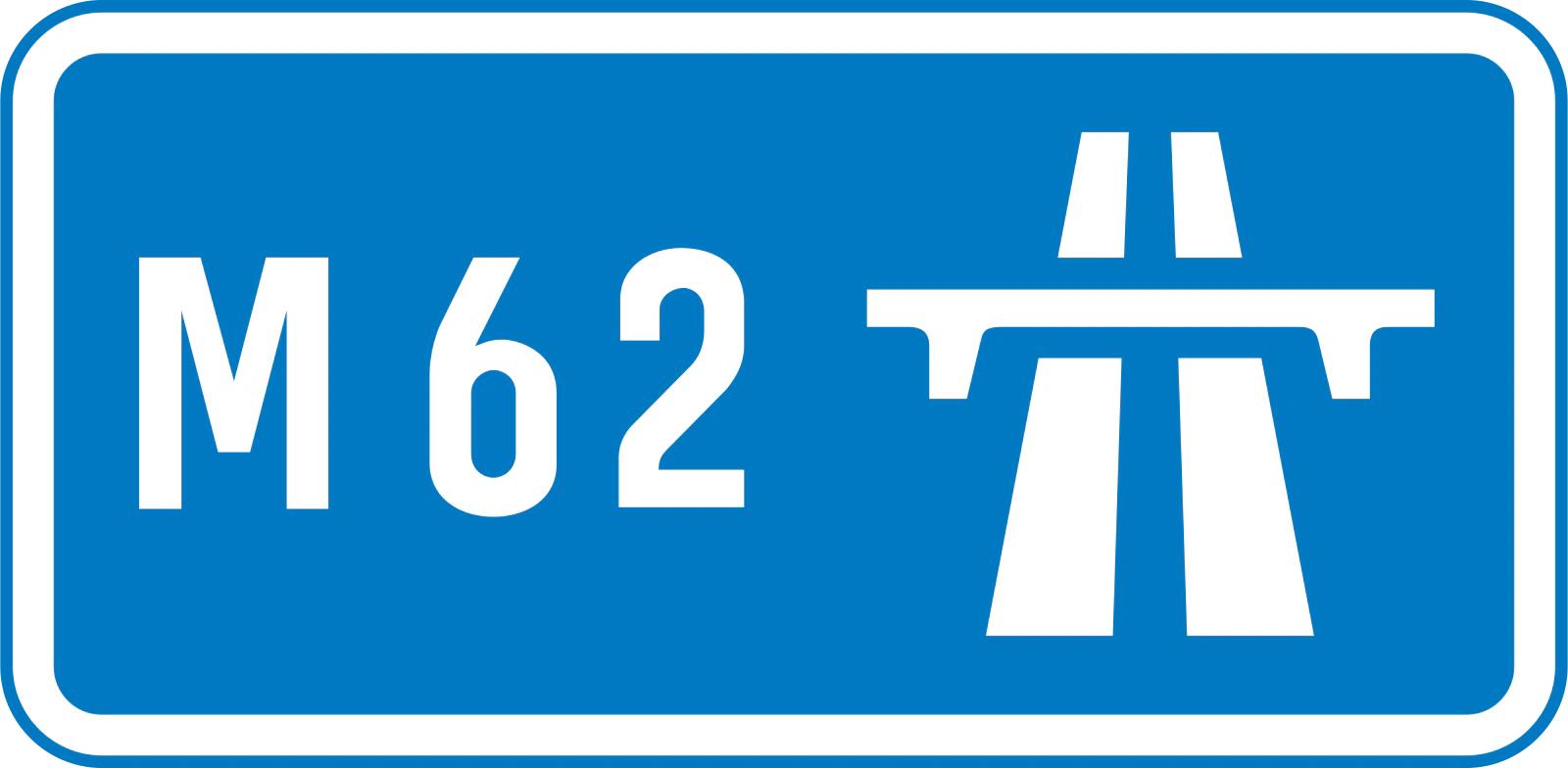
Understanding the Start of Motorway Regulations Sign (2901)
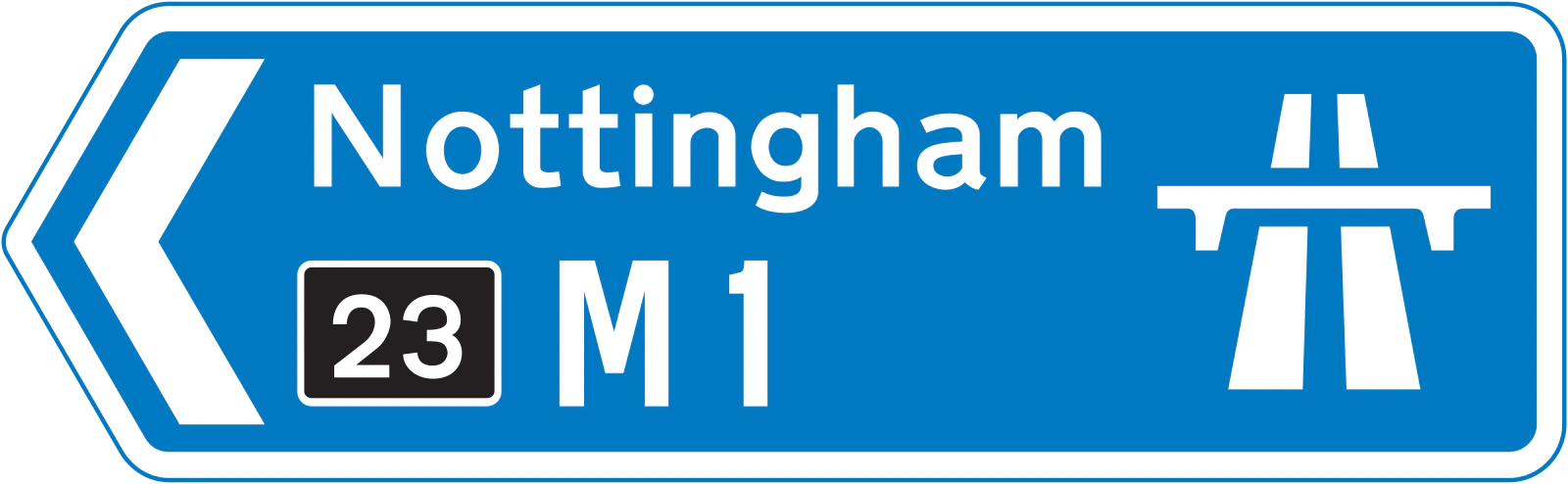
Master the 2902 'Direction to Motorway Junction' Sign for Confident Driving
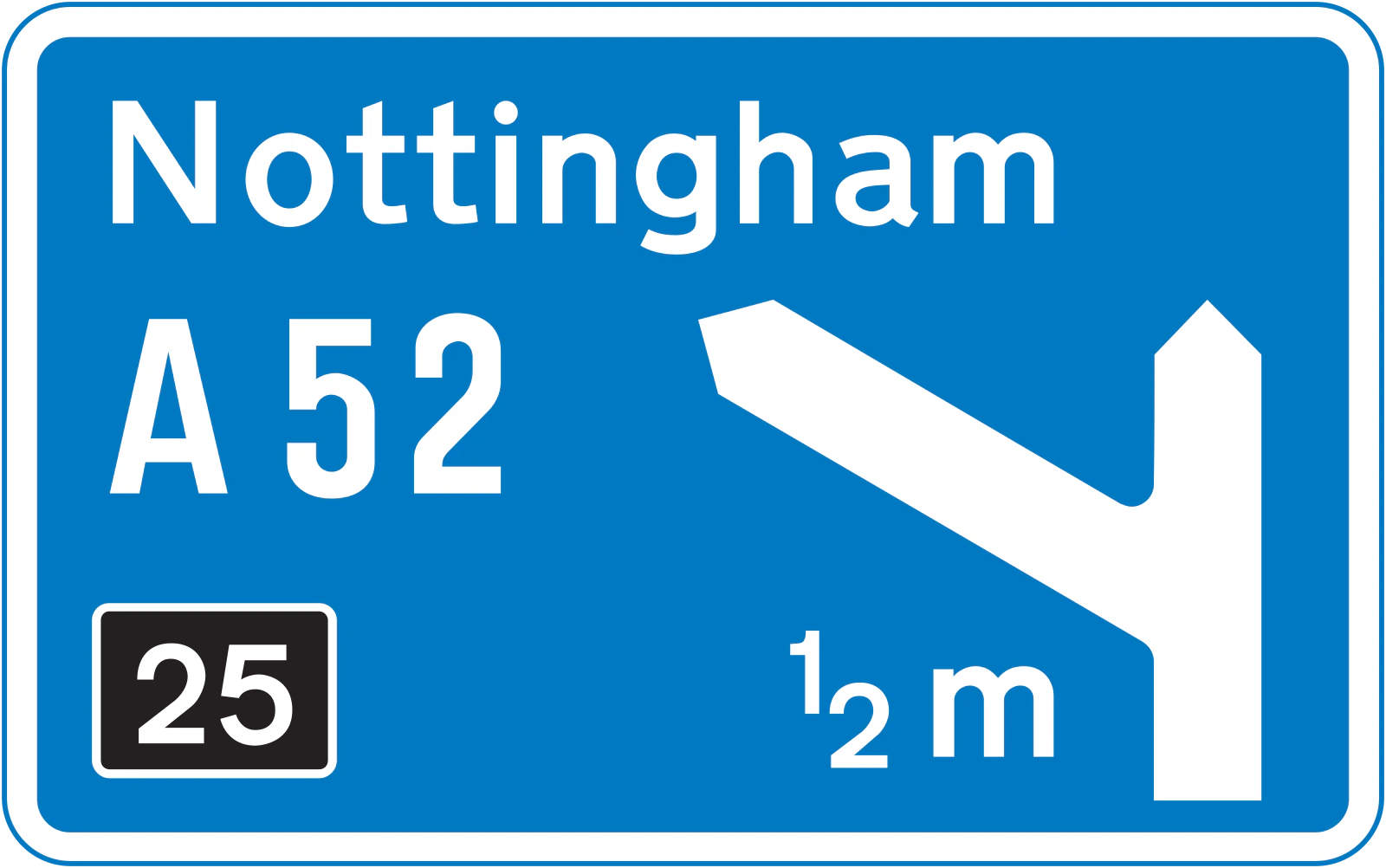
Understand the Motorway Junction Route and Destination Sign (2903)
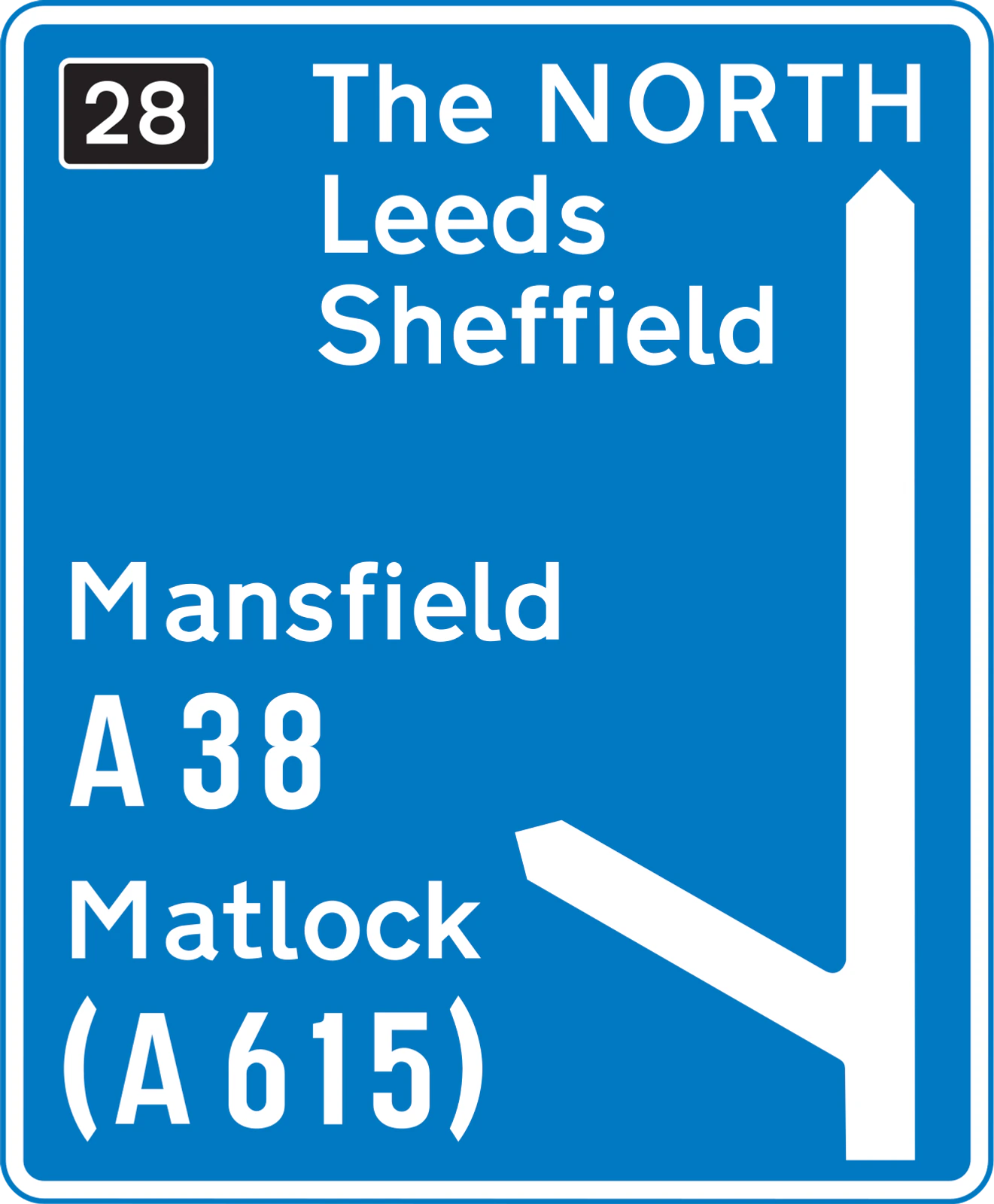
Know When to Leave the Motorway for the A38 to Mansfield and Matlock
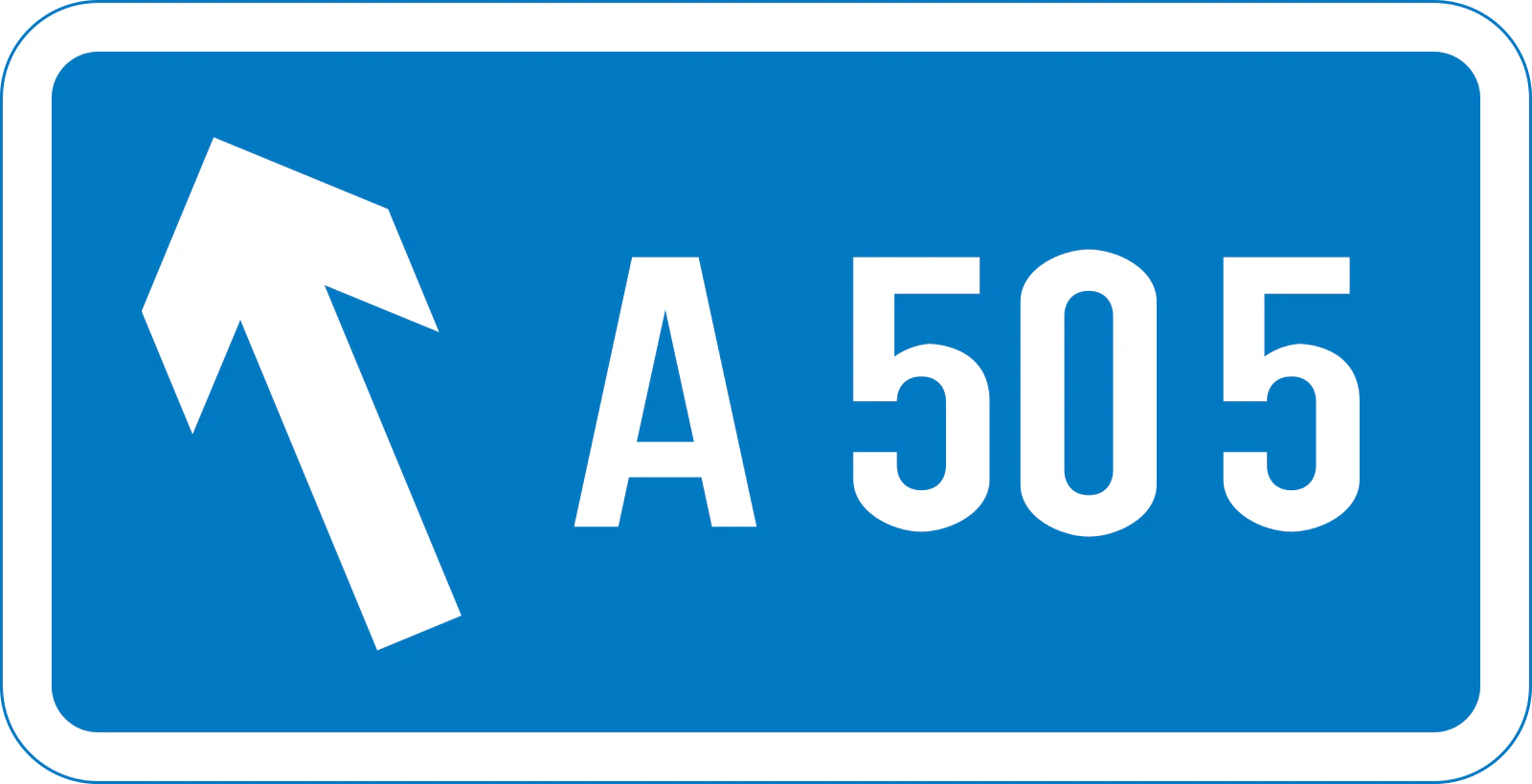
This sign helps you identify the route number you'll reach from a motorway exit.
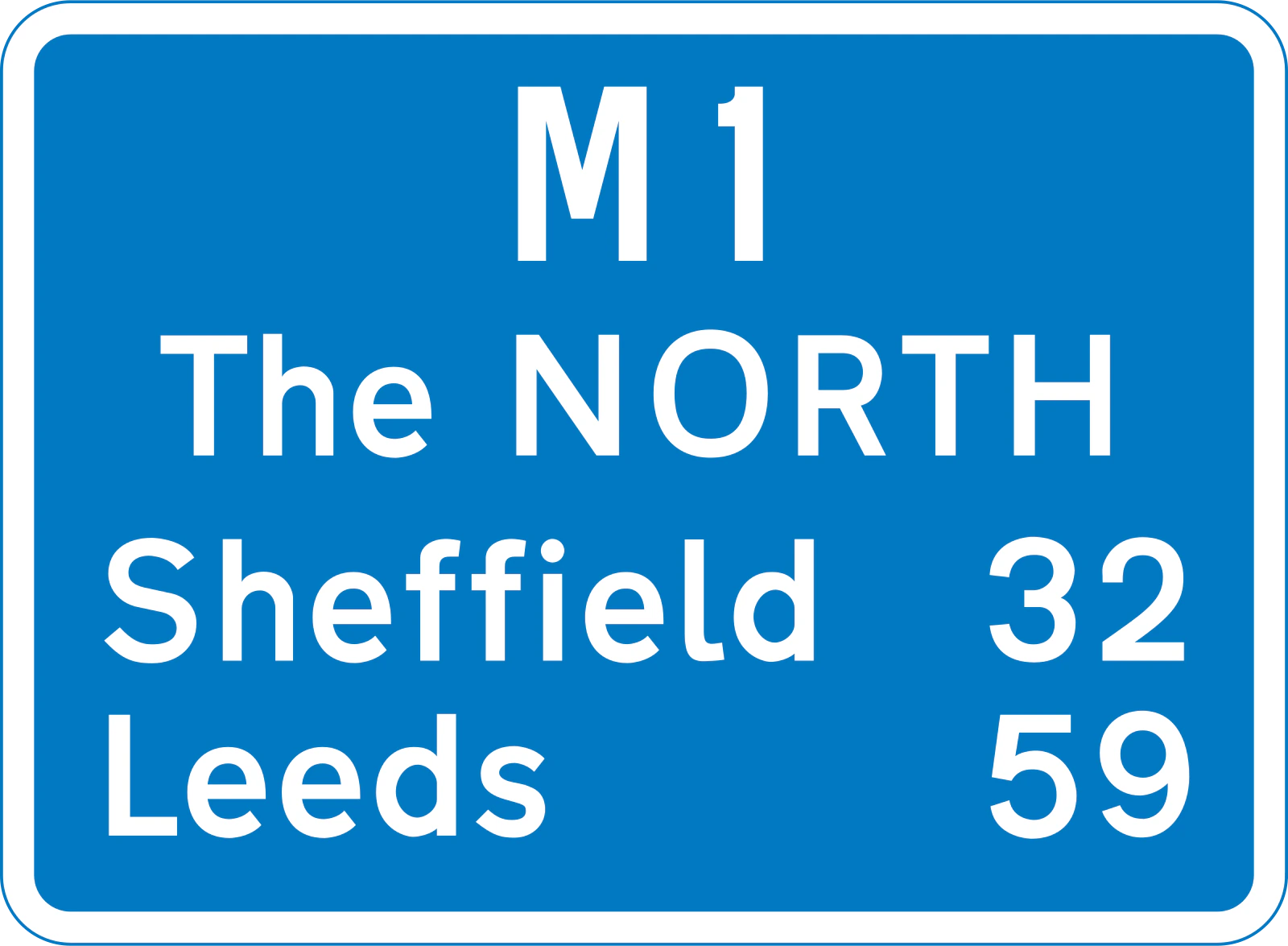
Navigate Motorways Safely with Route Confirmation Signs and Distances
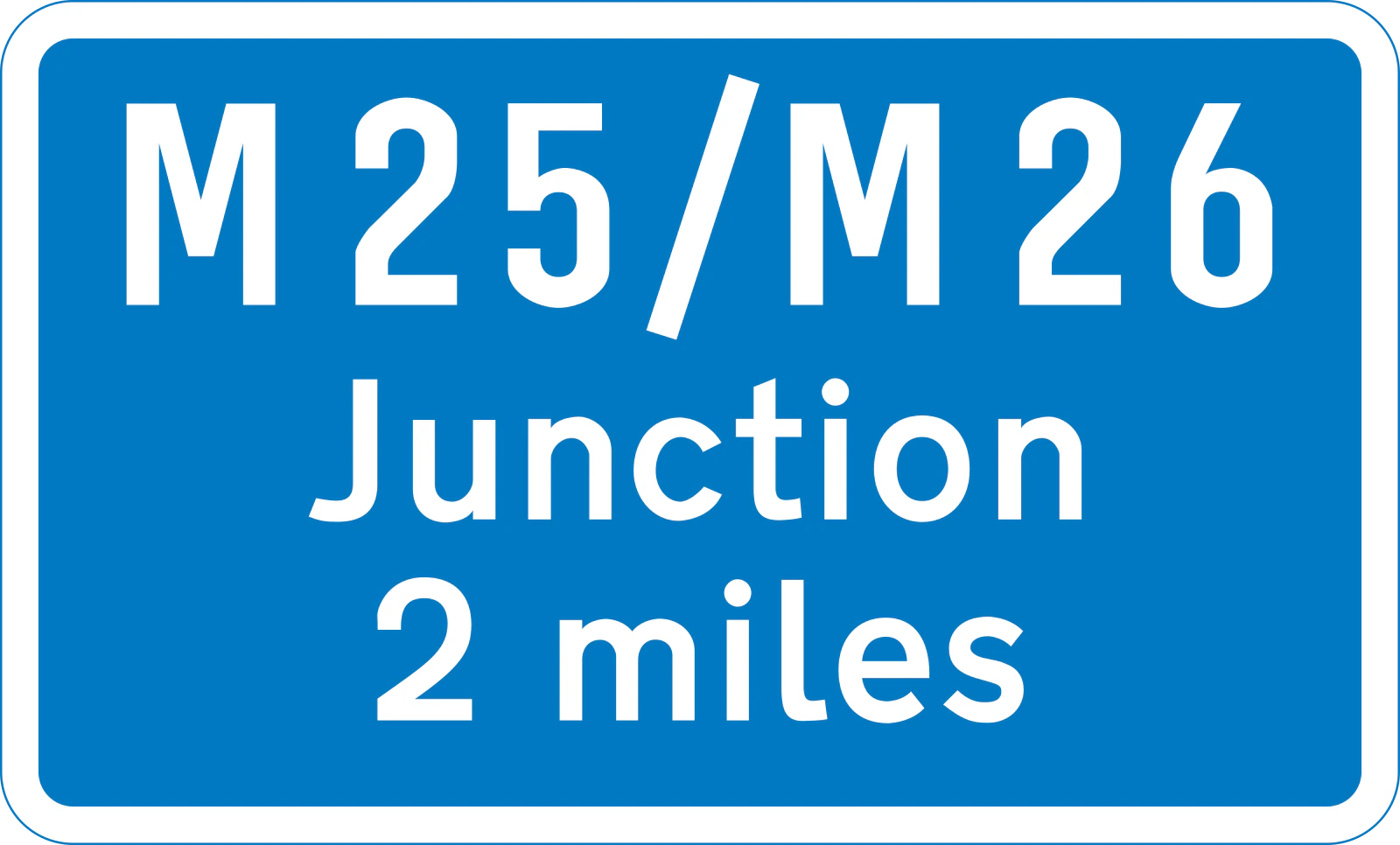
Prepare for Motorway Junctions Ahead with Sign 2912
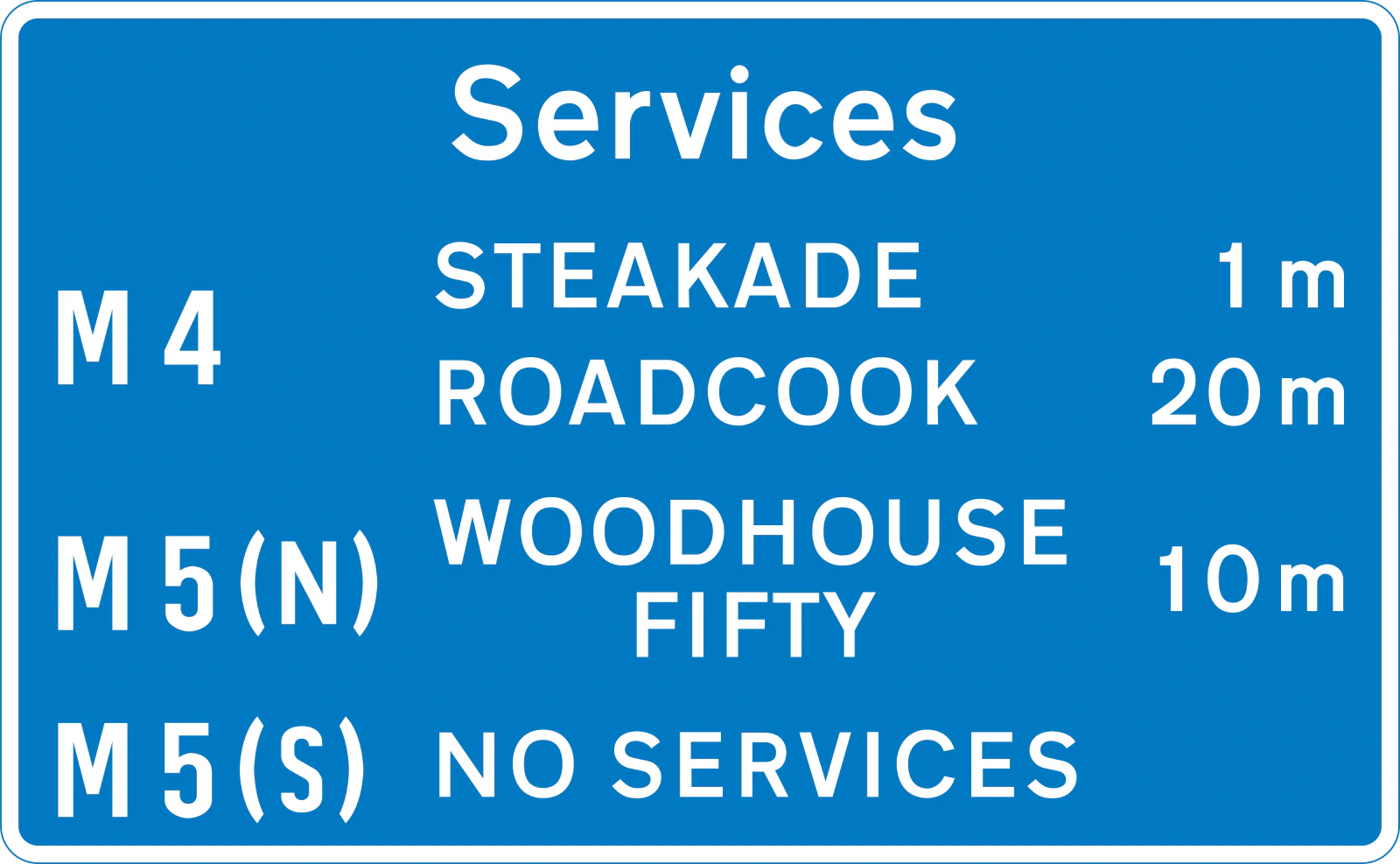
Motorway Services Ahead With Distances: Plan Your Stops on High-Speed Roads
Explore curated explanations and practical examples to strengthen your visual recognition of essential Great Britain road signs. These supplementary materials provide the context needed to navigate junctions safely and pass your official DVSA theory test.
Master Critical Emergency Procedures and Avoid Test Traps on GB Roads.
When you get behind the wheel of another person's car, the law holds you strictly accountable for ensuring the vehicle is safe, taxed, and properly insured. This guide explains the checks you must perform to remain compliant with UK traffic laws and avoid common pitfalls often tested in the DVSA theory exam. Mastery of these rules ensures you are prepared to act as a responsible and legal road user.
Master the Complex Rules of Sharing the Road with Motorcyclists and Avoid Common Test Traps.
Mini-roundabouts can be confusing, but mastering them is essential for your Great Britain driving theory test. This guide focuses on the most frequent errors learners encounter, such as incorrect priority assessment and improper signalling, providing clear advice aligned with the Highway Code. Learn the best practices to navigate these junctions confidently and safely.
This motorway sign supports route planning and safe lane discipline on high-speed roads. It may identify a junction, service area, destination, emergency facility, lane destination, or the start or end of motorway rules. The driver should use it as part of a sequence of advance information, signal in good time where needed, and avoid sudden braking or lane changes. It is listed in the catalogue as code 2912.
This motorway sign supports route planning and safe lane discipline on high-speed roads. It may identify a junction, service area, destination, emergency facility, lane destination, or the start or end of motorway rules. The driver should use it as part of a sequence of advance information, signal in good time where needed, and avoid sudden braking or lane changes. It is listed in the catalogue as code 2917.
After reviewing the full list of road signs, challenge yourself with practice questions focused specifically on sign recognition. Reinforce your learning and ensure you're fully prepared to identify and understand all traffic signs on the DVSA theory test.
Browse All GB Road Signs List