
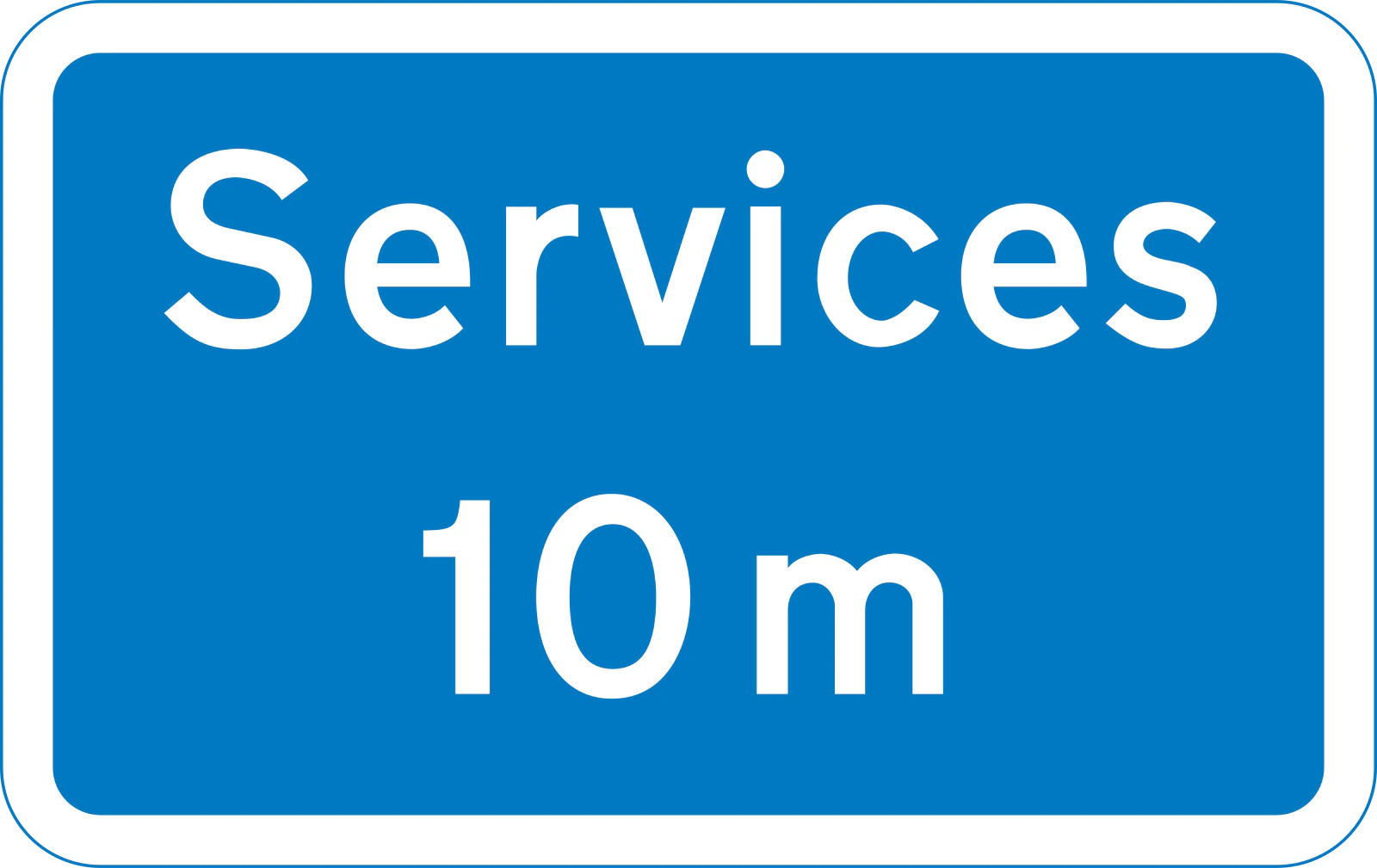
This blue rectangular sign (code 2918) informs you that the next motorway service area is 10 miles (16 km) away. As part of essential motorway information signs, it helps you plan your journey and manage your time effectively at high speeds. Look out for these signs in advance and prepare your lane or exit in good time, remembering that late decisions or sudden manoeuvres are dangerous on motorways.
This motorway sign guides your journey by indicating 10 miles to the next service area. Understanding its meaning is crucial for safe driving and theory test revision, ensuring you can plan lane changes and stops effectively.
This motorway sign supports route planning and safe lane discipline on high-speed roads. It may identify a junction, service area, destination, emergency facility, lane destination, or the start or end of motorway rules. The driver should use it as part of a sequence of advance information, signal in good time where needed, and avoid sudden braking or lane changes. It is listed in the catalogue as code 2918.
"10 miles (16 km) to the next motorway service area" provides route, lane, exit, service, regulation, or safety information for motorway driving. It should be read early because motorway speeds leave little time for late decisions.
Get clear, practical answers to the most common questions about the 2918 - 10 miles (16 km) to the next motorway service area road sign. Learn how the sign works, what rules it represents, and how it affects real driving situations. This FAQ strengthens your understanding and supports accurate decision making for the British driving theory exam in Great Britain.
This sign tells you that the next available services on the motorway are 10 miles (approximately 16 kilometres) ahead. It's an advance warning to help you plan your stops and route.
Motorways have high speed limits, meaning less time to react. Seeing this sign early allows you to consider if you need services, choose the correct lane smoothly, and signal in good time, avoiding sudden braking or lane changes which are hazardous.
You should use this information to plan. If you intend to use the services, start thinking about which lane you'll need to be in well in advance. Always keep a safe distance and match your speed to the traffic flow, signalling any lane changes in good time.
Yes, you must avoid making late lane changes or sudden braking. Do not stop on the motorway itself unless it's an emergency or you're instructed to do so. It’s also crucial not to ignore other signs, such as lane arrows or route numbers, that might appear alongside this service area information.
A common trap in the theory test is understanding that these signs are part of a sequence. Learners might delay their decision-making, waiting for a closer sign. It's vital to read and react to advance information signs early to maintain safe driving practices on the motorway.
A clear reference image of the 2918 - 10 miles (16 km) to the next motorway service area road sign used in Great Britain.
The 2918 - 10 miles (16 km) to the next motorway service area road sign may also be known by these alternative names or terms.
The 2918 - 10 miles (16 km) to the next motorway service area road sign is part of the Great Britain Motorway Signs category, which groups together signs with similar rules and functions.
Mastering traffic sign comparison is key for effective theory test revision. Reviewing similar road signs side-by-side helps cement your understanding and prevents confusion during your exam preparation.
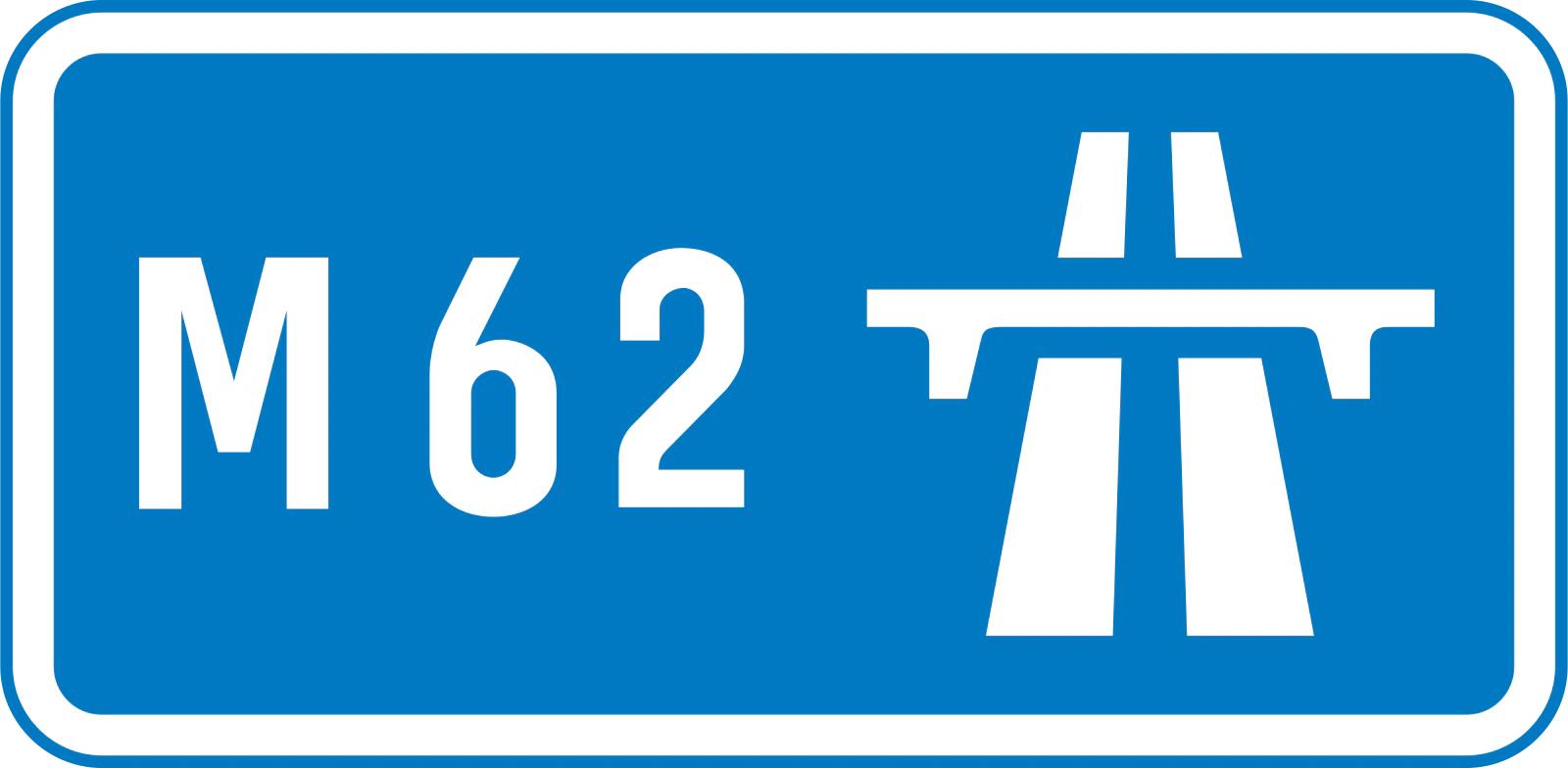
Understanding the Start of Motorway Regulations Sign (2901)
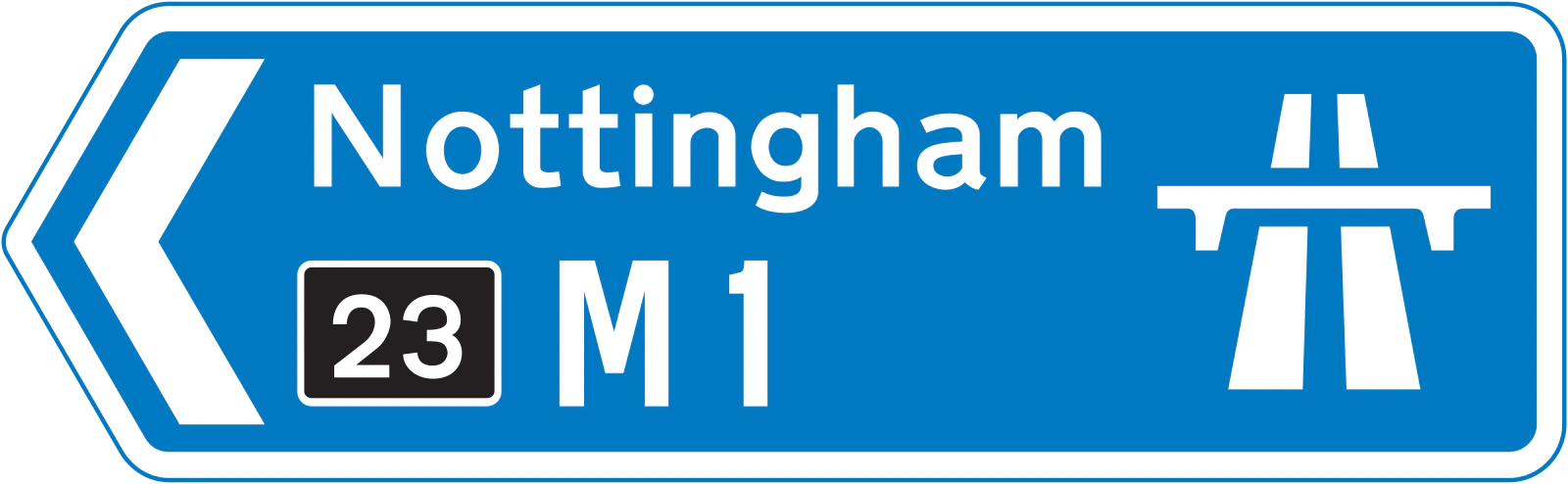
Master the 2902 'Direction to Motorway Junction' Sign for Confident Driving
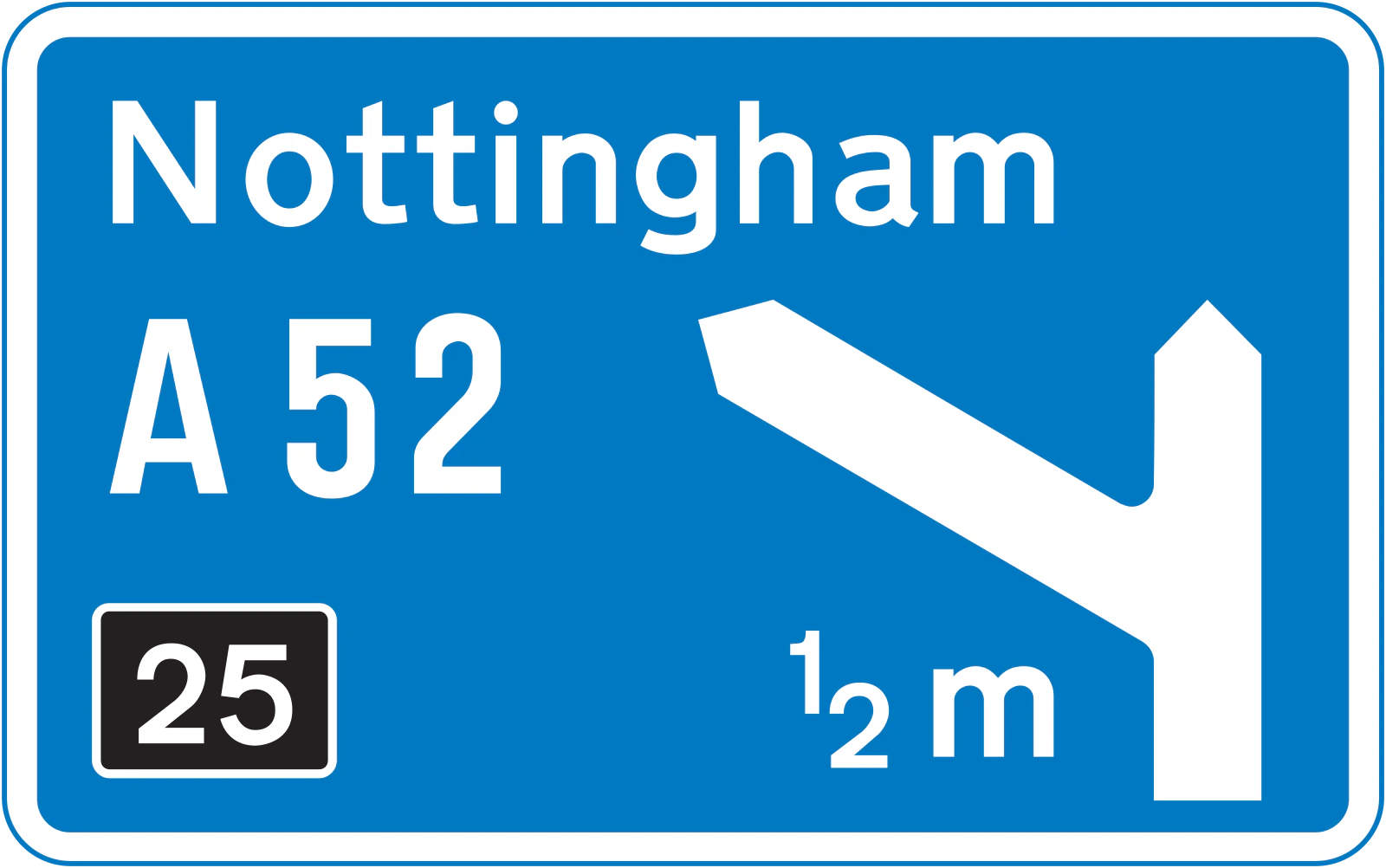
Understand the Motorway Junction Route and Destination Sign (2903)
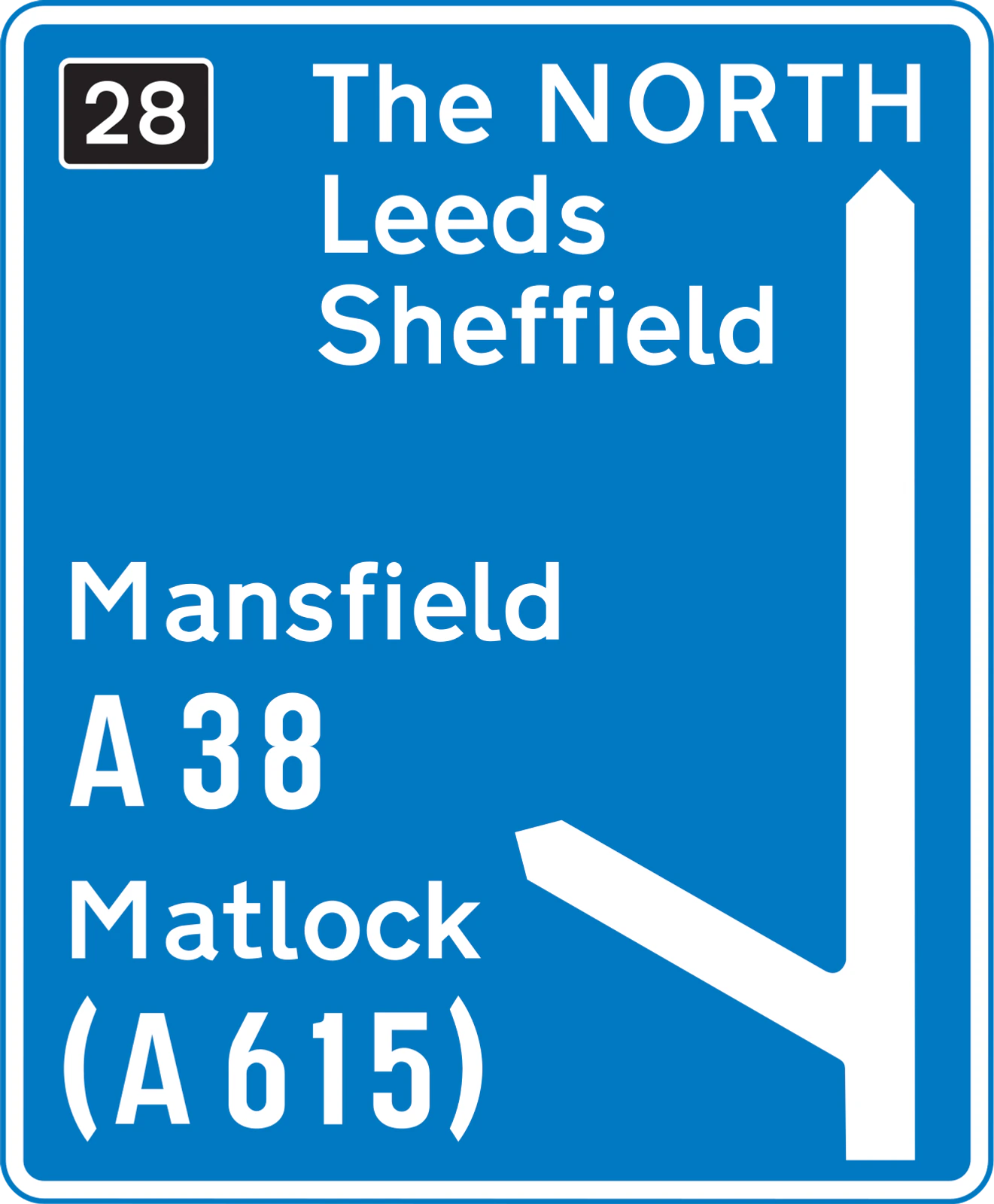
Know When to Leave the Motorway for the A38 to Mansfield and Matlock
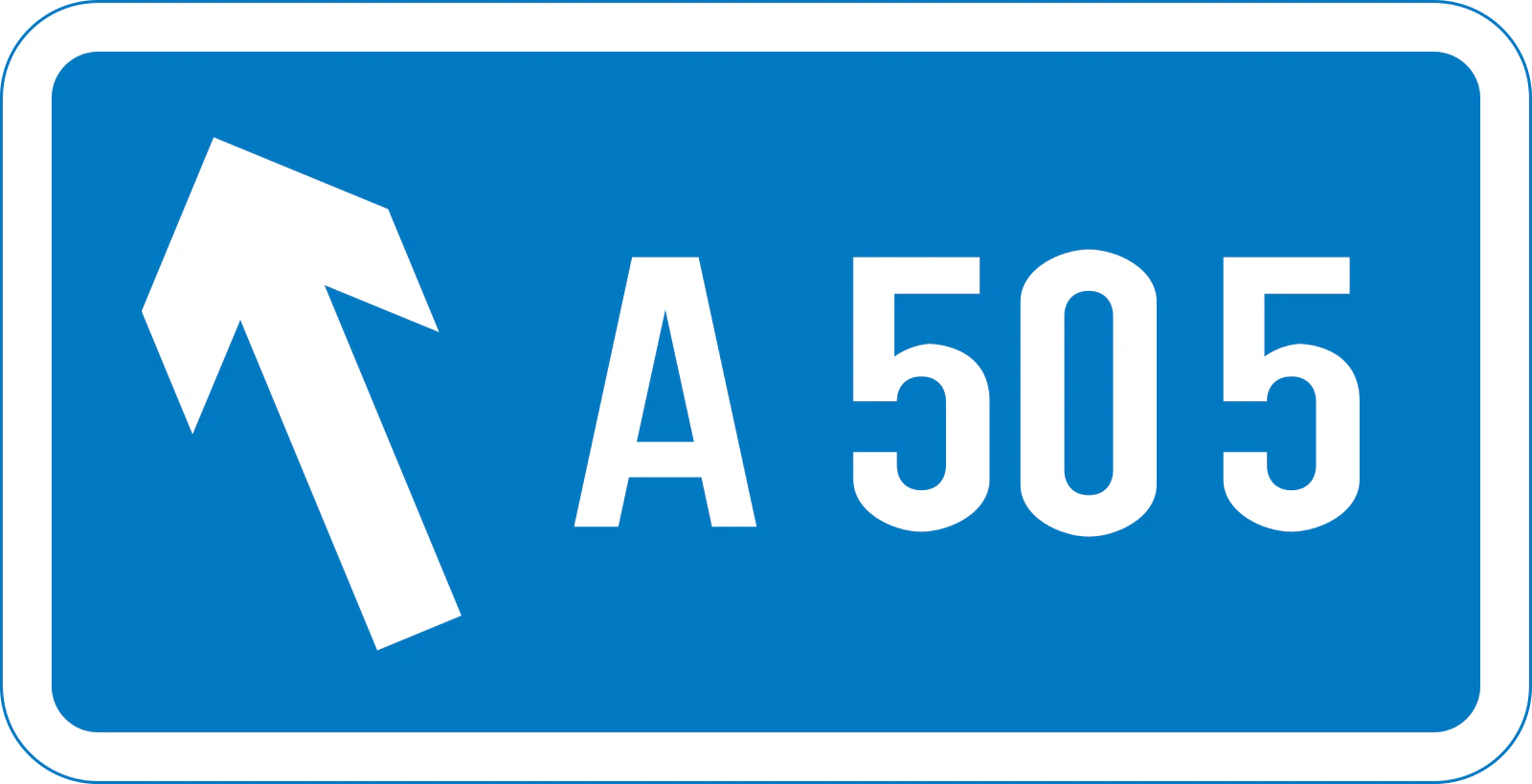
This sign helps you identify the route number you'll reach from a motorway exit.
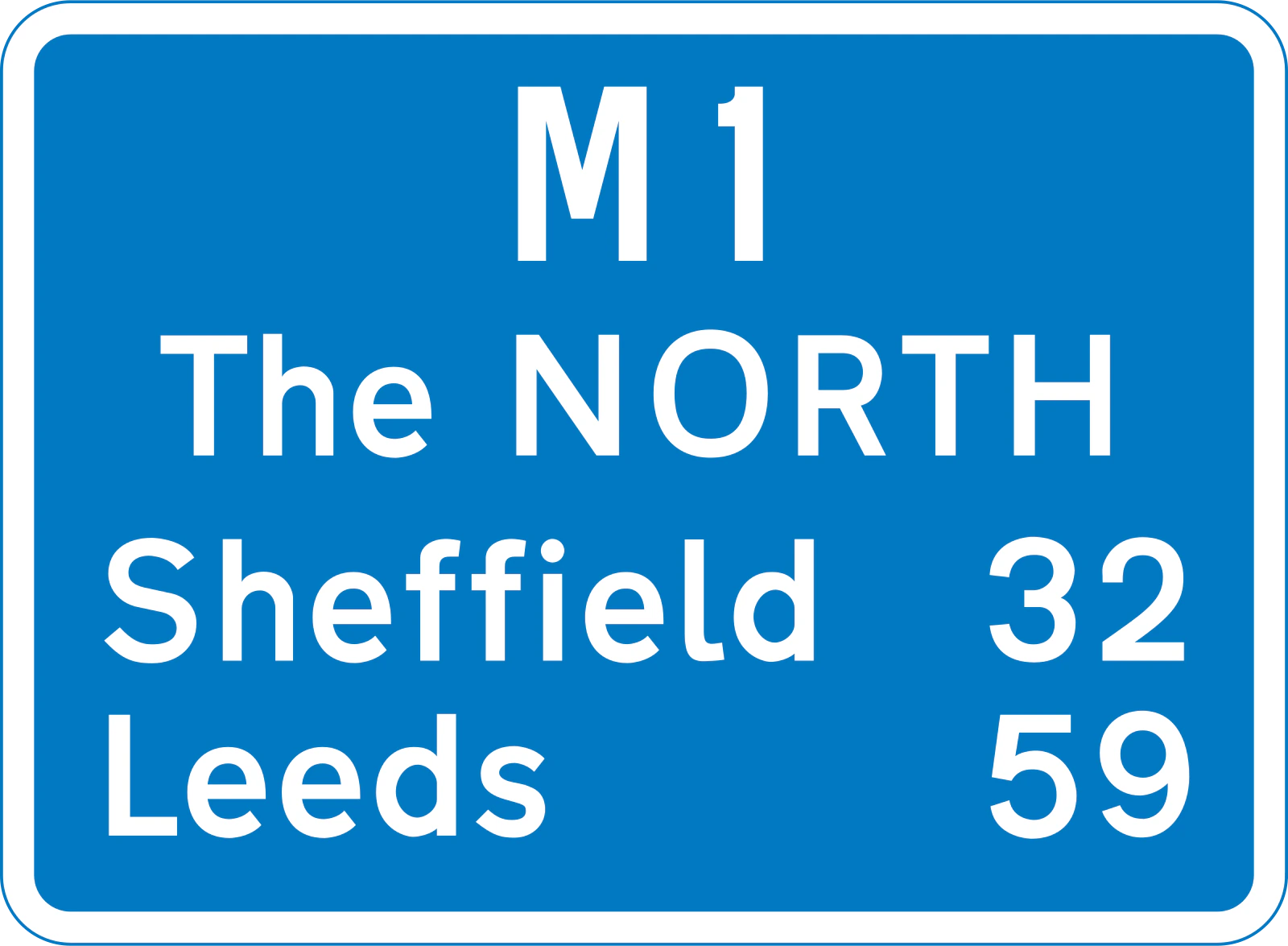
Navigate Motorways Safely with Route Confirmation Signs and Distances
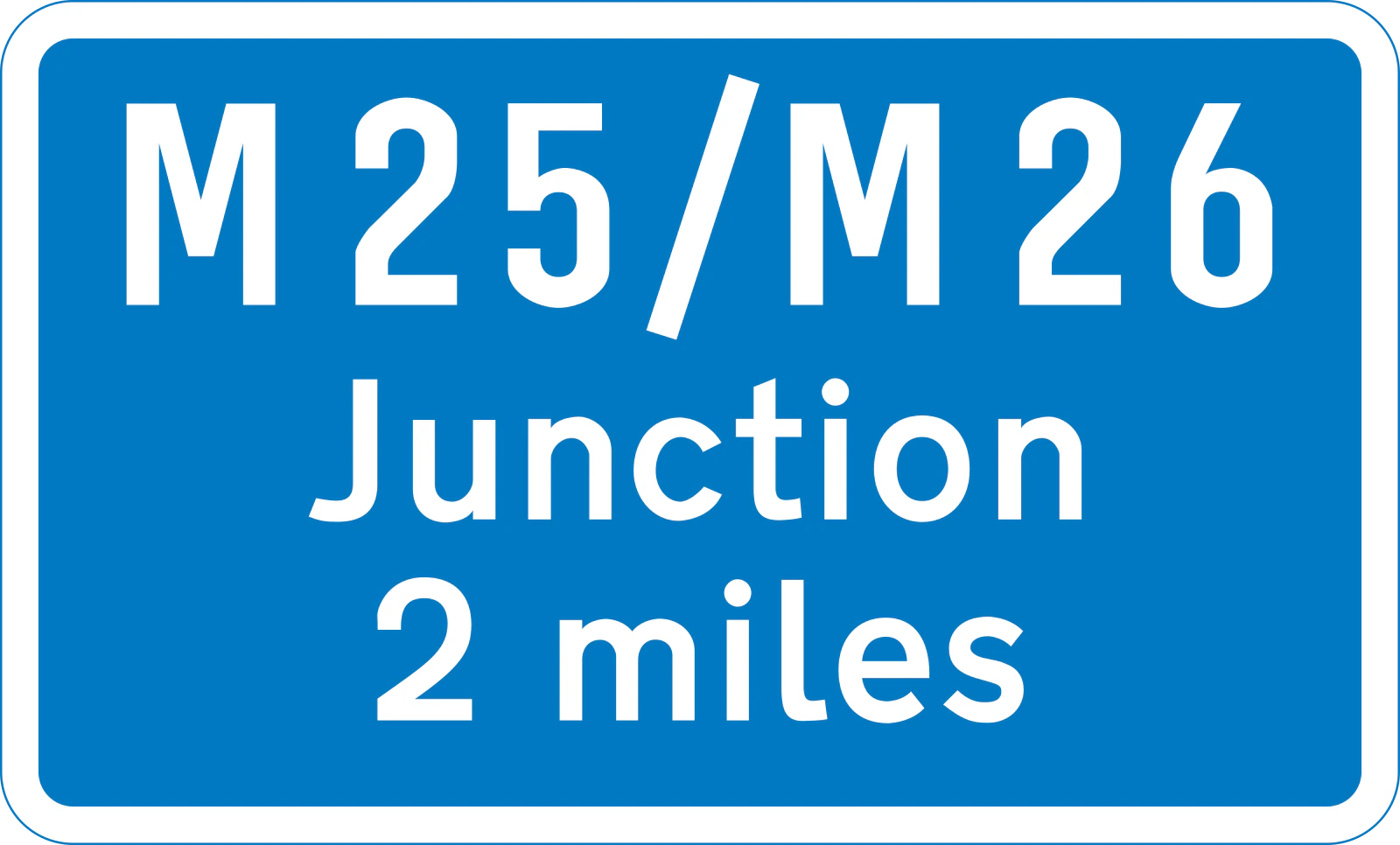
Prepare for Motorway Junctions Ahead with Sign 2912
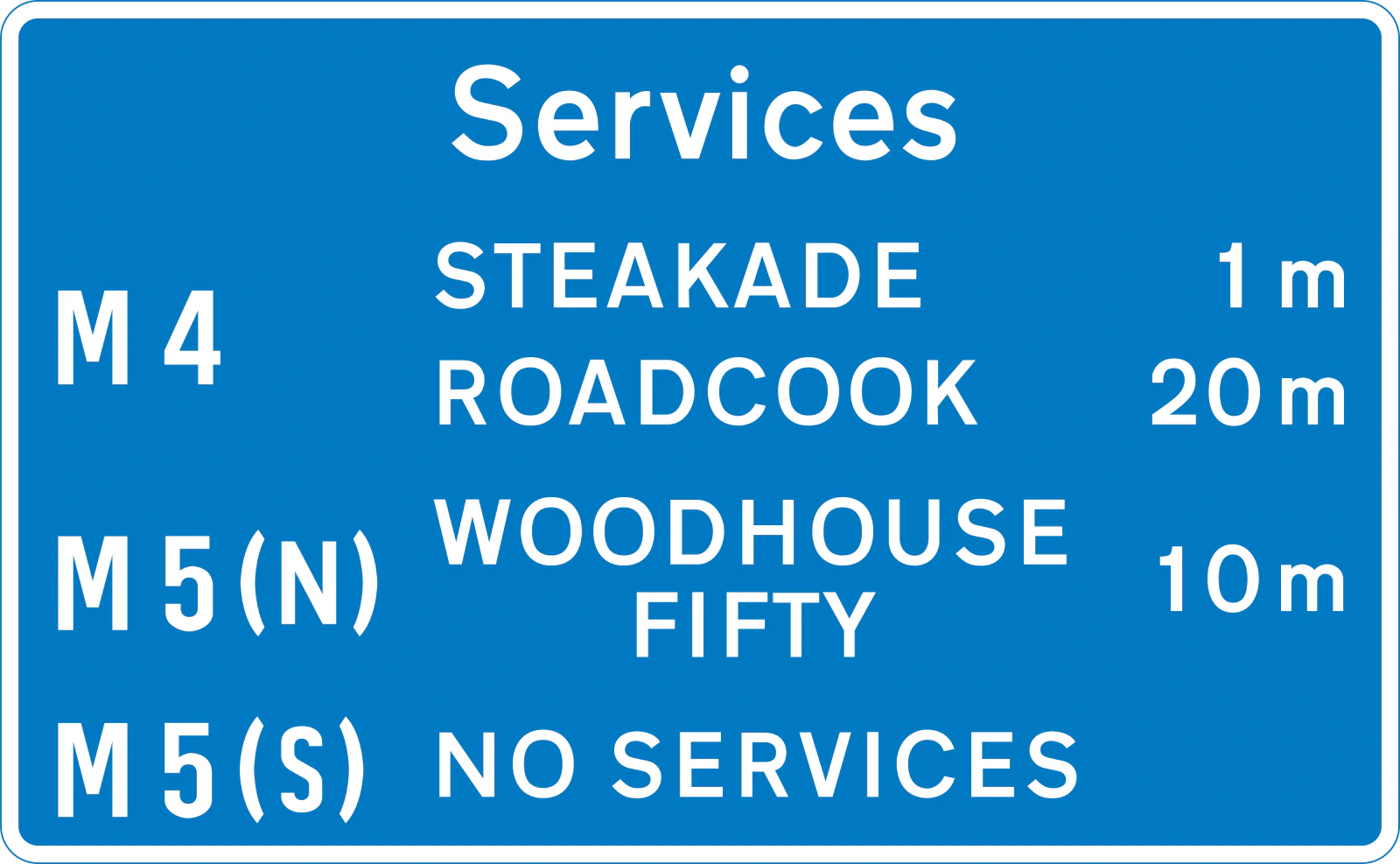
Motorway Services Ahead With Distances: Plan Your Stops on High-Speed Roads
Explore curated explanations and practical examples to strengthen your visual recognition of essential Great Britain road signs. These supplementary materials provide the context needed to navigate junctions safely and pass your official DVSA theory test.
Master Critical Emergency Procedures and Avoid Test Traps on GB Roads.
When you get behind the wheel of another person's car, the law holds you strictly accountable for ensuring the vehicle is safe, taxed, and properly insured. This guide explains the checks you must perform to remain compliant with UK traffic laws and avoid common pitfalls often tested in the DVSA theory exam. Mastery of these rules ensures you are prepared to act as a responsible and legal road user.
Master the Complex Rules of Sharing the Road with Motorcyclists and Avoid Common Test Traps.
Mini-roundabouts can be confusing, but mastering them is essential for your Great Britain driving theory test. This guide focuses on the most frequent errors learners encounter, such as incorrect priority assessment and improper signalling, providing clear advice aligned with the Highway Code. Learn the best practices to navigate these junctions confidently and safely.
This motorway sign supports route planning and safe lane discipline on high-speed roads. It may identify a junction, service area, destination, emergency facility, lane destination, or the start or end of motorway rules. The driver should use it as part of a sequence of advance information, signal in good time where needed, and avoid sudden braking or lane changes. It is listed in the catalogue as code 2919.3.
This motorway sign supports route planning and safe lane discipline on high-speed roads. It may identify a junction, service area, destination, emergency facility, lane destination, or the start or end of motorway rules. The driver should use it as part of a sequence of advance information, signal in good time where needed, and avoid sudden braking or lane changes. It is listed in the catalogue as code 2921.
After reviewing the full list of road signs, challenge yourself with practice questions focused specifically on sign recognition. Reinforce your learning and ensure you're fully prepared to identify and understand all traffic signs on the DVSA theory test.
Browse All GB Road Signs List