
Traffic lights are crucial for regulating the flow of traffic and ensuring safety at intersections and crossings. This section covers standard traffic lights, dedicated signals for bicycles and pedestrians, and specialized signals like wig-wags, helping you understand their meaning and how to react appropriately. Mastering these signals is essential for both passing your theory test and navigating complex road situations safely.
An explanation of how Great Britain Traffic Light Signals road signs apply in real traffic situations in Great Britain. Learn where these signs are typically placed, what drivers are expected to do when they appear, and how correct reactions help you stay safe, avoid fines, and succeed in your British driving theory exam.
You will encounter traffic light signals at almost every intersection, junction, and controlled crossing in urban and even some rural areas. Standard signals with red, amber, and green lamps control general vehicle traffic, dictating when to stop, prepare to stop, or proceed when safe. Filter arrows, often shown alongside standard lights, indicate permitted movements from specific lanes, requiring careful observation to ensure you only proceed when the arrow is green and the path is clear. Dedicated signals for cyclists and pedestrians are increasingly common, ensuring their safety at busy points. Wig-wag signals are less frequent but critical, typically found at level crossings to warn of approaching trains, or near emergency service stations to indicate an imminent response vehicle passage. Understanding these signals is vital for maintaining smooth traffic flow and preventing collisions, especially in busy, high-speed environments.
An overview of the key learning outcomes when studying the Great Britain Traffic Light Signals road sign category. Understand the main concepts, sign meanings, and traffic situations covered here so you can recognise patterns, answer theory questions more confidently, and build a solid foundation for safe driving in Great Britain.
Master Great Britain's traffic light signals, including filter arrows and special arrangements, crucial for your driving theory test revision. Understanding when to stop, proceed safely, and obey specific lane signals is key to safe driving and passing your exam.

Obey Standard Traffic Light Signals Correctly to Stay Safe and Legal

Understand the 'No Left Turn' Traffic Light Signal in Great Britain

Understand the Red-and-Tram-Proceed Traffic Light Signal for Trams

Understand the Bike-Signal: A Traffic Light Specifically for Cyclists

Learn the meaning of the 'Wig-wag' traffic signal
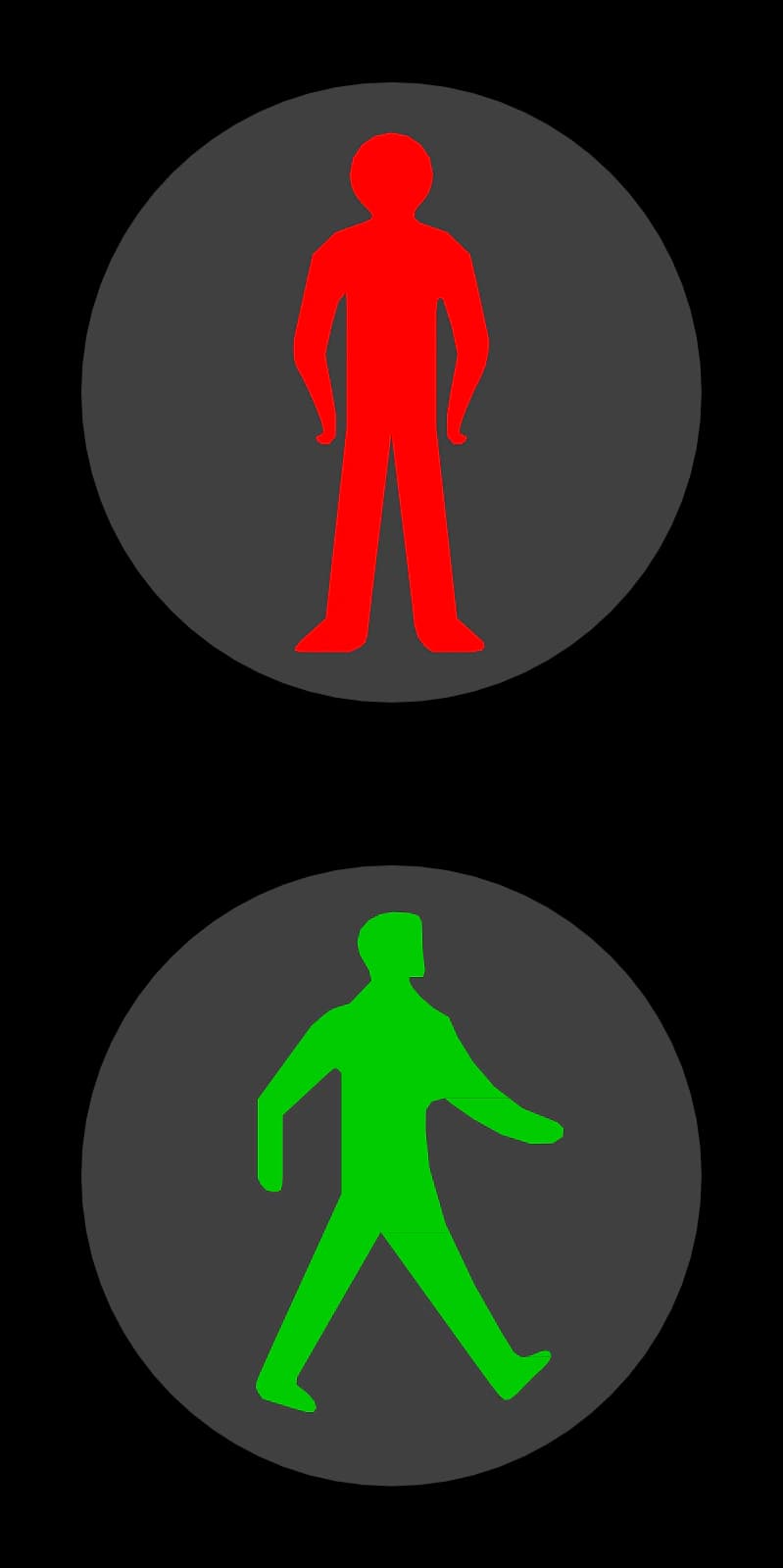
Pedestrian Light Signals: Know When to Stop and Go Safely
Clear answers to common questions about the Great Britain Traffic Light Signals road sign category. Use this FAQ to review tricky rules, understand how these signs appear in exam scenarios, and remove confusion that often leads to mistakes in the British driving theory exam in Great Britain.
When a traffic light shows red and amber together, it means the light is about to turn green. You must not proceed yet, but you should prepare to move off. This signal is used to alert drivers that the light will change shortly, allowing them to be ready to drive forward as soon as it turns green.
A green light indicates that you may proceed, but only if the way ahead is clear and there is space for your vehicle on the other side of the intersection or junction. You must not enter the intersection if traffic conditions on the other side mean you will have to stop, blocking other traffic. Always check for pedestrians or cyclists who may still be in the crossing.
A standard traffic light (red, amber, green) applies to all movements from your lane unless otherwise indicated. A filter arrow, usually displayed separately or within the main light sequence, gives permission to proceed in a specific direction (e.g., left, right, or straight ahead) from a particular lane. You must wait for the filter arrow to be green, and still ensure the path is clear before moving.
Special traffic lights are installed for bicycles and pedestrians to provide them with dedicated, safe crossing times, especially in areas where they share space with heavy or fast-moving vehicle traffic. These signals operate independently or in conjunction with vehicle lights to manage flow and prevent conflicts between different road users.
Wig-wag signals, often accompanied by flashing red lights, indicate that a train is approaching a level crossing. You must stop behind the stop line or barrier and wait for the signal to stop flashing and any barriers to be raised before proceeding. Never attempt to cross when the wig-wag signals are active.
Ready to master Great Britain road signs? Explore organized categories and groups for structured learning. Understanding signs by type improves recall and comprehension, ensuring thorough preparation for your DVSA theory test.
Great Britain Road Sign Groups