
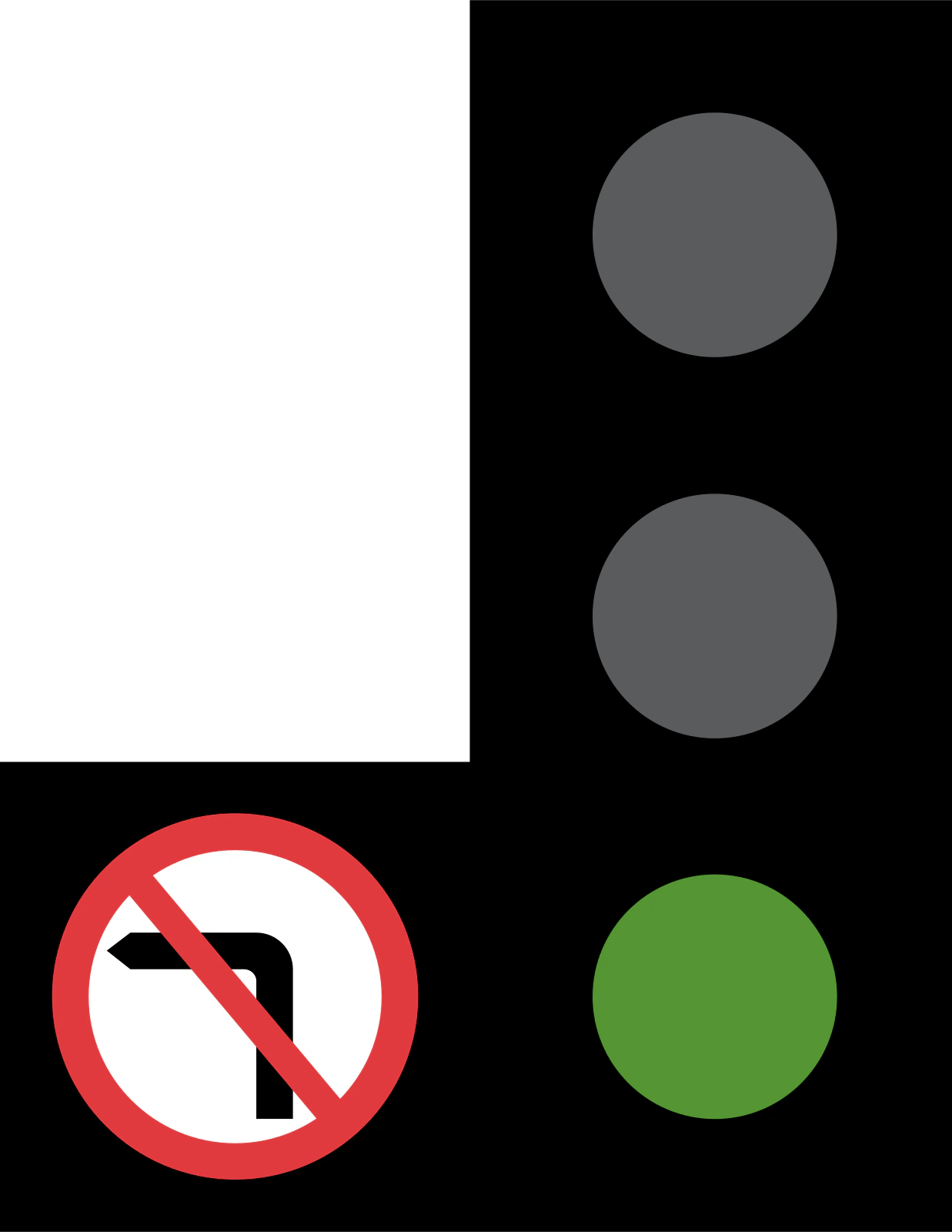
This traffic light signal, identified as 'No-Left-Turn', indicates a specific restriction at junctions. You must obey the signal aspect or filter that applies to your lane and intended movement. If a red signal is shown, or if the signal requires you to stop, you must do so at the correct line. Always ensure the way ahead is clear before proceeding, even on a green light or filter arrow. This is crucial for navigating controlled junctions safely and passing your theory test.
This supplemental 'no left turn' sign clarifies specific junction instructions, crucial for obeying traffic light signals and avoiding potential violations. Master its meaning for your Great Britain driving theory test revision and safe navigation.
Traffic light signal signs and diagrams help drivers understand how controlled movements work at junctions, crossings, priority sections, or special road-user facilities. This sign may show a standard aspect, a turn filter, a tram or cycle signal, or a priority arrangement. A safe response means stopping at the correct line on red, proceeding only on the applicable signal, and checking that the way ahead is clear. It is listed in the catalogue as code No-Left-Turn.
"A standard traffic light with a supplemental 'no left turn' sign attached" shows a traffic-signal aspect, filter, or signal arrangement. The driver must obey the signal that applies to their lane, movement, or road-user category.
Get clear, practical answers to the most common questions about the No-Left-Turn - A standard traffic light with a supplemental 'no left turn' sign attached road sign. Learn how the sign works, what rules it represents, and how it affects real driving situations. This FAQ strengthens your understanding and supports accurate decision making for the British driving theory exam in Great Britain.
The 'No Left Turn' traffic light signal means that a left turn is prohibited when the signal is active. You must obey the specific signal aspect or filter that applies to your lane. If a red light or specific restriction is shown, you must stop and wait for a permissive signal or a change in the signal.
You can only make a left turn when the traffic signal explicitly permits it. This might be indicated by a green light or a specific filter arrow allowing a left turn. Always check that the junction is clear and it is safe to proceed before moving off.
A common trap is assuming that any green light allows all movements. With this sign, a green light might apply to straight-ahead or right turns, while a separate signal or no signal at all indicates the restriction for a left turn. Another trap is proceeding on green without checking if the junction is clear or if pedestrians or cyclists have priority.
Yes, you must stop at the correct line if the signal aspect shown requires you to stop, such as a red light or a signal indicating a prohibition. If a filter arrow or green light permits a left turn, you should only proceed when it is safe to do so, and you should still be prepared to stop if necessary.
This signal is a standard traffic light but with an added, specific restriction for left turns. While a standard green light might generally permit all legal movements, this setup specifically prohibits a left turn under certain signal conditions. Always pay close attention to the exact signal aspect relevant to your intended path.
A clear reference image of the No-Left-Turn - A standard traffic light with a supplemental 'no left turn' sign attached road sign used in Great Britain.
The No-Left-Turn - A standard traffic light with a supplemental 'no left turn' sign attached road sign may also be known by these alternative names or terms.
The No-Left-Turn - A standard traffic light with a supplemental 'no left turn' sign attached road sign is part of the Great Britain Traffic Light Signals category, which groups together signs with similar rules and functions.
Studying signs that look alike helps cement your understanding and reduces errors on your theory test revision. Master similar road signs and improve your traffic sign comparison skills for confident driving knowledge.

Understand the Bike-Signal: A Traffic Light Specifically for Cyclists
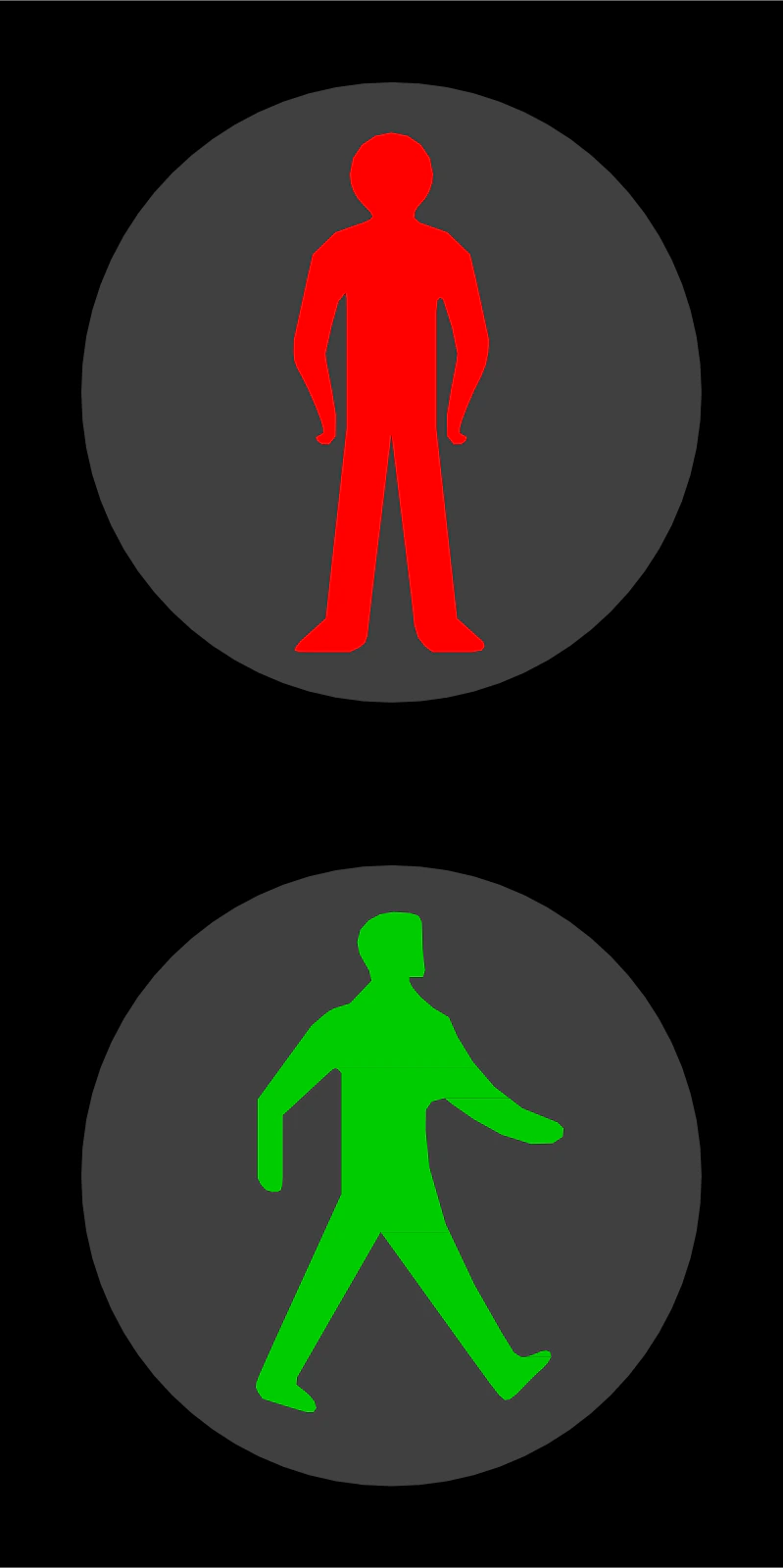
Pedestrian Light Signals: Know When to Stop and Go Safely
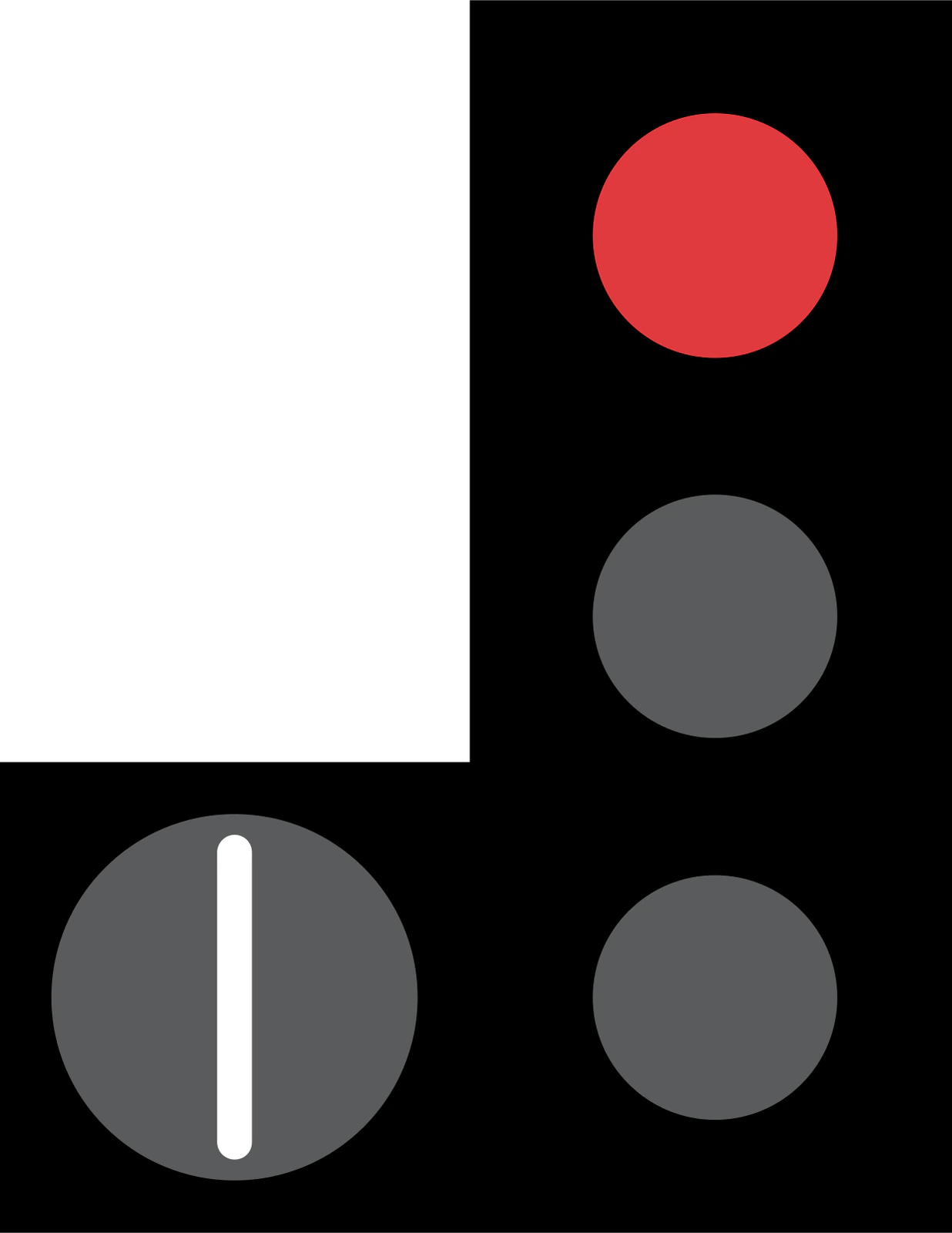
Understand the Red-and-Tram-Proceed Traffic Light Signal for Trams

Obey Standard Traffic Light Signals Correctly to Stay Safe and Legal
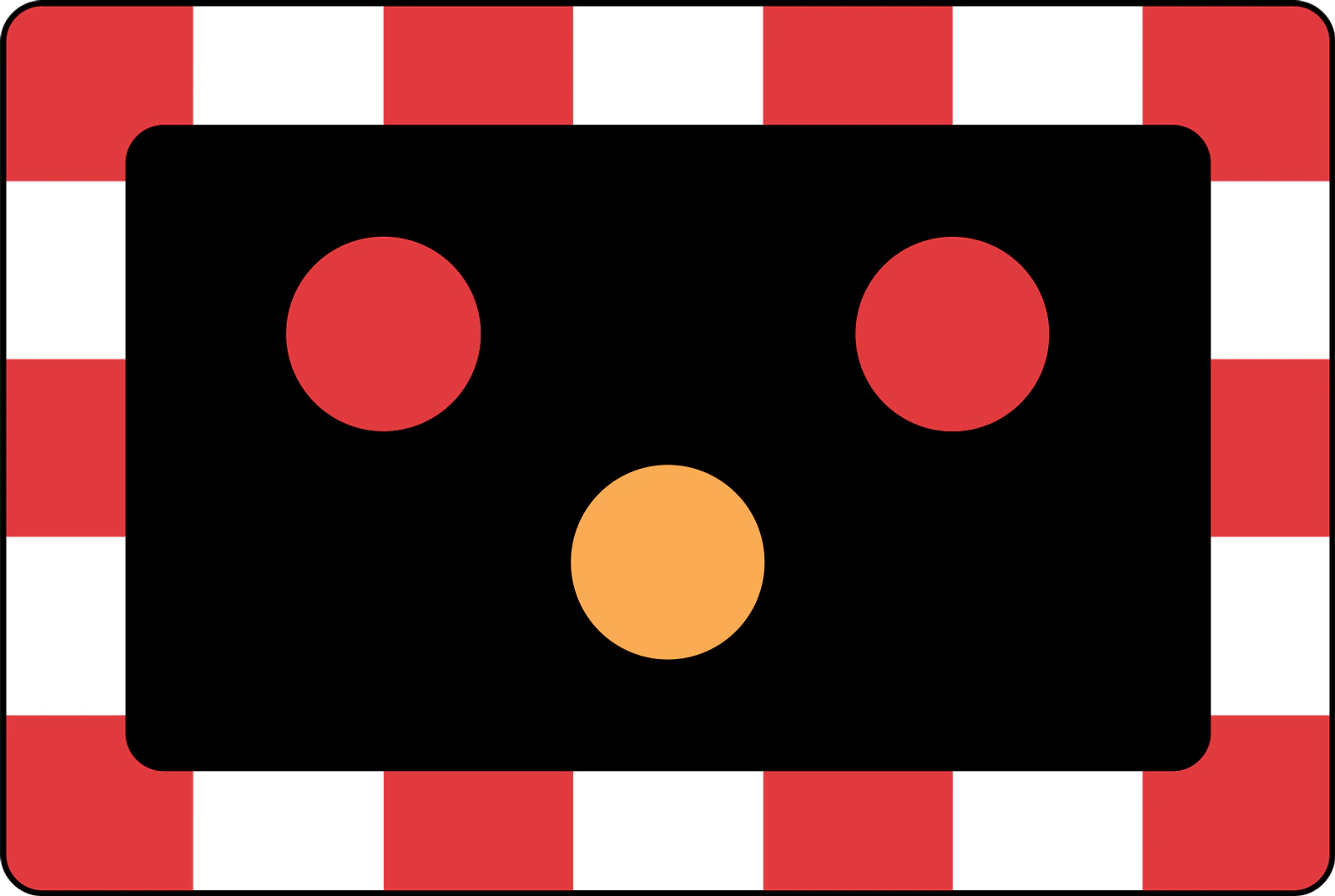
Learn the meaning of the 'Wig-wag' traffic signal
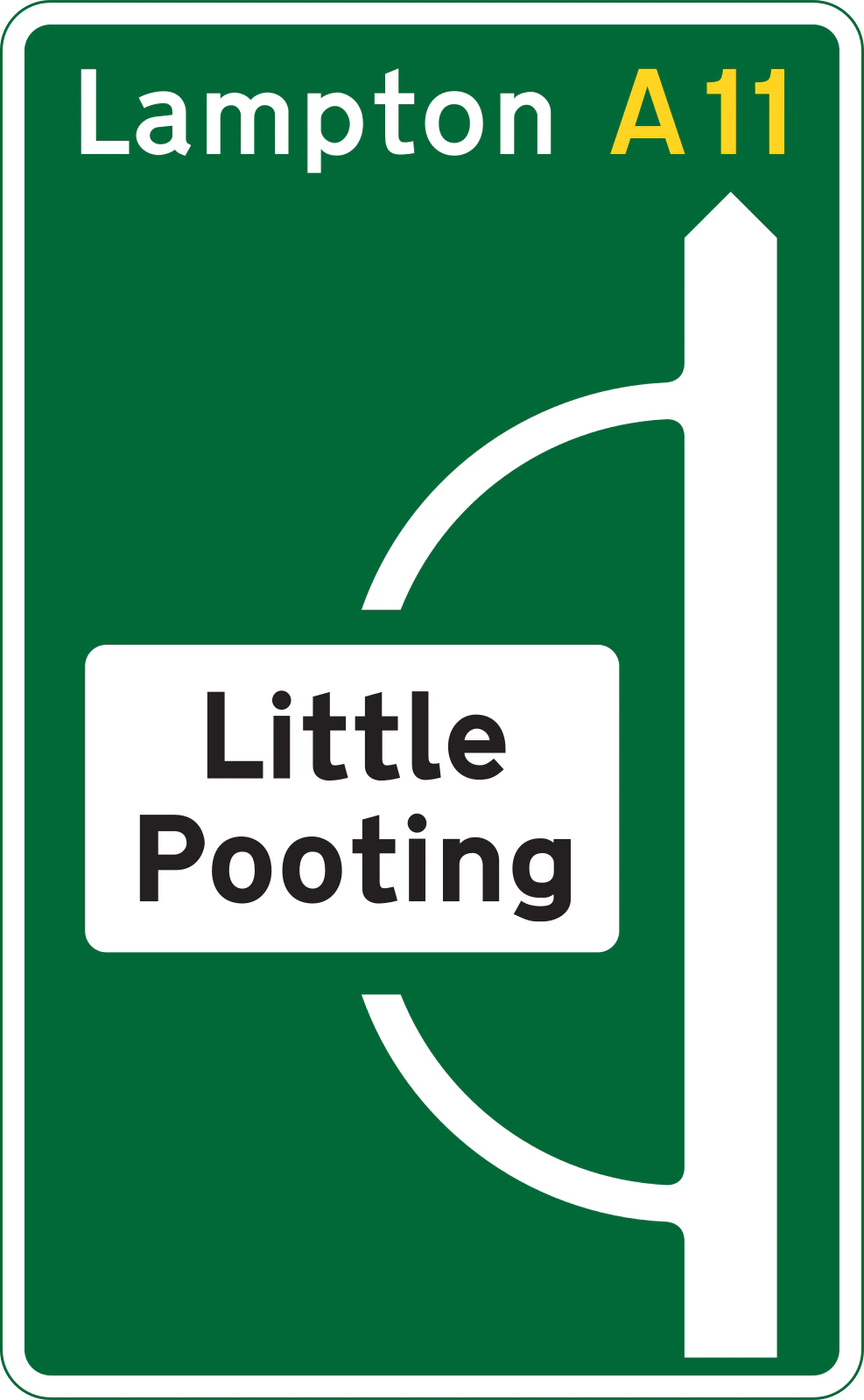
Navigate junctions near bypassed towns with the Primary Route Junction sign.
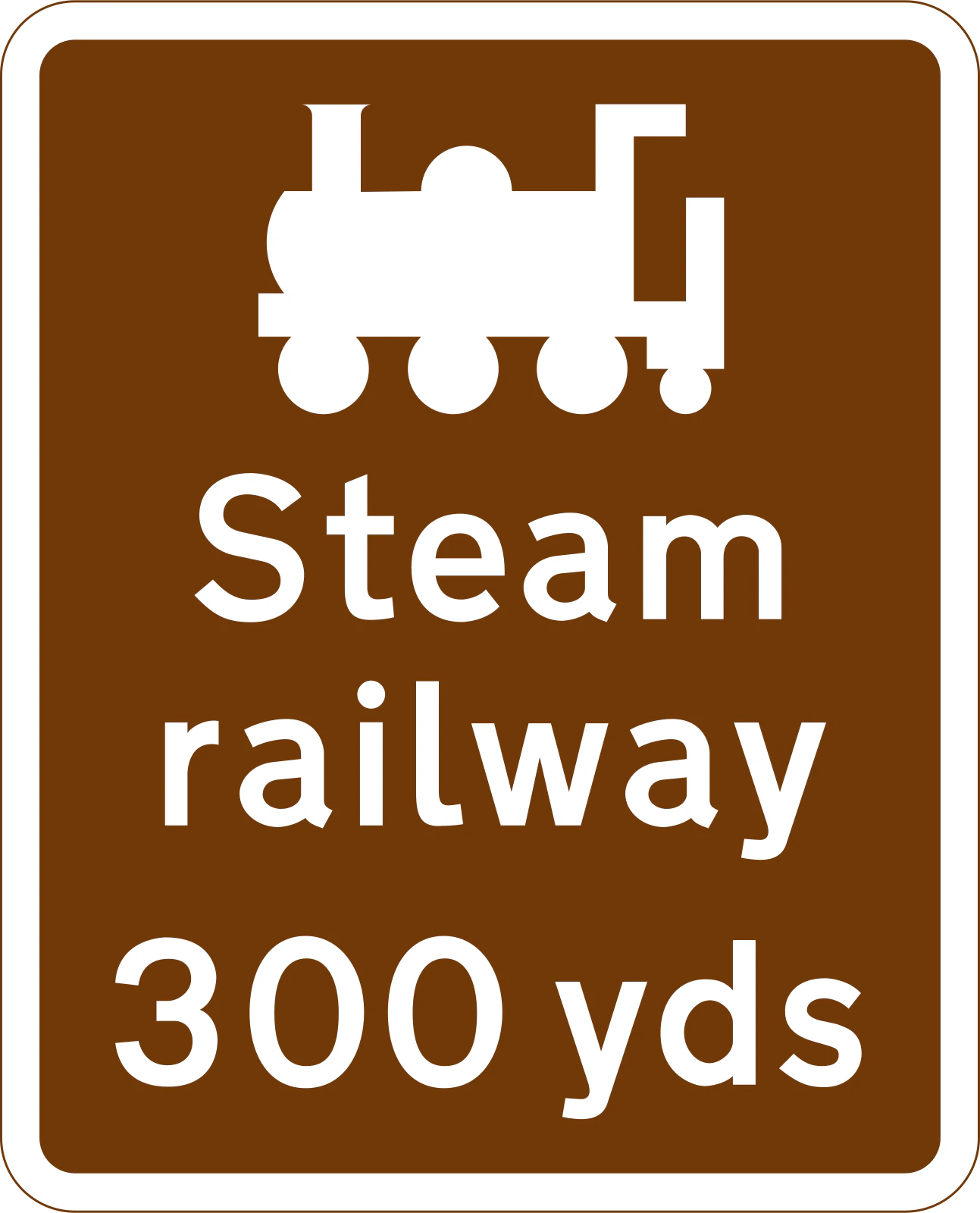
Know the 'Steam Railway Tourist Attraction 300 yd Ahead' Sign
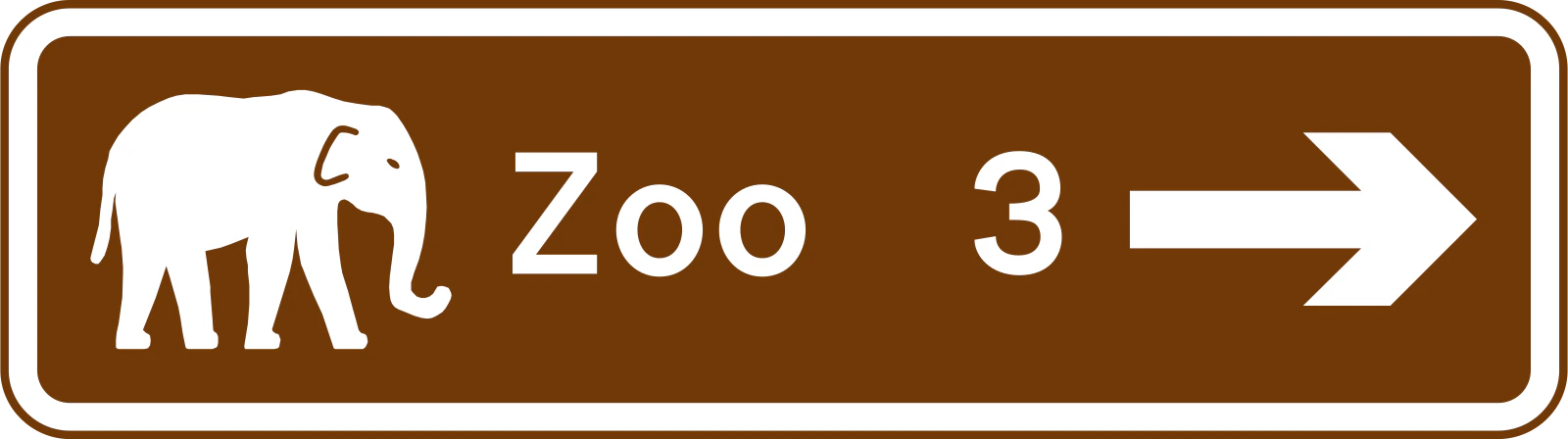
This sign indicates a junction leading to a tourist attraction ahead.
Explore curated explanations and practical examples to strengthen your visual recognition of essential Great Britain road signs. These supplementary materials provide the context needed to navigate junctions safely and pass your official DVSA theory test.
Navigating junctions in Great Britain can be complex, with priority often dictated by specific road signs and markings rather than simple intuition. This article breaks down the rules for various types of crossroads, explaining how to identify who has right of way and what to do when facing confusing situations. Preparing for your theory test requires a thorough understanding of these critical junction rules to ensure safe driving.
Understand your responsibility for a safe and legal vehicle on Great Britain's roads.
Learn how the Highway Code's Hierarchy of Road Users shapes priority on UK roads, focusing on interactions with pedestrians, cyclists, and horse riders. This essential knowledge is vital for learner drivers to navigate junctions and crossings correctly, ensuring they meet DVSA theory test requirements and drive with greater confidence and safety.
Navigate Tricky British Weather and Night Driving Scenarios with Confidence.
Traffic light signal signs and diagrams help drivers understand how controlled movements work at junctions, crossings, priority sections, or special road-user facilities. This sign may show a standard aspect, a turn filter, a tram or cycle signal, or a priority arrangement. A safe response means stopping at the correct line on red, proceeding only on the applicable signal, and checking that the way ahead is clear. It is listed in the catalogue as code Red-and-Tram-Proceed.
Traffic light signal signs and diagrams help drivers understand how controlled movements work at junctions, crossings, priority sections, or special road-user facilities. This sign may show a standard aspect, a turn filter, a tram or cycle signal, or a priority arrangement. A safe response means stopping at the correct line on red, proceeding only on the applicable signal, and checking that the way ahead is clear. It is listed in the catalogue as code Wig-wag-Signal.
After reviewing the full list of road signs, challenge yourself with practice questions focused specifically on sign recognition. Reinforce your learning and ensure you're fully prepared to identify and understand all traffic signs on the DVSA theory test.
Browse All GB Road Signs List