
The Standard-Aspects traffic light signal, commonly known as standard traffic lights with three lamps, is crucial for regulating traffic flow at junctions and crossings. You must always obey the signal that applies to your specific lane, movement, or road-user category. This means stopping on red and proceeding only when a green signal or a filter arrow permits it, and only when the way ahead is clear and safe. Understanding these signals is vital for passing your theory test and navigating junctions safely in Great Britain.
Mastering the standard three-lamp traffic light signal is crucial for safe driving and passing your theory test. This explanation details the correct interpretation of red, amber, and green signals to ensure compliance with Great Britain's traffic rules and avoid penalties.
Traffic light signal signs and diagrams help drivers understand how controlled movements work at junctions, crossings, priority sections, or special road-user facilities. This sign may show a standard aspect, a turn filter, a tram or cycle signal, or a priority arrangement. A safe response means stopping at the correct line on red, proceeding only on the applicable signal, and checking that the way ahead is clear. It is listed in the catalogue as code Standard-Aspects.
"Standard traffic light, with three lamps" shows a traffic-signal aspect, filter, or signal arrangement. The driver must obey the signal that applies to their lane, movement, or road-user category.
Get clear, practical answers to the most common questions about the Standard-Aspects - Standard traffic light, with three lamps road sign. Learn how the sign works, what rules it represents, and how it affects real driving situations. This FAQ strengthens your understanding and supports accurate decision making for the British driving theory exam in Great Britain.
The main rule is to always obey the signal that is specifically controlling your lane, your intended movement, or your road-user category. This could be a standard red, amber, or green light, or a specific filter arrow.
A green light indicates you may proceed, but only if the way ahead is clear and it is safe to do so. You must not enter a junction if you cannot clear it, even if the light is green. Always check for pedestrians, cyclists, or other vehicles before moving off.
A filter arrow indicates a specific movement (like turning right or left) is permitted, often while other movements might be stopped. You must only follow the filter arrow for the direction you intend to go, and it's still essential to ensure the junction is clear before proceeding.
Common mistakes include assuming green means 'go immediately' without checking if the junction is clear, entering a junction when it's blocked, or not paying attention to filter arrows that may apply to their lane. It's also a mistake to proceed on red or amber unless instructed to do so by a police officer or traffic warden.
Yes, you must be aware of and obey other signals that might apply to you, such as those for trams, cyclists, or buses, or special priority signals. These can operate independently of the main traffic lights and require specific attention.
It means that different signals can be active at the same time for different directions or types of traffic. For example, you might have a green filter arrow for turning right while straight-ahead traffic has a red light. You must only act according to the signal shown for your specific path.
A clear reference image of the Standard-Aspects - Standard traffic light, with three lamps road sign used in Great Britain.

The Standard-Aspects - Standard traffic light, with three lamps road sign may also be known by these alternative names or terms.
The Standard-Aspects - Standard traffic light, with three lamps road sign is part of the Great Britain Traffic Light Signals category, which groups together signs with similar rules and functions.
Master traffic light signals by comparing the standard three-lamp aspect with other variations. This comparative approach strengthens recognition and recall, crucial for accurate responses in your theory test revision and for avoiding confusion when encountering similar road signs on UK roads.

Understand the Bike-Signal: A Traffic Light Specifically for Cyclists
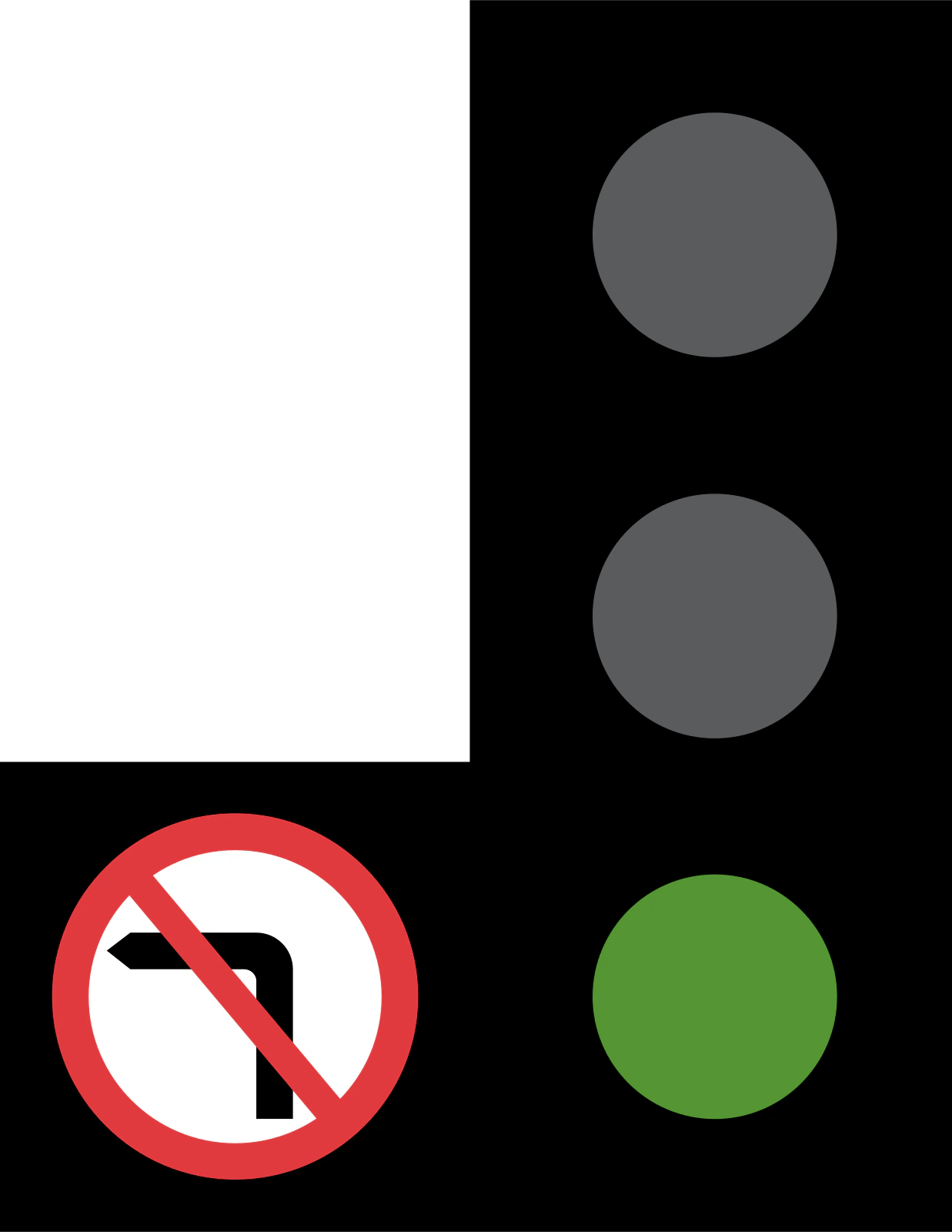
Understand the 'No Left Turn' Traffic Light Signal in Great Britain
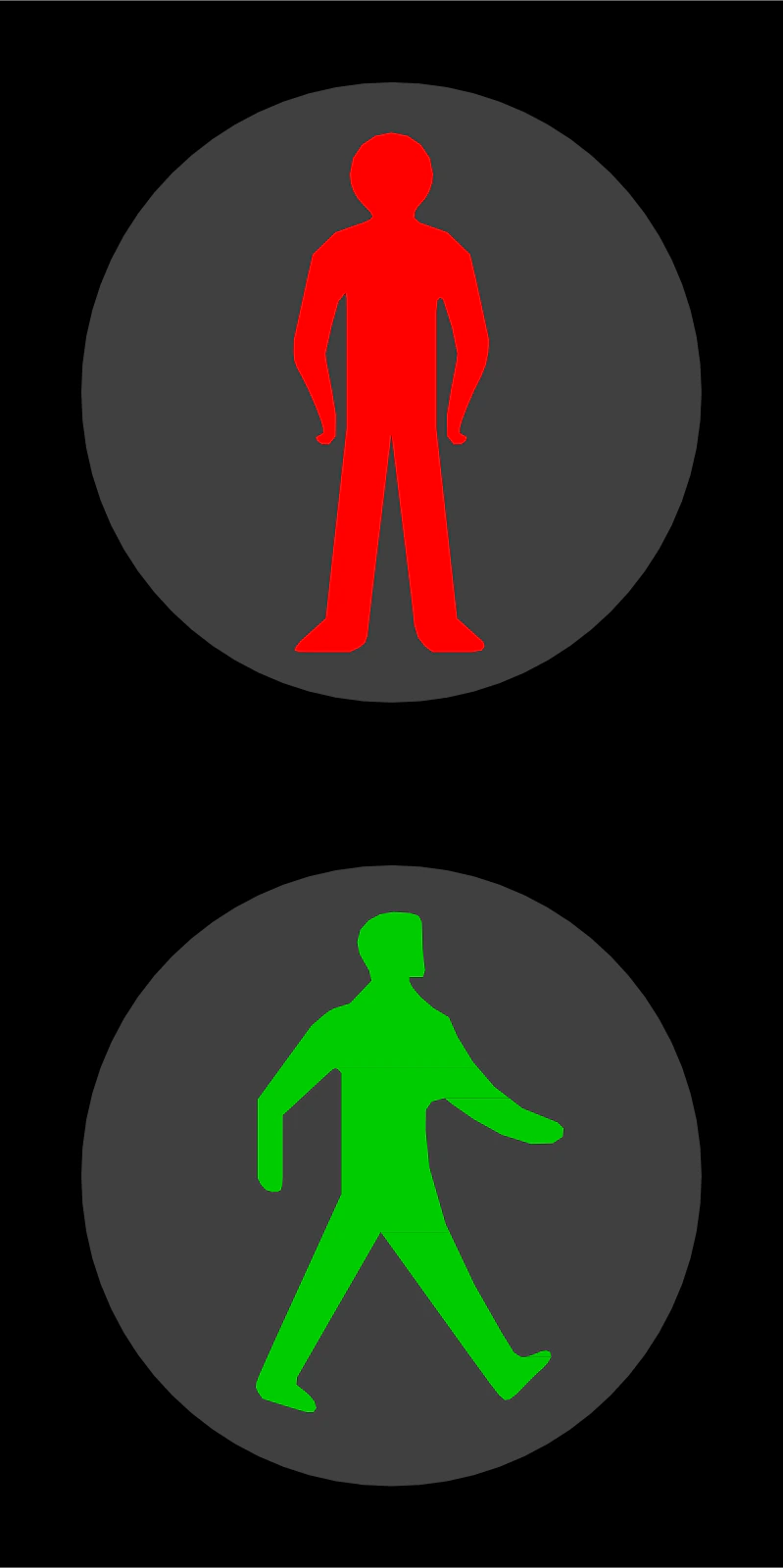
Pedestrian Light Signals: Know When to Stop and Go Safely
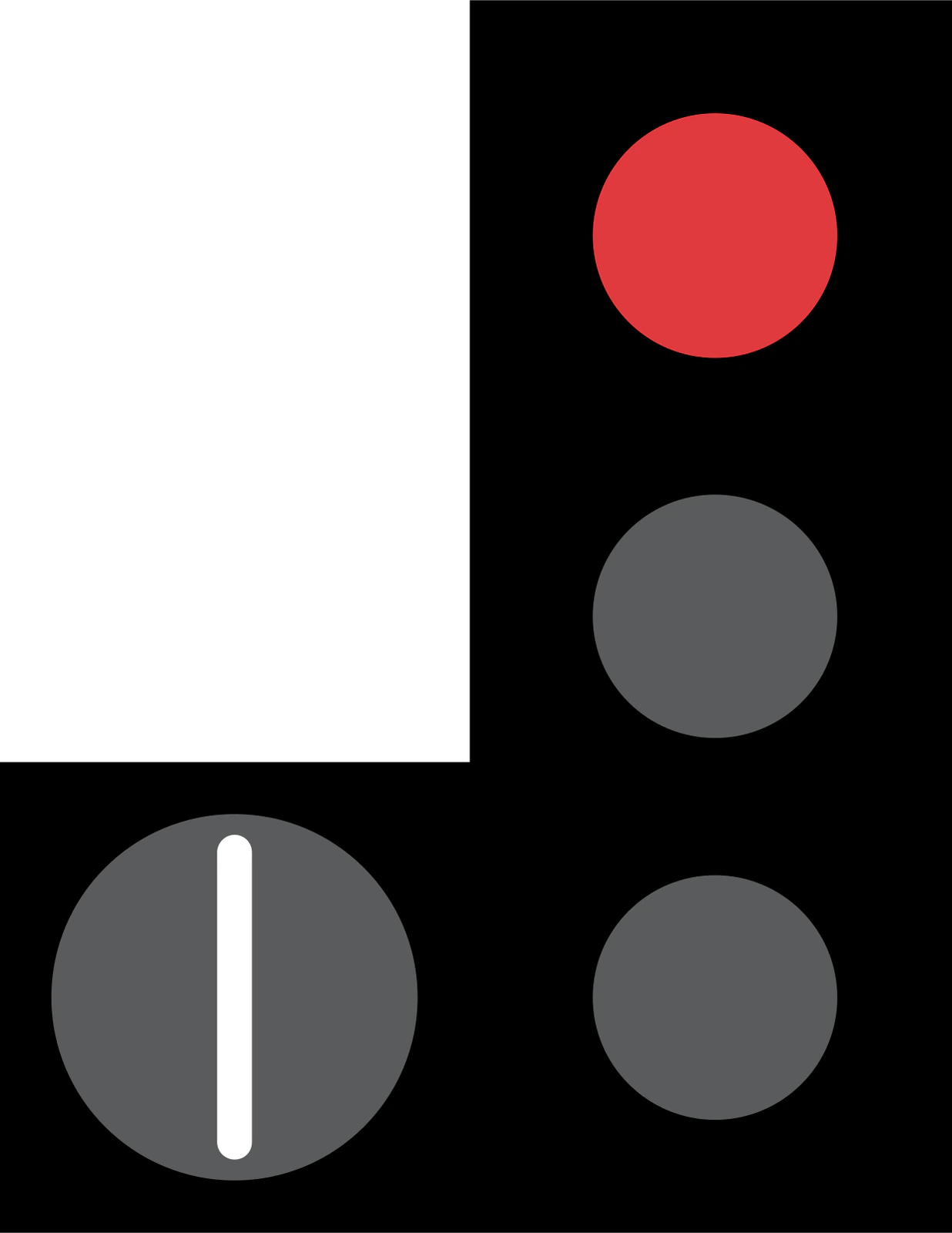
Understand the Red-and-Tram-Proceed Traffic Light Signal for Trams
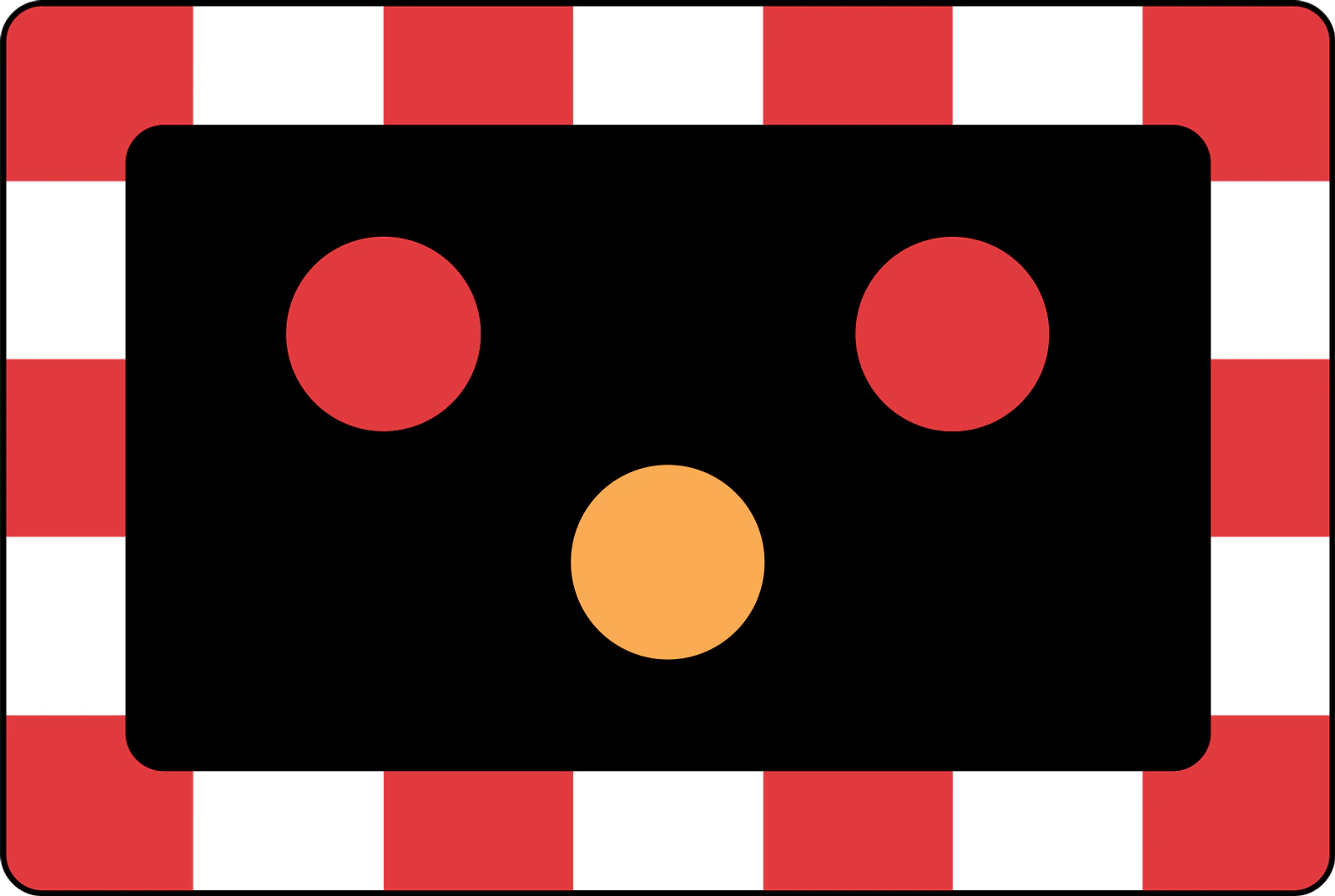
Learn the meaning of the 'Wig-wag' traffic signal
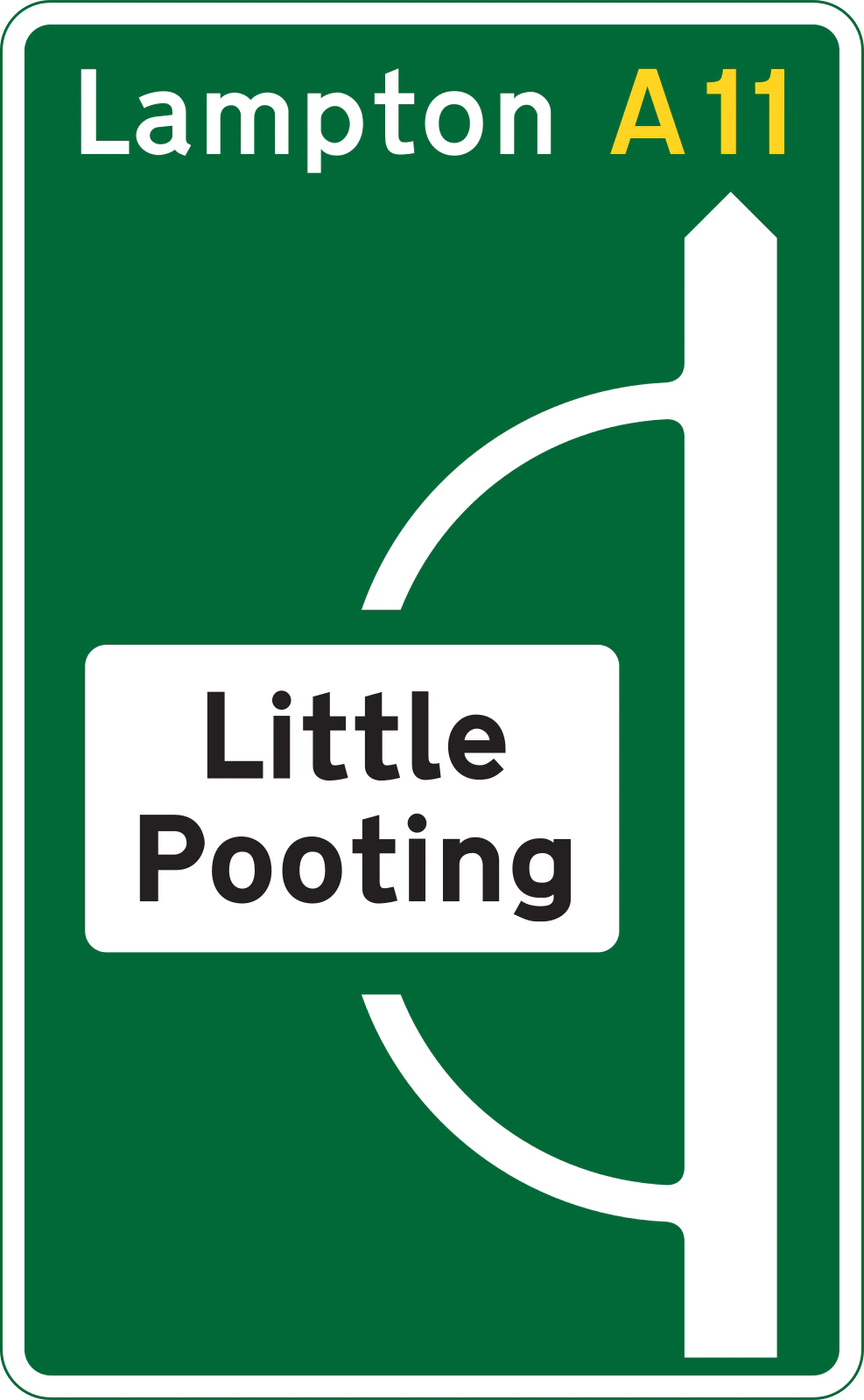
Navigate junctions near bypassed towns with the Primary Route Junction sign.
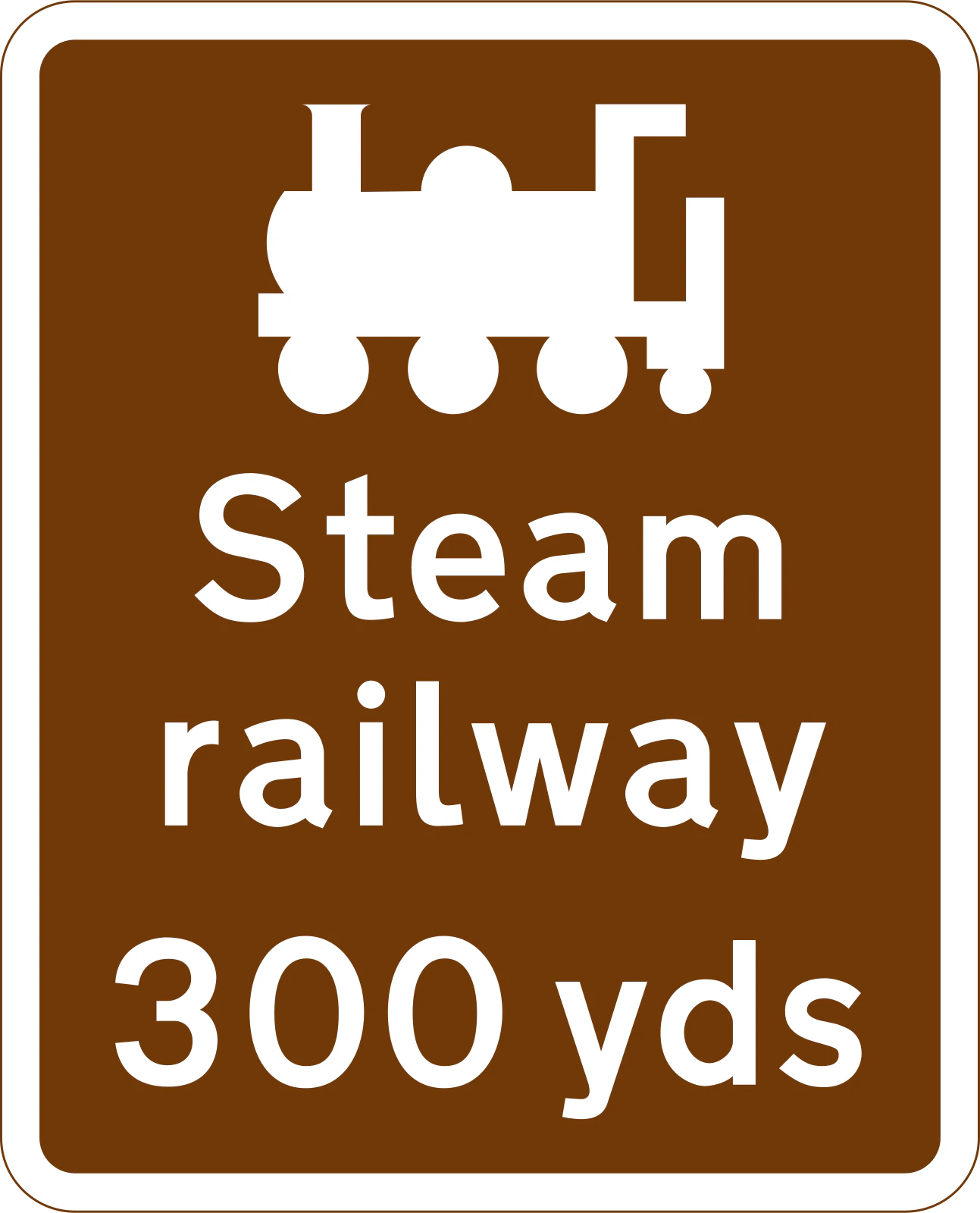
Know the 'Steam Railway Tourist Attraction 300 yd Ahead' Sign

This sign indicates a junction leading to a tourist attraction ahead.
Explore curated explanations and practical examples to strengthen your visual recognition of essential Great Britain road signs. These supplementary materials provide the context needed to navigate junctions safely and pass your official DVSA theory test.
Navigating junctions in Great Britain can be complex, with priority often dictated by specific road signs and markings rather than simple intuition. This article breaks down the rules for various types of crossroads, explaining how to identify who has right of way and what to do when facing confusing situations. Preparing for your theory test requires a thorough understanding of these critical junction rules to ensure safe driving.
Understand your responsibility for a safe and legal vehicle on Great Britain's roads.
Learn how the Highway Code's Hierarchy of Road Users shapes priority on UK roads, focusing on interactions with pedestrians, cyclists, and horse riders. This essential knowledge is vital for learner drivers to navigate junctions and crossings correctly, ensuring they meet DVSA theory test requirements and drive with greater confidence and safety.
Navigate Tricky British Weather and Night Driving Scenarios with Confidence.
Traffic light signal signs and diagrams help drivers understand how controlled movements work at junctions, crossings, priority sections, or special road-user facilities. This sign may show a standard aspect, a turn filter, a tram or cycle signal, or a priority arrangement. A safe response means stopping at the correct line on red, proceeding only on the applicable signal, and checking that the way ahead is clear. It is listed in the catalogue as code Wig-wag-Signal.
Traffic light signal signs and diagrams help drivers understand how controlled movements work at junctions, crossings, priority sections, or special road-user facilities. This sign may show a standard aspect, a turn filter, a tram or cycle signal, or a priority arrangement. A safe response means stopping at the correct line on red, proceeding only on the applicable signal, and checking that the way ahead is clear. It is listed in the catalogue as code Red-and-Tram-Proceed.
After reviewing the full list of road signs, challenge yourself with practice questions focused specifically on sign recognition. Reinforce your learning and ensure you're fully prepared to identify and understand all traffic signs on the DVSA theory test.
Browse All GB Road Signs List