
The 'No Through Road' sign (code 816) is an information sign designed to help you plan your route and understand road layouts in Great Britain. It clearly indicates that the road ahead does not continue through to another main road or junction. You should use this sign to adjust your speed and position early, but remember that it provides information only and does not override any traffic signals, road markings, or regulatory signs. Always look for follow-up signs if the information continues.
This crucial Great Britain information sign helps drivers identify upcoming road layouts and arrangements, crucial for effective planning and safe navigation. Mastering its interpretation is vital for your theory test revision and understanding traffic rules.
Information signs make the road environment easier to interpret before a driver has to act. This sign may identify one-way traffic, a lay-by, a route feature, a facility, or a local traffic arrangement. The driver should combine the information with road markings, priority rules, signals, and any regulatory signs before changing speed or position. It is listed in the catalogue as code 816.
"No through road" gives official road information that helps drivers understand the layout, direction of traffic, facility, or local arrangement ahead. It should be used for planning, not for sudden reactions.
Get clear, practical answers to the most common questions about the 816 - No through road road sign. Learn how the sign works, what rules it represents, and how it affects real driving situations. This FAQ strengthens your understanding and supports accurate decision making for the British driving theory exam in Great Britain.
The 'No Through Road' sign (816) tells you that the road you are about to enter does not lead to another road or junction. It's an informational sign to help you plan your journey and avoid entering a dead end unintentionally. It is commonly seen before roads leading to residential areas or private drives.
No, the 'No Through Road' sign (816) is for planning, not immediate action. You don't have to stop or necessarily turn around unless you intended to pass through. You should use the information to adjust your speed and lane position if necessary, but always be aware of other traffic and road conditions before making any decisions.
While the primary purpose of the 'No Through Road' sign (816) is to indicate a dead end, similar signs in the information category can indicate one-way traffic. You must always combine the information from this sign with any other road markings or signs present to understand the full traffic arrangement, such as whether the road is one-way or has restricted access.
A common trap is assuming the 'No Through Road' sign (816) is a prohibition. Learners sometimes think it means they are banned from entering. In reality, it's purely informational, guiding you about the road ahead. Another mistake is not reacting to it early enough, leading to a late and potentially unsafe manoeuvre, or ignoring follow-up signs that might offer more detail.
Absolutely not. Information signs like 'No Through Road' (816) provide guidance to help you navigate. They never override traffic signals, speed limits, priority rules, or other regulatory signs. You must always obey all other rules of the road, even when you see this sign.
A clear reference image of the 816 - No through road road sign used in Great Britain.
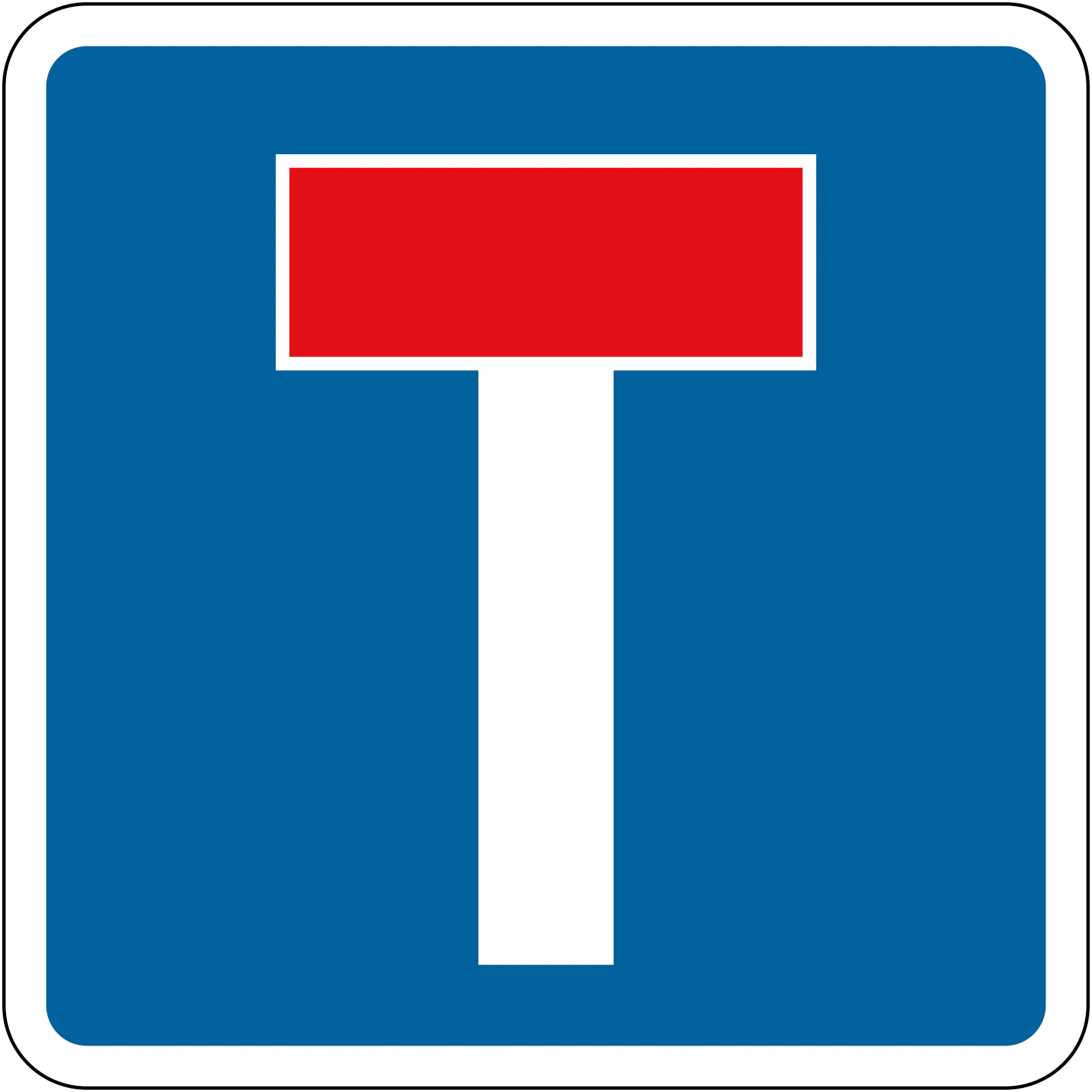
The 816 - No through road road sign may also be known by these alternative names or terms.
The 816 - No through road road sign is part of the Great Britain Information Signs category, which groups together signs with similar rules and functions.
Studying related signs like 'No Through Road' alongside others helps solidify your understanding and improve recall for your theory test revision. Mastering traffic sign comparison is key to confidently identifying road signs during your exam.

This information sign means you can pass either side to reach the same destination.

Understand the One-Way Traffic sign (810-L) to navigate safely.
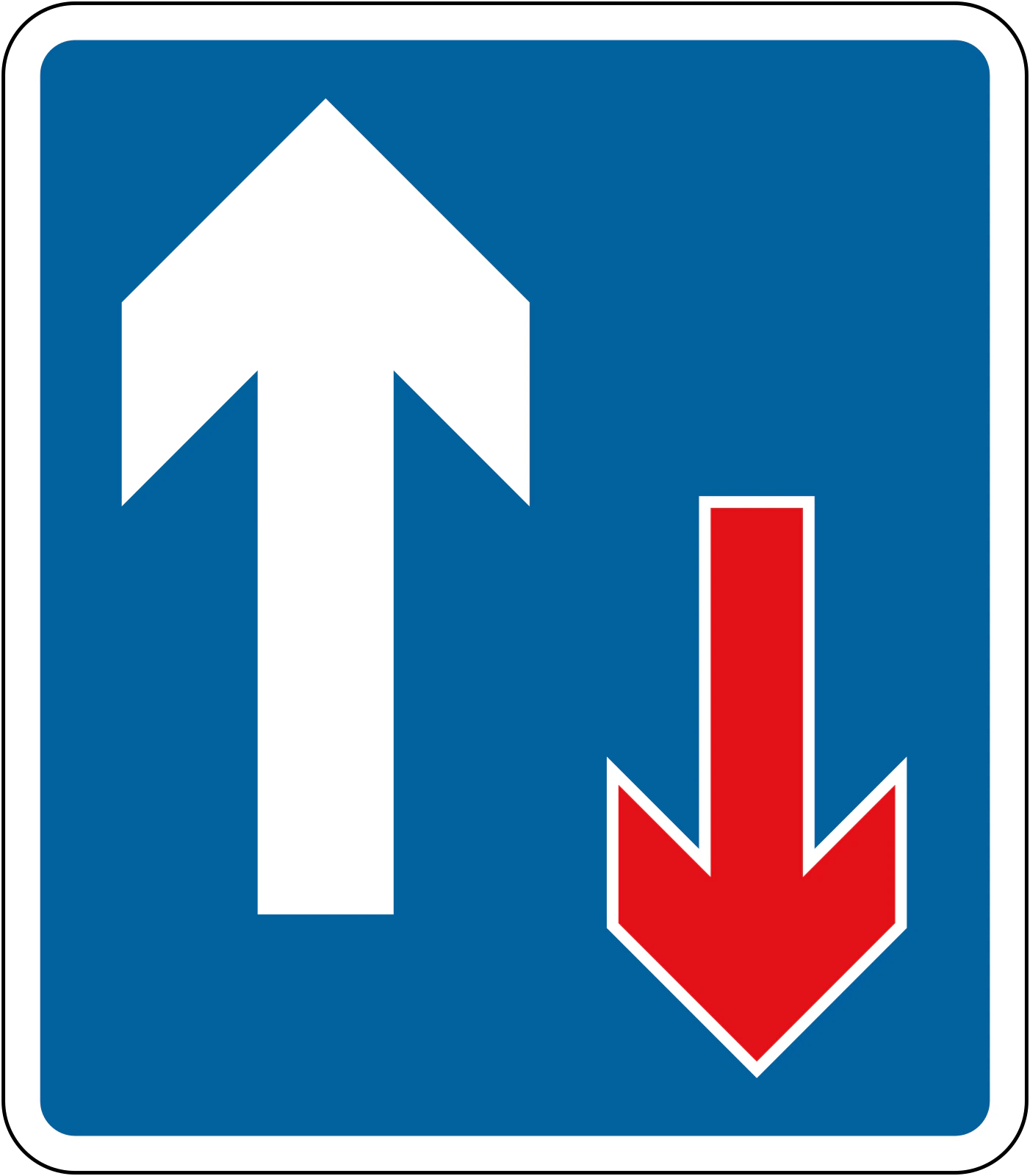
Sign 811 tells you that traffic from the opposite direction has priority.

Prepare for a weight restriction and find an alternative route with this information sign.

Understand the 'No Hard Shoulder for 400 yd' Road Sign

Understand the 'Unsuitable for Heavy Goods Vehicles' Information Sign
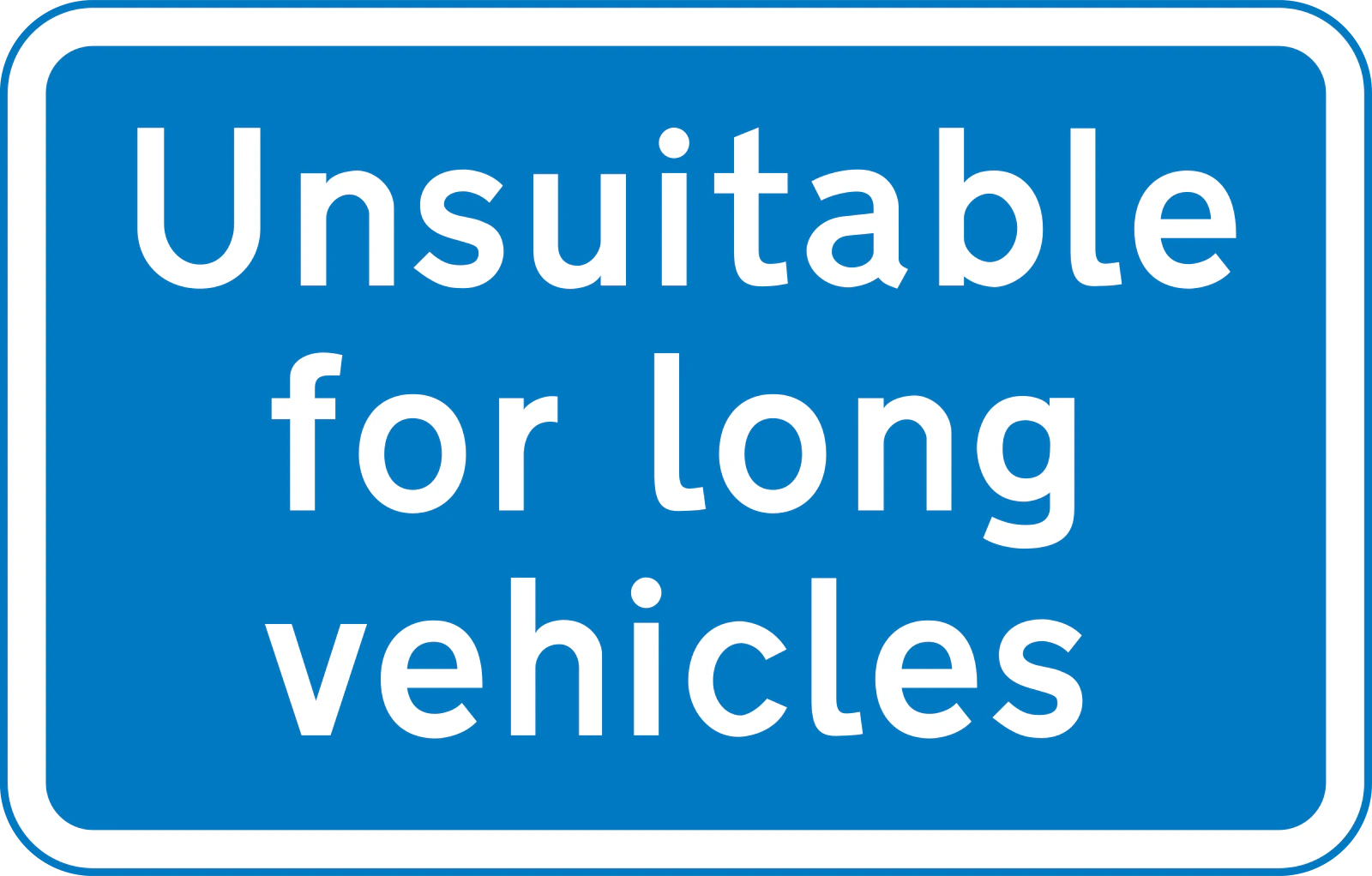
What the 'Unsuitable for Long Vehicles' road sign means for your driving journey.
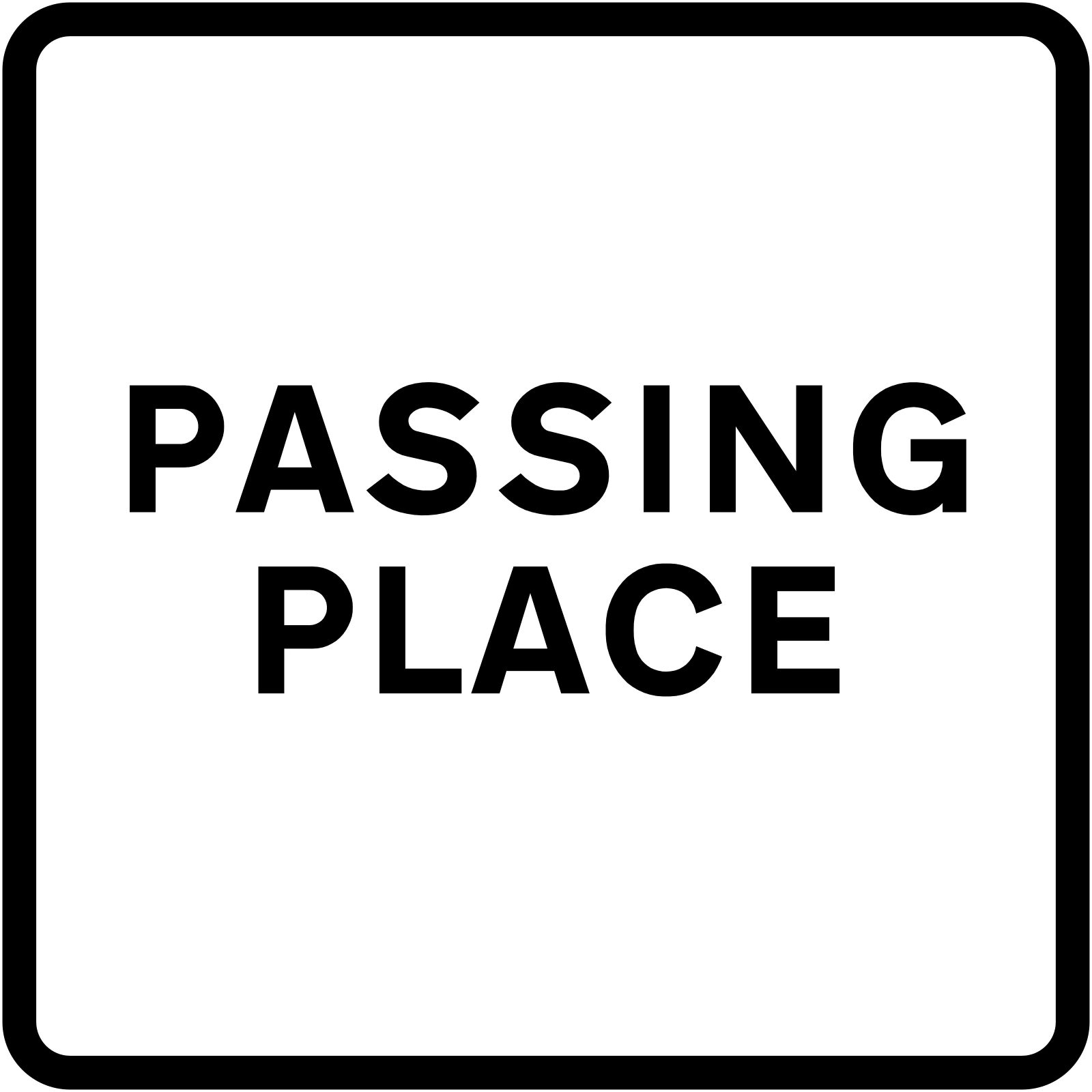
Understand the 'Passing Place on a Narrow Road' Information Sign (822)
After reviewing the full list of road signs, challenge yourself with practice questions focused specifically on sign recognition. Reinforce your learning and ensure you're fully prepared to identify and understand all traffic signs on the DVSA theory test.
Browse All GB Road Signs List